|
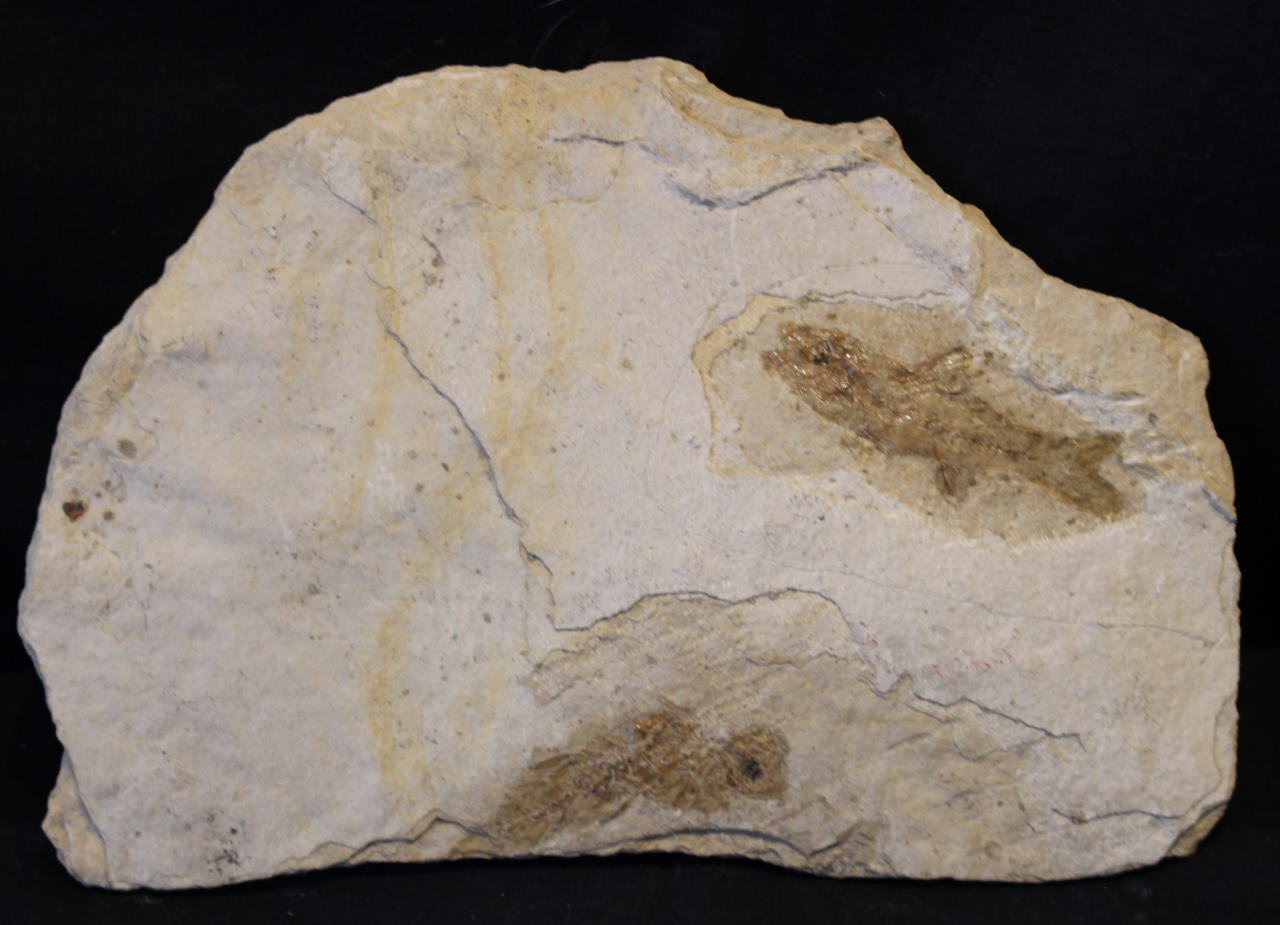
Dapalis macrurus #FDM4489
Some Fish on small matrix plate, Old collection
Oligocene, Rupelian, 30 Million years old
Cereste, France
Matrix 21 by 14 cm
Price: Euro 40.-- |
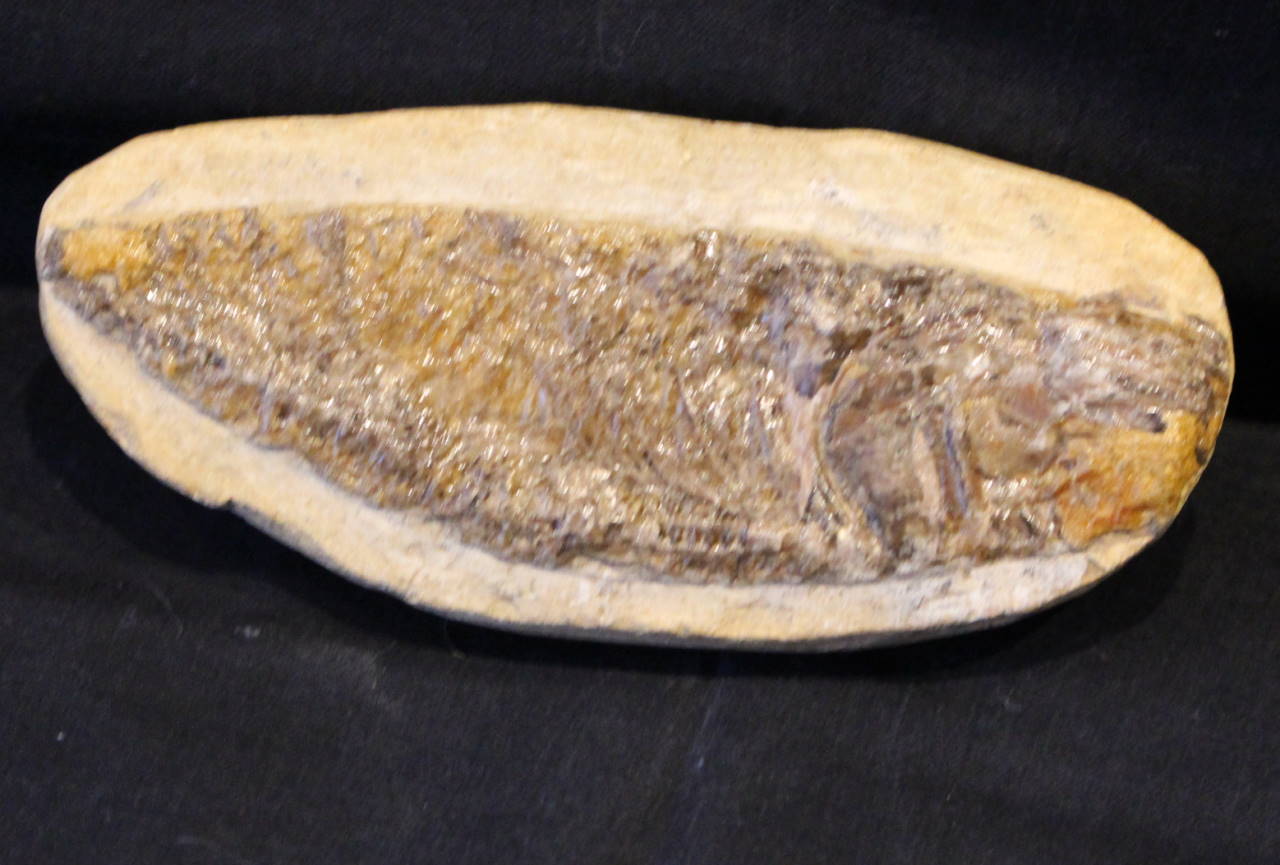
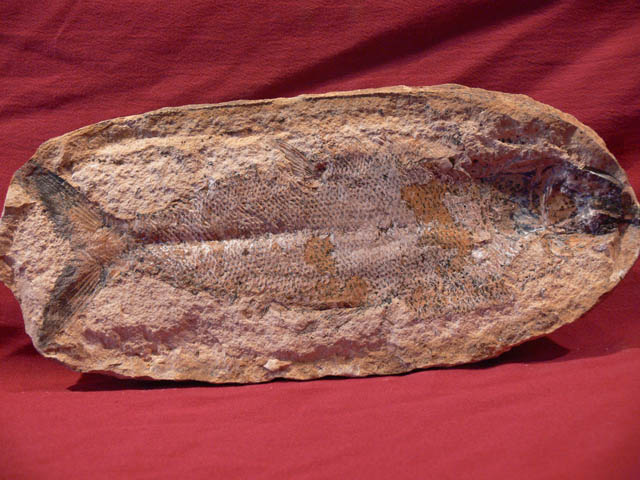
Rhacolepis buccalis #FRB4488
Fossil fish in Nodule
Lower Cretaceous, Santana formation, Albian,
110 million years old
Ceara, Araripe plateau, Brasil
Size fish: 5.2 inch / 13 cm
Price: Euro 45.-- |
|
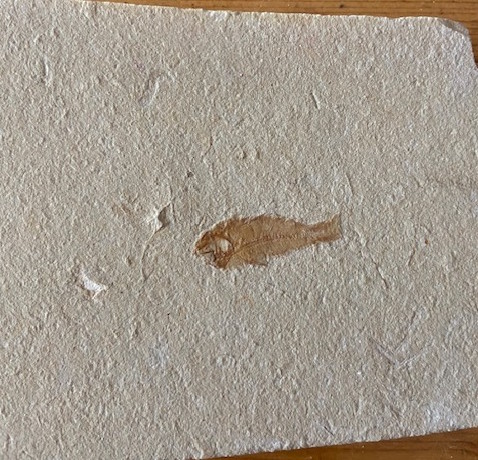 |
Gaudryella gaudryi #FGG5010
Upper Cretaceous, Cenomanian, 95 million years old
Hajoula (Haqel) / Lebanon
Size fish: 1.6 inch / 4 cm
Price: Euro 40.-- |
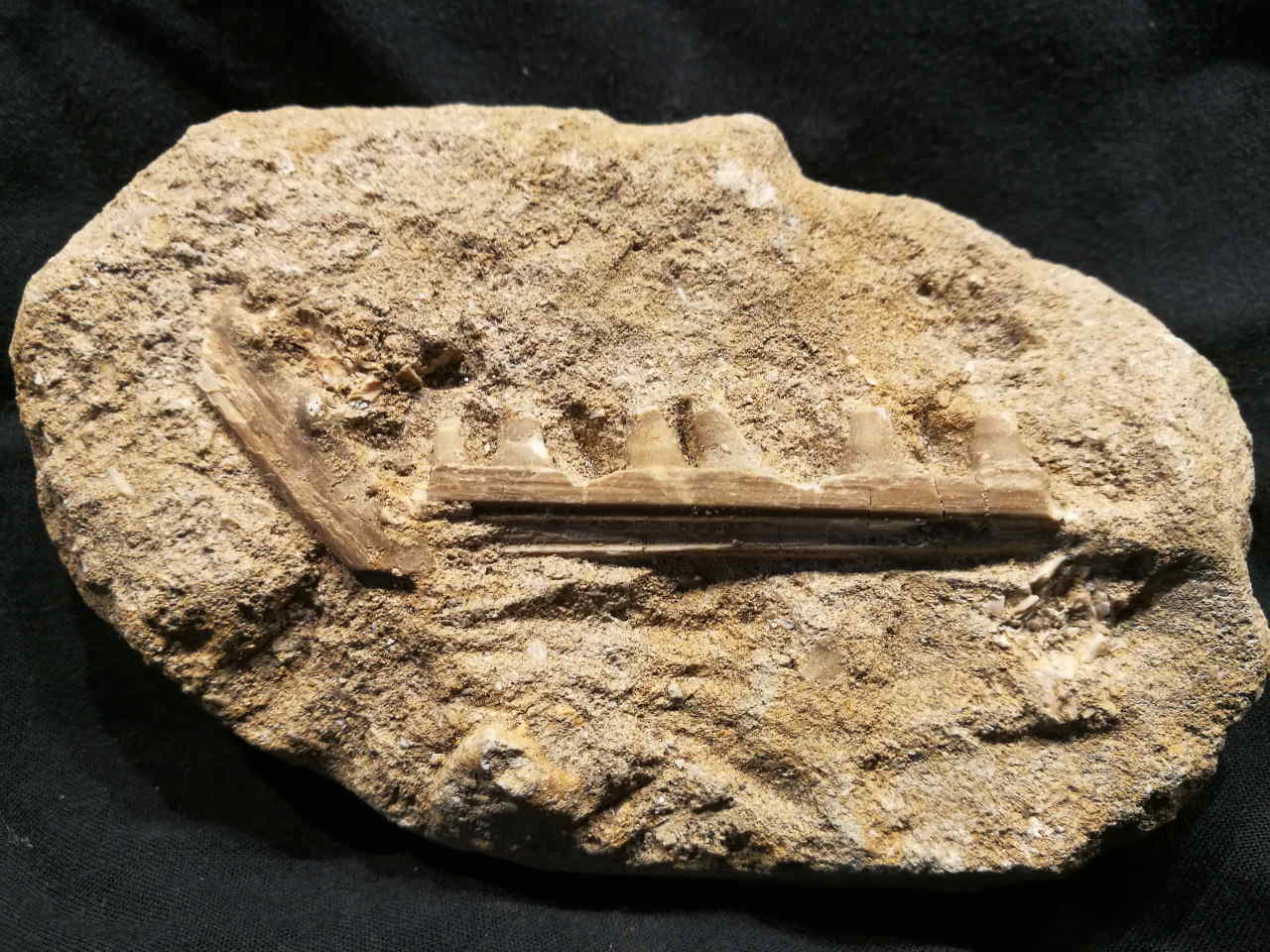
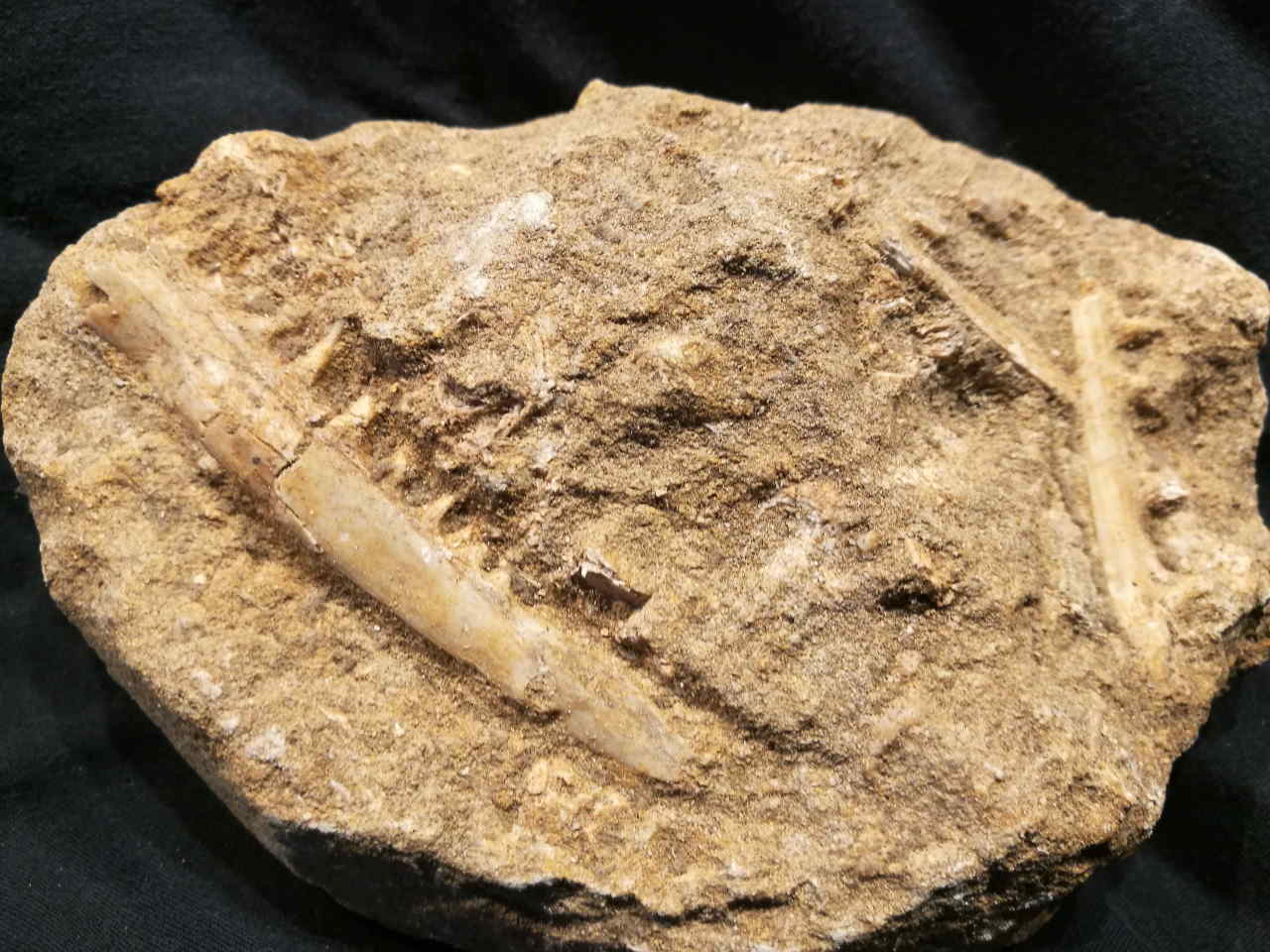
Enchodus lybicus #FEM4363
Jaw
Late Cretaceous 66 million years old
Khouribga, Morocco
Size: 3.2 inch / 8 cm
Price: Euro 40.-- |
|
|
Enchodus lybicus #FEM4364
Jaw
Late Cretaceous 66 million years old
Khouribga, Morocco
Size: 3.2 inch / 8 cm
Price: Euro 40.-- |
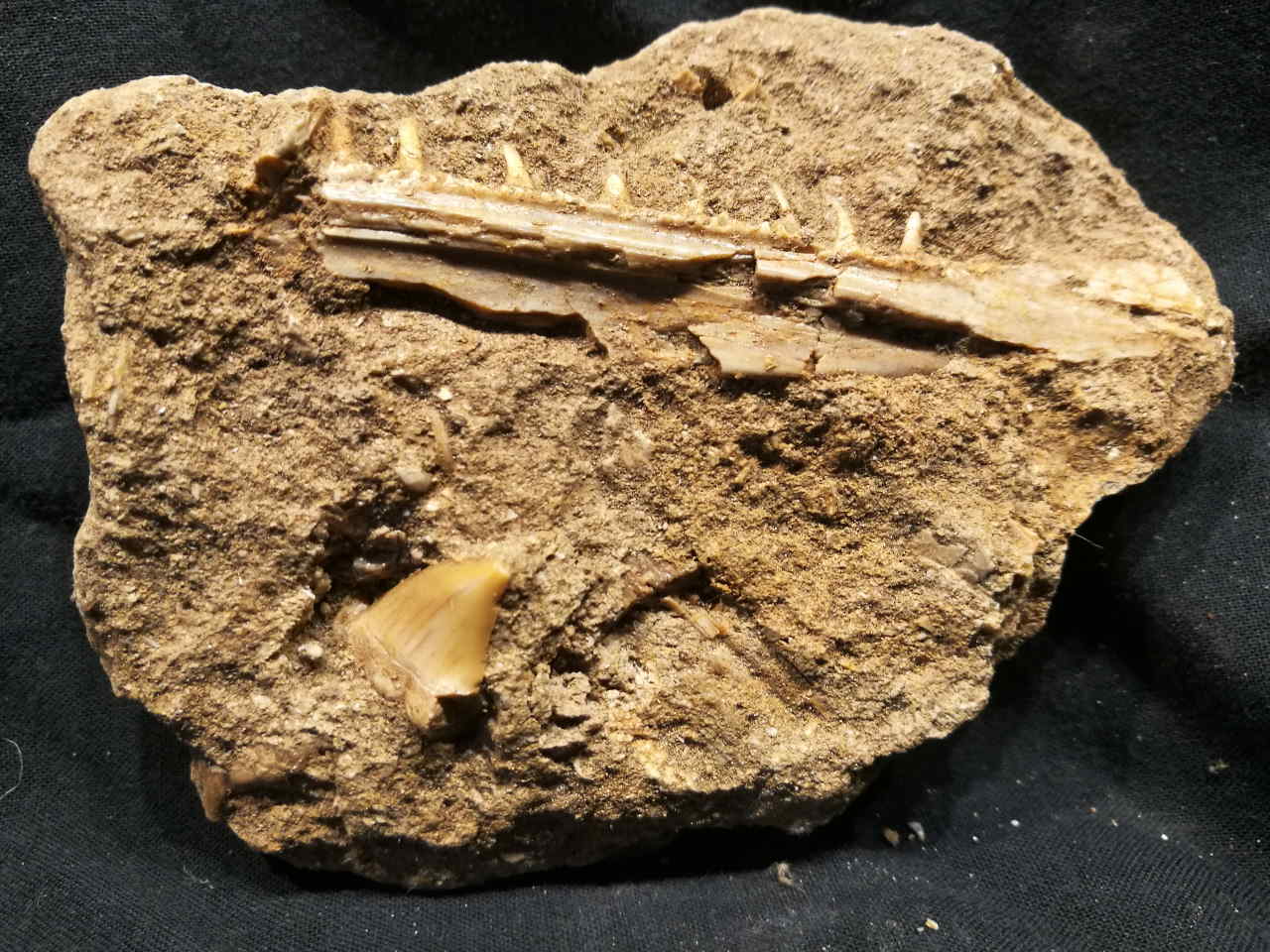
Enchodus lybicus #FEM4365
Jaw and with shark tooth
Late Cretaceous 66 million years old
Khouribga, Morocco
Size: 3.2 inch / 8 cm
Price: Euro 40.-- |
|
|
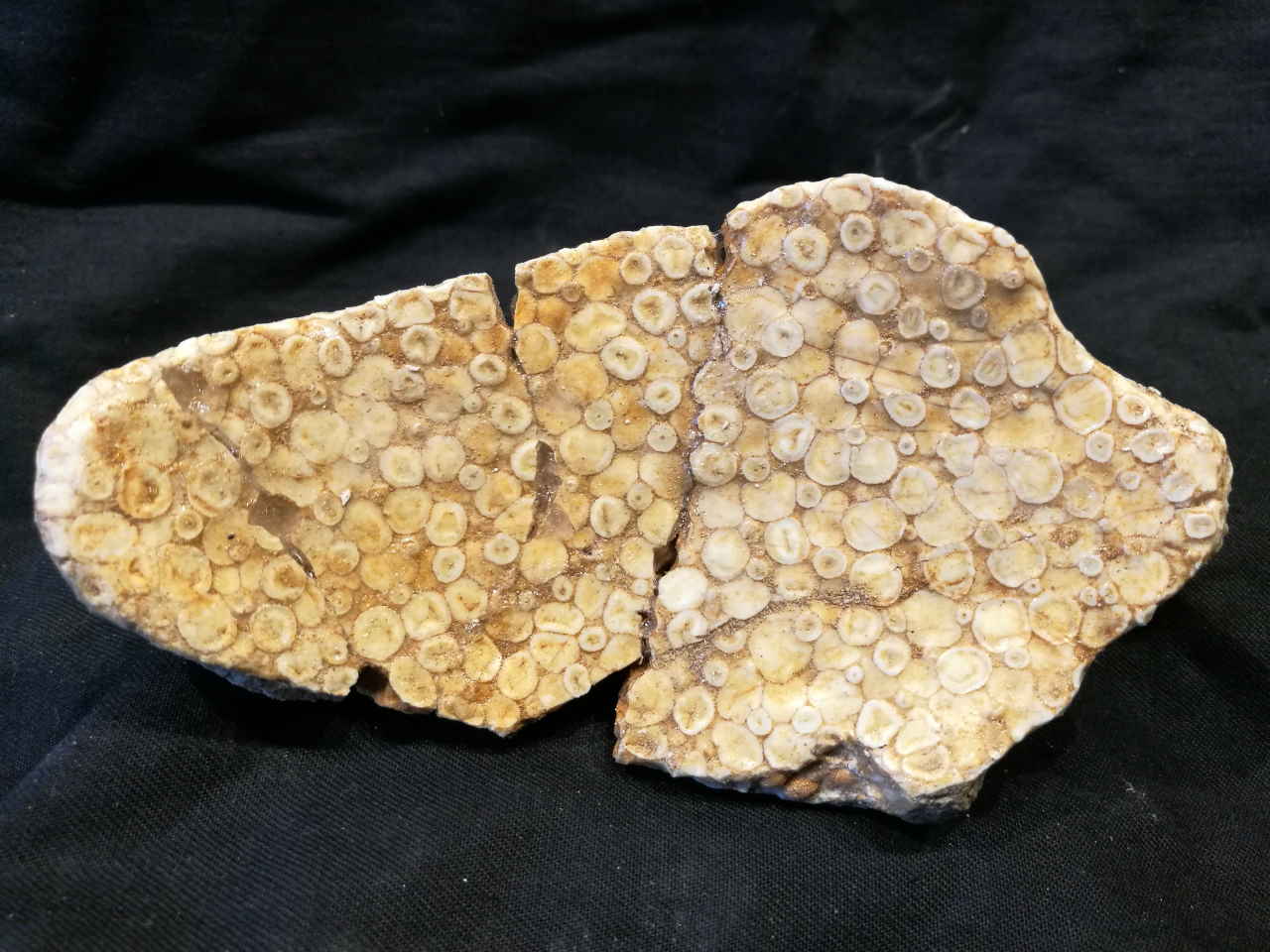
Eodiaphyodus granulosus #FKM4239
Toothplate
Late Cretaceous 66 million years old
Khouribga, Morocco
Size: 4.4 inch / 11 cm
Price: Euro 40.-- |
|
Myliobatis sp. #FKR4241
Toothplate No restoration!
Late Cretaceous 66 million years old
Khouribga, Morocco
Size: 1.4 inch / 3.5 cm
Price: Euro 15.-- |
 |
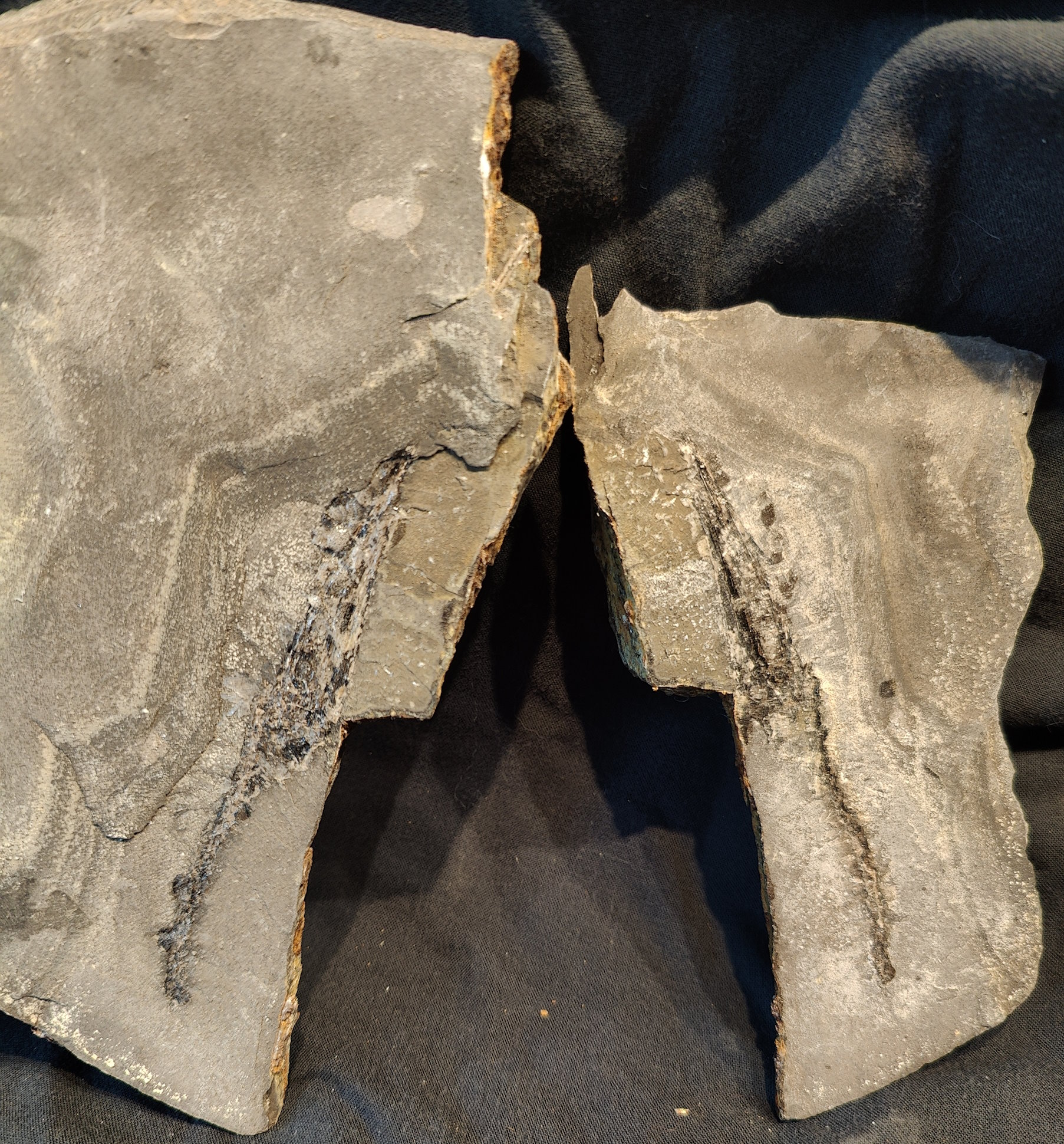 |
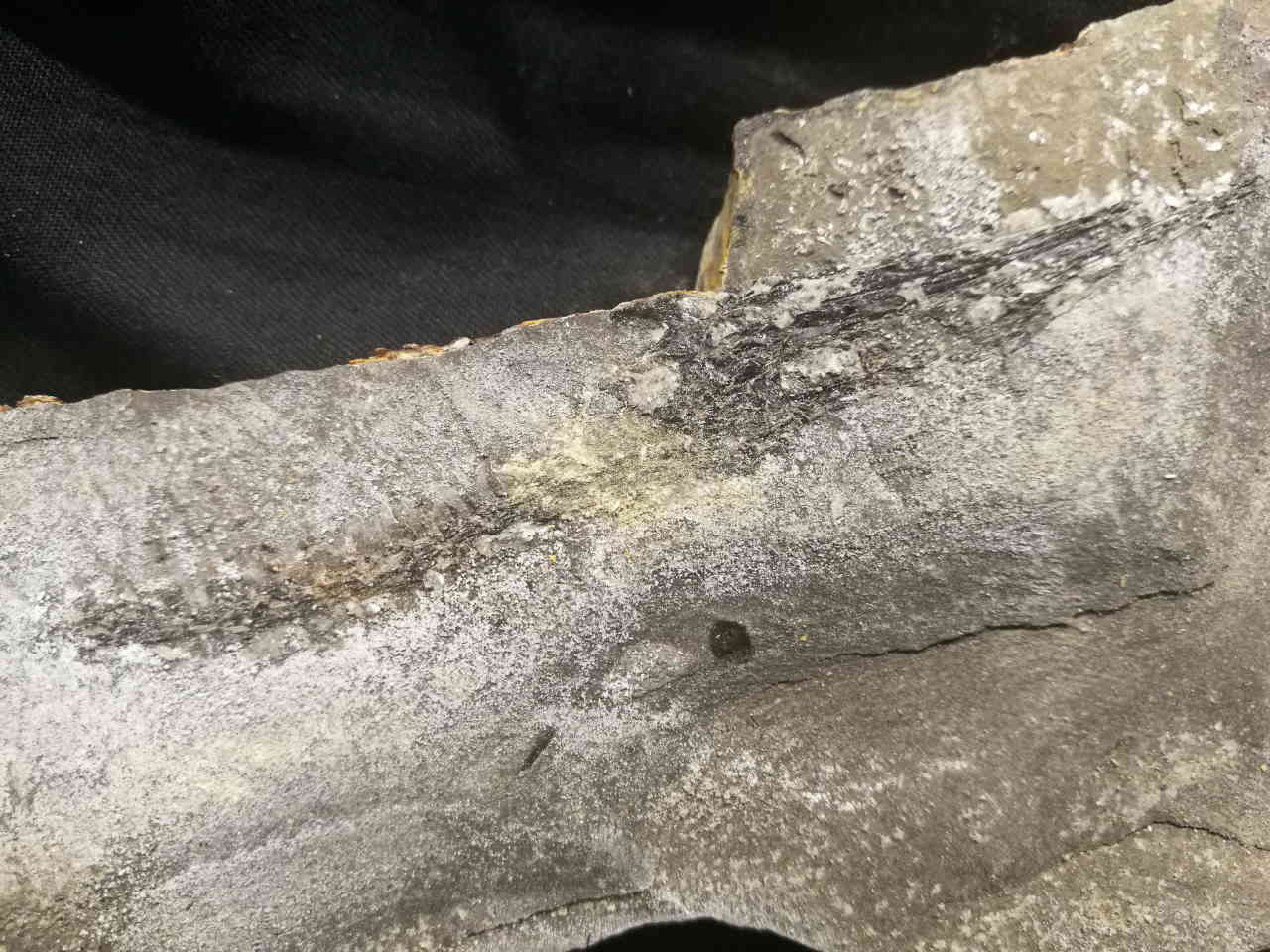
cf. Sygnata sp. #FME4202
Pos/neg Fish On Matrix Plate
Aridal form., Eocene 35 Million years old
Guerran, Morocco
Size: 4 inch / 10 cm
Price: Euro 30.--
|
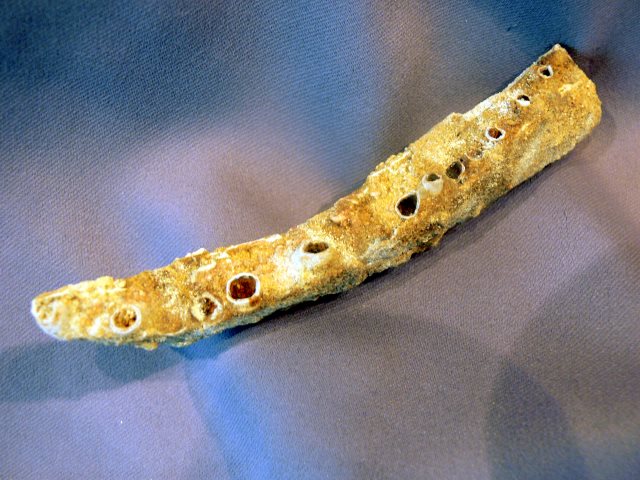 | Unknown species #VPM9694
very rare Fish partial Jaw,
Tegana Formation (Cenomanian)
Cretaceous 95 million years old
Kem Kem Beds, Morocco
Size: 5.2 inch / 13 cm
Price: Euro 100.-- |
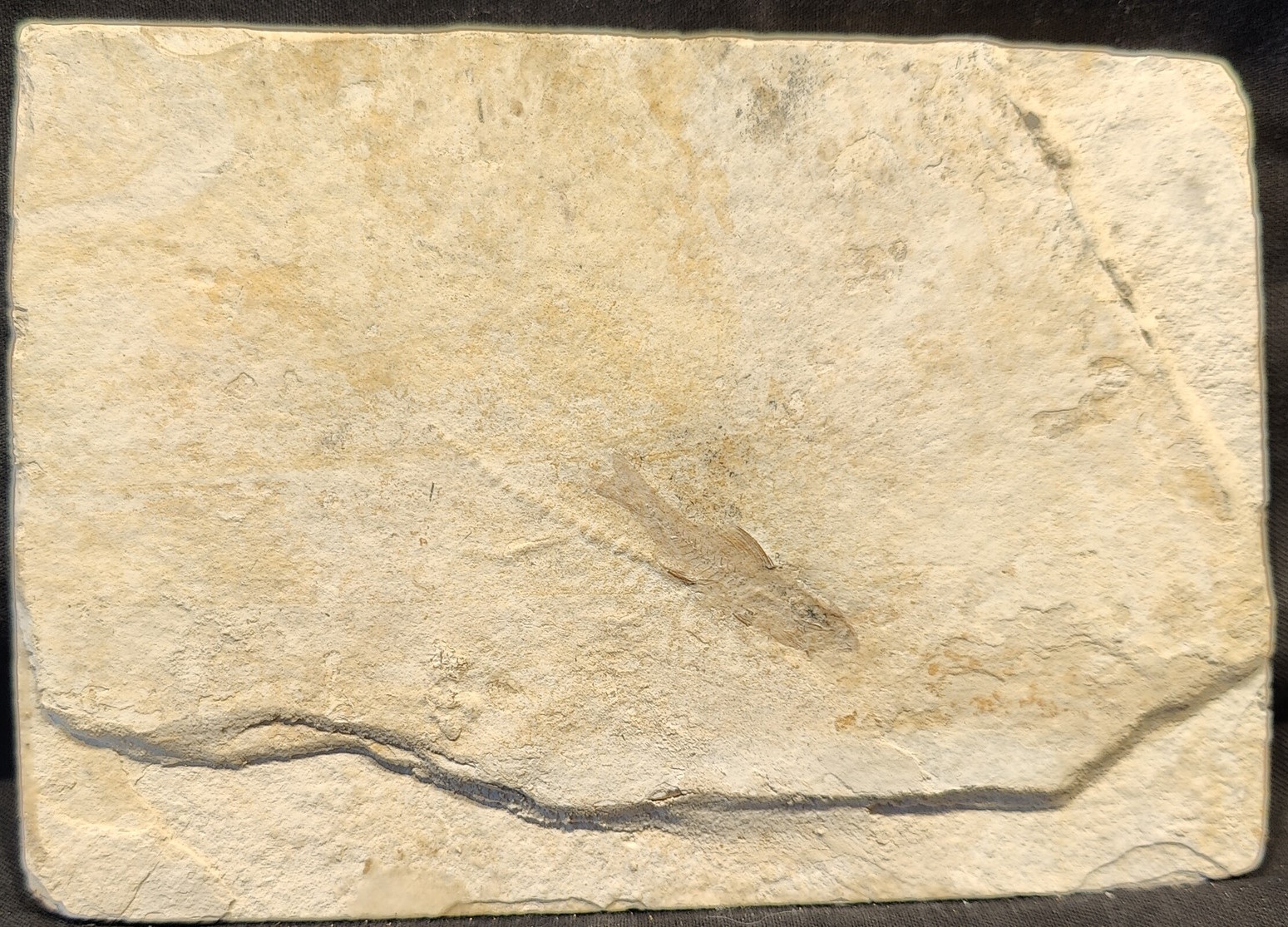 |
Dapalis macrurus #FDM4661
Small fish (juvinile?) on plate
Oligocene, Rupelian, 30 Million years old
Cereste, France
Size matrix: 5.3 by 3.7 inch / 13.5 by 9.5 cm
Size fish: 1.38 inch / 3.5 cm
Price: Euro 35.-- ON HOLD |
| SOLDS BELOW | SOLDS BELOW |
Pholidophorus spec. #FPS11062
Lower Jurassic, Sinemurian, 195 million years old.
Charmouth, U.K.
Size plate: 8.4 by 5.2 inch / 21 by 13 cm.
Size fish: 6.4 inch / 16 cm.
Price:  |

|
Osteolepis macrolepidotus #FOM5003
Primitive Osteolepididae (Coelacanth)
Middle Devonian, 385 Million years old
Orkney, Scotland
Size matrix: 7.1 by 3.9 inch / 18 by 10 cm
Size fish: 5.1 inch / 13 cm
Price: |
 |
 |

|
|
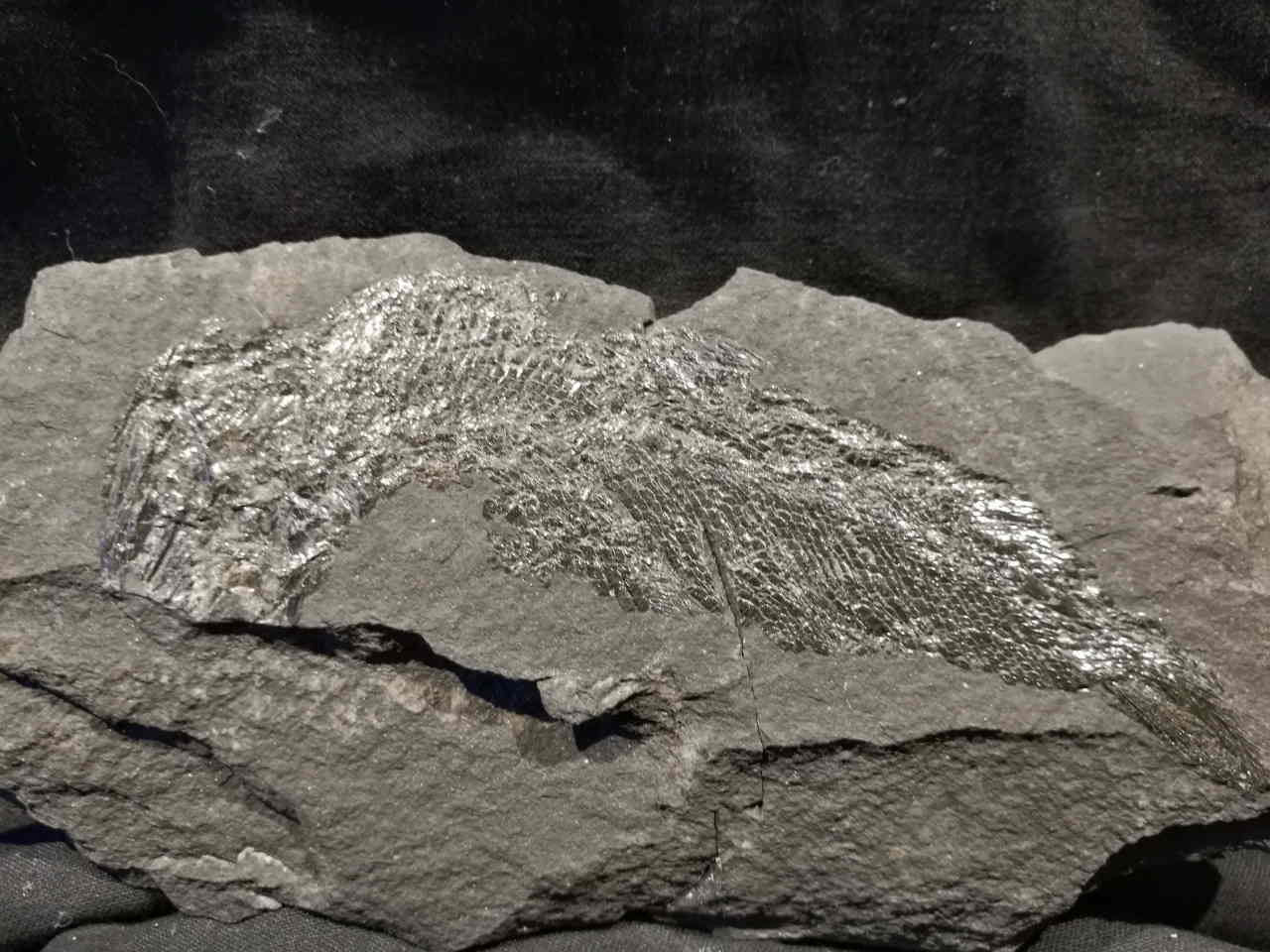
Fossil geode #FPS4210
With 3 Placodermi + 2 small Fish fossil on 1 plate !!! Museum piece
Silurian, Wemlock, 430 million years old.
Achanarras Quarry, Scotland.
Size geode: 6 by 4.4 inch / 15 by 11 cm
Price: |
|
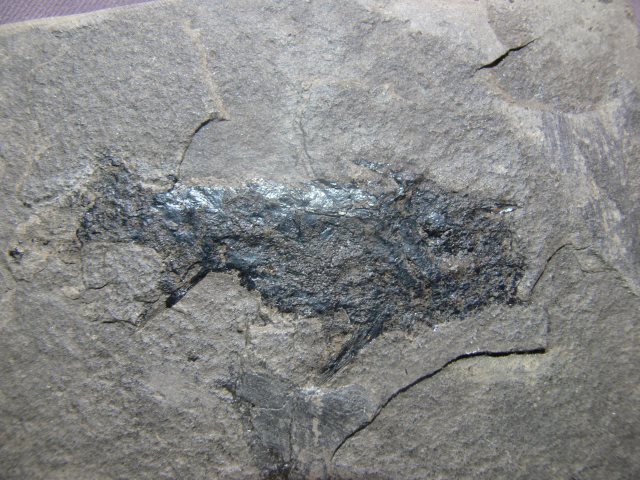
Paleoniscum freieslebeni #FSD4125
Nice Rare Primitive Fish (Blainville) Old collection
Old Red Sandstone
Permian, 290 million years old
Kupfer Schieffer, Richelsdorf, Hessen, Germany
Size Plate: 17.5 by 8 cm
Size Fish: 5.2 inch / 13 cm (Span)
Price: |
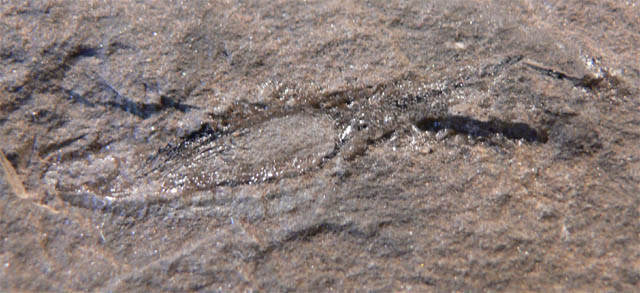
| Diplacanthus crassisimus #FDS9020
Rare Acanthoid Fish (Duff).
No restoration. Old collection.
Old Red Sandstone Sanwick Fish bed.
Middle Devonian, Eifelian, 390 million years old.
Orkney, Scotland.
Size plate: 4.7 by 4.1 inch / 12 by 10.5 cm.
Size fish: 2.7 inch / 7 cm.
Price: |
 |
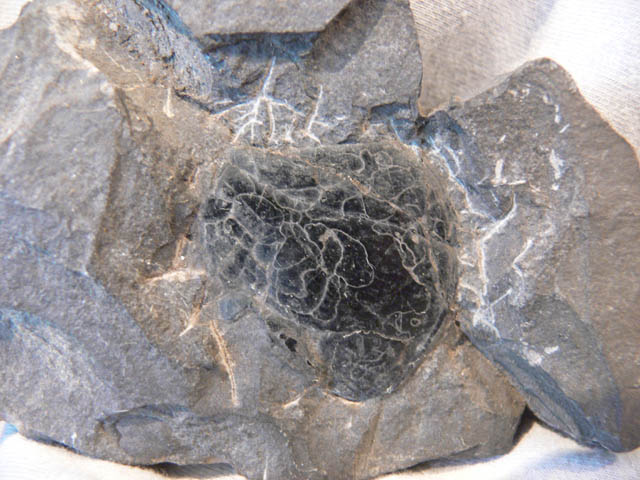
Lasanius problematicus #LP5921
Rare Very Primitive Fish (Agnata)
Anaspida Old collection
No restoration. Fishbed Formation,
Middle Silurian, U.Wenlockian, 425 million years old
Hagshaw Hills , Scotland,
Size Fish span: 2.2 inch / 5.5 cm
Price: |
 | Dipnoan Dipterus valenciennesi#GM5205
Very rare Primitive Osteolepididae (Coelacanth)
Skull plate, on small matrix plate
No restoration.
No restoration. Old Red Sandstone
Middle Devonian, 385 million years old
Westerdale, Scotland
Size Fossil: 1.2 inch / 3 cm
Price: |
 |
Paralepidotus ornatus #FPO5000
Extinct ray-finned fish
Upper Triassic, Norian, 225 Million years old
Seefeld, Austria
Size matrix: 11.8 by 8.7 inch / 30 by 22 cm
Size fish: 10.6 inch / 27 cm
Price: |

|

|
|
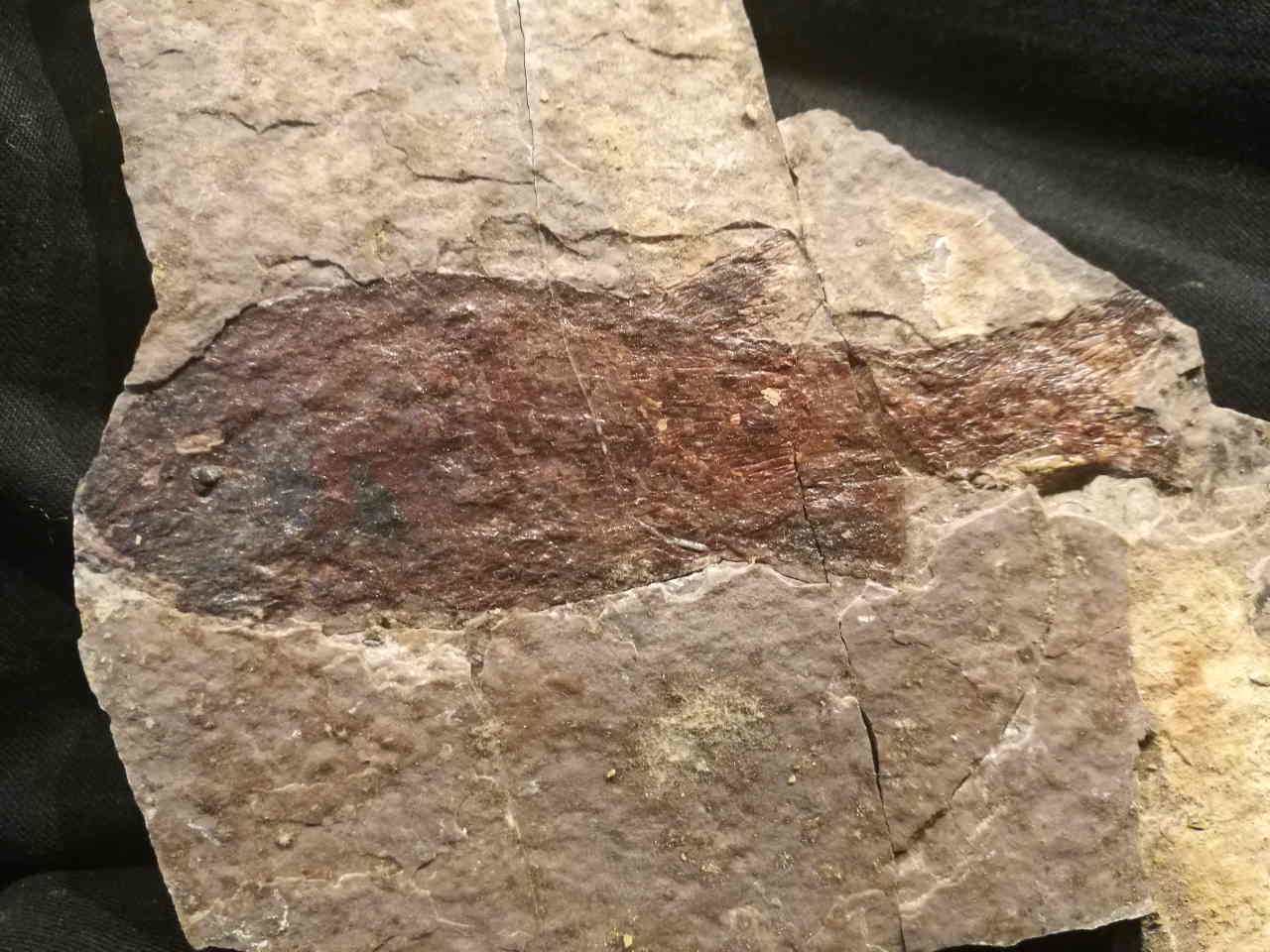
Dapedium caclatus #FDH11061
Lower Jurassic, Toarcien, 180 million years old.
Holzmaden, Germany.
Size plate: 13 by 9 inch / 33 by 23 cm.
Size fish: 10 inch / 25.5 cm.
Price: |
|
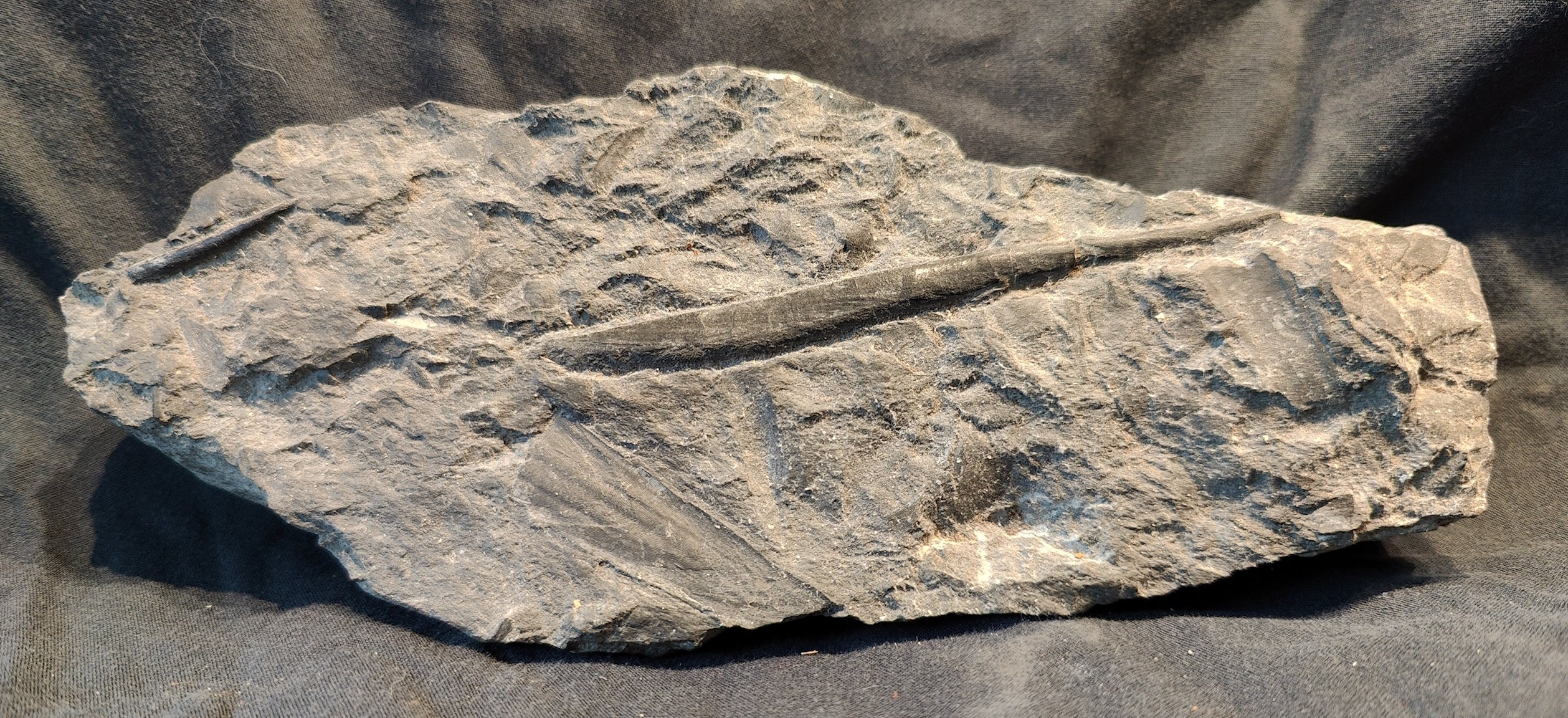
Paleoniscus sp. #FPT4203
Primitive fish !!!
Permian, Rotliegend, 285 million years old
Bacov, Czech republic
Size: 4.2 inch / 10.5 cm
Price: |
|
Pteraspis sp. #FPS4662
Big and small Placoderm spine
Silurian, Wemlock, 430 million years old.
Achanarras Quarry, Scotland.
Size matrix: 8.7 inch / 22 cm
Size big spine: 4.3 inch / 11 cm
Size small spine: 1.2 inch / 3 cm
Price: |
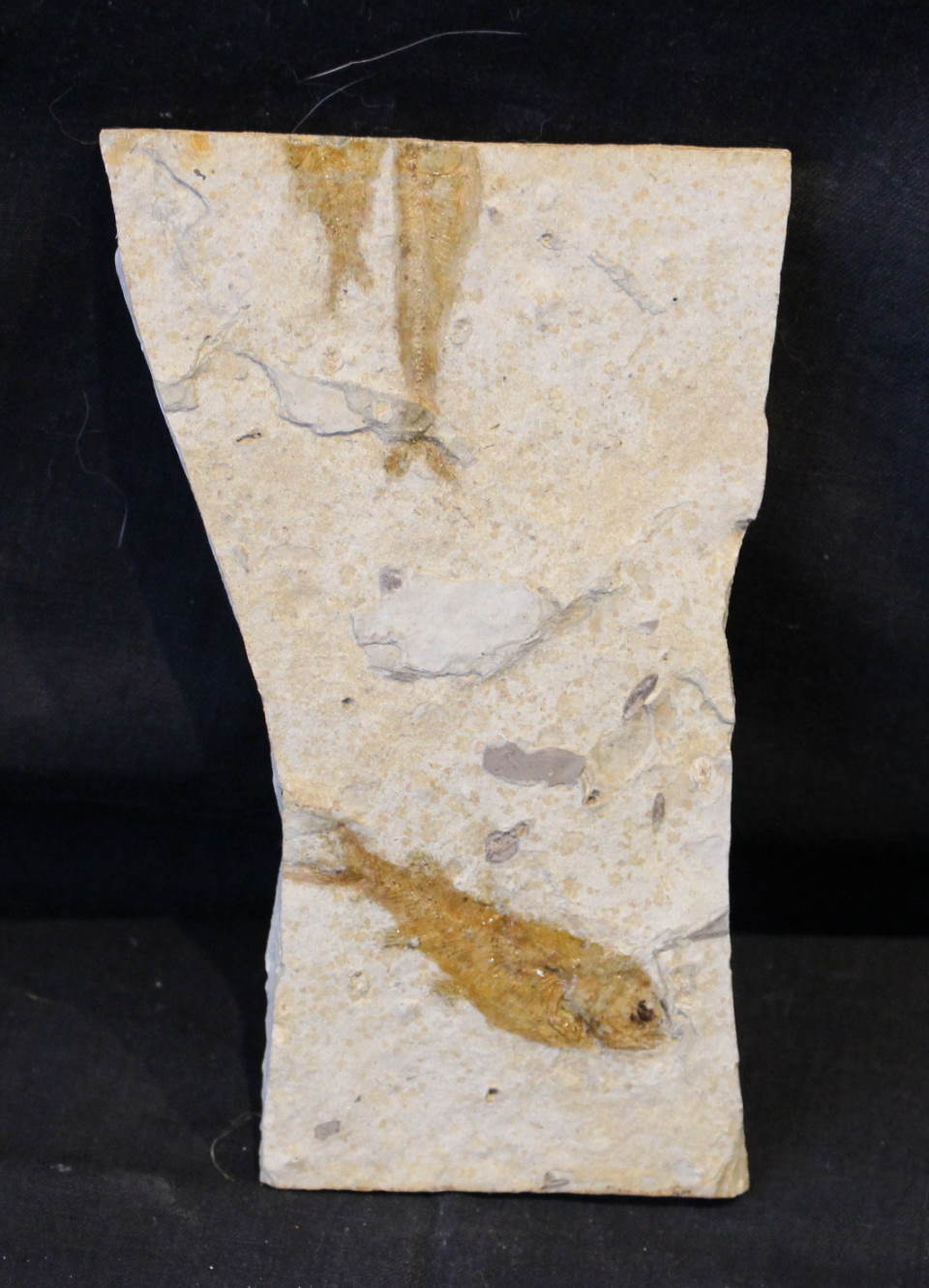
Dapalis macrurus #FDM4490
Some Fish on small matrix plate, Old collection
Oligocene, Rupelian, 30 Million years old
Cereste, France
Matrix 14 by 8 cm
Price: |
|
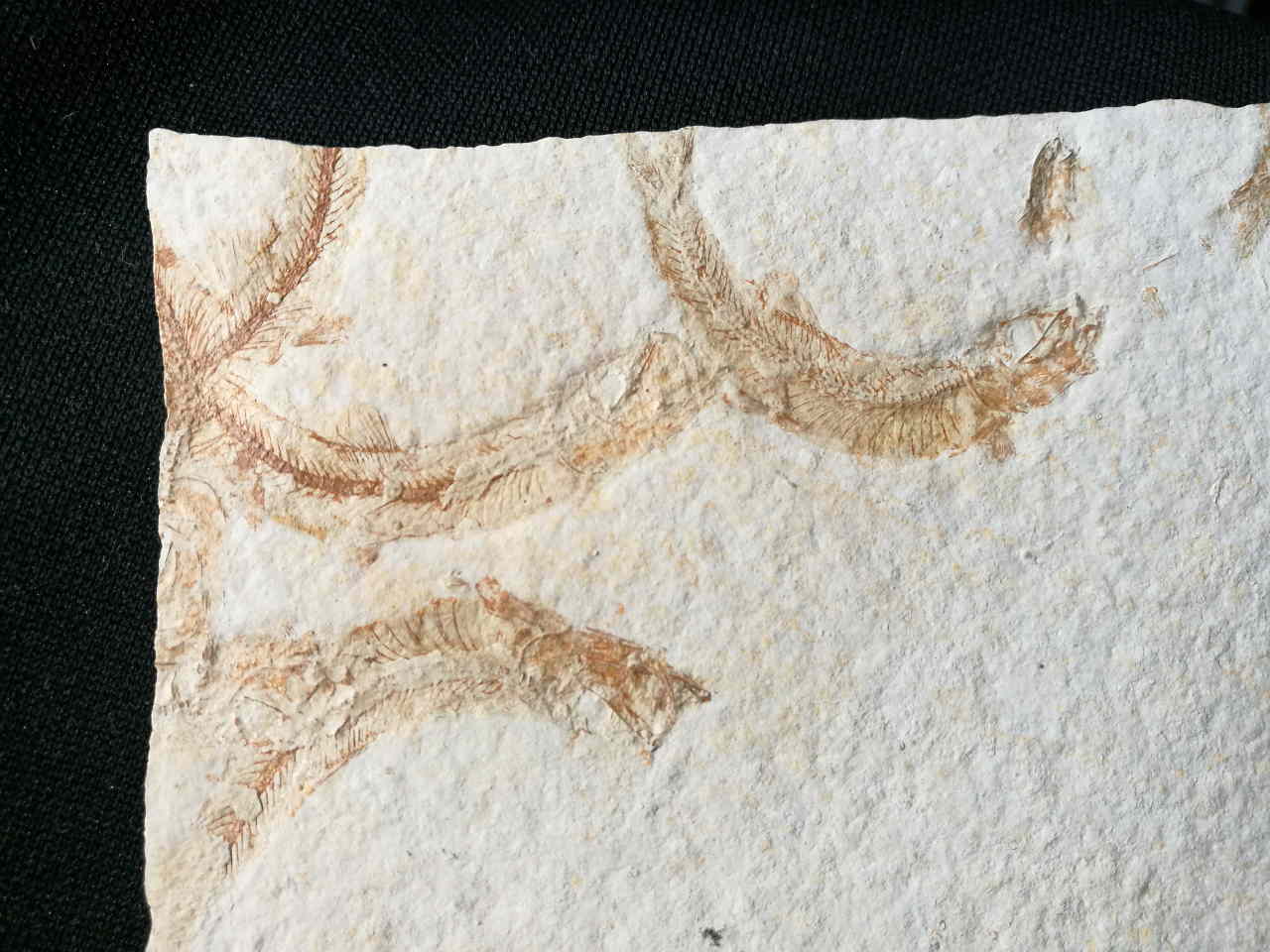
Allothrissops spec. #FSS4448
Classic multiple fish
Upper Jurassic, 148 Million years old
Eichstatt, Germany
On small Matrix plate
Size fish (span): 2.08 inch / 5.2 cm
Price: |
|
|
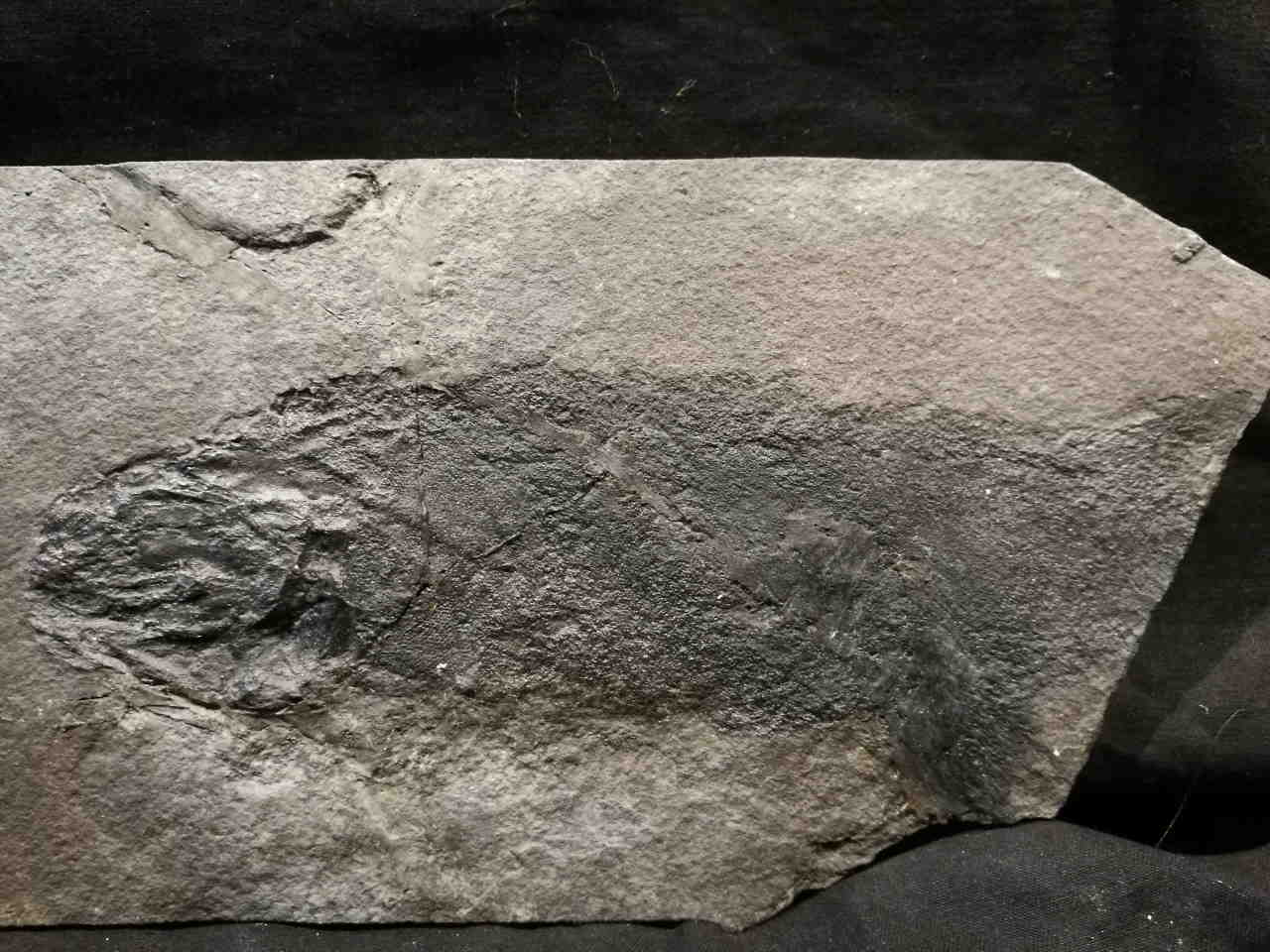
Cheirolepis trailli #FSD4121
Ultra Rare Primitive Fish (Aggasiz) Old collection
Old Red Sandstone
Middle Devonian, 385 million years old
Orkney, Scotland
Size Plate: 35 by 28 cm
Size Fish: 6.2 inch / 15.5 cm (Span)
Price:
|
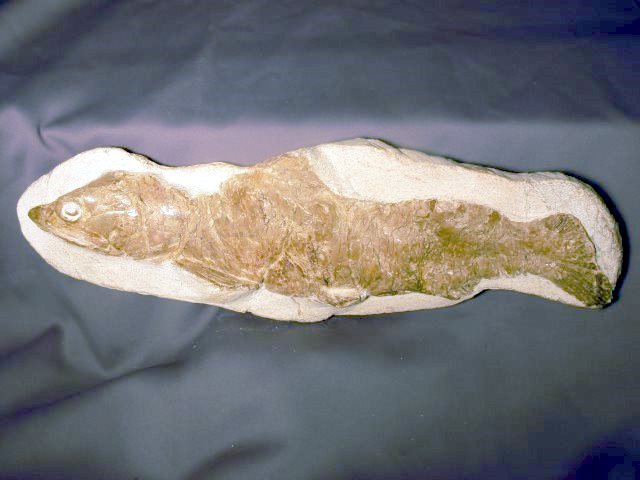
cf. Notelops sp. #FCM10036
Fossil fish in Nodule
Lower Cretaceous, Albian, 110 million years old
Missor-South, Morocco
Size fish: 16.14 inch / 41 cm
Price:
| 
|
 |
|
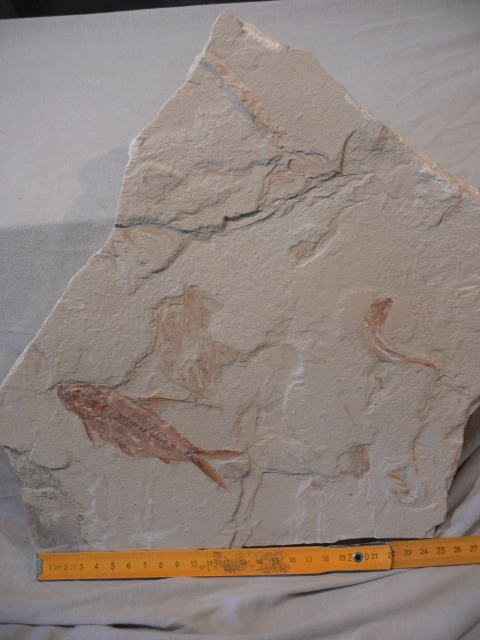
| Nematonotus longispinus #FDL9035
2 Fossil fish on Matrix plate 28x30 cm
Upper Cretaceous,
Cenomanian, 95 million years old
Hajoula (Haqel) / Lebanon
Size big fish: 4.4 inch / 11cm
Price: |

|
Paleoniscus sp. #FPT4205
Primitive fish !!!
Permian, Rotliegend, 285 million years old
Bacov, Czech republic
Size: 3.6 inch / 9 cm
Price: |
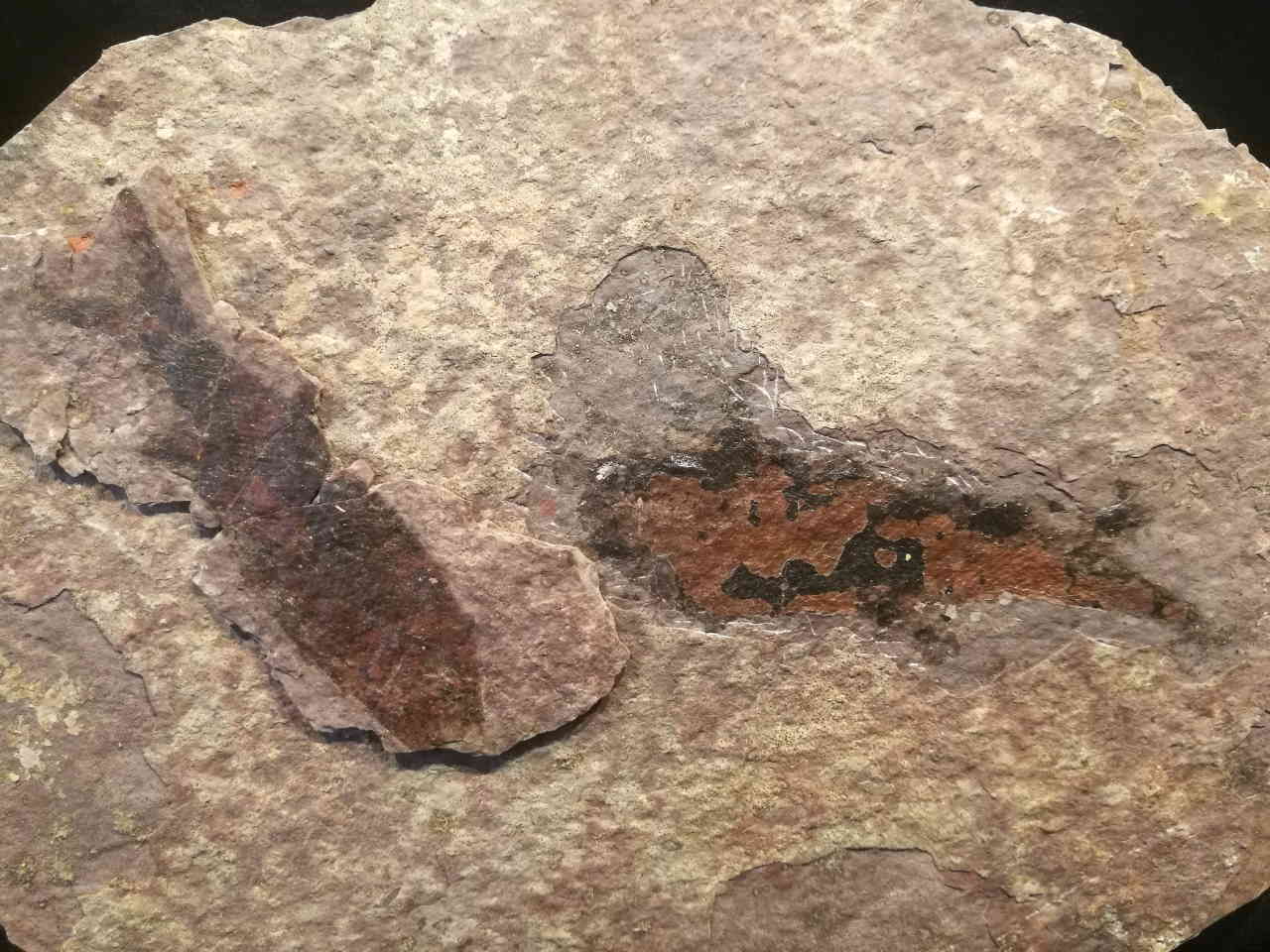
Paleoniscus sp.#FPT4206
Primitive fish !!!
Permian, Rotliegend, 285 million years old
Bacov, Czech republic
Size: 3.2 inch / 8 cm
Price:
| 
|
Knigthia eocaena #FKE9906
On small matrix plate 12 by 13 cm
Eocene 50 Million years old
Wyoming, U.S.A.
Size : 4.4 inch / 11 cm
Price: | 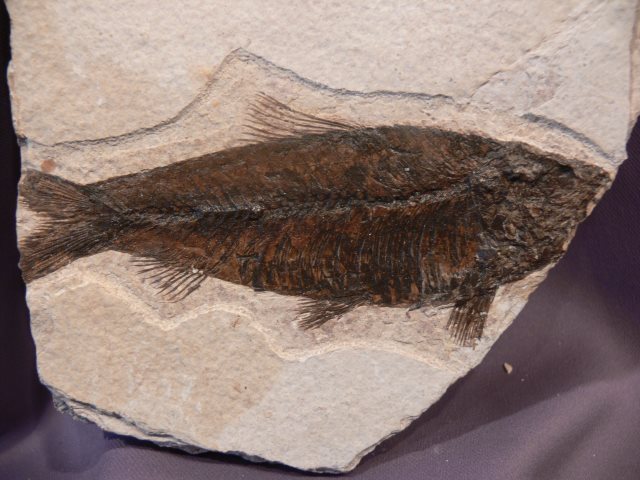 |
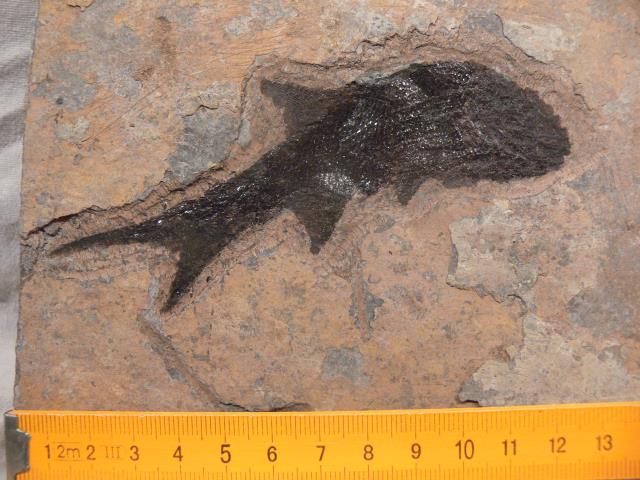 | Paramblypterus gelberti #FPG9336
Primitive fish Paramblypterus!!!
Old Collection, Altfund
Permian, Rotliegend, 285 million years old
Odernheim, Germany
Size: 5 inch / 12.5 cm
Price: |
 |
Knigthia eocaena #FKE5011
Two fish on plate
Eocene 50 Million years old
Wyoming, U.S.A.
Size matrix: 50 by 17 cm / 19.7 by 6.7 inch
Size fish: 14 cm / 5.5 inch
Price: |
|
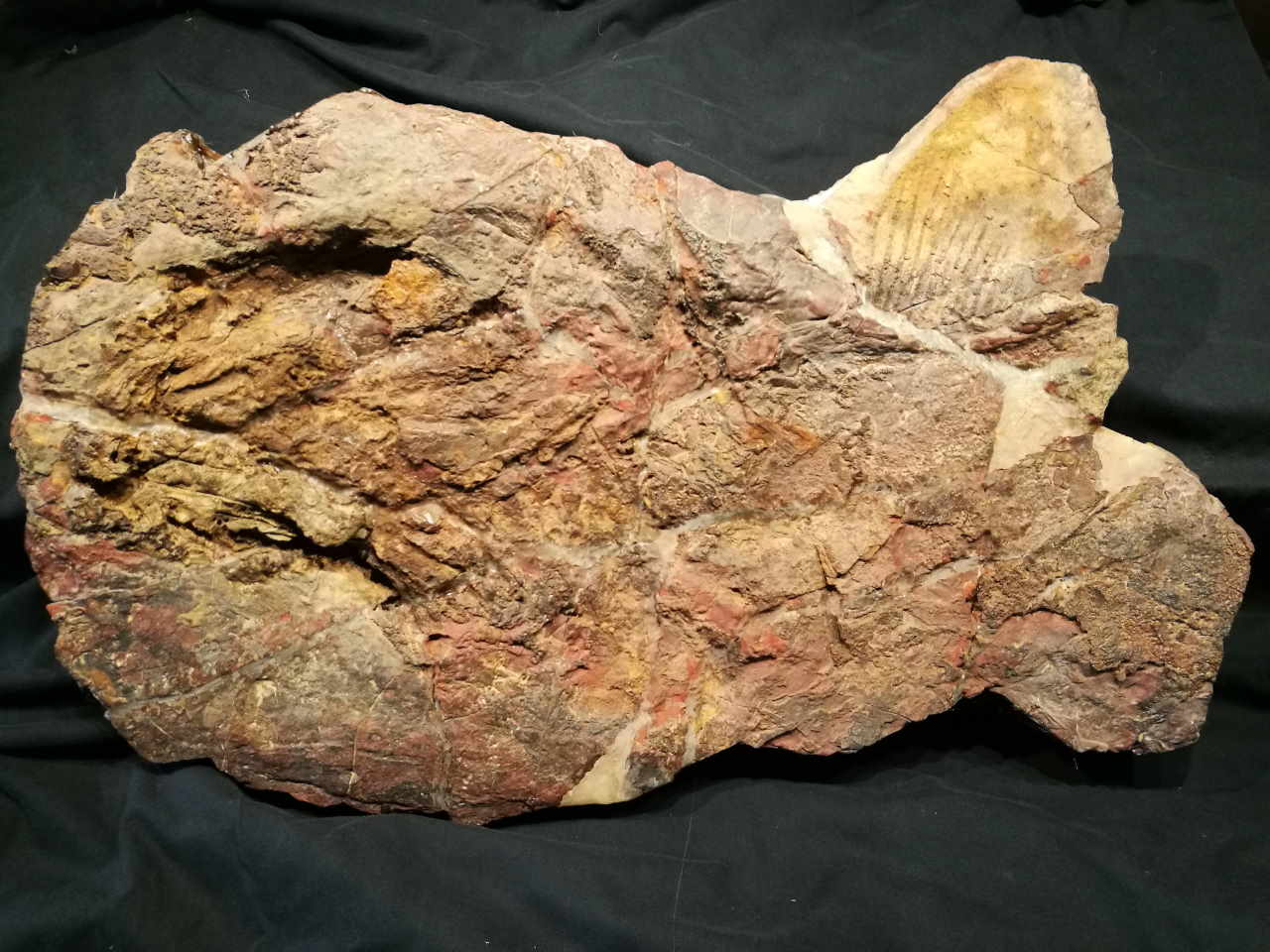
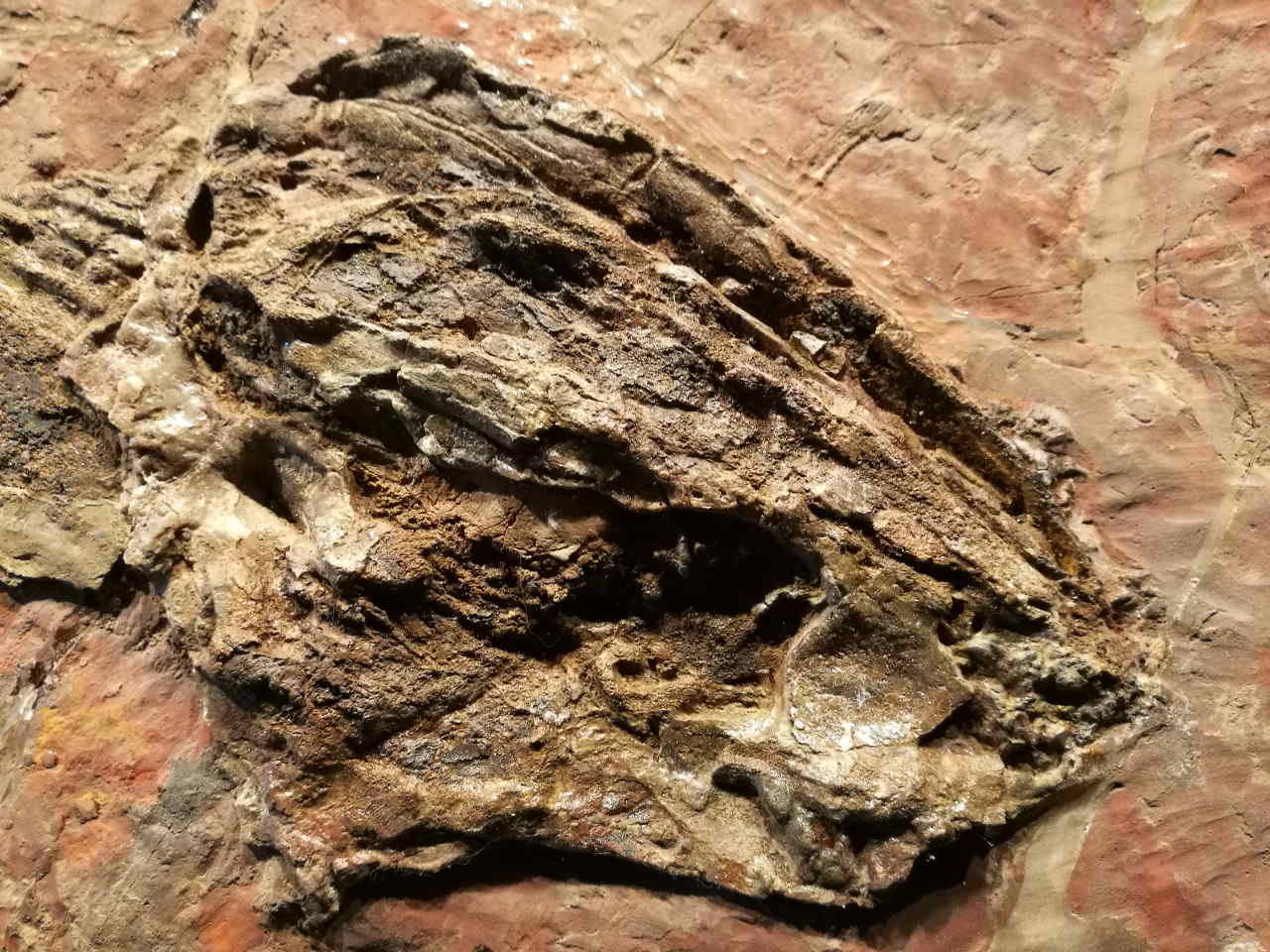
Cladoselache spec. #FDM4330
Ultra Rare Devonian Shark body in Matrix
Old collection!!
Late Devonian, Famennian, 370 million years old
Atlas Mountains, Morocco
Size Plate: 53 by 38 cm
Price: |
|
|
|
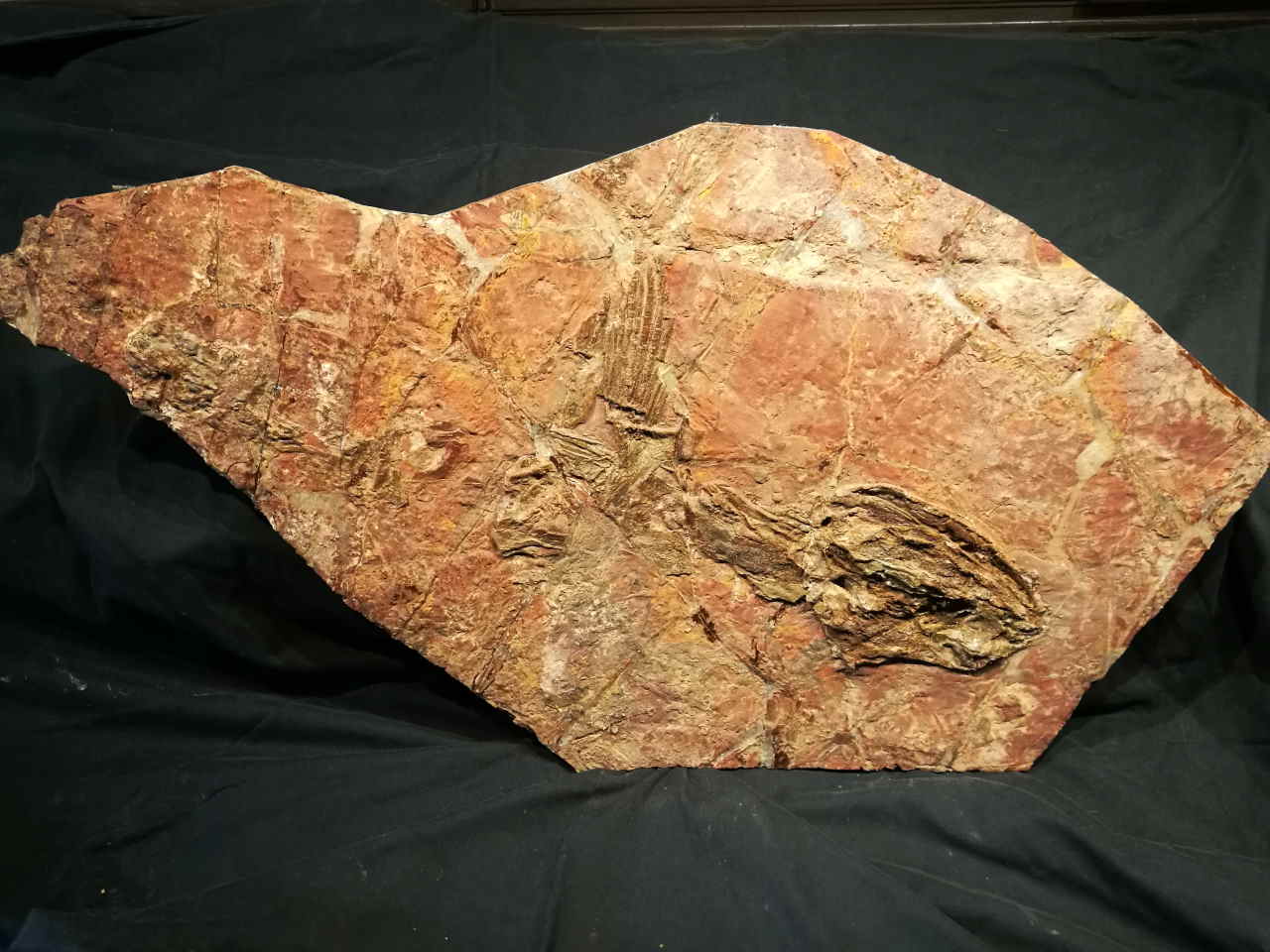
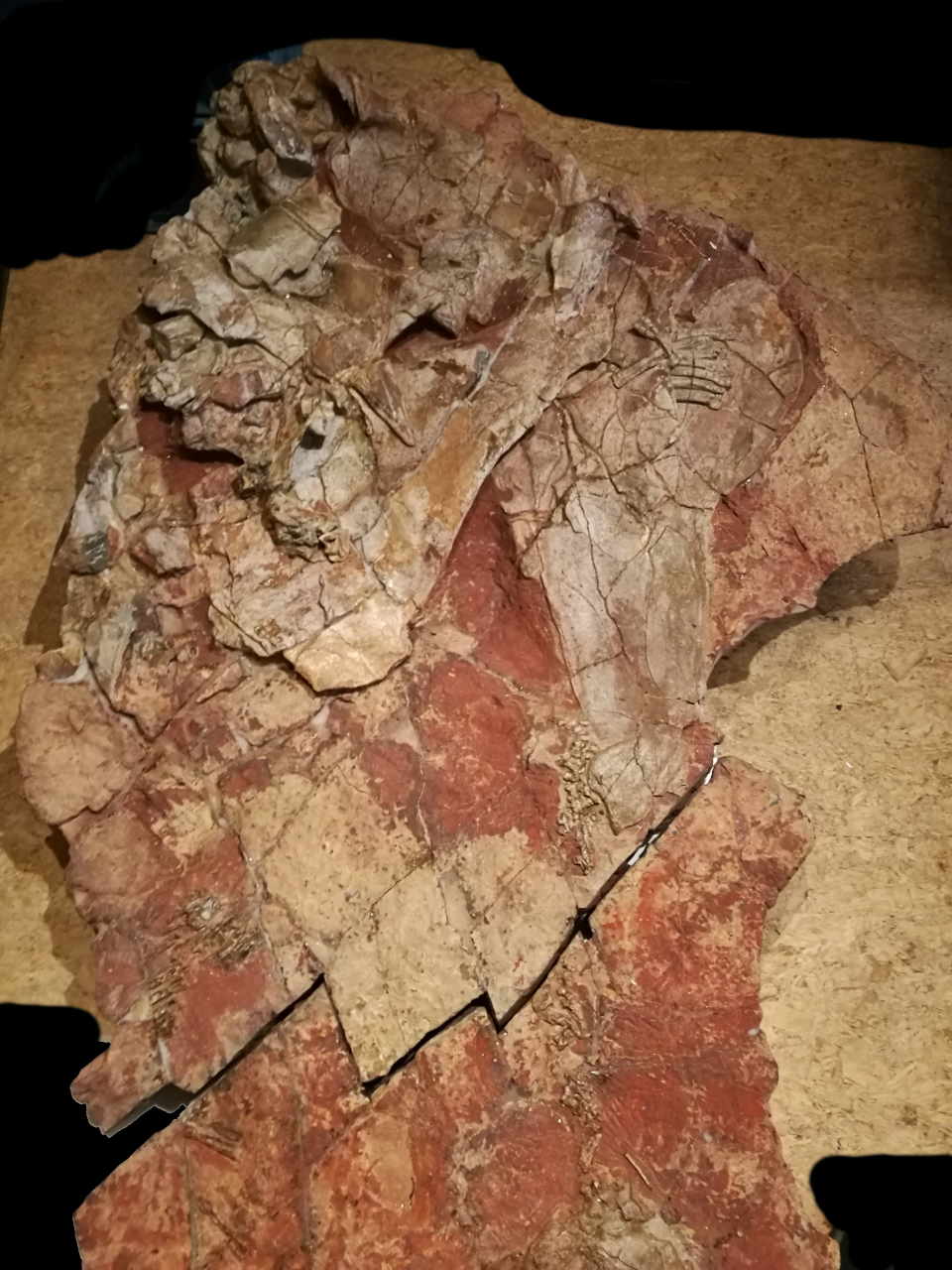
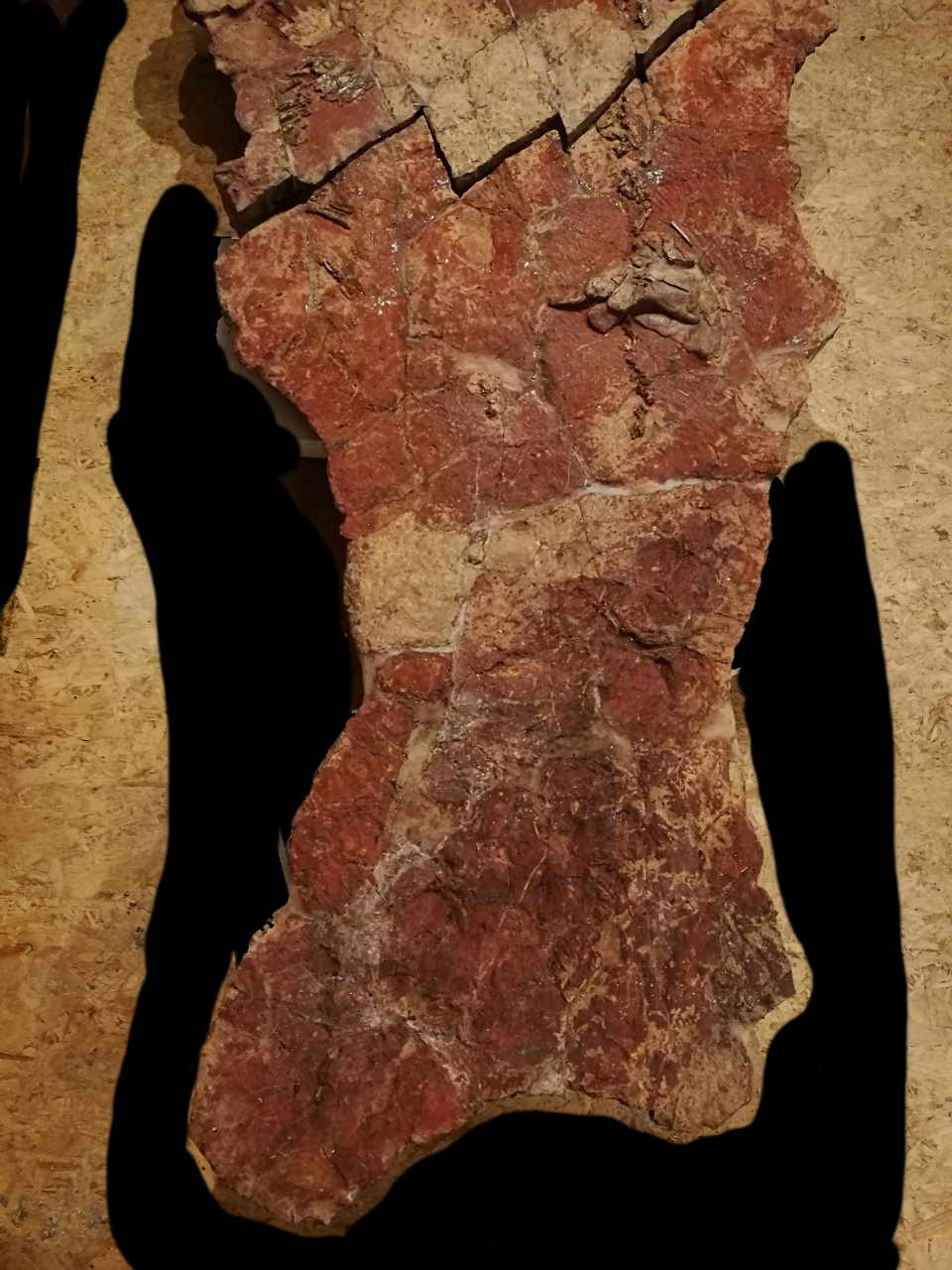
Cladoselache spec. #FDM4332
Ultra Rare Devonian Shark body in Matrix
Old collection!!
Late Devonian, Famennian, 370 million years old
Atlas Mountains, Morocco
Size Plate: 77 by 45 cm
Price: |
|
|
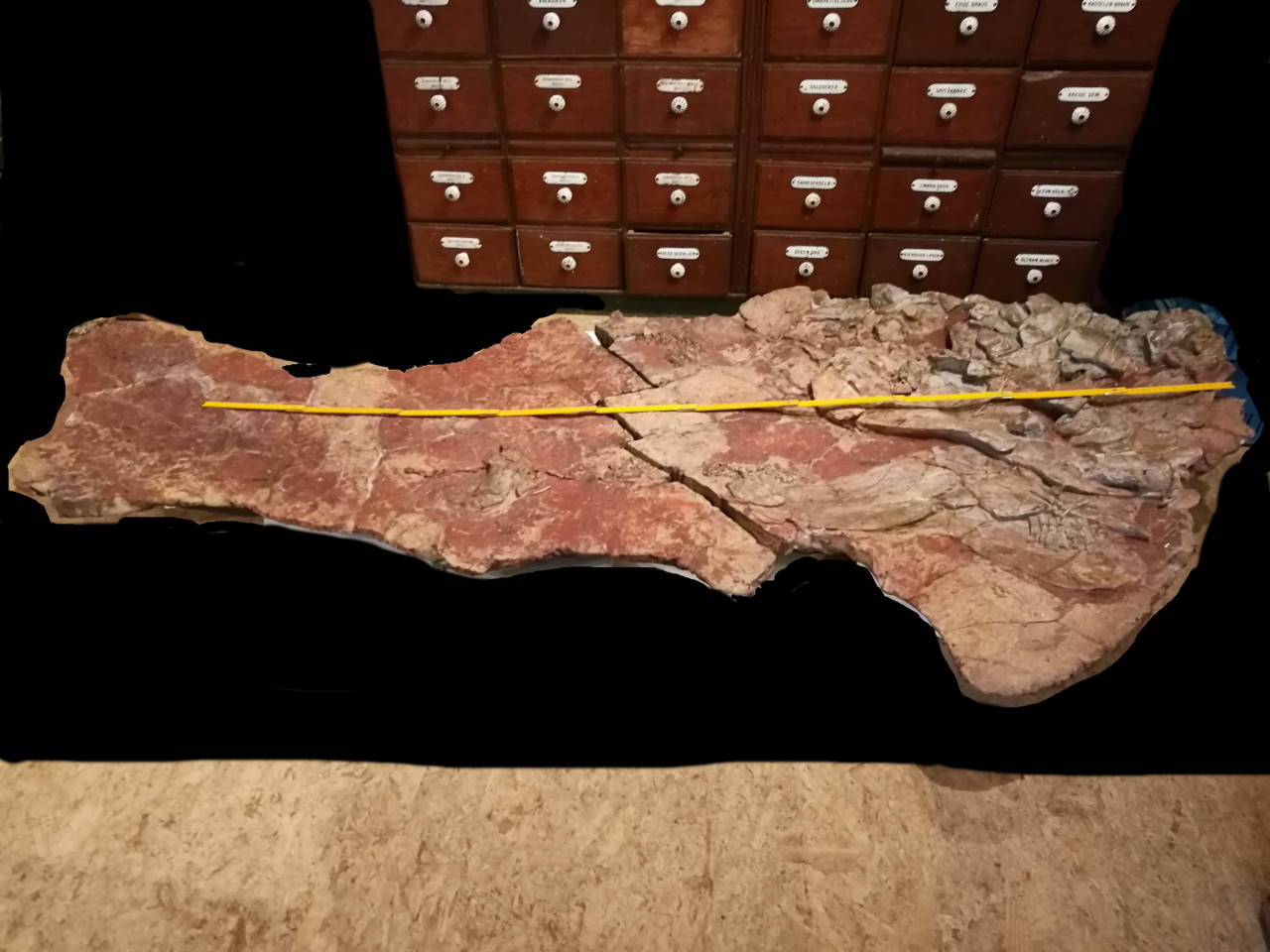
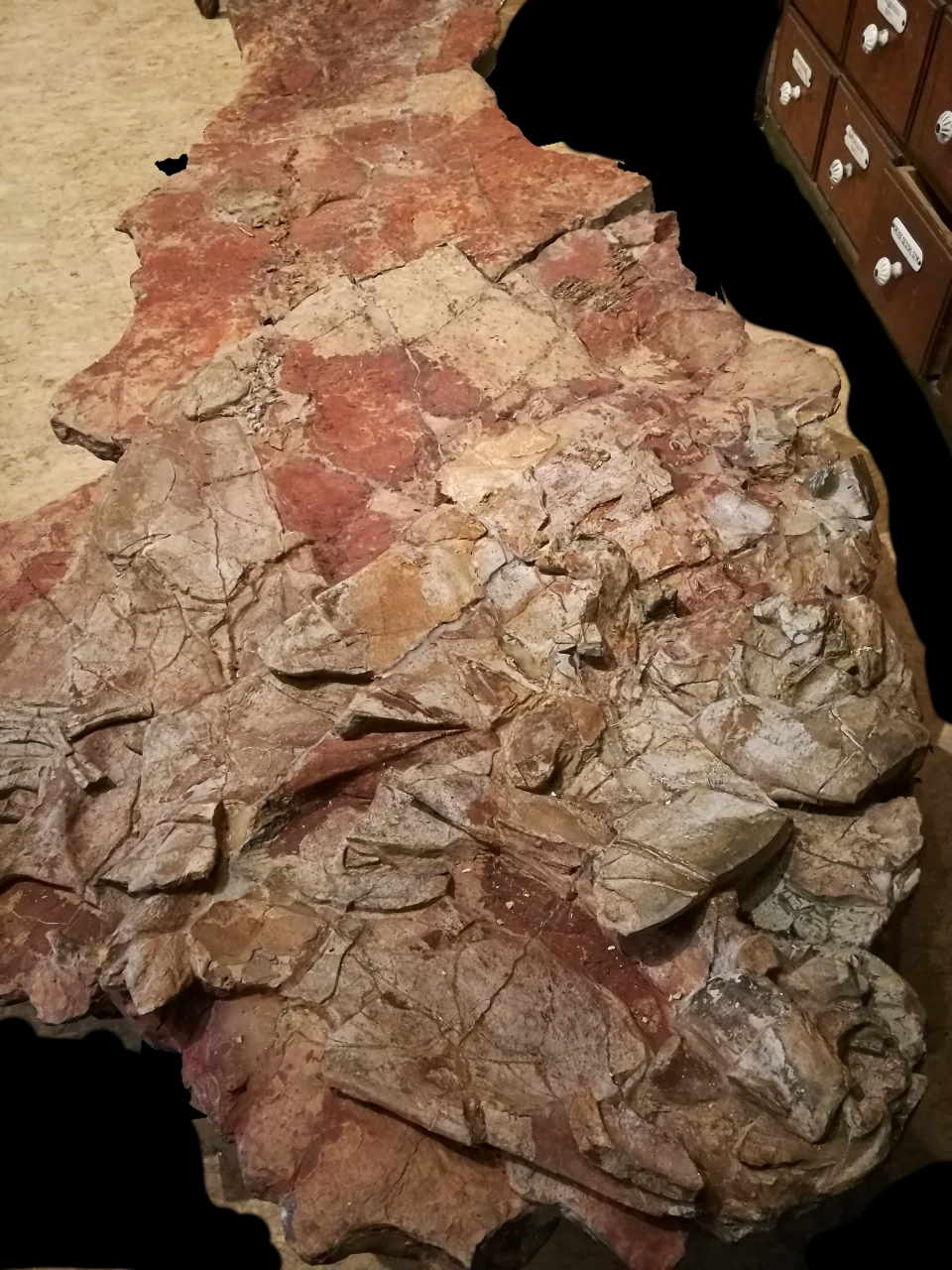
Dunkleosteus sp. #FDM4333
Ultra Rare Very Large Placoderm
(Panzerfish/Armored fish) Old collection!!
Late Devonian, Famennian, 370 million years old
Atlas Mountains, Morocco
Size Plate: 240 by 105 cm
Price:
|
|
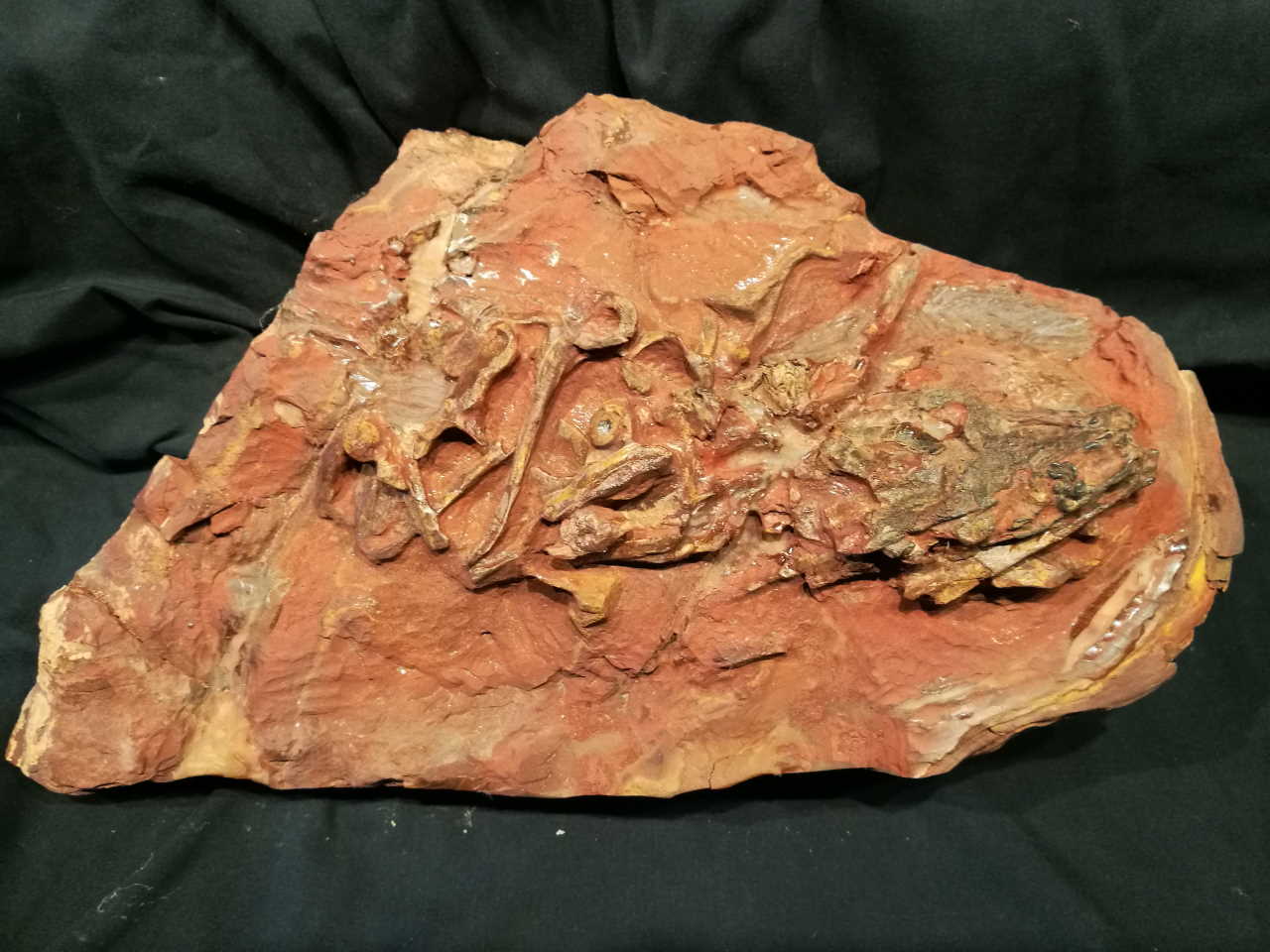
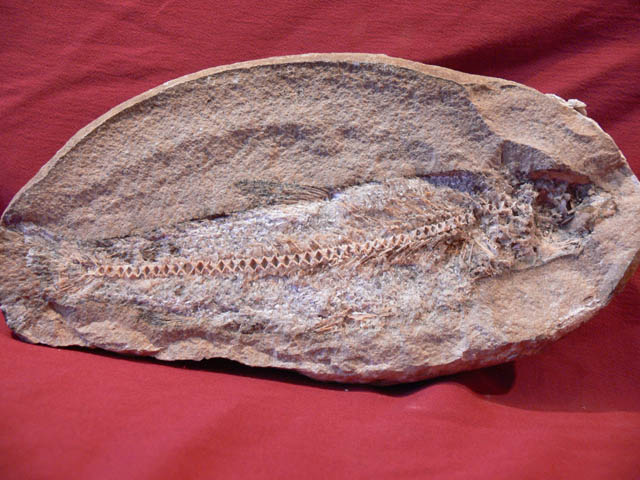
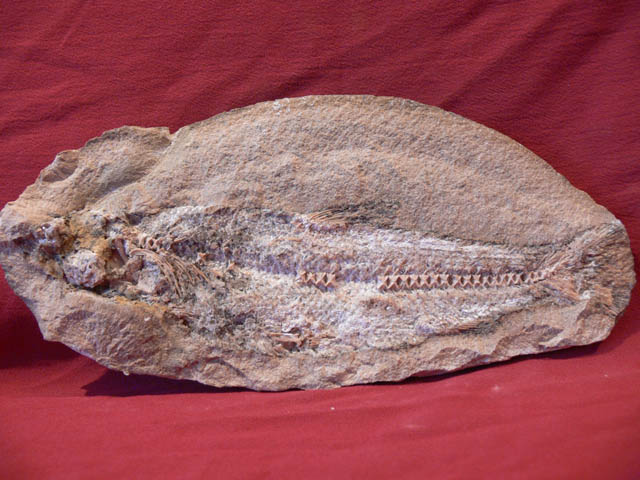
Undescribed new Lungfish species #FDM4331
Ultra Rare Devonian Lungfish body in Matrix
Old collection!! New species!!
Late Devonian, Famennian, 370 million years old
Atlas Mountains, Morocco
Size Plate: 40 by 25 cm
Price: Euro |
|
 |  |
| Tharrias araripes #BBF5976
Fossil fish in Pos/neg Nodule
Lower Cretaceous, Santana formation, Albian,
110 million years old
Ceara, Araripe plateau, Brasil
Size fish: 9.5 inch / 24 cm
Price: |

|

|
Dapedium caclatus #FDH11060
Lower Jurassic, Toarcien, 180 million years old.
Holzmaden, Germany.
Size plate: 10.2 by 8.8 inch / 26 by 22.5 cm.
Size fish: 8.5 inch / 21.5 cm.
Price: |
|
Paralepidotus ornatus #FPO5001
Extinct ray-finned fish
Upper Triassic, Norian, 225 Million years old
Seefeld, Austria
Size matrix: 10.2 by 8.7 inch / 26 by 22 cm
Size fish: 8.3 inch / 21 cm
Price: |
 |
 |
Paralepidotus ornatus #FPO5002
Extinct ray-finned fish
Upper Triassic, Norian, 225 Million years old
Seefeld, Austria
Size matrix: 8.3 by 5.1 inch / 21 by 13 cm
Size fish: 5.1 inch / 13 cm
Price: |
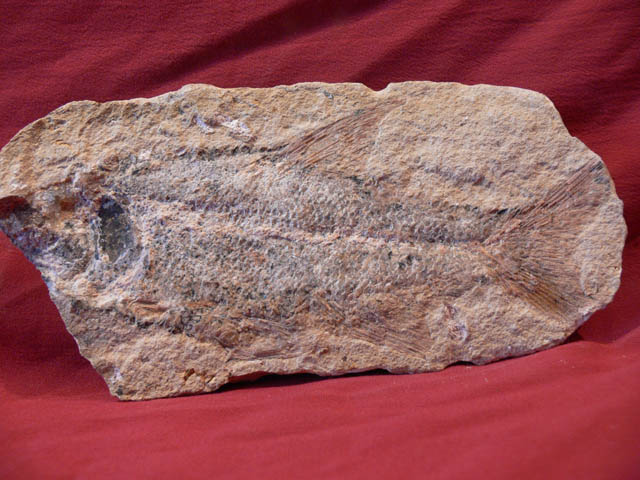
Gyroptychius agassiz #FGO4160
Very rare 2 Primitive Osteolepididae (Coelacanth)
(Traill 1841) Old collection
Middle Devonian, 385 million years old
Sandwick Fish beds, Cruaday hill quarry, Orkney, Scotland
Size Plate: 31 by 16 cm
Size biggest Fish: 6.2 inch / 16 cm (Span)
Price: |

|
 |
 |
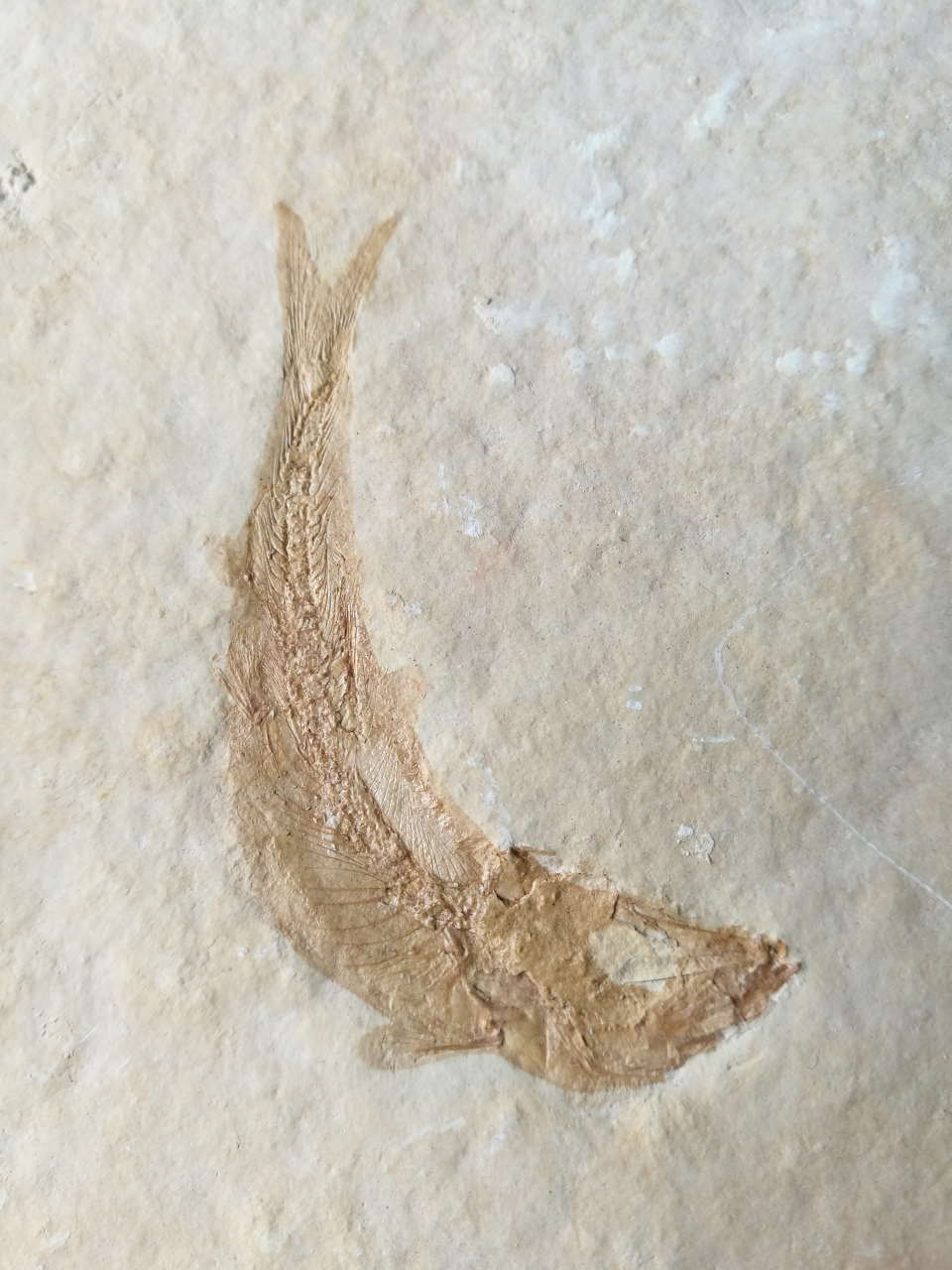
Brannerion latum #BBF5978
Fossil fish in Pos/neg Nodule
Lower Cretaceous, Santana formation, Albian,
110 million years old
Ceara, Araripe plateau, Brasil
Size fish: 8.4 inch / 21 cm
Price: Euro |
|
|
Allothrissops spec. #FSS4450
Classic fish
Upper Jurassic, 148 Million years old
Eichstatt, Germany
On small Matrix plate
Size fish (span): 2.6 inch / 6.5 cm
Price: Euro |
Gosiutichthys parvus #FEW4451
Fish mortality plate
Several specimen on matrix plate
Green River Formation Eocene 50 Million years old
Wyoming, U.S.A.
Size average fish: 1.2 inch / 3 cm
Price: |

|
|
|
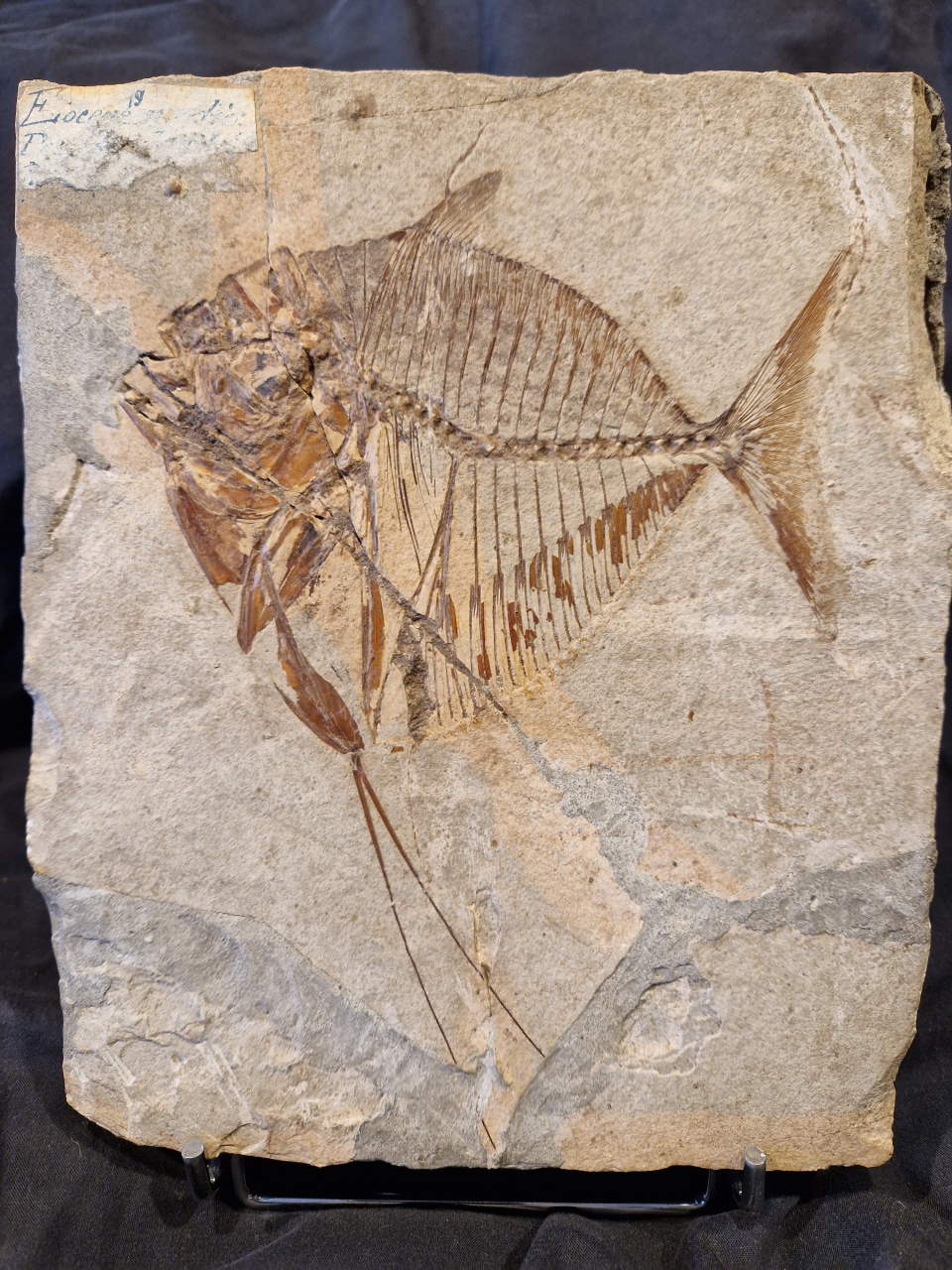
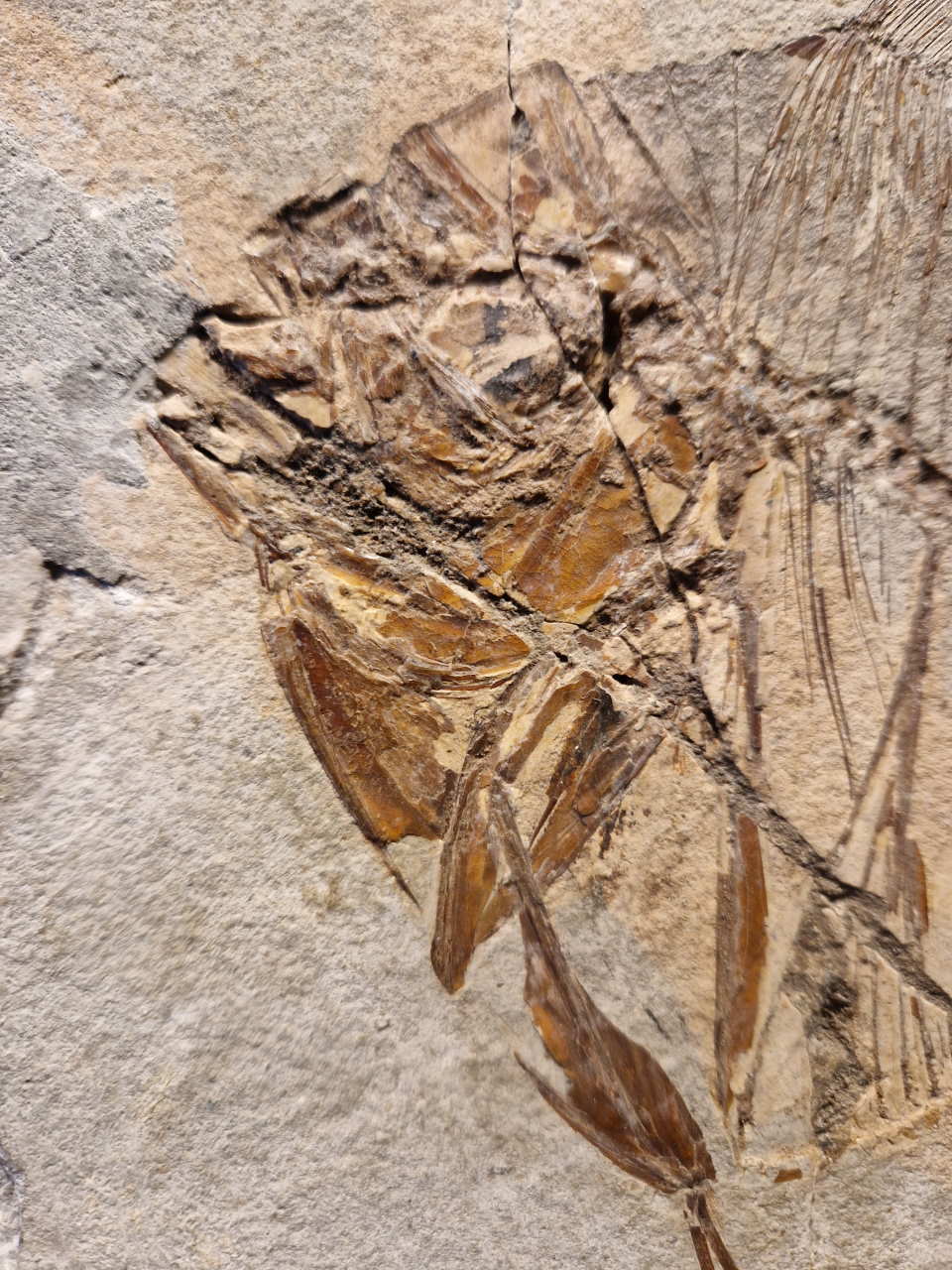
Mene rhombea #FMB4655
Spectacular fish from most famous fossil site in the World!! Old collection!
Eocene, Lutetian, 48-40 Million years old
Monte Bolca, Verona, Italia
Size matrix: 6 cm thick; 23.5cm by 20cm
Size fish longest span: 21.5 cm / 8.5 inch
Price: |
|
|

|

|
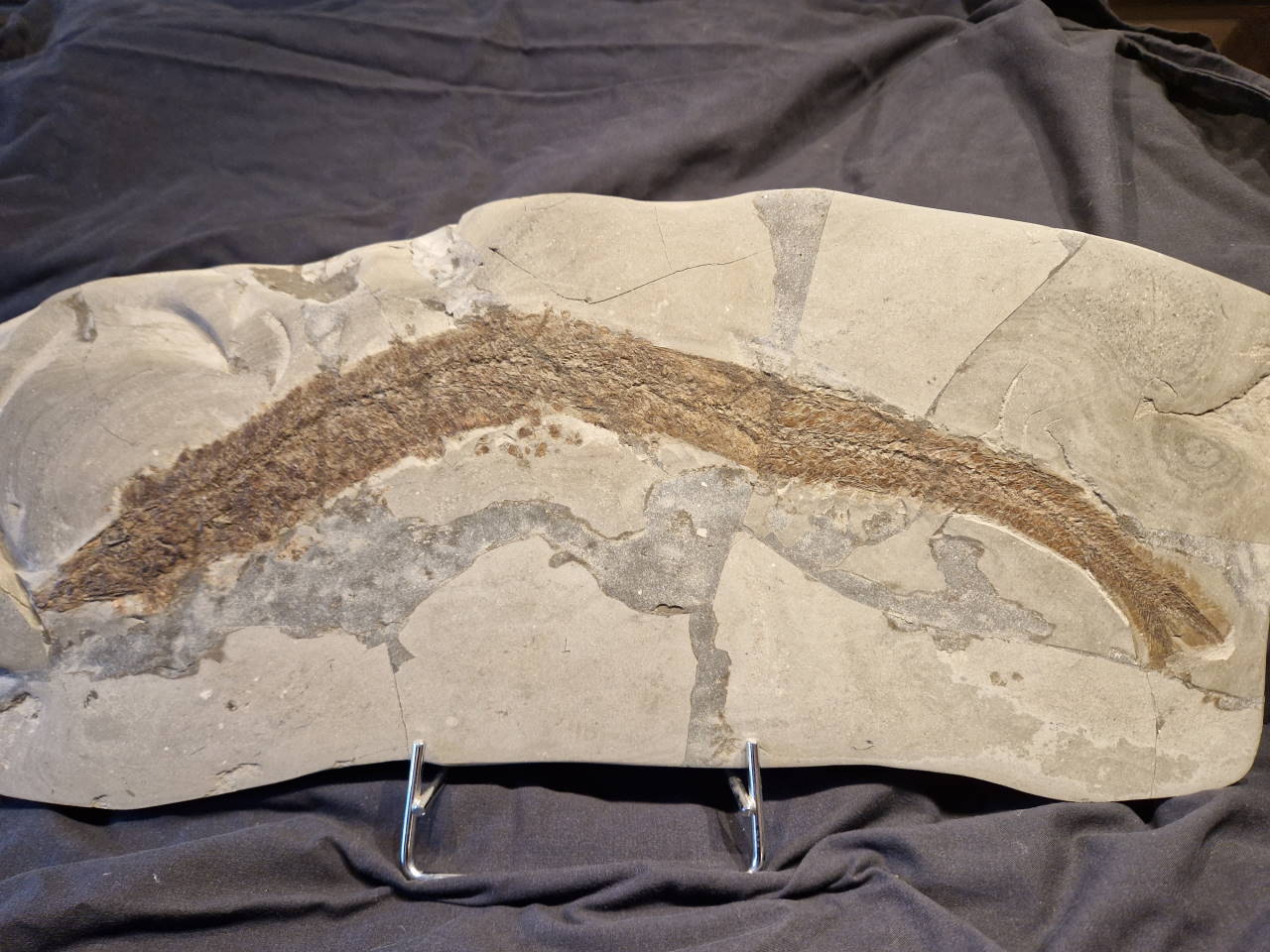
Notogoneus sp.#FOI4660
Ultra rare fish from an unusual location!! Old collection!
Oligocene, 30 Million years old
San Carlo, Emilia-Romagna, Italia
Size matrix: 57cm by 22cm
Size fish longest span: 45.5 cm / 17.9 inch
Price: |
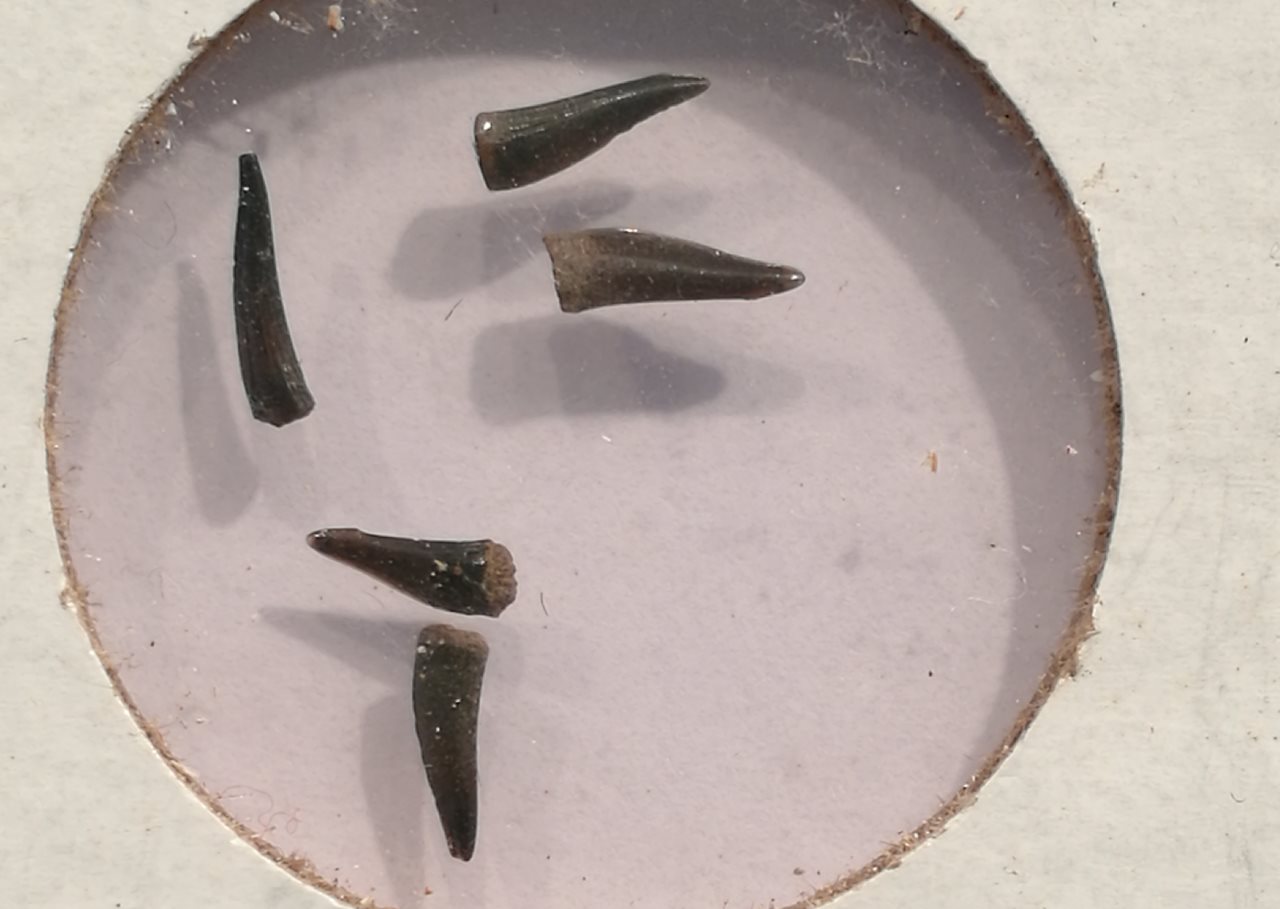 | Enchodus cf petrosus #SEPC116
Carniverous Fish teeth
Ozan Formation
U. Cretaceous 68 million years old
Moss Creek, TX, U.S.A.|
Size biggest: 0.2 inch / 0.5 cm
Price: |
|
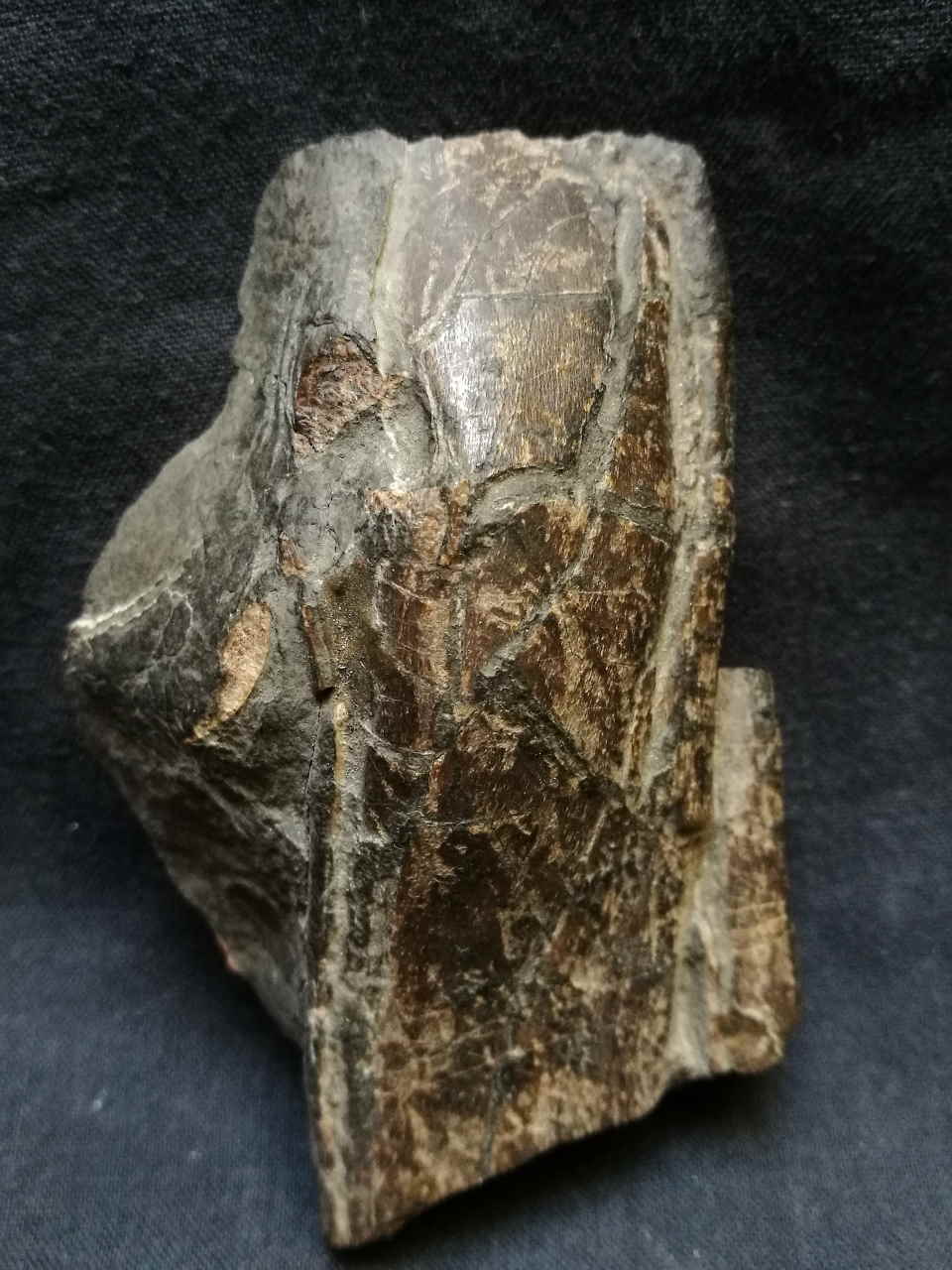
Fossil Placoderm #FPF4470
Devonian, Frasnian, 380 million years old.
Achanarras Quarry, Scotland.
Size : 3 inch / 7.5 cm
Price: |
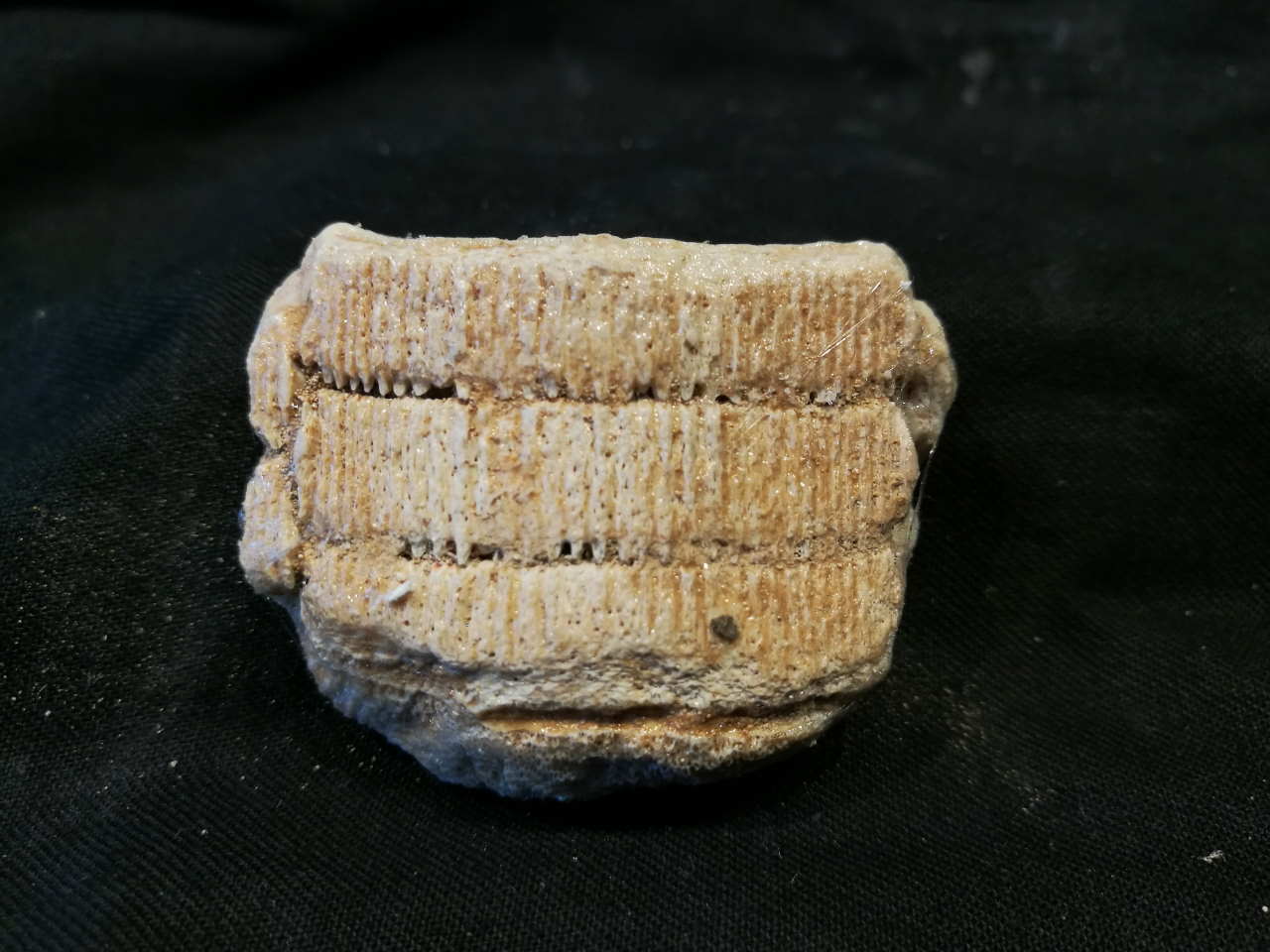
Myliobatis sp. #FKR4240
Toothplate No restoration!
Late Cretaceous 66 million years old
Khouribga, Morocco
Size: 1.8 inch / 4.5 cm
Price: Euro |
|
Myliobatis sp. #FKR4242
Toothplate No restoration!
Late Cretaceous 66 million years old
Khouribga, Morocco
Size: 1.6 inch / 4 cm
Price: Euro |
|
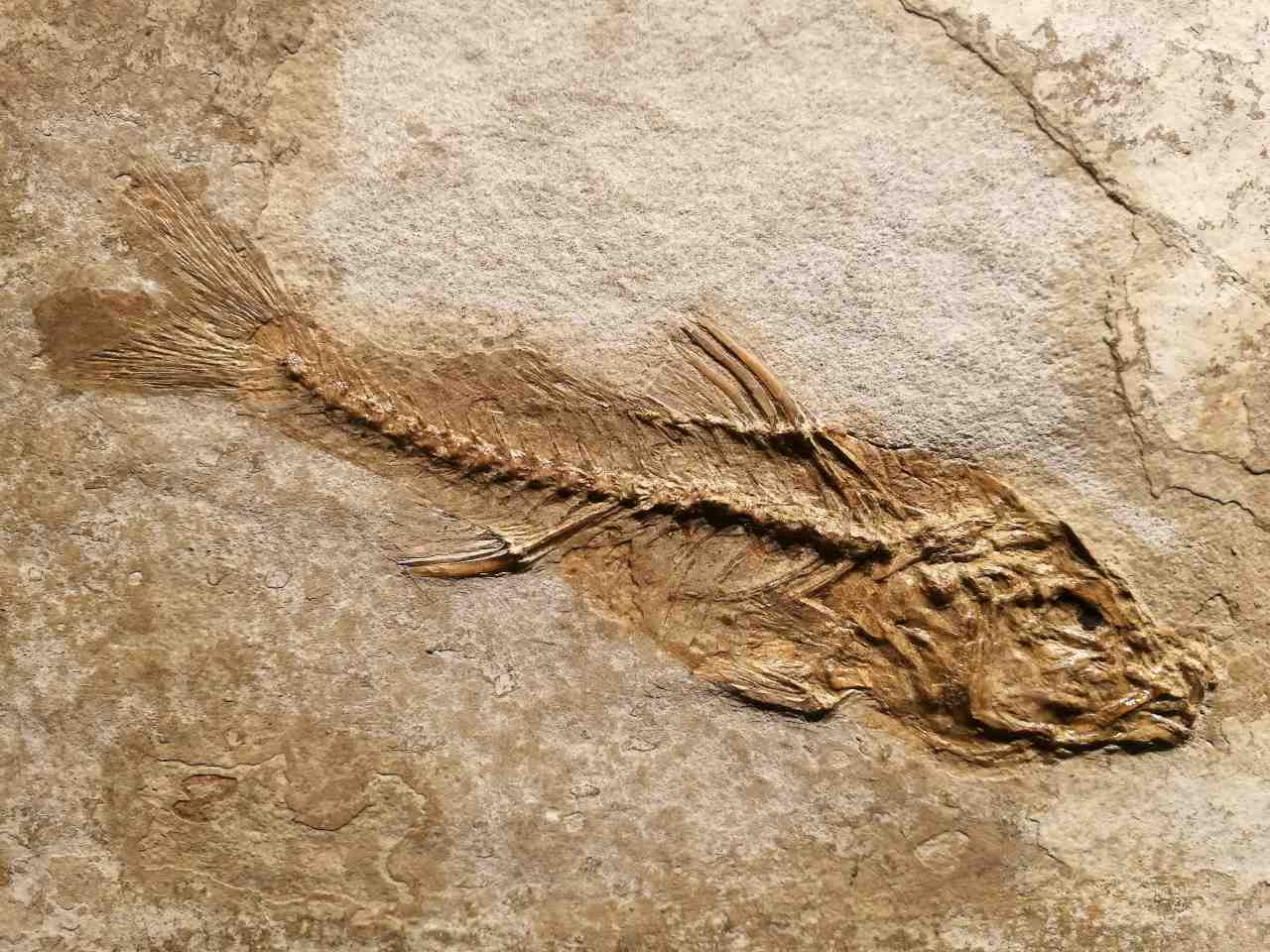 | 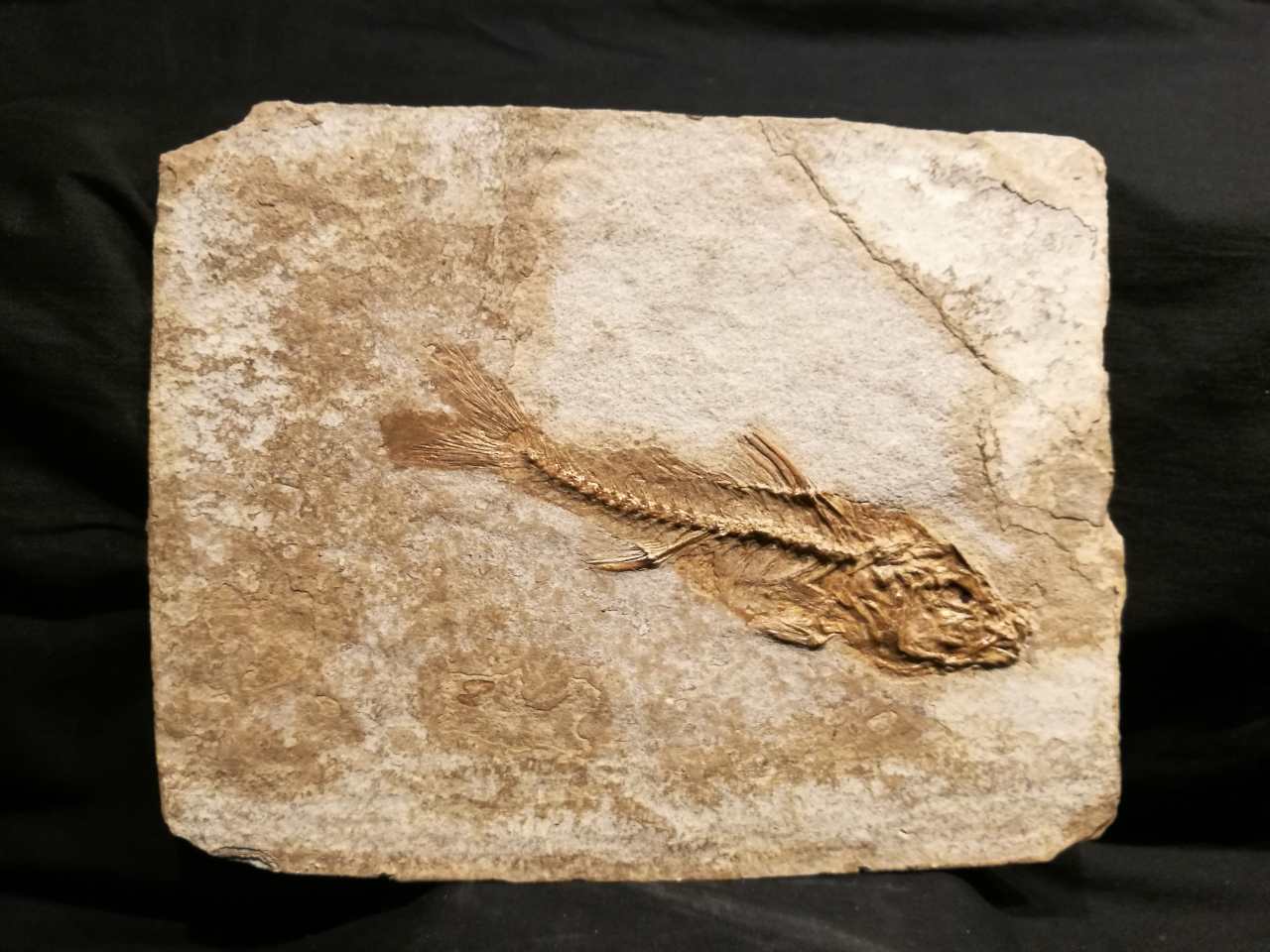 |
Dapalis macrurus #FDP3637
Fish on small matrix plate, rare big specimen
Old collection
Oligocene, Rupelian, 30 Million years old
Cereste, France
Size fish: 6.6 inch / 16.5 cm
Matrix 24 by 19 cm
Price: | 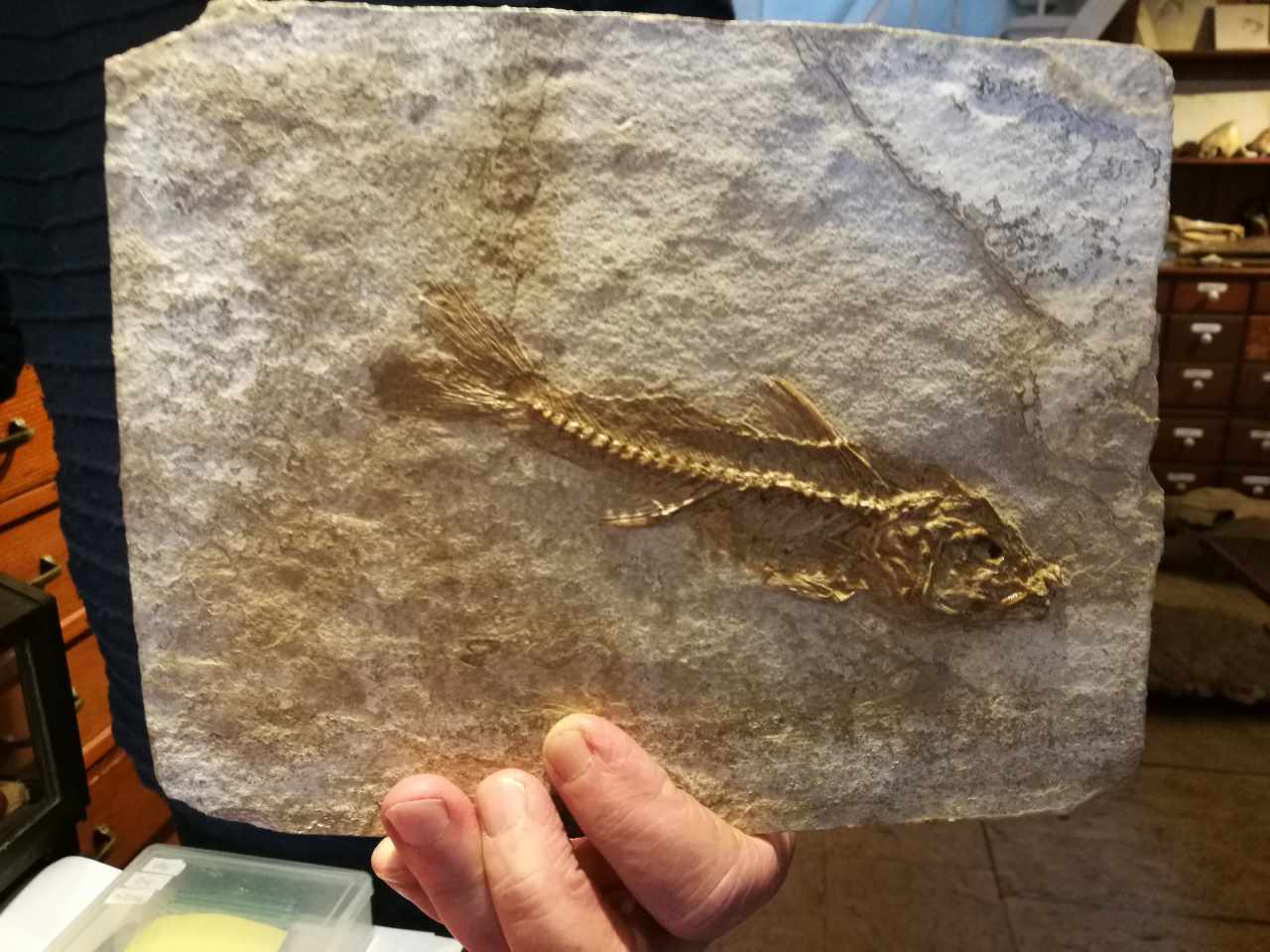 |
 |  |
| 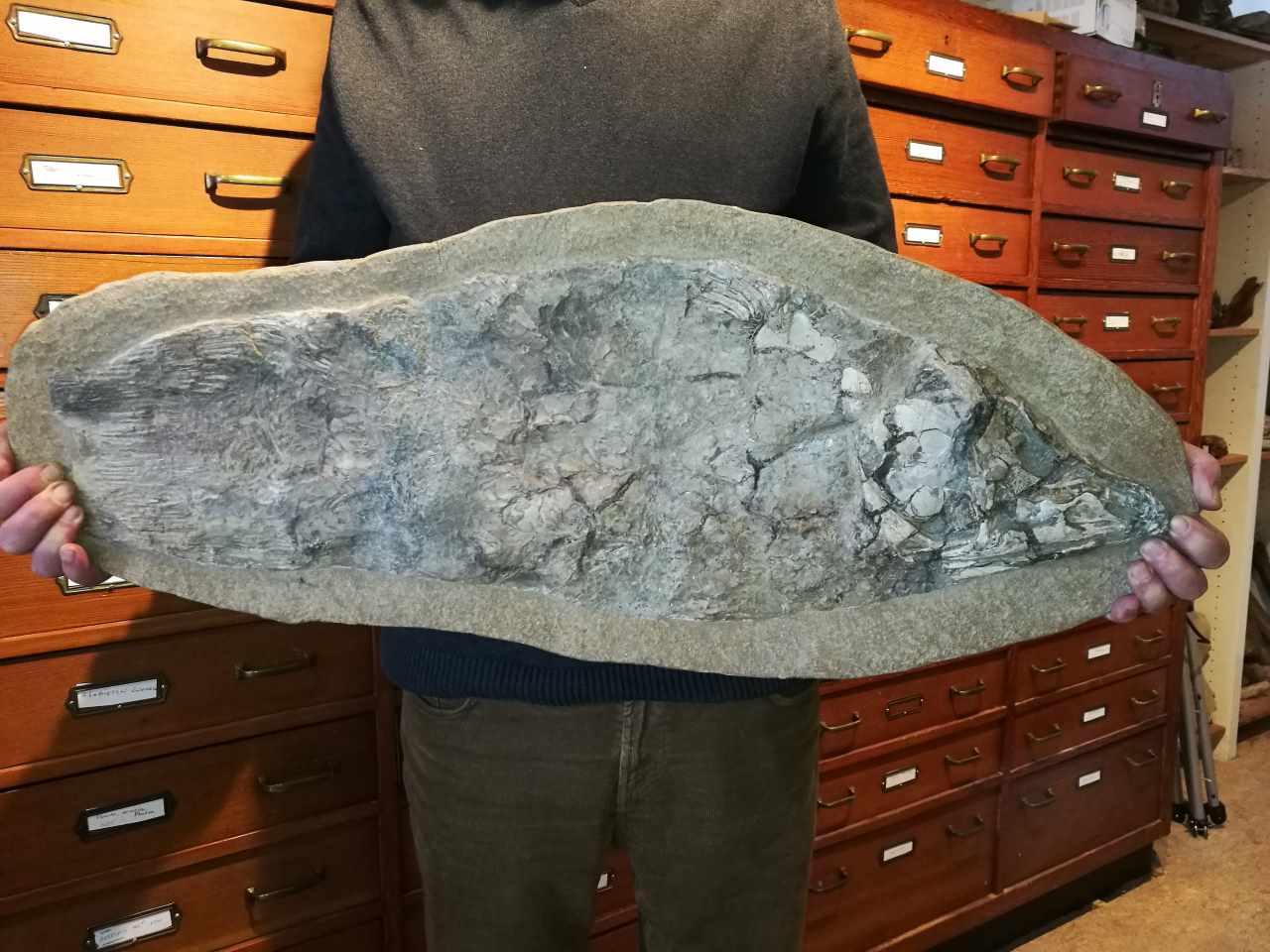
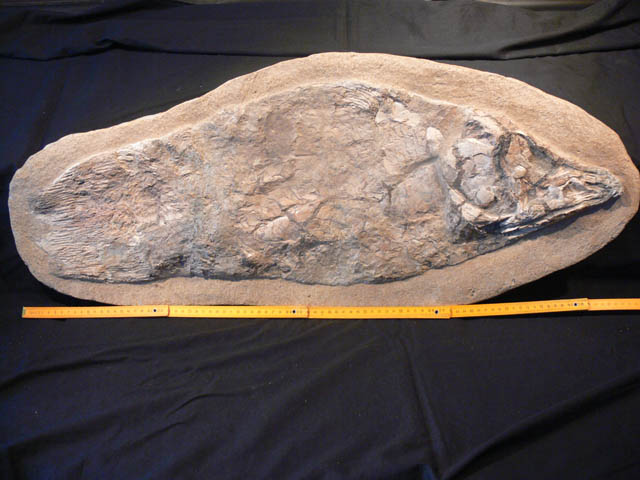
| Axelrodichthys araripensis #FAA7810
Fossil Coelacanth in refitted Nodule, Very rare
Proffesional preparation, with Restoration
L. Cretaceous, Santana form. Albian
110 Million years old
Ceara, Araripe plateau, Brazil
Size fish: 83cm long by 28cm high
32.7 inch long by 11 inch high
Price: Euro
|
Hybodus sp. shark spine #FHS9693
Large Complete Spine
Tegana Formation (Early Cenomanian)
Cretaceous 99 million years old
Kem Kem Beds, Morocco
Size: 7 inch / 17.5 cm
Price: Euro | 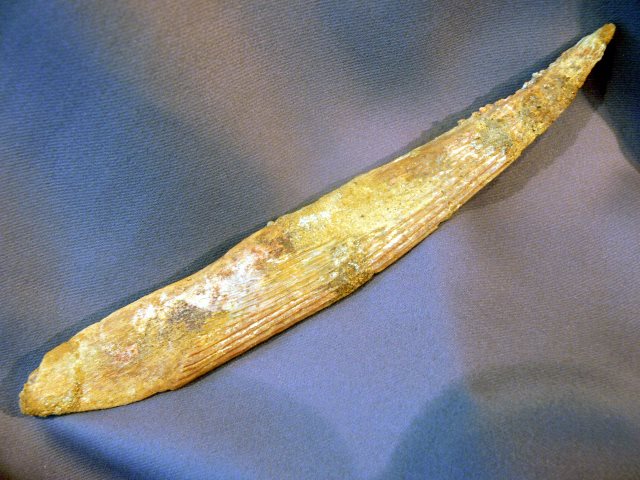 |
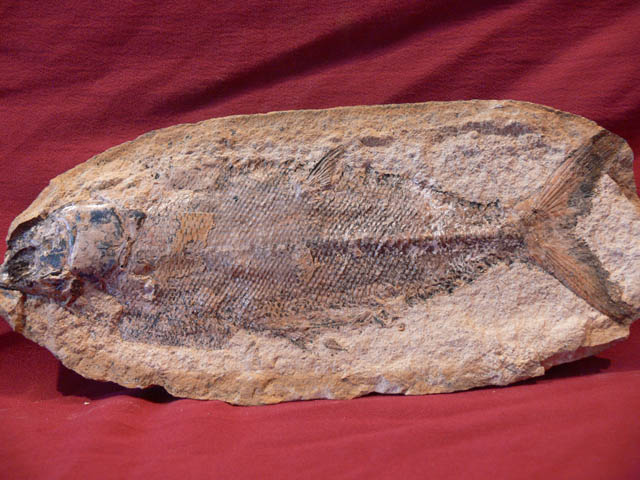 |  |
Notelops brama #BBF5966
Fossil fish in Pos/neg Nodule
Lower Cretaceous, Santana formation, Albian,
110 million years old
Ceara, Araripe plateau, Brasil
Size fish: 9.4 inch / 23.5 cm
Price: Euro |
|
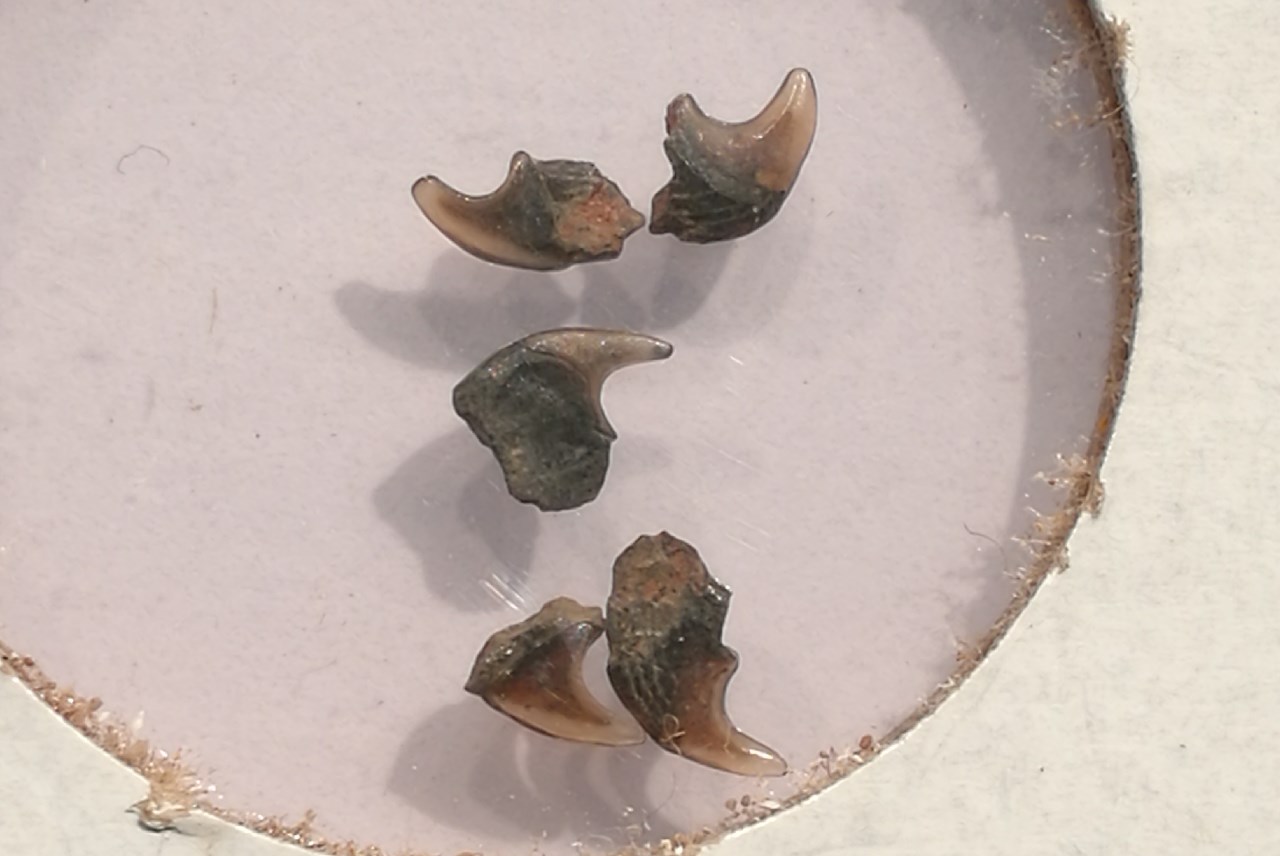 | Stephanodus aff minimus #SSMC112
Carniverous Fish teeth
Ozan Formation
U. Cretaceous 68 million years old
Moss Creek, TX, U.S.A.|
Size biggest: 0.2 inch / 0.5 cm
Price: Euro |
Stephanodus aff minimus #SSMC113
Carniverous Fish teeth
Ozan Formation
U. Cretaceous 68 million years old
Moss Creek, TX, U.S.A.|
Size biggest: 0.2 inch / 0.5 cm
Price: Euro | 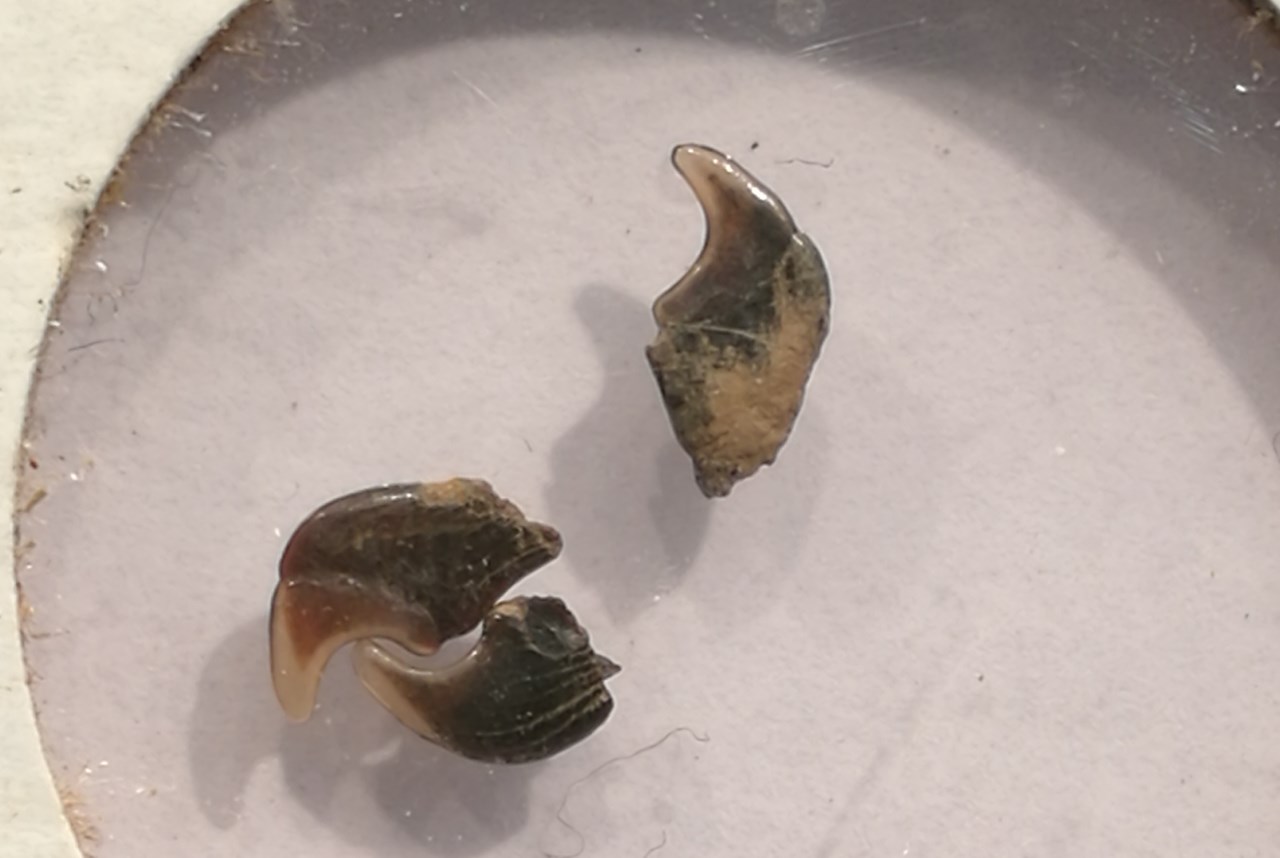 |
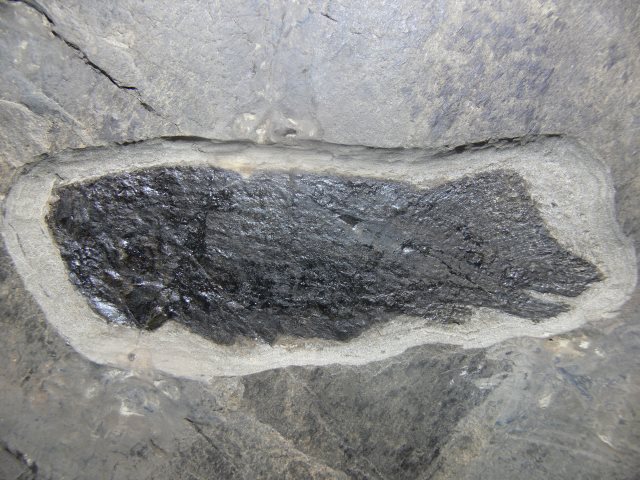
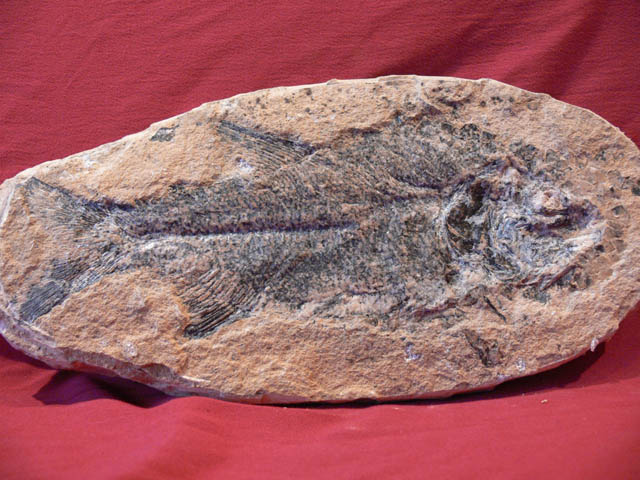
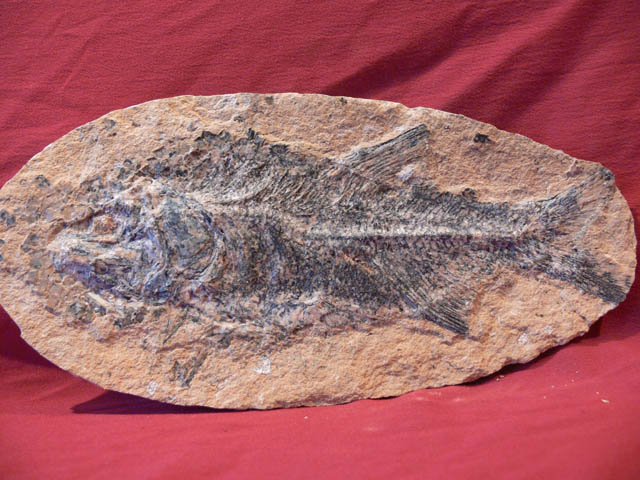
| Pentlandia macroptera#FPO9856
Very Rare Primitive Dipnoan Lungfish (Traquair)
Old collection
Old Red Sandstone
Middle Devonian, 385 million years old
Orkney, Scotland
Size Plate: 20.5 by 14.5 cm
Size Fish: 5.2 inch / 13 cm (Span)
Price: |
 |  |
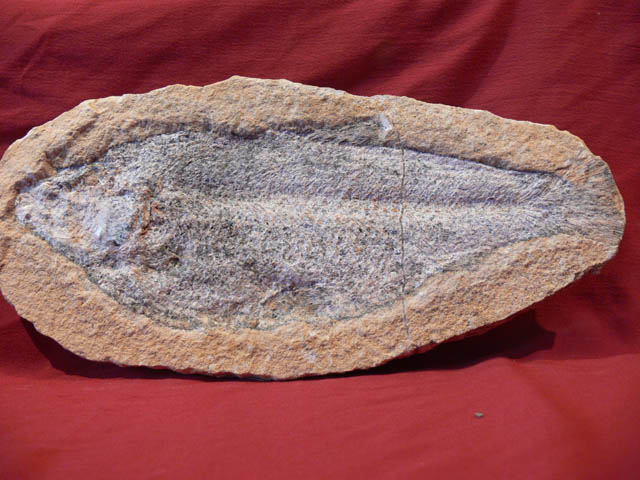
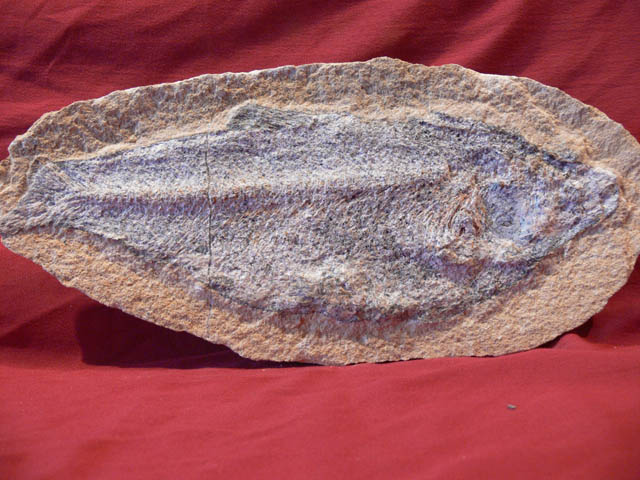
| Brannerion latum #BBF5988
Fossil fish in Pos/neg Nodule
Lower Cretaceous, Santana formation, Albian,
110 million years old
Ceara, Araripe plateau, Brasil
Size fish: 9.2 inch / 23 cm
Price: |
 |  |
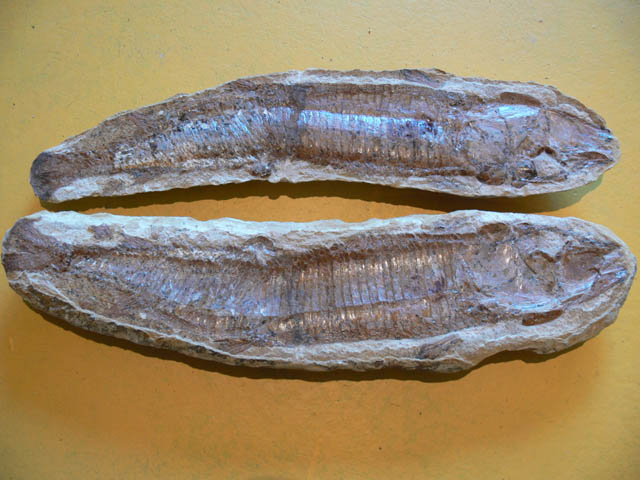
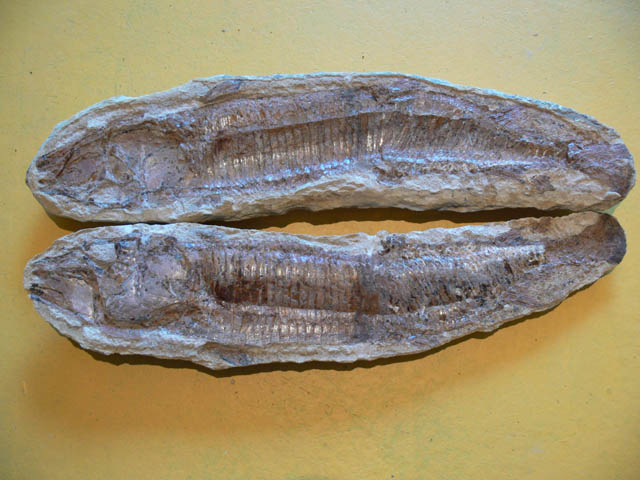
Brannerion latum #BBF5970
Fossil fish in Pos/neg Nodule
Lower Cretaceous, Santana formation, Albian,
110 million years old
Ceara, Araripe plateau, Brasil
Size fish: 11.2 inch / 28 cm
Price: Euro |
|
 |  |
| Vinctifer comptoni #BVF5994
Fossil fish in Pos/neg Nodule
Lower Cretaceous, Santana formation, Albian,
110 million years old
Ceara, Araripe plateau, Brasil
Size fish: 15 inch / 37.5 cm
Price: Euro |
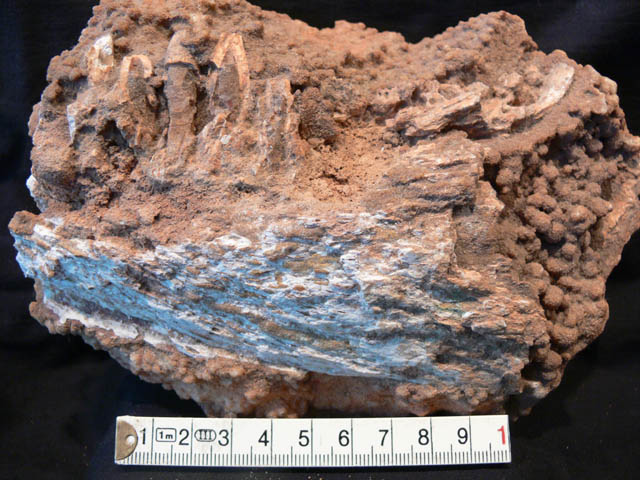 | Brychaetus cf. mulleri #FMF6892
Jaw with teeth.
Maastrichtian U.Cretaceous, 65 million Years old
Marrakech, Morocco
Size fossil: 7 by 4.6 Inch / 17.5 by 11.5 cm
Price: |
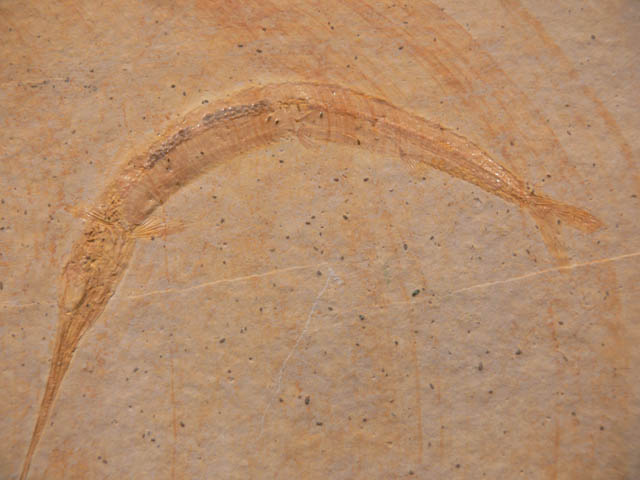
| Belonostomus muensteri #FBM8053
Rare nice fish with long beak
Upper Jurassic, 148 Million years old
Eichstatt, Germany
Size fossil span: 4 inch / 10 cm
Fish size including curvature: 5.1 inch / 13 cm
Size plate: 18.5 by 17 cm
Price: |
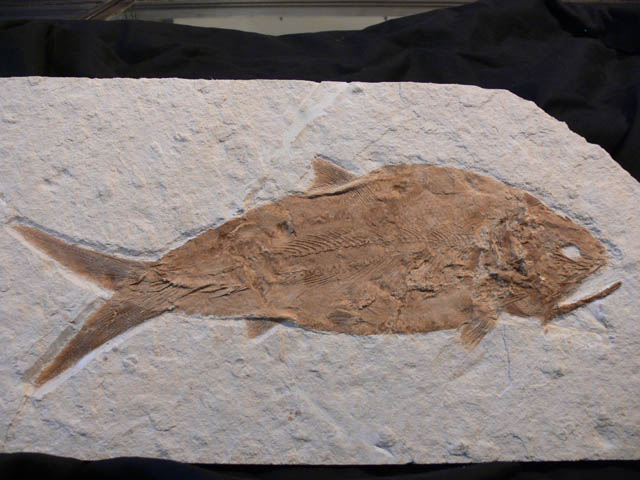 | Caturus furcatus #FCF8831
Big Speed robbing Fish
Some restauration
Upper Jurassic, Kimmeridigian
152 Million years old
Painten by Regensburg, Germany
Size plate: 19 by 9.4 inch / 47.5 by 23.5cm
Size fossil: 14.4 inch / 36 cm
Price: |
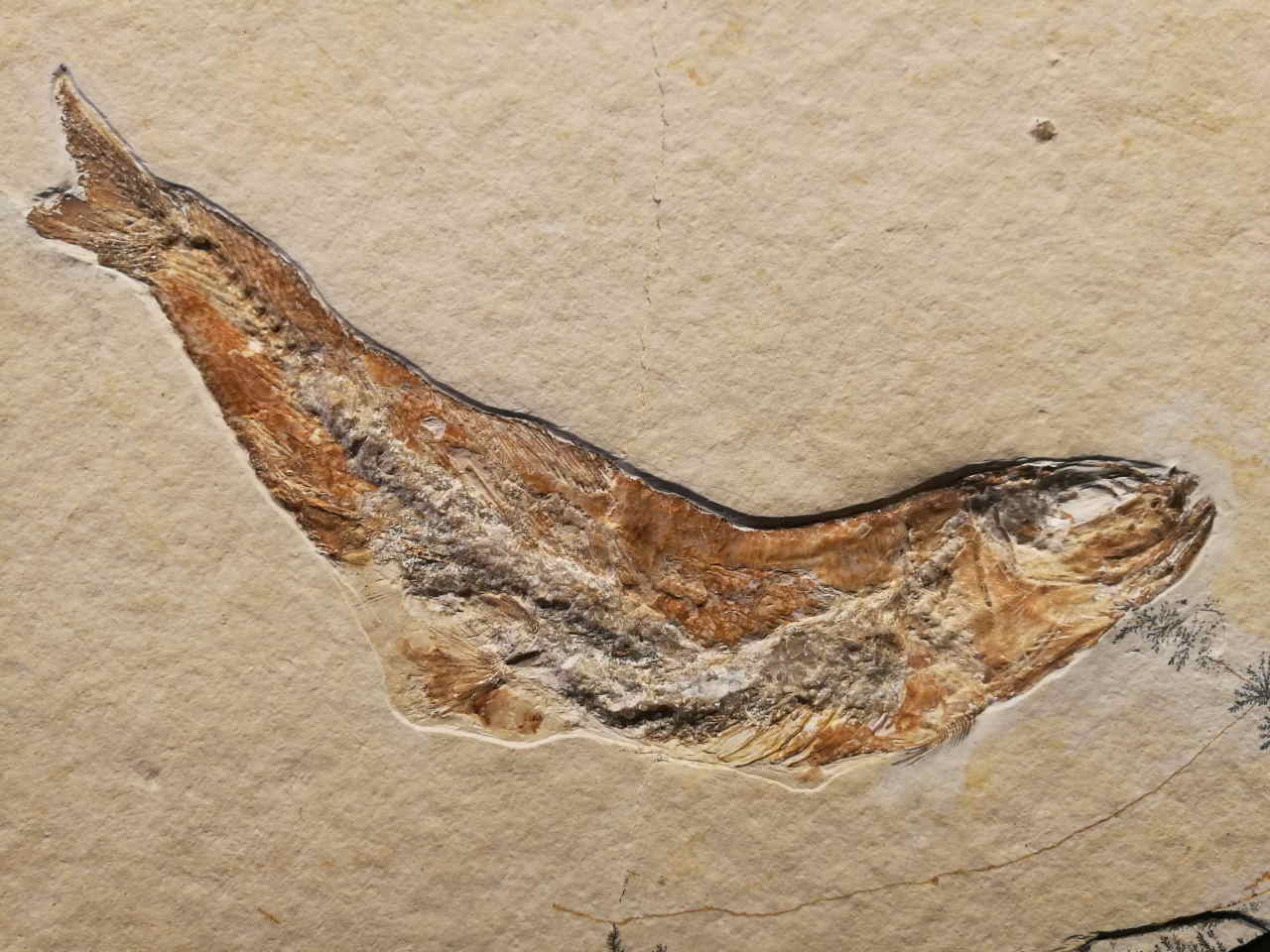
Tharsis dubius #FSA4124
Nice fish from the Solnhofen limestone
Upper Jurassic, 148 Million years old
Solnhofen, Germany
Matrix plate: 28 by 20 cm
Size fish (span): 6.6 inch / 16.5 cm
Price: |
|
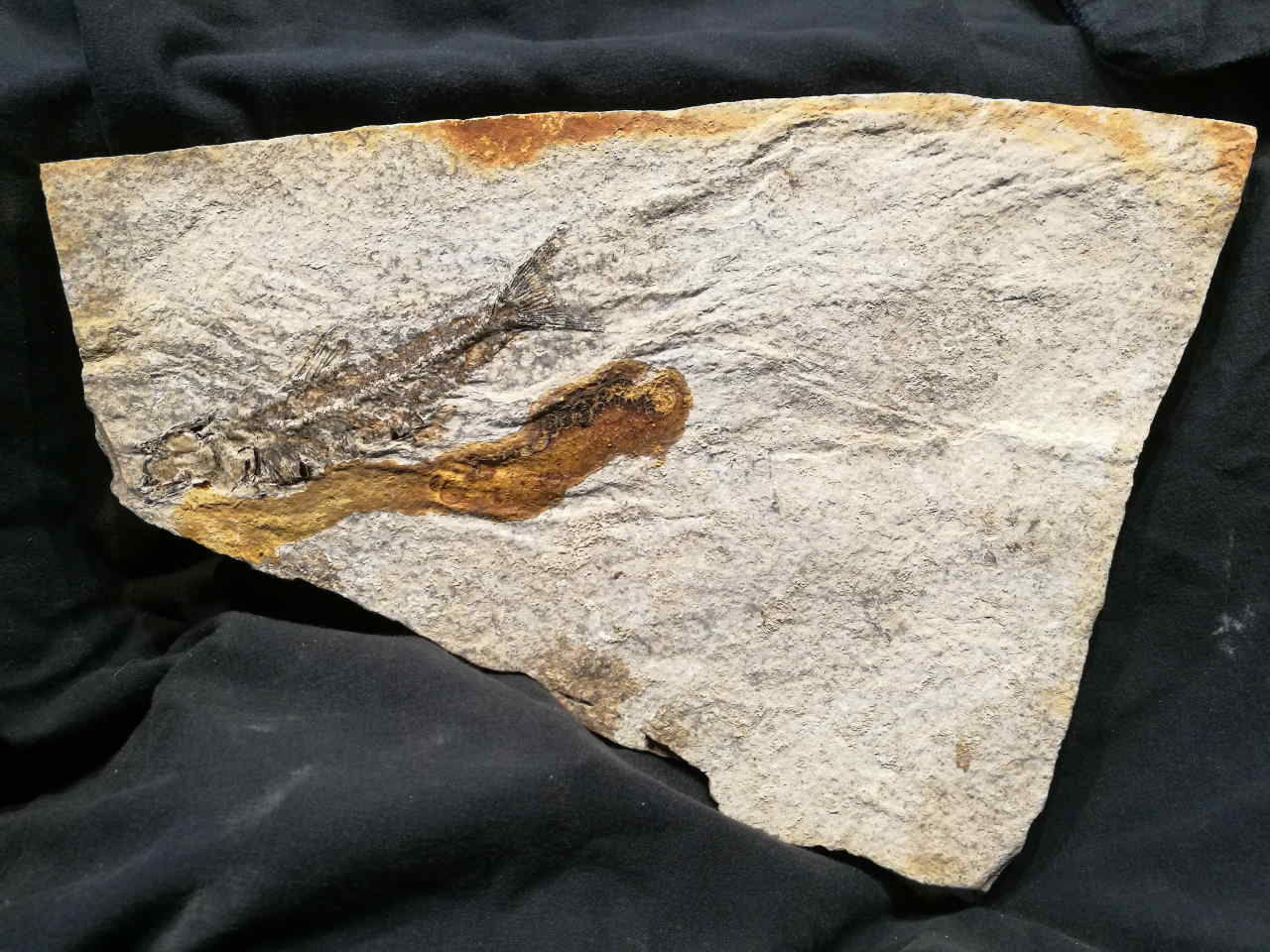
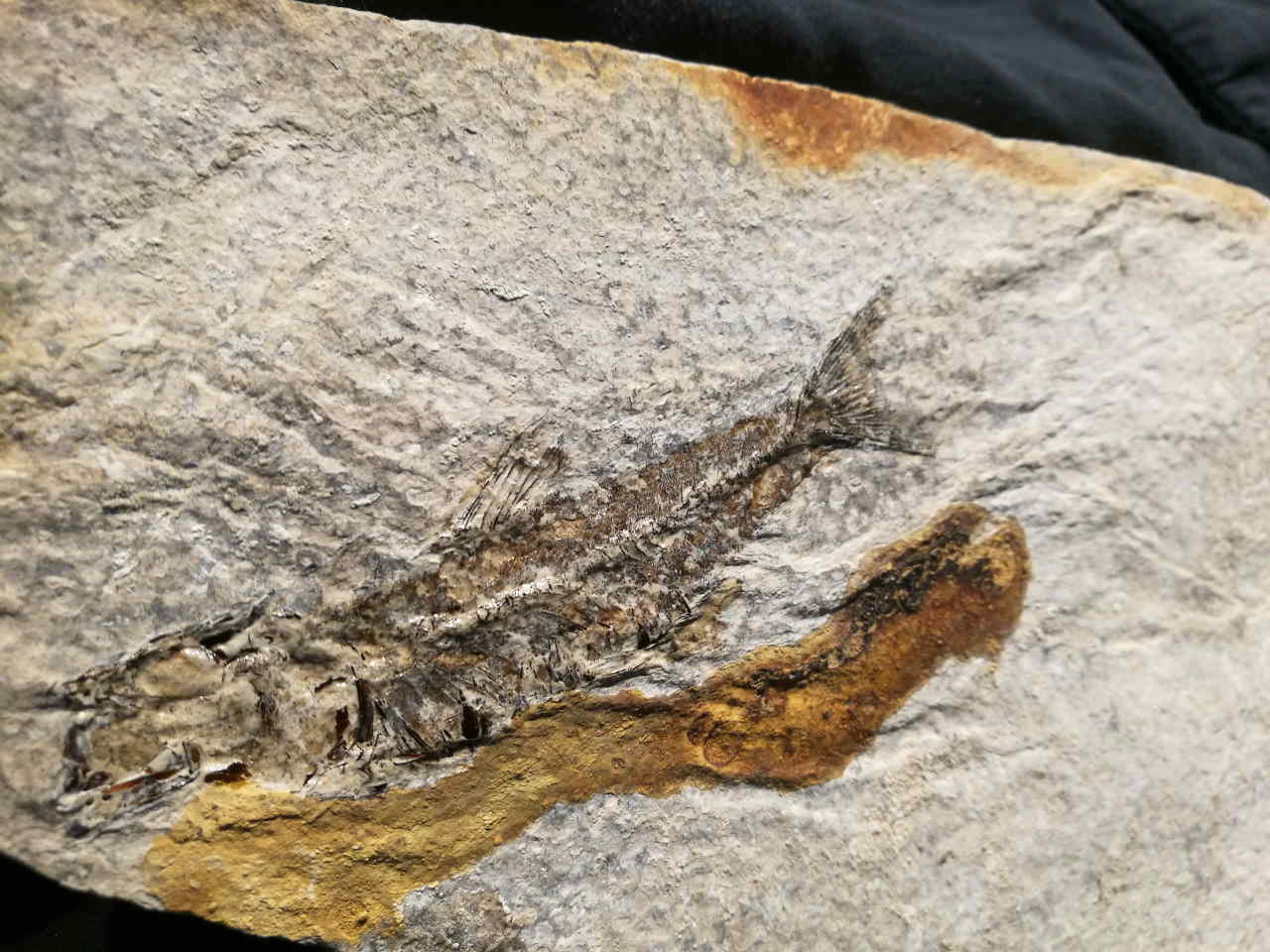
Lasanius problematicus #FLP4211
Primitive fish !!!
Old Red Sandstone Sanwick Fish bed.
Middle Devonian, Eifelian, 390 million years old.
Orkney, Scotland.
Size plate: 3.8 by 1.6 inch / 7 by 4 cm
Price: |

|
|
|
|
Knigthia alta #FKE4366
With rare death trail
On 25 by 18cm matrix plate
Eocene 50 Million years old
Wyoming, U.S.A.
Size : 4.4 inch / 11 cm
Price: |
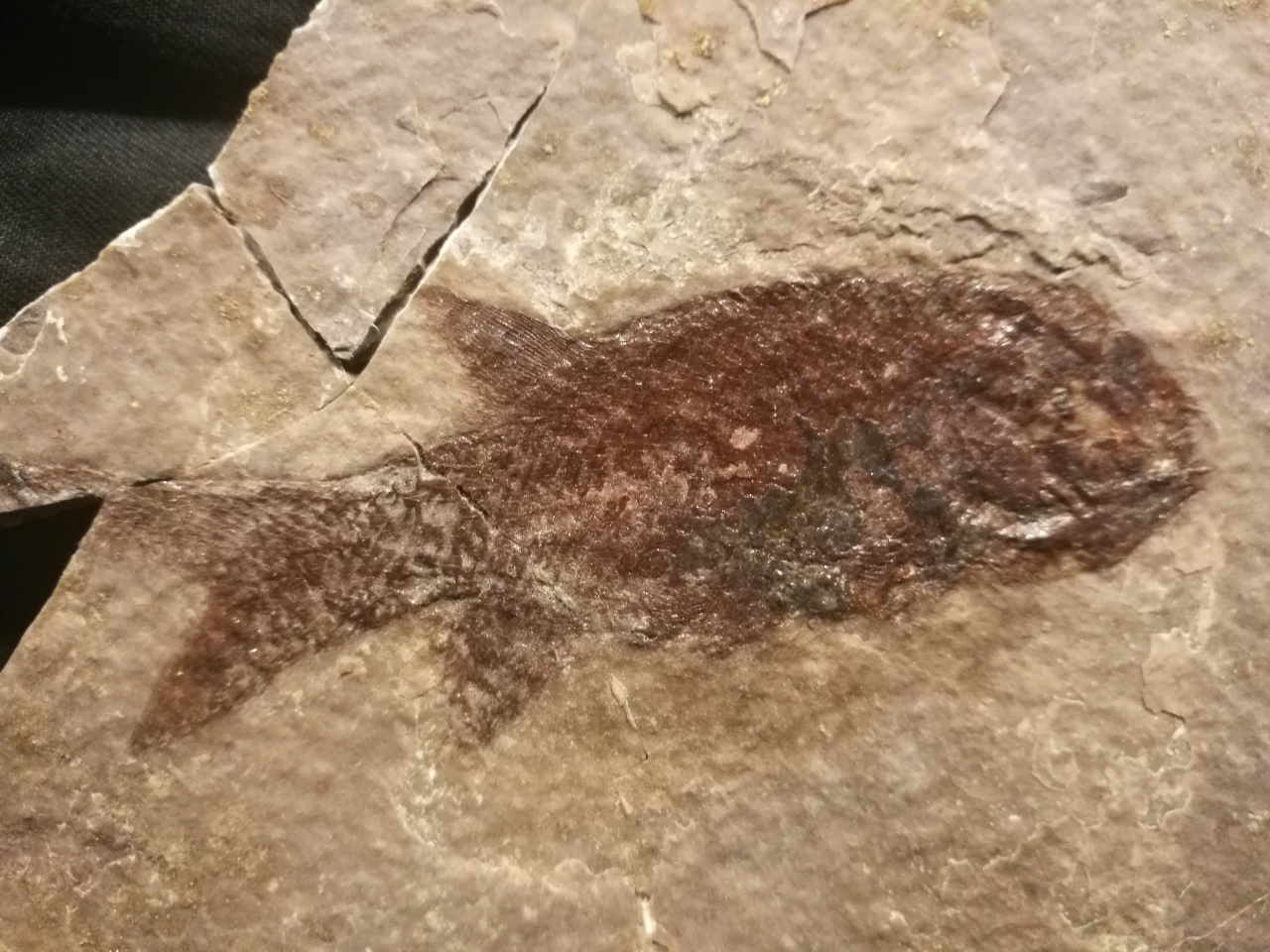
Paleoniscus sp. #FPT4204
Primitive fish !!!
Permian, Rotliegend, 285 million years old
Bacov, Czech republic
Size: 3.4 inch / 8.5 cm
Price:
|
|
|
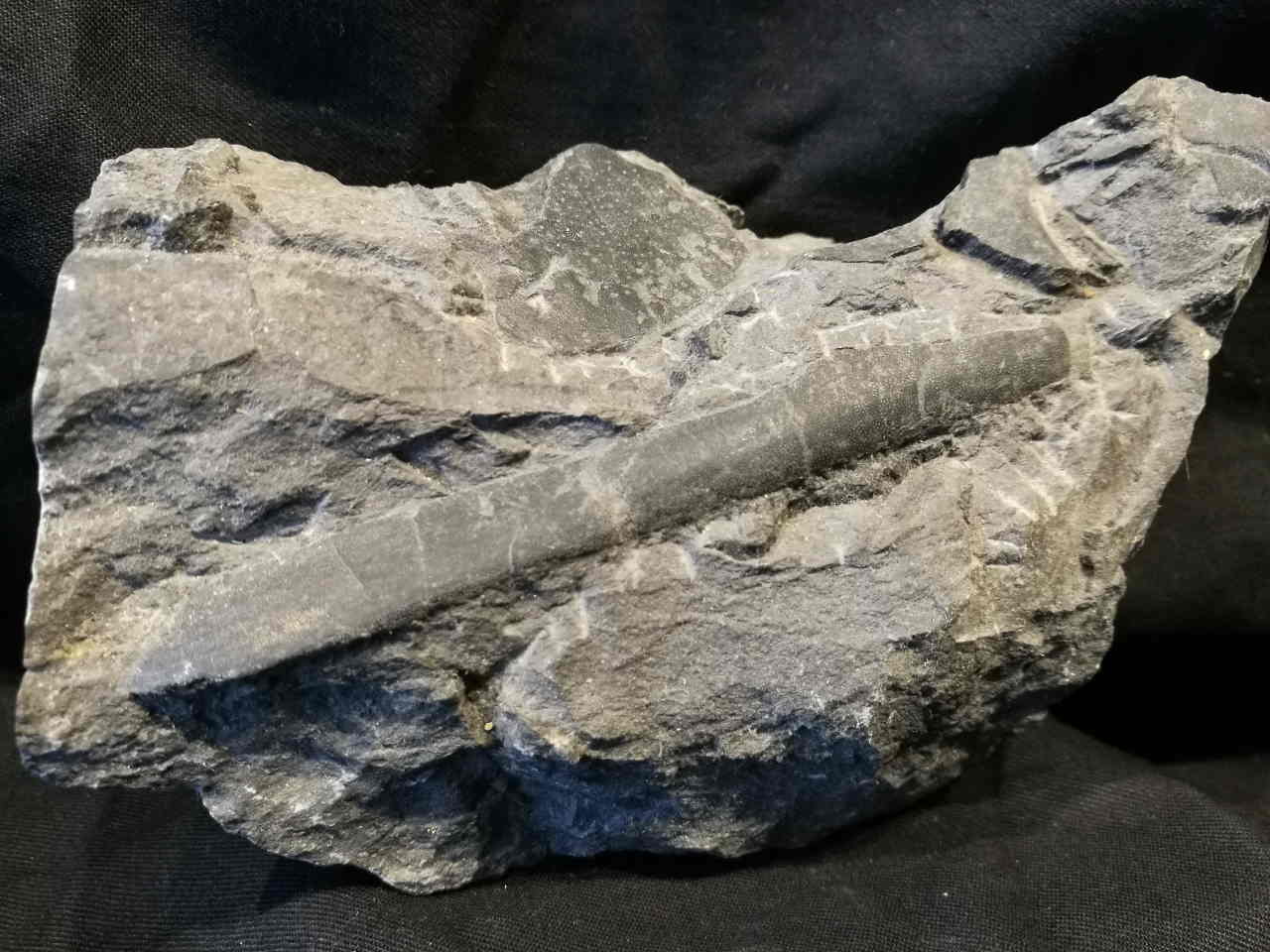
Pteraspis sp. #FDS4220
Placoderm spine
Silurian, Wemlock, 430 million years old.
Achanarras Quarry, Scotland.
Size spine: 3.8 inch / 9.5 cm
Price: Euro |
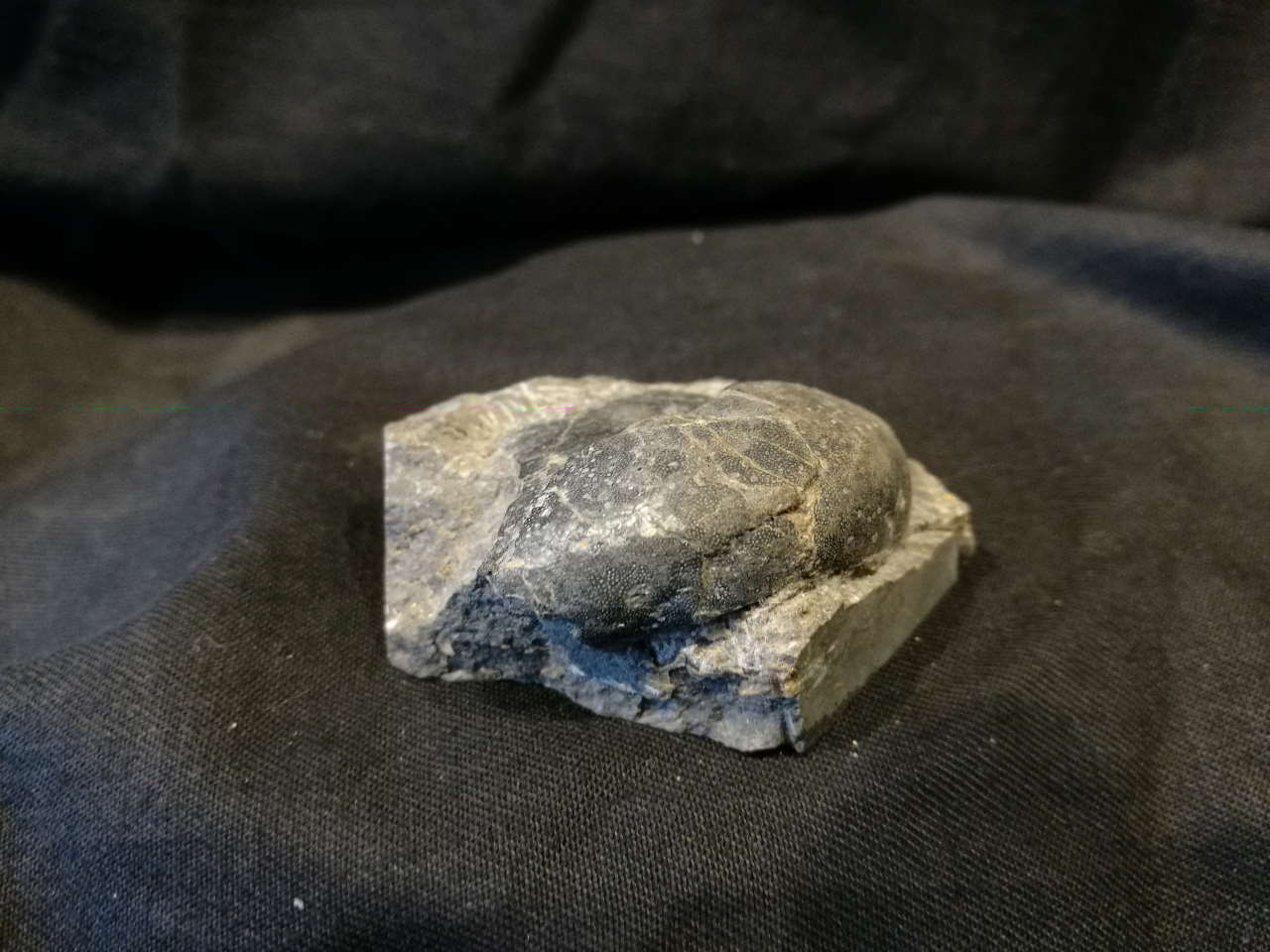
cf. Placoderm sp. #FDS4228
Placoderm Fish 3d head
Silurian, Wemlock, 430 million years old.
Achanarras Quarry, Scotland.
Size head: 1.4 by 1.2 inch / 3.5 by 3 cm
Price: Euro |
|
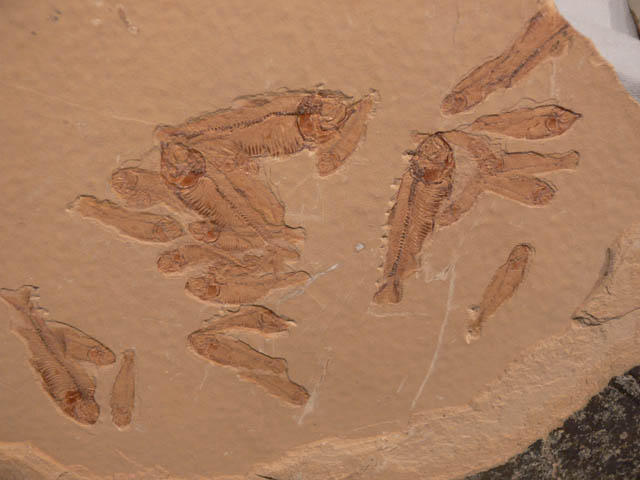 | Gosiutichthys parvus #KE5486
Fish mortality plate
More than 25 specimen on matrix plate (41 by 27 cm)
Green River Formation Eocene 50 Million years old
Wyoming, U.S.A.
Size average fish: 1.2 inch / 3 cm
Price: Euro |
Coccosteus cuspidatus FCC9845
Ultra Rare primitive Placoderm / Armored fish
Old collection
Middle Old Red Sandstone, Anchanarras horizon
Middle Devonian, 385 million years old
Halkirk, Caithness, Scotland
Size Plate: 51 by 25 cm
Size Fish: 13 inch / 33 cm (Span)
Price: Euro | 
|
Allothrissops spec. #FAS6214
Classic pos/neg fish
Upper Jurassic, 148 Million years old
Eichstatt, Germany
On small Matrix plate
Size fish (span): 2 inch / 5 cm
Price: Euro | 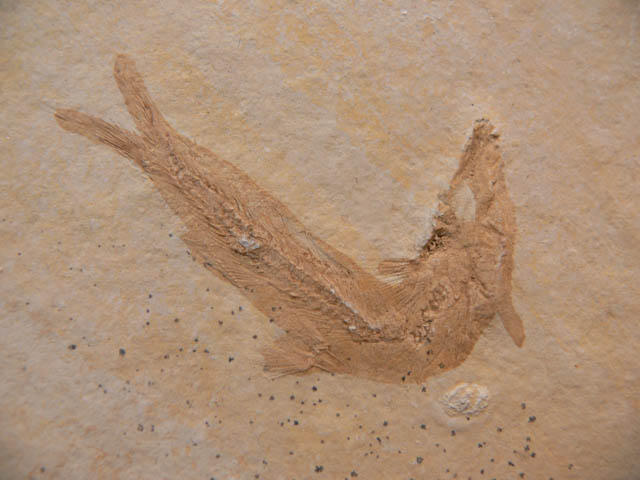
|
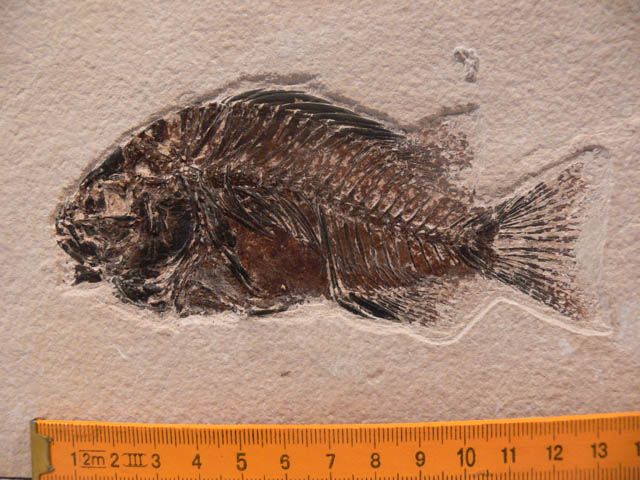 | Priscacara liops #FPL7858
On small matrix plate
Eocene 50 Million years old
Wyoming, U.S.A.
Size : 4.8 inch / 12 cm
Price: Euro |
|  |
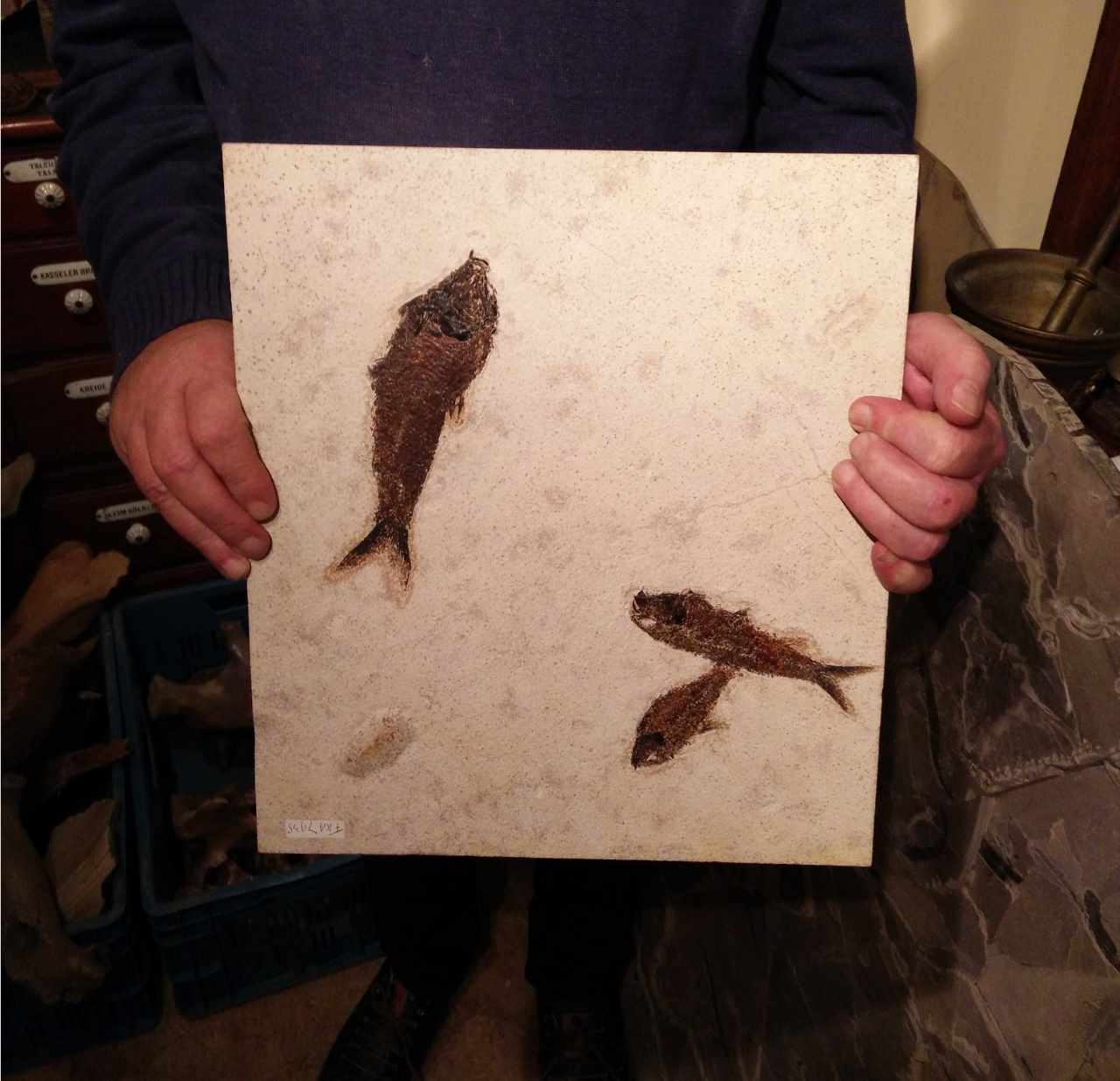
Knigthia alta #FKA7935
and 2 Knigthia eocaena
On 37 by 33.5cm matrix plate
Eocene 50 Million years old
Wyoming, U.S.A.
Size biggest (K. alta): 7 inch / 17.5 cm
Price: Euro |
|
Leptolepis sprattiformis #FLS10184
2 Classic fish
Upper Jurassic, 148 Million years old
Eichstatt, Germany
On small Matrix plate
Size fish (span): 2.6 inch / 6.5 cm
Price: Euro | 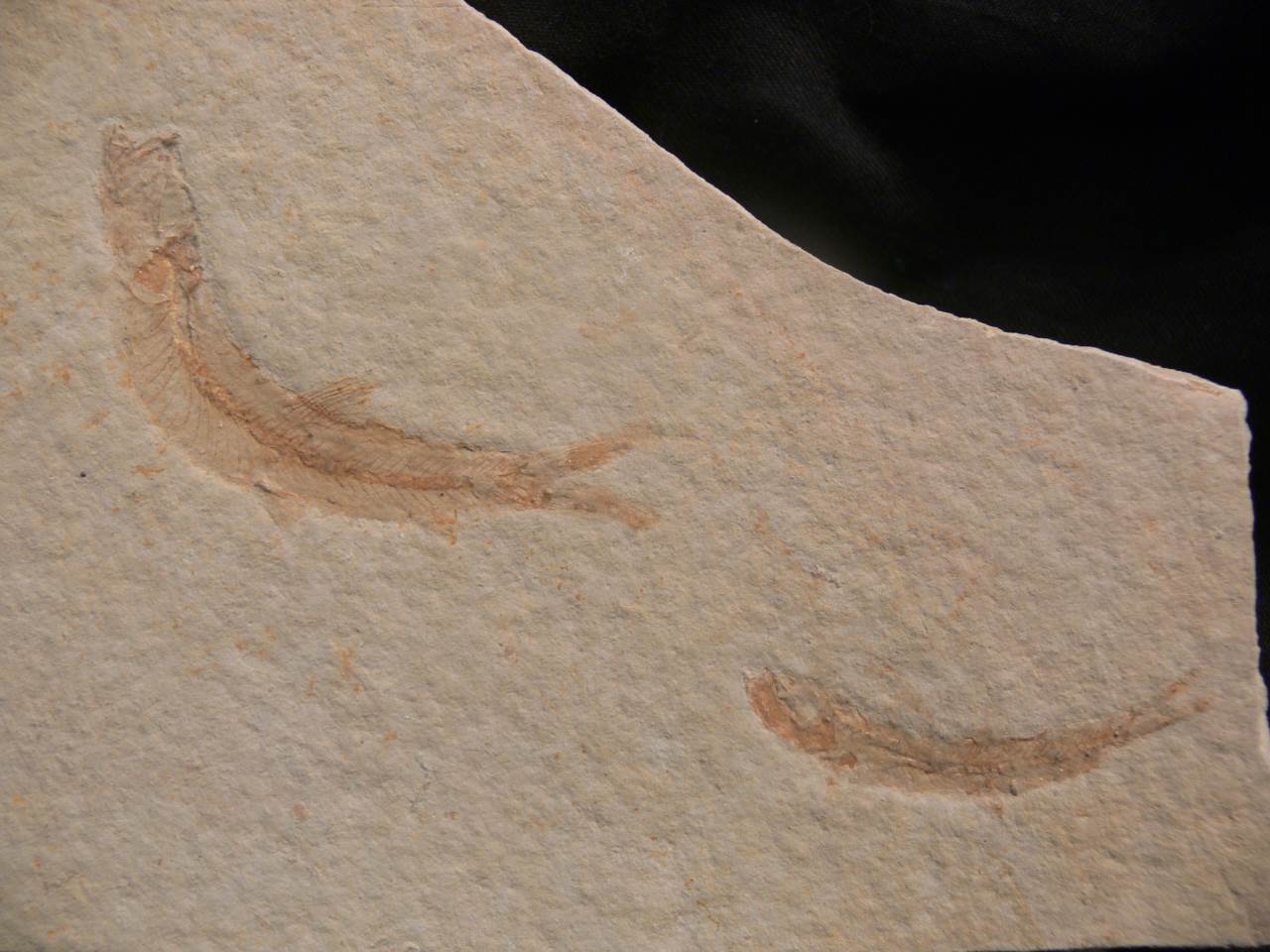 |
 | Pycnodontidae sp. #SPSC114
Fish teeth
Kiamichi Formation
Cretaceous 90 million years old
CLC quarry, Clifton, TX, U.S.A.|
Size biggest: 0.4 inch / 1 cm
Price: Euro |
Pycnodont anomoeodus #SPAC115
Fish teeth
Ozan Formation
U. Cretaceous 68 million years old
Moss Creek, TX, U.S.A.|
Size biggest: 0.2 inch / 0.5 cm
Price: Euro | 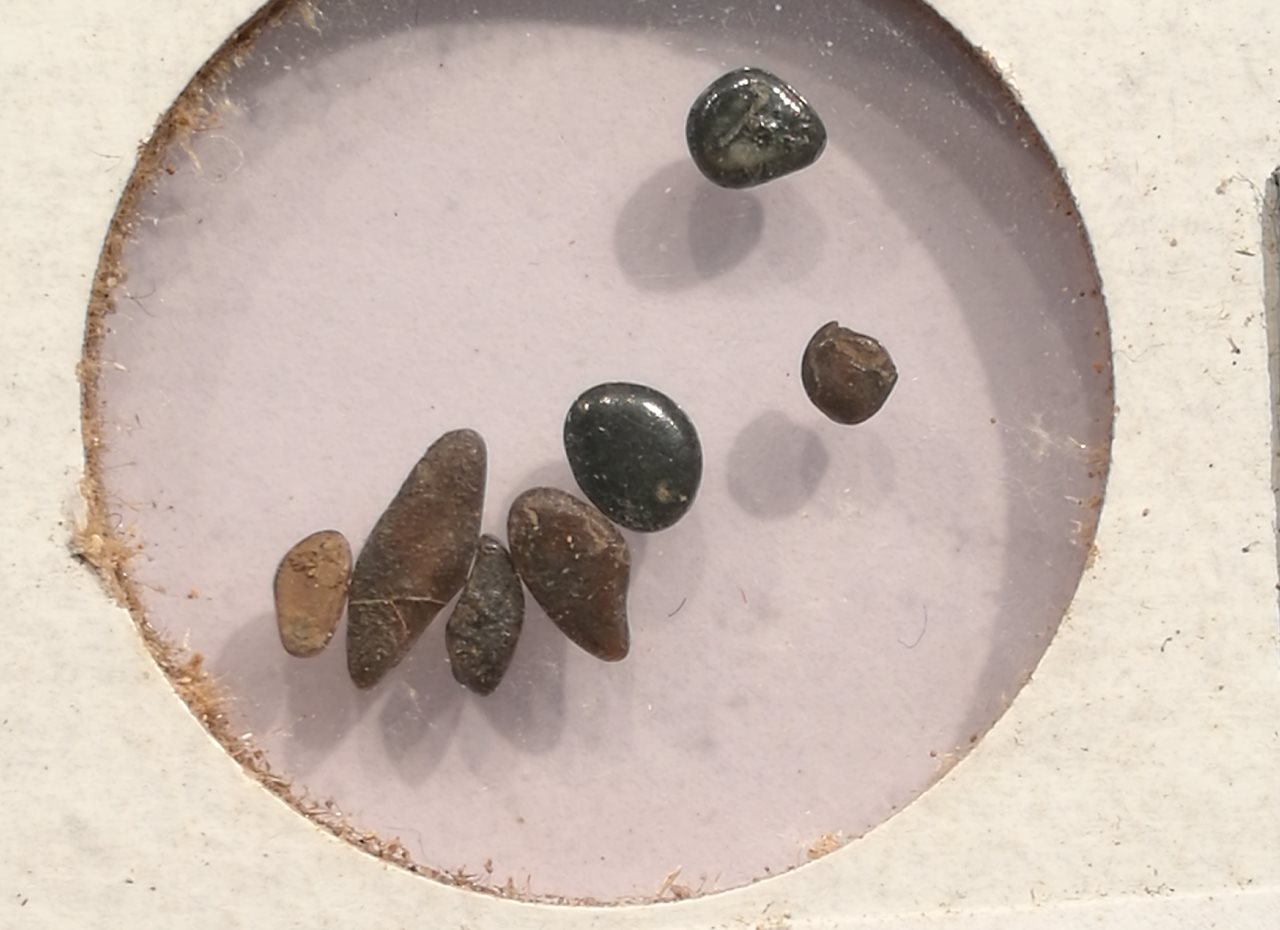 |
Diodon formosus #FEP10114
Fish tooth plate
Pliocene, 3 Million years old
Whalers Bluff form. Dutton way via Portland,
VIctoria, Austalia
Size 0.6 inch / 1.5 cm
Price: Euro | 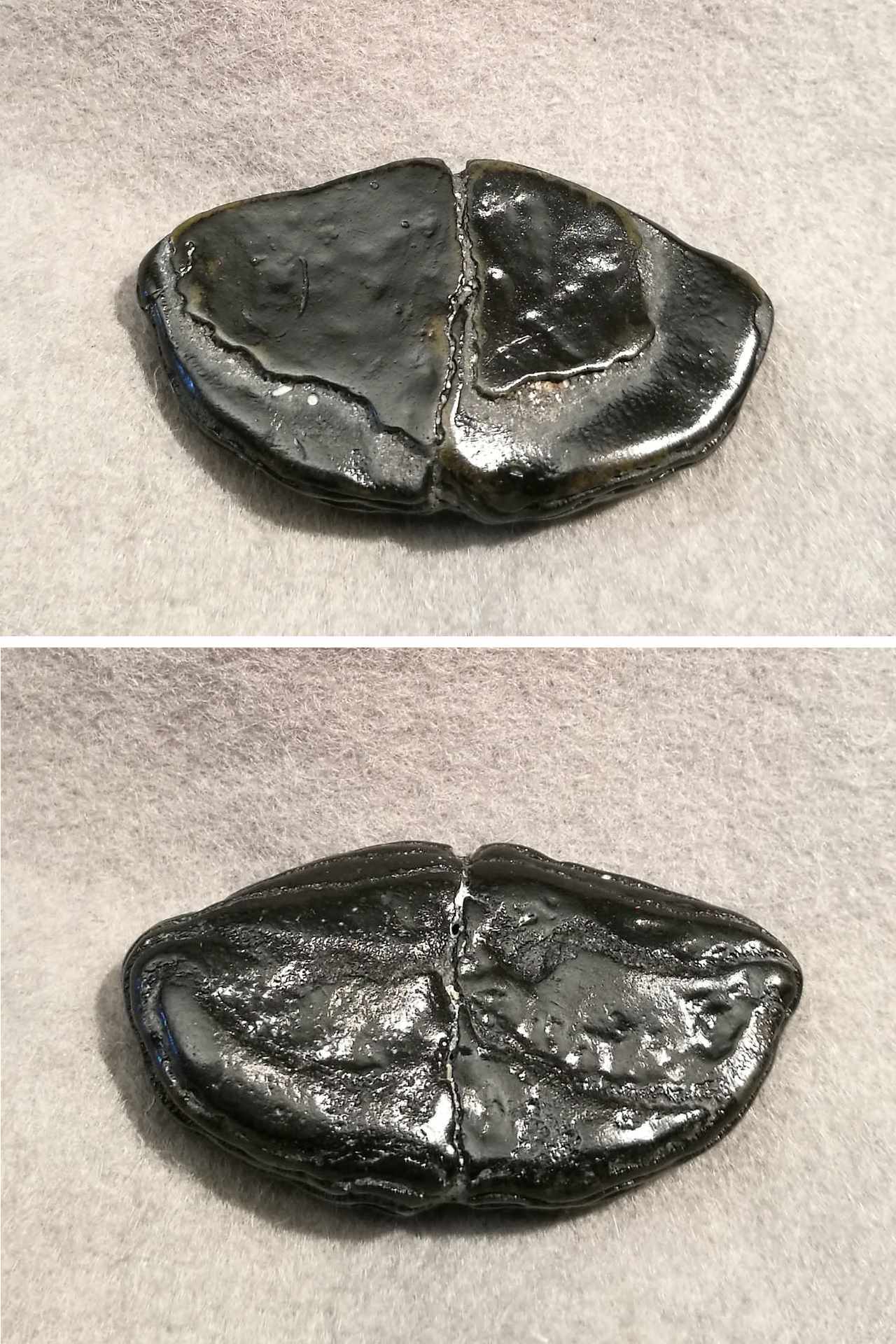 |

| Coccosteus cuspidatus FCC10294
Ultra Rare primitive Placoderm / Armored fish
Old collection
Middle Old Red Sandstone, Anchanarras horizon
Middle Devonian, 385 million years old
Halkirk, Caithness, Scotland
Size Plate: 33 by 26 cm
Size Fish: 12 inch / 30.5 cm (Span)
Price: Euro |
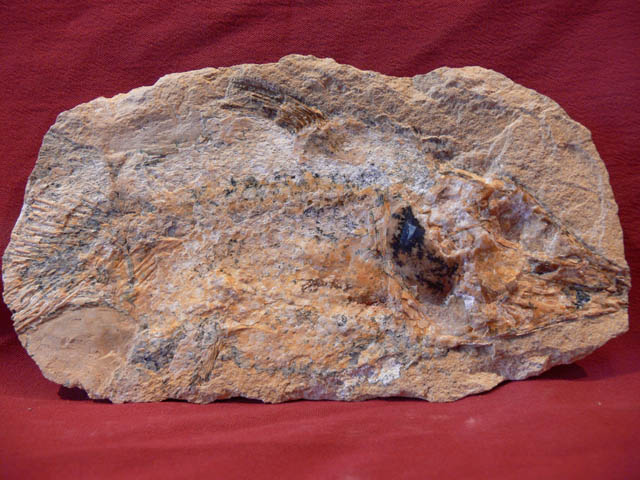
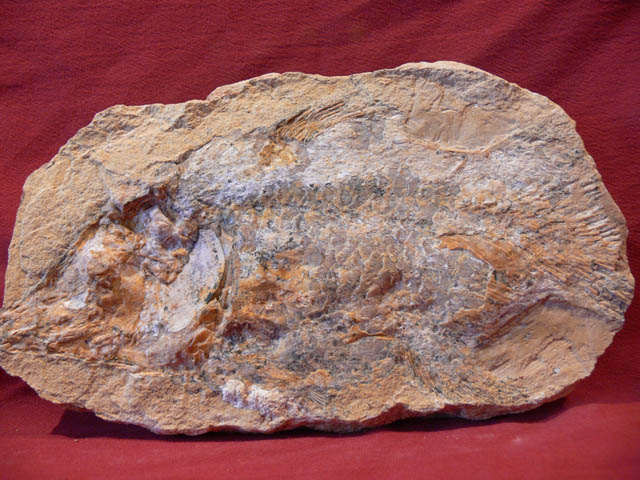
Allothrissops spec. #FLS9602
On small matrix plate
Upper Jurassic, 148 Million years old
Eichstatt, Germany
On small Matrix plate
Size fish (span): 2.08 inch / 5.2 cm
Price: |  |
 |  |
Axelrodichthys araripensis #BCF5992
Fossil Coelacanth juvenile in Pos/neg Nodule,
Very rare
Lower Cretaceous, Santana formation, Albian,
110 million years old
Ceara, Araripe plateau, Brasil
Size fish: 7.4 inch / 18.5 cm
Price: Euro |
|
Amphiperca multiformis #AM5196
FOSSIL PERCH from famous MESSEL QUARRY
"Old Collection", classic preparation
Eocene, 48 million years old
Messel, Germany
Size fish: 5 inch / 12.5 cm
Size plate: 16 by 9 cm
Price : Euro | 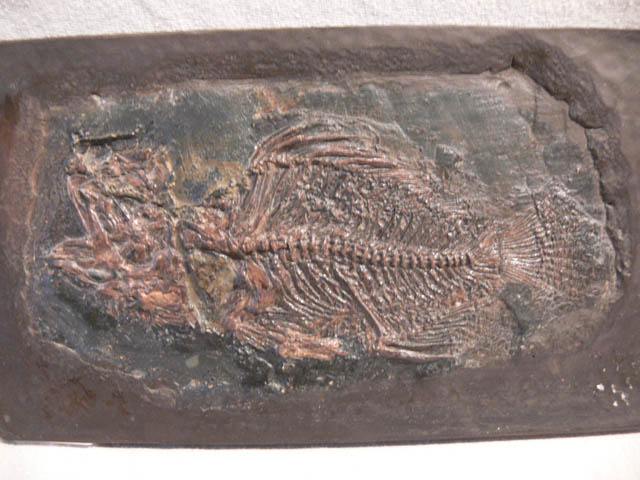
|
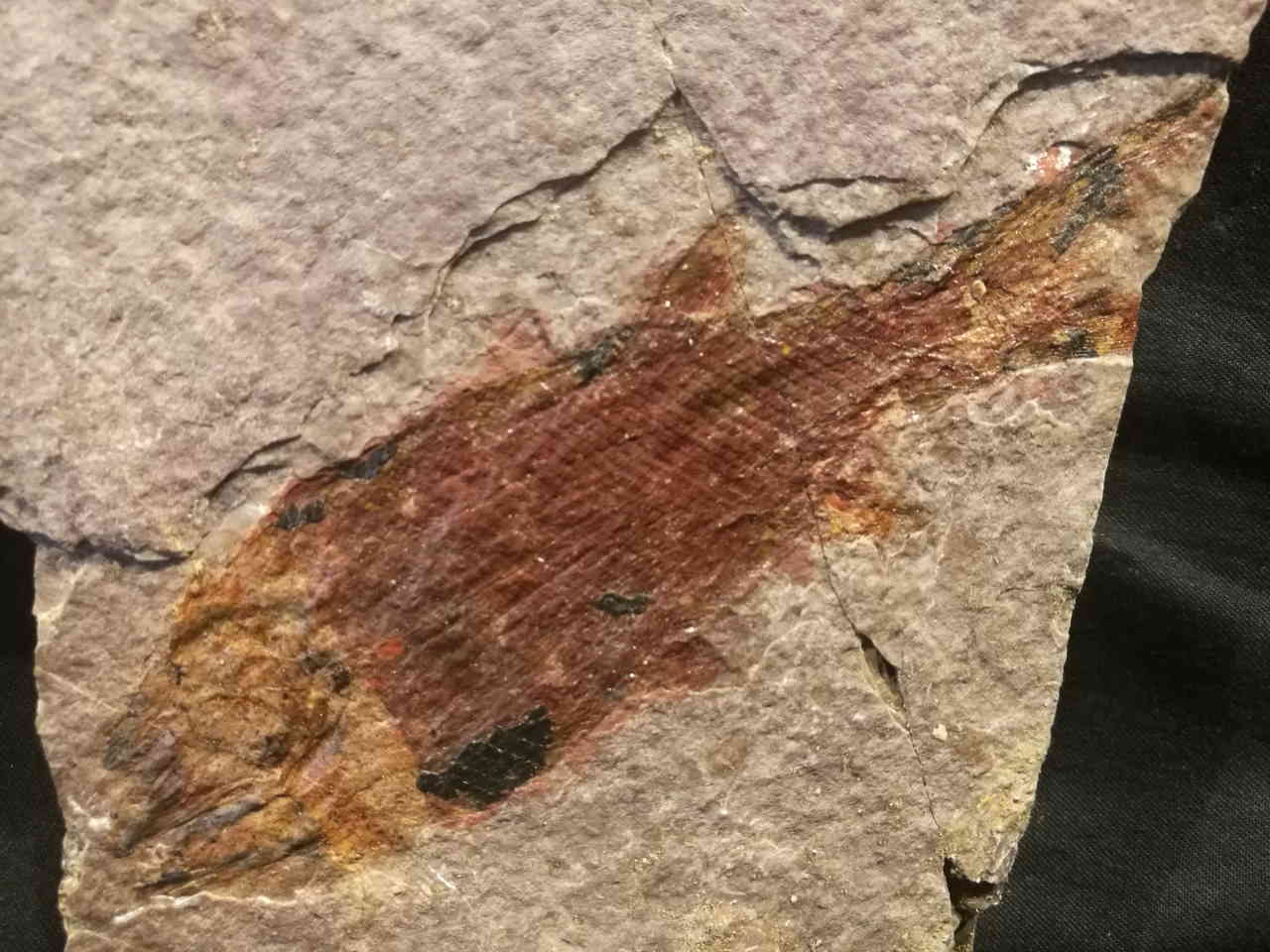
 | Knigthia eocaena #FKE9905
2 fish On small matrix plate 16.5 by 11 cm
Eocene 50 Million years old
Wyoming, U.S.A.
Size : 3.6 inch / 9 cm
Price: Euro |
|
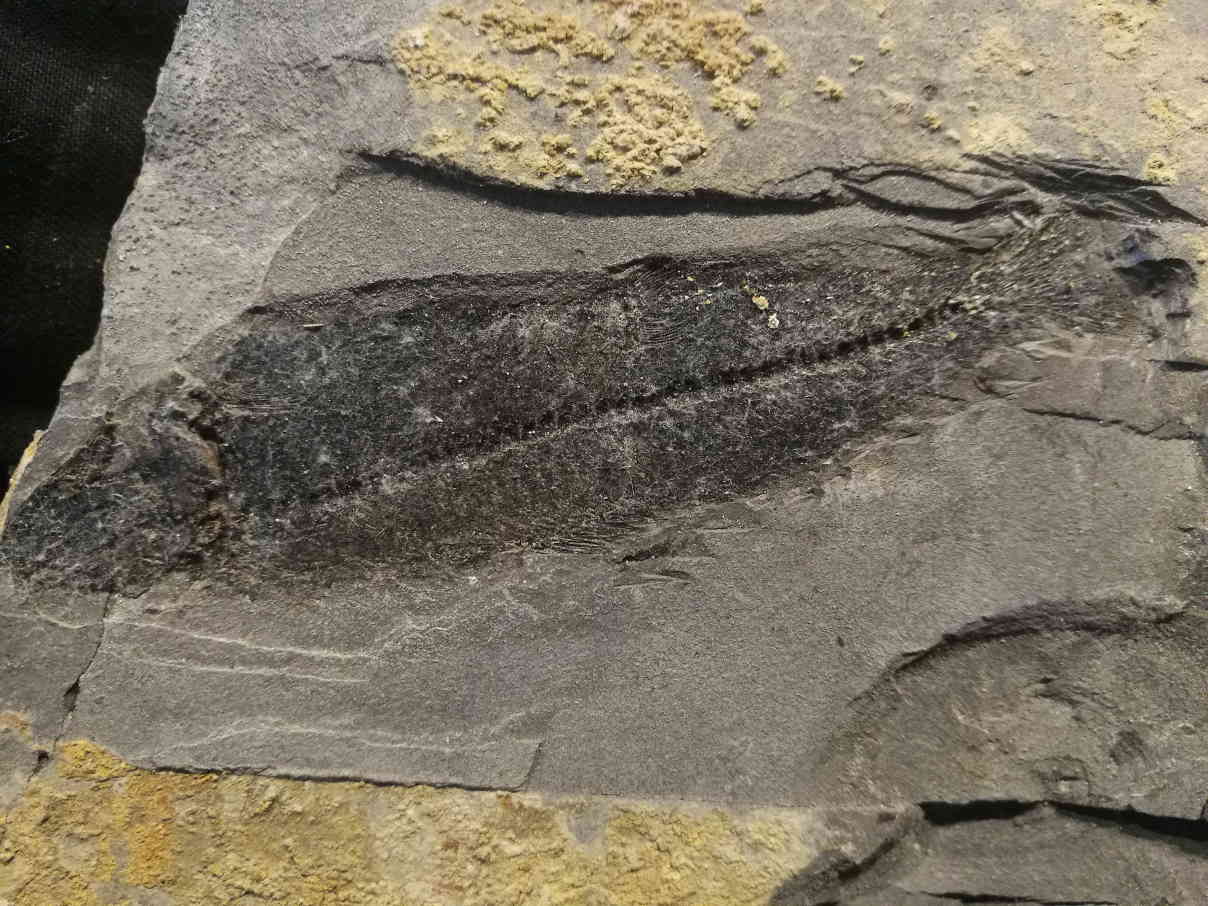
Paleoniscus sp. #FPT4207
Primitive fish !!!
Permian, Rotliegend, 285 million years old
Bacov, Czech republic
Size: 6.2 inch / 13 cm
Price: Euro
|
|
cf. Ductor sp. #FME4200
Fish On matrix plate
Aridal form., Eocene 35 Million years old
Guerran, Morocco
Size : 3.8 inch / 9.5 cm
Price: Euro
|
cf. Apogon sp. #FME4201
Fish On matrix plate
Aridal form., Eocene 35 Million years old
Guerran, Morocco
Size : 1.8 inch / 4.5 cm
Price: Euro
|

|
Rhinobatos hakelensis #FLR9262
Nice Guitar Ray species
Upper Cretaceous,
Cenomanian, 95 million years old
Hajoula (Haqel) / Lebanon
Size ray: 10.6 inch / 26.5 cm
Price: Euro | 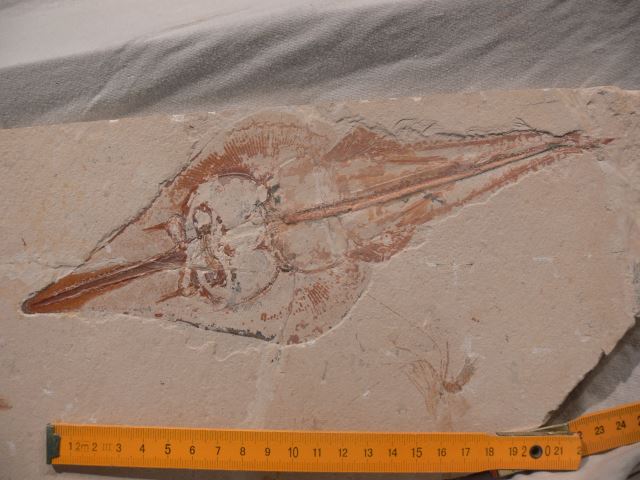 |
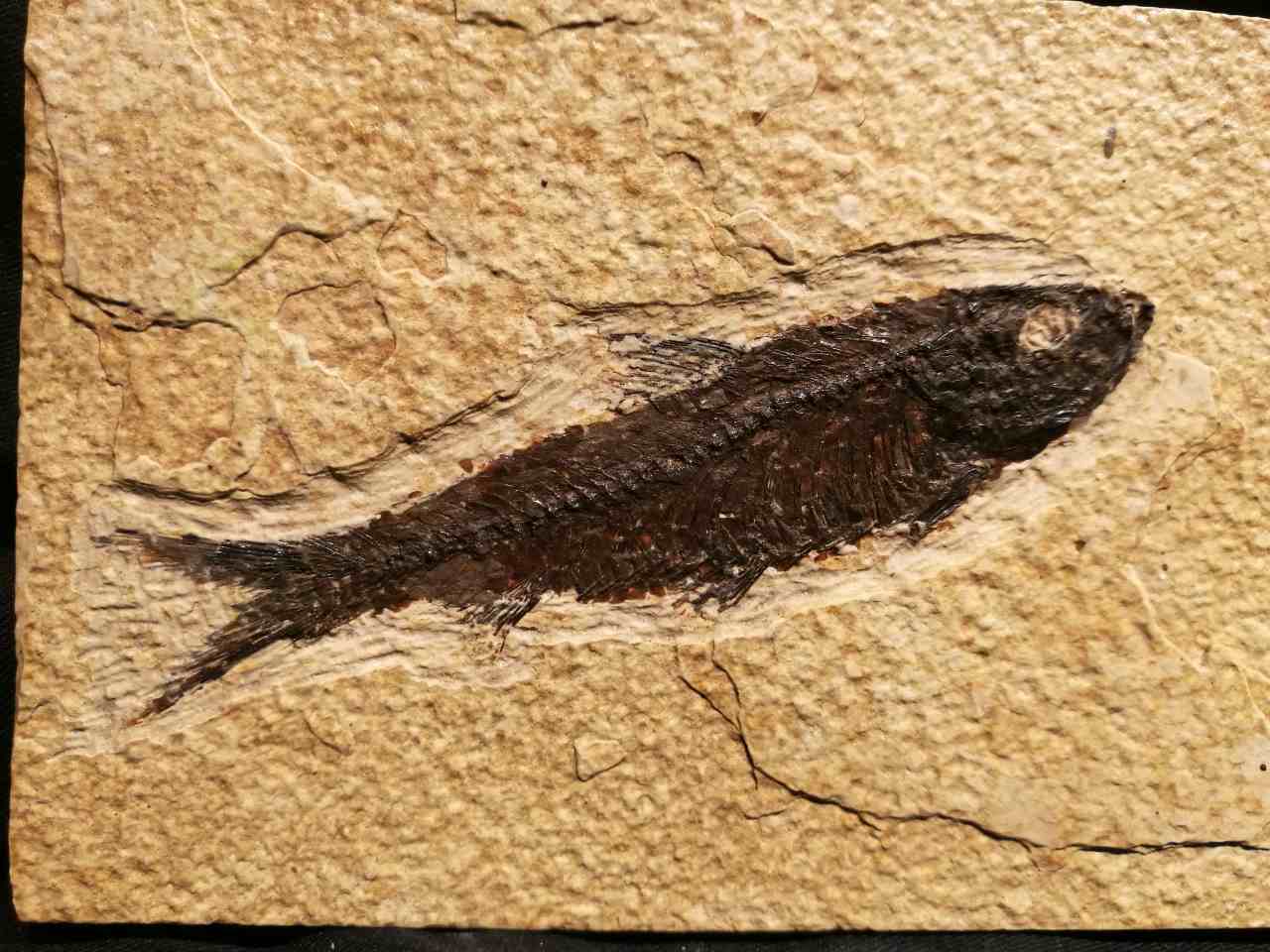 | Knigthia eocaena #FKW3642
On small matrix plate
Eocene 50 Million years old
Wyoming, U.S.A.
Size : 4 inch / 10 cm
Price: |
Gyroptychius agassiz #FGO9857
Very rare Primitive Osteolepididae (Coelacanth) 2
(Traill 1841) Old collection
Middle Devonian, 385 million years old
Sandwick Fish beds, Cruaday hill quarry, Orkney, Scotland
Size Plate: 31 by 23 cm
Size biggest Fish: 9.2 inch / 23 cm (Span)
Price: | 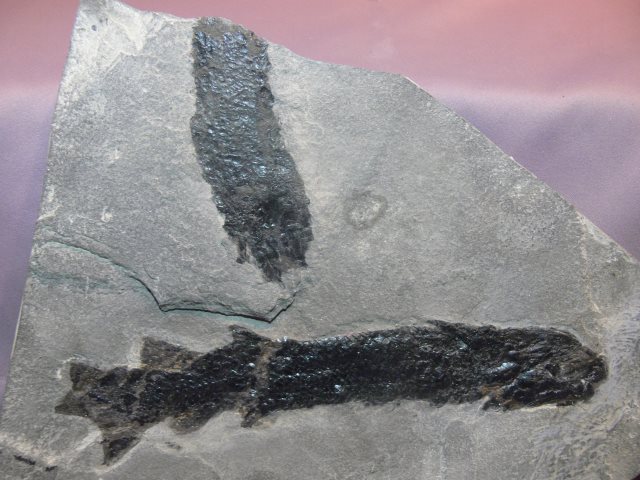
|
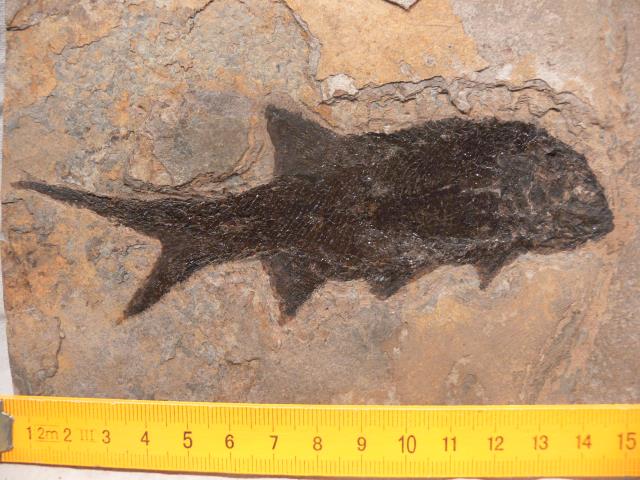 | Paramblypterus gelberti #FPG9338
Primitive fish Paramblypterus!!!
Old Collection, Altfund
Permian, Rotliegend, 285 million years old
Odernheim, Germany
Size: 6.2 inch / 15.5 cm
Price: Euro |
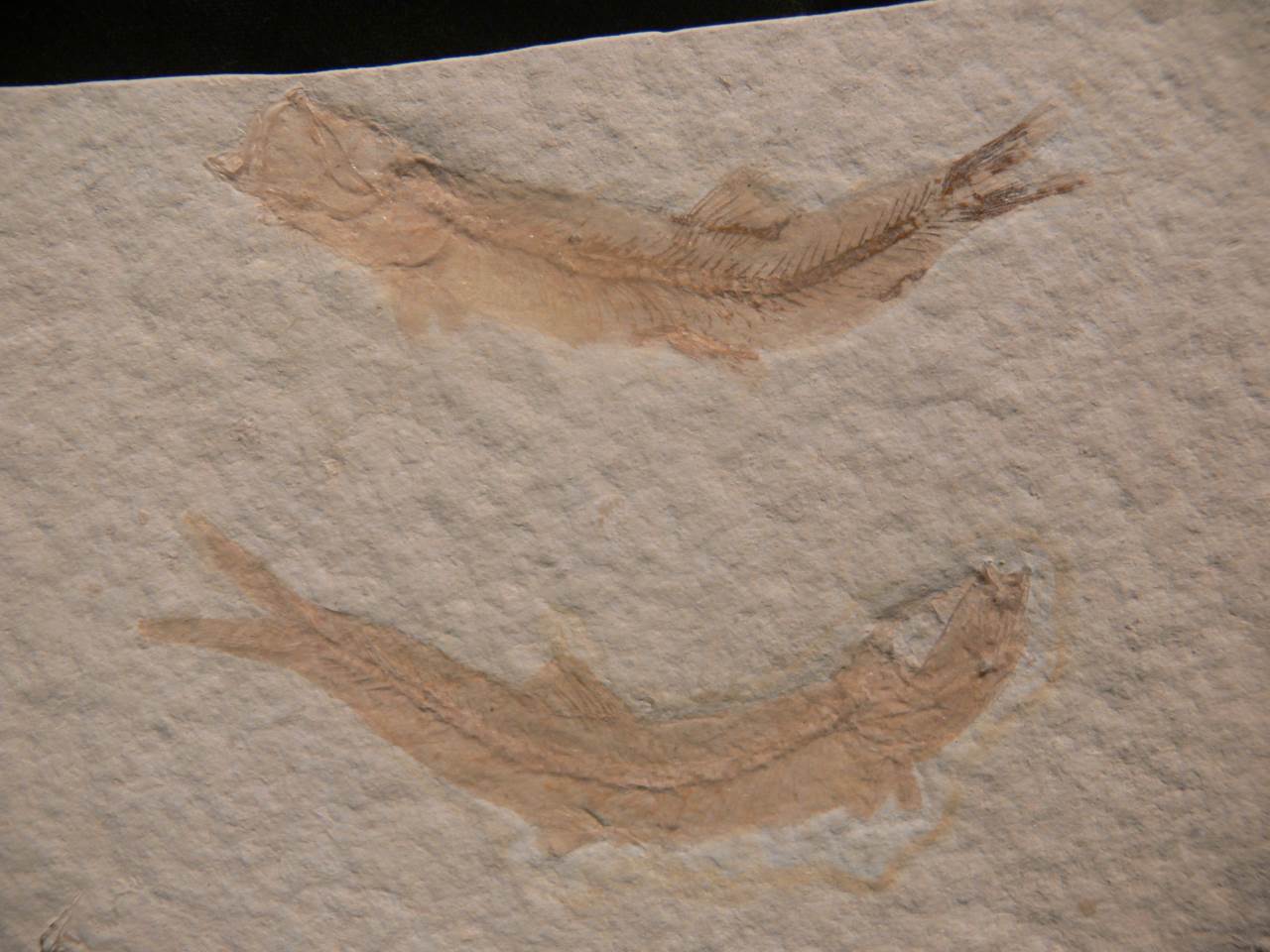 | Leptolepis sprattiformis #FLS10183
2 Classic fish
Upper Jurassic, 148 Million years old
Eichstatt, Germany
On small Matrix plate
Size fish (span): 2.6 inch / 6.5 cm
Price: |
Diplomystus dentatus #FDD8059
Enormous specimen with full detail, no restoration, Crack repair!
On 64 and 35cm matrix plate
Eocene 50 Million years old
Wyoming, U.S.A.
Size: 46 cm / 18 inch
Price: | 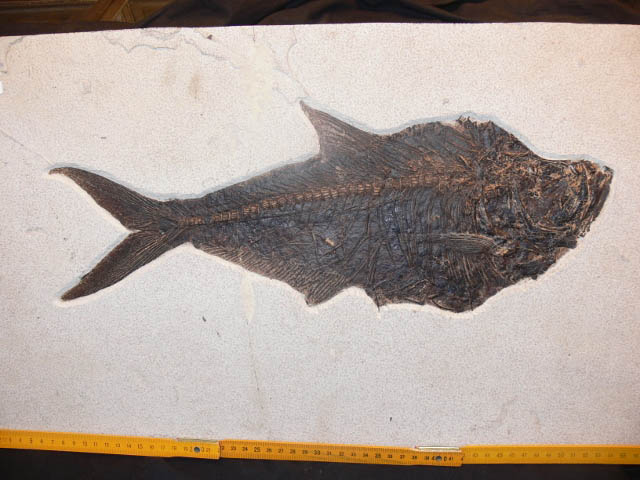
|
Priscacara liops #FPL7857
On matrix plate
Eocene 50 Million years old
Wyoming, U.S.A.
Size: 5.12 inch / 12.8 cm
Price: | 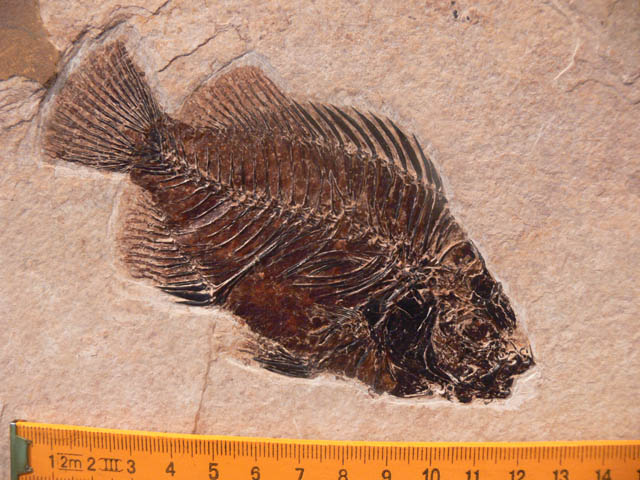 |
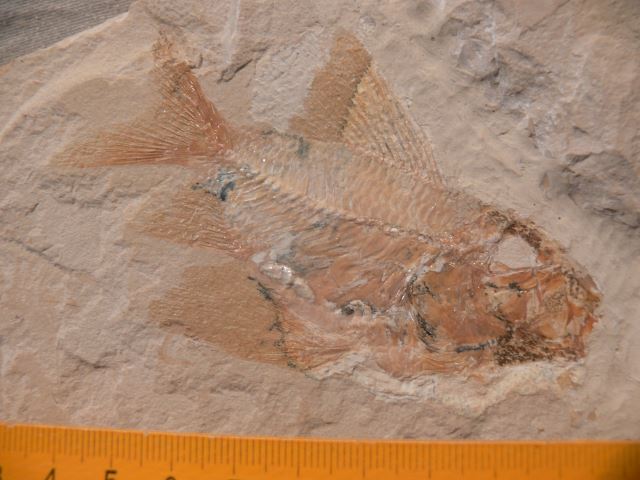 | Ctenothrissa spec. #FLF9261
Fish on matrix plate
Upper Cretaceous,
Cenomanian, 95 million years old
Hajoula (Haqel) / Lebanon
Size: 4 inch / 10 cm
Price: |
Priscacara serrata #FPS9186
Nice specimen on matrix plate
Eocene 50 Million years old
Wyoming, U.S.A.
Size fish: 8.2 inch / 20.5 cm
Price: | 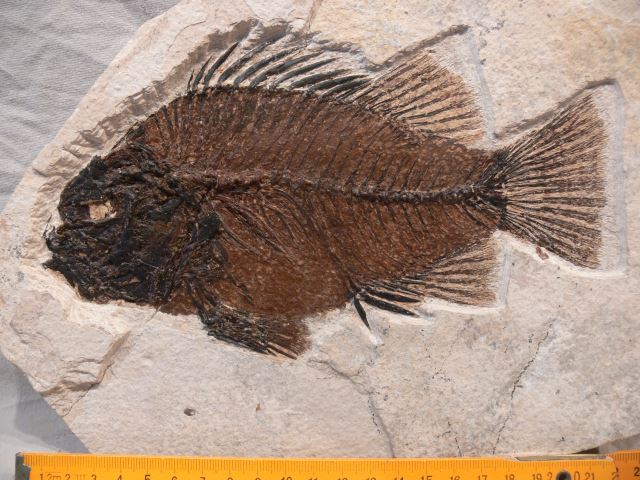 |
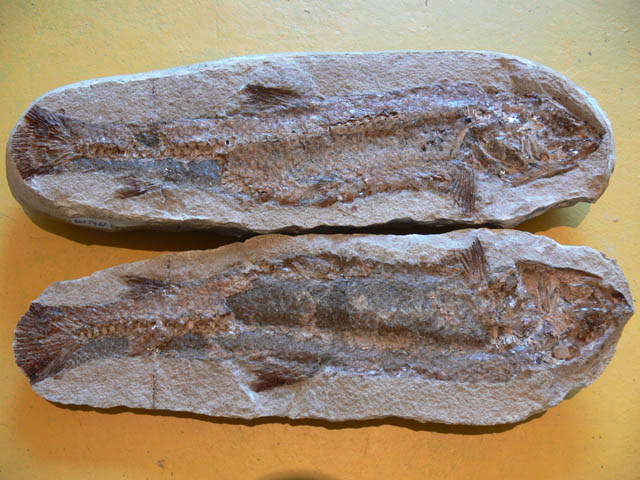
| Tharrias araripes #BBF5968
Fossil fish in Pos/neg Nodule
Lower Cretaceous, Santana formation, Albian,
110 million years old
Ceara, Araripe plateau, Brasil
Size fish: 9.4 inch / 23.5 cm
Price: Euro |
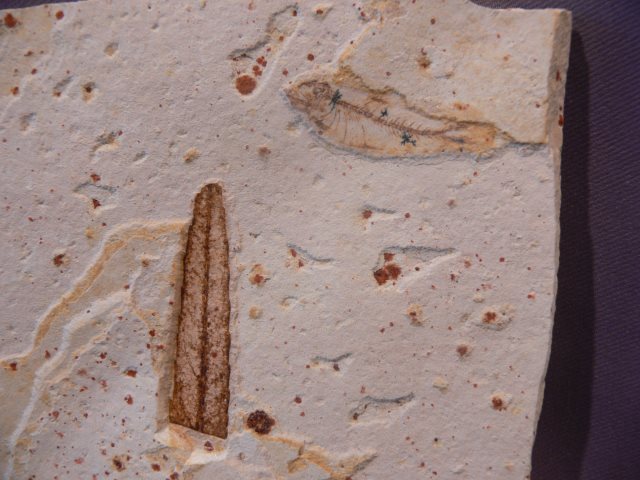 | Idrissia cf. jubae #FMF9820
Fish with plant fossil Salix alba,
on matrix plate 11 by 10
L. Cretaceous 110 million years old
Tselfat, Morocco
Size fossil: 1.4 Inch / 3.5 cm
Price : |
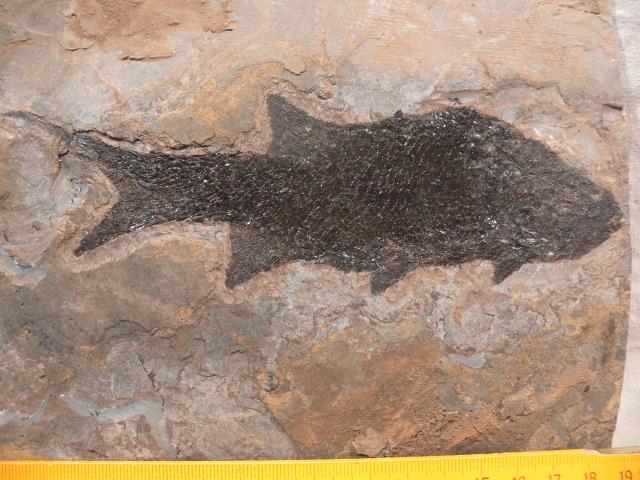 | Paramblypterus gelberti #FPG9334
Primitive fish Paramblypterus!!!
Old Collection, Altfund
Permian, Rotliegend, 285 million years old
Odernheim, Germany
Size: 7.2 inch / 18 cm
Price: |
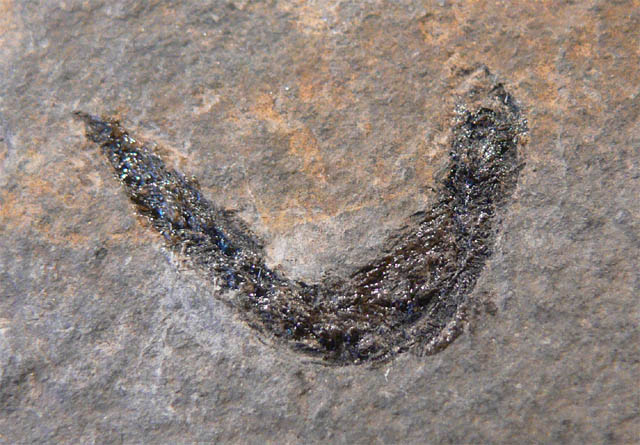 |
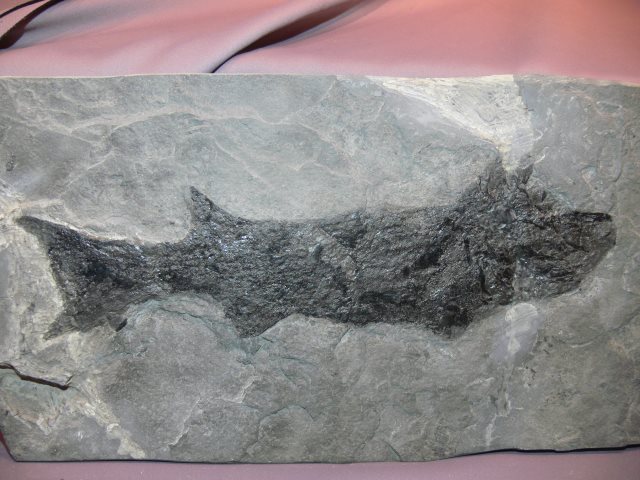
Birkenia elegans #SK5224
Rare Primitive Fish (Agnata)
Anaspida Old collection, No restoration.
Fishbed Horizon
Middle Silurian, Wenlockian, 423 million years old
Hagshaw Hills , Scotland,
Size Fish span: 0.8 inch / 2 cm
Price: |
| 
|
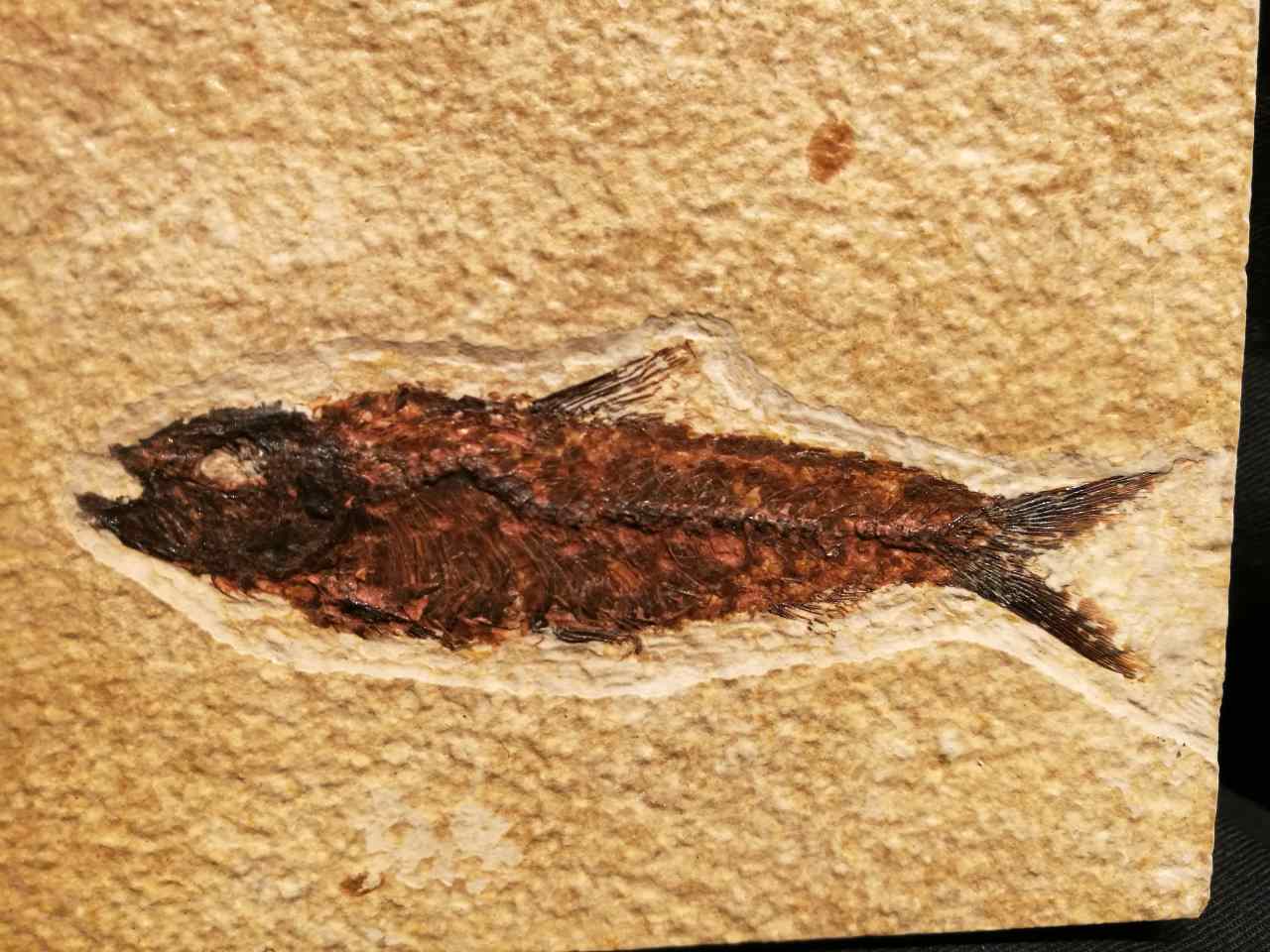
Cheiracanthus murchisoni FCO9853
Ultra Rare Primitive Fish (Aggasiz) Old collection
Old Red Sandstone
Middle Devonian, 385 million years old
Orkney, Scotland
Size Plate: 36.5 by 13.5 cm
Size Fish: 11.2 inch / 28 cm (Span)
Price: |
|
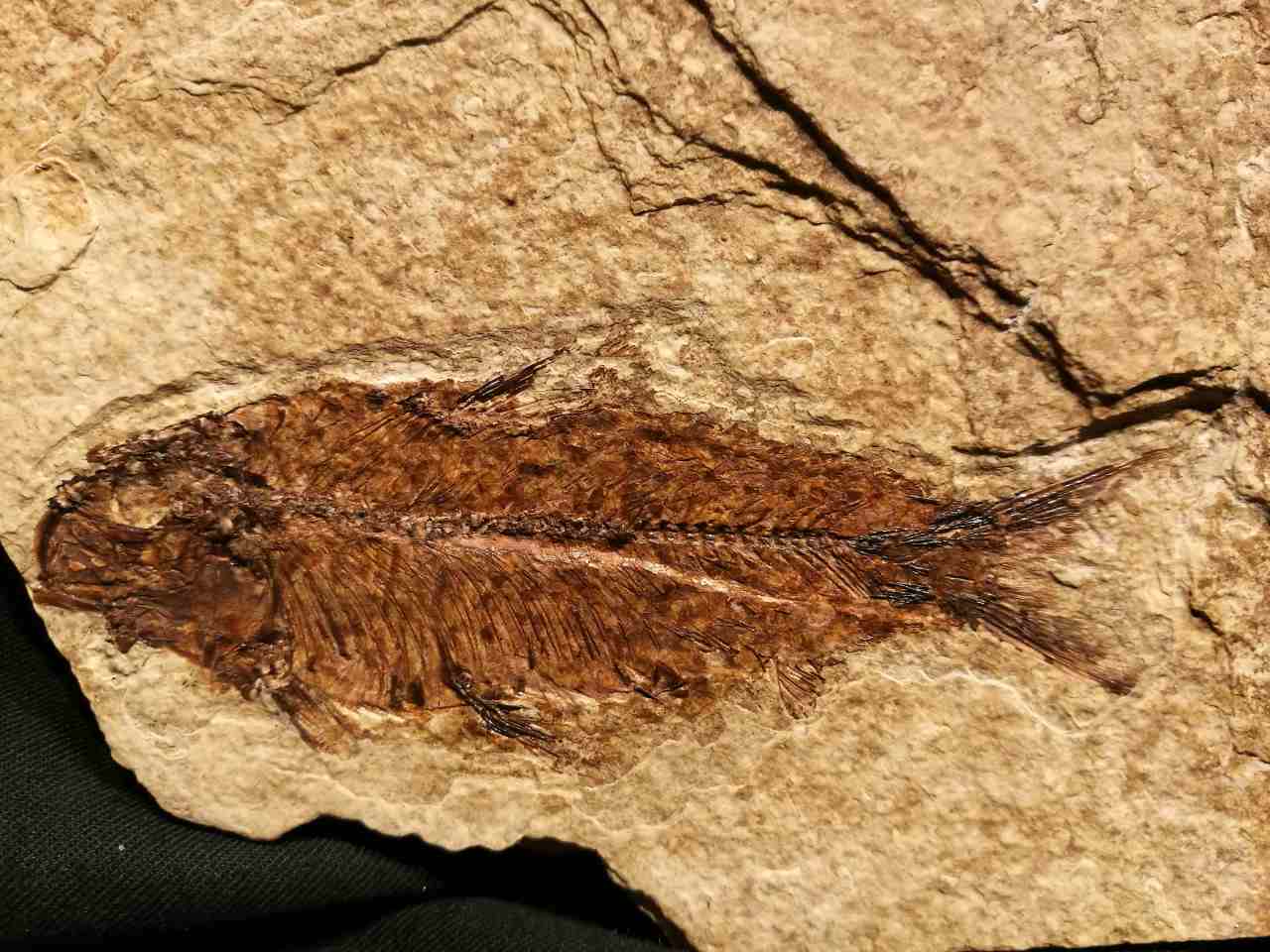
 | Knigthia eocaena #FKW3640
On small matrix plate
Eocene 50 Million years old
Wyoming, U.S.A.
Size : 3.28 inch / 8.2 cm
Price: |
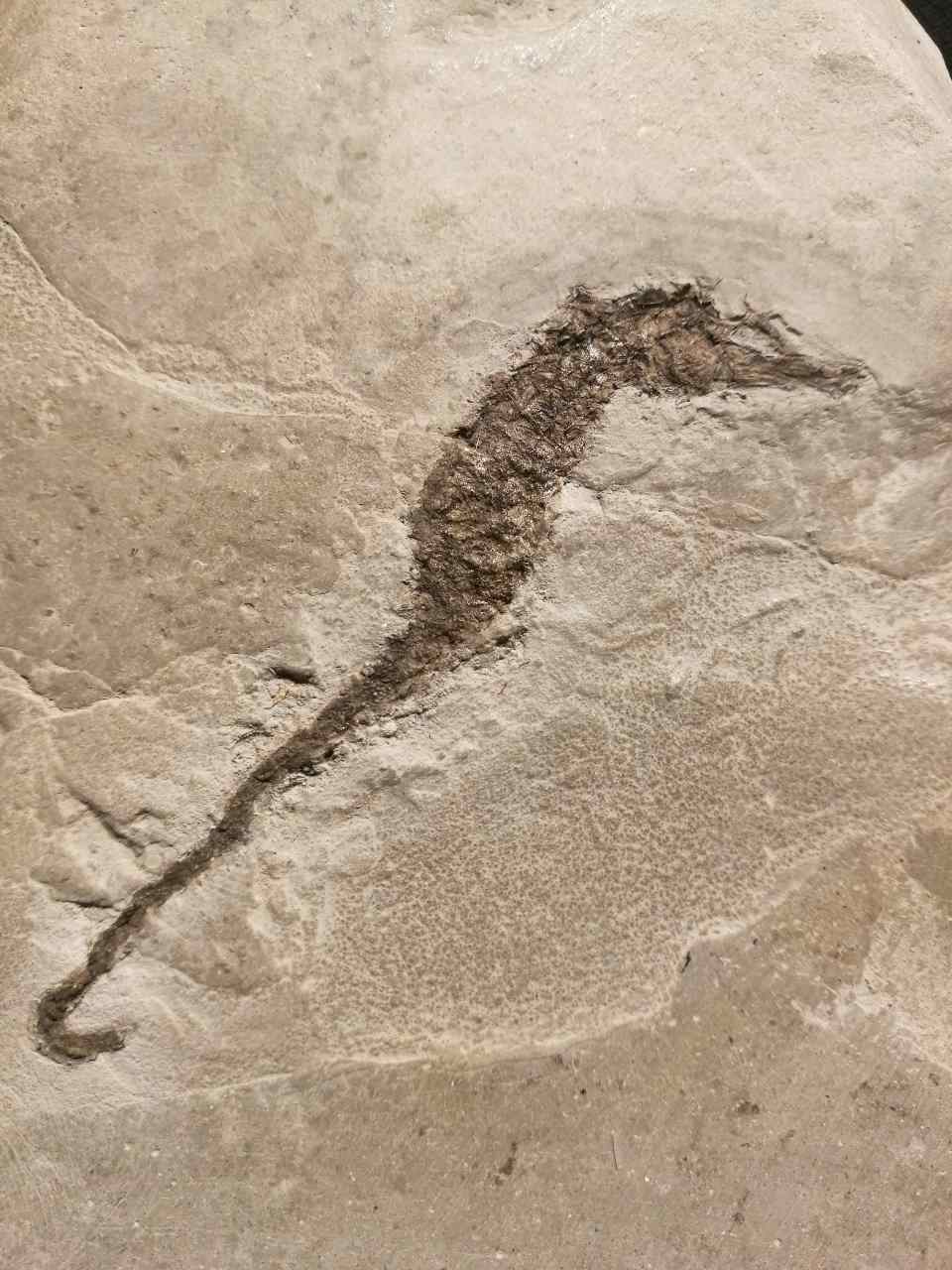 | Hippocampus guttulatus #FHG3636
Spectacular Extreme Rare Sea-horse
(Cuvier 1829) Old Collection
Plioceme, 3 Million years old
Fiume Marecchia, Poggio Berni, Rimini, Italy
Size span: 3.12 inch / 7.8 cm
Matrix 14 by 13.5 cm
Price: Euro |
 | Knigthia alta #FKW3646
On small matrix plate
Eocene 50 Million years old
Wyoming, U.S.A.
Size : 3.68 inch / 9.2 cm
Price: |
 | Gyroptychius agassiz #FGO9846
3 very rare Primitive Osteolepididae (Coelacanth)
(Traill 1841) Old collection
Middle Devonian, 385 million years old
Sandwick Fish beds, Cruaday hill quarry, Orkney, Scotland
Size Plate: 40 by 31cm
Size biggest Fish: 8.8 inch / 22 cm (Span)
Price: |
Gaudryella gaudryi #FLF9818
plate 25 by 15 cm
Upper Cretaceous,
Cenomanian, 95 million years old
Hajoula (Haqel) / Lebanon
Size fish: 3.6 inch / 9 cm
Price: | 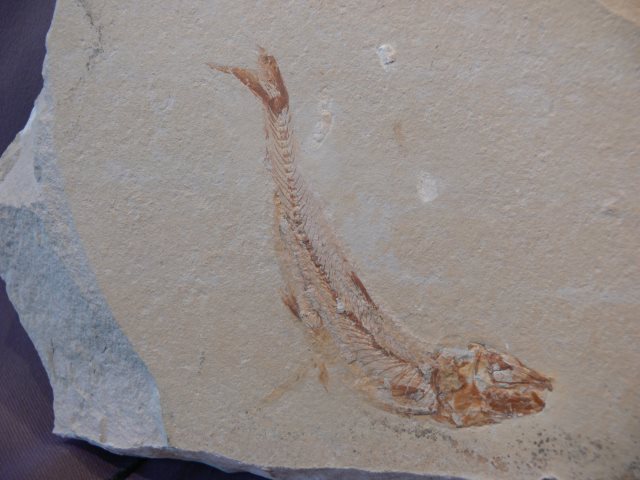 |
 | Knigthia alta #FKW3644
On small matrix plate
Eocene 50 Million years old
Wyoming, U.S.A.
Size : 4.44 inch / 11.1 cm
Price: |
Knigthia eocaena #FKW3643
On small matrix plate
Eocene 50 Million years old
Wyoming, U.S.A.
Size : 3.04 inch / 7.6 cm
Price: |  |
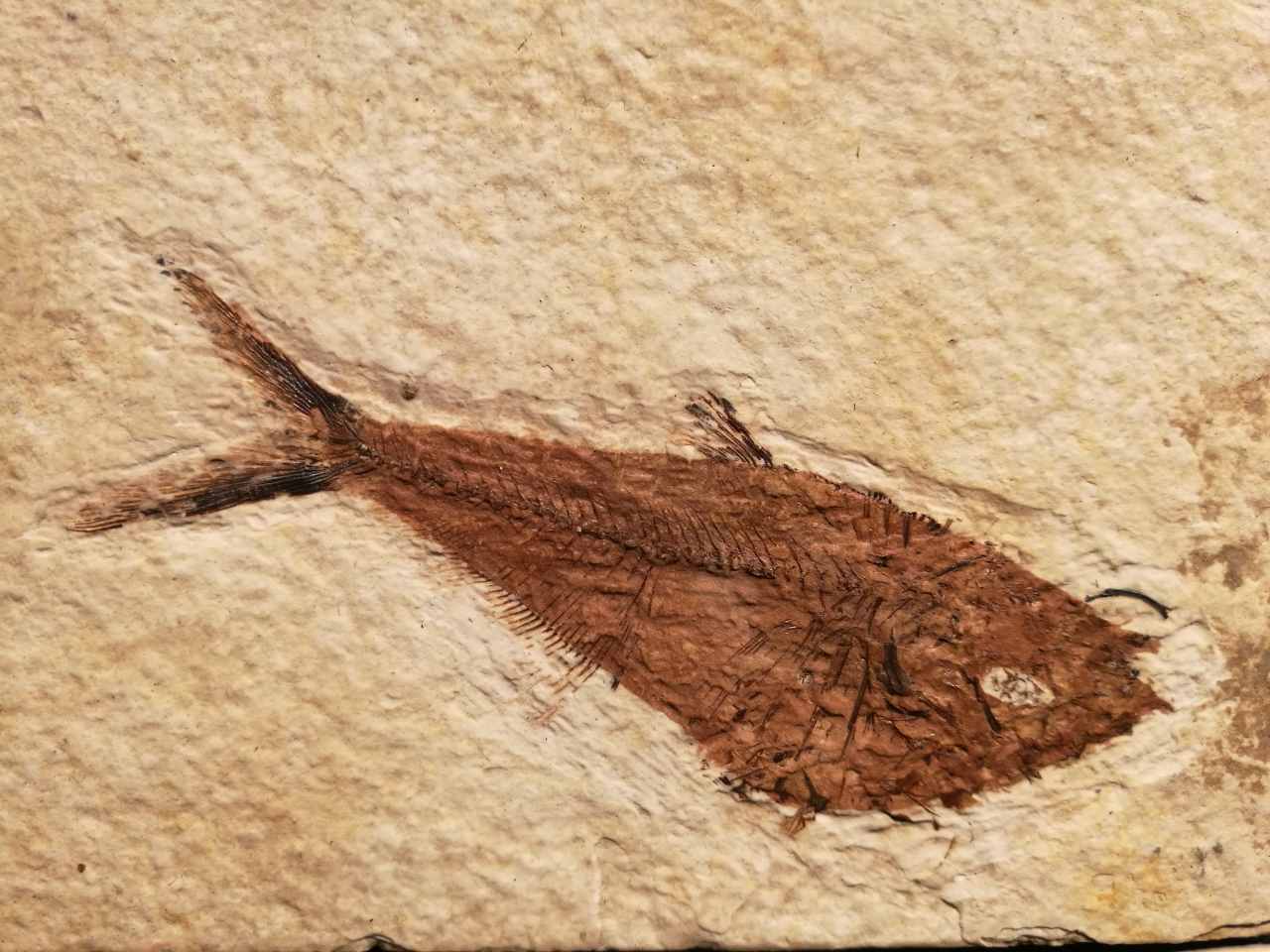 | Diplomystus dentatus #FDD3638
On small matrix plate
Eocene 50 Million years old
Wyoming, U.S.A.
Size : 3.8 inch / 9.5 cm
Price: |
Knigthia eocaena #FKW3653
On small matrix plate
Eocene 50 Million years old
Wyoming, U.S.A.
Size : 2.72 inch / 6.8 cm
Price: | 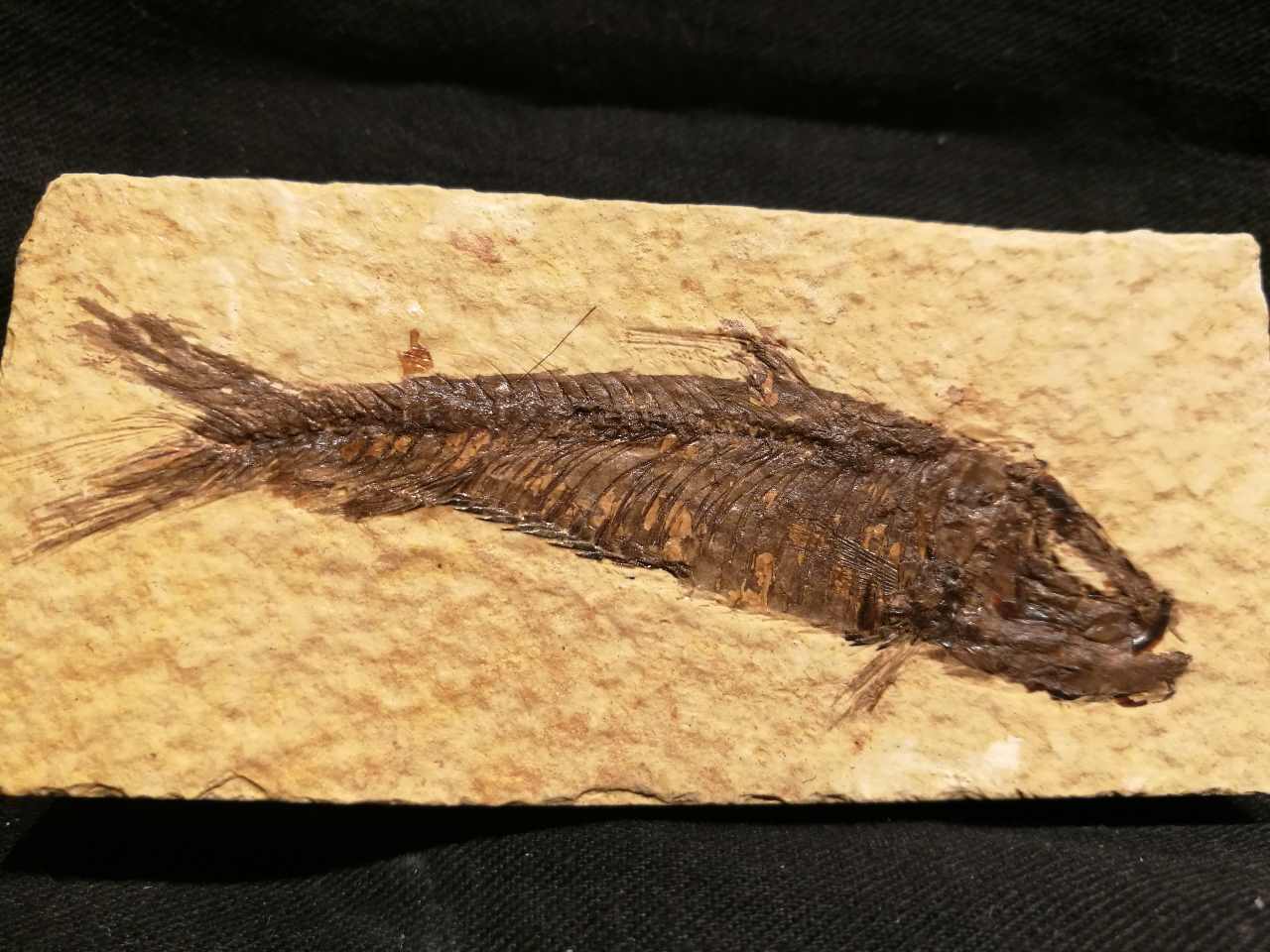 |
Paramblypterus gelberti #FPG9335
Primitive fish Paramblypterus!!!
Old Collection, Altfund
Permian, Rotliegend, 285 million years old
Odernheim, Germany
Size: 7.6 inch / 19 cm
Price: | 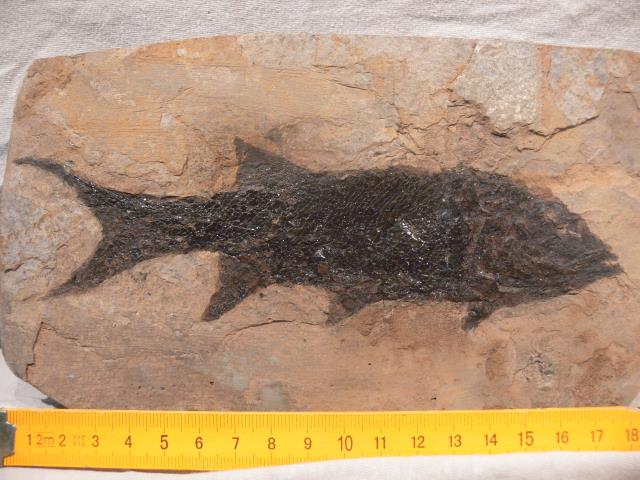 |
Knigthia eocaena #FKW3649
On small matrix plate
Eocene 50 Million years old
Wyoming, U.S.A.
Size : 3 inch / 7.5 cm
Price: | 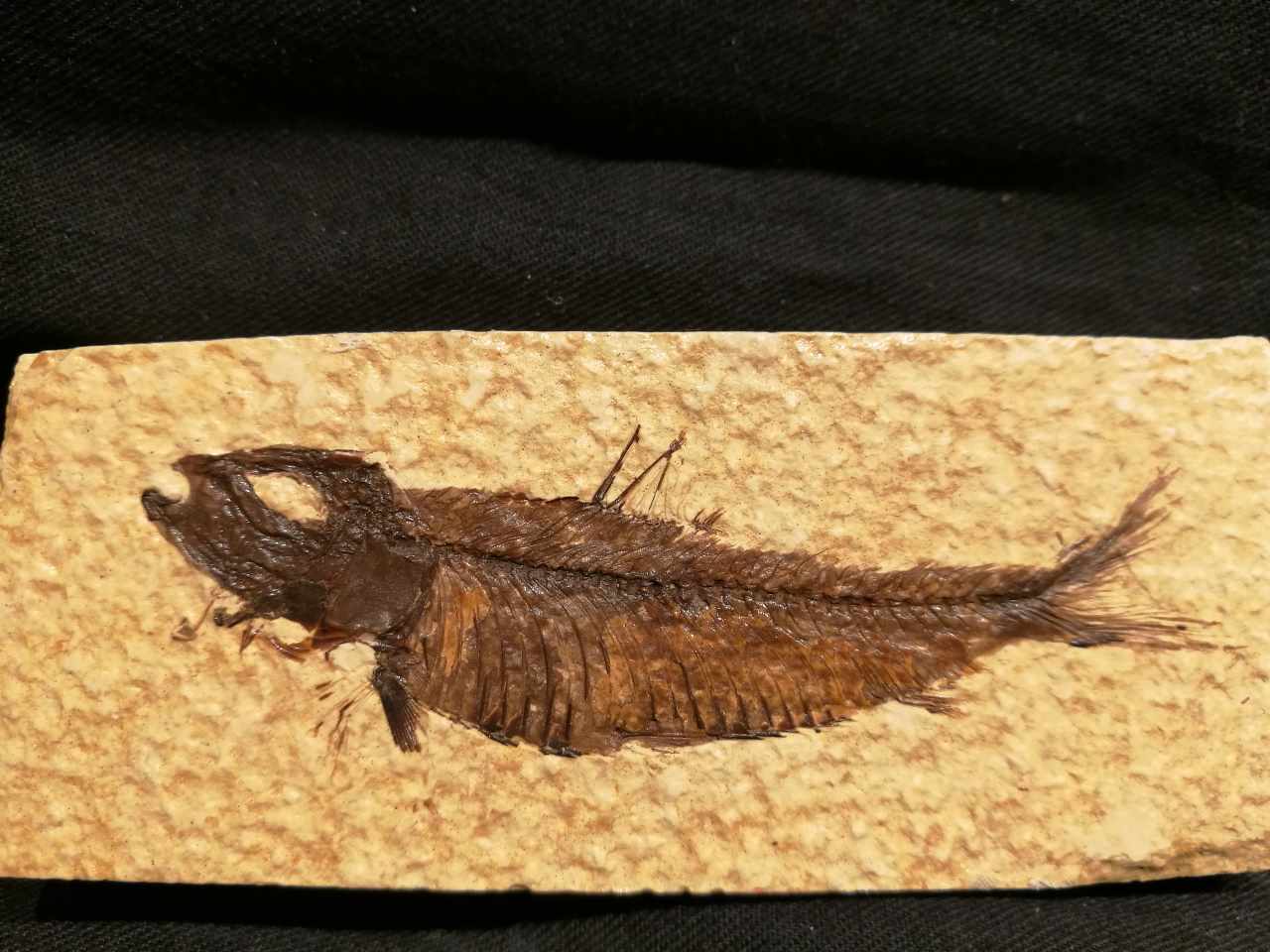 |
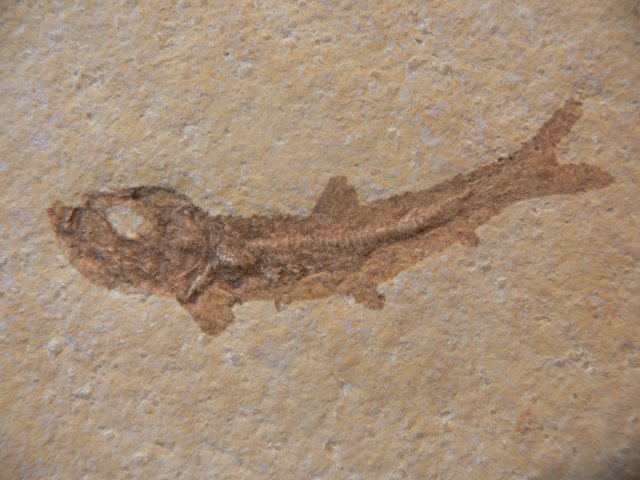 | Allothrissops spec. #FLS9601
On small matrix plate
Upper Jurassic, 148 Million years old
Eichstatt, Germany
On small Matrix plate
Size fish (span): 2.4 inch / 6 cm
Price: |
Paramblypterus gelberti #FPG9337
Primitive fish Paramblypterus!!!
Old Collection, Altfund
Permian, Rotliegend, 285 million years old
Odernheim, Germany
Size: 5.4 inch / 13.5 cm
Price: | 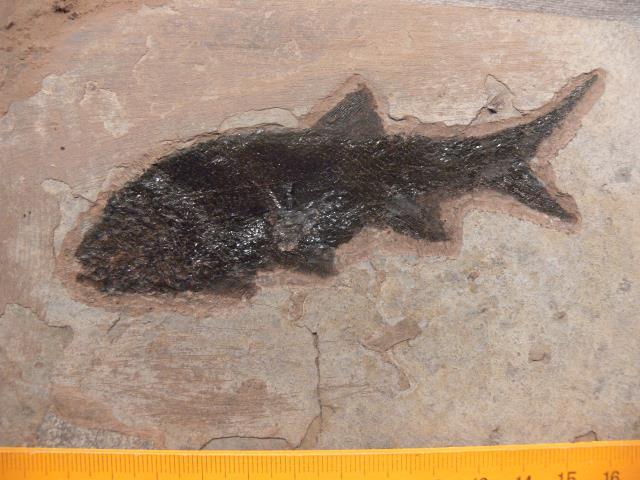 |
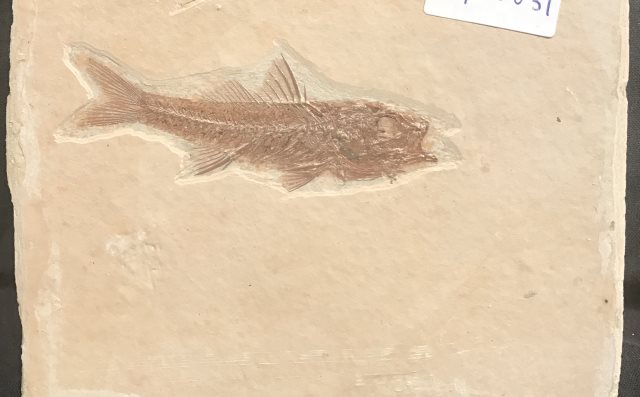
| Dapalis macrurus #FDP10031
FishOn small matrix plate
Oligocene, Rupelian, 30 Million years old
Cereste, France
Size fish: 2.8 inch / 7 cm
Price: Euro |
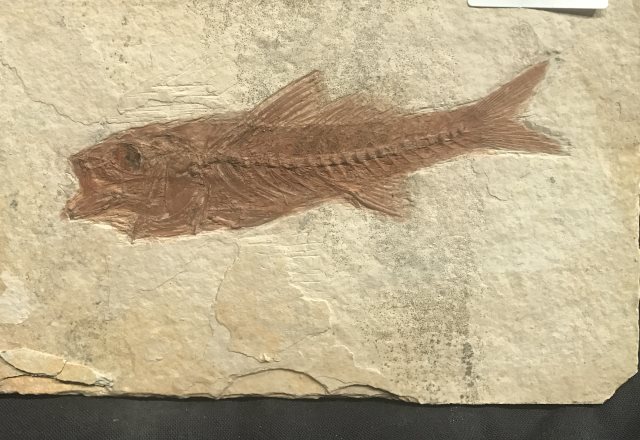
Dapalis macrurus #FDP10032
FishOn small matrix plate
Oligocene, Rupelian, 30 Million years old
Cereste, France
Size fish: 2.8 inch / 7 cm
Price: Euro | 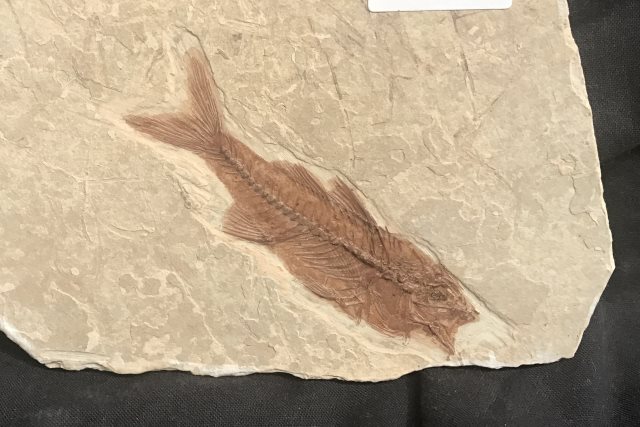
|
| Dapalis macrurus #FDP10033
FishOn small matrix plate
Oligocene, Rupelian, 30 Million years old
Cereste, France
Size fish : 3.8 inch / 9.5 cm
Price: Euro |
Knigthia eocaena #FKE10164
Fish On small matrix plate
Eocene 50 Million years old
Wyoming, U.S.A.
Size : 3 inch / 7.5 cm
Price: Euro | 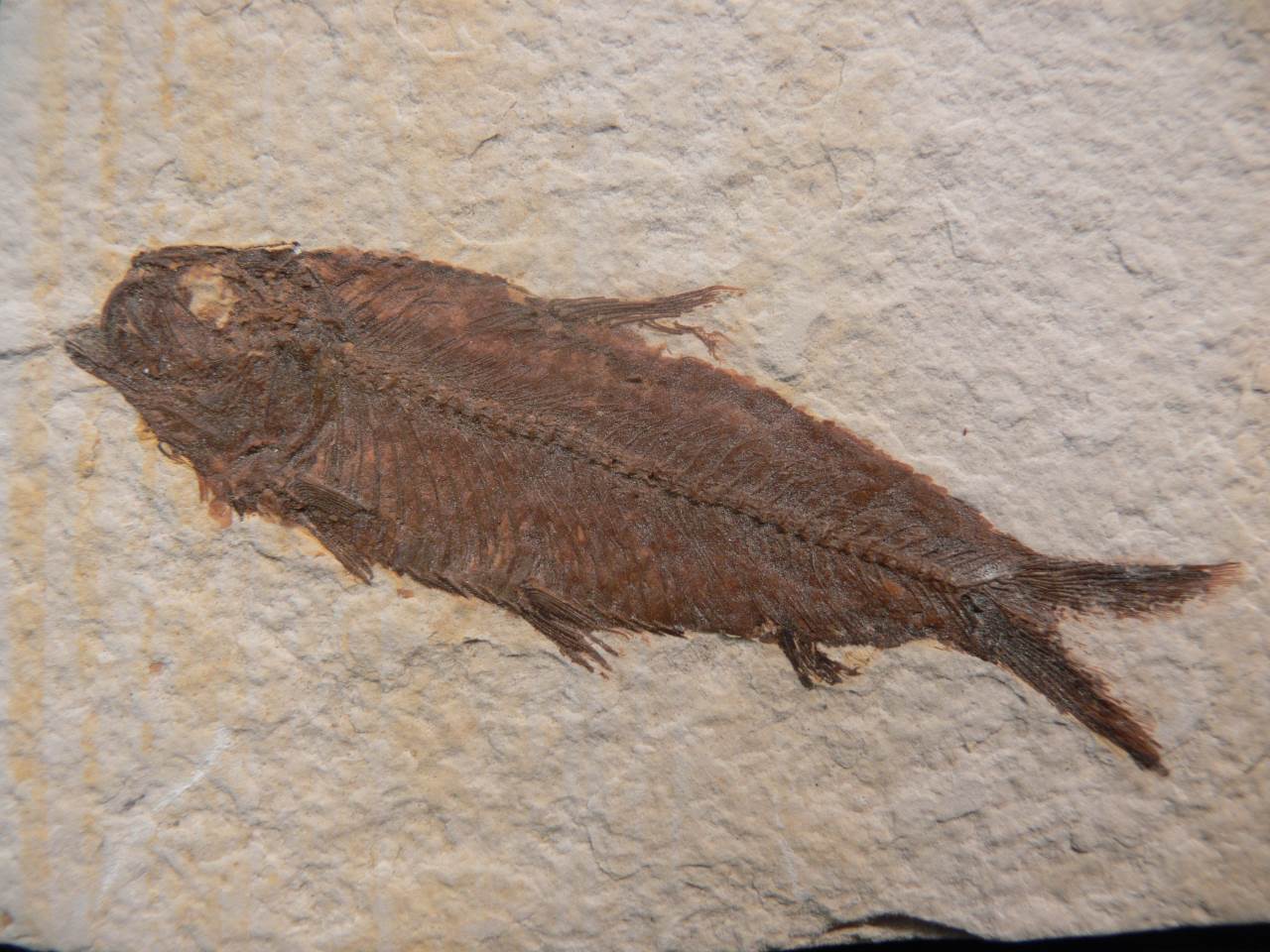 |
 | Knigthia eocaena #FKE9907
2 fish On small matrix plate 18.5 by 14 cm
Eocene 50 Million years old
Wyoming, U.S.A.
Size : 3.2 inch / 8 cm
Price: Euro |
Holosteus mariae #FBP10120
Spectacular Huge Ultra Rare predaterous Fish
Repaired matrix. Perfect conservation.
Rozhdestvensky 1949,
Menilite-Krosno series, Oligocene, 30 Million years old
Carpathian mountains, S.E. Poland
Size fish: 17.91 inch / 45.5 cm
Matrix 50 by 10.6 cm
Price: |  |
 | Holosteus mariae #FEP10118
Spectacular Extreme Rare Fish has eaten Fish plate
Rozhdestvensky 1949
Menilite-Krosno series, Oligocene, 30 Million years old
Carpathian mountains, S.E. Poland
Size fish: 3.2 inch / 8 cm
Matrix 10 by 5.5 cm
Price: |
Holosteus mariae #FEP10116
Spectacular Extreme Rare Fish has eaten Fish plate
Rozhdestvensky 1949
Menilite-Krosno series,Oligocene, 30 Million years old
Carpathian mountains, S.E. Poland
Size fish span: 2.2 inch / 5.5 cm
Matrix 9.5 by 7 cm
Price: | 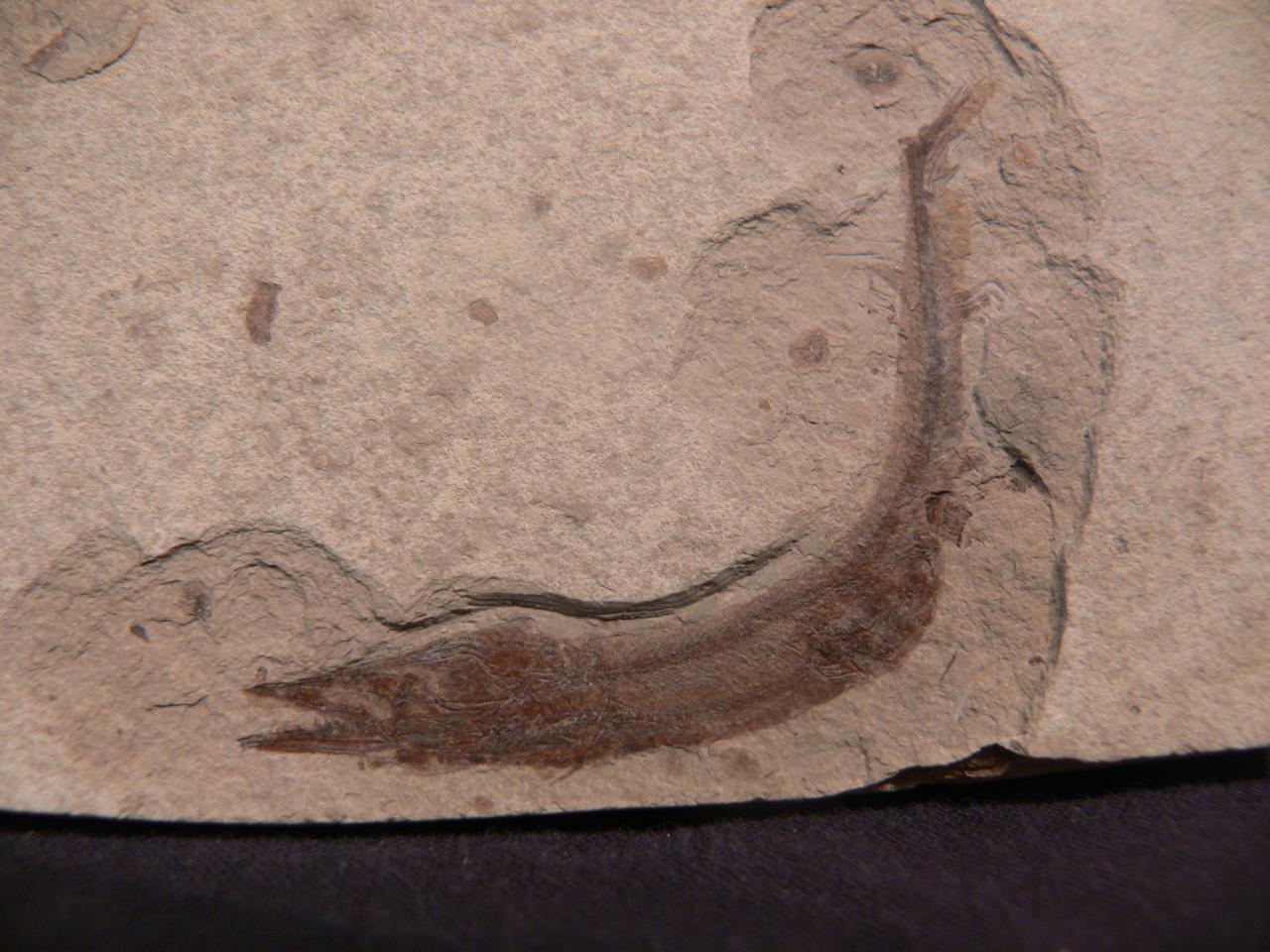 |
 | Serranus budensis #FEP10114
Spectacular Extreme Rare Fish eat Fish plate
Henkel 1856
Oligocene, 30 Million years old
Jamna Dolna, Poland
Size fish eat fish: 2.6 inch / 6.5 cm
Matrix 10.5 by 10 cm
Price: |
Serranus budensis #FEP10112
Spectacular Extreme Rare Fish eat Fish plate
Henkel 1856
Oligocene, 30 Million years old
Jamna Dolna, Poland
Size fish eat fish: 2.8 inch / 7 cm
Matrix 11.5 by 9 cm
Price: | 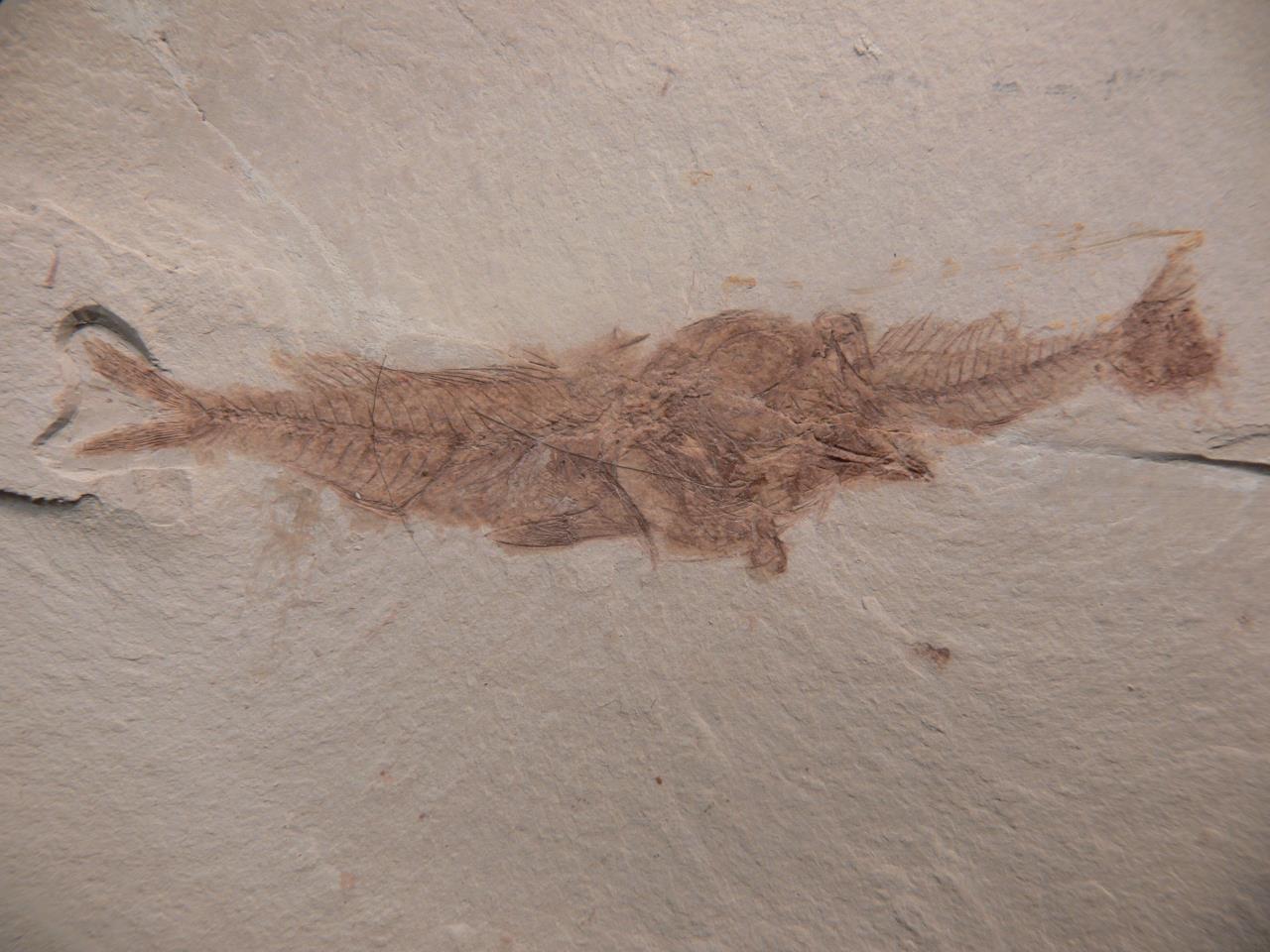 |
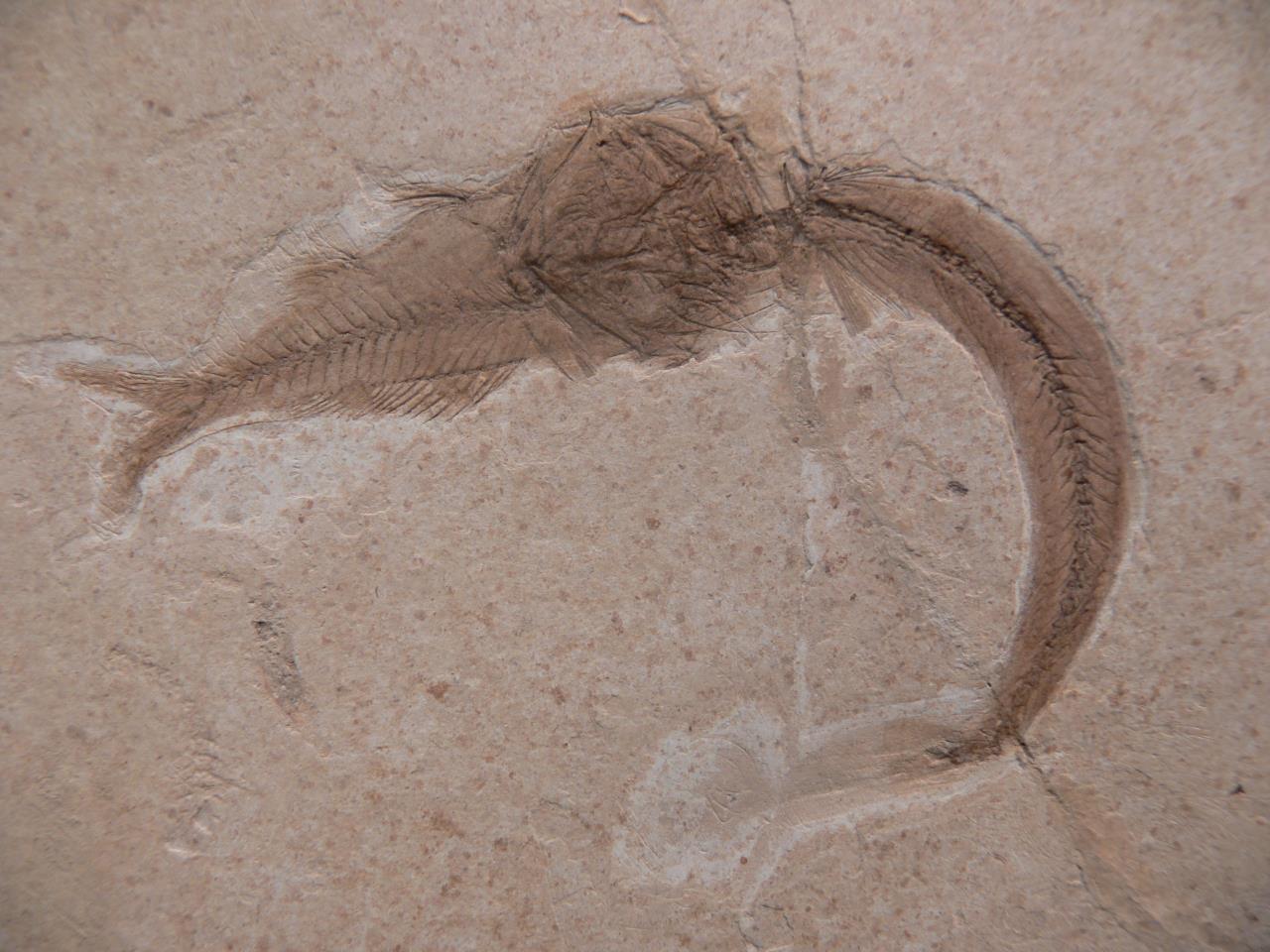 | Serranus budensis and Paleogadus sp. #FEP10111
Spectacular Extreme Rare Fish eat Fish plate
But who is eating who?
Henkel 1856 and Simionescu 1905
Oligocene, 30 Million years old
Jamna Dolna, Poland
Size span: 3.2 inch / 8 cm
Matrix 22 by 15.5 cm
Price: |
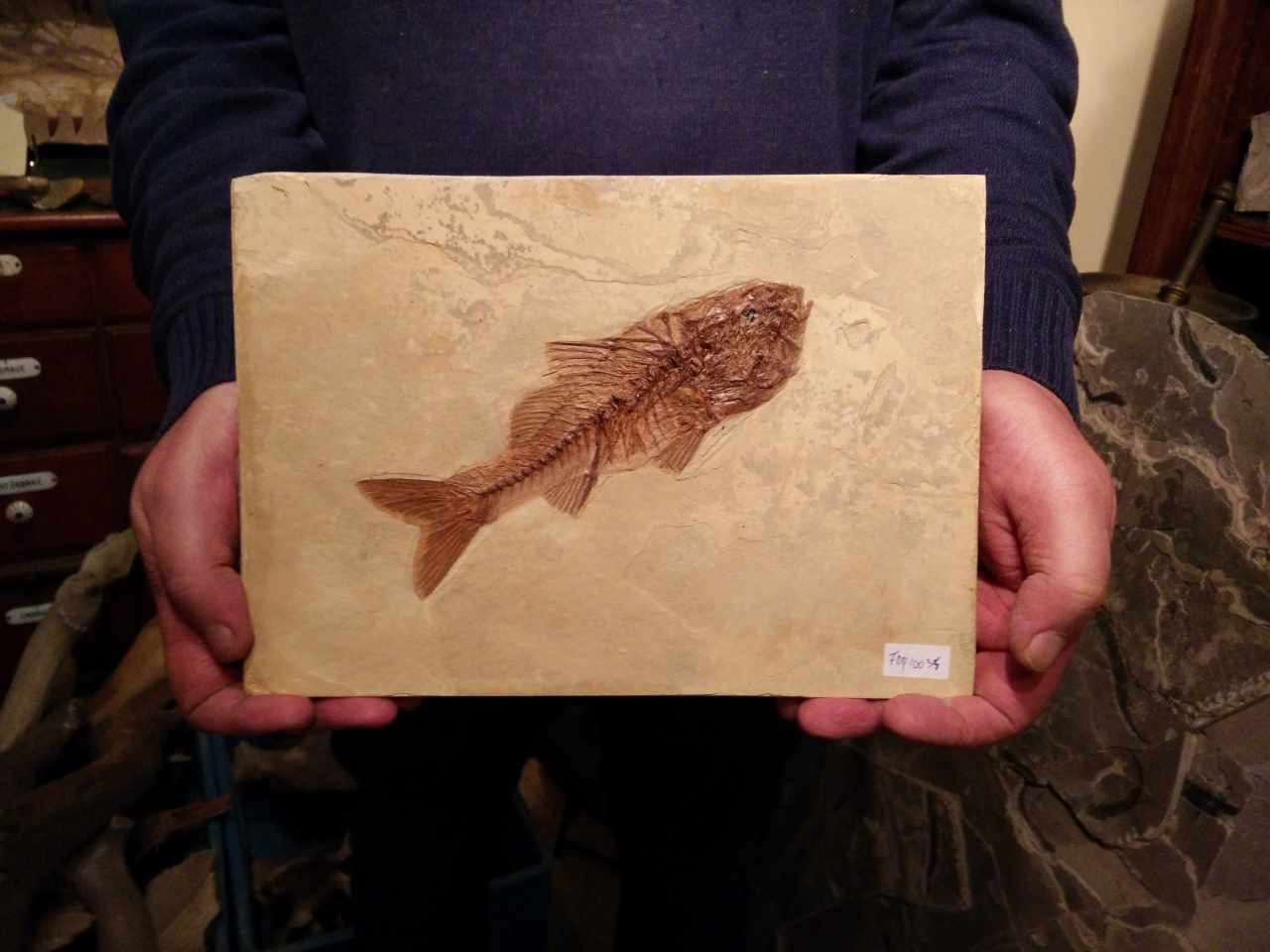
| Dapalis macrurus #FDP10034
Fish on small matrix plate, rare big specimen
Old collection
Oligocene, Rupelian, 30 Million years old
Cereste, France
Size plate 11.4 by 7.9 inch / 29 by 20 cm
Size fish: 7.4 inch / 19 cm
Price: Euro |
Millerosteus minor #FPM10119
VERY Rare Armored Fish 3 specimen
Old collection
No restoration. Old Red Sandstone
Middle Devonian, 385 million years old Caithness, Scotland
Size matrix: 10 by 15 cm
Size biggest Fish: 2.2 inch / 5.5 cm
Price: | 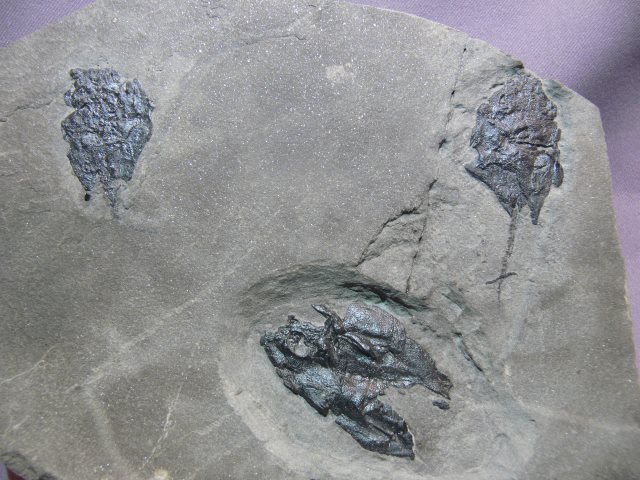 |
Dapalis macrurus #FDM9606
On small matrix plate
Oligocene, Rupelian, 30 Million years old
Cereste, France
Size : 3 inch / 7.5 cm
Price: | 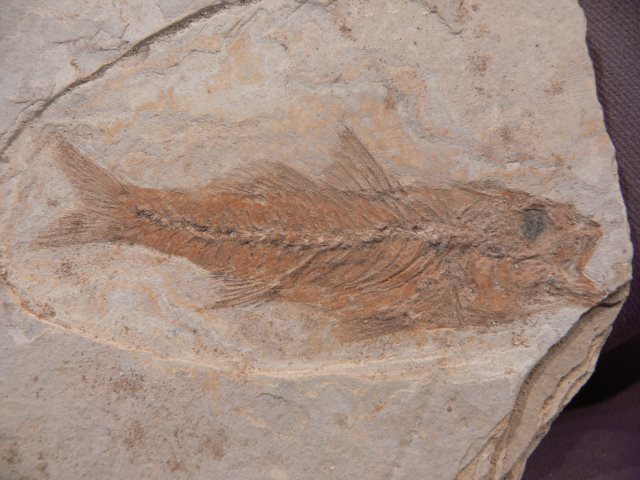 |
cf. Calamopleurus sp. #FBM10078
Very rare 3D Fossil fish Skull in matrix (28cm)
Lower Cretaceous, Albian, 110 million years old
Missor-South, Morocco
Size skull: 8.6 inch / 21.5 cm
Price: | 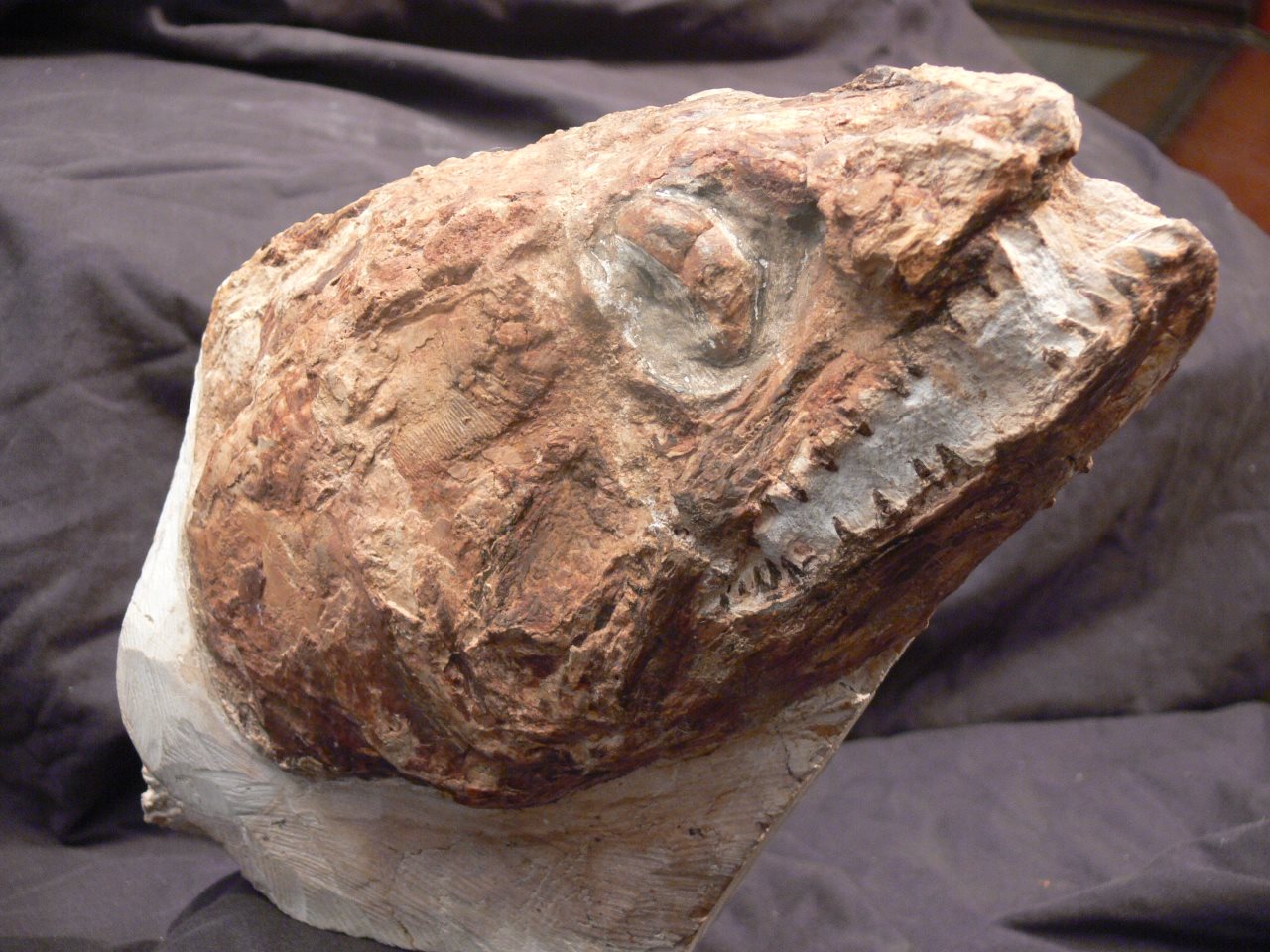 |
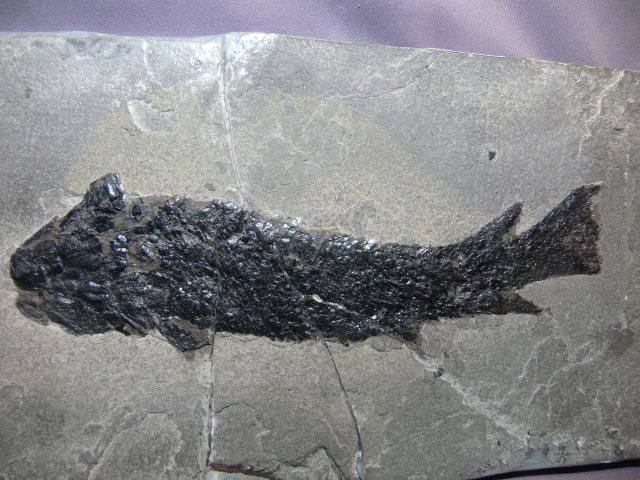
| Osteolepis macrolepidotus #FPO9858
Rare Primitive Osteolepididae (Coelacanth)
Old collection
Old Red Sandstone
Middle Devonian, 385 million years old
Orkney, Scotland
Size Plate: 25 by 14 cm
Size Fish: 7.2 inch / 18 cm (Span)
Price: Euro |

Coccosteus cuspidatus #FCS9021
Very rare Armored Fish No restoration.Old collection
Middle Devonian, 385 million years old
Edderton Fishbed, Scotland
Size : 8.8 inch / 22 cm
Price: Euro | 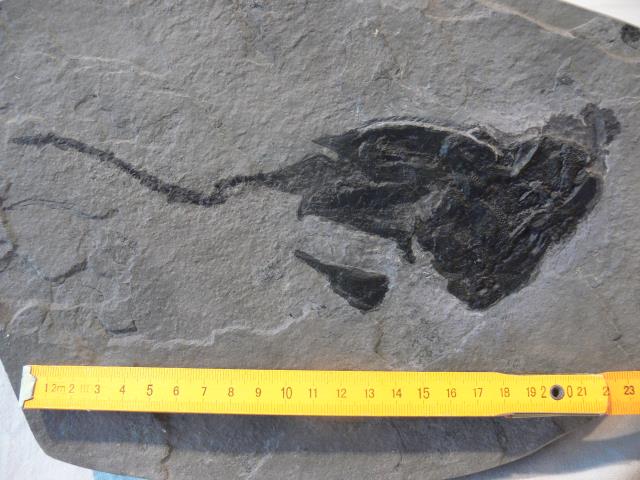 |
Millerosteus minor #MM5744
VERY Rare Armored Fish Old collection
No restoration. Old Red Sandstone
Middle Devonian, 385 million years old Caithness, Scotland
Size Plate: 10 by 15 cm
Size Fish: 3.24 inch / 8.1 cm
Price: Euro | 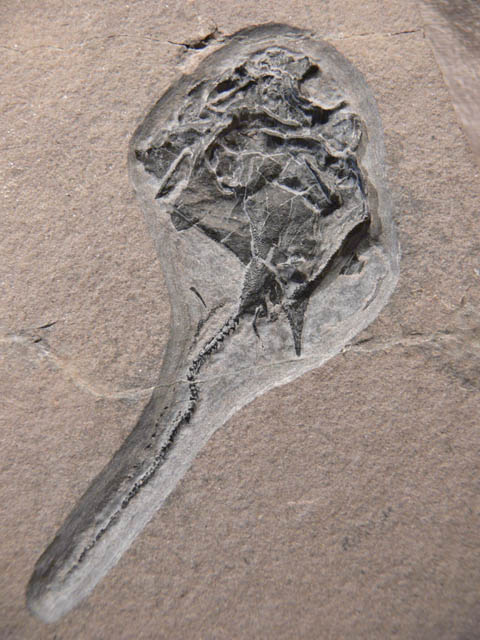 |
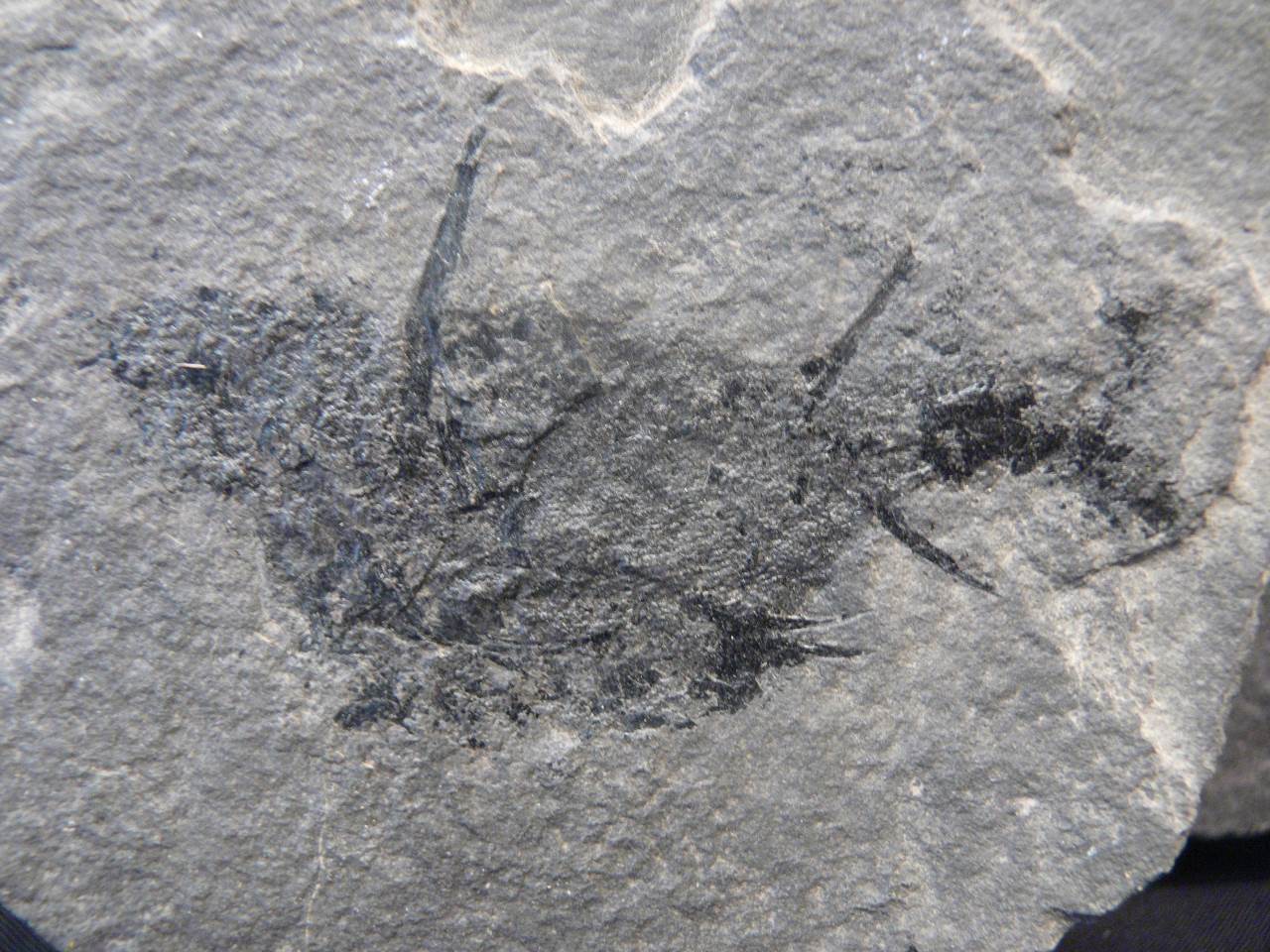 | Diplacanthus crassisimus #FXL10298
Rare Acanthoid Fish (Duff), No restoration.Old collection Matrix 11 by 11cm
Old Red Sandstone Sanwick Fish bed.
Middle Devonian, Eifelian,390 million years old
Orkney, Scotland
Size: 2.8 inch / 7 cm
Price: |
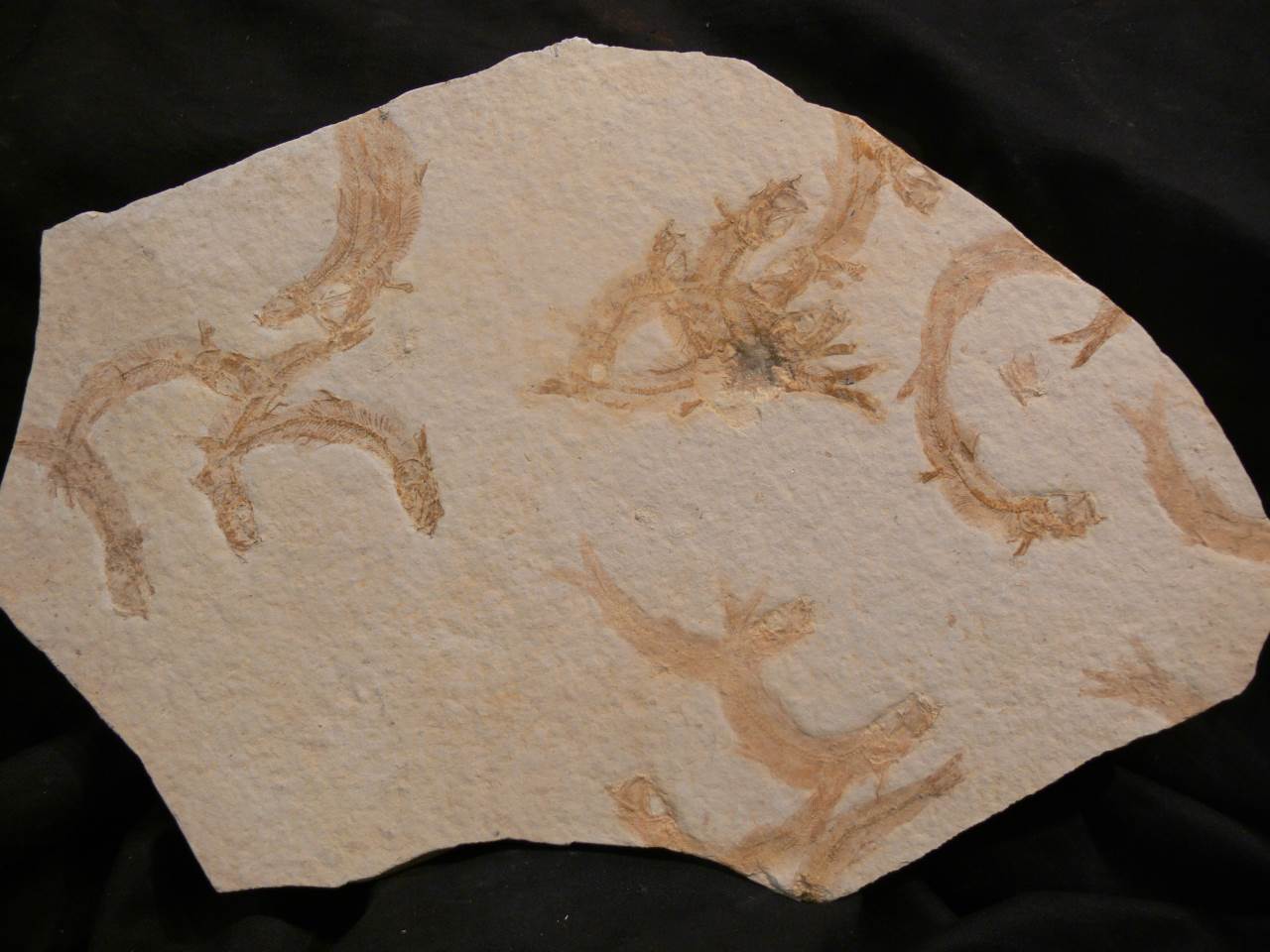 | Leptolepis sprattiformis #FLS10185
Multiple Classic fish
Upper Jurassic, 148 Million years old
Eichstatt, Germany
On small Matrix plate 27.5 by 17 cm
Size fish (span): 2.6 inch / 6.5 cm
Price: Euro |
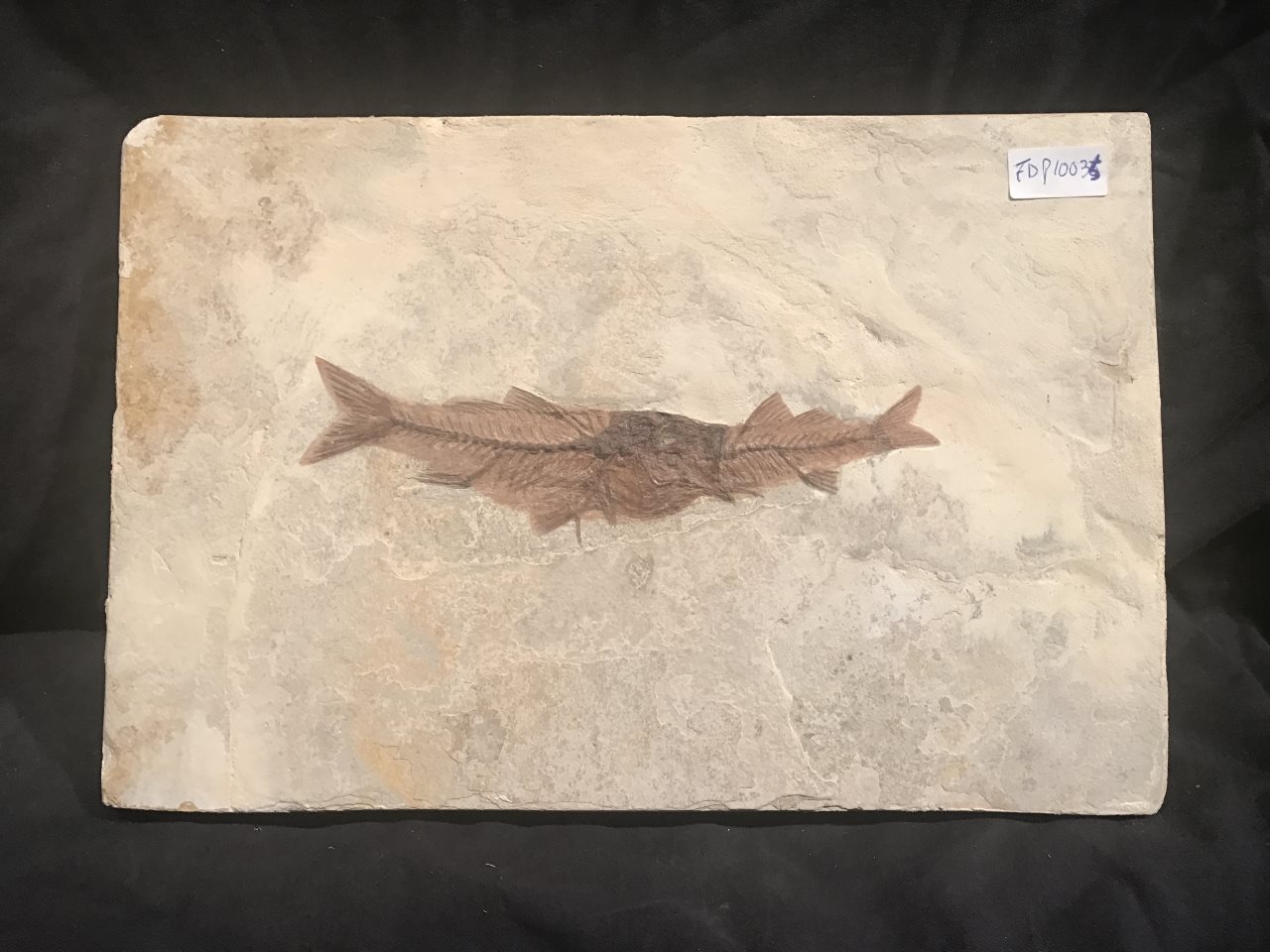 | 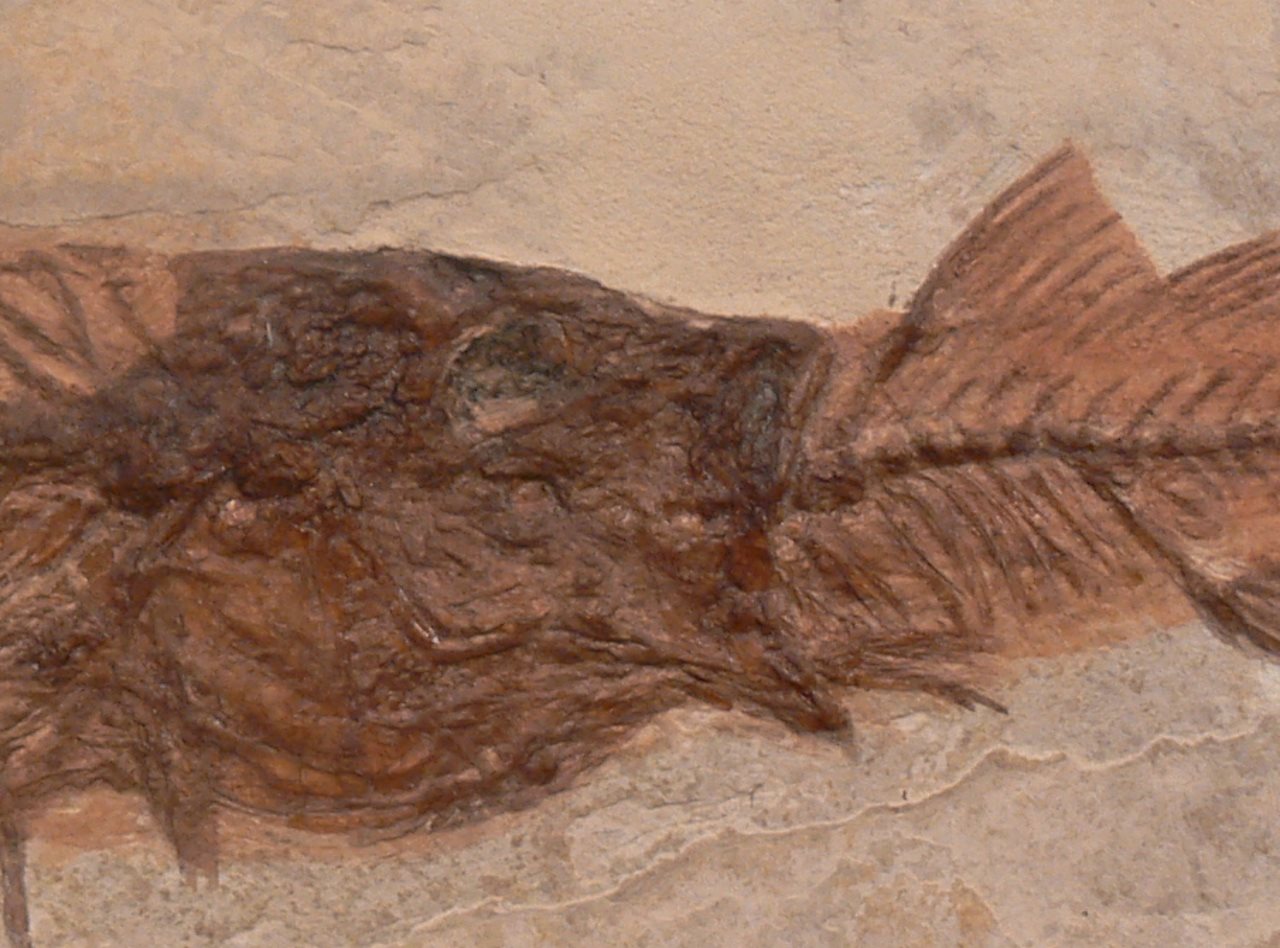 |
Dapalis macrurus #FDP10035
Fish eat FishOn small matrix plate Ultra rare
Old collection Matrix 27 by 18 cm
Oligocene, Rupelian, 30 Million years old
Cereste, France
Size total : 6.4 inch / 16 cm
Price: | 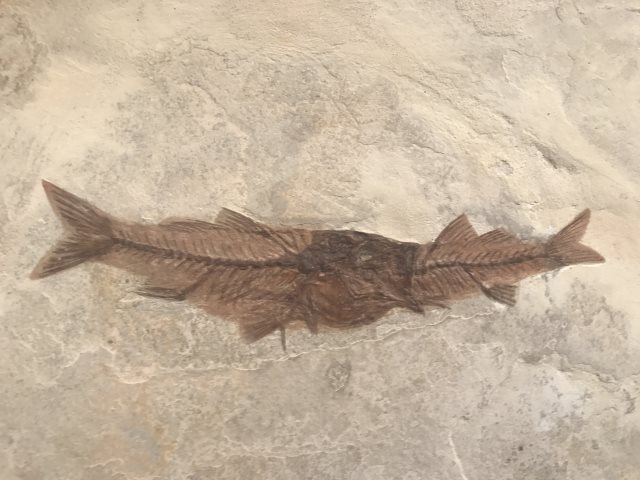
|
 | 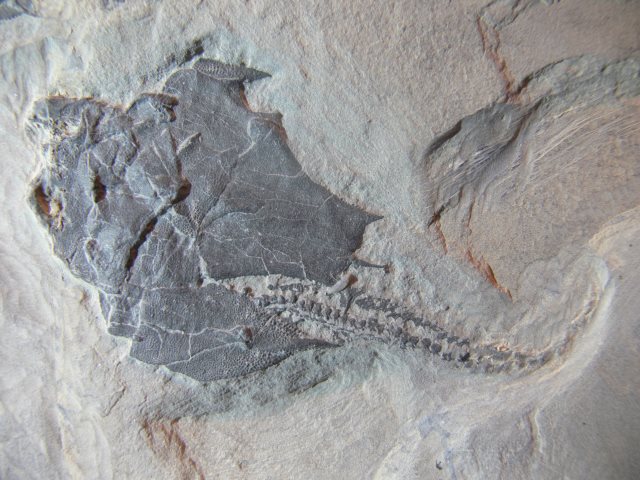 |
Millerosteus minor #FPM10116
VERY Rare Armored Fish 2 specimen
Old collection
No restoration. Old Red Sandstone
Middle Devonian, 385 million years old Caithness, Scotland
Size matrix: 23 by 16 cm
Size biggest Fish: 3.72 inch / 9.3 cm
Price: |
|
Pararhincodon lehmani #FCL10111
Nice Shark species
Upper Cretaceous, Cenomanian, 95 million years old
Byblos, Hajoula (Haqil), Lebanon
Matrix : 52 by 18 cm
Size : 18.5 inch / 47 cm
Price: | 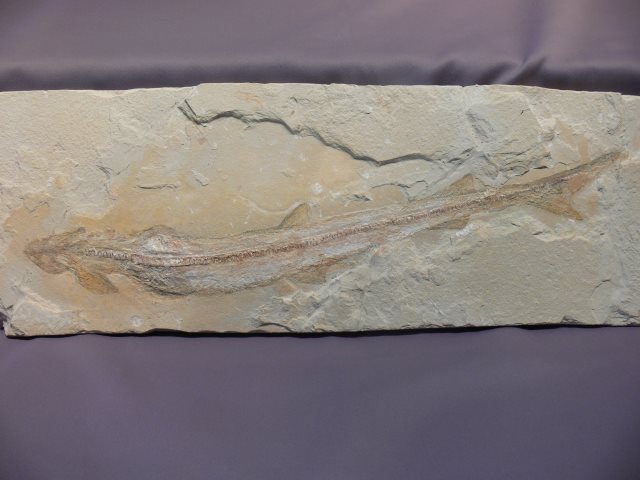 |
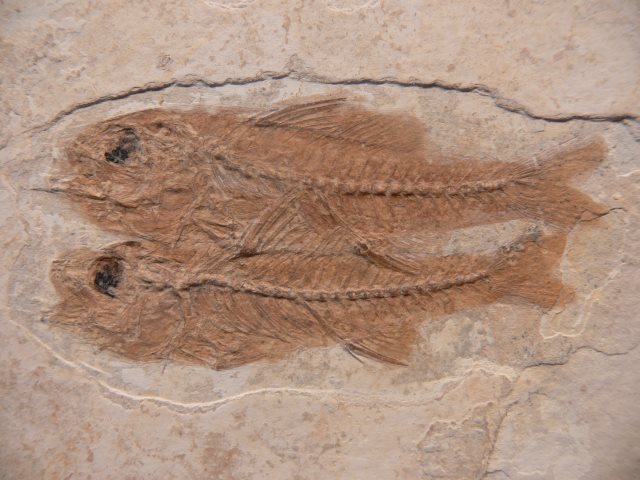 | Dapalis macrurus #FDM9918
2 paired FishOn small matrix plate rare
Oligocene, Rupelian, 30 Million years old
Cereste, France
Size : 2.8 inch / 7 cm
Price: |
Dastilbe elongatus #FDE9919
Fossil fish on small Matrix plate glued
Lower Cretaceous, Santana formation,
Crato Member, Aptian, 114 million years old
Ceara, Araripe plateau, Brasil
Size fish: 4.4 inch / 11 cm
Price: | 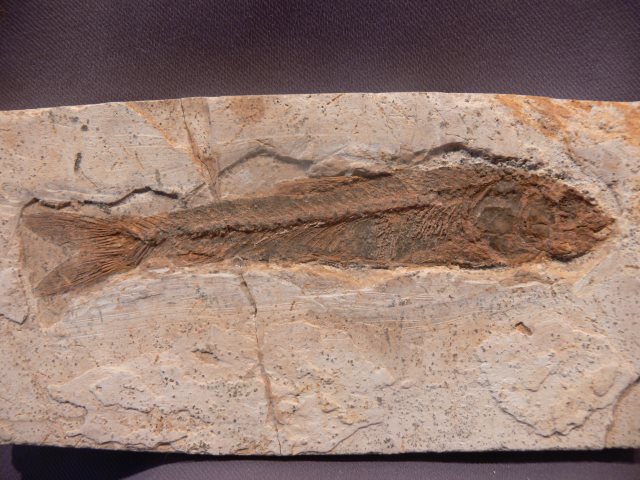 |
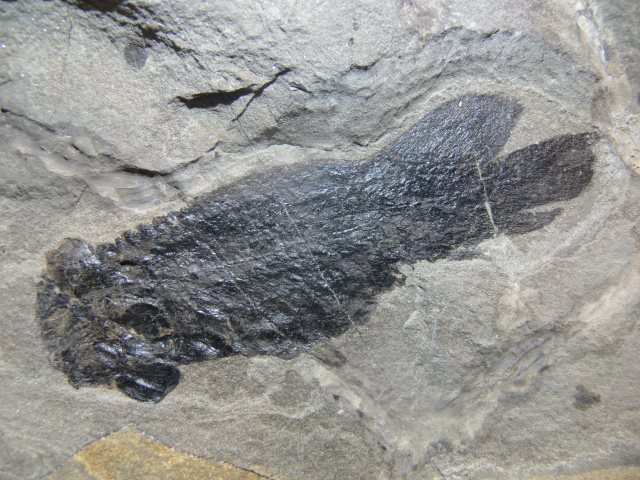
| Dipterus valenciennesi FDO9854
Very Rare Primitive lungfish (Sedgwicj & Murchison)
Old collection
Old Red Sandstone
Middle Devonian, 385 million years old
Orkney, Scotland
Size Plate: 21 by 12 cm
Size Fish: 5 inch / 12.5 cm (Span)
Price: |
Osteolepis macrolepidotus #FOO9855
Rare Primitive Osteolepididae (Coelacanth)
Old collection
Old Red Sandstone
Middle Devonian, 385 million years old
Orkney, Scotland
Size Plate: 20 by 13 cm
Size Fish: 5.6 inch / 14 cm (Span)
Price: |  |
Gyroptychius agassiz #FGO9859
Very rare Primitive Osteolepididae (Coelacanth)
(Traill 1841) Old collection
Middle Devonian, 385 million years old
Sandwick Fish beds, Cruaday hill quarry, Orkney, Scotland
Size Plate: 20.5 by 11 cm
Size Fish: 5.4 inch / 13.5 cm (Span)
Price: | 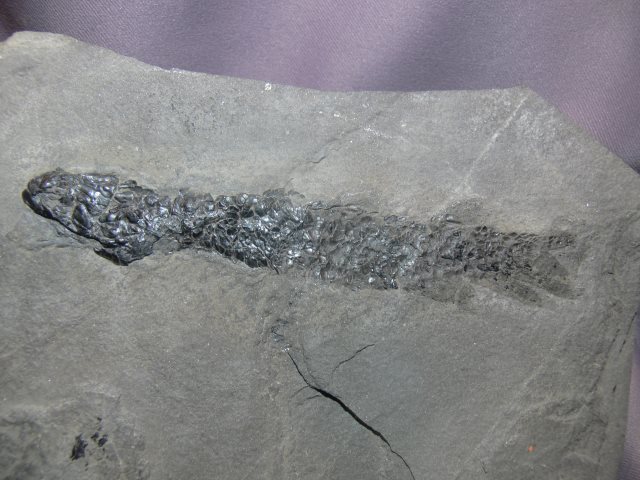
|
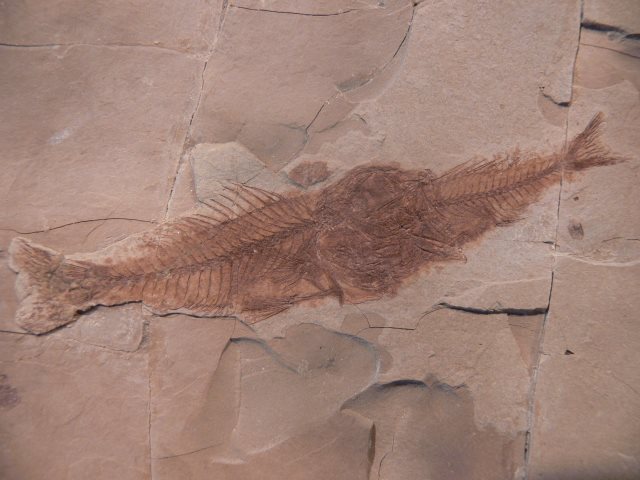 | 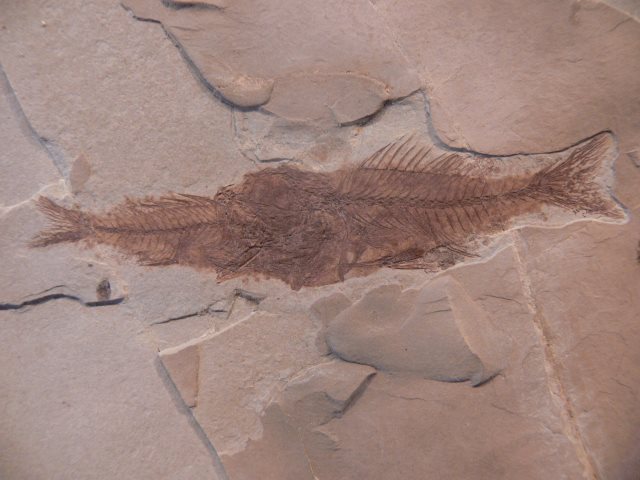 |
Serranus budensis #FDM9606
Spectacular Ultra Rare pos/neg Fish eat Fish plates
Oligocene, 30 Million years old
Jamna Dolna, Poland
Size fishes: 3.72 inch / 9.3 cm
Biggest matrix 13 by 17.5 cm
Price: Euro | 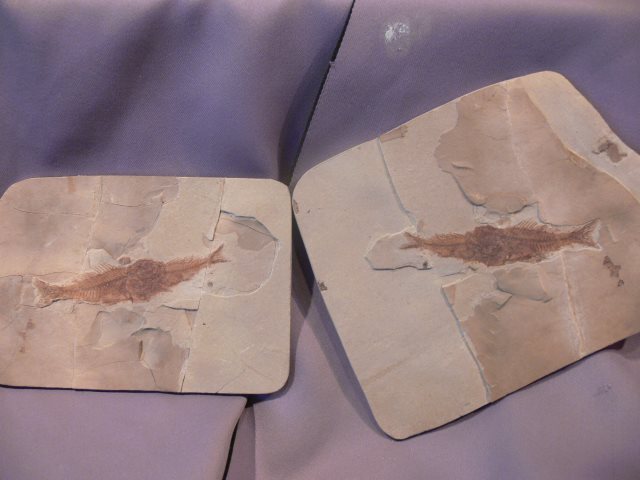 |
| Knigthia eocaena #FKE9598
On small matrix plate
Eocene 50 Million years old
Wyoming, U.S.A.
Size : 3.6 inch / 9 cm
Price: |  |
Atractosteus strausi #FGM9333
Fossil Pike from famous MESSEL QUARRY
"Old Collection", classic preparation
Eocene, 48 million years old
Messel, Germany
Size fish: 8.4 inch / 21 cm
Price : Euro | 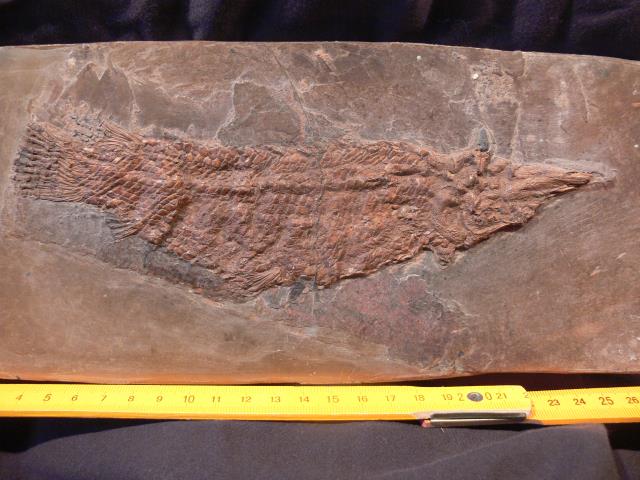 |
Hybodus sp. shark spine #SSS9306
Very Large Complete Spine (glued)
Tegana Formation (Early Cenomanian)
Cretaceous 99 million years old
Kem Kem Beds, Morocco
Size: 9.8 inch / 24.5 cm
Price: Euro | 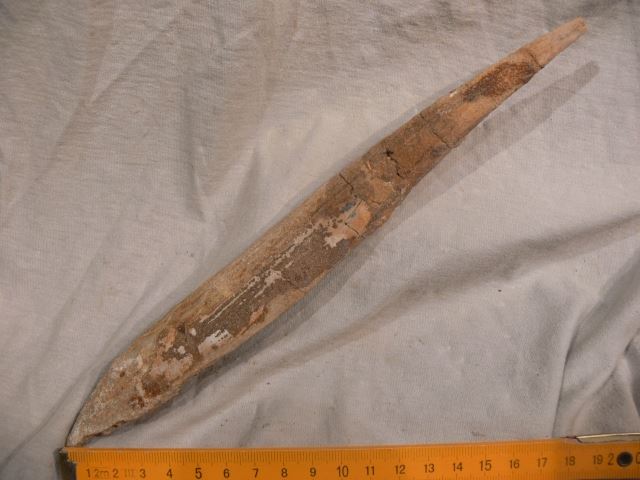 |
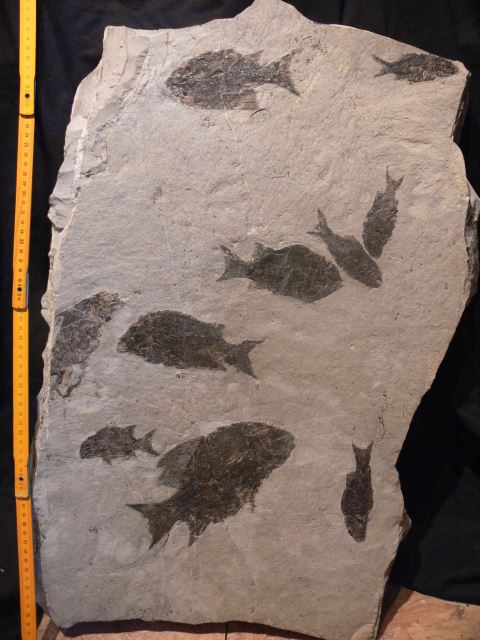 | Paralepidotus ornatus #FOP9266
(Aggasiz, 1844) Very Rare
10 Fish fossils on Matrix plate 70 by 40 cm
Plate is massive and heavy!
Upper Triassic, Norian Hallein, 215 million years old
Seefeld, Austria
Size big fish: 8 inch / 20 cm
Price: Euro |
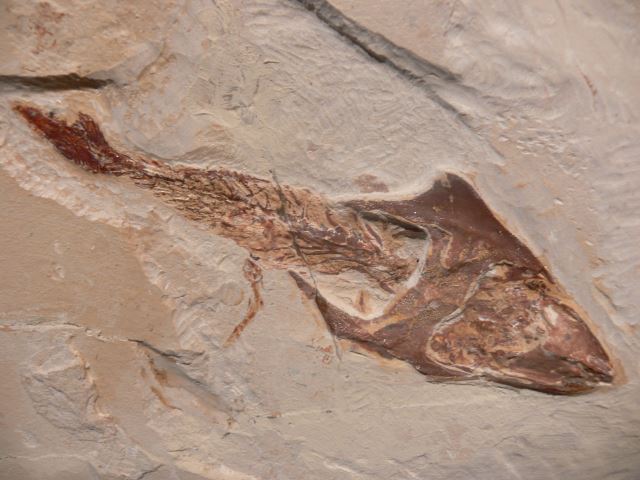 |  |
Coccodus insignis and Nematonotus longispinus #FLF9263 rare 2 species on one plate 43 by 28 cm
Upper Cretaceous,
Cenomanian, 95 million years old
Hajoula (Haqel) / Lebanon
Size biggest fish: 5.6 inch / 14 cm
Price: | 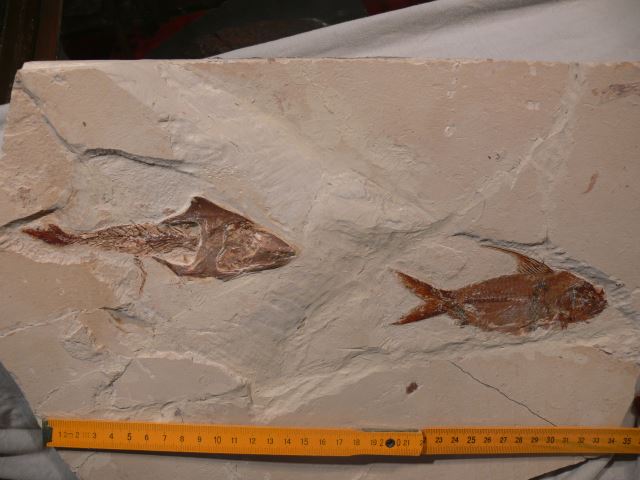 |
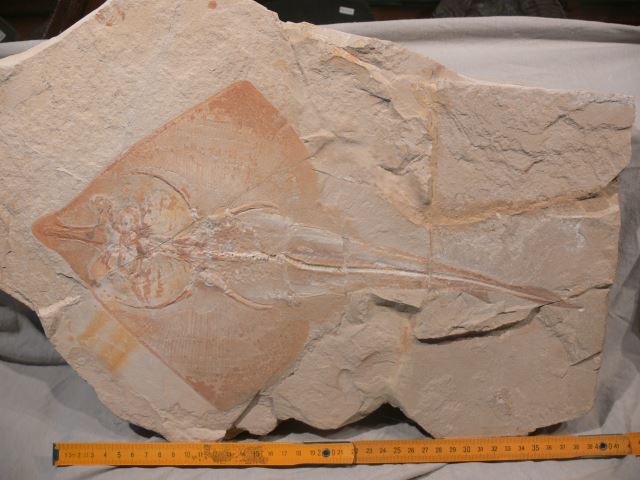 | Pararaja expansa #FLR9259
Rare Ray species (Davis)
Upper Cretaceous,
Cenomanian, 95 million years old
Hajoula (Haqel) / Lebanon
Size : 15.35 inch / 39 cm
Price: Euro |
Rhinobatos whitfieldi #FLR9260
Rare guitar Ray species
Upper Cretaceous,
Cenomanian, 95 million years old
Hajoula (Haqel) / Lebanon
Size: 7.4 inch / 18.5 cm
Price: |  |
| 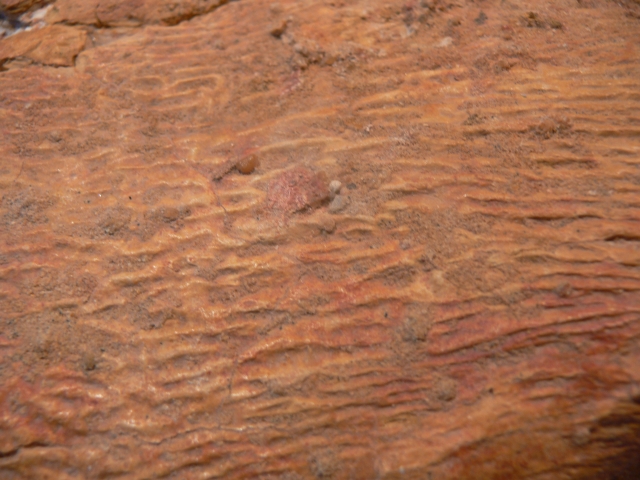 |
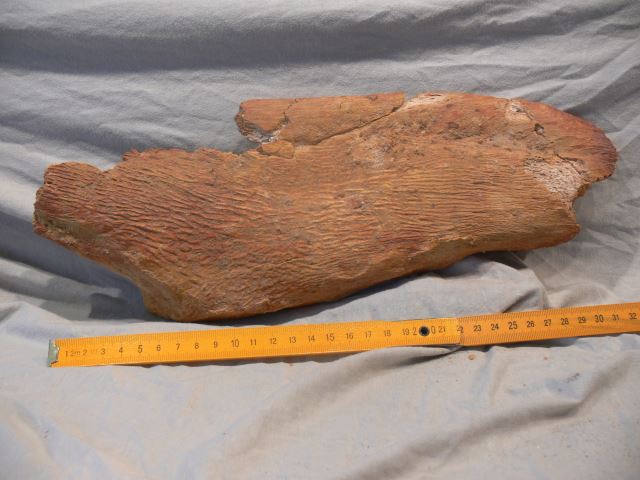
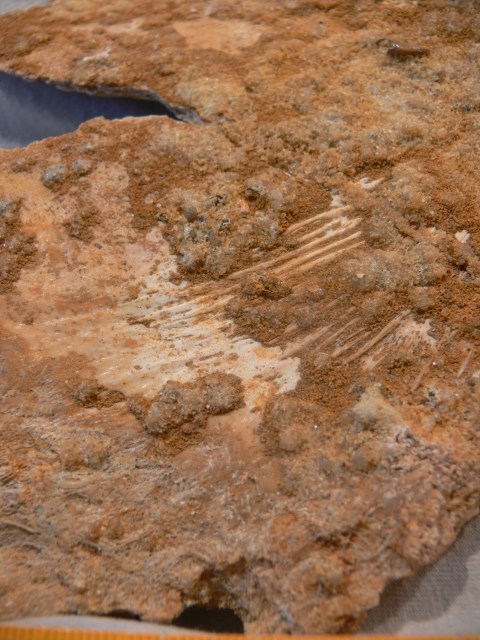
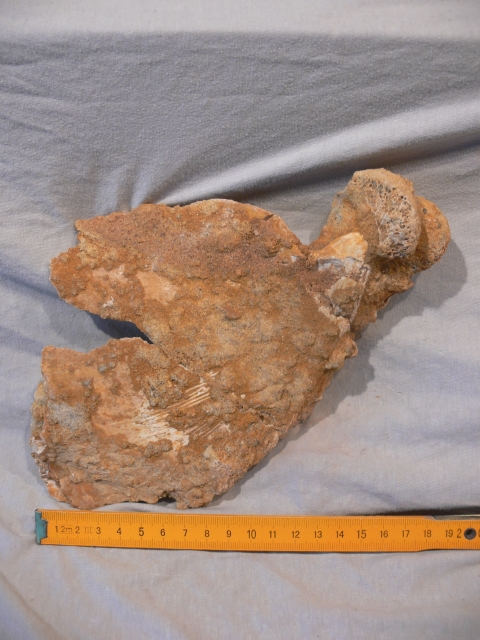
Mawsonia sp. FMM9155
Giant (2-3.5 meters) Coelacanth fossil
(Woodward 1907),
Ultra Rare, Partial lower jaw left side,
No restoration / Old Collection
Tegana Formation (Early Cenomanian)
Cretaceous 99 million years old
Kem Kem Beds, Morocco
Size: 14.17 inch / 36 cm
Price: | 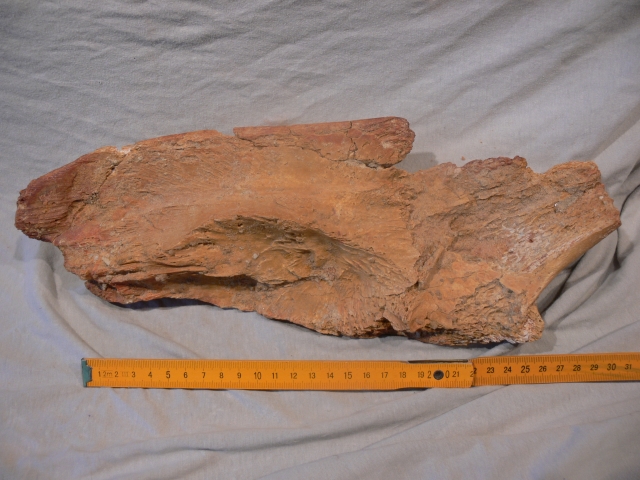 |
 |  |
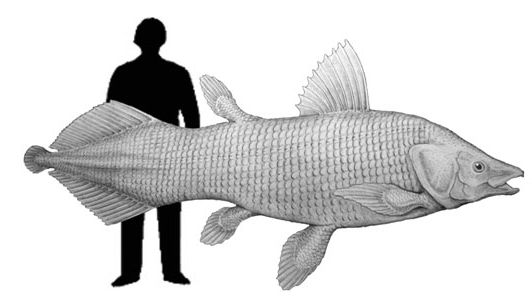
Reconstitution du coelacanthe Mawsonia avec une silhouette humaine pour échelle. � L. Cavin.
| Mawsonia sp. FMM9158
Giant (2-3.5 meters) Coelacanth fossil
(Woodward 1907),
Ultra Rare, Partial Paddle right side with partial fin conservation,.
No restoration (glued) / Old Collection
Tegana Formation (Early Cenomanian)
Cretaceous 99 million years old
Kem Kem Beds, Morocco
Size: 8.66 inch / 22 cm
Price: |
Plesioberyx maximus #FCL9034
Rare Fossil fish on small Matrix plate
Upper Cretaceous,
Cenomanian, 95 million years old
Hajoula (Haqel) / Lebanon
Size fish: 2,4 inch / 6 cm
Price: | 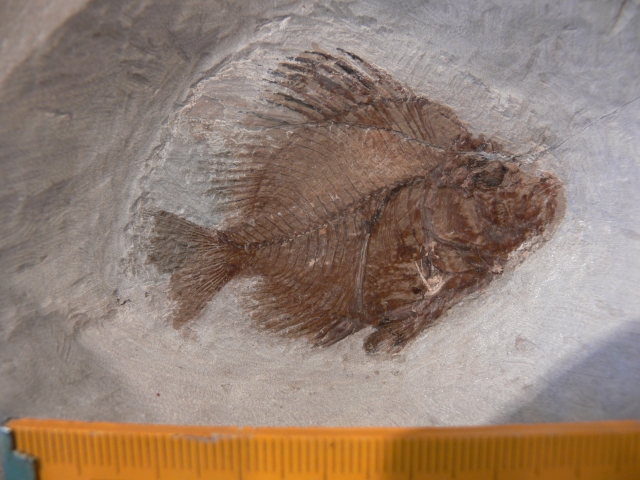 |
Exocoetoides minor #FVL9037
Rare Fossil Flying fish on small Matrix plate
Upper Cretaceous,
Cenomanian, 95 million years old
Hajoula (Haqel) / Lebanon
Size fish: 4.8 inch / 12 cm
Price: |  |
Micropristis solomonis #FZL9017
Fossil Saw fish on Matrix plate 63 by 42 cm
With 3 shrimps and rare complete tail
Upper Cretaceous,
Cenomanian, 95 million years old
Hajoula (Haqel) / Lebanon
Size sawfish: 20.08 inch / 51 cm
Price: | 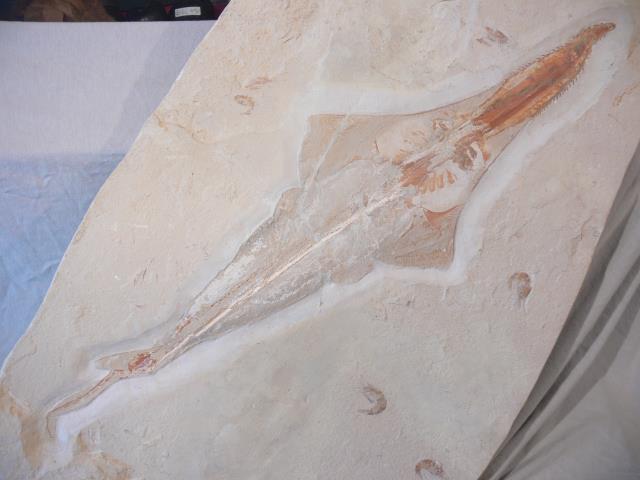 |
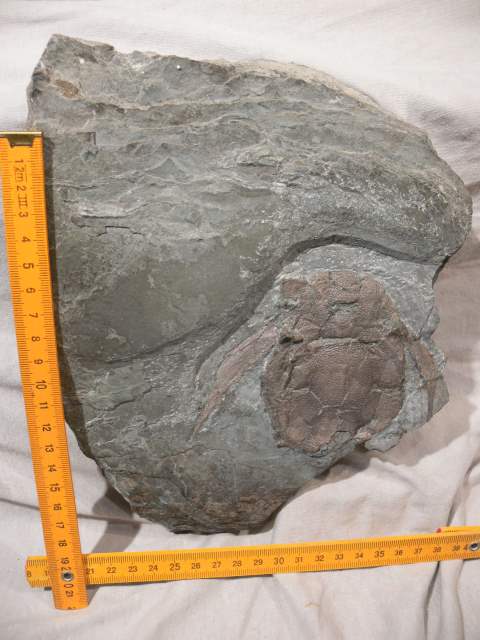 |  |
| Bothriolepis canadensis #FBC8791
Rare Armored Fish found in 1960
2cm restoration on tip right Pectoral
Upper Devonian, 382 -360 million years old
Escumiac Bay, Miguisha, Quebec, Canada
Size: 3.4 inch high 4.4 inch wide /
8.5 cm high 11 cm wide
On 9.4 inch / 23.5cm Matrix
Price: |
Millerosteus minor #FMM8447
VERY Rare Armored Fish with well detailed Tail
No restoration.Old Red Sandstone
Middle Devonian, 385 million years old
Orkney, Scotland
Size: 5.2 inch / 13 cm
Price: | 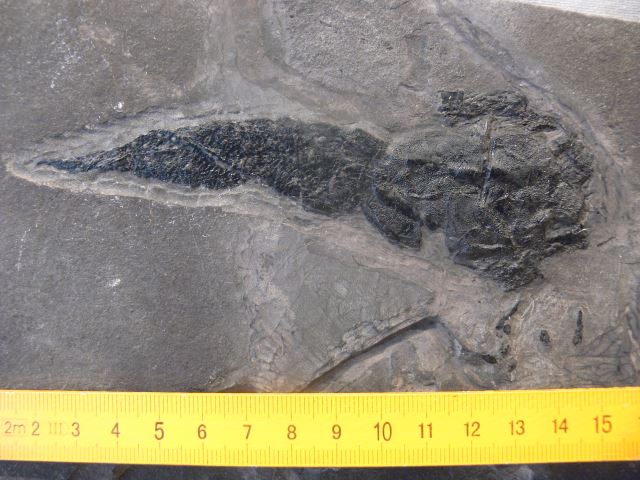 |
 | Rhombopterygia rajoides #FRL8495
Fossil rayfish in large slab, rare
Upper Cretaceous, Cenomanian, 95 million years old
Haqel, Lebanon
Size ray: 65.5 cm
Price: Euro |
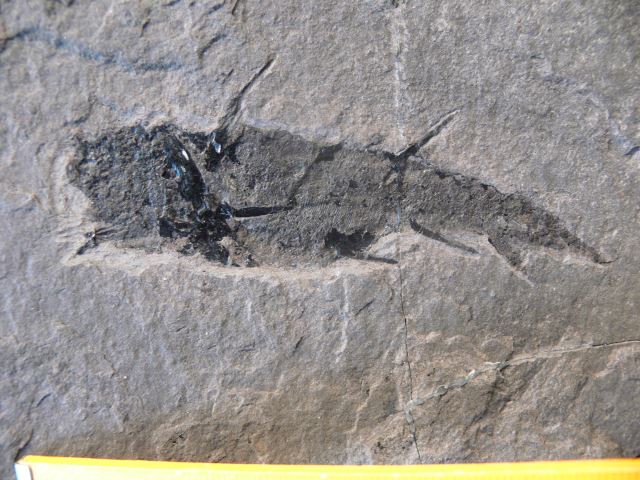 | Diplacanthus crassisimus #FSC8448
Rare Acanthoid Fish (Duff), No restoration.
Old Red Sandstone Sanwick Fish bed.
Middle Devonian, Eifelian,390 million years old
Orkney, Scotland
Size: 4 inch / 10 cm
Price: |
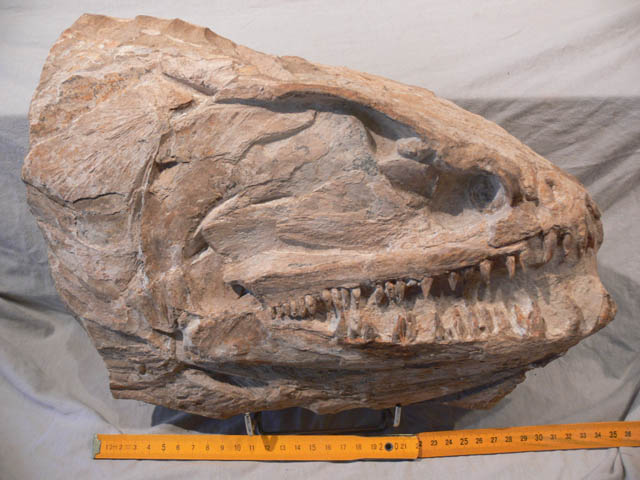 | Calamopleurus cylindricus#FHB8057
Fossil MONSTER Fish skull , Very rare
Proffesional 3d preparation, No Restoration
L. Cretaceous, Santana form. Albian
110 Million years old
Ceara, Araripe plateau, Brazil
Size long: 14 inch, 35cm
Price: |
