
For more fish fossils see also Fish section
Home/E-mail/Order
All kinds of Sharkteeth
For more fish fossils see also Fish section
Home/E-mail/Order
Shark & Ray teeth
Shark teeth are the most common found fossils of vertebrates. Not only
because sharks already evolved in the Devonian, but also because their
teeth are hard and easily fossilize and because a shark constantly
replaces them. A shark has several rows of teeth and can produce up to
15,000 teeth during its lifetime. Other parts of a shark rarely fossilize. A
shark skeleton consists of cartilage that hardly fossilizes since it is very soft.
The biggest shark that ever lived was Carcharodon megalodon.
It was a white shark species that lived in the Miocene and
Pliocene. It must have grown to about 15-18 m (50-60 ft) in length.
Carcharodon teeth can be 20 cm (8 in) long. The height of its wide open
jaws must have been about 1,5 m (5 ft). Its main food source were
probably whales. Luckily it’s extinct!
While sharks have sharp, pointed teeth, rays have teeth with flattened surfaces
that fit together like a mosaic to form bony plates. Many rays use these plates to crush
the shells of invertebrate prey.
Bibliography:
La faune de l’Yprésien de la Belgique, E. Casier, 1946,
Musée Royal d’HistoireNaturelle de Belgique (Brussels,
Belgium)
Les poissons tertiaires de la Belgique, M. Leriche, 1951, Institut Royal des SciencesNaturelles de Belgique (Brussels, Belgium)
Die
Selachier und Chimären des unteren Meeressandes und Schleichsandes im
Mainzer Becken,T. Reinecke, 2001, Palaeo Publ. (Mortsel, Belgium)
Fossil shark teeth of the world, J. Cocke, 2002, Lamna Books (Torrance, US)
Megalodon, hunting the hunter, M. Renz, 2002, PaleoPress (Lehigh Acres, US)
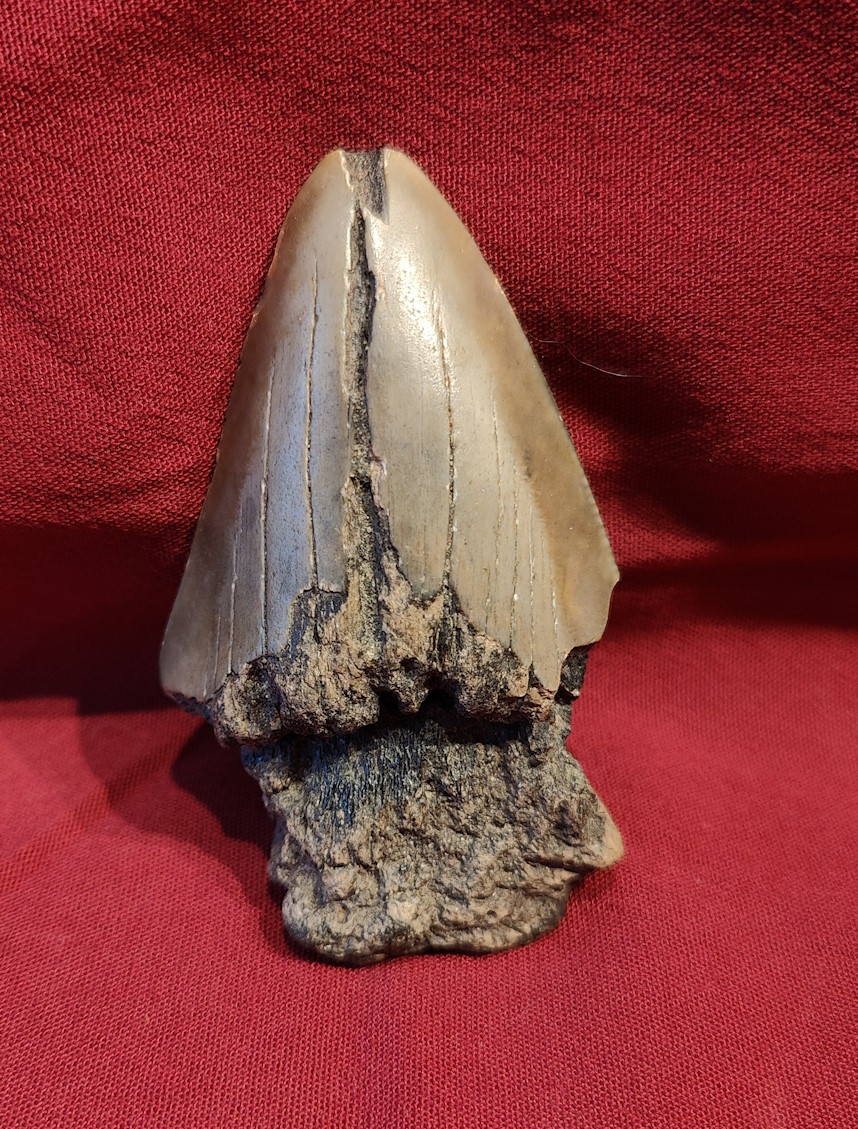 |
Otodus megalodon #SOM9015 Large shark tooth from rare location Miocene, 8.8 milj. years old Cadzand bad, Netherlands Size: 3 inch / 7.7 cm Price: Euro 90.-- |
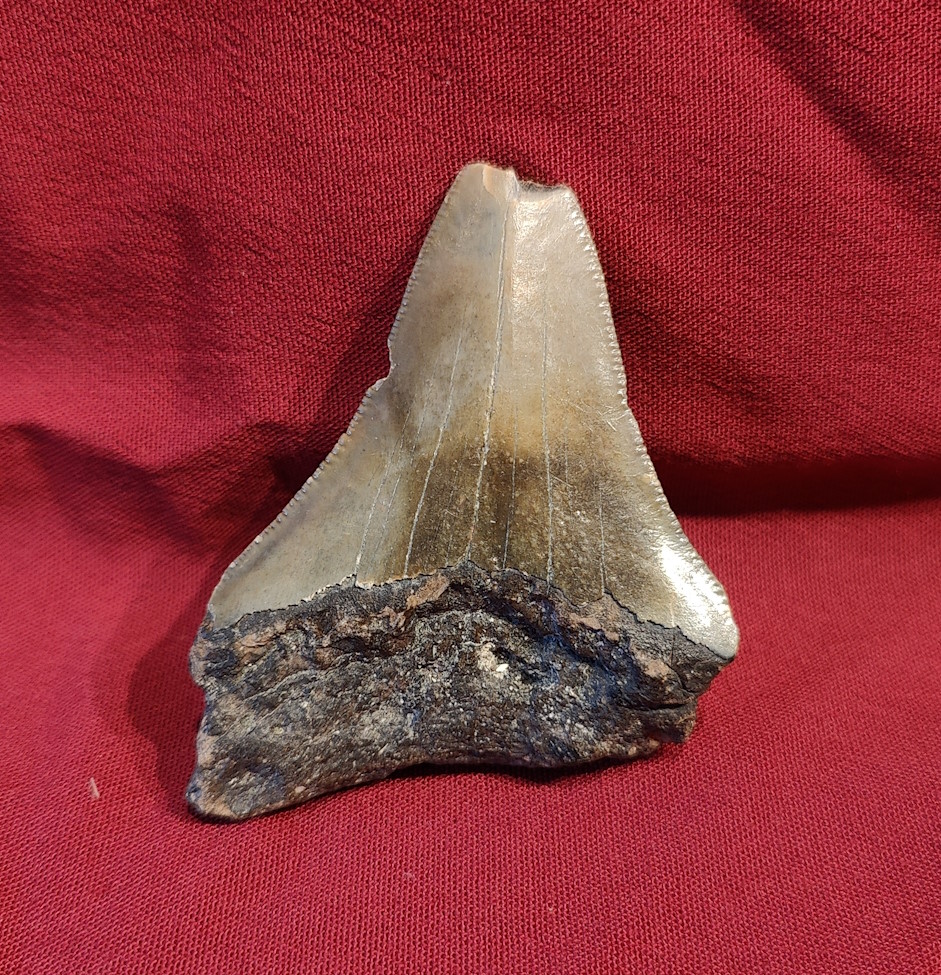
| Otodus megalodon #SOM9016 Large shark tooth from rare location Miocene, 8.8 milj. years old Cadzand bad, Netherlands Size: inch 2.76 / 7 cm Price: Euro 75.-- |
 |
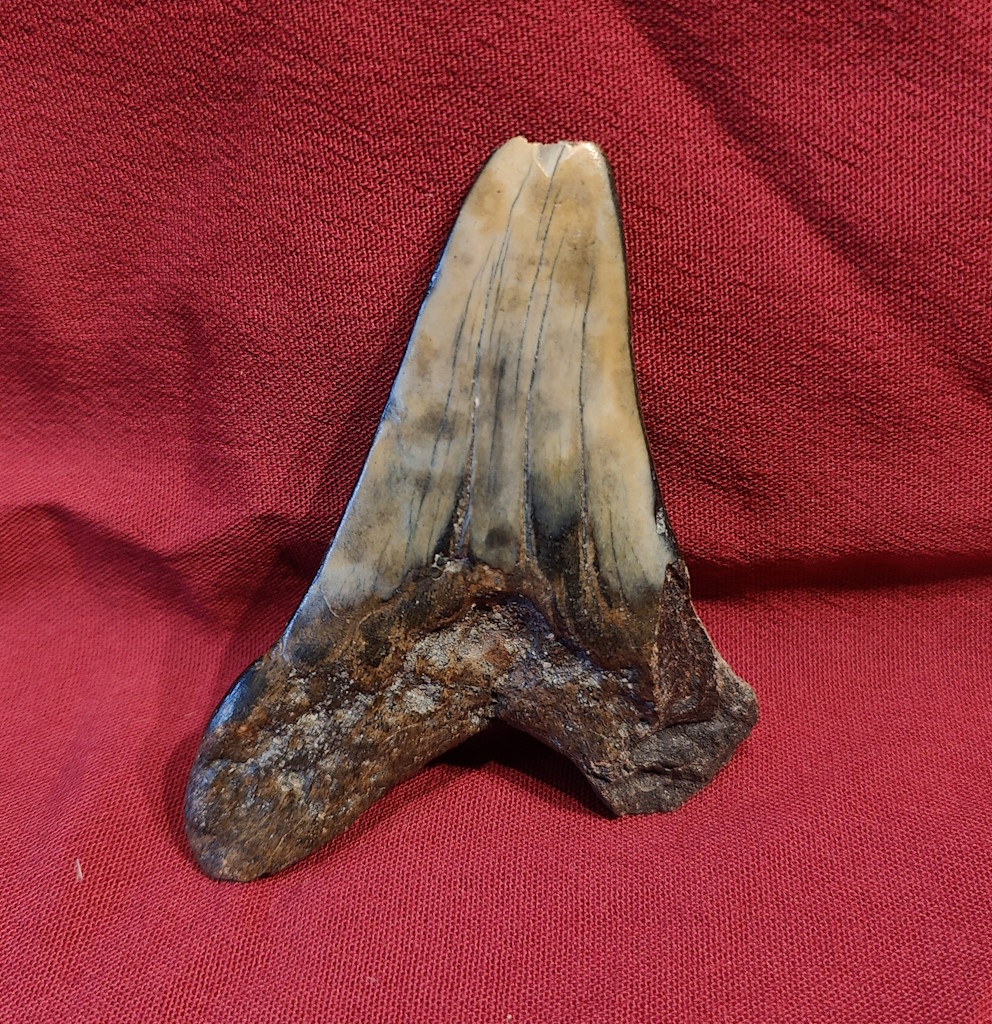 |
Otodus megalodon #SOM9017 Large shark tooth from rare location Miocene, 8.8 milj. years old Cadzand bad, Netherlands Size: 3.2 inch / 8.2 cm Price:  |
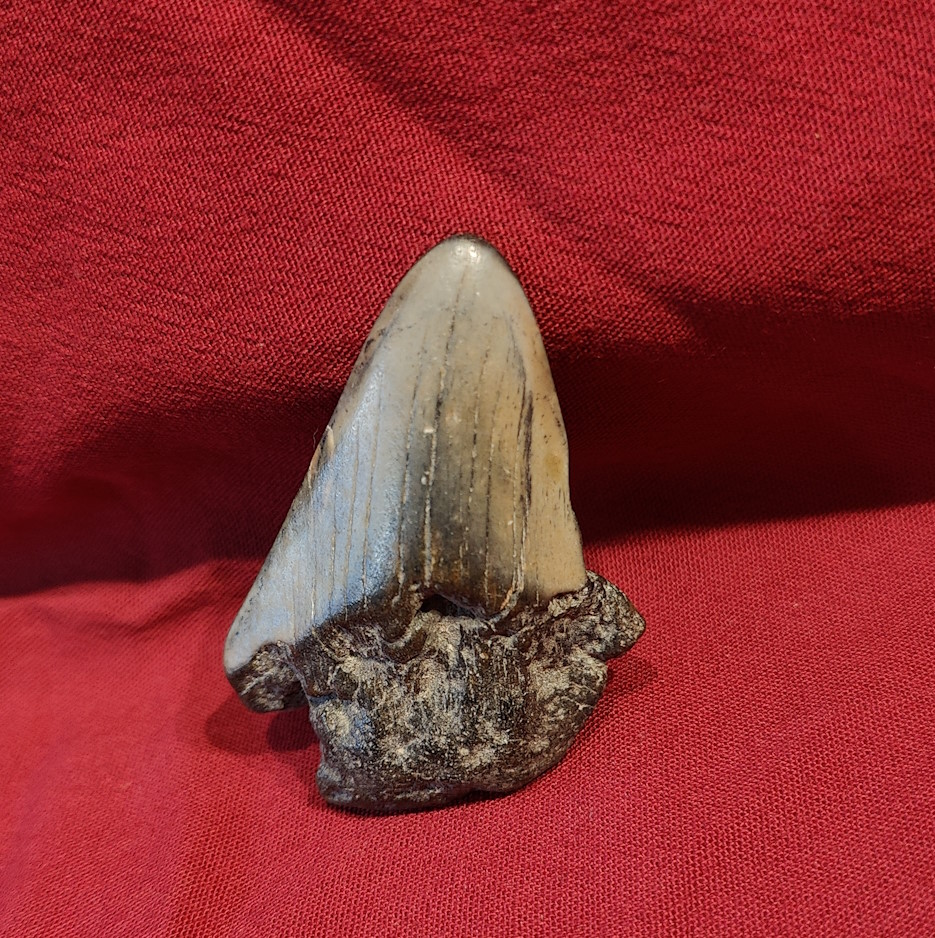
| Otodus megalodon #SOM9018 Shark tooth from rare location Miocene, 8.8 milj. years old Cadzand bad, Netherlands Size: inch 2.3 / 5.9 cm Price: Euro 50.-- |
 |
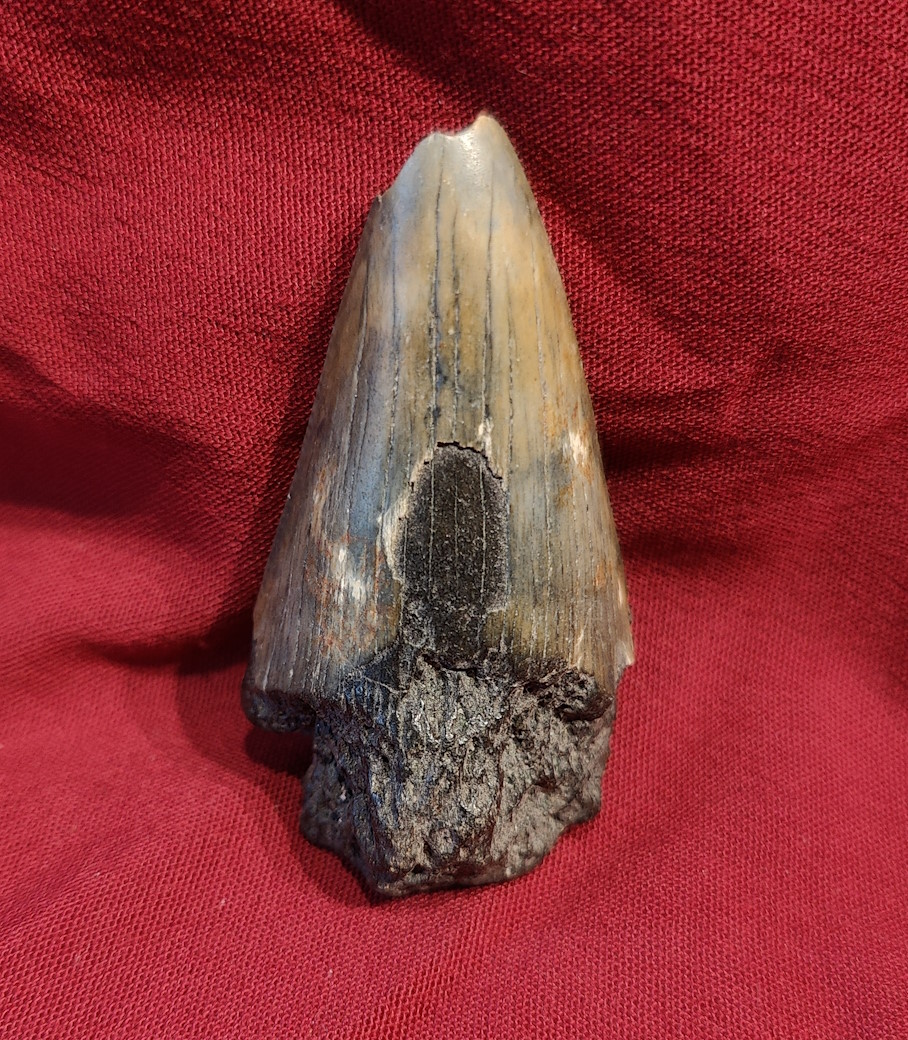 |
Otodus megalodon #SOM9019 Shark tooth from rare location Miocene, 8.8 milj. years old Cadzand bad, Netherlands Size: inch 2.44 / 6.2 cm Price: Euro 50.-- |
 |
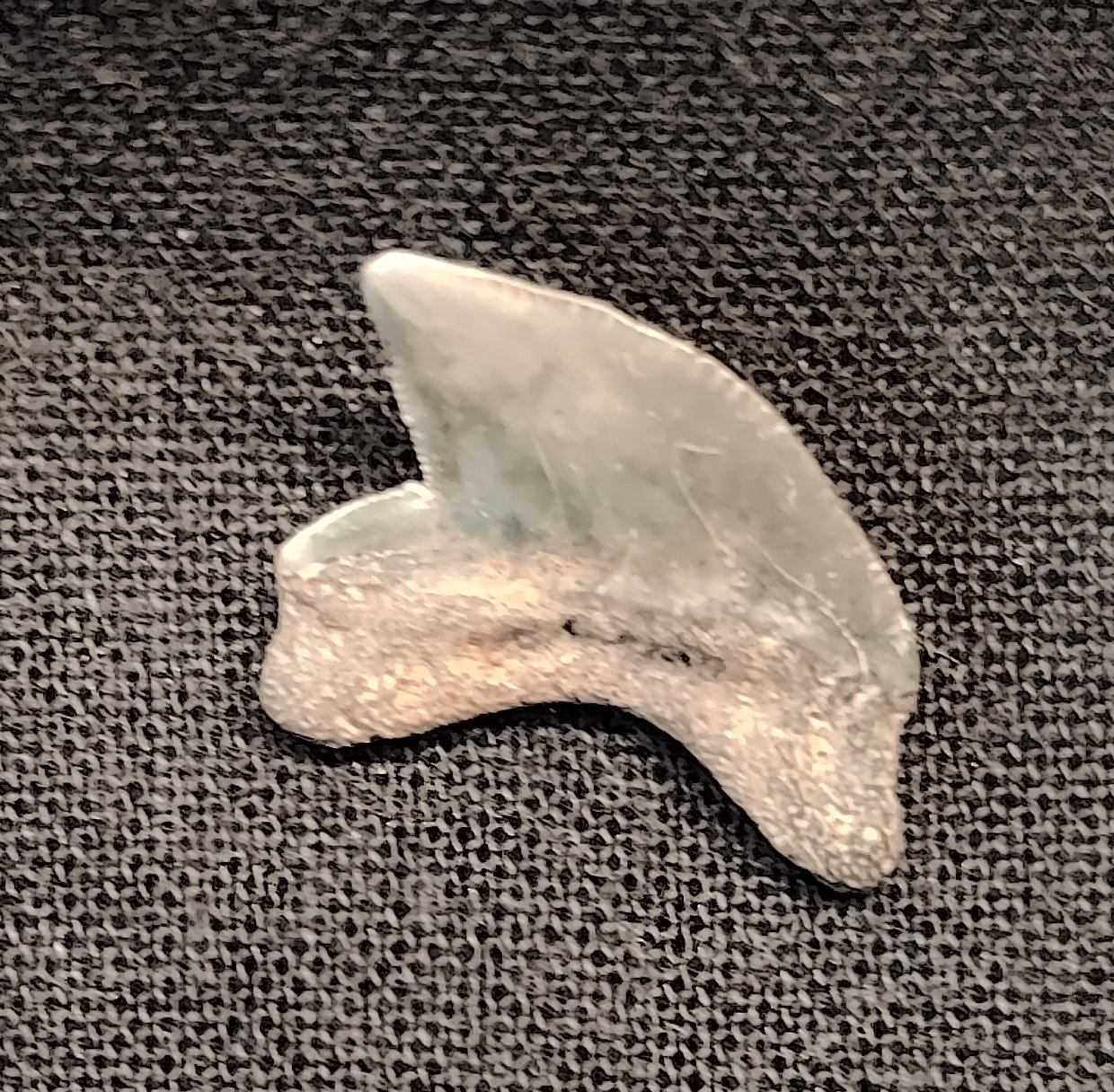 |
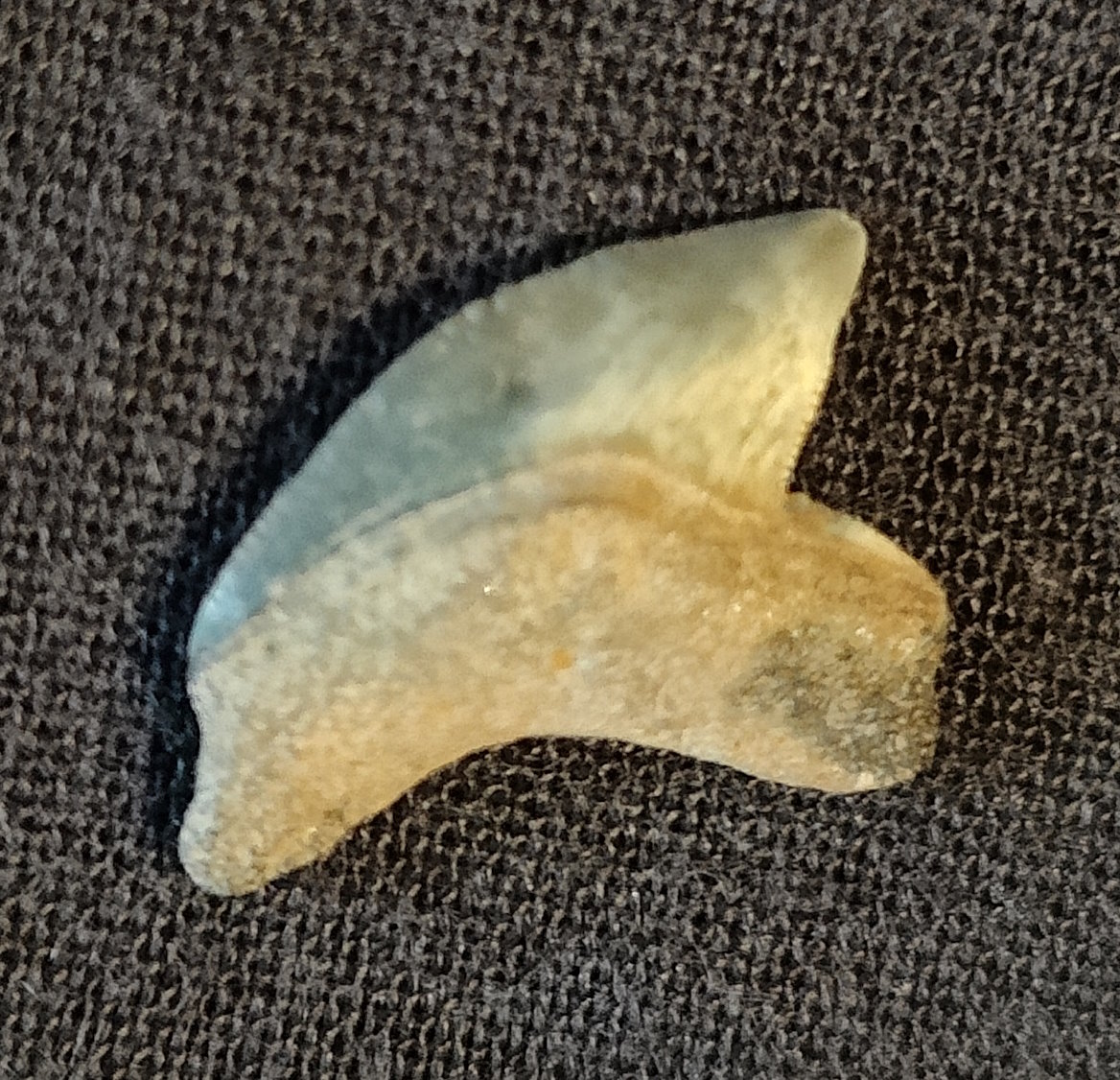
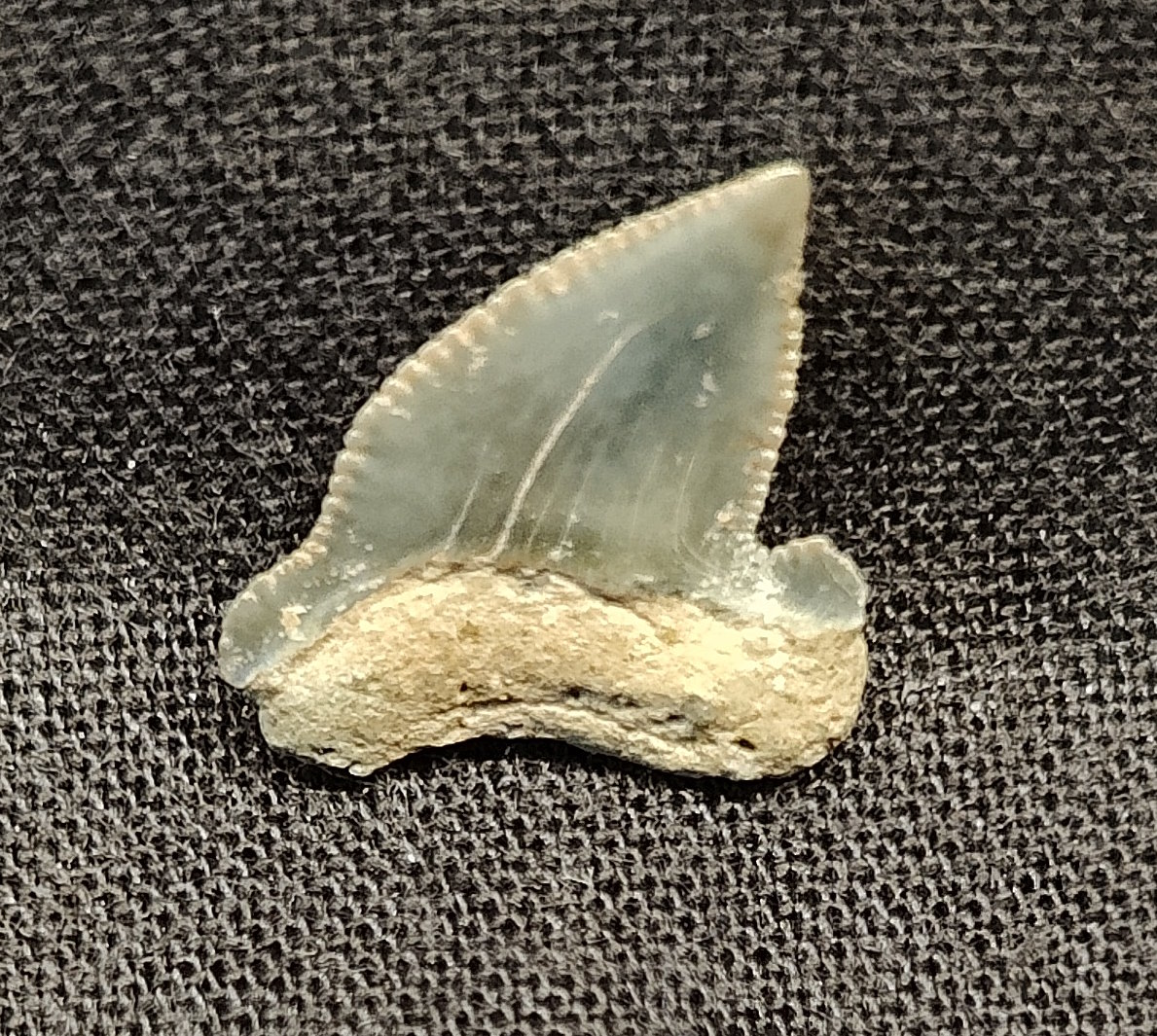
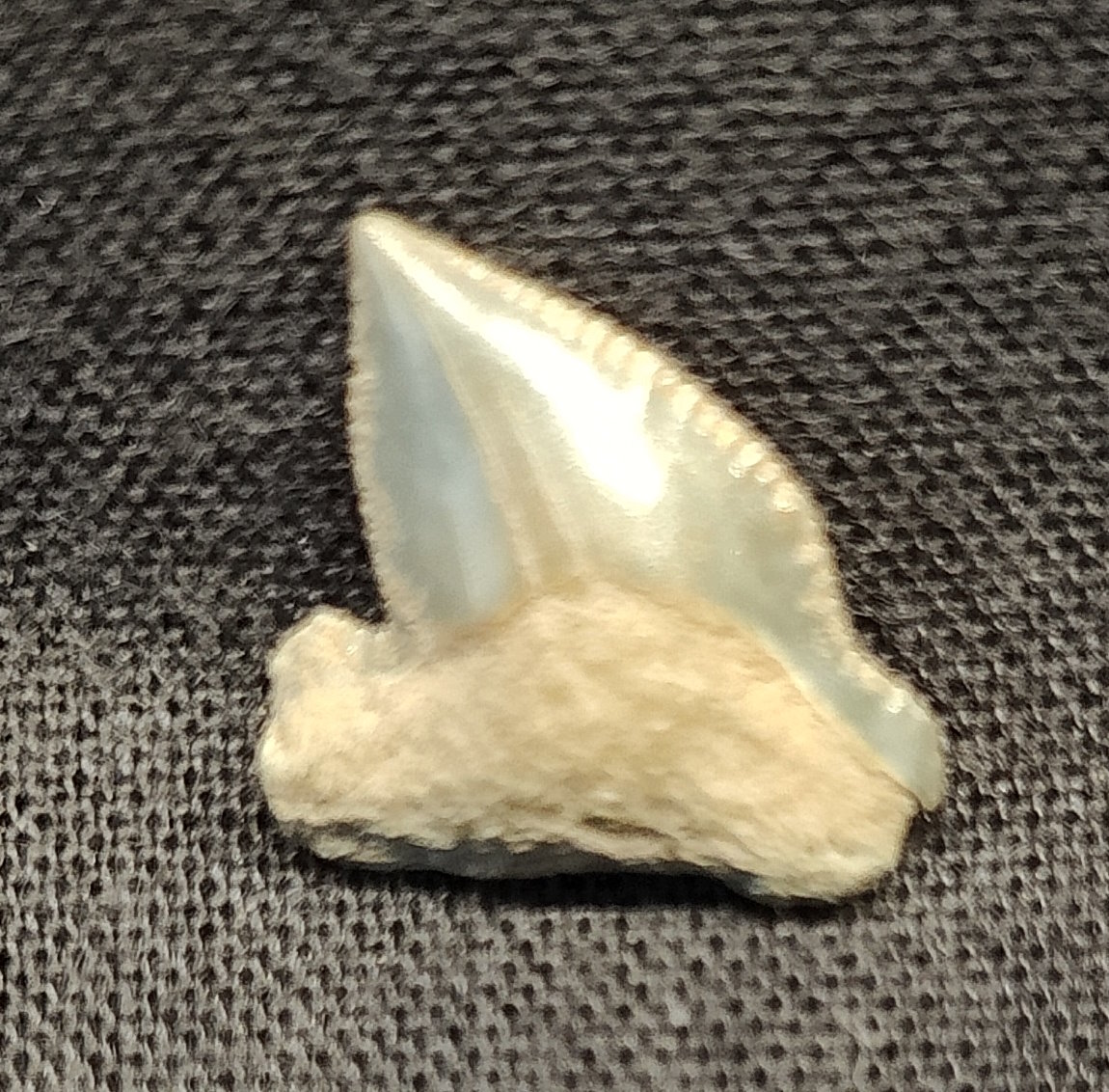
| Squalicorax yangaensis #SSY9013 (Darteville & Casier) Tonmbigbee Sand, Sant-Camp boundary U. Cretaceous, 80 milj. years old Columbus, Mississippi, U.S.A. Size: 0.59 inch / 1.5 cm Price: Euro 20.-- | |
 |
 |
| Squalicorax yangaensis #SSY9014 (Darteville & Casier) Tonmbigbee Sand, Sant-Camp boundary U. Cretaceous, 80 milj. years old Columbus, Mississippi, U.S.A. Size: 0.55 inch / 1.4 cm Price: Euro 20.-- | |
 |
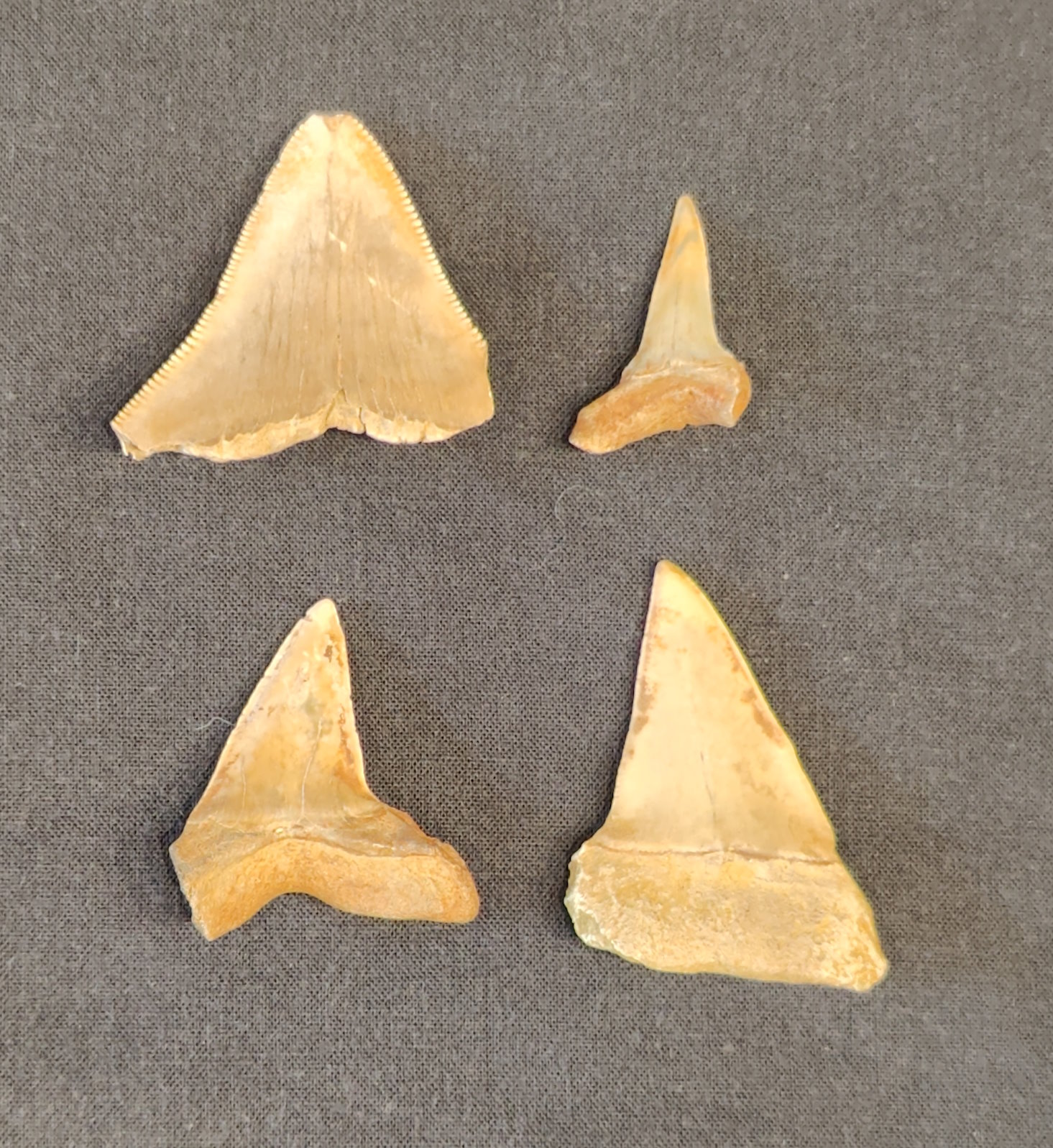 |
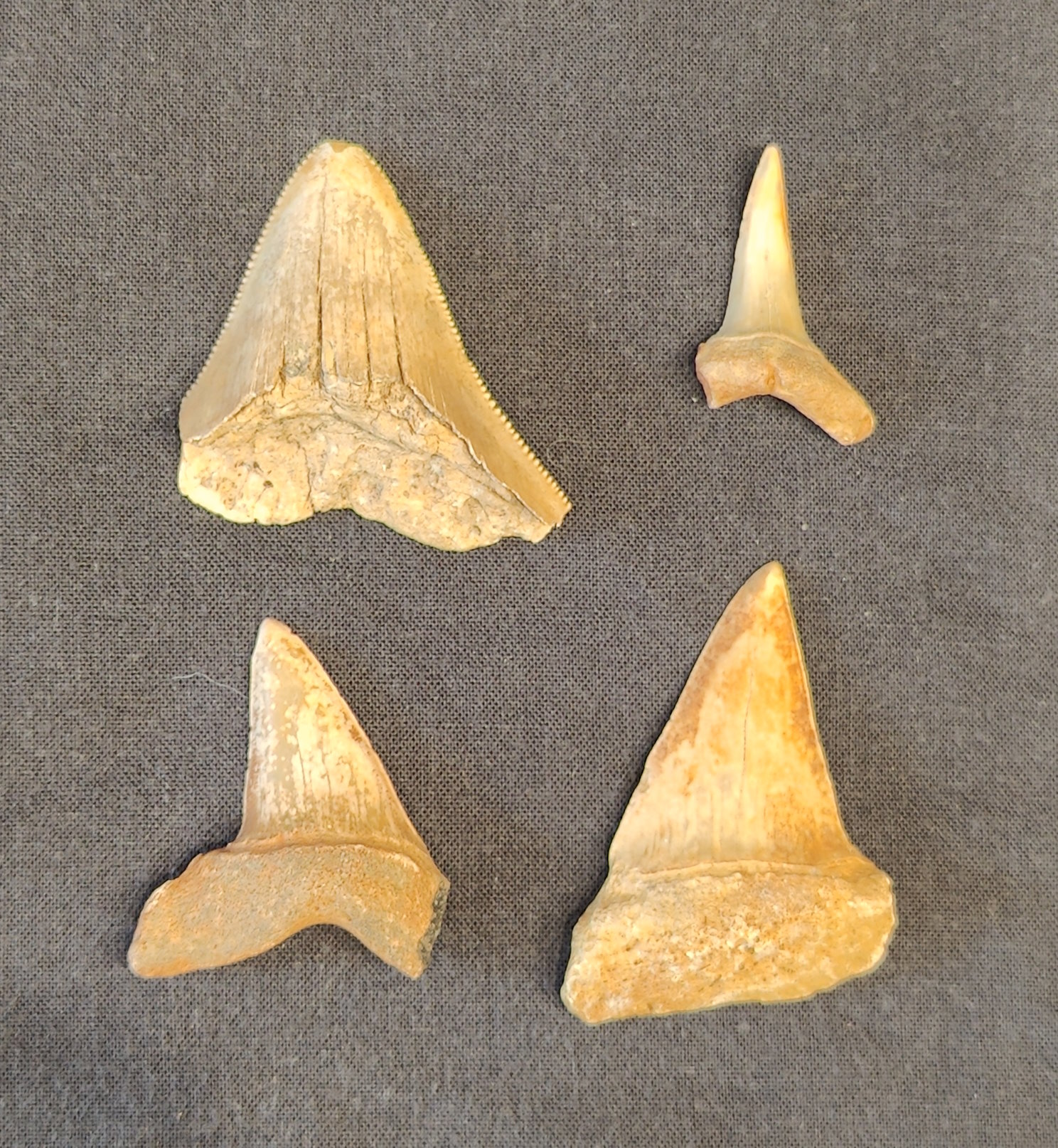
| Various Rumst Sharkteeth #SRS9100 Set of 4 sharkteeth from rare location Otodus megalodon, Isurus hastalis, Carcharias vorax, Isurus retroflexus Miocene, 15 milj. years old Rumst, Belgium Sizes: 1.57, 1.81, 1.16, 1.36 inch / 4, 4.6, 2.9, 3.4 cm Price for set: Euro 45.-- | |
 |
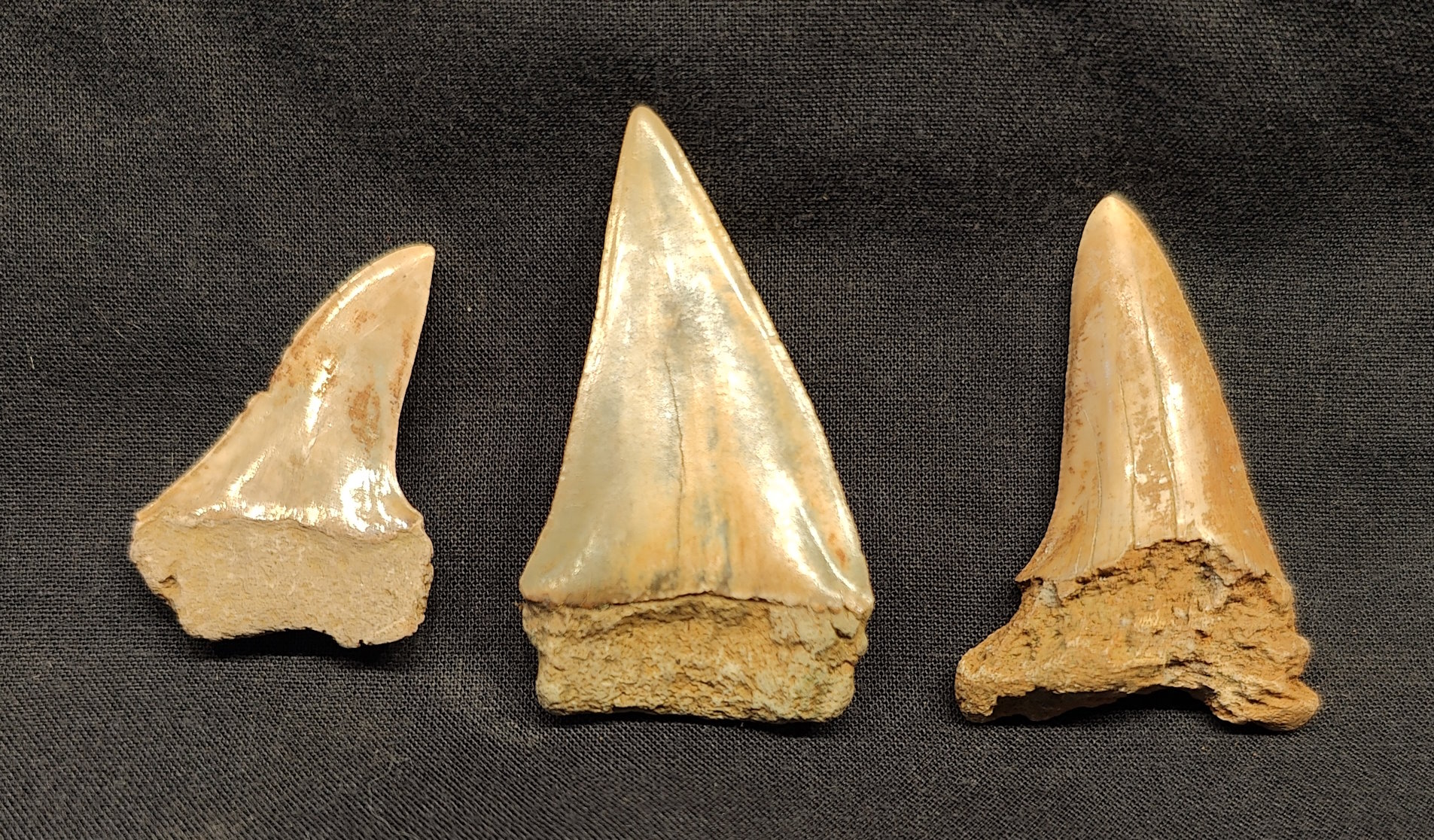 |
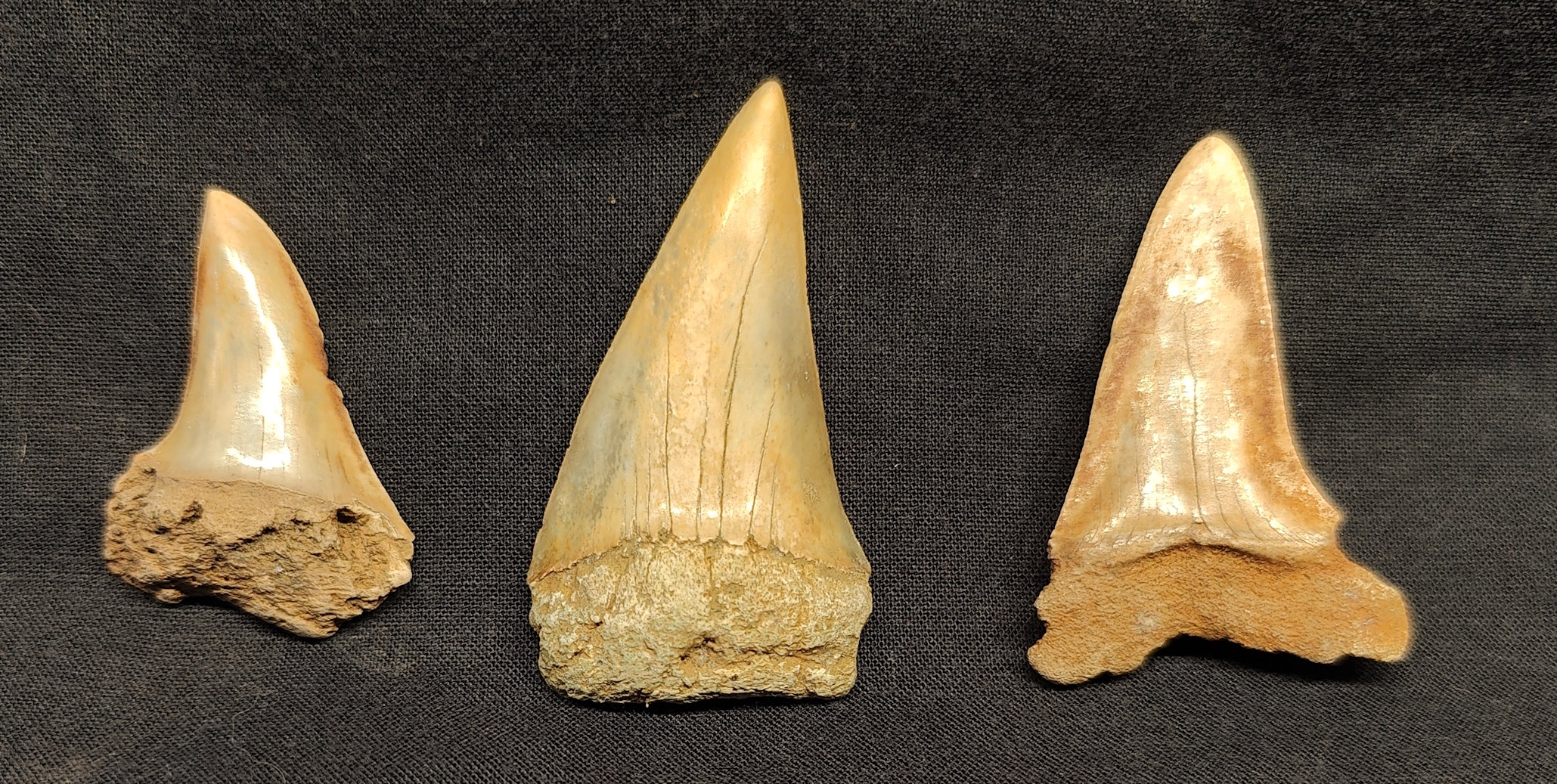
| 3x Isurus hastalis #SRS9101 Set of 3 sharkteeth from rare location Miocene, 15 milj. years old Rumst, Belgium Size largest: 2.1 inch / 5.4 cm Price for set: Euro 40.-- | |
 |
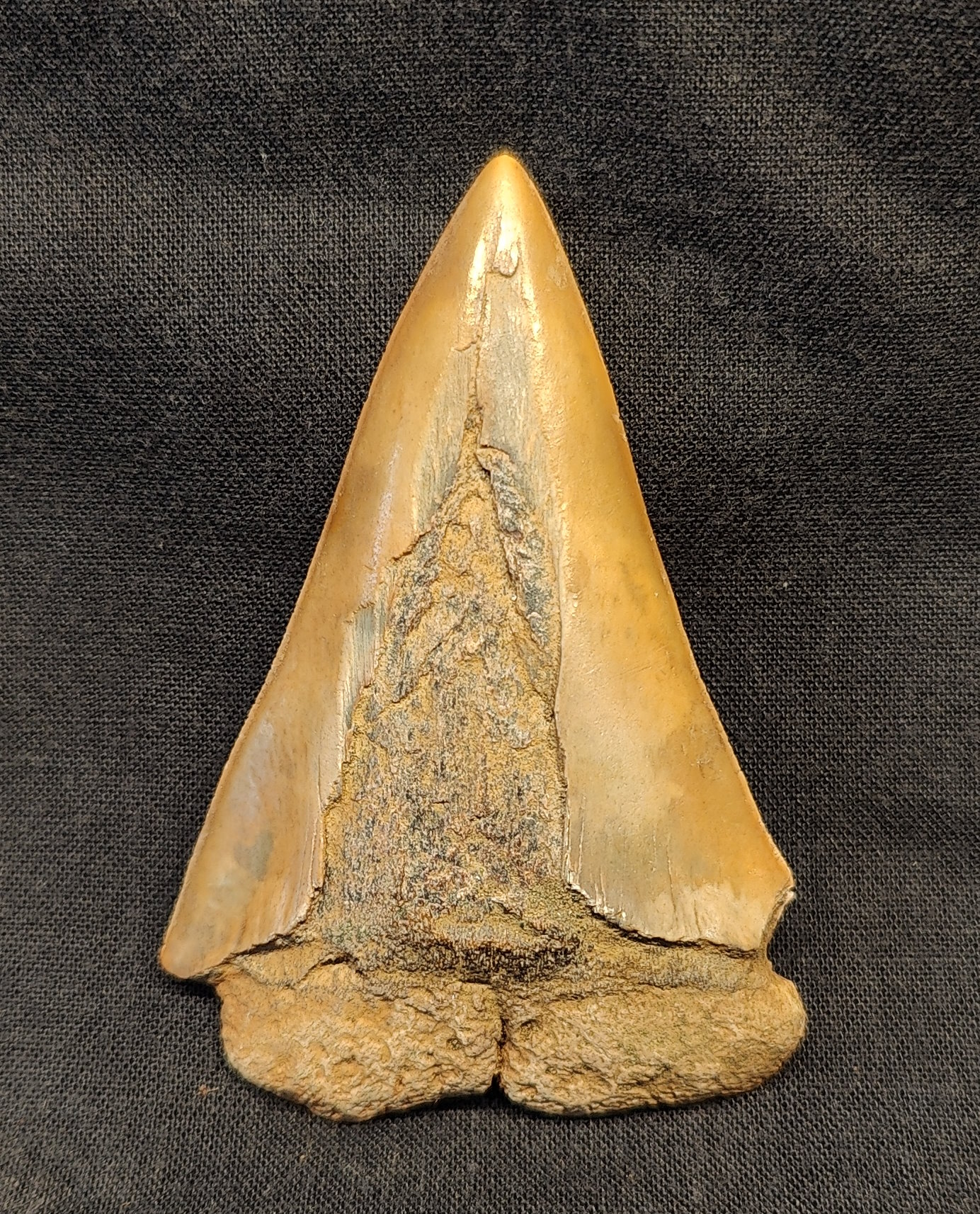 |
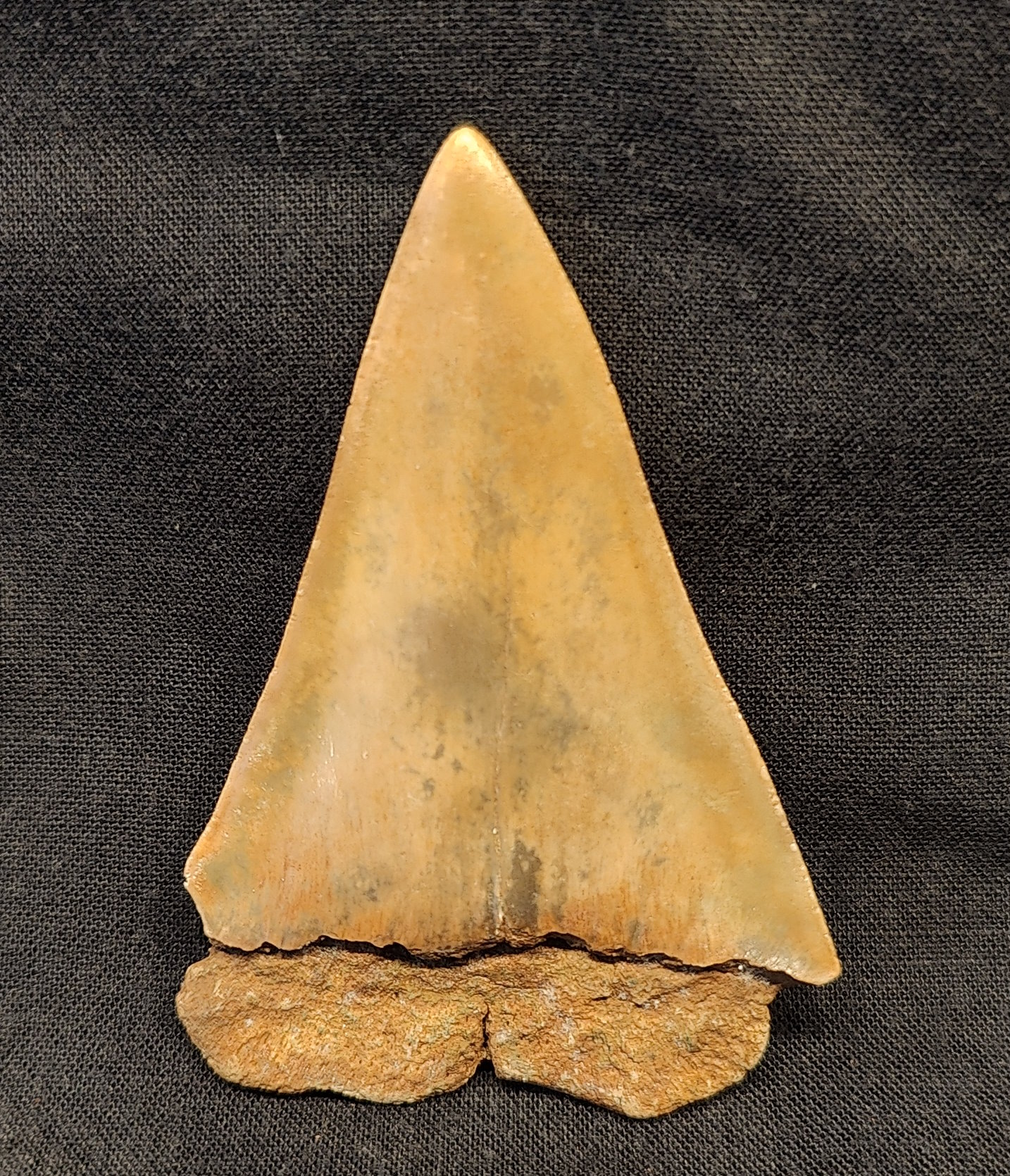
| Isurus hastalis #SRS9102 Very large sharktooth from rare location Miocene, 15 milj. years old Rumst, Belgium Size: 2.44 inch / 6.2 cm Price: Euro 60.-- | |
 |
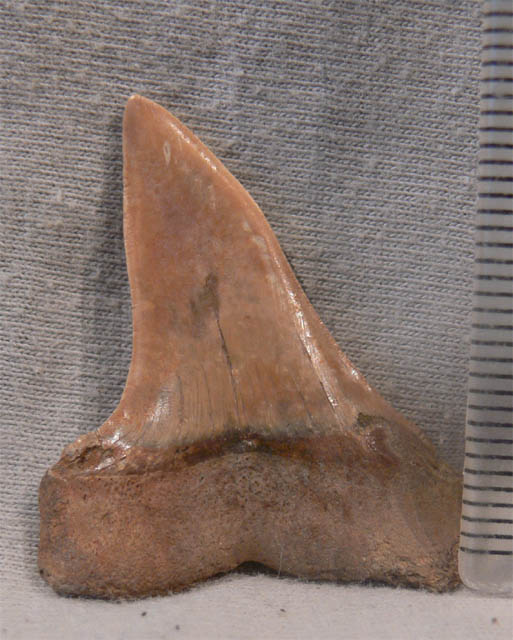 |
| Cosmopolitodus hastalis #SCH7313 Shark tooth of this rare location Miocene, 15 milj. years old Rumst, Belgium Size: 1.56 inch / 3.9 cm Price: Euro 15.-- |
|
 |
 |
|
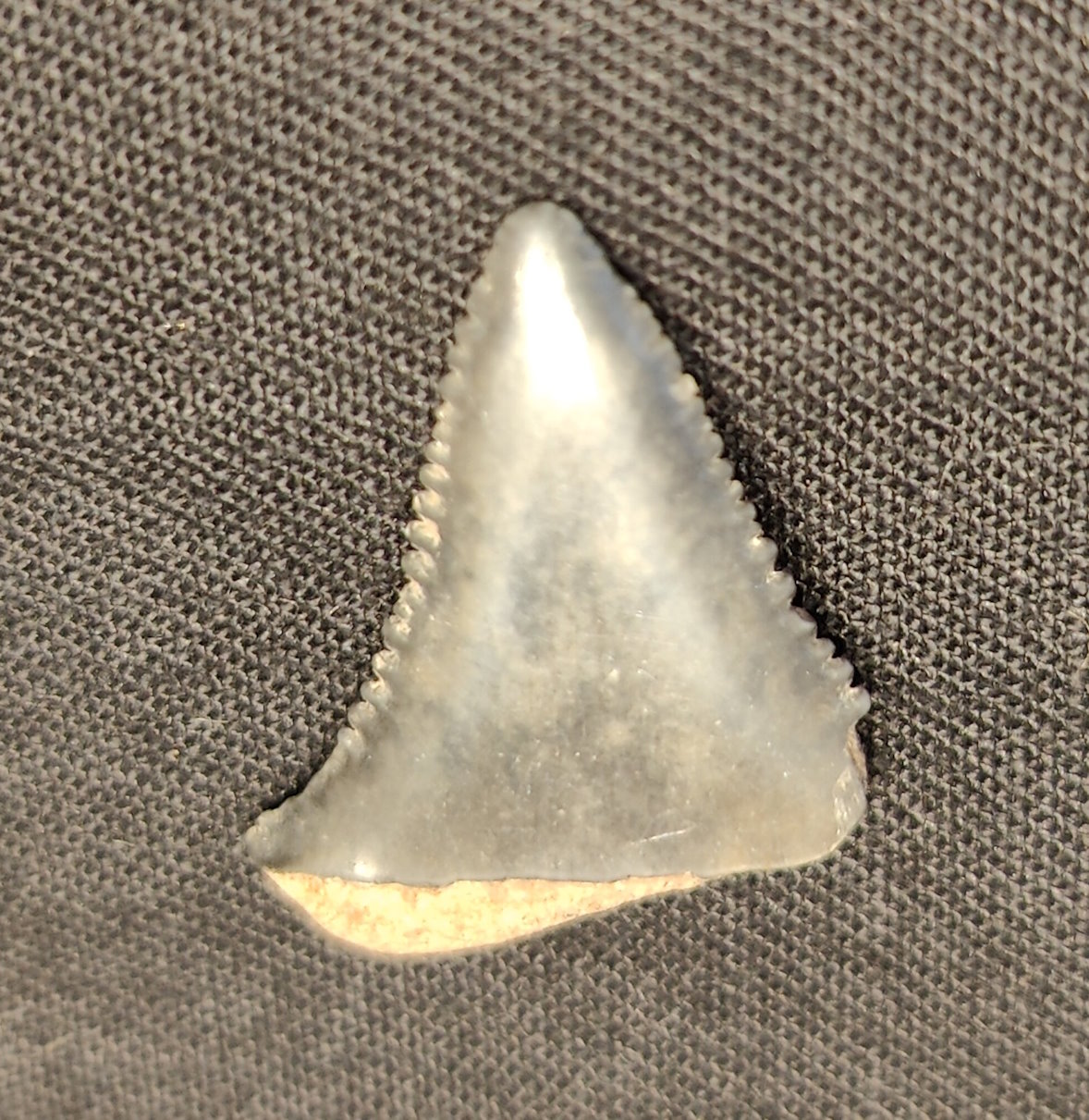
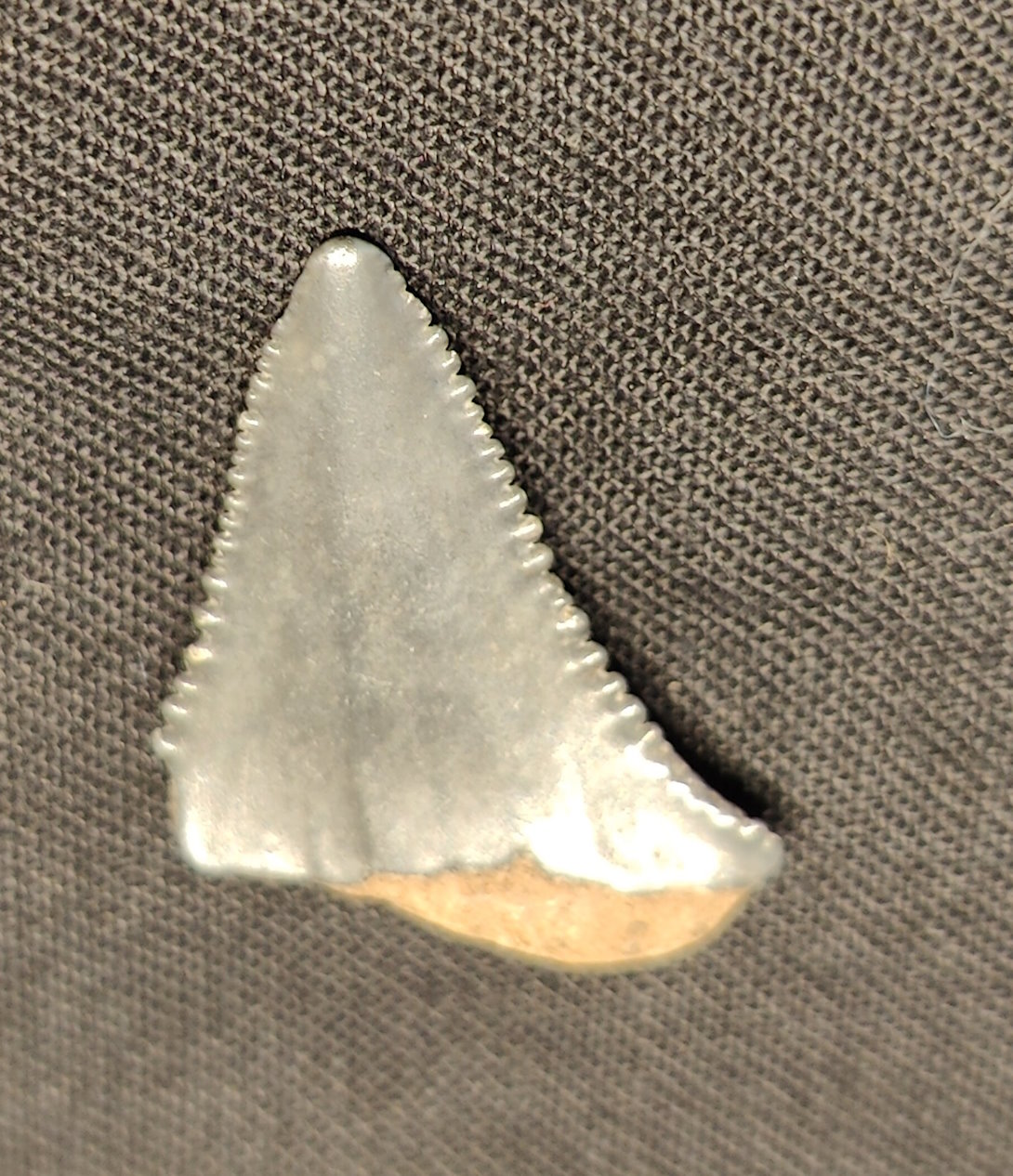
Carcharodon carcharias #SCC9012 Rare white shark tooth from the Netherlands Pliocene, 3.5 milj. years old Nieuwvliet, Netherlands Size: 0.94 inch / 2.4 cm Price: Euro 40.-- | |
 |
 |
|
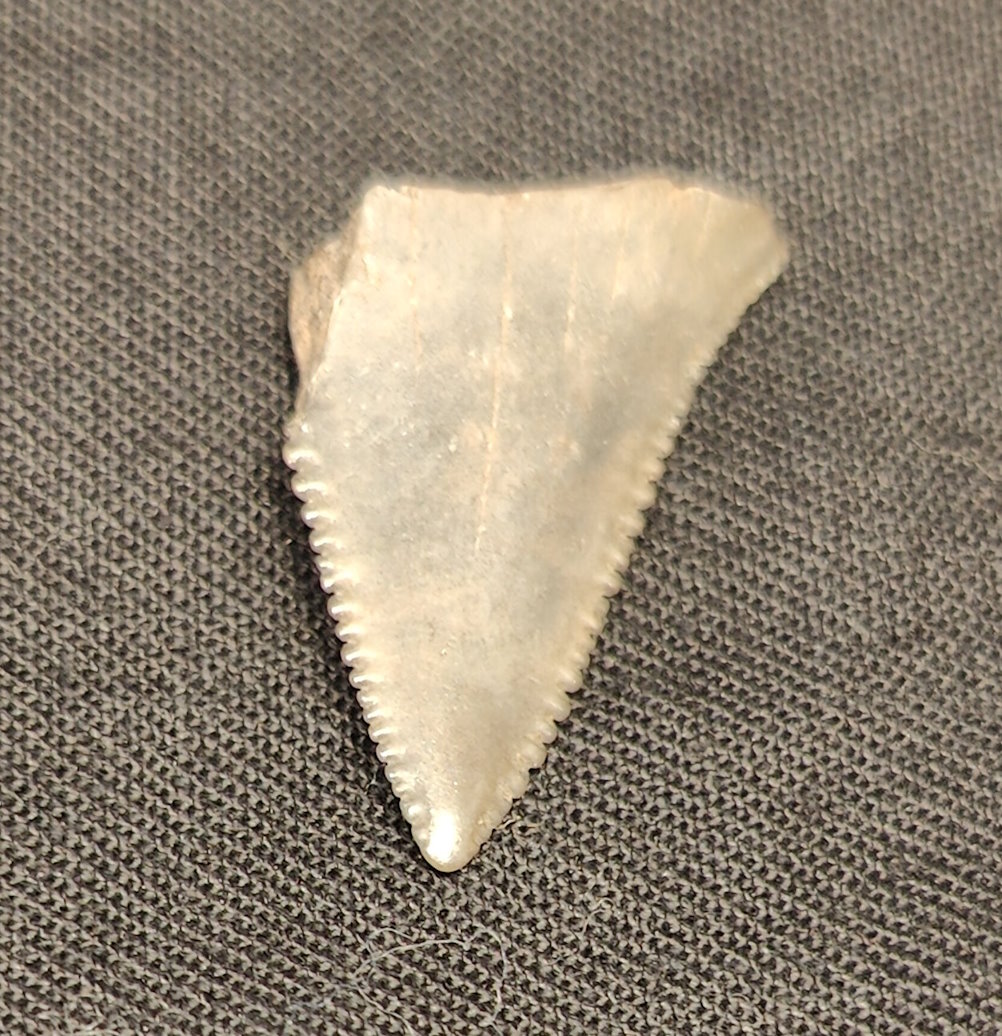
Carcharodon carcharias #SCC9013 Rare white shark tooth from the Netherlands Pliocene, 3.5 milj. years old Nieuwvliet, Netherlands Size: 0.94 inch / 2.4 cm Price: Euro 40.-- | |
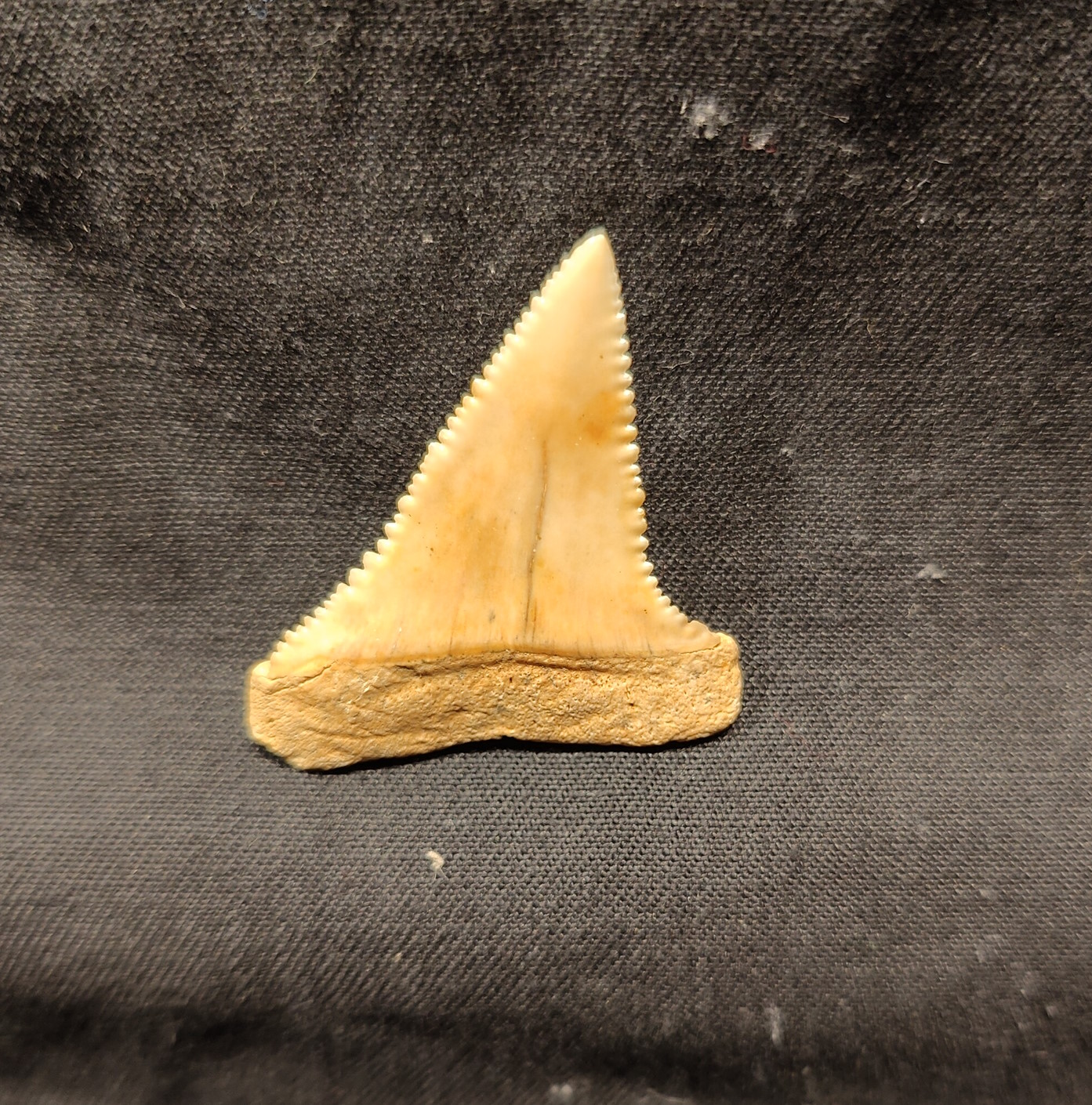 |
Carcharodon carcharias #SCC9011 White shark tooth. Old collection Pliocene, 3.5 milj. years old Atacama desert, Chile Size: 1.54 inch / 3.9 cm Price: Euro 80.-- |
 |
Otodus megalodon #SMM9001 Huge shark tooth; NO restoration! Miocene, 15 milj. years old Morgan River, S.C., U.S.A. Size: 5.67 inch / 14.4 cm Price: Euro |
|
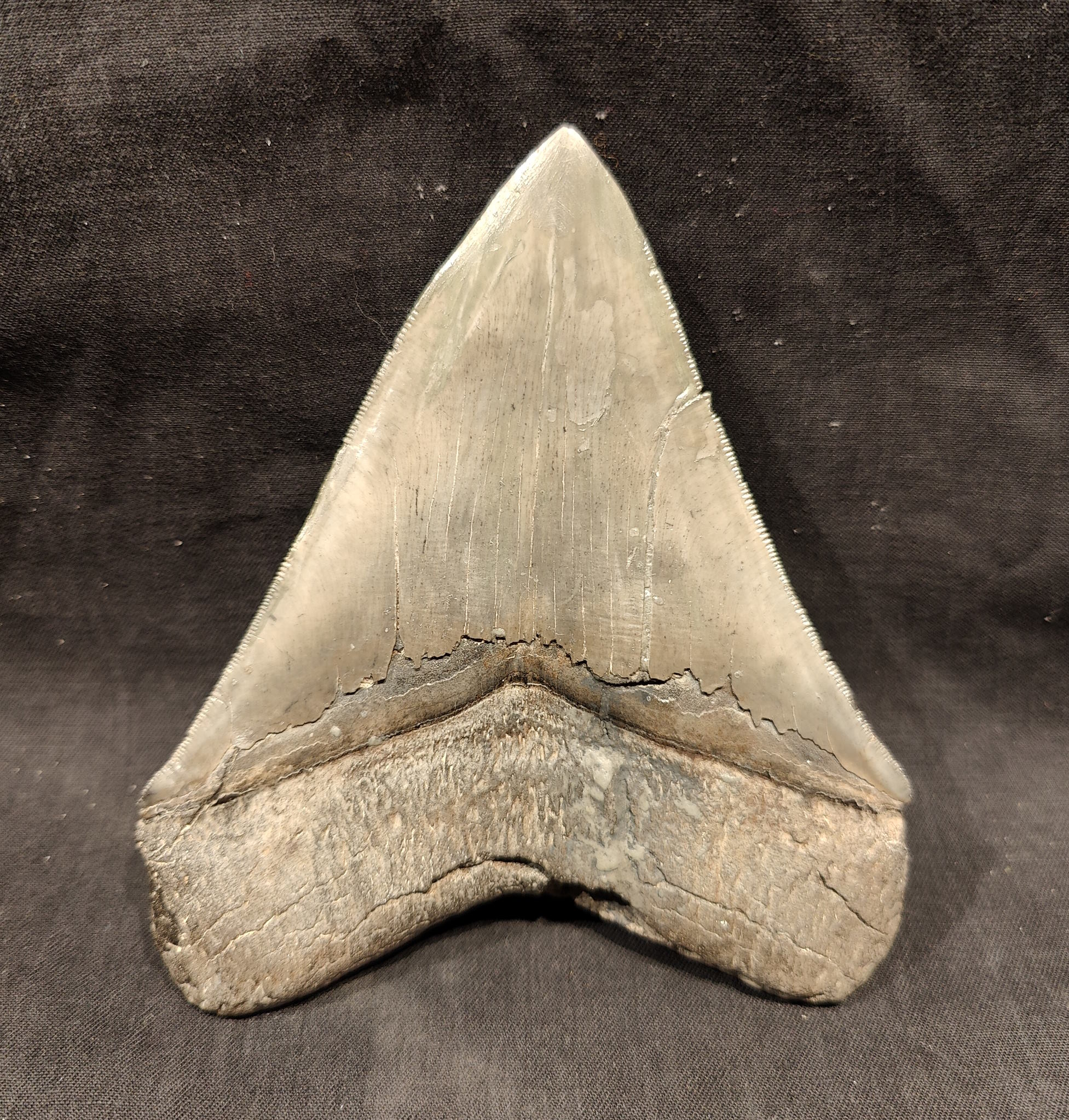
Otodus megalodon #SMM9002 Huge shark tooth; glued Miocene, 15 milj. years old Morgan River, S.C., U.S.A. Size: 5.31 inch / 13.5 cm Price: Euro |
 |
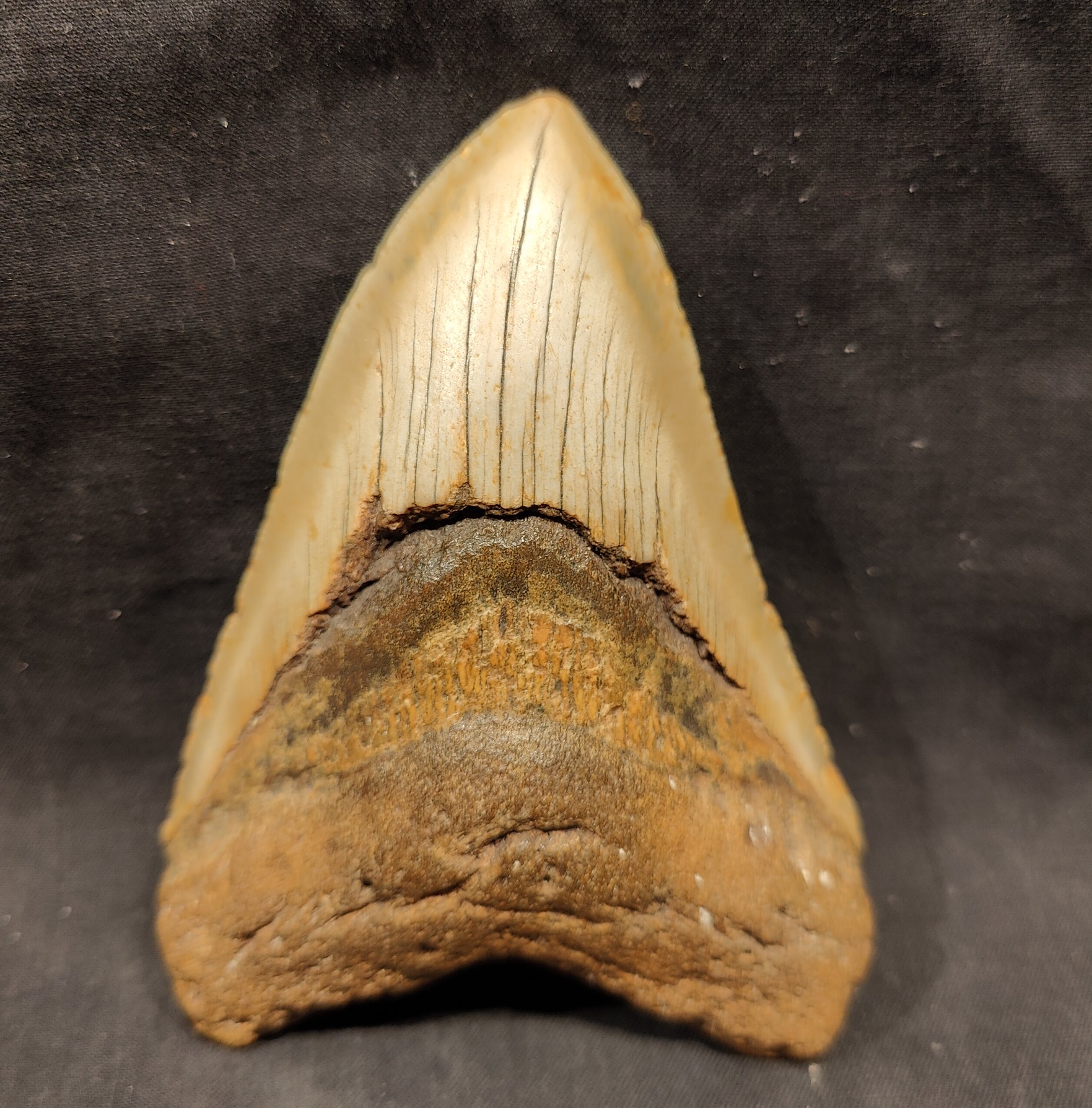 |
Otodus megalodon #SMM9003 Huge shark tooth; NO restoration! Miocene, 15 milj. years old Morgan River, S.C., U.S.A. Size: 4.92 inch / 12.5 cm Price: Euro |
|
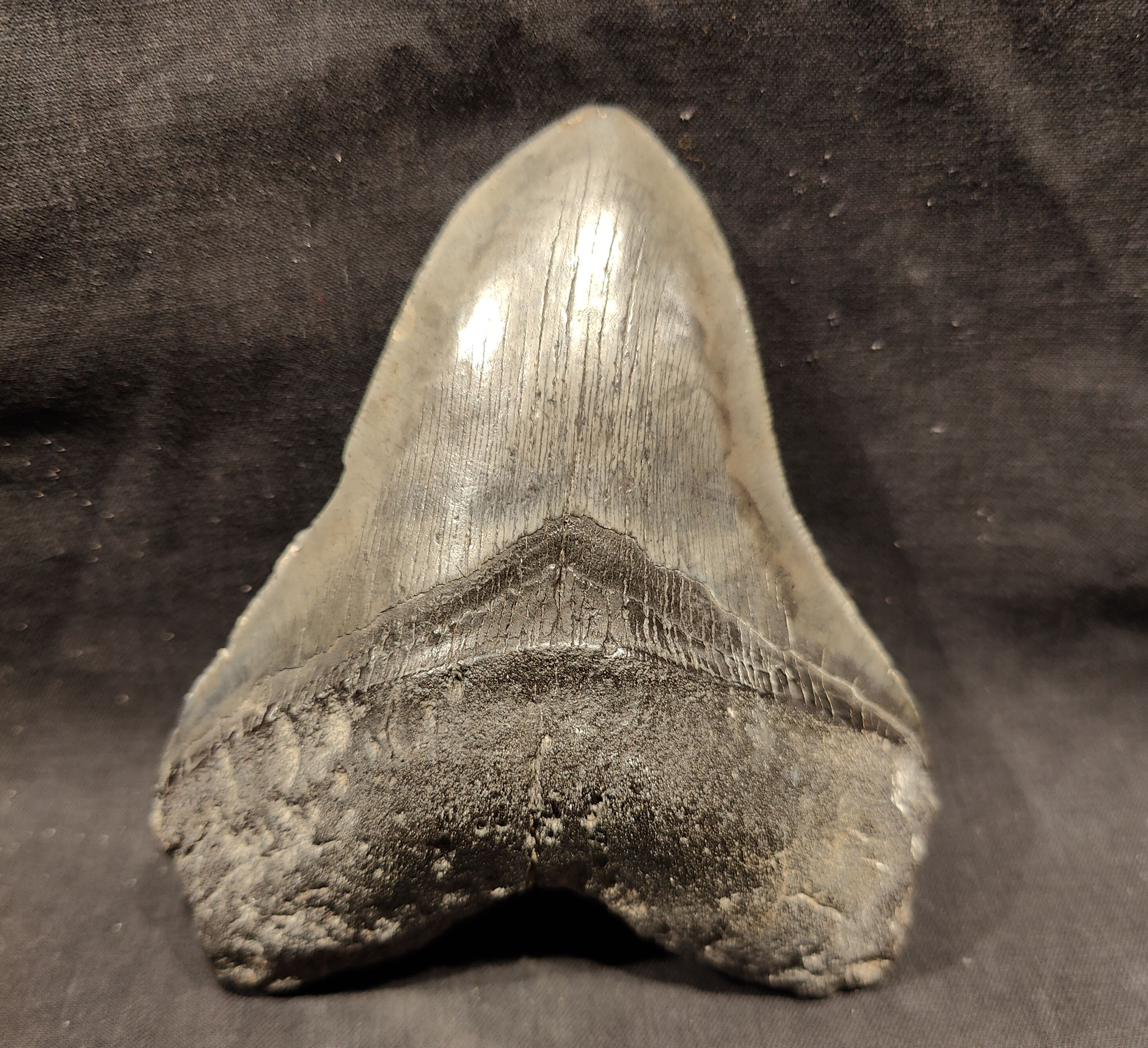
Otodus megalodon #SMM9004 Huge shark tooth; NO restoration! Miocene, 15 milj. years old Morgan River, S.C., U.S.A. Size: 5.2 inch / 13.2 cm Price: Euro |
 |
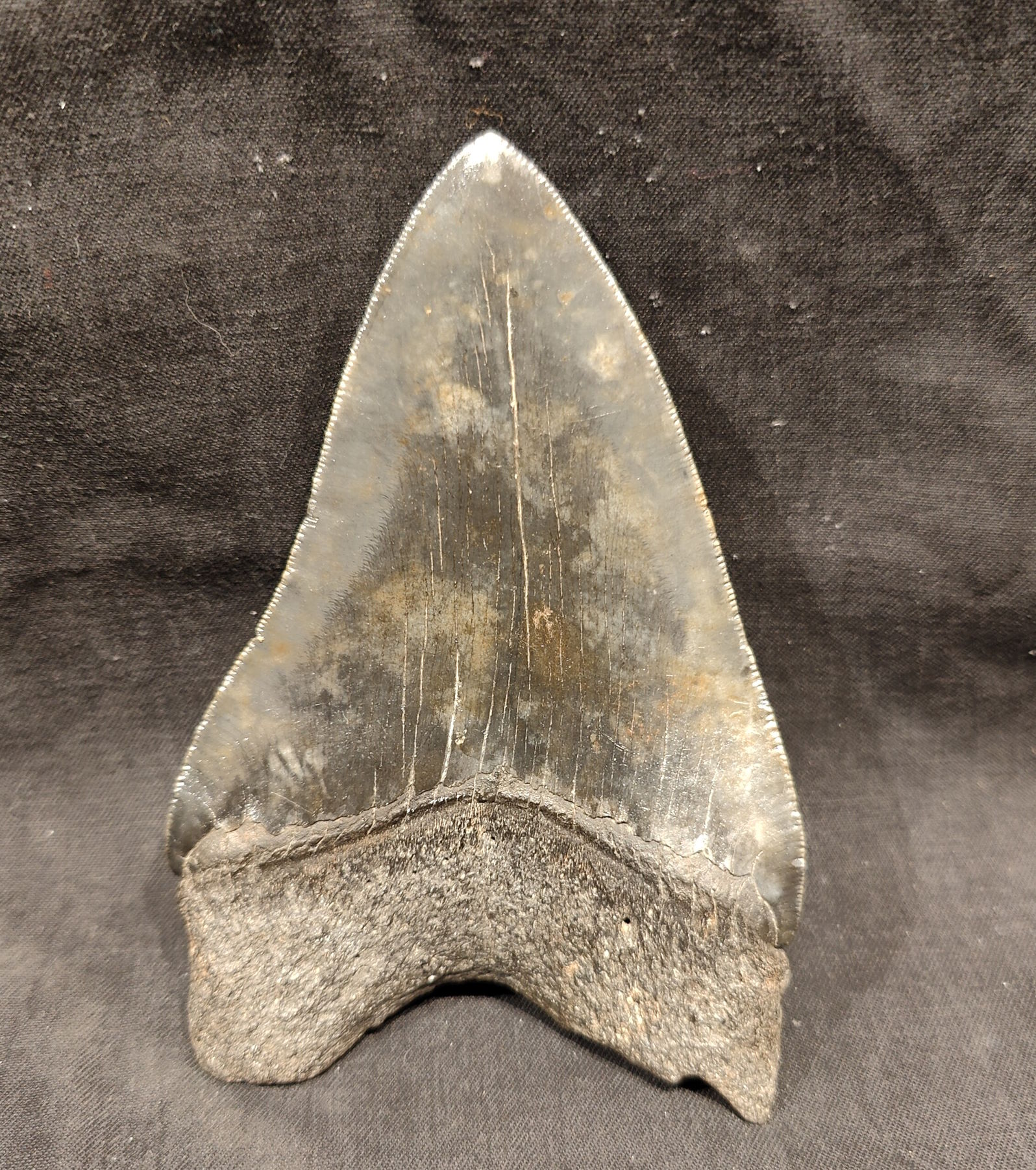 |
Otodus megalodon #SMM9005 Huge shark tooth; NO restoration! Miocene, 15 milj. years old Morgan River, S.C., U.S.A. Size: 4.8 inch / 12.2 cm Price: Euro |
|
Otodus obliquus #SMO5001 Shark tooth PalEocene, Phosphate beds 59 Million years old Khouribga Basin, Marocco Size: 2.96 inch / 7.4 cm Price: Euro 20.-- |
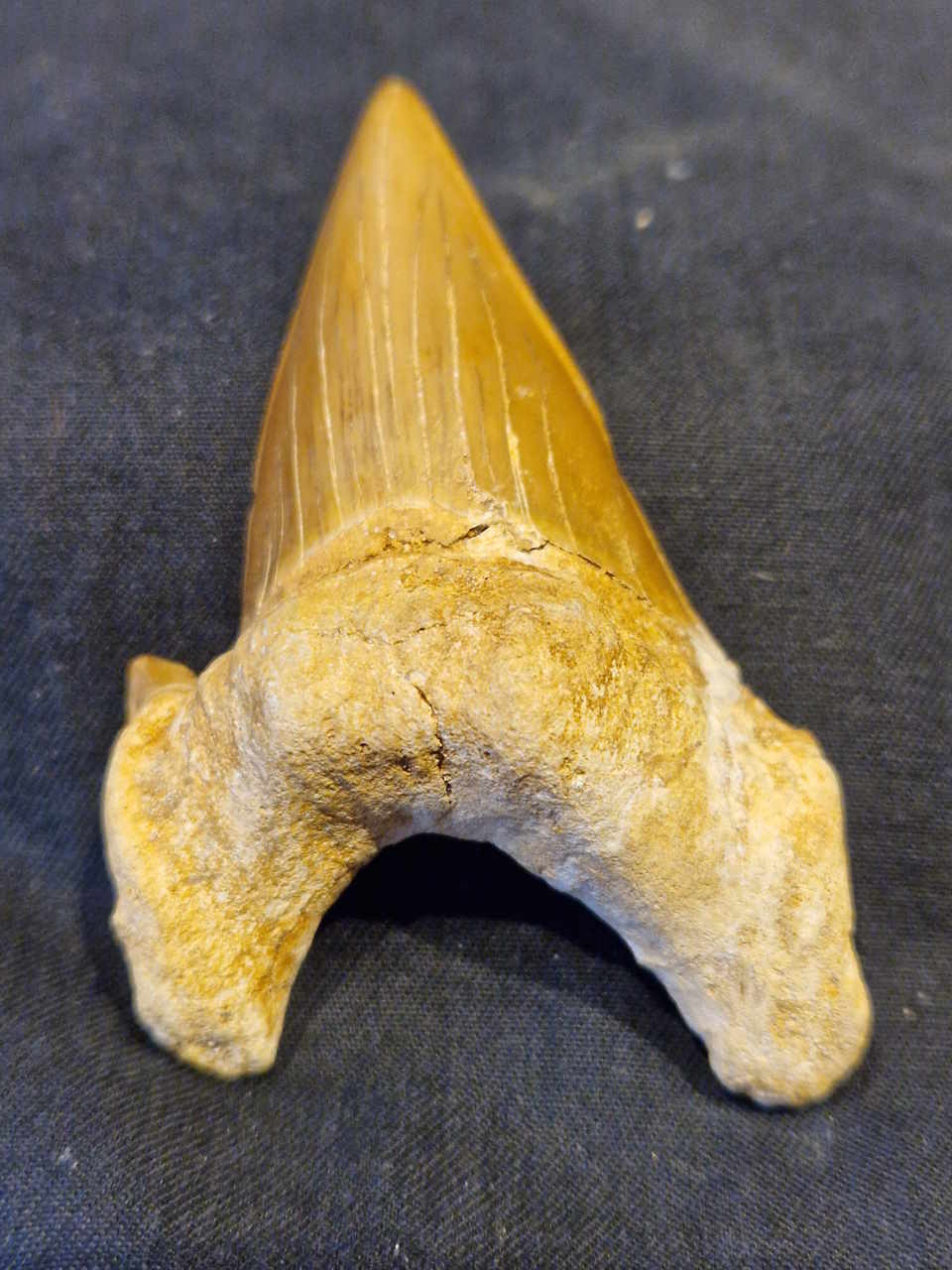 |
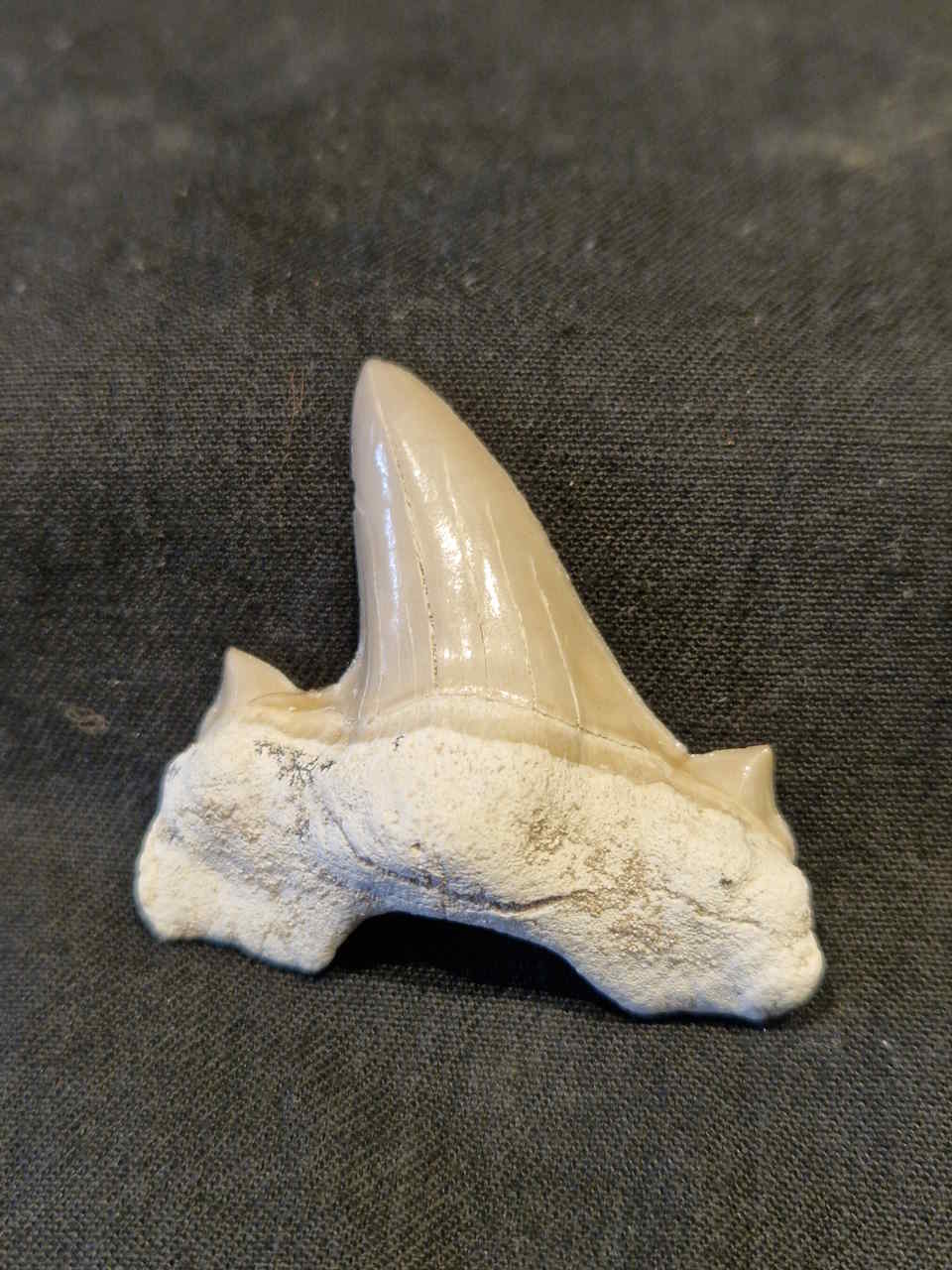 |
Otodus obliquus #SMO5002 Tooth No restoration PalEocene, Phosphate beds 59 Million years old Khouribga Basin, Marocco Size: 1.68 inch / 4.2 cm Price: Euro 20.-- |
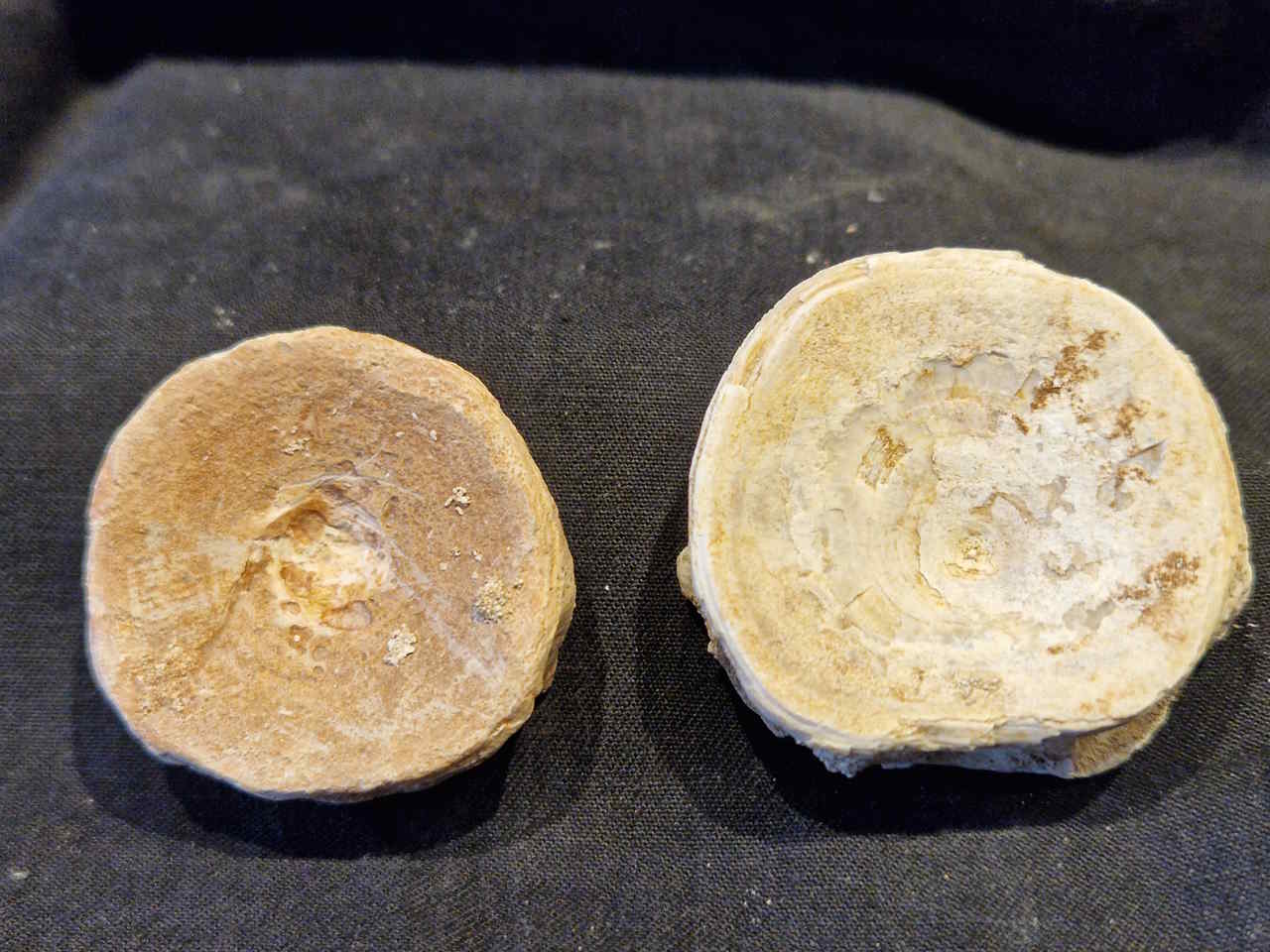 |
Otodus obliquus #SMO5004 2 Vertebra No restoration PalEocene, Phosphate beds 59 Million years old Khouribga Basin, Marocco Size biggest : 1.6 inch / 4 cm Price: Euro 20.-- |
 |
 |
|
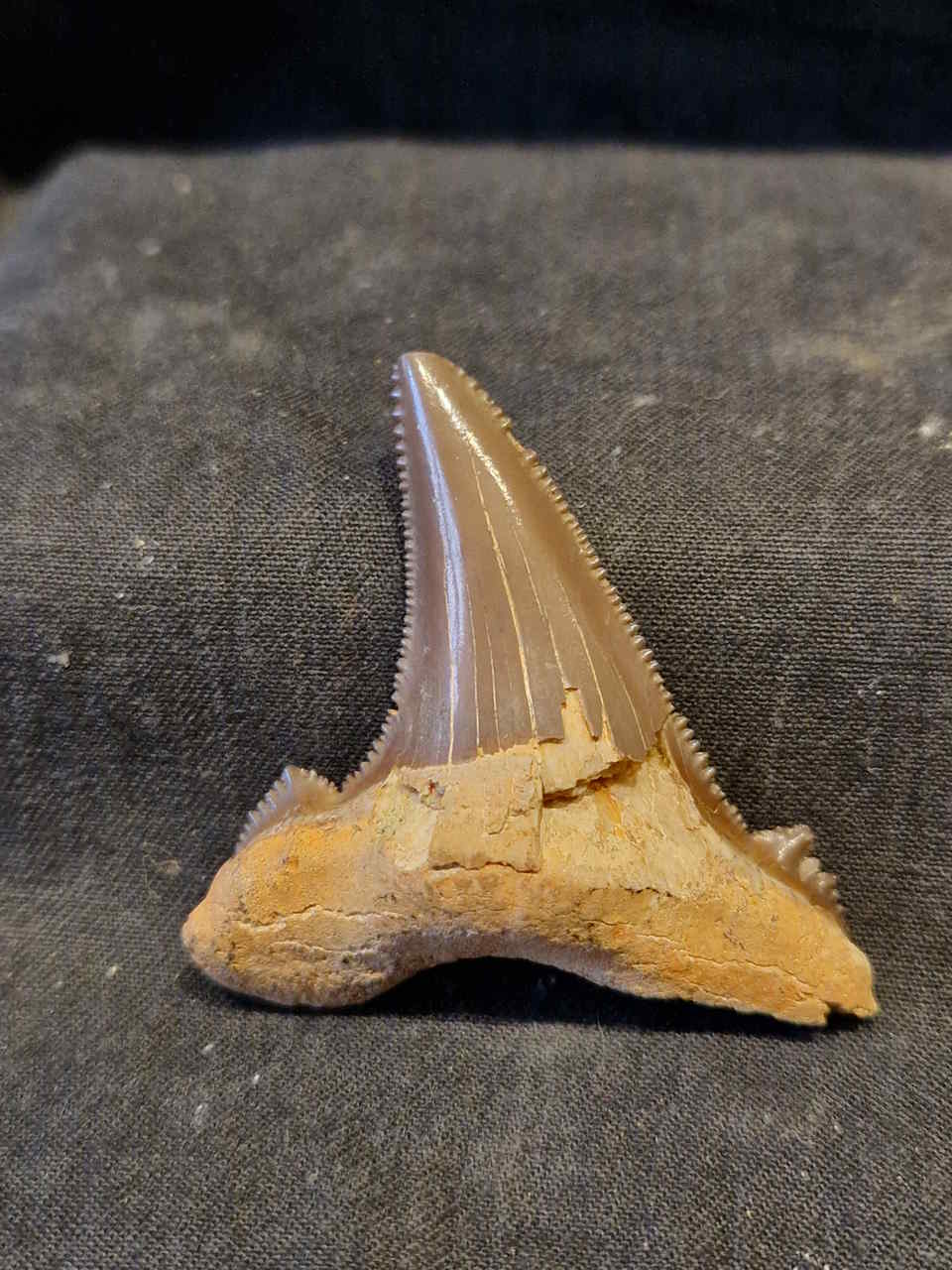
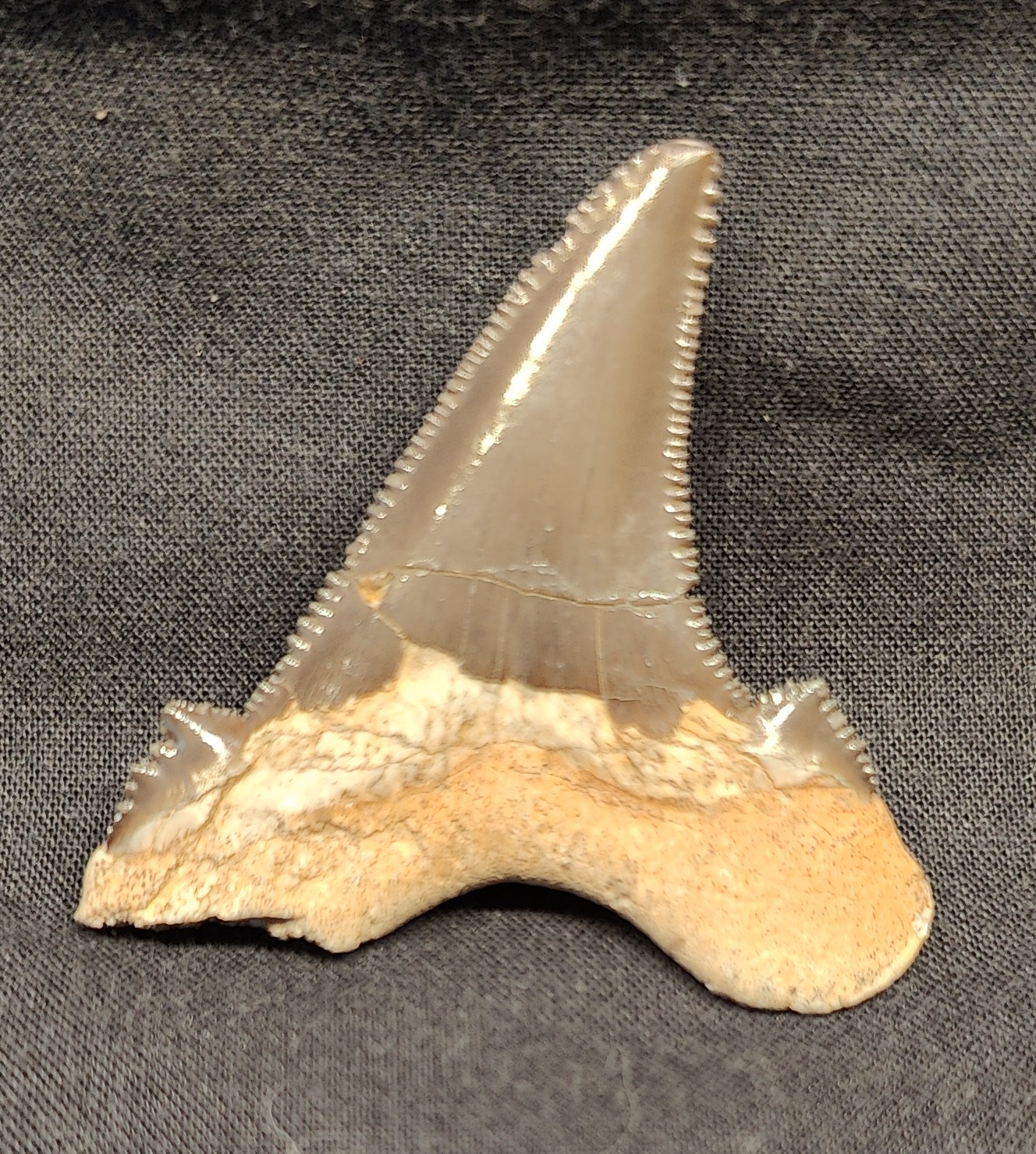
Otodus angustidens #SMU5007 Shark tooth; repaired, Rare Miocene, 18 milj. years old Savannah, Georgia, U.S.A. Size: 2.04 inch / 5.1 cm Price: Euro 50.-- | |
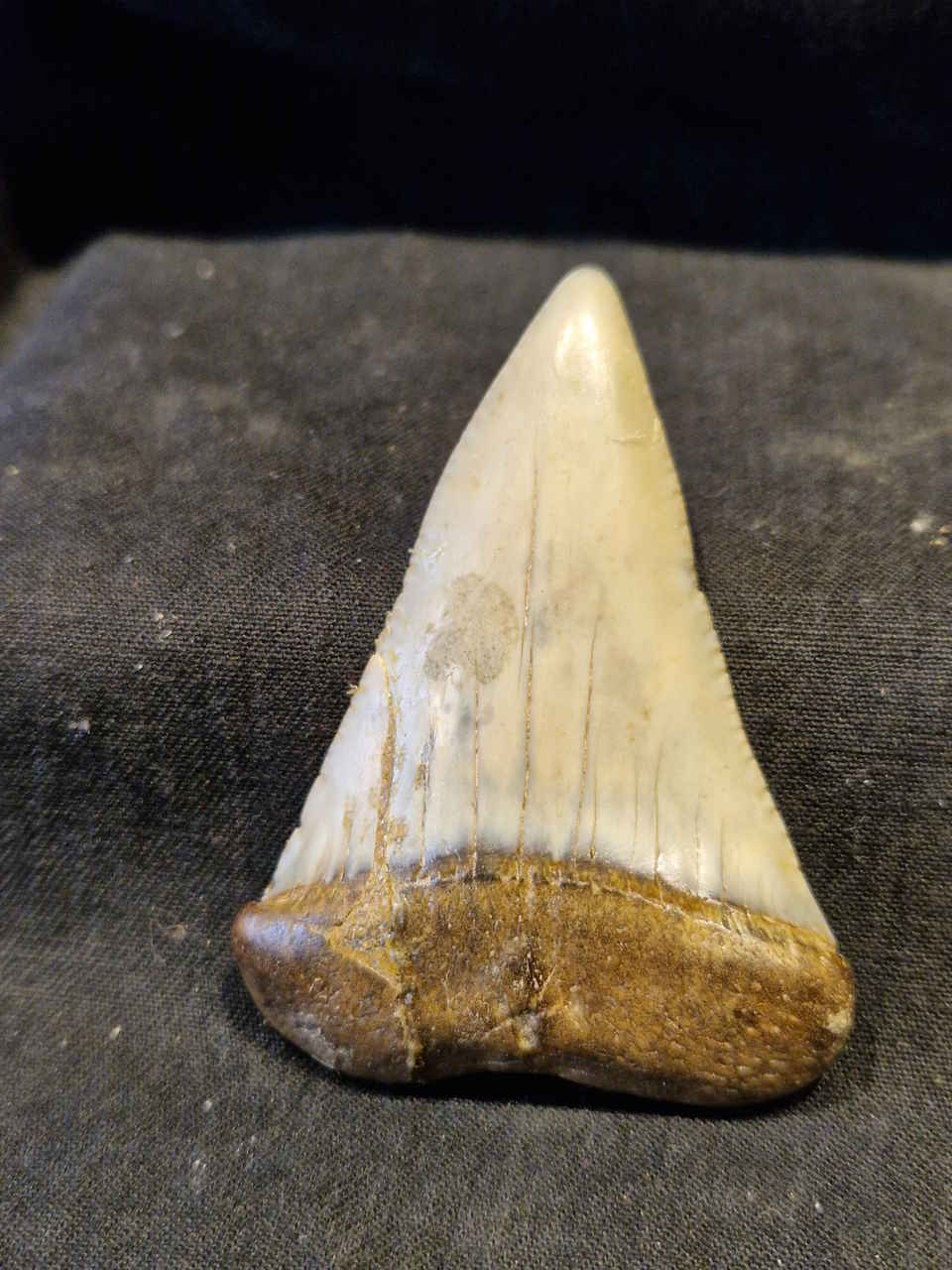 |
Carcharodon carcharias #SCP5008 White - shark tooth; repaired Peruvian shark tooth No restoration L.Miocene, 18 milj. years old Caballos Form, Sacaco, South of Ica Peru Size: 2.24 inch / 5.6 cm Price: Euro 80.-- |
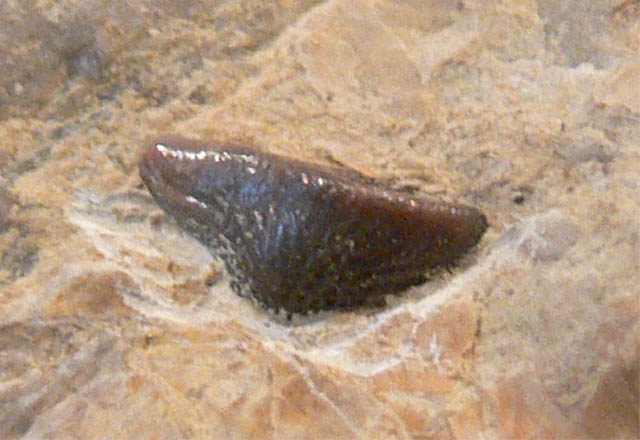 | Acrodus lateralis #AL5865 Tooth on small matrix plate Triassic, Muschelkalk 215 million years old Crailsheim, Germany Size: 0.20 inch / 0.5 cm Price: Euro 10.-- |
 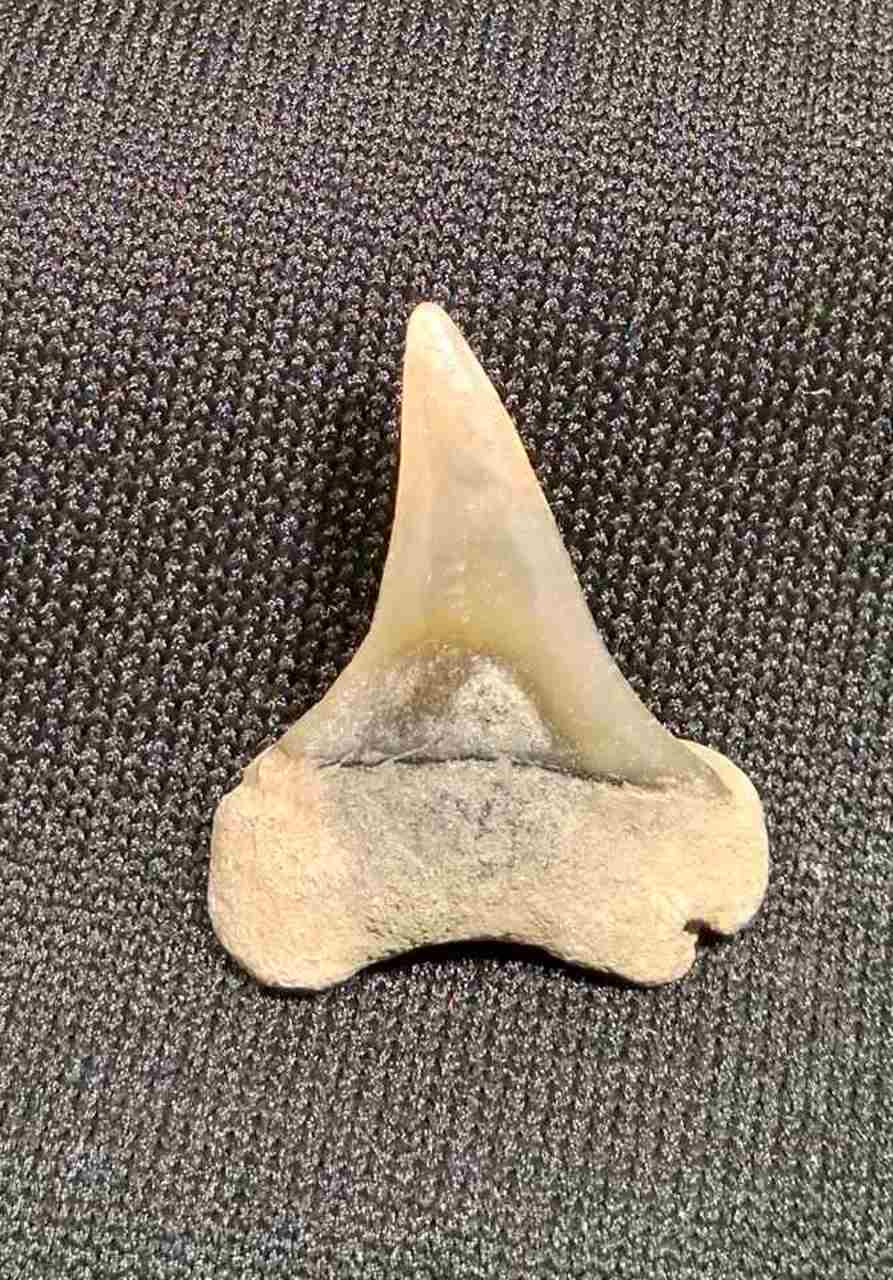 |
Cosmopolitodus hastalis #SCHR107 Shark tooth of this rare location Miocene, 15 milj. years old Rumst, Belgium Size largest: 1.2 inch / 3 cm Price: Euro 10.-- |
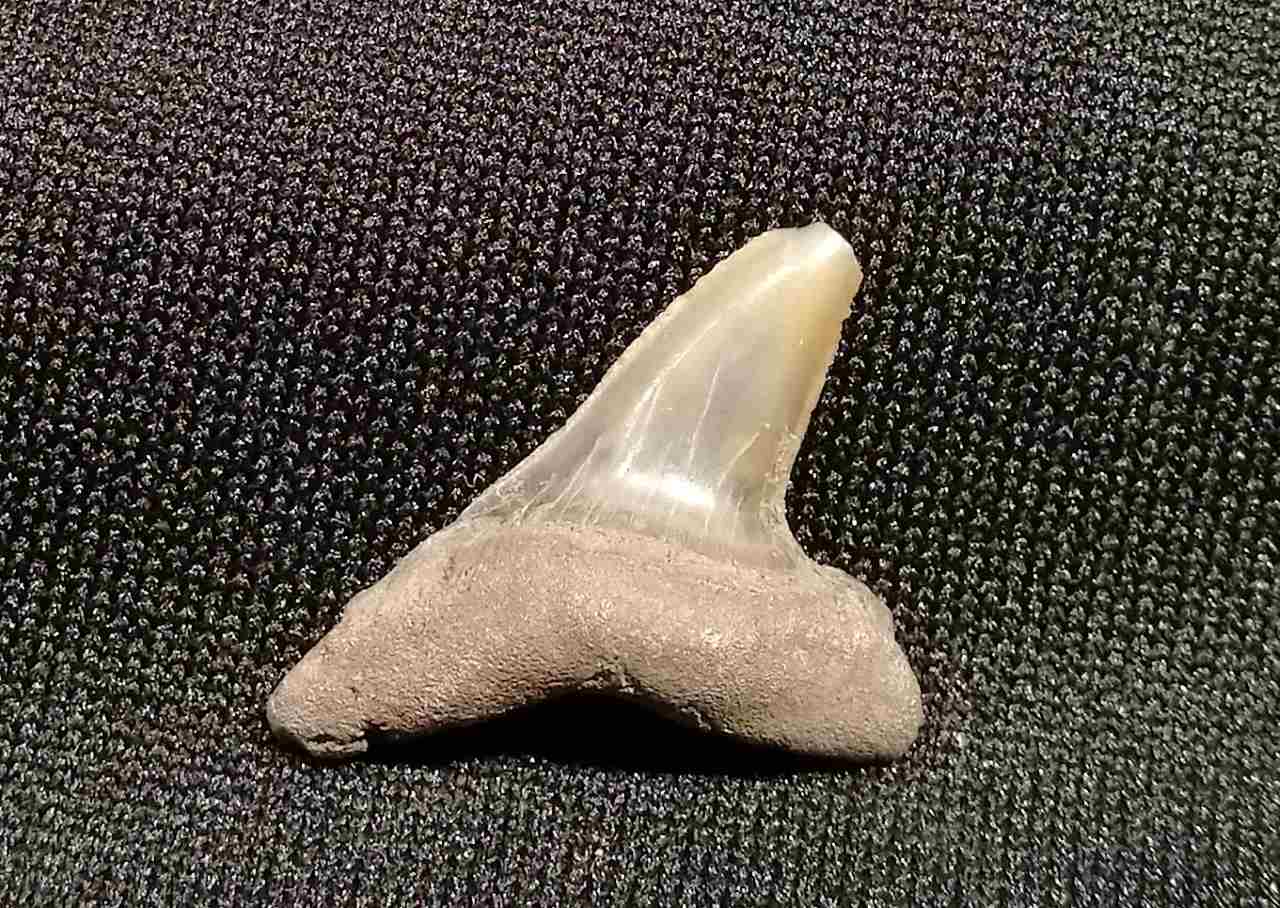
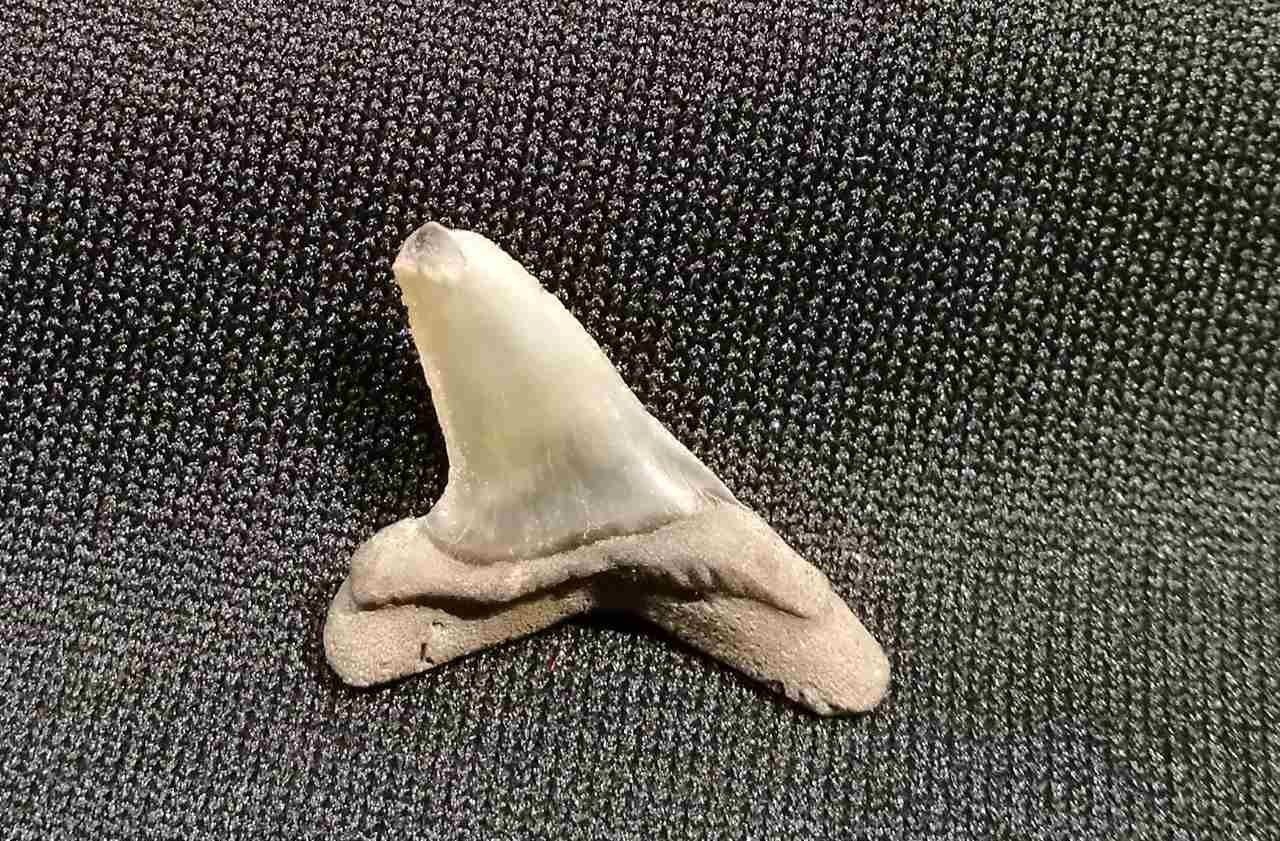
| Isurus retroflexus #SIIR109 Shark tooth of this rare location Miocene, 15 milj. years old Rumst, Belgium Size: 1.2 inch / 3 cm Price: Euro 10.-- |
  |
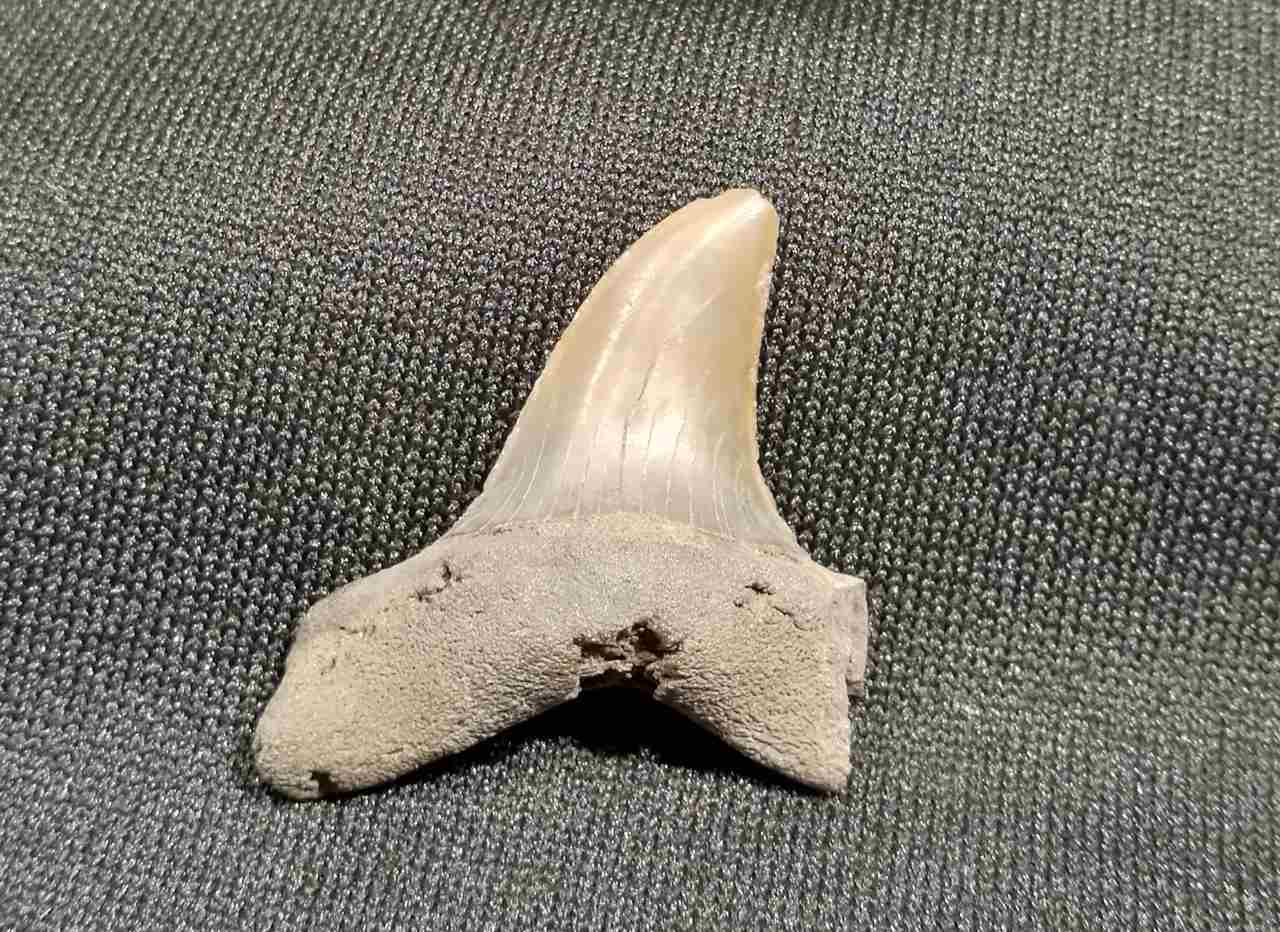 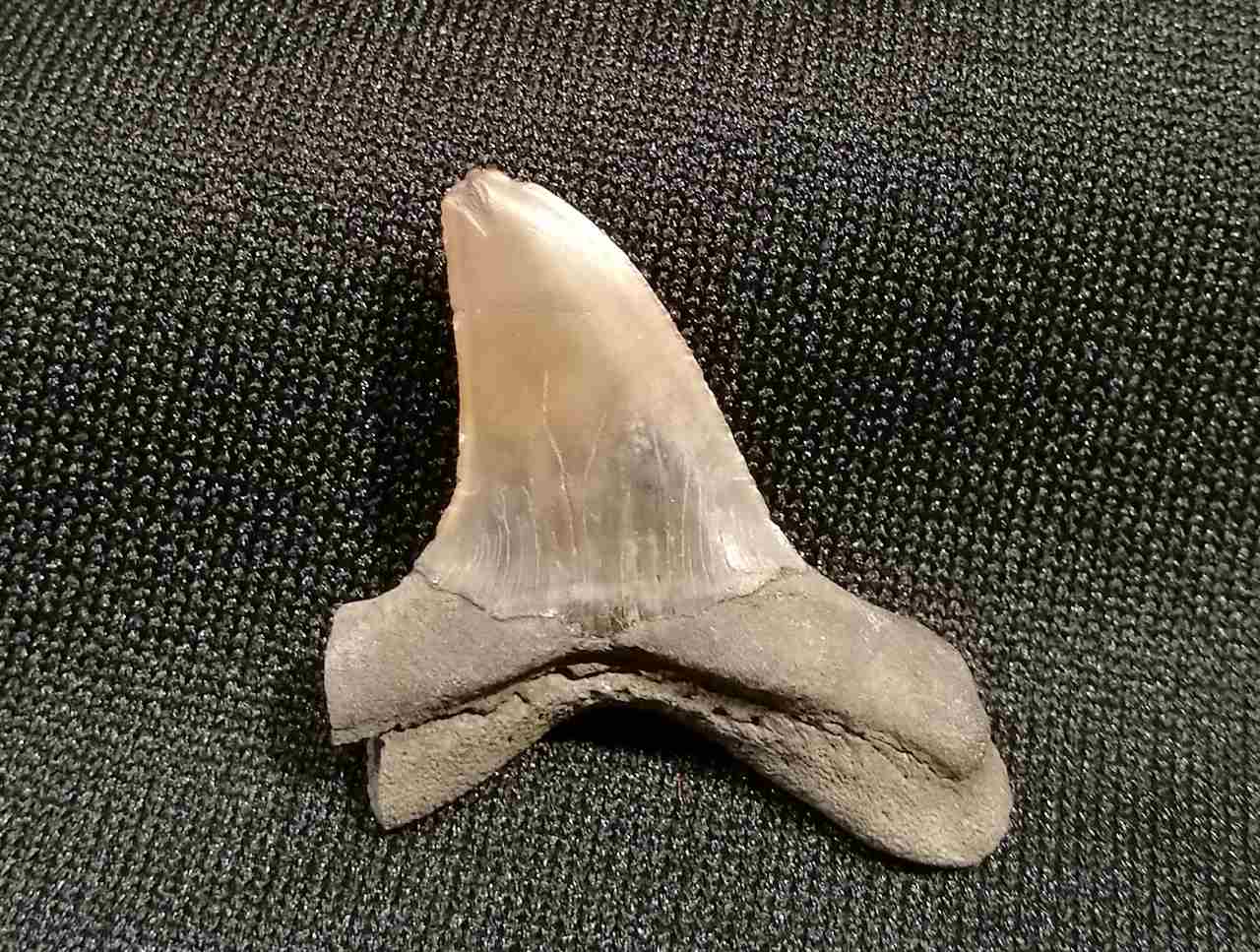 |
Isurus retroflexus #SIIR110 Shark tooth of this rare location Miocene, 15 milj. years old Rumst, Belgium Size: 1.68 inch / 4.2 cm Price: Euro 15.-- |
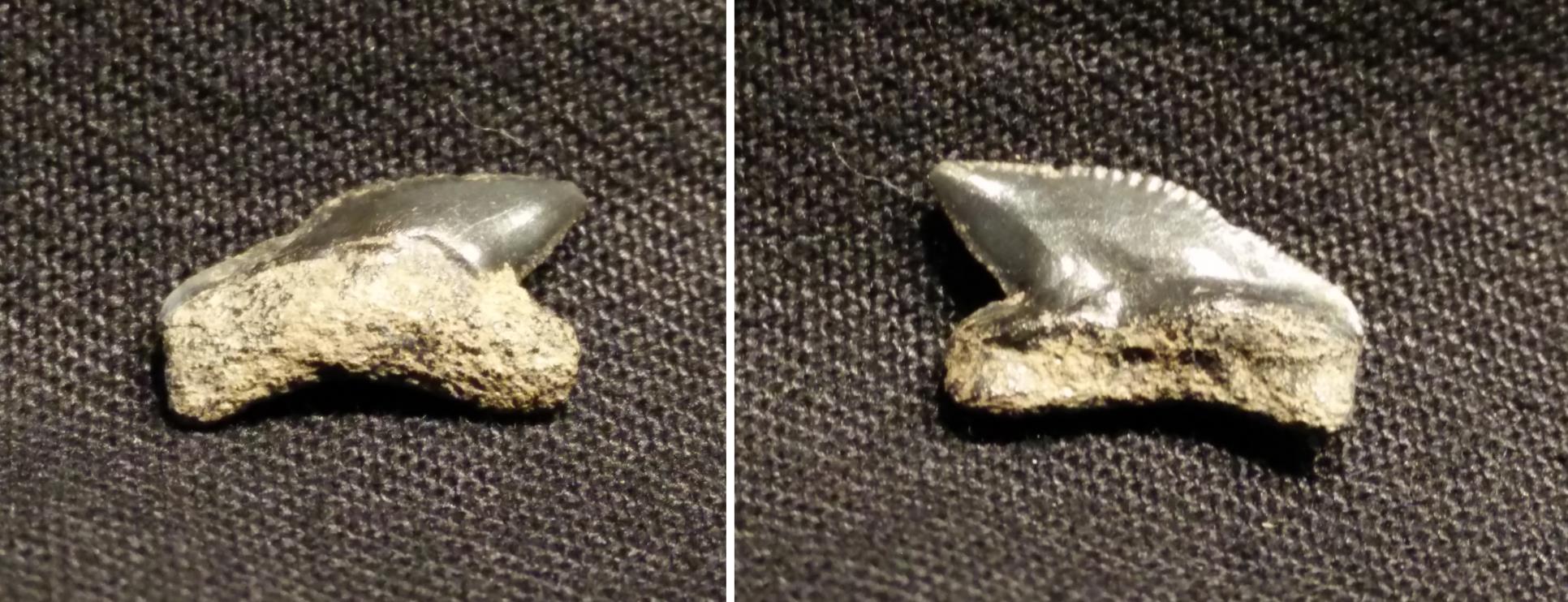 |
Squalicorax yangaensis #SSY016 (Darteville & Casier) Tonmbigbee Sand, Sant-Camp boundary U. Cretaceous, 80 milj. years old Columbus, Mississippi, U.S.A. Size: 0.51 inch / 1.3 cm Price: Euro 20.-- |
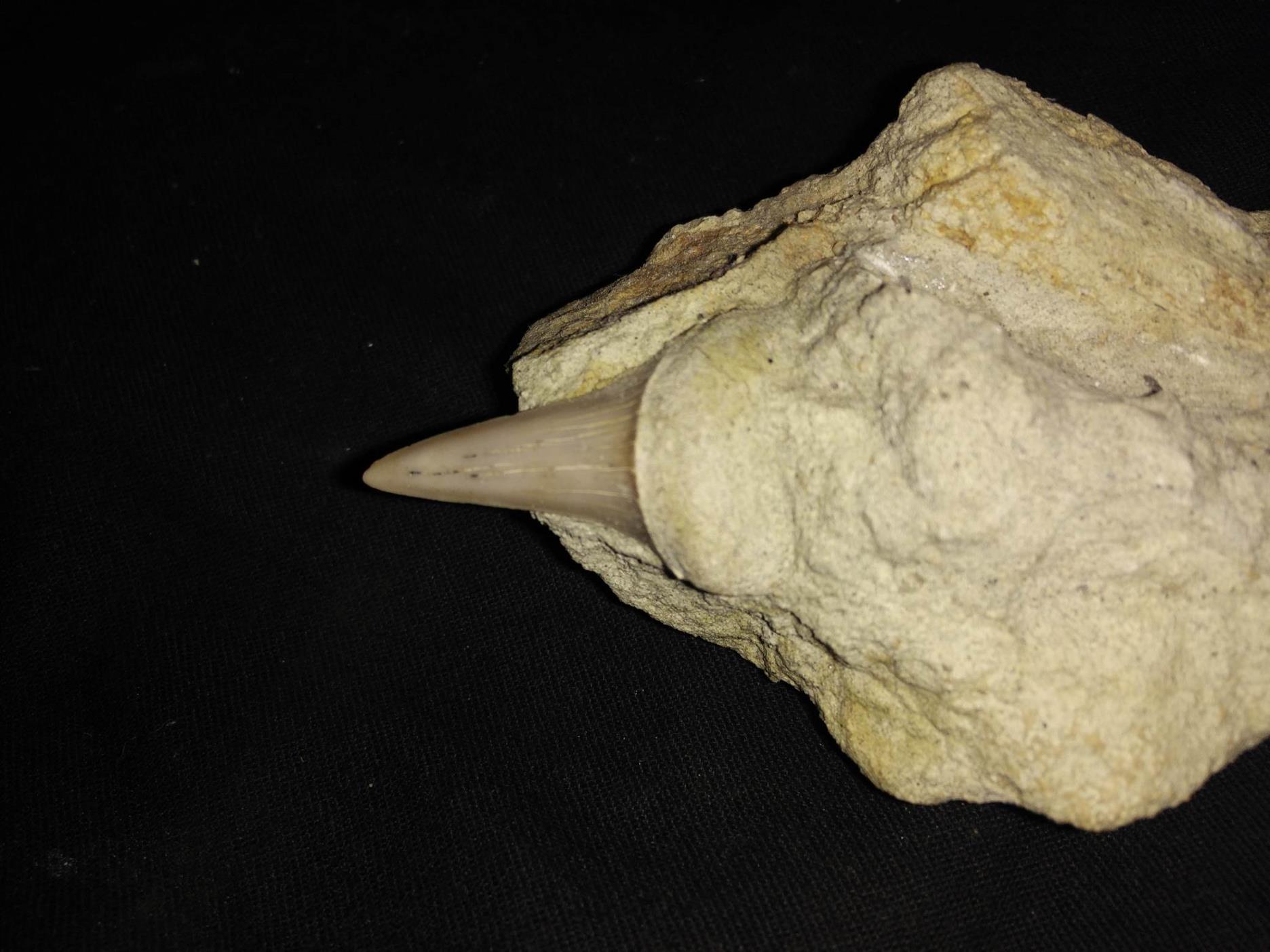 |
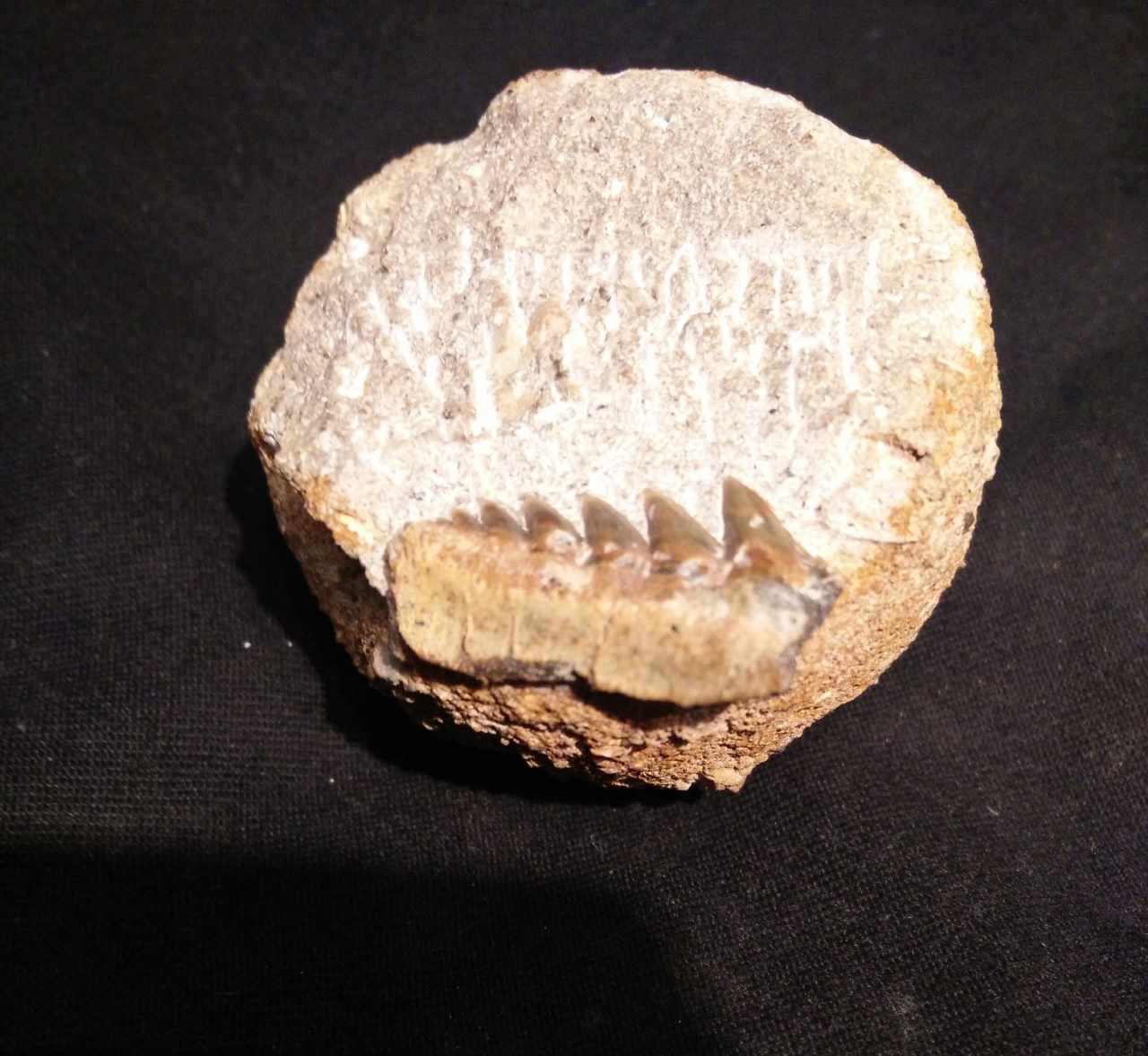
Cosmopolitodus hastalis #SIH009 Shark tooth in matrix with some bone fragments M.Miocene, Temblor Formation 16 milj. years old Sharktoothhill, Bakersfield, California Size: 1.3 inch / 3.3 cm Price: Euro: 20.-- |
 |
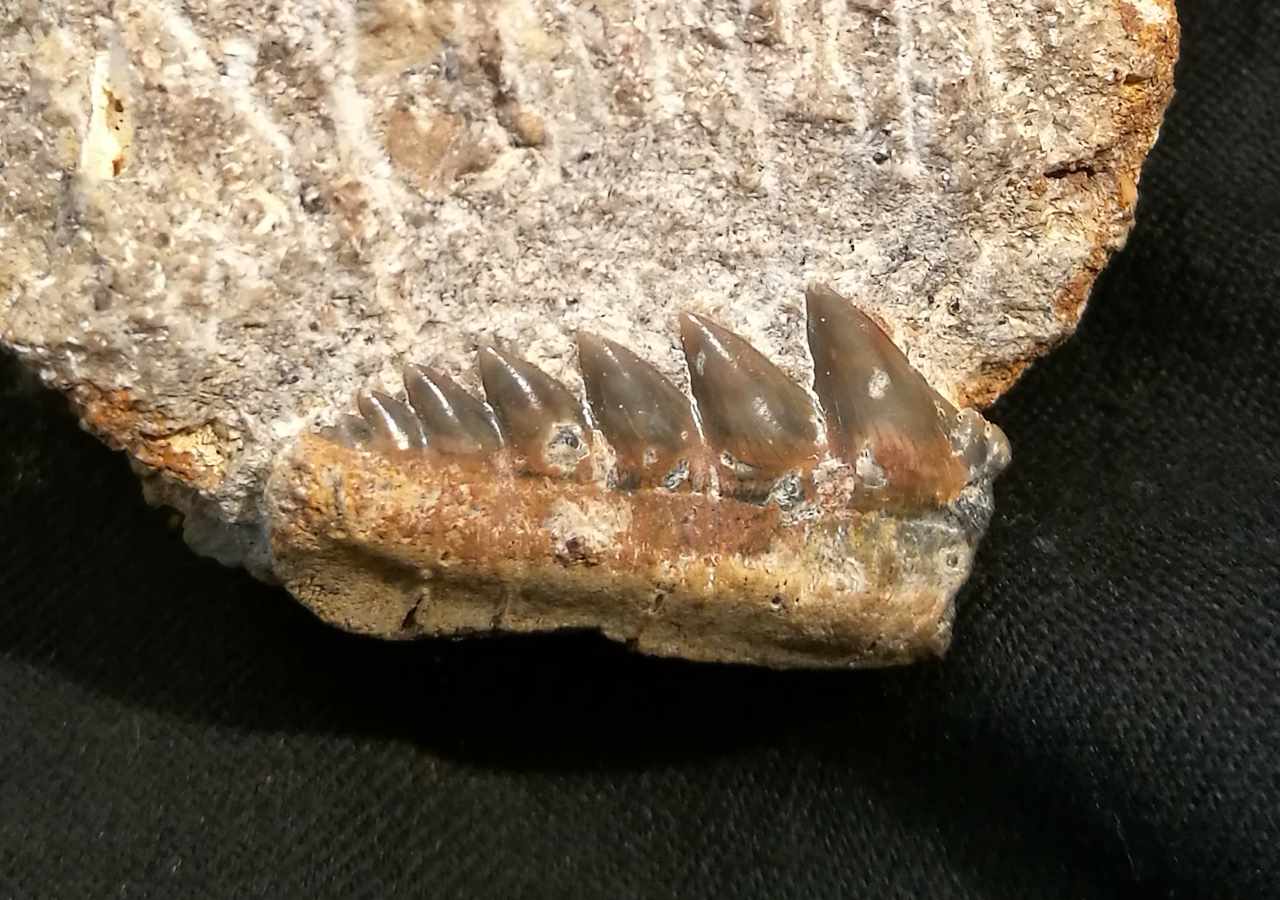 |
| Notorynchus primigenius #SNP9920 Rare nodule tooth. Mainzer becken Oligocene, 28 Million years old Alzey form., Neu Bamberg, Germany Size tooth: 0.98 inch / 2.5 cm Price: Euro 55.-- |
|
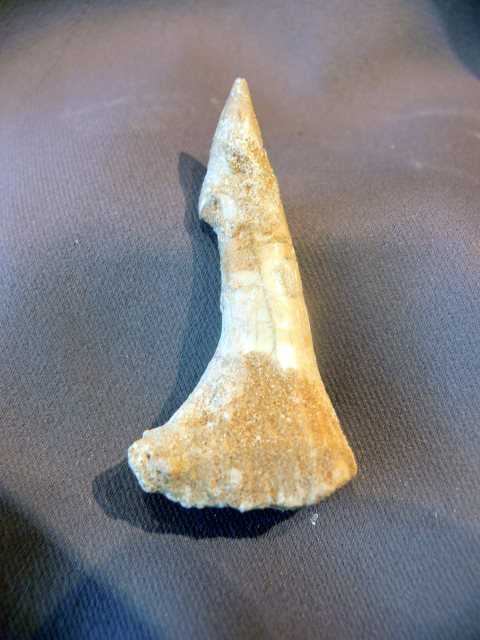
| Onchopristis numidus #SON9788 Nice complete Sawfish tooth, glued Tegana Formation (Cenomanian) Cretaceous 95 million years old Kem Kem Beds, Morocco Size: 2.2 inch / 5.5 cm Price: Euro 20.-- |
 |
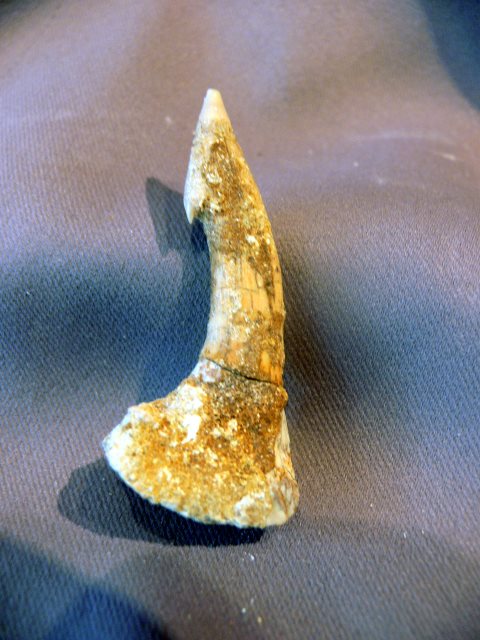 |
Onchopristis numidus #SON9789 Nice complete Sawfish tooth, Glued Tegana Formation (Cenomanian) Cretaceous 95 million years old Kem Kem Beds, Morocco Size: 2.16 inch / 5.4 cm Price: Euro 20.-- |
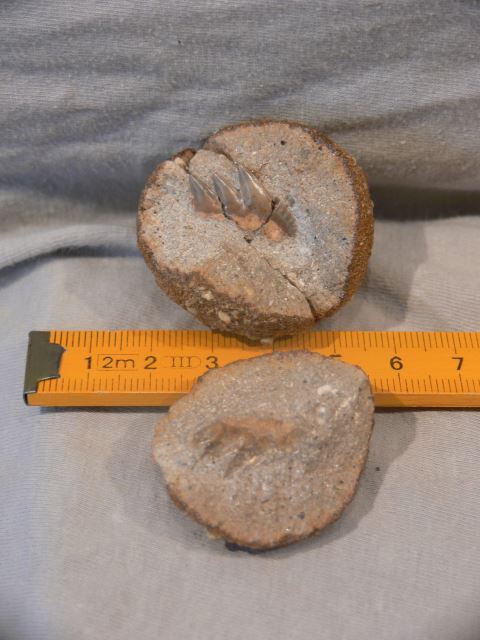
| Notorynchus primigenius #SND8562 Rare nodule tooth. Pos/Neg. Mainzer becken Some repair Oligocene, 28 Million years old Alzey form., Neu Bamberg, Germany Size tooth: 0.72 inch / 1.8 cm Price: Euro 40.-- |
 |
 |
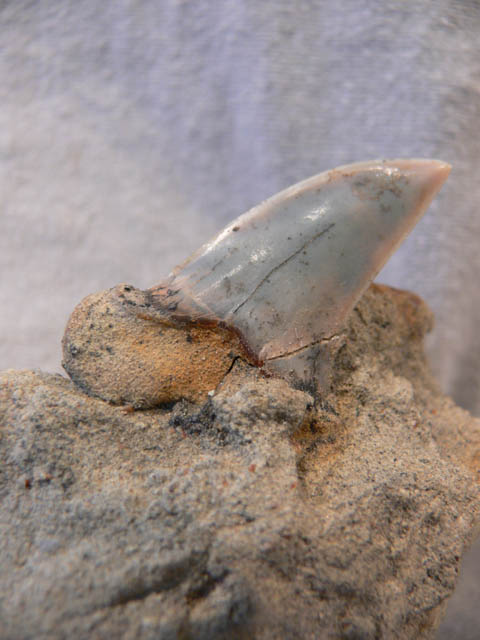 |
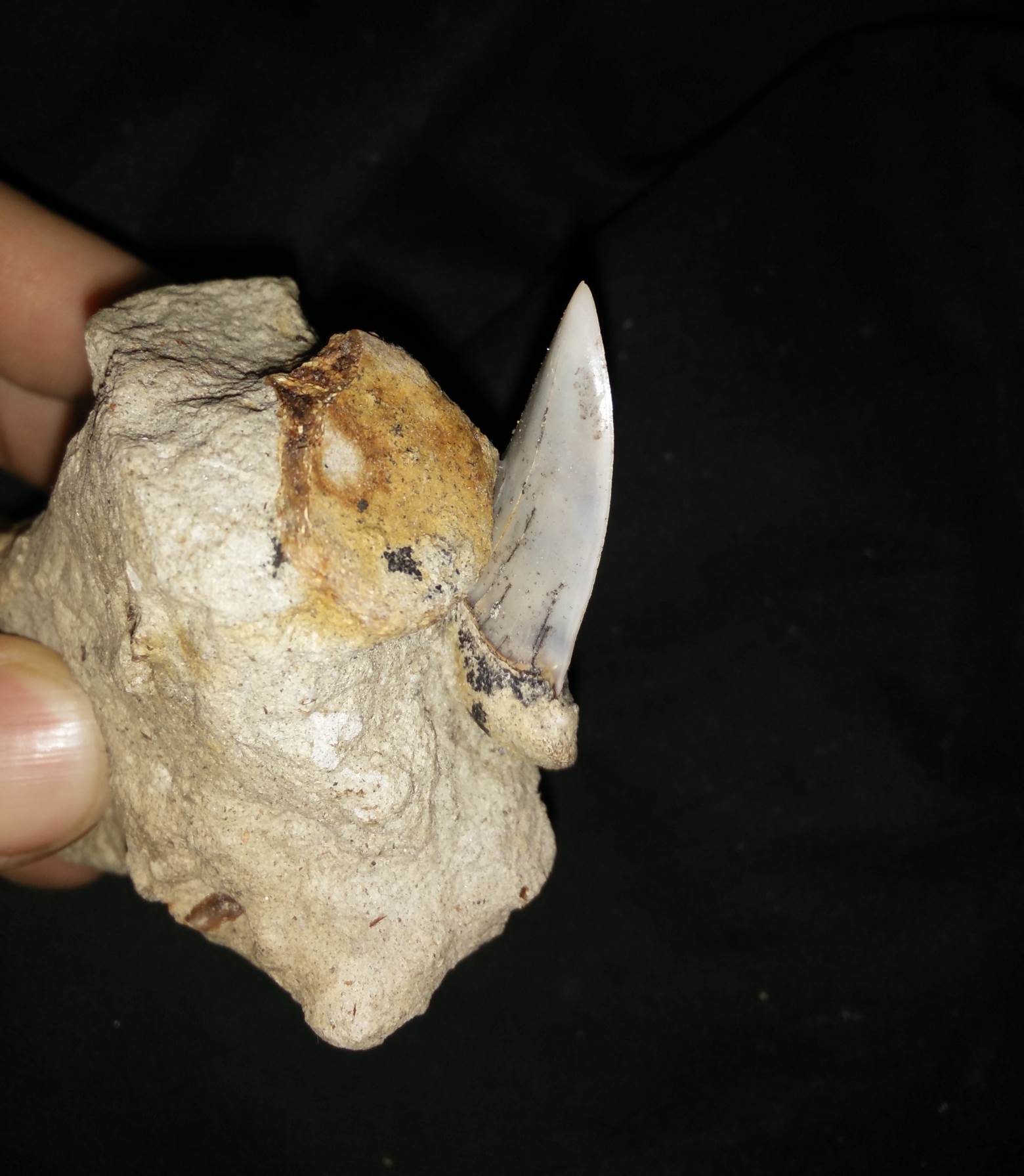
| Isurus planus #IP0151 Shark tooth in Matrix with vertebra M.Miocene, Temblor Formation 16 milj. years old Sharktoothhill, Bakersfield, California Size: 1.64 inch / 4.1 cm Price: Euro 15.-- |
|
 |
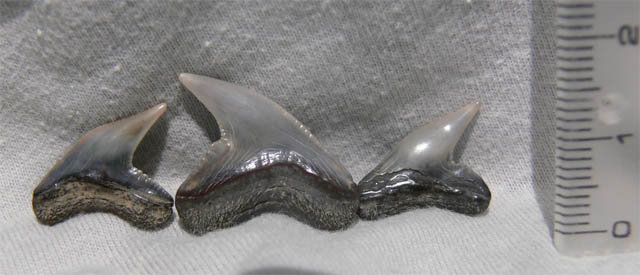 |
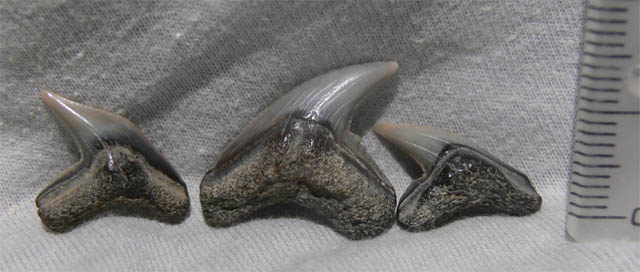
| Galeocerdo aduncus #SGA7329 (Agassiz) Bone Valley formation Miocene, 15 milj. years old Venice beach, Florida, U.S.A. Size biggest: 0.88 inch / 2.2 cm Price for set of 3: Euro 15.-- |
|
 |
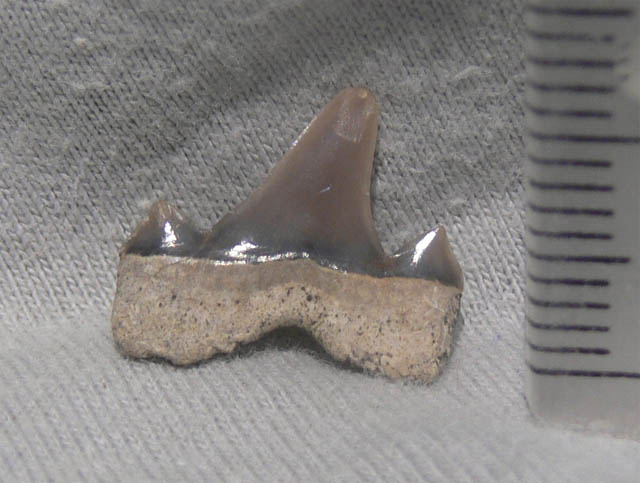 |
| Cretalamna appendiculata #SCA7360 (Agassiz) Tonmbigbee Sand, Sant-Camp boundary U. Cretaceous, 80 milj. years old Columbus, Mississippi, U.S.A. Size: 0.56 inch / 1.4 cm Price: Euro 10.-- |
|
 |
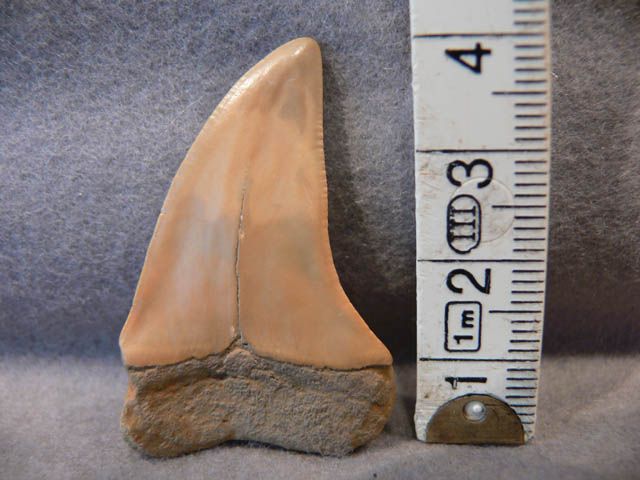 |
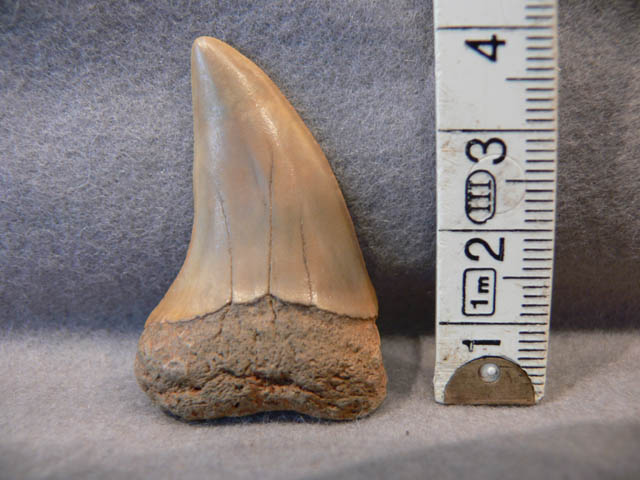
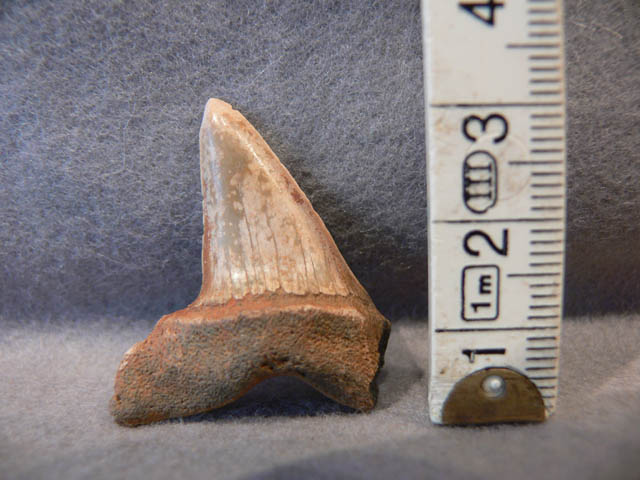
| Isurus escheri #SIE6987 Shark tooth of this rare location Miocene, 15 milj. years old Rumst, Belgium Size: 1.8 inch / 4.5 cm Price: Euro 25.-- On Hold |
|
 |
 |
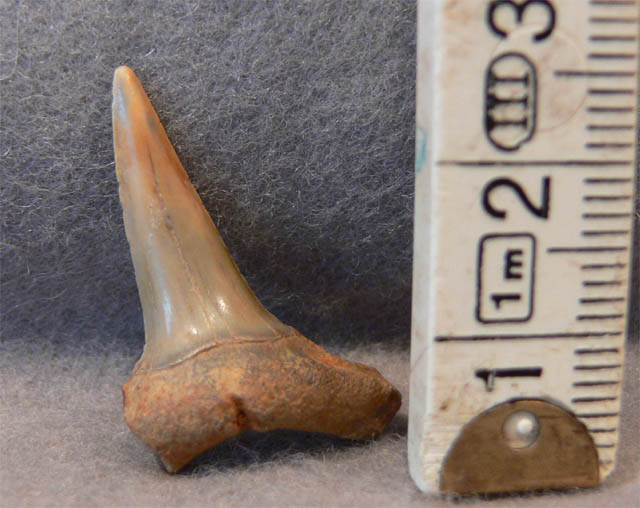
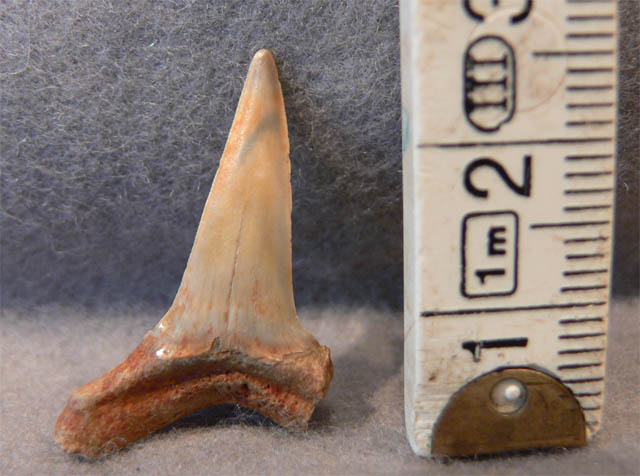
| Isurus retroflexus #SIR6989 Shark tooth of this rare location Miocene, 15 milj. years old Rumst, Belgium Size: 1.36 inch / 3.4 cm Price: Euro 15.-- |
|
 |
 |
| Carcharias vorax #SCV6991 Shark tooth of this rare location Miocene, 15 milj. years old Rumst, Belgium Size: 1.16 inch / 2.9 cm Price: Euro 10.-- |
|
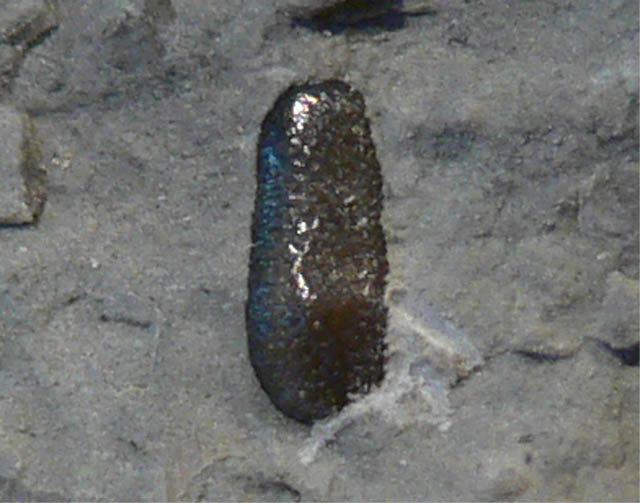 |
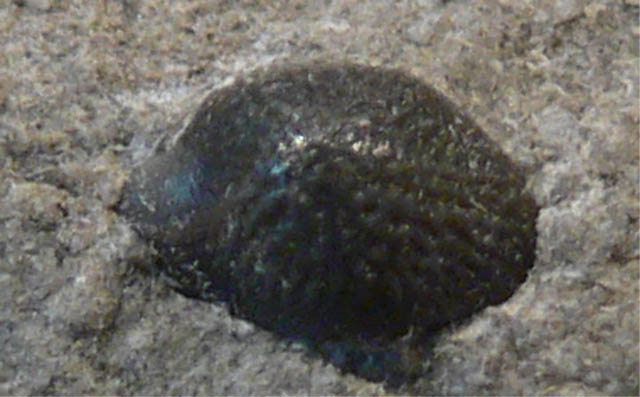
Palaeobates angustissimus #PA5859 Tooth on small matrix plate Triassic, Muschelkalk, 215 million years old Crailsheim, Germany Size: 0.16 inch / 0.4 cm Price: Euro 15.-- |
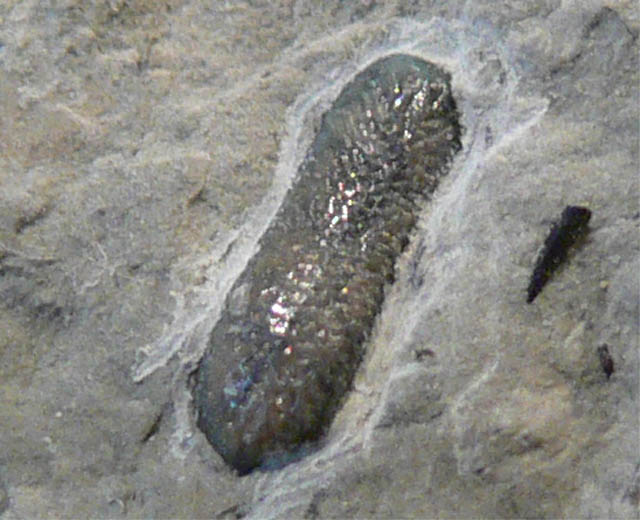
| Palaeobates angustissimus #PA5860 Tooth on small matrix plate Triassic, Muschelkalk 215 million years old Crailsheim, Germany Size: 0.20 inch / 0.5 cm Price: Euro 15.-- |
 |
 |
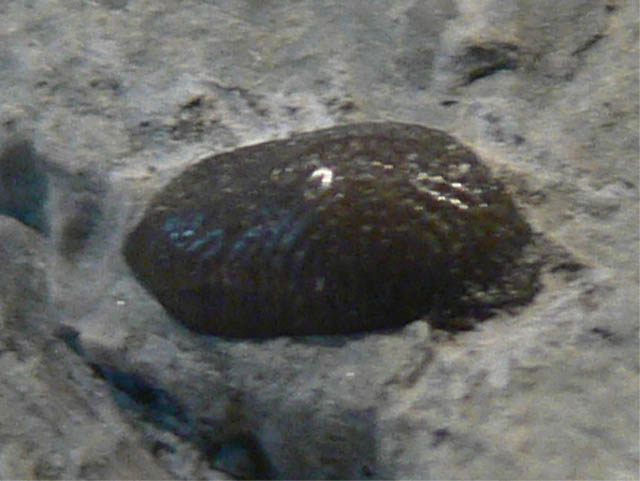
Acrodus lateralis #AL5861 Tooth on small matrix plate Triassic, Muschelkalk 215 million years old Crailsheim, Germany Size: 0.16 inch / 0.4 cm Price: Euro 10.-- |
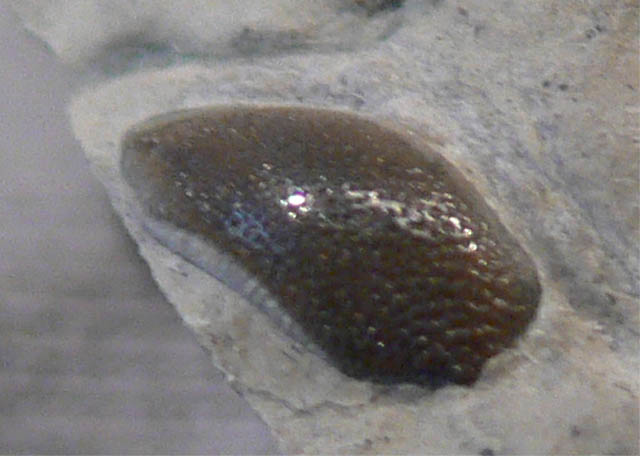
| Acrodus lateralis #AL5862 Tooth on small matrix plate Triassic, Muschelkalk 215 million years old Crailsheim, Germany Size: 0.20 inch / 0.5 cm Price: Euro 10.-- |
 |
 |
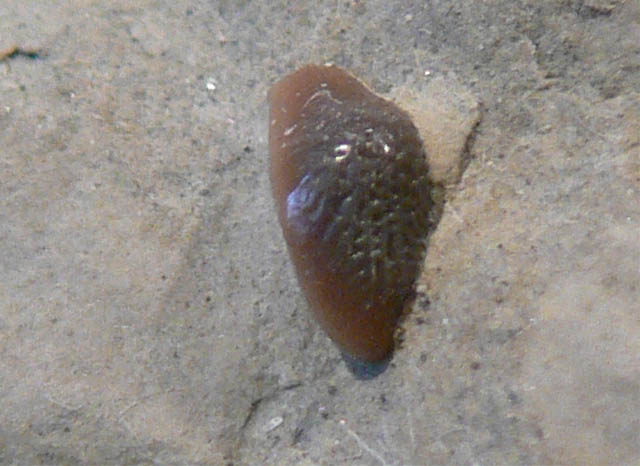
Acrodus lateralis #AL5863 Tooth on small matrix plate Triassic, Muschelkalk 215 million years old Crailsheim, Germany Size: 0.20 inch / 0.5 cm Price: Euro 10.-- |
| Acrodus lateralis #AL5864 Tooth on small matrix plate Triassic, Muschelkalk 215 million years old Crailsheim, Germany Size: 0.20 inch / 0.5 cm Price: Euro 10.-- |
 |
|
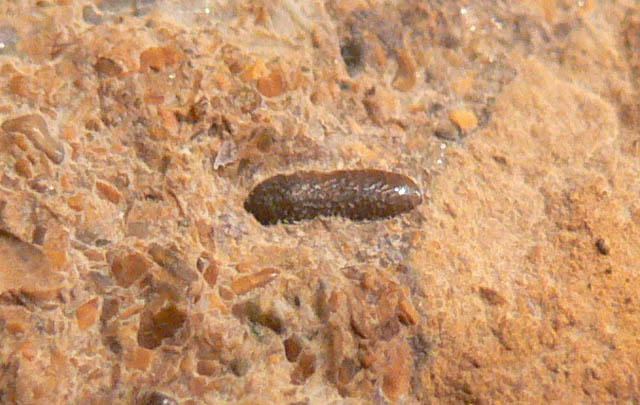
Palaeobates angustissimus #PC015 |
 |
| SOLDS BELOW | SOLDS BELOW |
|
Carcharodon carcharias #SCC9010 Very big white shark tooth. Old collection Pliocene, 3.5 milj. years old Atacama desert, Chile Size: 2.76 inch / 7 cm Price: Euro |
 |
|
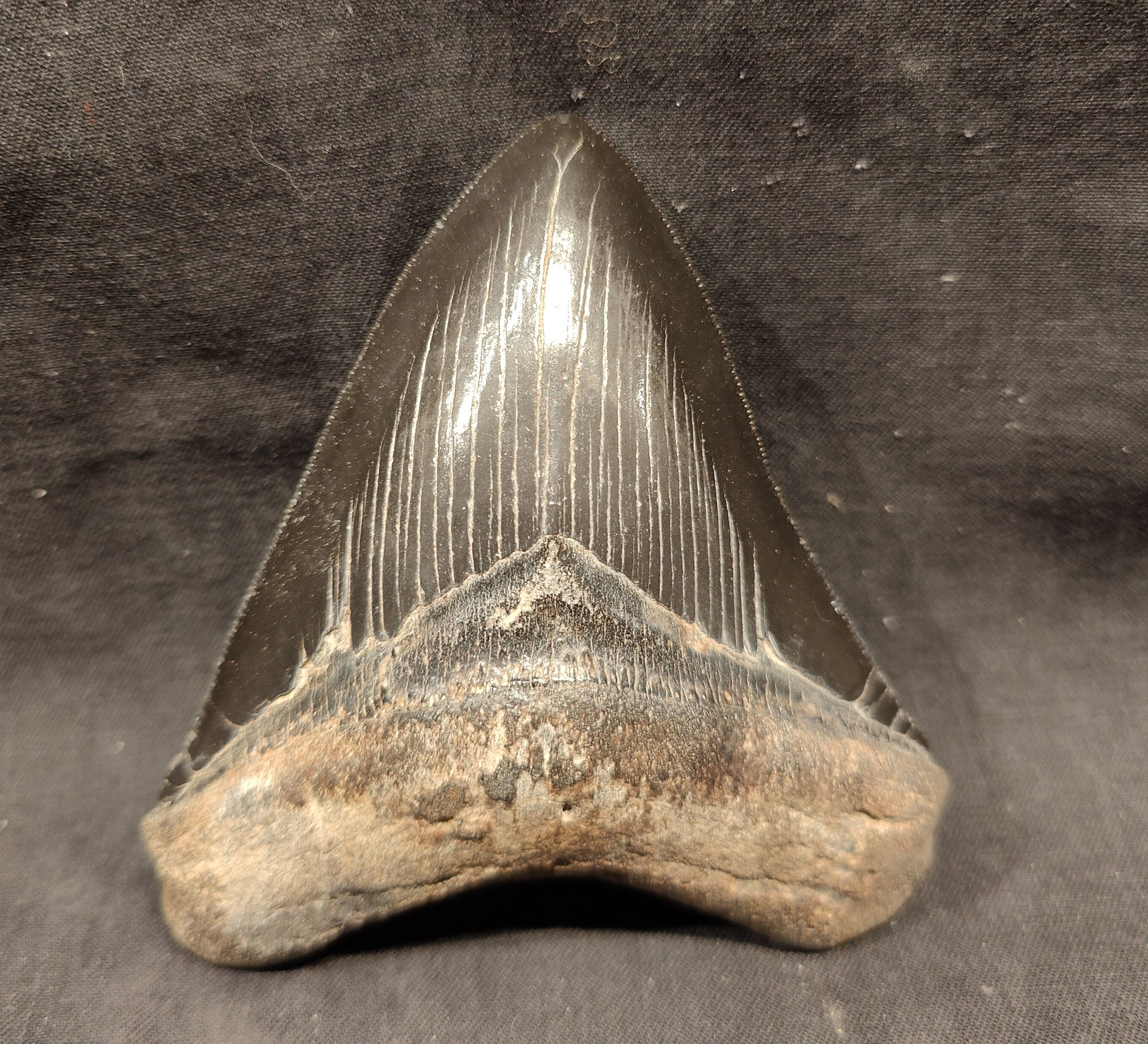
Otodus megalodon #SMM9006 Superb shark tooth; NO restoration! Miocene, 15 milj. years old Morgan River, S.C., U.S.A. Size: 4 inch / 10.2 cm Price: Euro |
 |
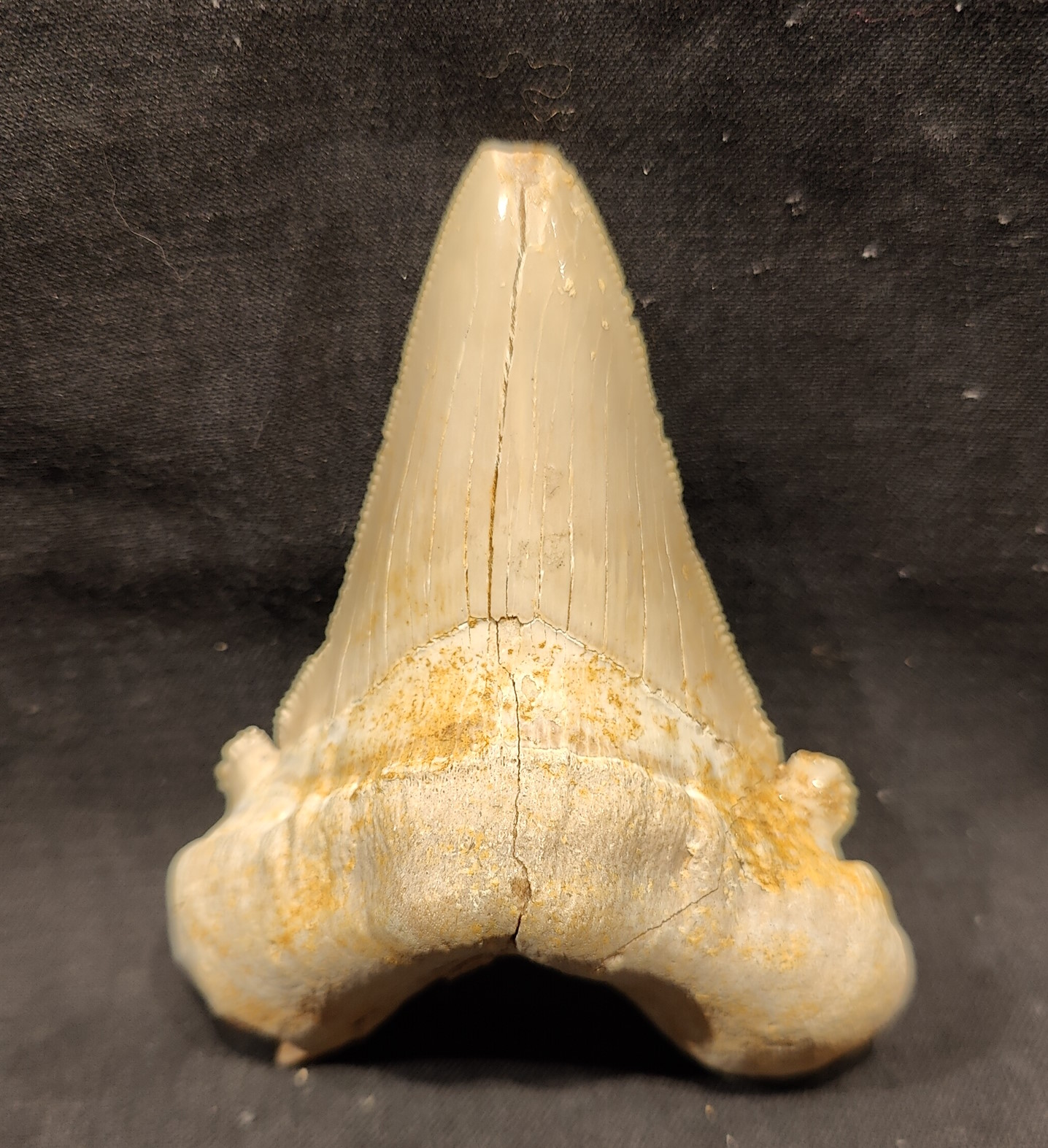 |
Otodus sokolovi #SCS9007 Shark tooth; glued Upper Eocene, 35 milj. years old Dakhla, Western Sahara Size: 3.54 inch / 9 cm Price: |
|
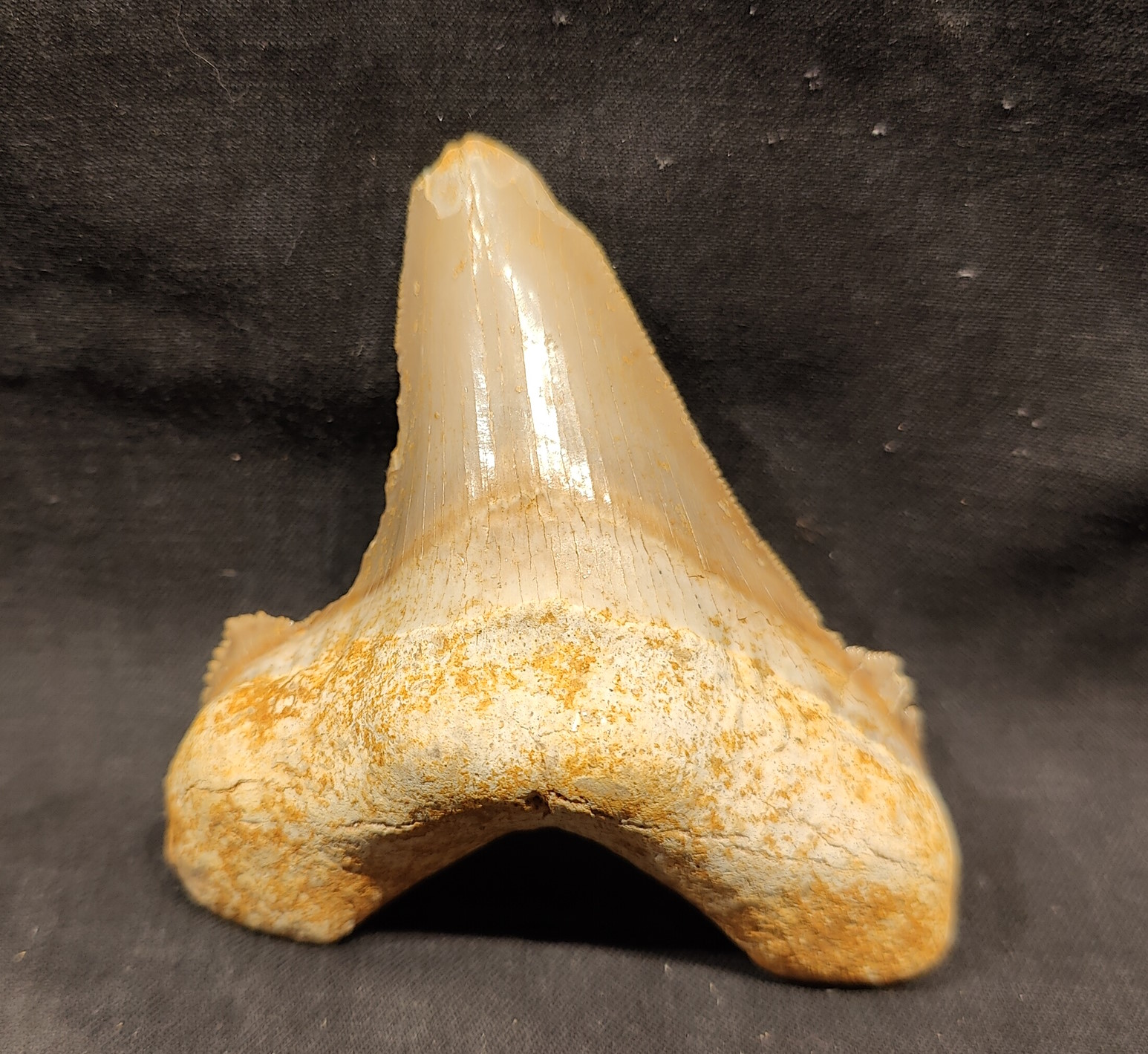
Otodus sokolovi #SCS9008 Shark tooth; NO restoration! Upper Eocene, 35 milj. years old Dakhla, Western Sahara Size: 3.54 inch / 9 cm Price: |
 |
|
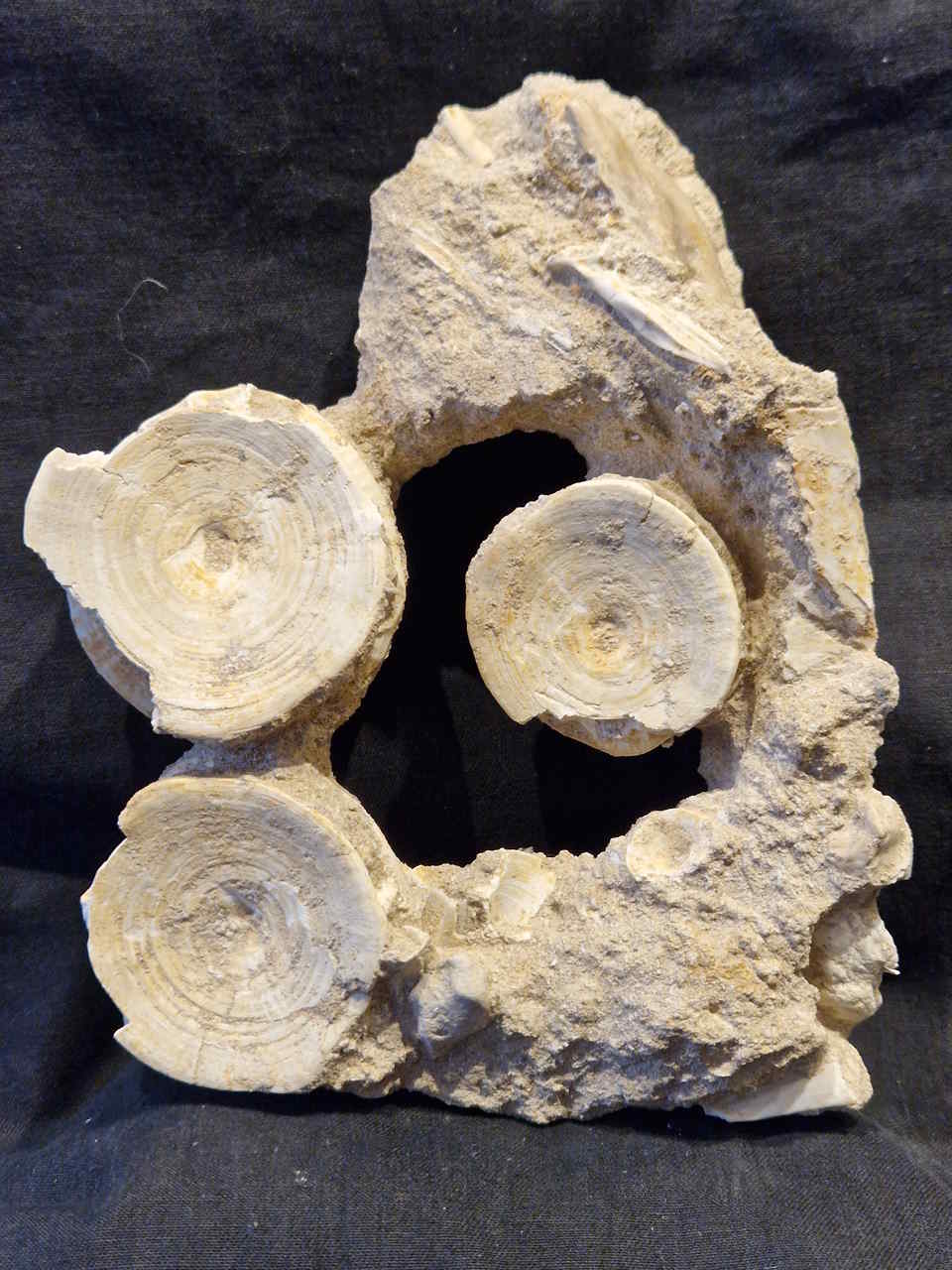
Otodus obliquus #SMO5003 Vertebra on 3d prepped Matrix No restoration PalEocene, Phosphate beds 59 Million years old Khouribga Basin, Marocco Size matrix: 6 by 4.6 inch / 15 by 11.5 cm Price: |
 |
|
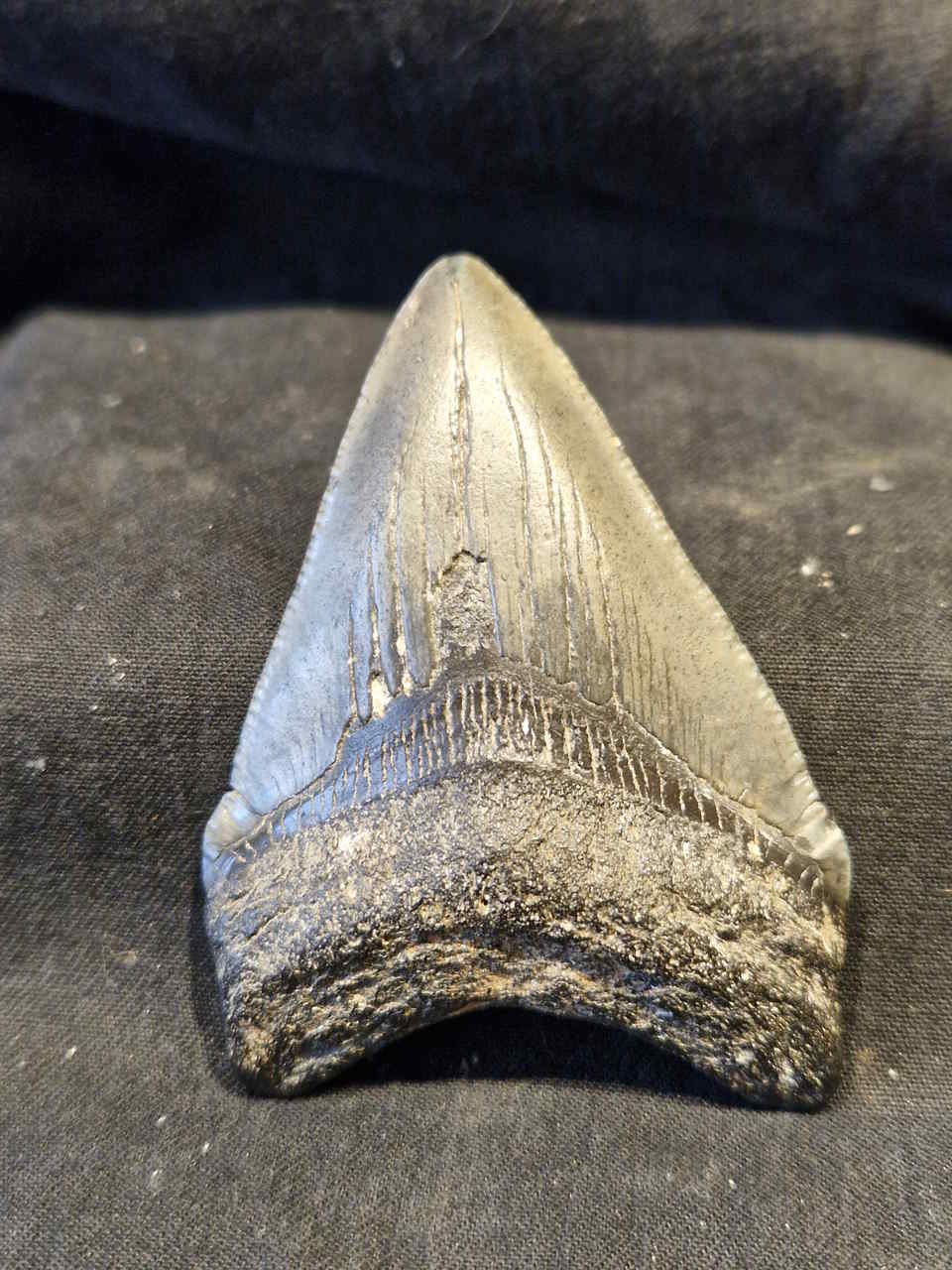
Otodus megalodon #SMU5005 Mega Shark tooth; NO restoration! Miocene, 15 milj. years old Morgan River, S.C., U.S.A. Size: 3 inch / 7.5 cm Price: |
 |
 |
Otodus megalodon (chubutensis) #SMU5006 Mega Shark tooth; NO restoration! Miocene, 15 milj. years old Morgan River, S.C., U.S.A. Size: 2.48 inch / 6.2 cm Price: |
|
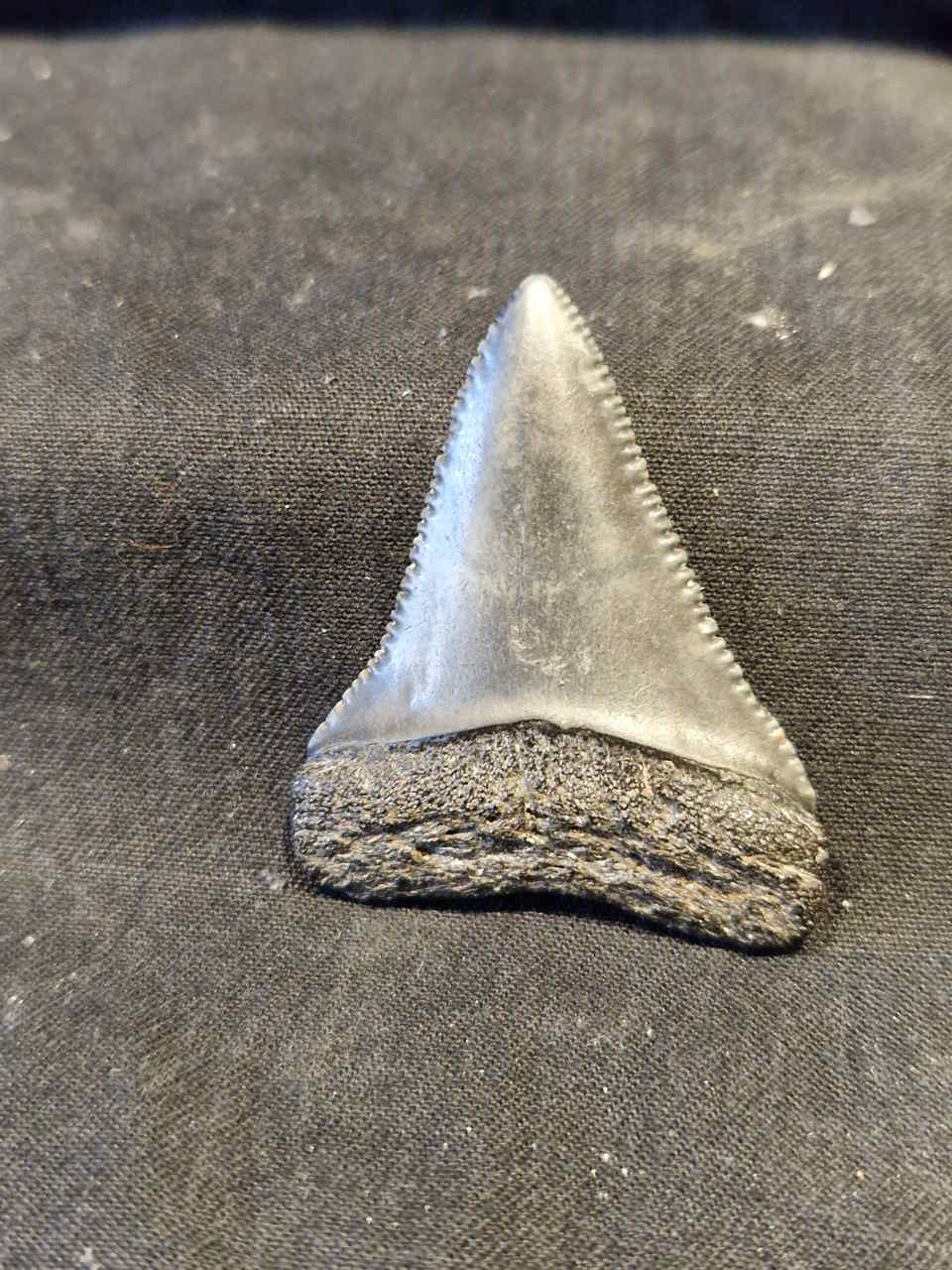
Carcharodon carcharias #SCU5009 White - shark tooth; Miocene, 8 milj. years old Morgan River, S.C., U.S.A. Size: 1.8 inch / 4.5 cm Price: |
 |
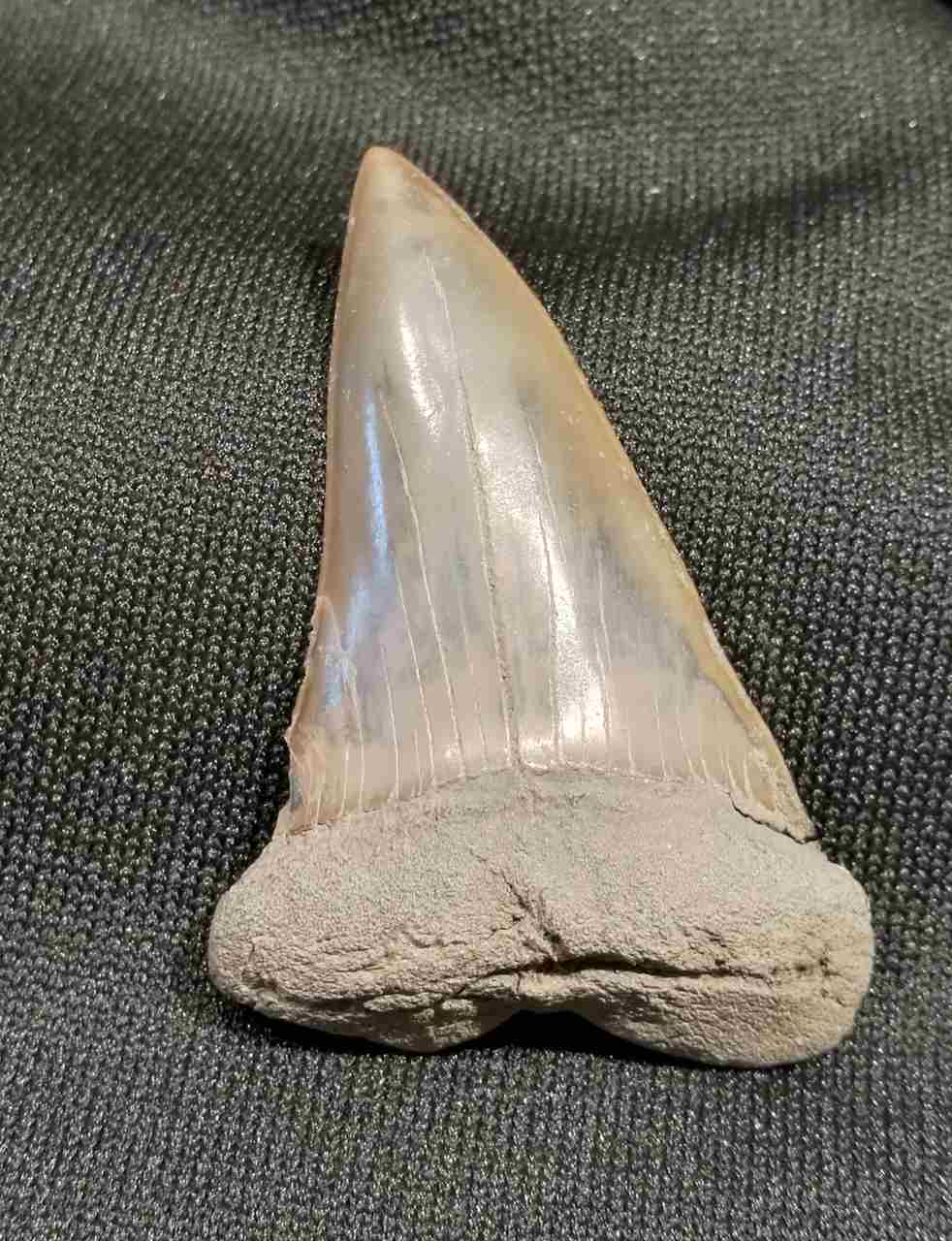
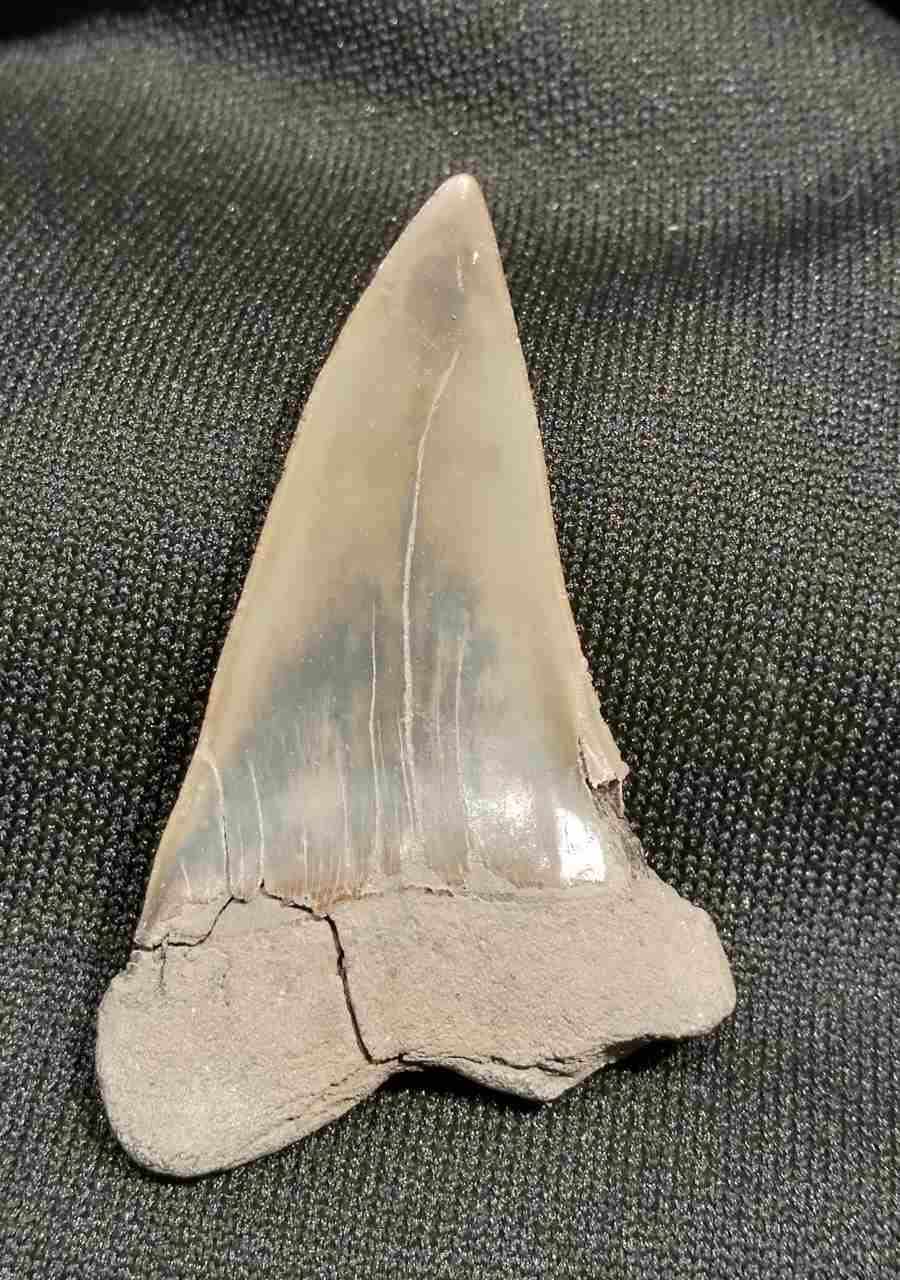
| Cosmopolitodus hastalis #SCHR104 Shark tooth of this rare location Miocene, 15 milj. years old Rumst, Belgium Size largest: 2.32 inch / 5.8 cm Price: |
  |
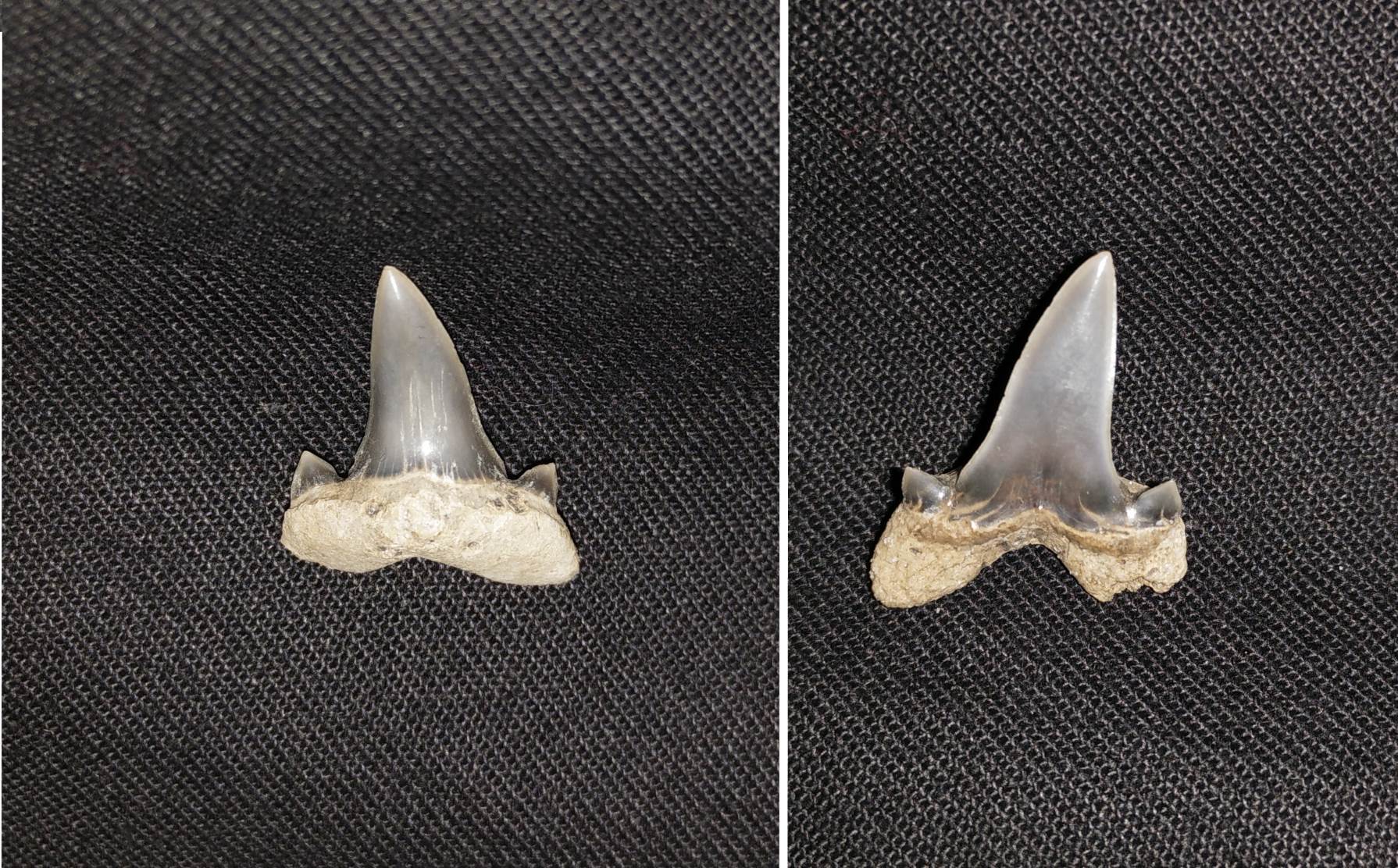
| Cretalamna appendiculata #SCA012 (Agassiz) Eutaw formation, U. Santonian U. Cretaceous, 84 milj. years old Columbus, Lowndes county, Mississippi, U.S.A. Size: 0.75 inch / 1.9 cm Price: |
 |
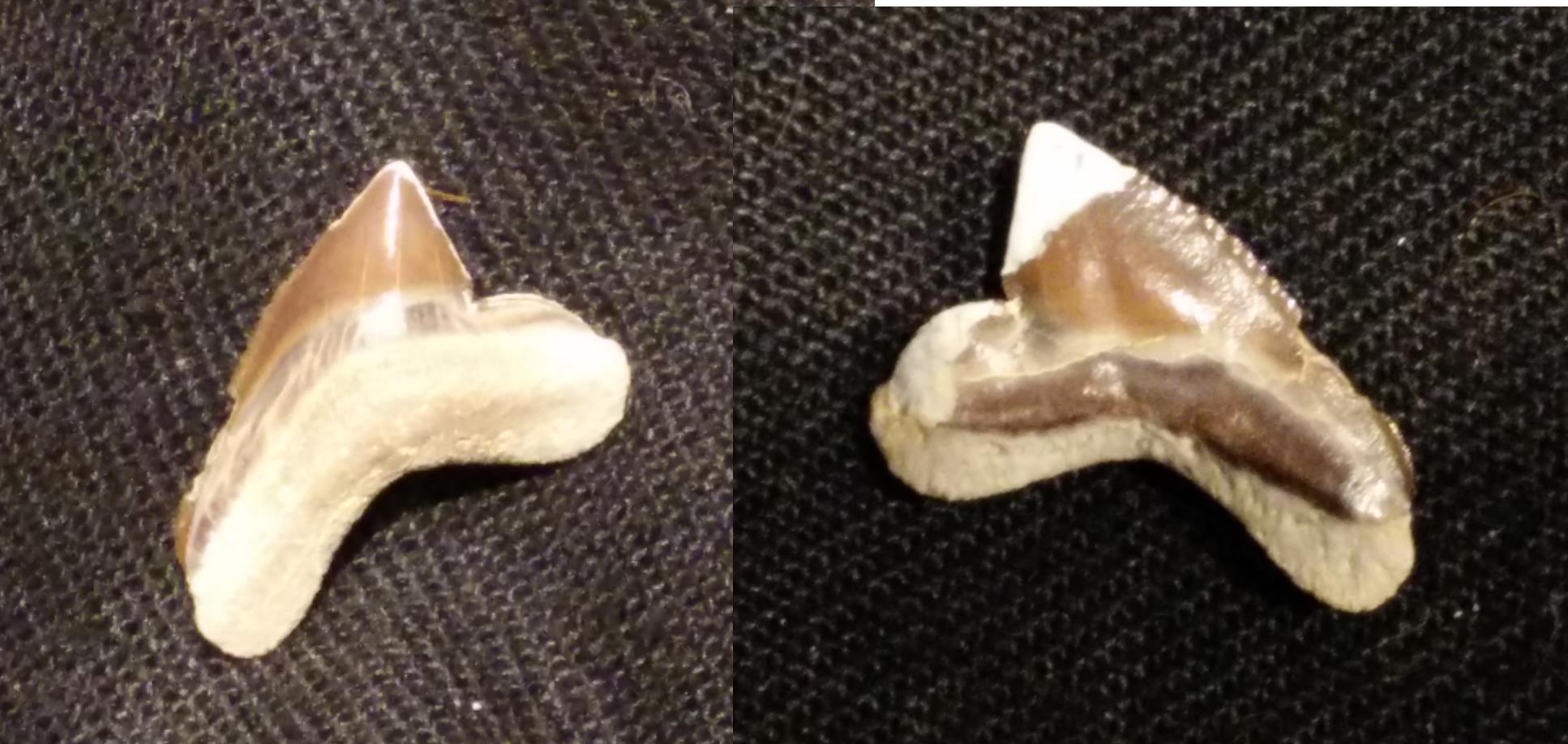
| Squalicorax curvatus #SSC003 Niobrara formation. Upper Cretaceous, Coniacian, 88 million years old Gove county, Texas, USA Front and back on photo One side missing some glaze Size tooth: 0.47 inch/ 12 mm Price: |
 |
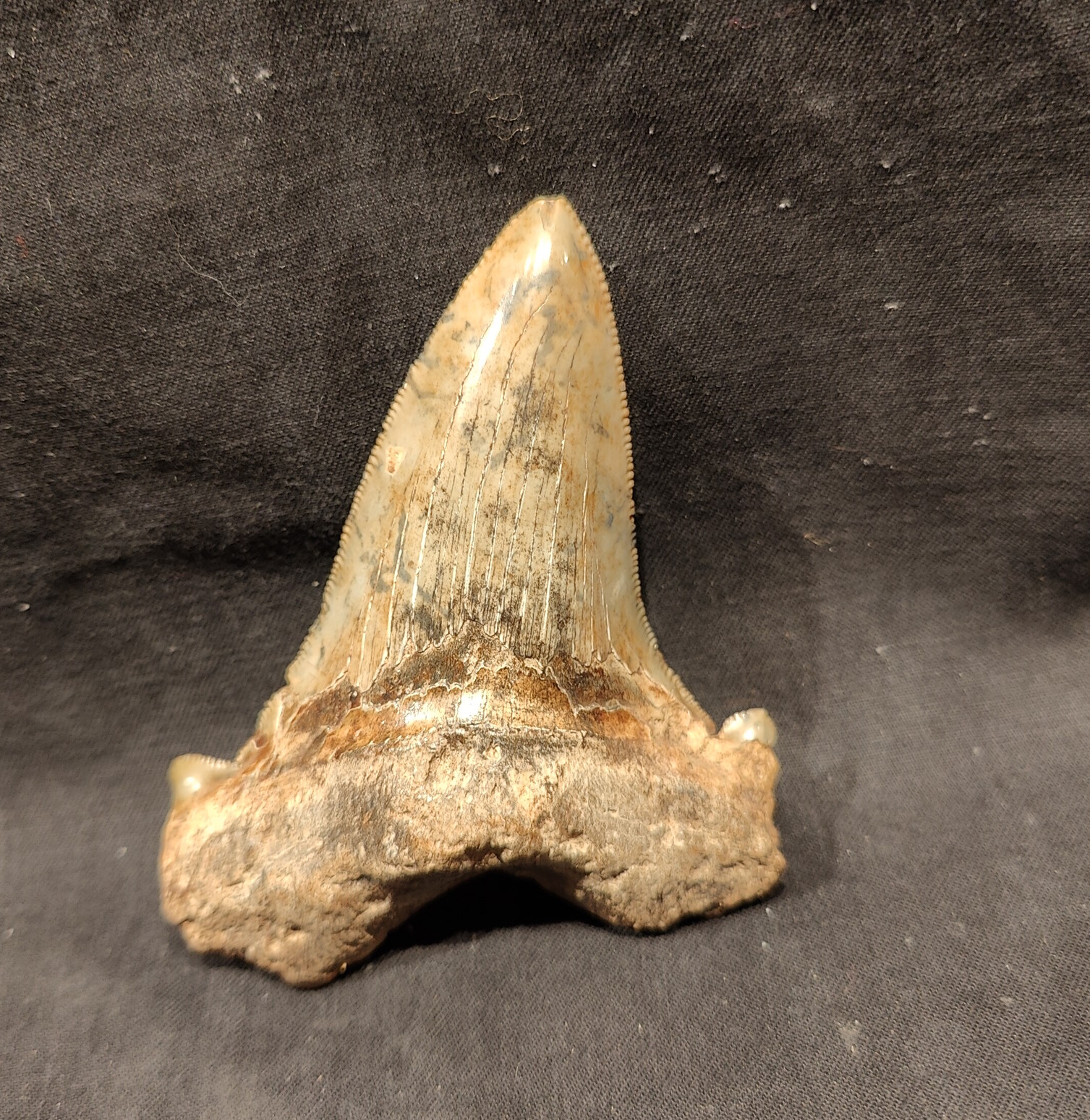 |
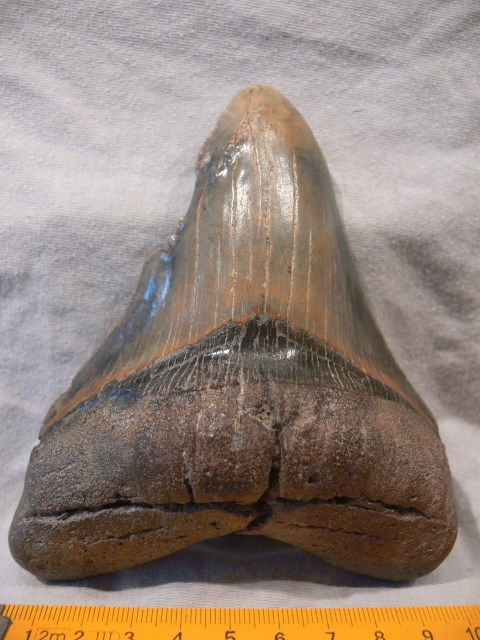
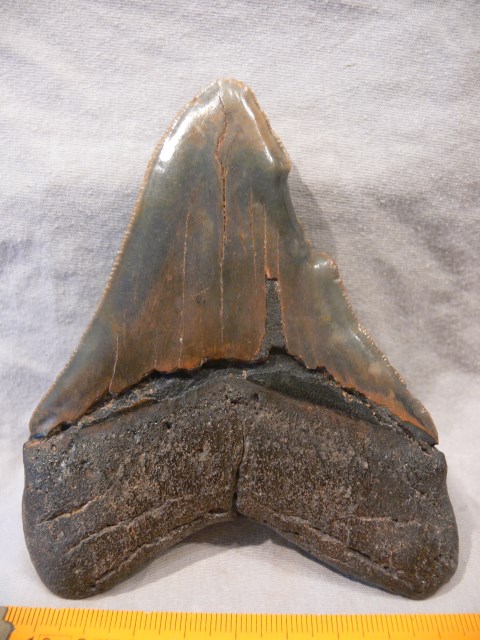
Otodus auriculatus #SCA9009 Big shark tooth Eocene, 35 milj. years old Rumst, Belgium Size: 3.7 inch / 9.4 cm Price: |
 |
 |
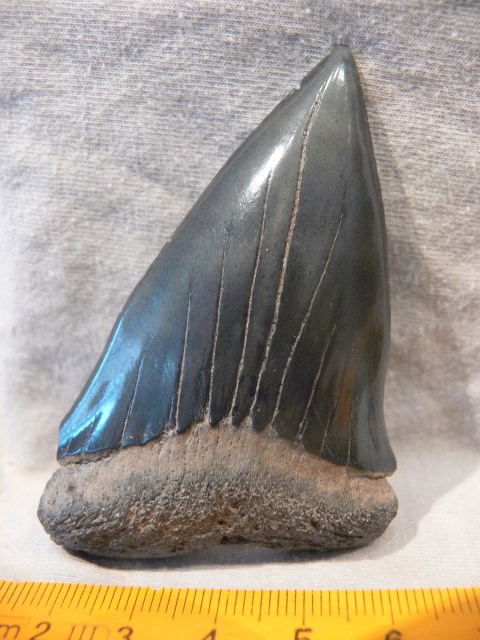
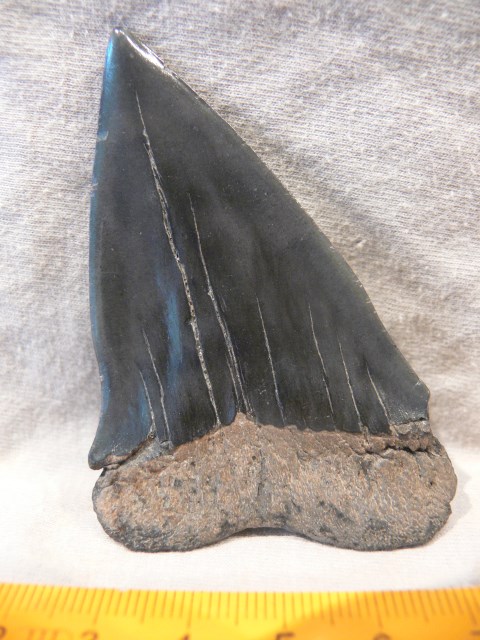
| Otodus megalodon #SMM8232 Mega - shark tooth; (Agassiz); Rare Pathalogical tooth, NO restoration! Hawthorne formation Miocene, 10-15 milj. years old Wilmington, N.C., U.S.A. Size: 4.72 inch / 11.8 cm Price: |
|
 |
 |
| Cosmopolitodus hastalis #SCH8241 Large - shark tooth; (Agassiz); NO restoration! Hawthorne formation Miocene, 10-15 milj. years old Savannah, Georgia, U.S.A. Size: 2.96 inch / 7.4 cm Price: |
|
 |
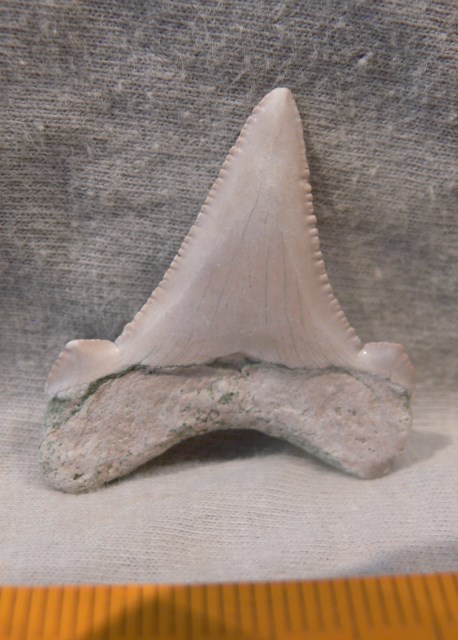 |
| Otodus angustidens #SCA8246 Early Mega - shark tooth; (Agassiz); NO restoration! Chandler bridge fmt., Oligocene, 28 milj. years old Wando river, E. Charleston, S.C., U.S.A. Size: 1.44 inch / 3.6 cm Price: Euro |
|
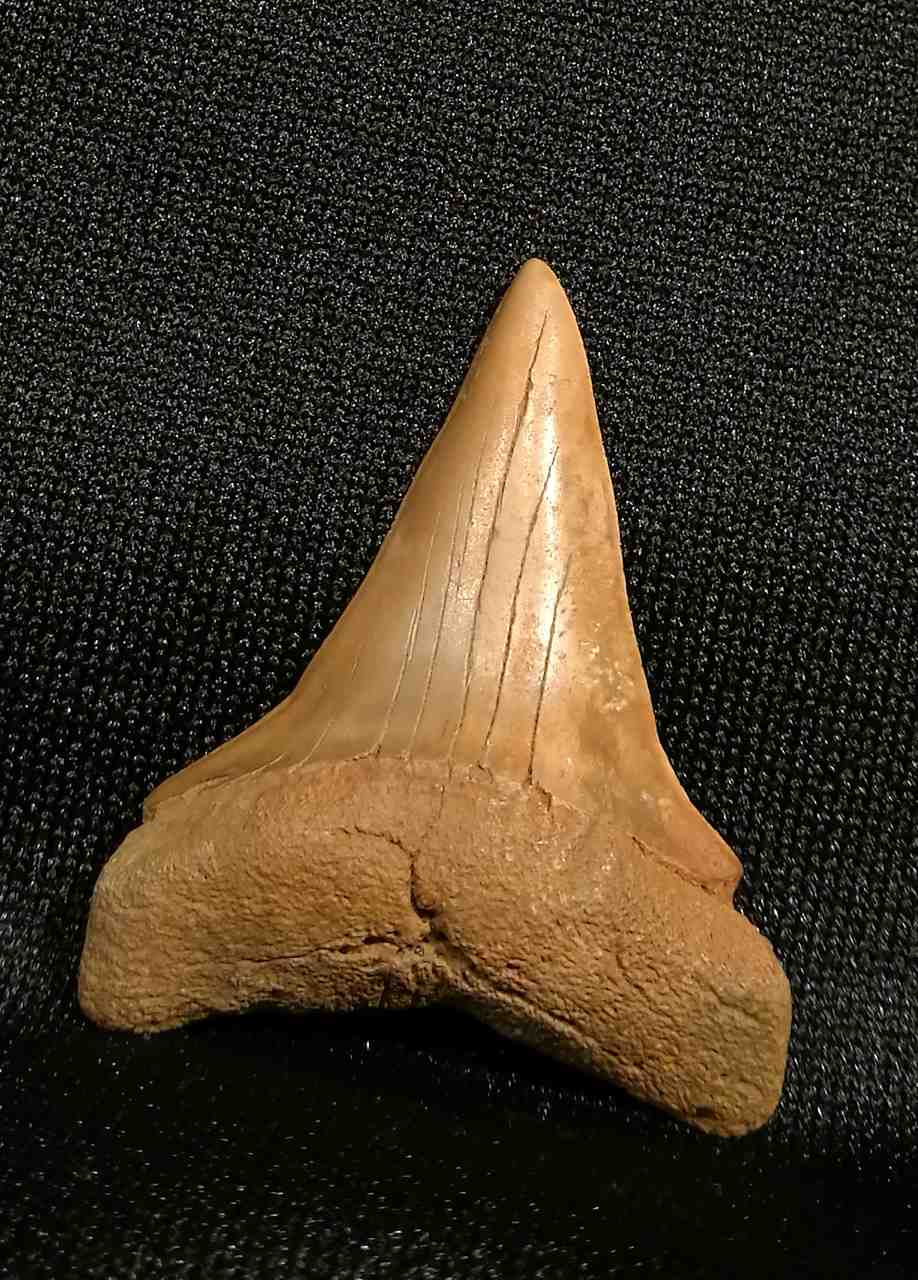
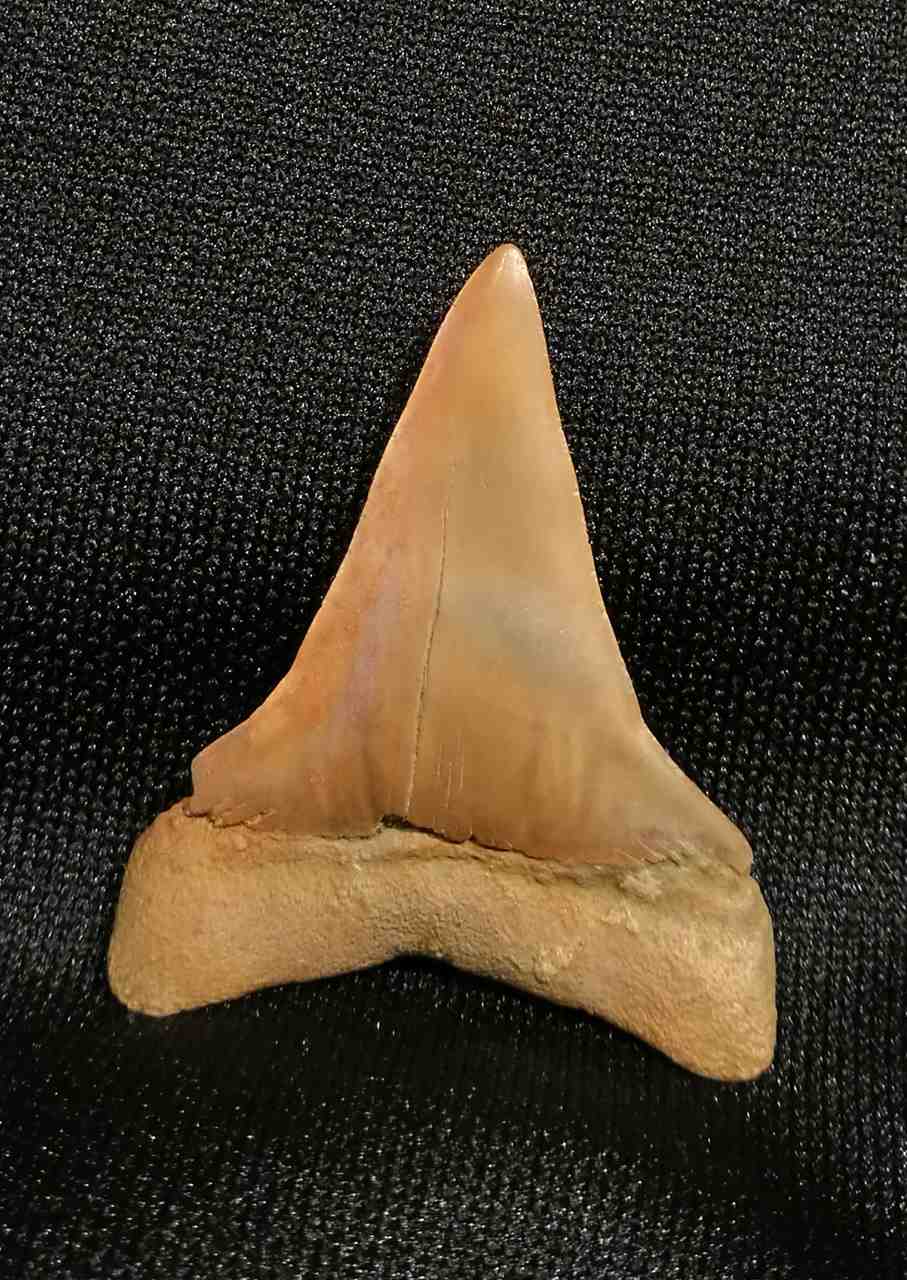
| Cosmopolitodus hastalis #SCHR100 Shark tooth of this rare location Miocene, 15 milj. years old Rumst, Belgium Size largest: 1.92 inch / 4.9 cm Price: Euro |
  |
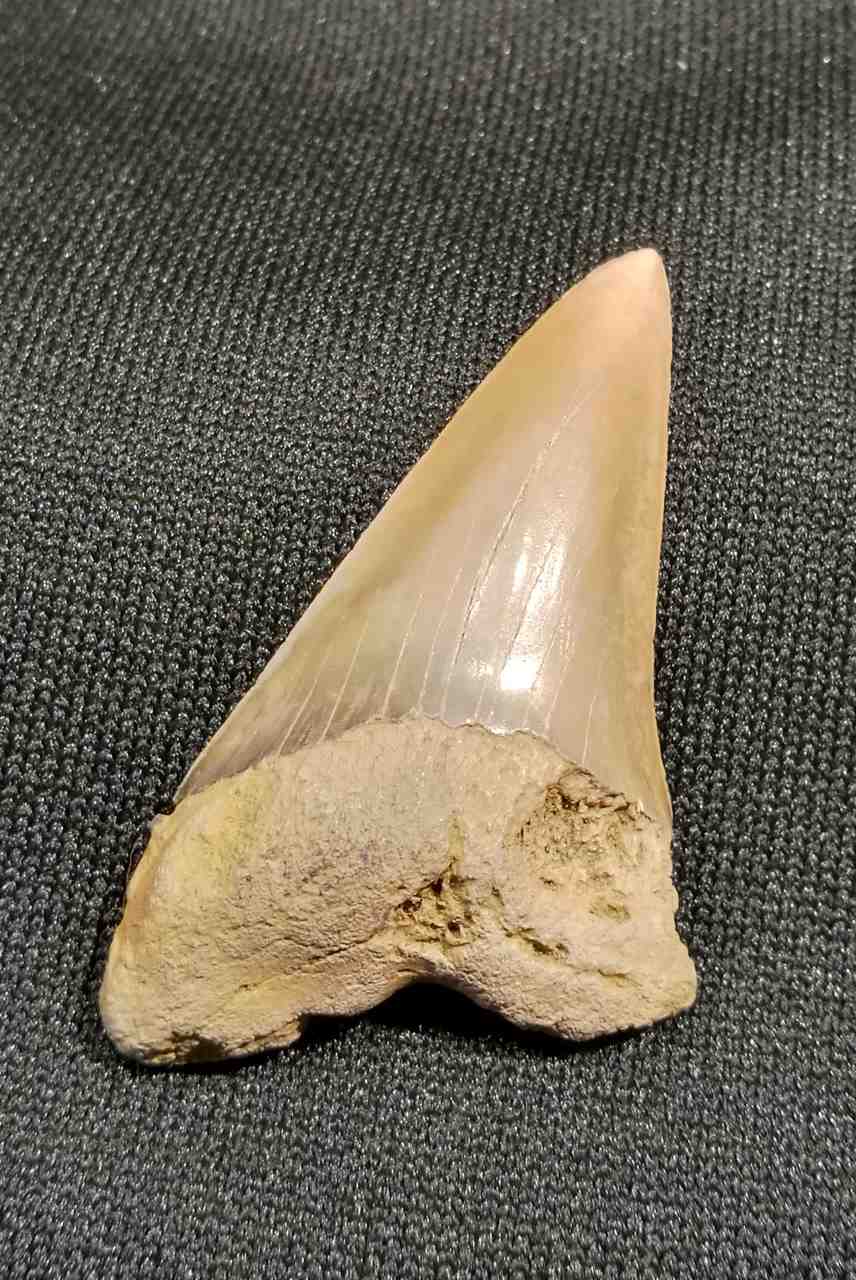
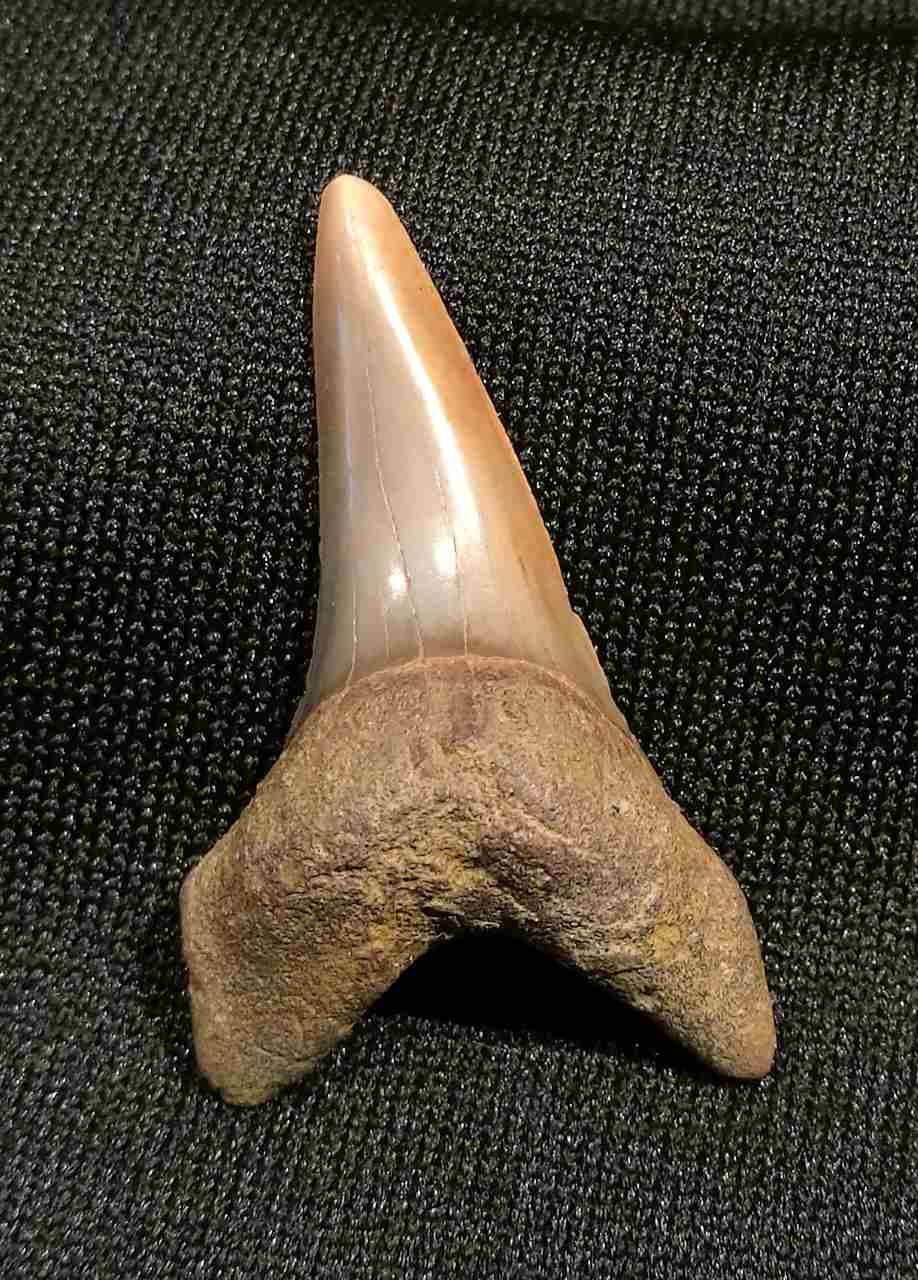
| Cosmopolitodus hastalis #SCHR102 Shark tooth of this rare location Miocene, 15 milj. years old Rumst, Belgium Size largest: 2.08 inch / 5.2 cm Price: Euro |
 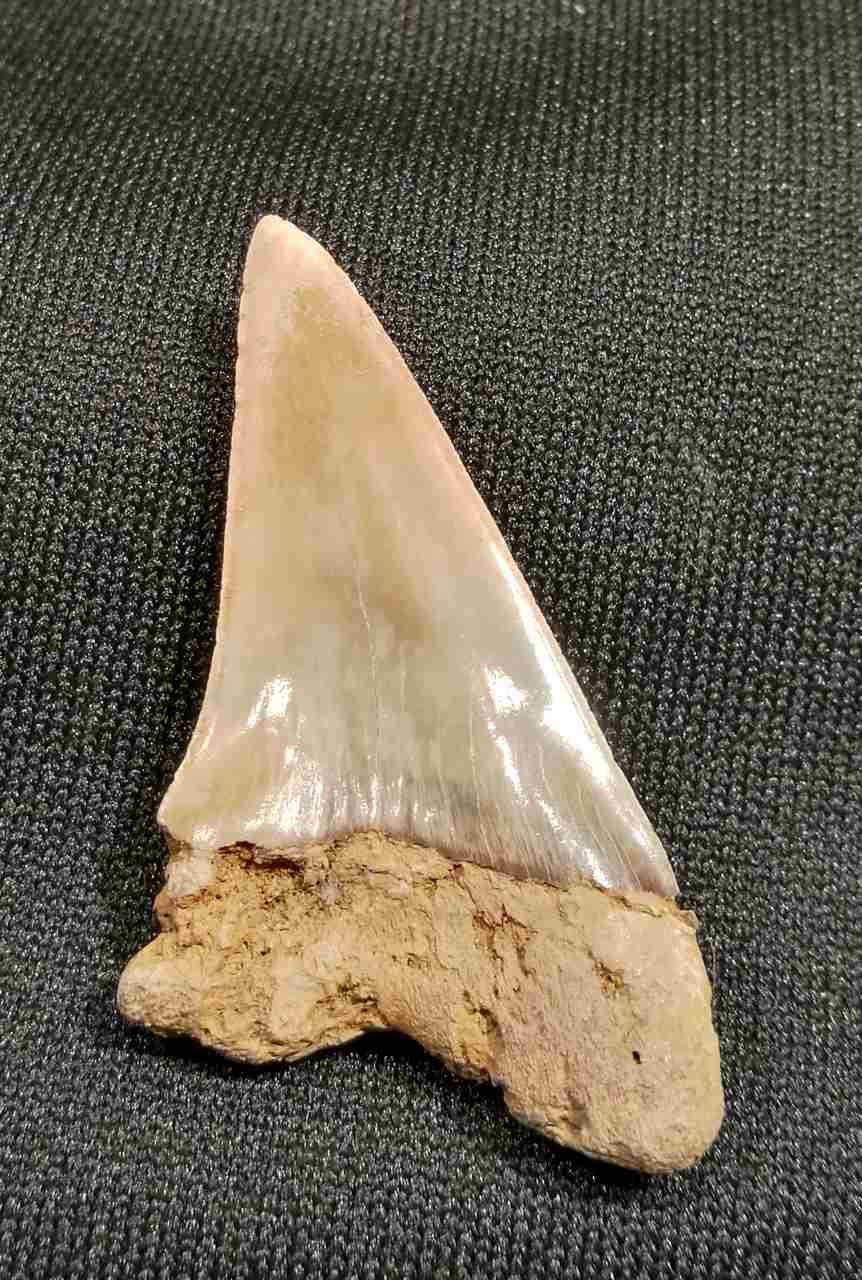 |
  |
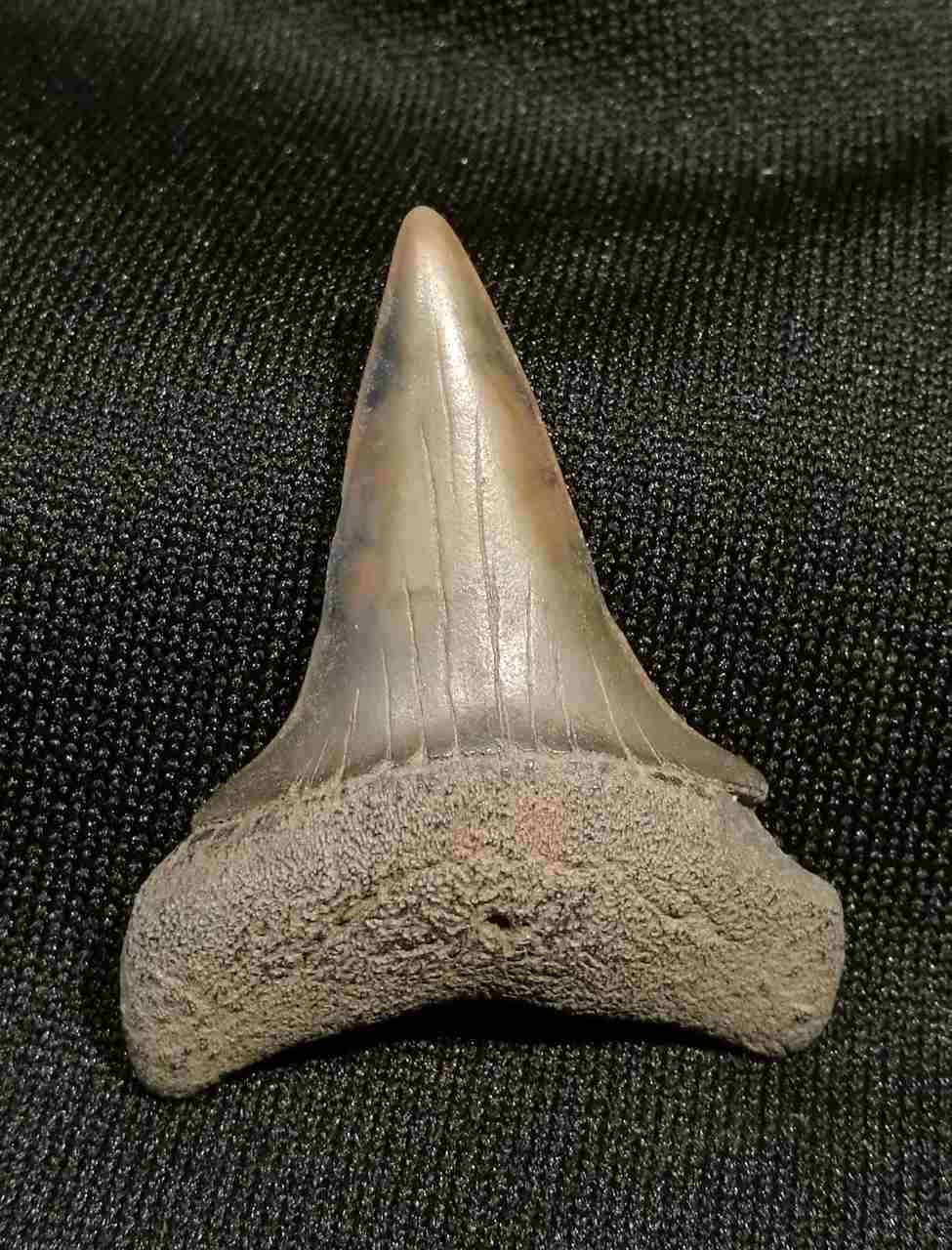
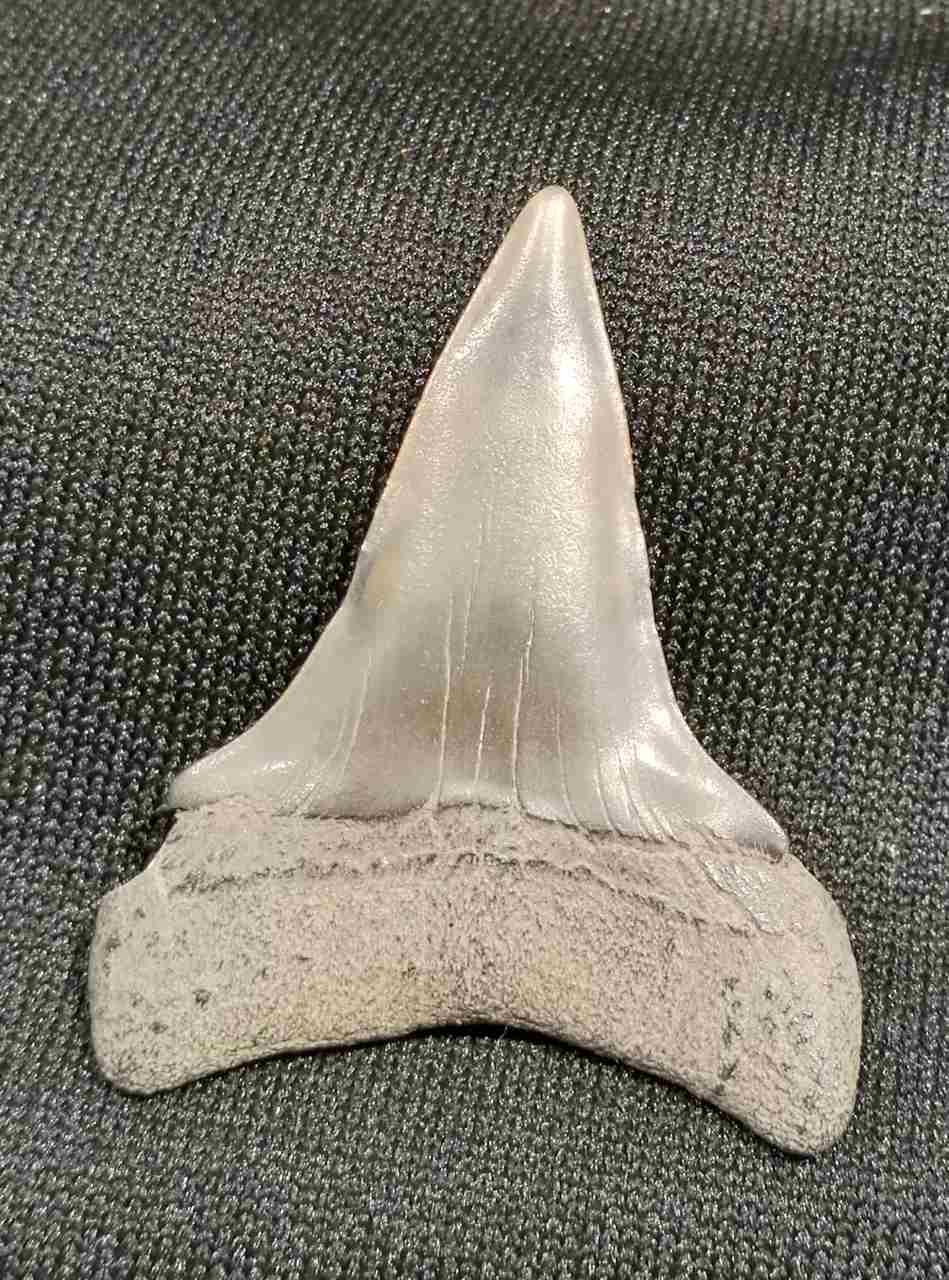
Cosmopolitodus hastalis #SCHR103 Shark tooth of this rare location Miocene, 15 milj. years old Rumst, Belgium Size largest: 1.88 inch / 4.7 cm Price: Euro |
  |
Cosmopolitodus hastalis #SCHR105 Shark tooth of this rare location Miocene, 15 milj. years old Rumst, Belgium Size largest: 1.97 inch / 5 cm Price: Euro |
| Cosmopolitodus hastalis #SCHR106 Shark tooth of this rare location Miocene, 15 milj. years old Rumst, Belgium Size largest: 2.16 inch / 5.4 cm Price: Euro |
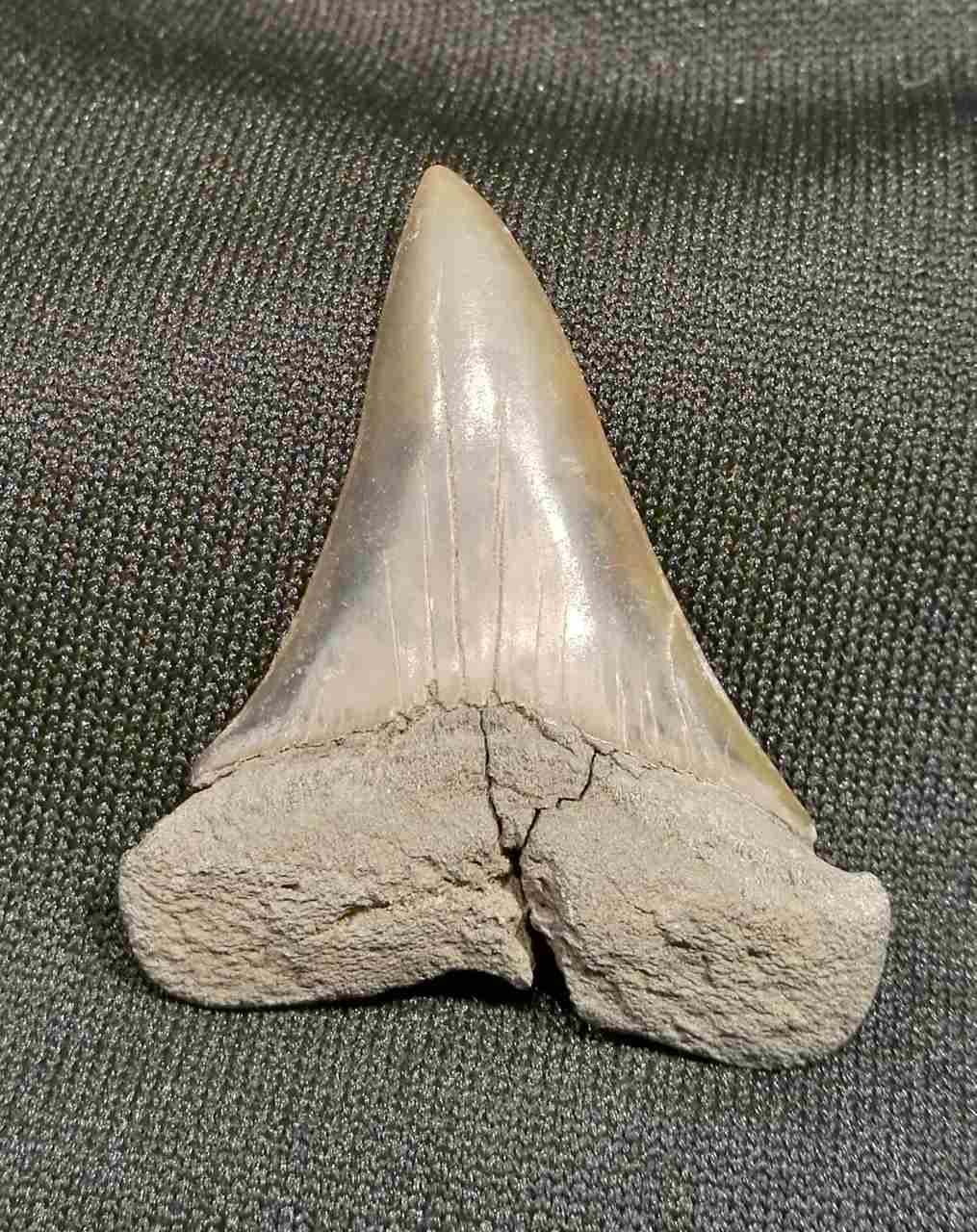 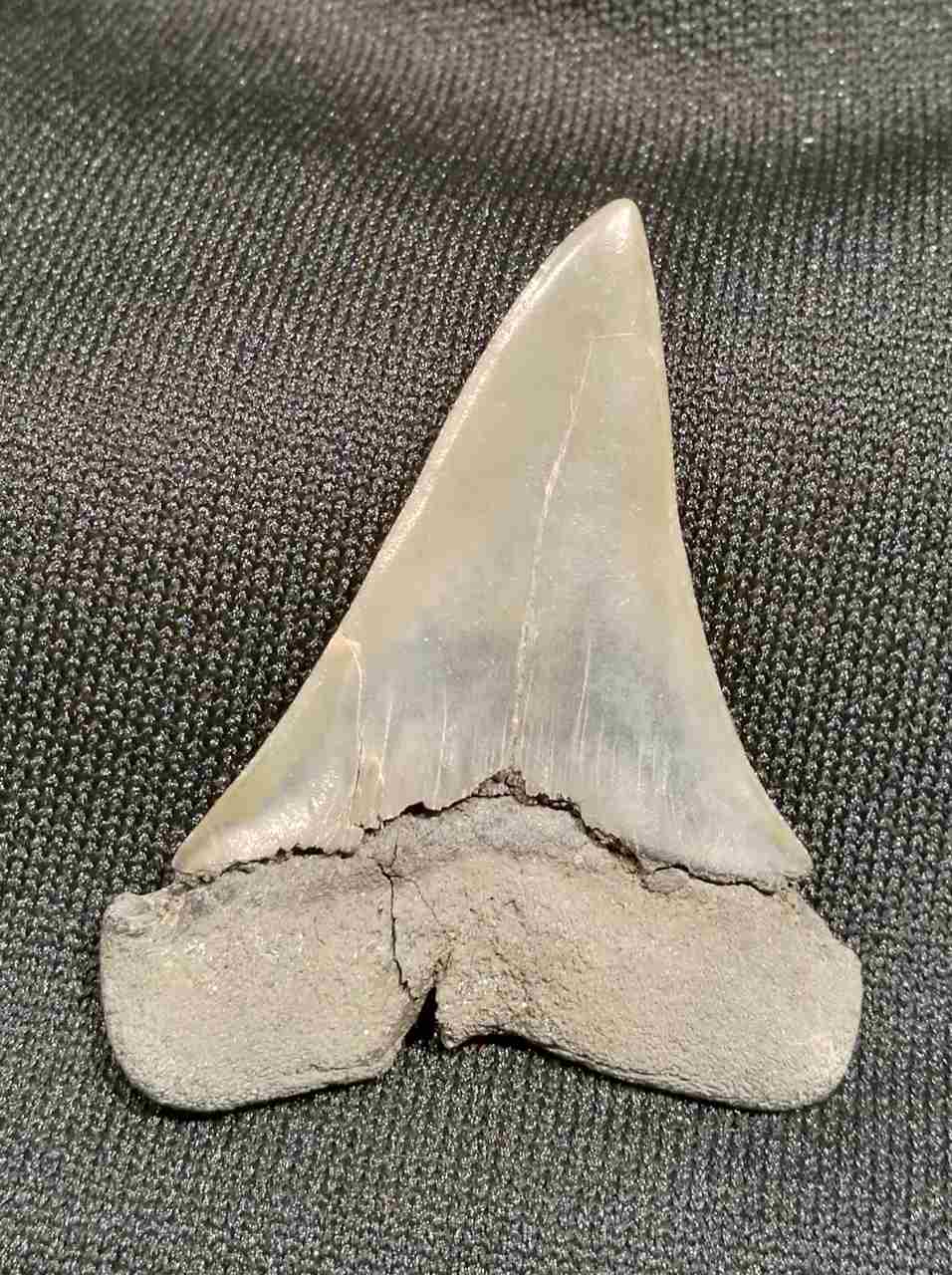 |
| Squalicorax yangaensis #SSY015 (Darteville & Casier) Tonmbigbee Sand, Sant-Camp boundary U. Cretaceous, 80 milj. years old Columbus, Mississippi, U.S.A. Size: 0.71 inch / 1.8 cm Price: Euro |
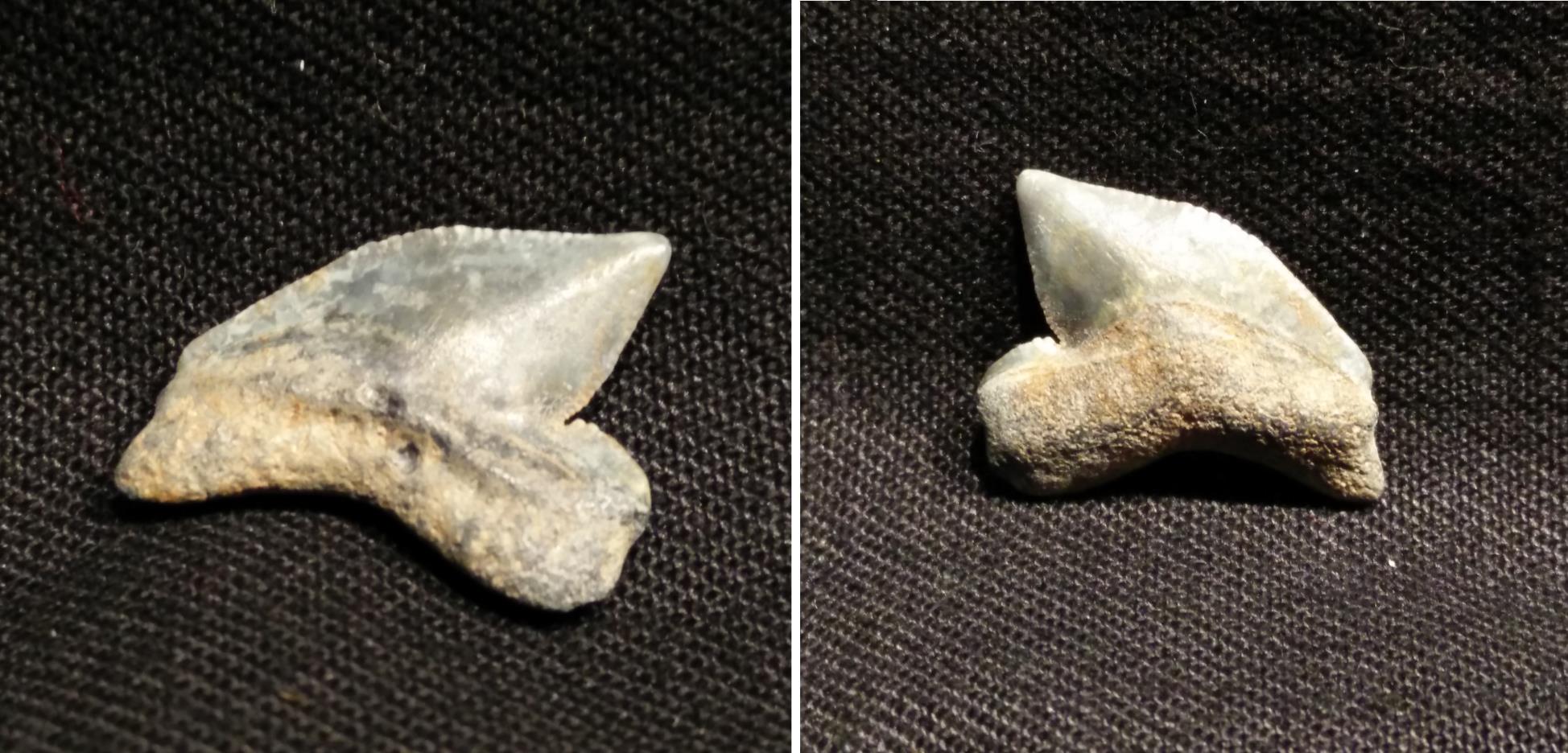 |
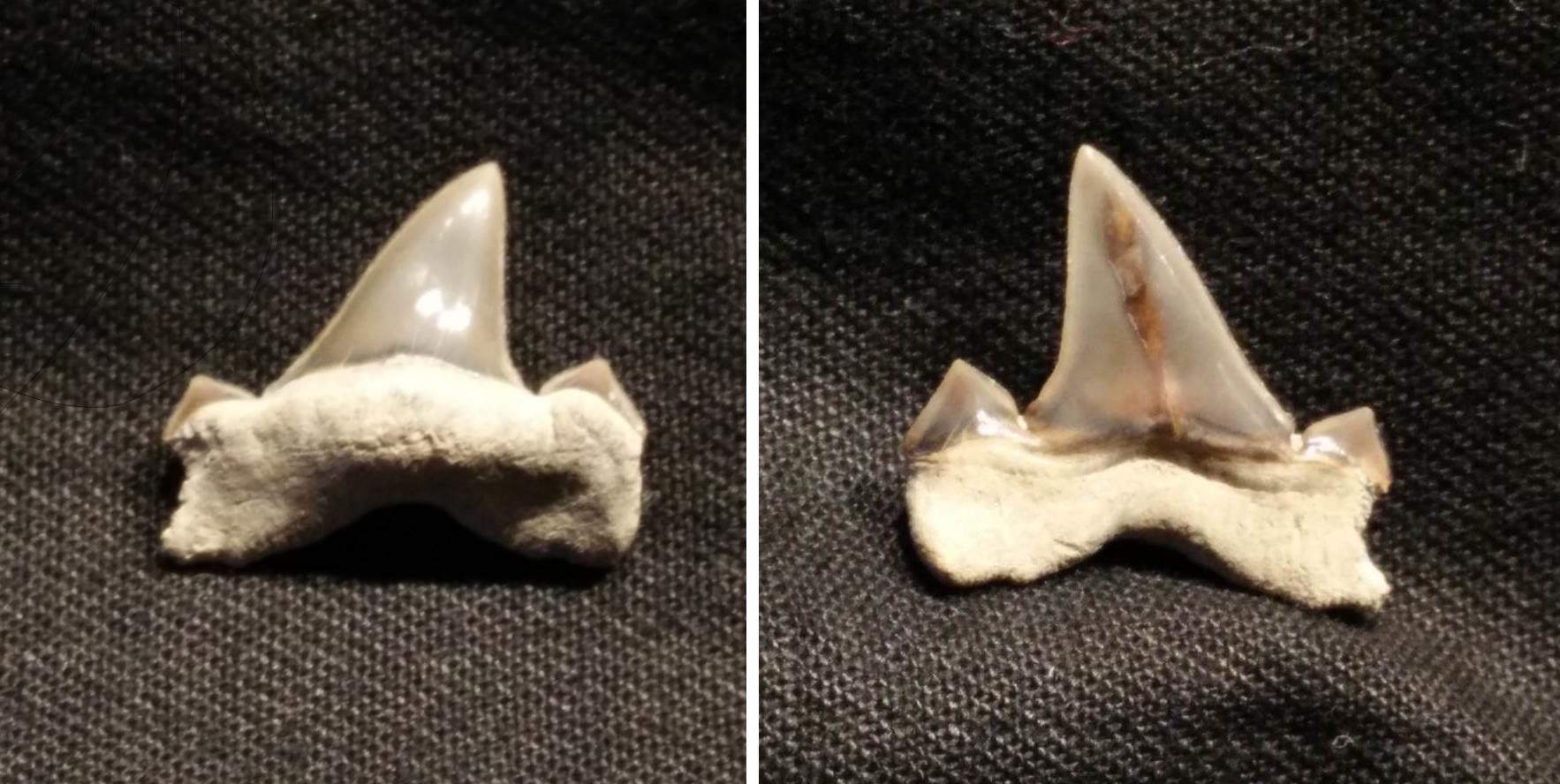 |
Cretalamna appendiculata #SCA013 (Agassiz) Eutaw formation, U. Santonian U. Cretaceous, 84 milj. years old Columbus, Lowndes county, Mississippi, U.S.A. Size: 0.67 inch / 1.7 cm Price: Euro: |
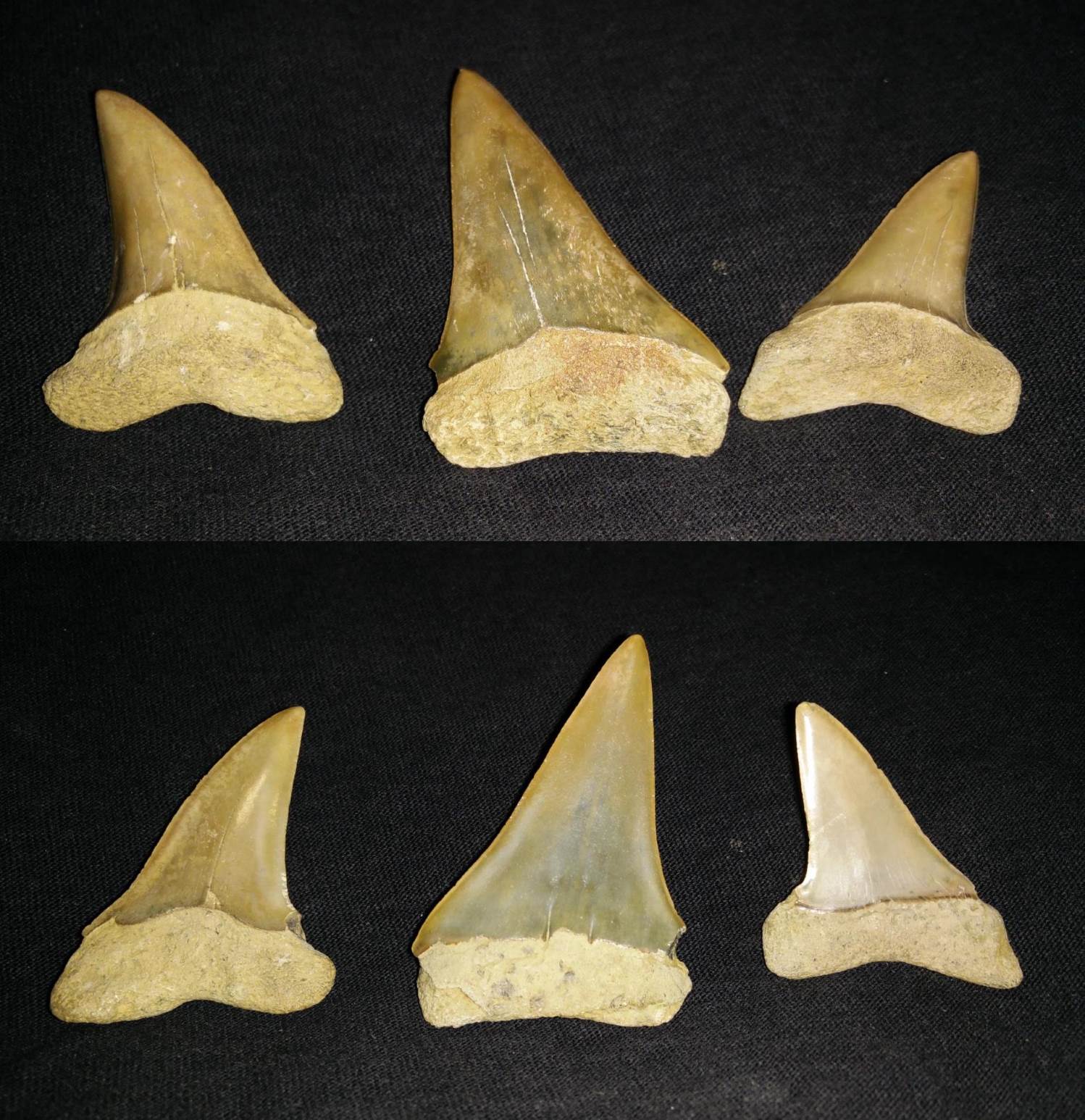
| Cosmopolitodus hastalis #SHR008 3 Shark teeth of this rare location Miocene, 15 milj. years old Rumst, Belgium Size largest: 1.97 inch / 5 cm Price: Euro |
 |
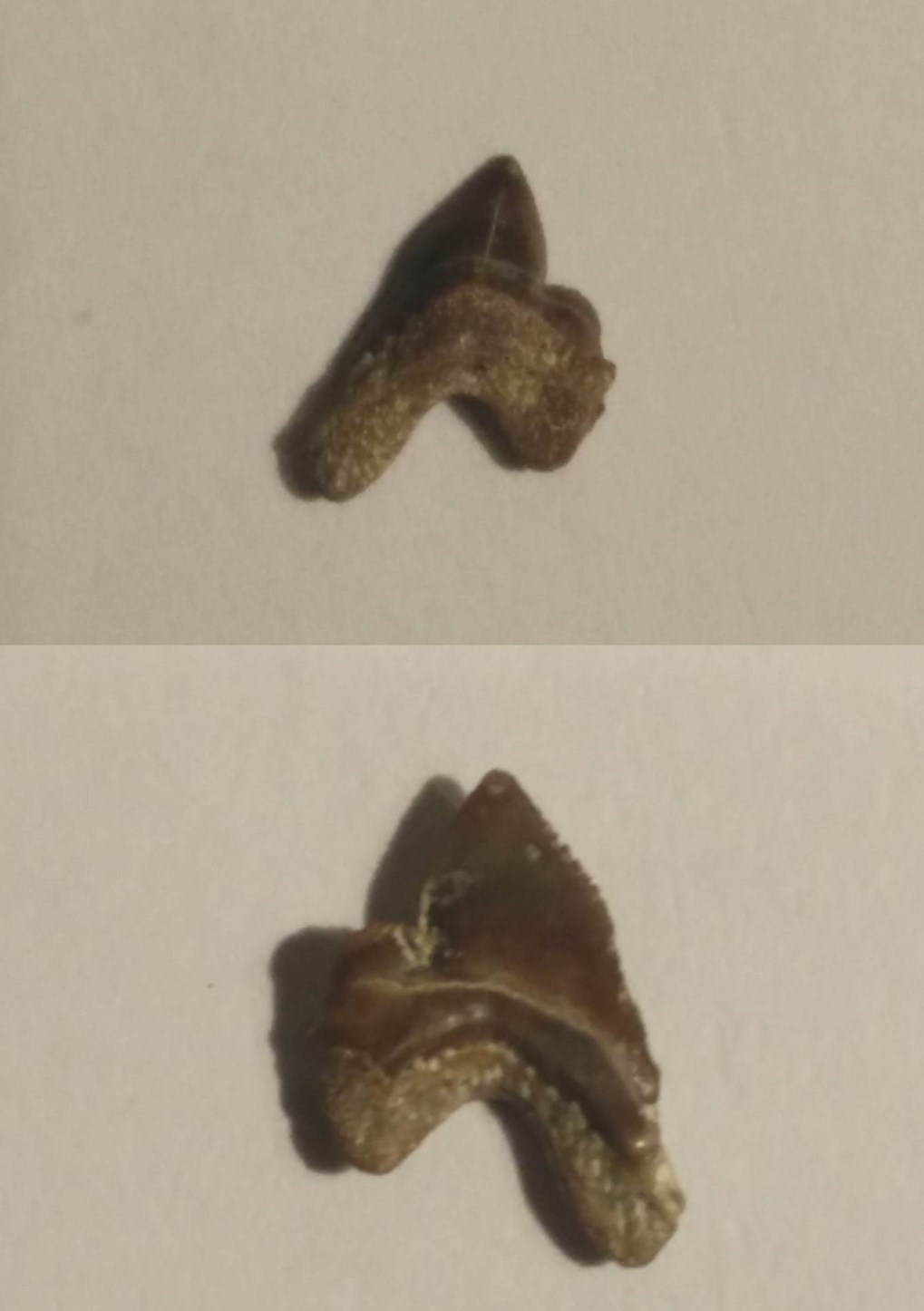
| Squalicorax curvatus #SSC002 Niobrara formation. Upper Cretaceous, Coniacian, 88 million years old Gove county, Texas, USA Front and back on photo Size tooth: 0.43 inch/ 11 mm Price: Euro |
 |
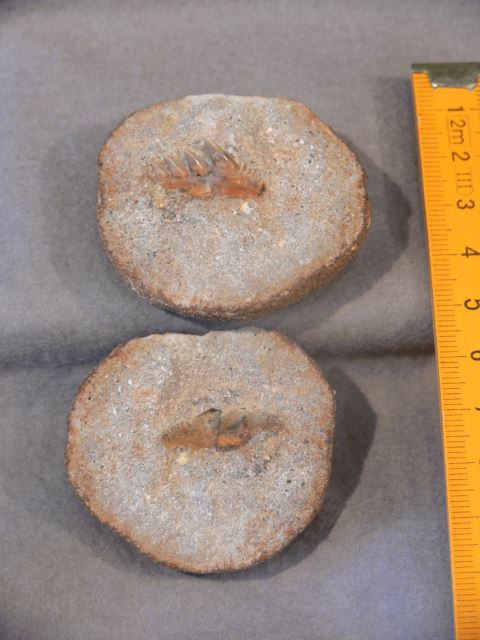 |
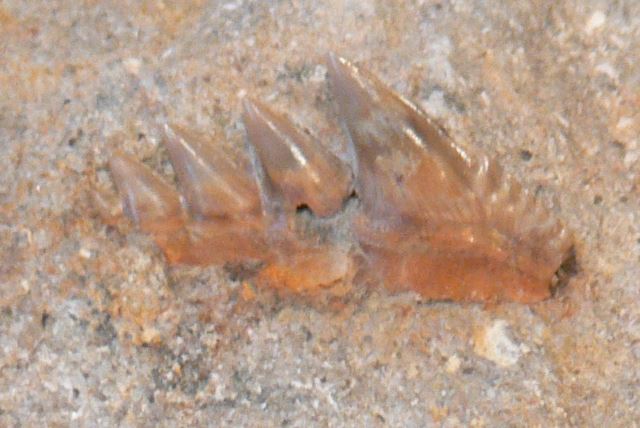 Notorynchus primigenius #SHD8457 NO restoration! Rare nodule tooth. Pos/Neg. Mainzer becken Oligocene, 28 Million years old Alzey form., Neu Bamberg, Germany Size tooth: 0.8 inch / 2 cm Price: Euro |
 |
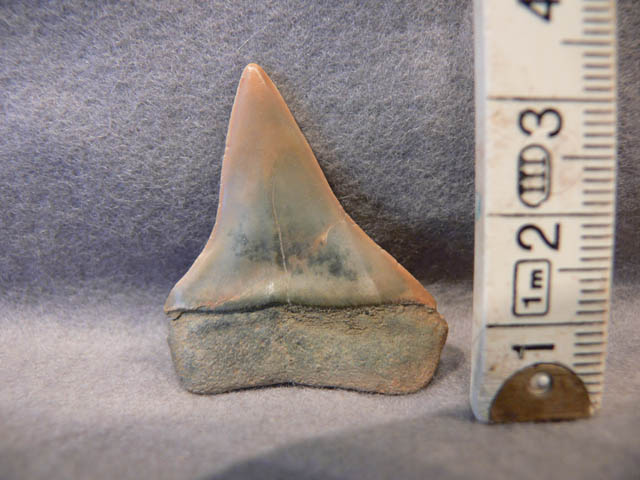 |
| Cosmopolitodus hastalis #SCH6977 Shark tooth of this rare location Miocene, 15 milj. years old Rumst, Belgium Size: 1.52 inch / 3.8 cm Price: Euro |
|
 |
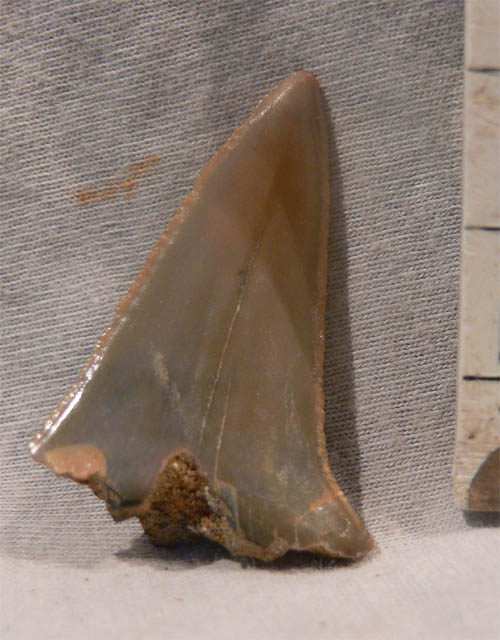 |
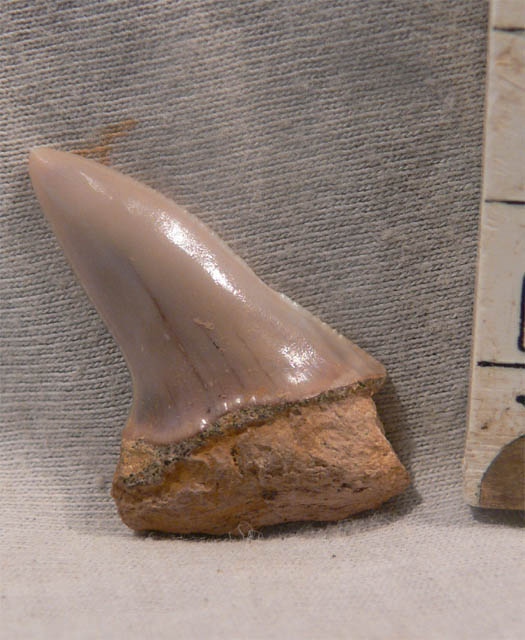
| Isurus escheri #SIE7120 Shark tooth of this rare location Pliocene, Lillo Form, 5.3 milj. years old Zanden van Antwerp, Berchem, Belgium Size: 1.4 inch / 3.5 cm Price: |
|
 |
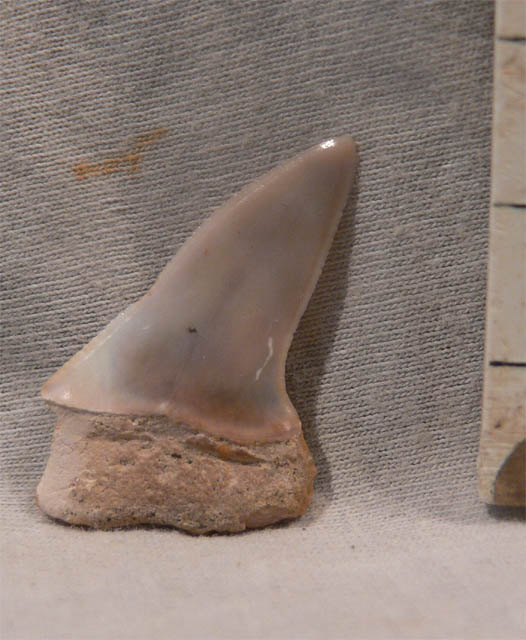 |
| Isurus escheri #SIE7118 Shark tooth of this rare location Pliocene, Lillo Form, 5.3 milj. years old Zanden van Antwerp, Berchem, Belgium Size: 1.28 inch / 3.2 cm Price: |
|
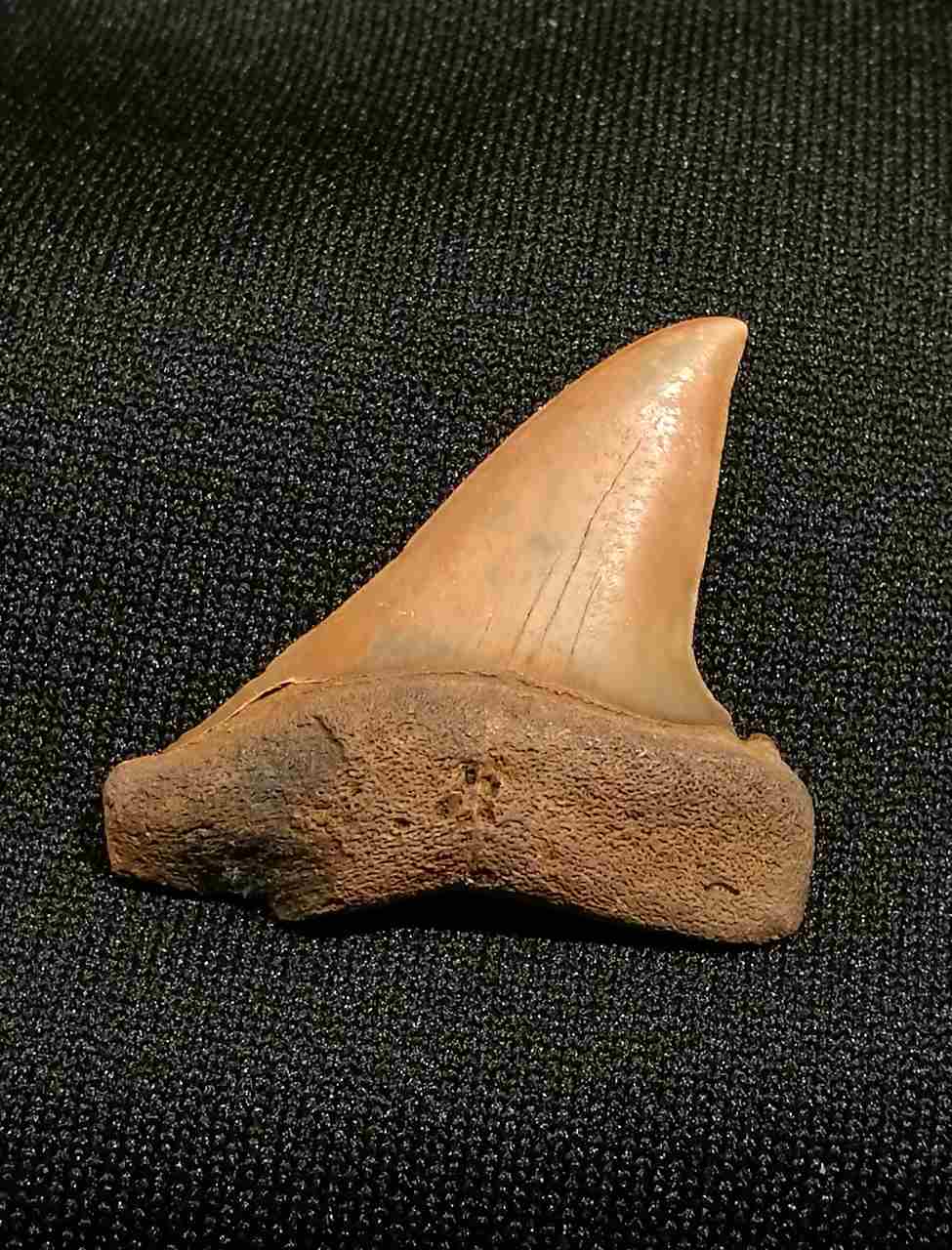 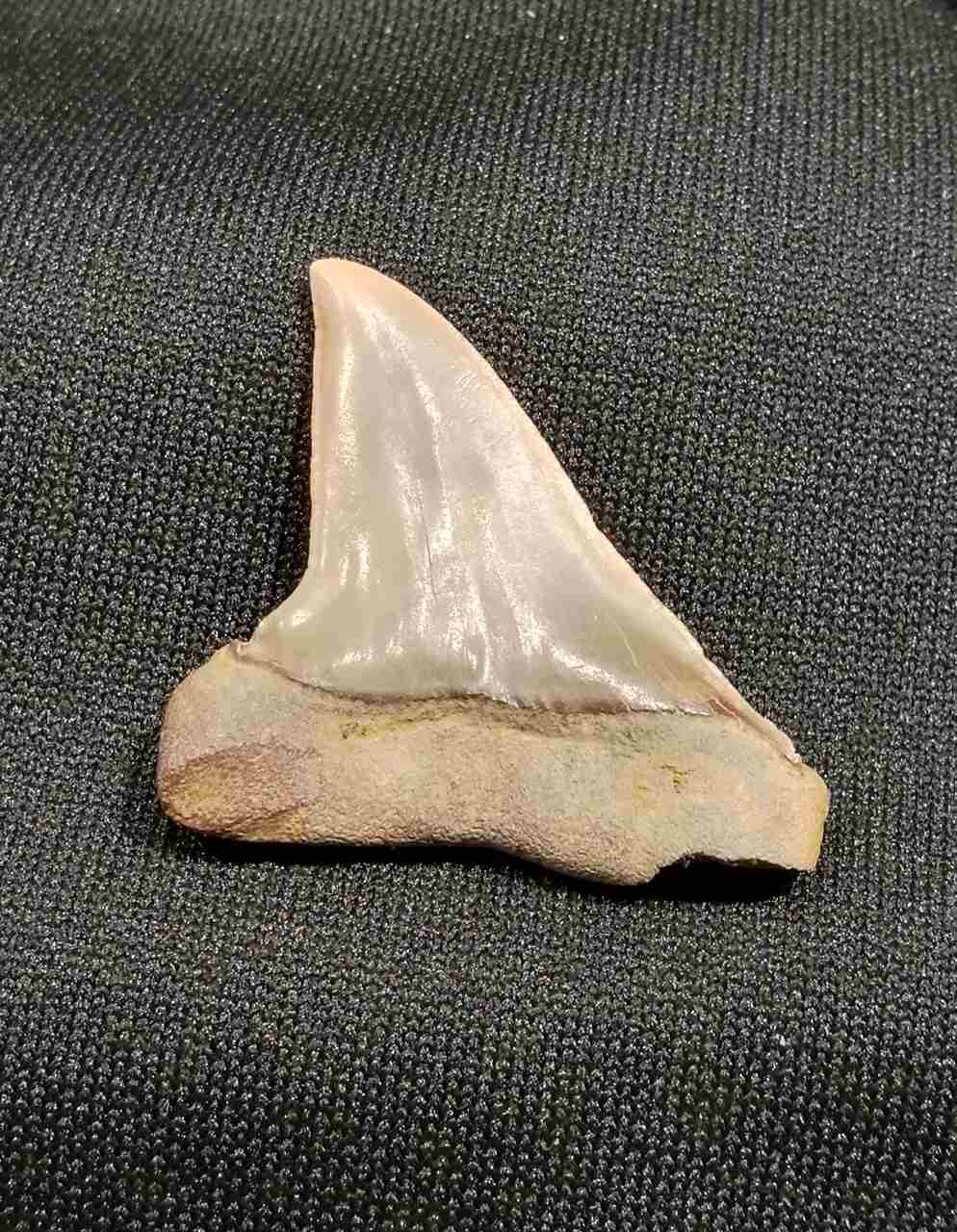 |
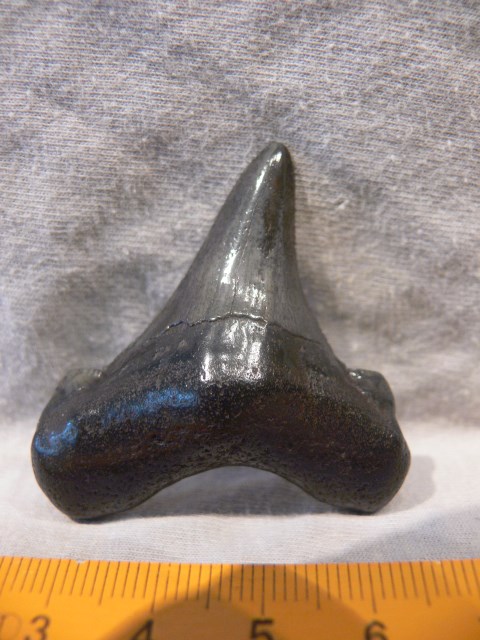
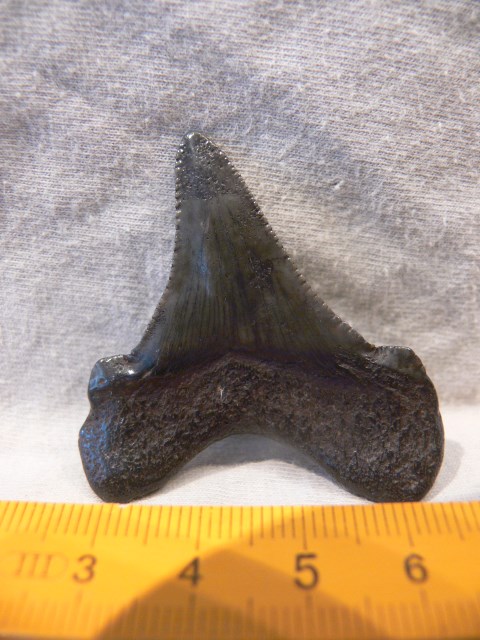
Cosmopolitodus hastalis #SCHR101 Shark tooth of this rare location Miocene, 15 milj. years old Rumst, Belgium Size largest: 1.92 inch / 4.9 cm Price: |
 |
 |
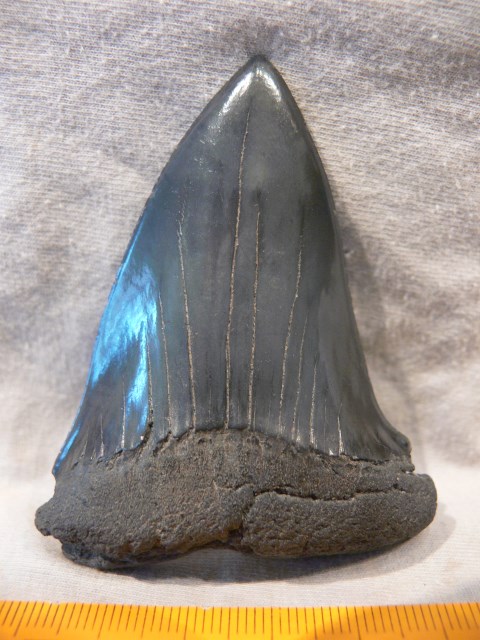
| Otodus auriculatus #SCA8251 Early Mega - shark tooth; (De Blainville); NO restoration! Ocala limestone, U. Eocene 37 milj. years old Suwannee river, Florida, U.S.A. Size: 1.96 inch / 4.9 cm Price: |
|
 |
 |
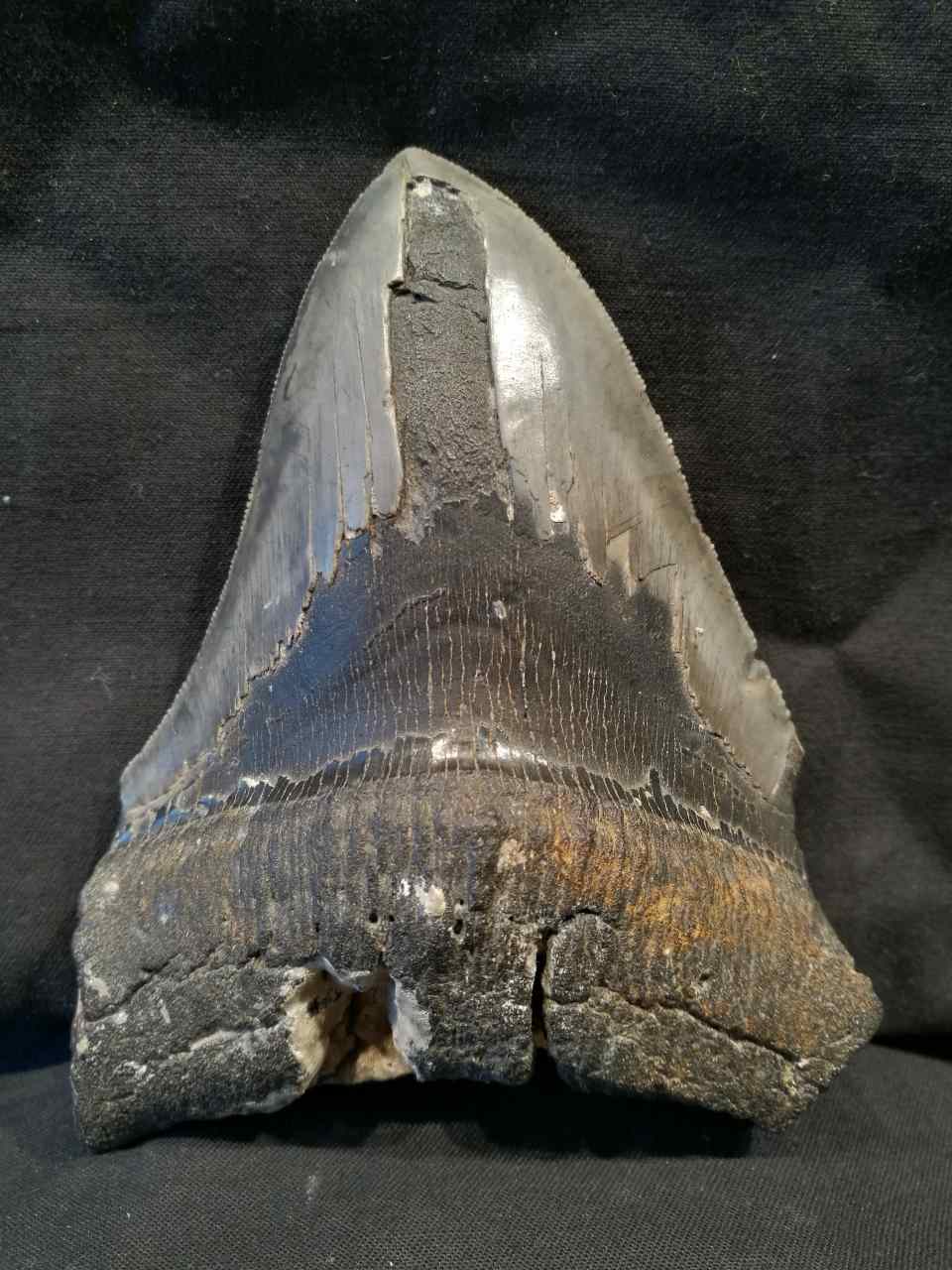
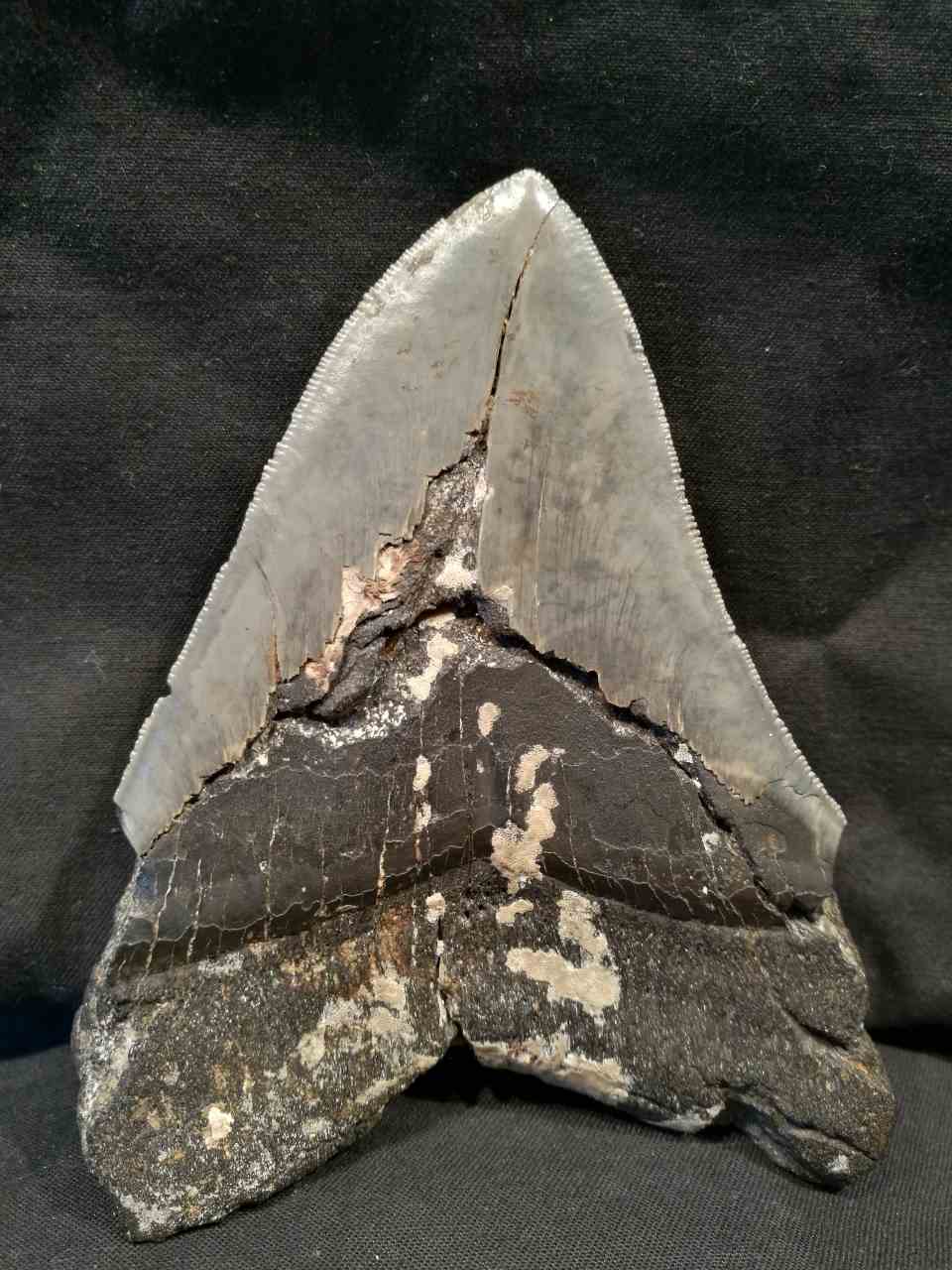
| Cosmopolitodus hastalis #SMM8239 Large - shark tooth; (Agassiz); NO restoration! Hawthorne formation Miocene, 10-15 milj. years old Savannah, Georgia, U.S.A. Size: 2.84 inch / 7.1 cm Price: |
|
 |
 |
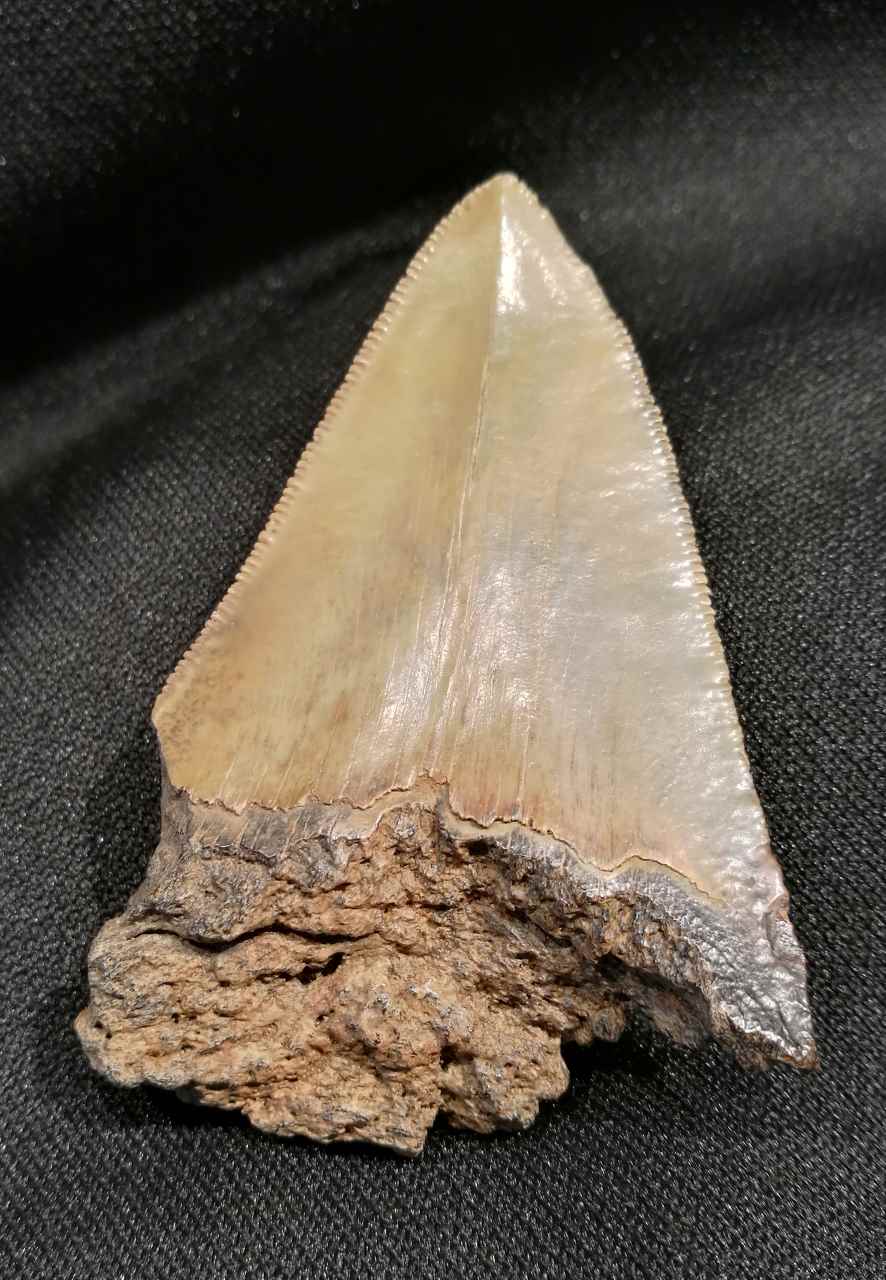
| Otodus megalodon #SMM3464 Shark tooth; NO restoration! Miocene, 15 milj. years old Morgan River, S.C., U.S.A. Size: 4.76 inch / 12.1 cm Price: |
|
 |
 |
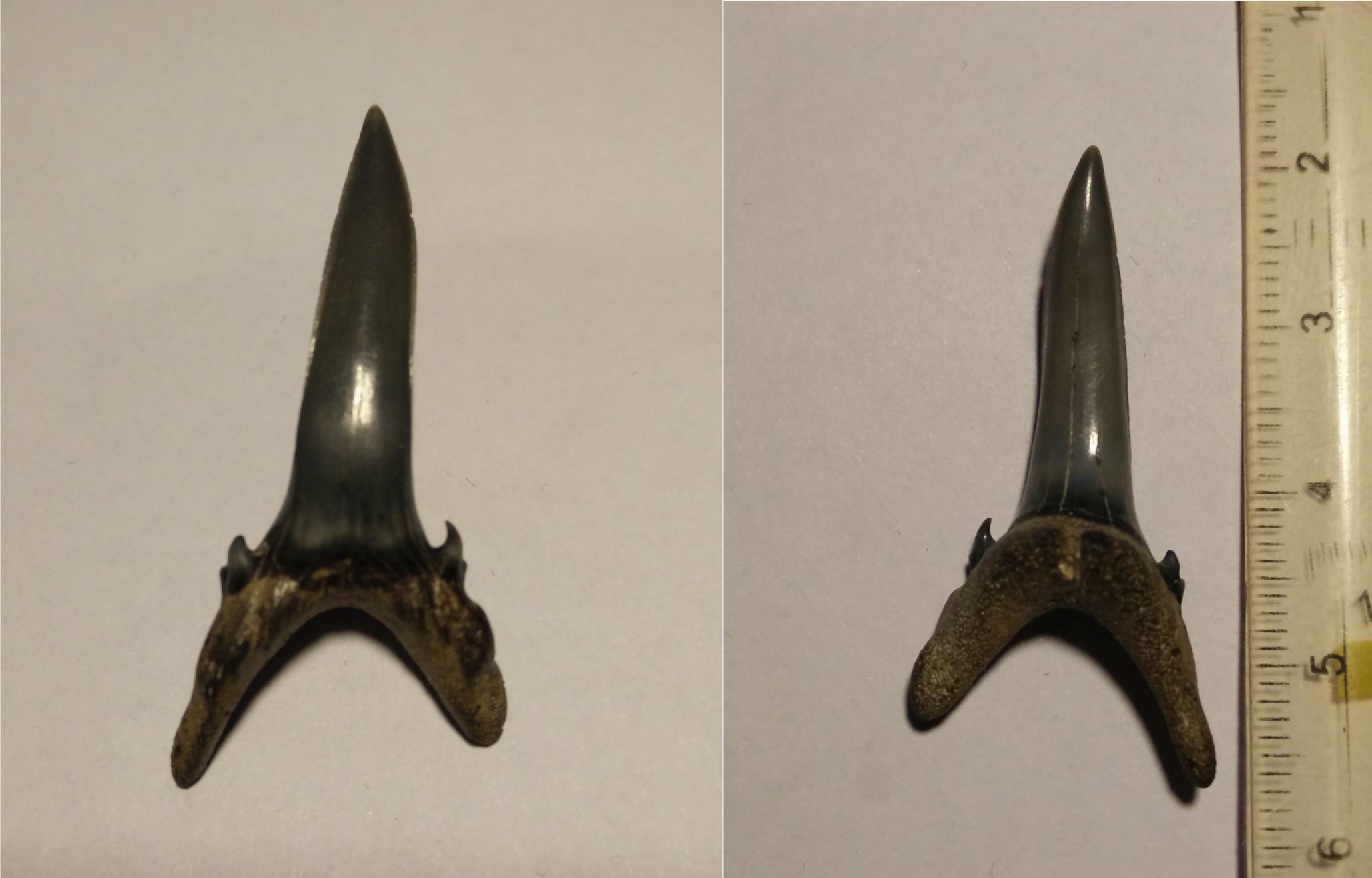
| Otodus megalodon #SMMR111 Mega Shark tooth of this rare location Miocene, 15 milj. years old Rumst, Belgium Size largest: 2.8 inch / 7.1 cm Price: |
SMMR111 |
 |
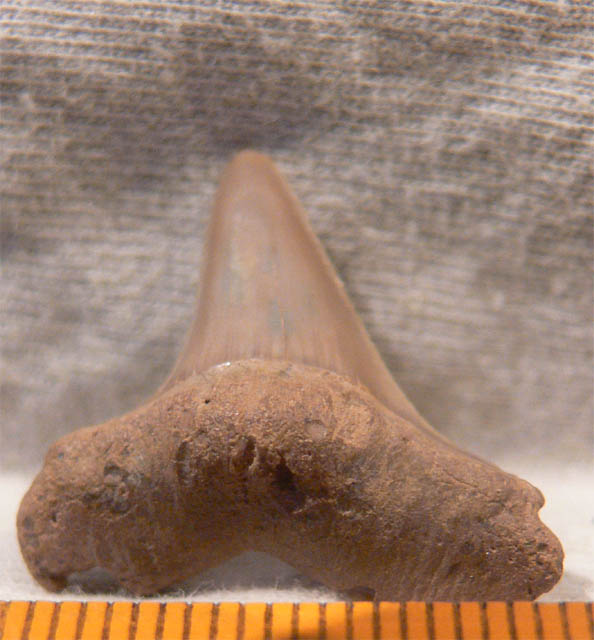
Striatolamia macrota #SSM011 Rare Shark tooth U. Eocene 40 milj. years old Muddy creek, Virginia Size: 1.46 inch / 3.7 cm Price: Euro: |
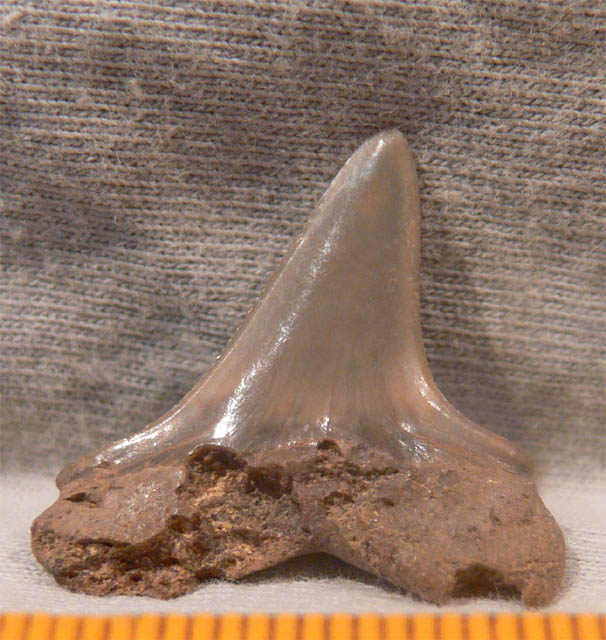
| Striatolamia macrota #SSM010 Rare Shark tooth U. Eocene 40 milj. years old Muddy creek, Virginia Size: 1.18 inch / 3 cm Price: Euro: |
 |
 |
 |
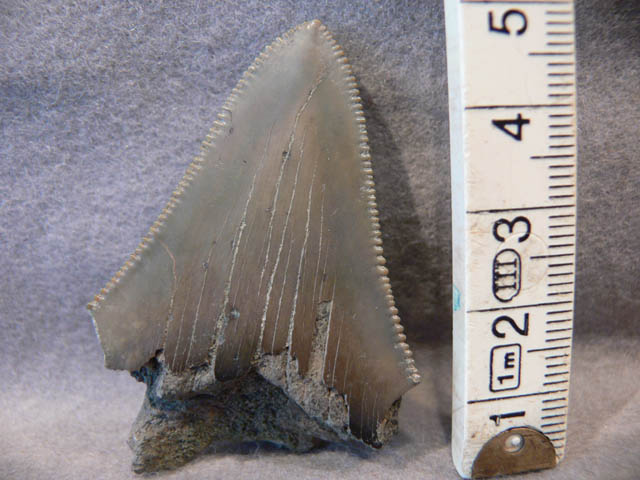
| Cretoxyrhina mantelli #SCM7680 (Agassiz) Tonmbigbee Sand, Sant-Camp boundary U. Cretaceous, 80 milj. years old Columbus, Lowndess county, Mississippi, U.S.A. Size: 1 inch / 2.5 cm Price: |
|
| Hybodus sp. #SHS7338 Eutaw formation Santonian, Cretaceous, 84 milj. years old Columbus, Mississippi, U.S.A. Size: 0.44 inch / 1.1 cm Price: |
 |
 |
 |
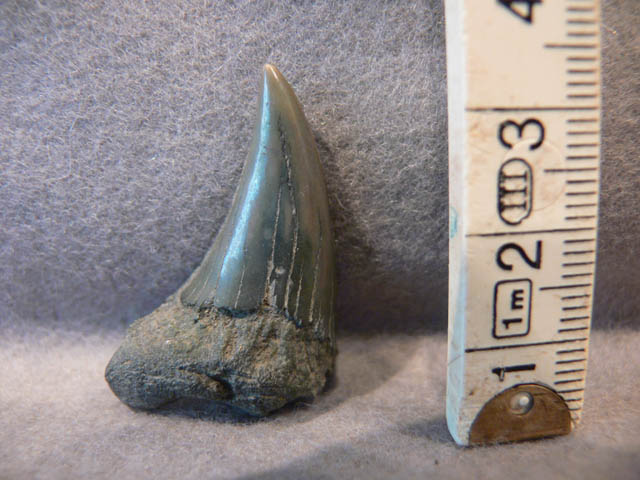
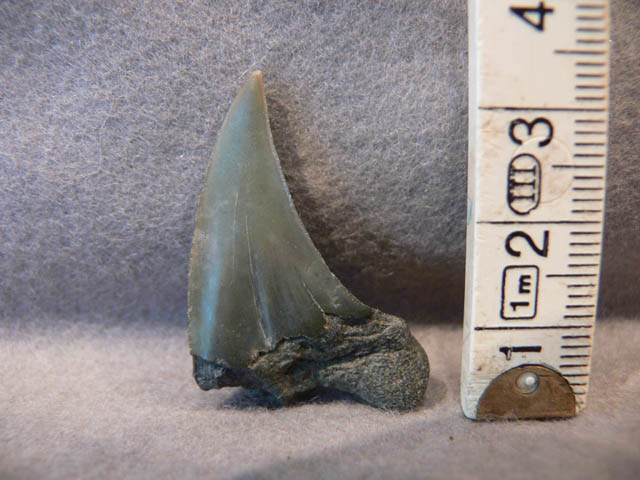
| Otodus megalodon #SMM6983 Mega Shark tooth of this rare location Miocene, 15 milj. years old Rumst, Belgium Size: 2.2 inch / 5.5 cm Price: |
|
 |
 |
| Paratodus benedeni #SPB6985 Shark tooth of this rare location Miocene, 15 milj. years old Rumst, Belgium Size: 1.48 inch / 3.7 cm Price: Euro |
|
 |
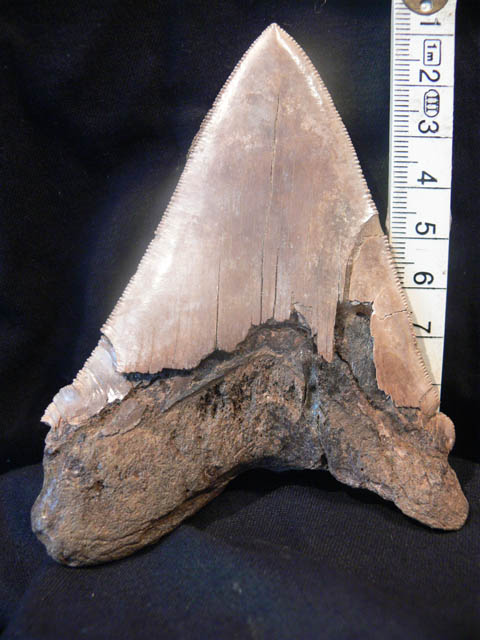 |
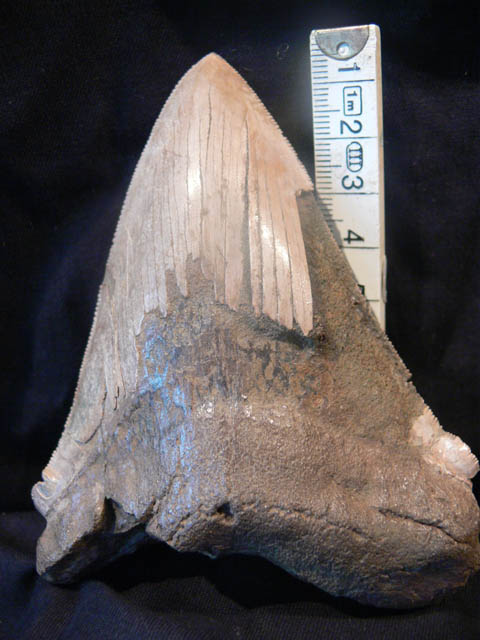
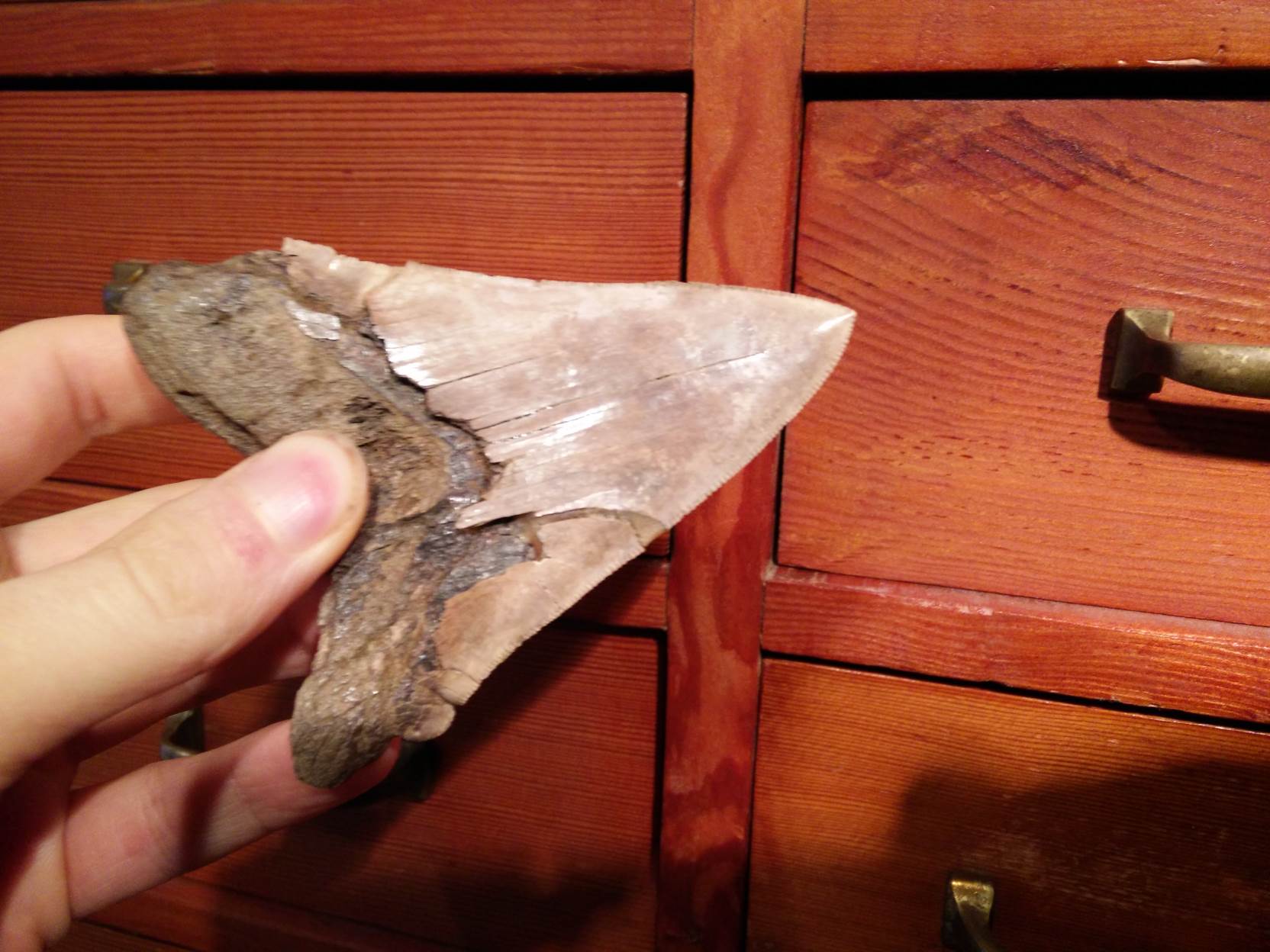
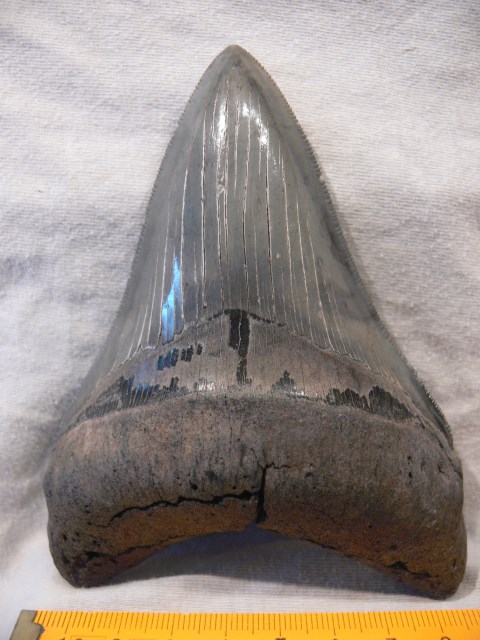
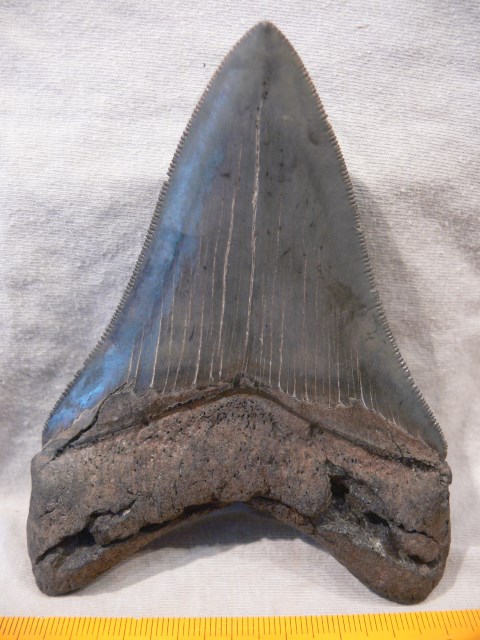
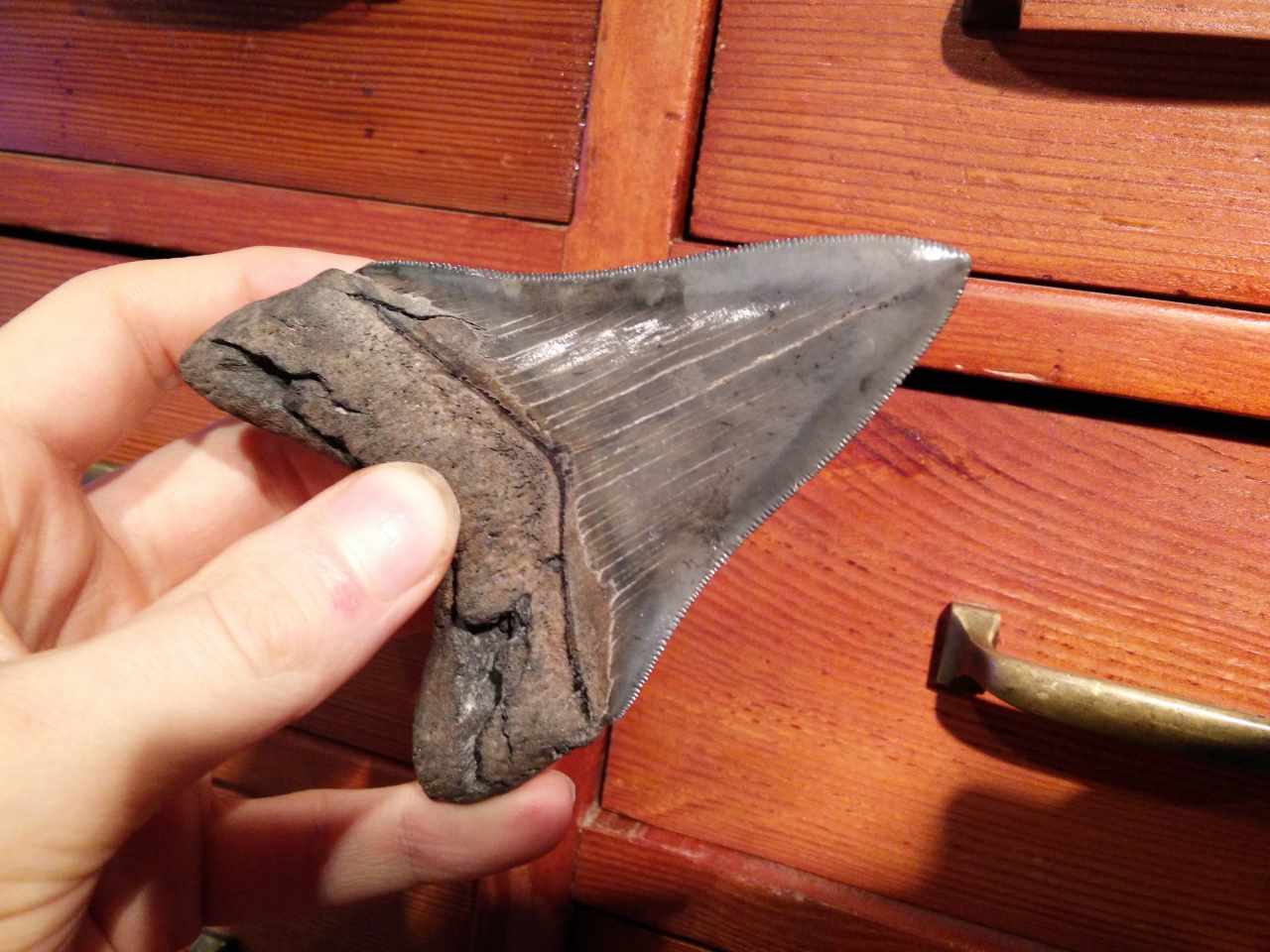
| Otodus megalodon #SMM7012 Mega Shark tooth of this rare location Miocene, 15 milj. years old Rumst, Belgium Size: 4.44 inch / 11.1 cm Price: |
 |
 |
 |
| Otodus megalodon #SMM8220 Mega - shark tooth; (Agassiz); NO restoration! Hawthorne formation Miocene, 10-15 milj. years old Savannah, Georgia, U.S.A. Size: 4.56 inch / 11.4 cm Price: |
 |
| Otodus megalodon #SMM8224 Mega - shark tooth; (Agassiz); NO restoration! Hawthorne formation Miocene, 10-15 milj. years old Savannah, Georgia, U.S.A. Size: 5.44 inch / 13.6 cm Price: Euro | 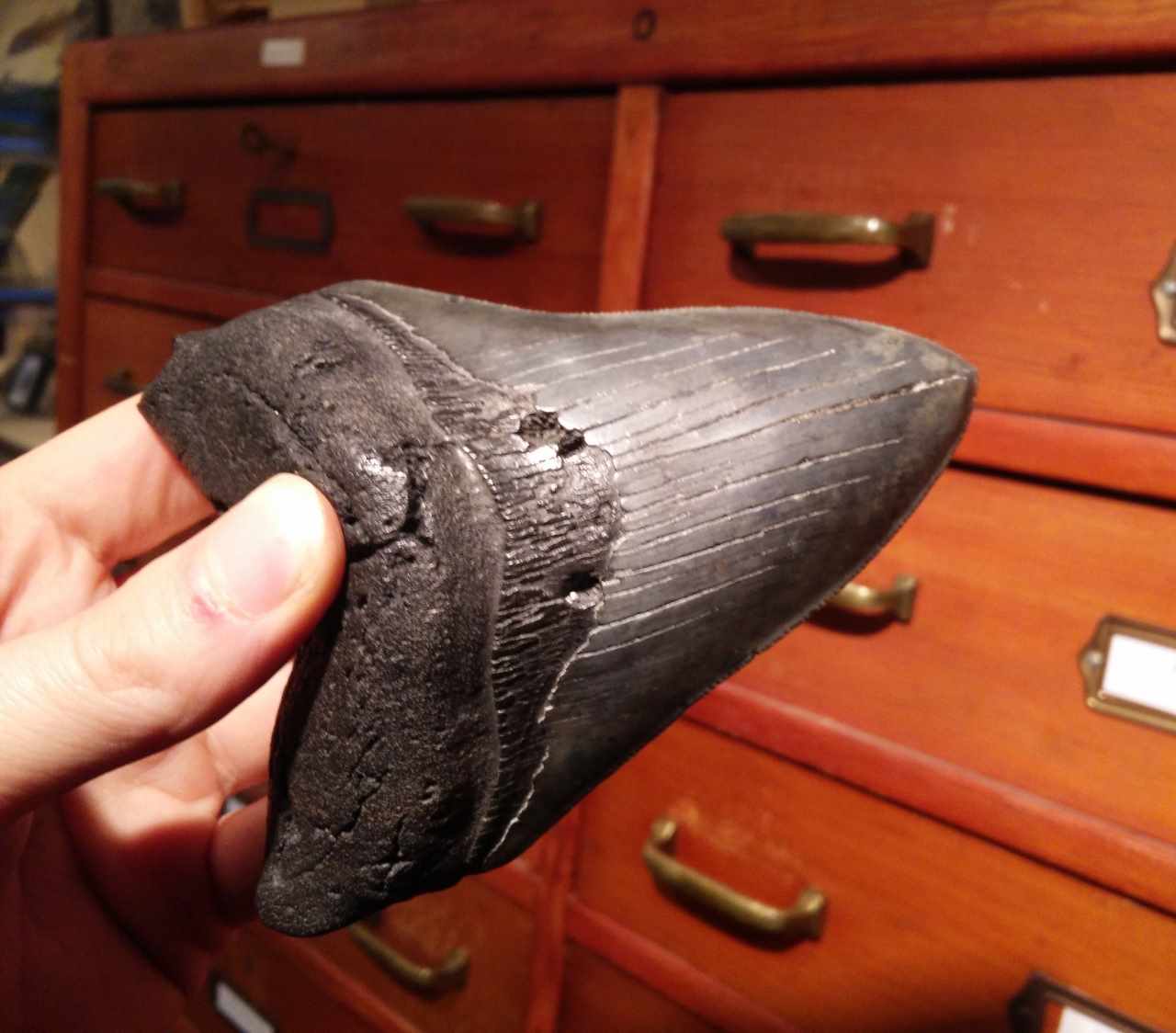 |
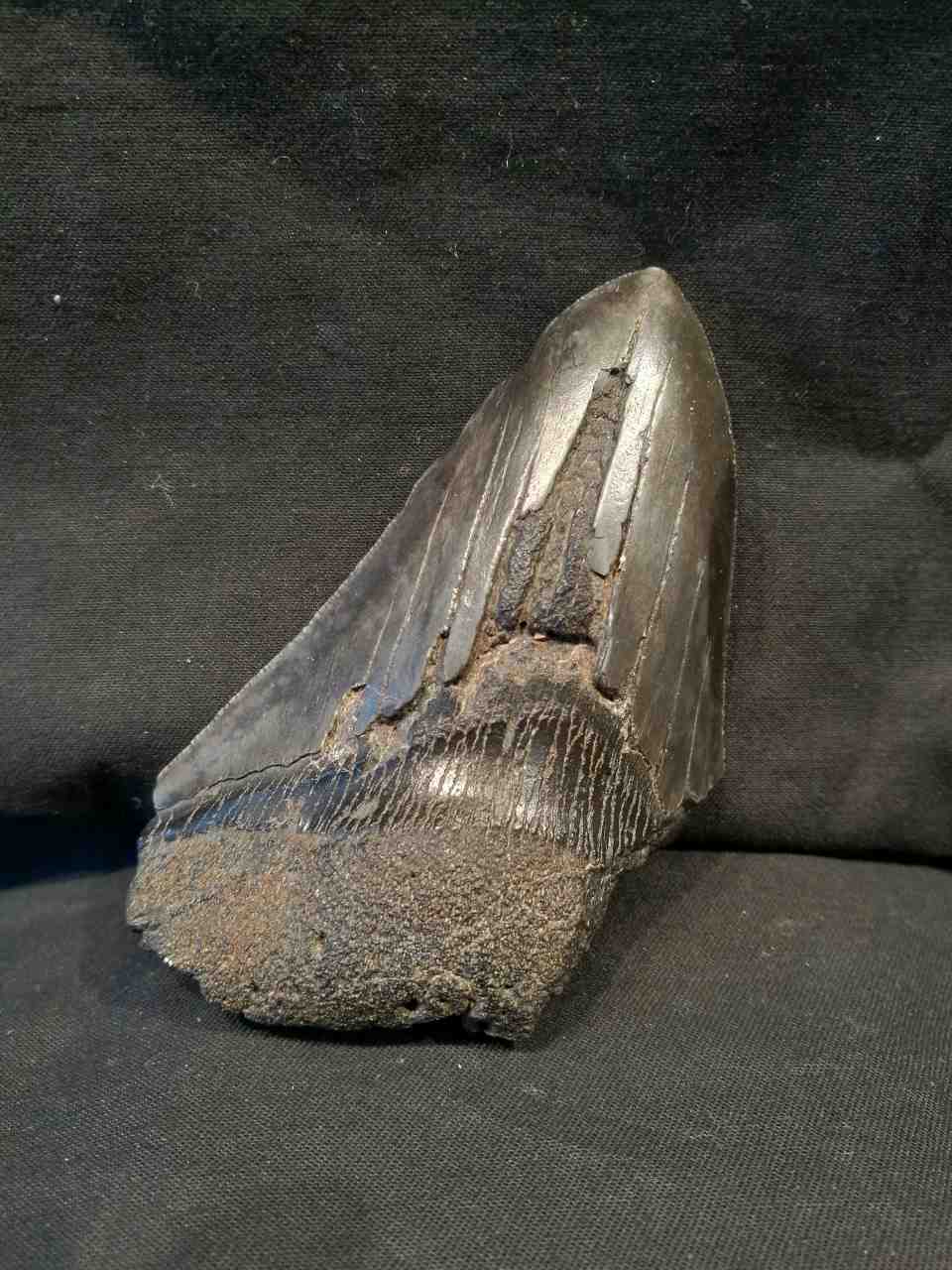 | Otodus megalodon #SMM3466 Shark tooth; NO restoration! Miocene, 15 milj. years old Morgan River, S.C., U.S.A. Size: 3.82 inch / 9.7 cm Price: |
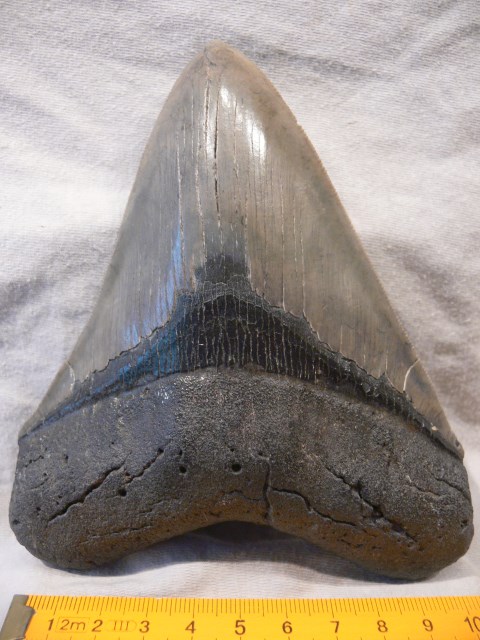
| Otodus megalodon #SMM8228 Mega - shark tooth; (Agassiz); NO restoration! Hawthorne formation Miocene, 10-15 milj. years old Savannah, Georgia, U.S.A. Size: 5.28 inch / 13.2 cm Price: |
 |
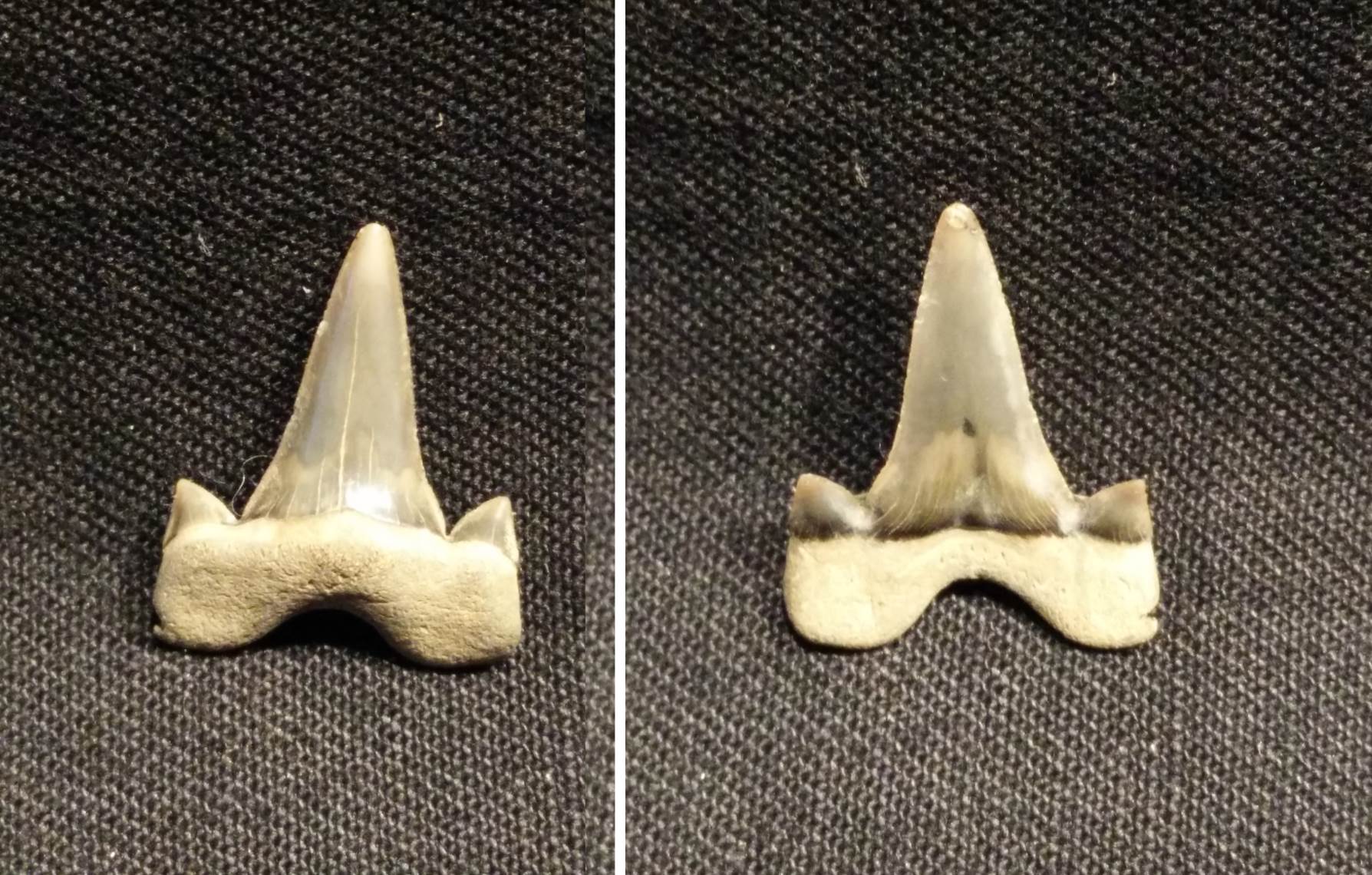
| Cretalamna appendiculata #SCA014 (Agassiz) Eutaw formation, U. Santonian U. Cretaceous, 84 milj. years old Columbus, Lowndes county, Mississippi, U.S.A. Size: 0.71 inch / 1.8 cm Price: |
 |
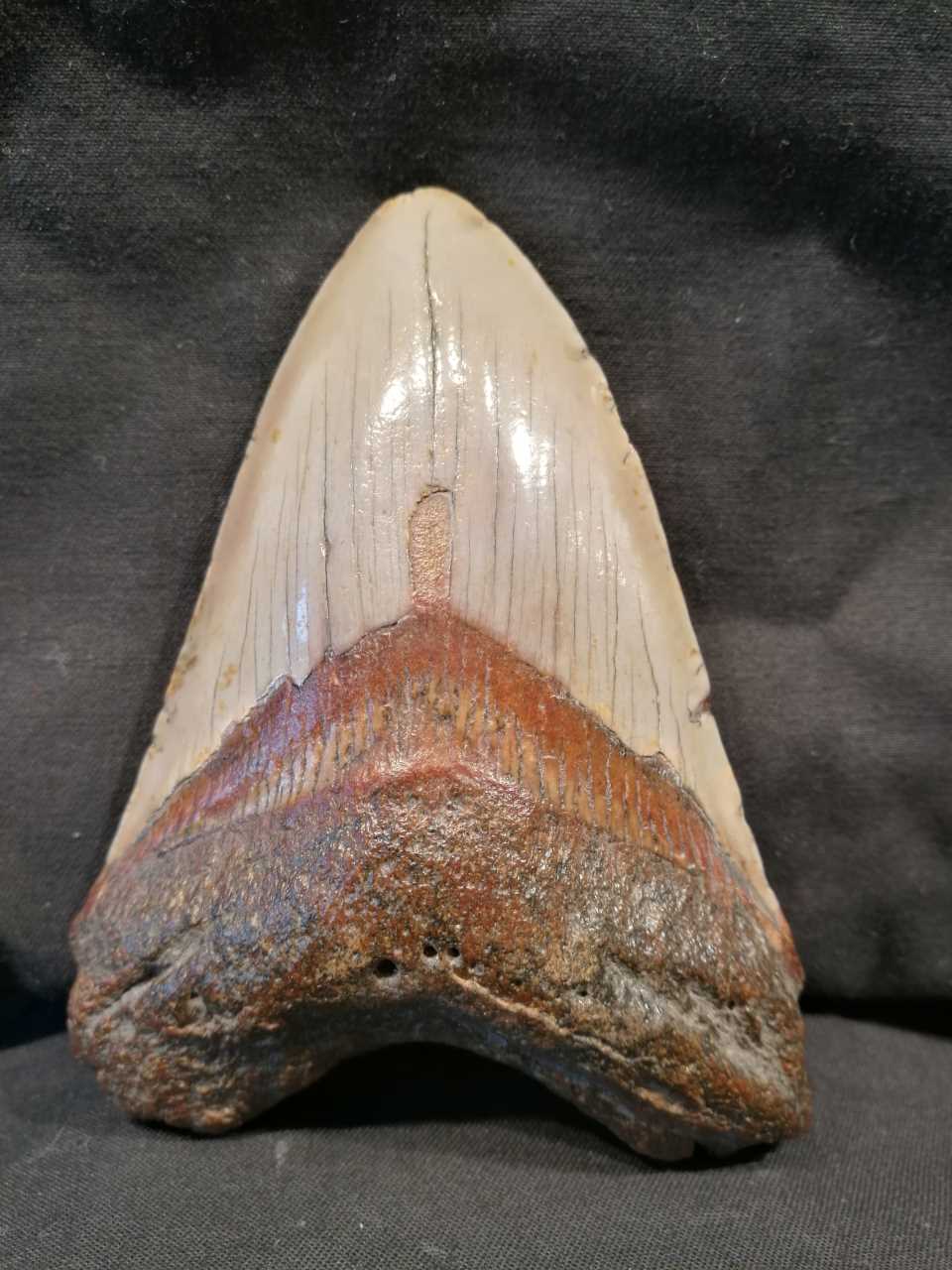 |
Otodus megalodon #SMM3462 Shark tooth; NO restoration! Miocene, 15 milj. years old Morgan River, S.C., U.S.A. Size: 4.49 inch / 11.4 cm Price: |
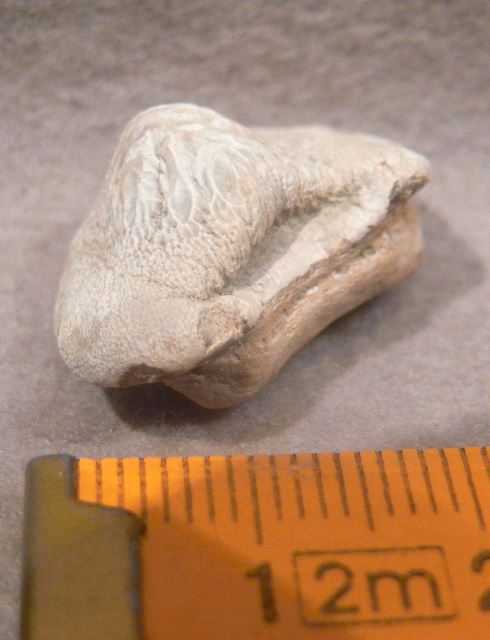
| Ptychodus mortoni #SPM8297 (Mantell) Niobrara formation U. Cretaceous, 80 milj. years old Coniac, Cove county, Kansas, U.S.A. Size: 1 inch / 2.5 cm Price: Euro |
 |
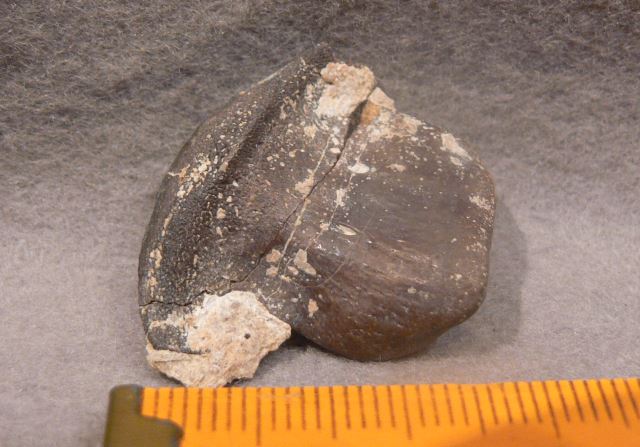 |
Petalodus allegheniensis #SPA8299 NO restoration! Raytown formation U. Carboniferous, Penssylvanian, 300 milj. years old Lenexa, Johnson county, Kansas, U.S.A. Size: 1.12 inch / 2.8 cm Price: Euro |
 |
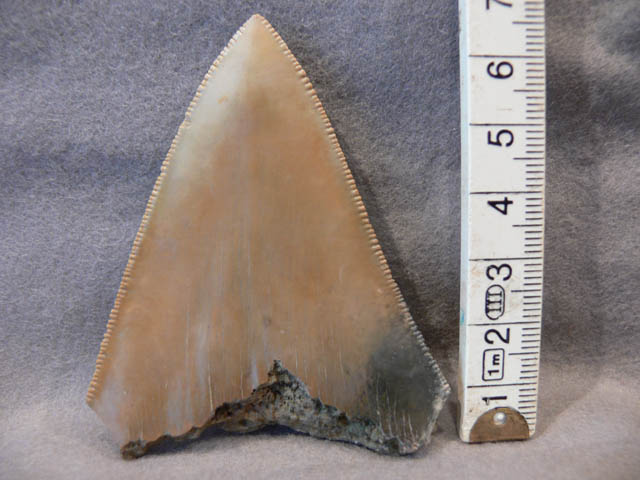 |
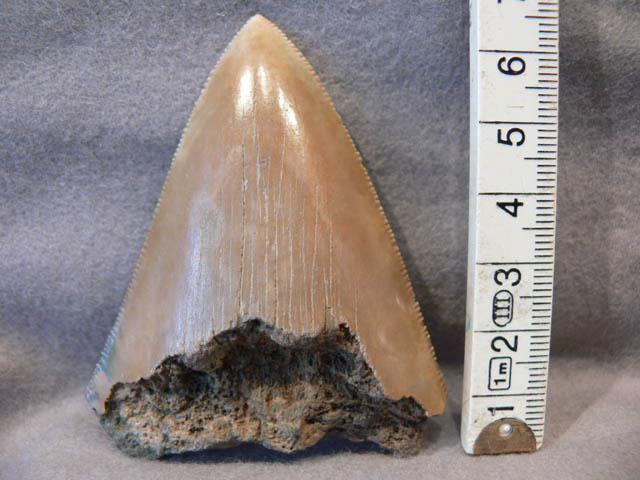
| Otodus megalodon #SMM6981 Mega Shark tooth of this rare location Miocene, 15 milj. years old Rumst, Belgium Size: 2.88 inch / 7.2 cm Price: |
|
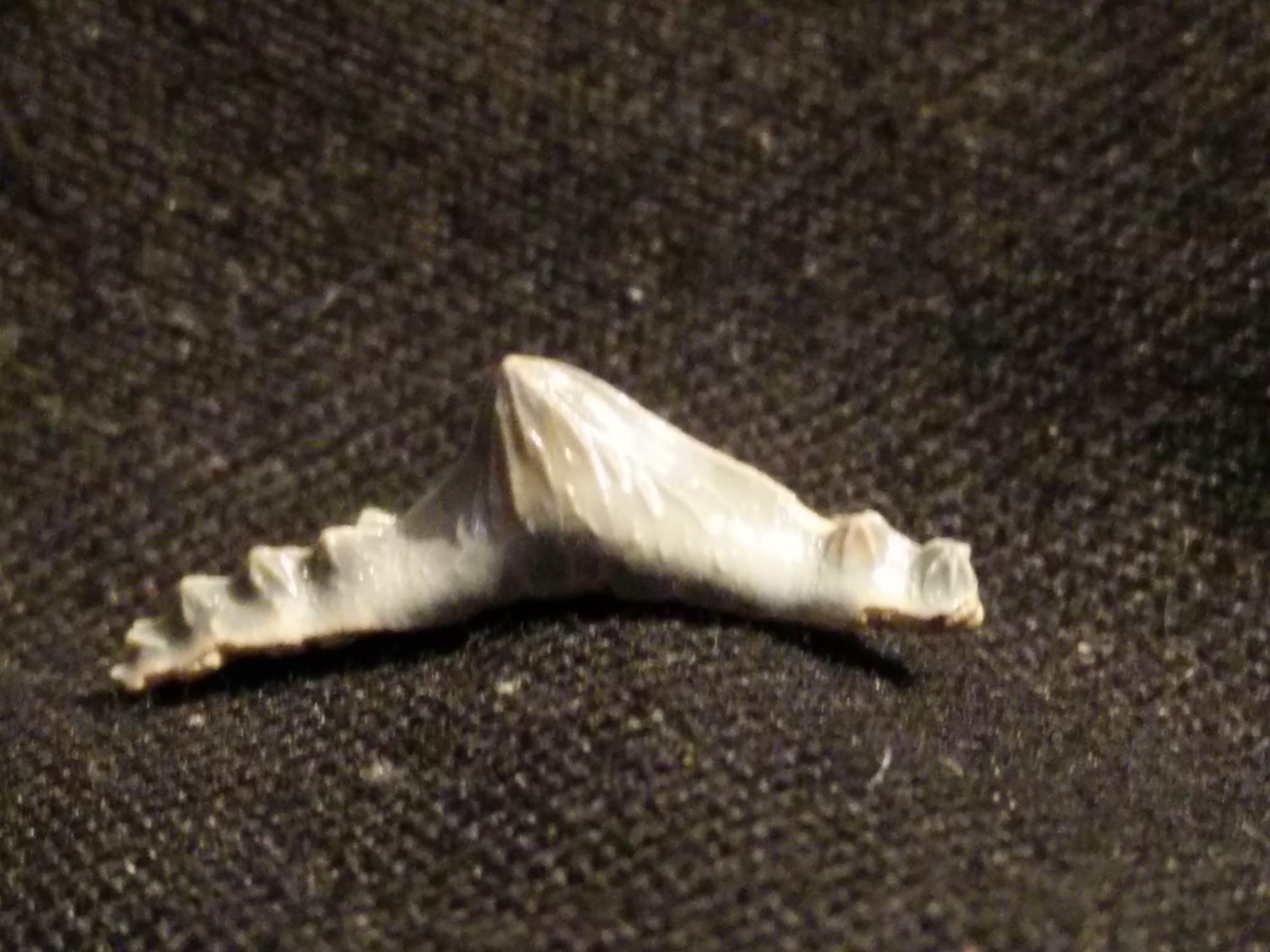 | Polyacrodus spec. #SPS7458 NO restoration! Kasimov formation U. Carboniferous, Moscovian , 310 milj. years old Achkasovo, Moskou oblast, Russia Size: 0.64 inch / 1.6 cm wide Price: Euro |
| Psammodus turgidus #SPT7461 NO restoration! In matrix. Kasimov formation U. Carboniferous, Moscovian , 310 milj. years old Achkasovo, Moskou oblast, Russia Size: 0.4 inch / 1 cm wide Price: Euro |  |
 | Peripristis semicircularis #SPS7466 NO restoration! Raytown formation U. Carboniferous, Penssylvanian, 300 milj. years old Lenexa, Johnson county, Kansas, U.S.A. Size: 0.56 inch / 1.4 cm wide Price: Euro |
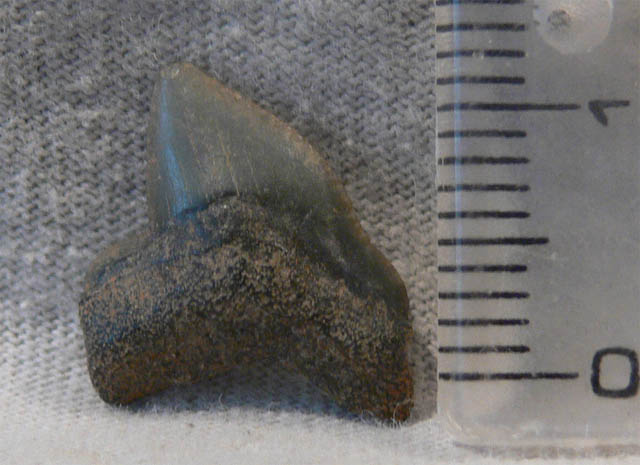 | Squalicorax yangaensis #SSY7367 (Darteville & Casier) Tonmbigbee Sand, Sant-Camp boundary U. Cretaceous, 80 milj. years old Columbus, Mississippi, U.S.A. Size: 0.68 inch / 1.7 cm Price: |
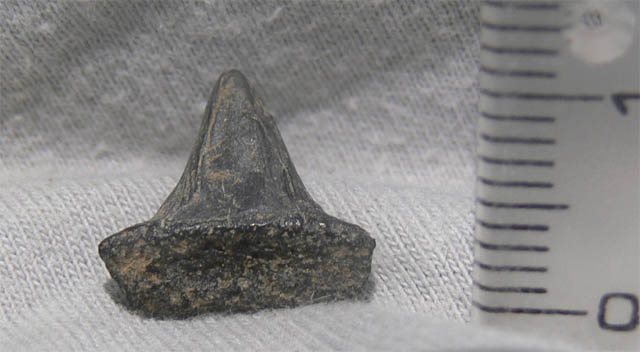 | Hybodus sp. #SHS7337 Eutaw formation Santonian, Cretaceous, 84 milj. years old Columbus, Mississippi, U.S.A. Size: 0.48 inch / 1.2 cm Price: Euro |
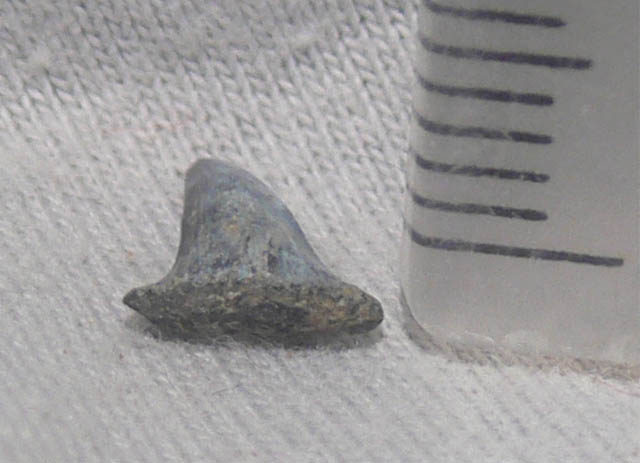 | Hybodus sp. #SHS7339 Eutaw formation Santonian, Cretaceous, 84 milj. years old Columbus, Mississippi, U.S.A. Size: 0.24 inch / 0.6 cm Price: |
| Otodus megalodon #SMM7016 Mega Shark tooth of this rare location Miocene, 15 milj. years old Rumst, Belgium Size: 3.64 inch / 9.1 cm Price: | 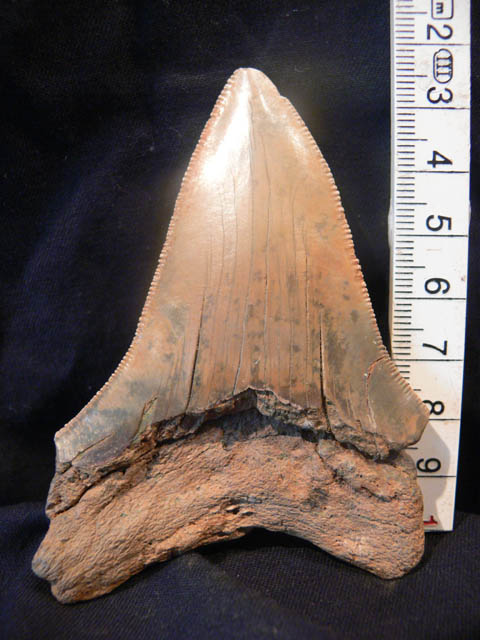 |
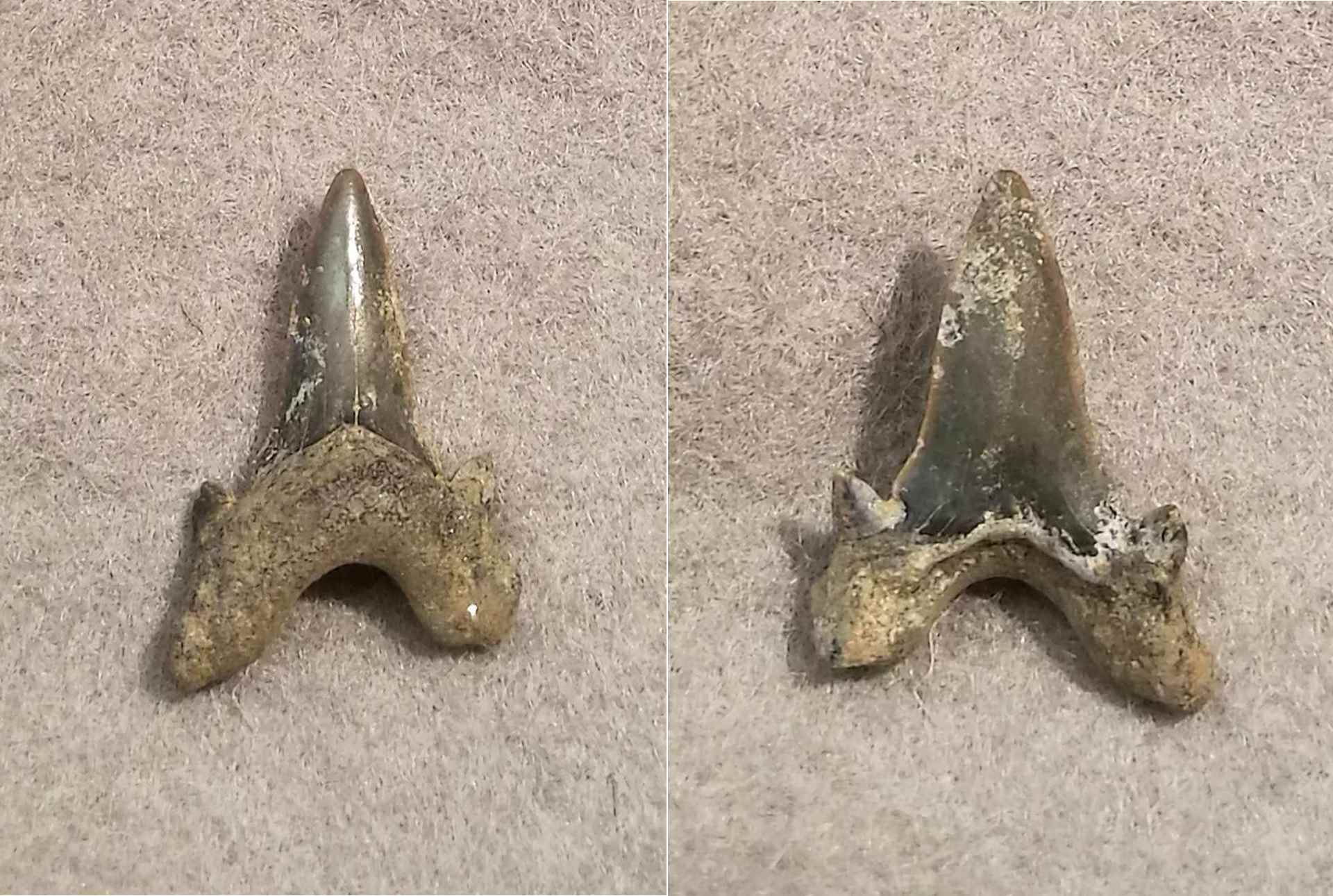
| Cretalamna appendiculata #SCA005 (Agassiz) Eutaw formation, U. Santonian U. Cretaceous, 84 milj. years old Columbus, Lowndes county, Mississippi, U.S.A. Size: 0.6 inch / 1.5 cm Price: |
 |
 |
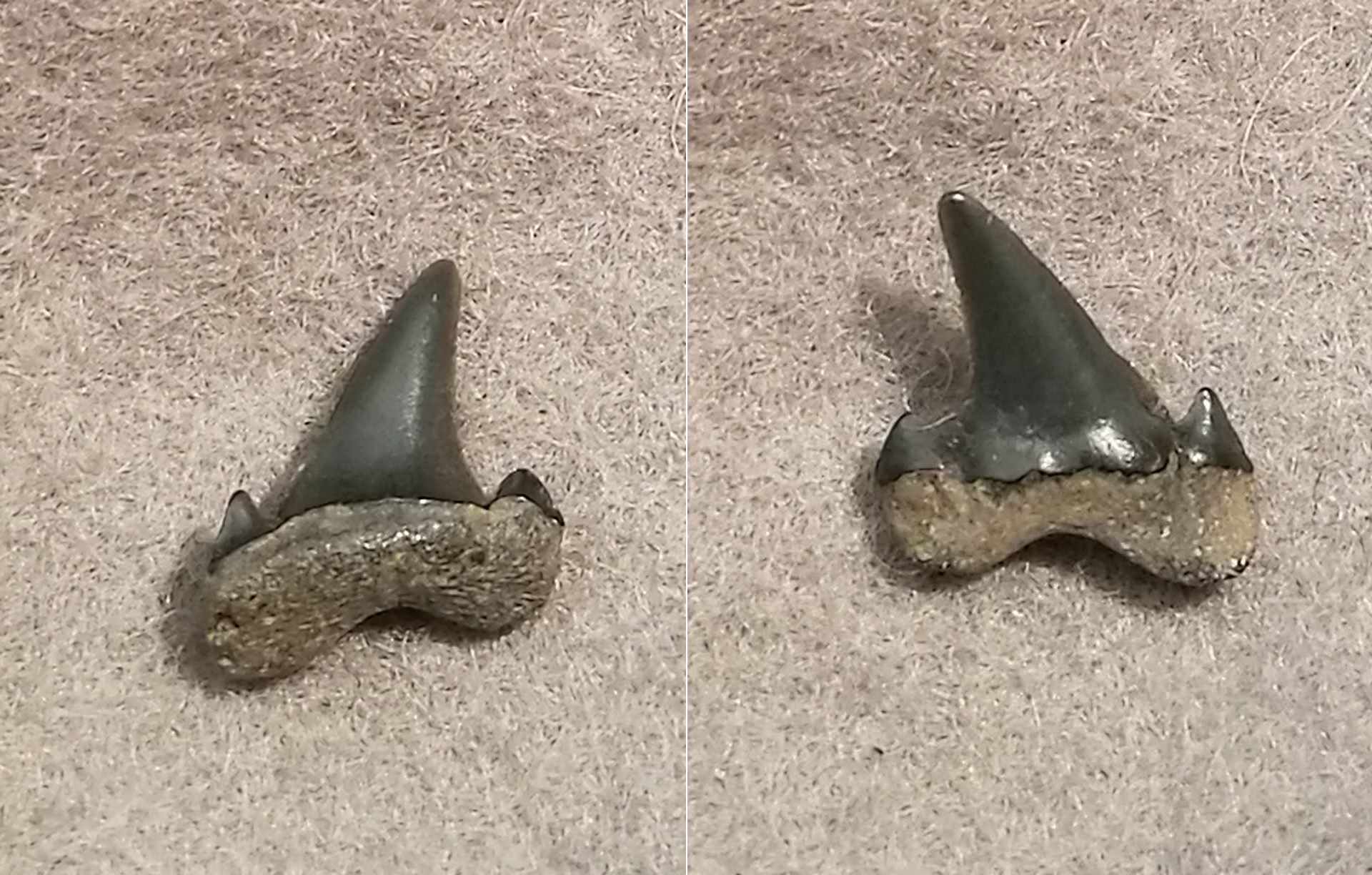
Cretalamna appendiculata #SCA006 (Agassiz) Eutaw formation, U. Santonian U. Cretaceous, 84 milj. years old Columbus, Lowndes county, Mississippi, U.S.A. Size: 0.64 inch / 1.6 cm Price: |
| Cretalamna appendiculata #SCA007 (Agassiz) Eutaw formation, U. Santonian U. Cretaceous, 84 milj. years old Columbus, Lowndes county, Mississippi, U.S.A. Size: 0.28 inch / 0.7 cm Price: |
 |
 |
Squalicorax falcatus #SSC001 Tarrant formation. Mansfield Highway Tarrant county, Texas, USA Upper Cenomanian 95 million years old Front and back on photo Size tooth: 0.51 inch/ 13 mm Price: |
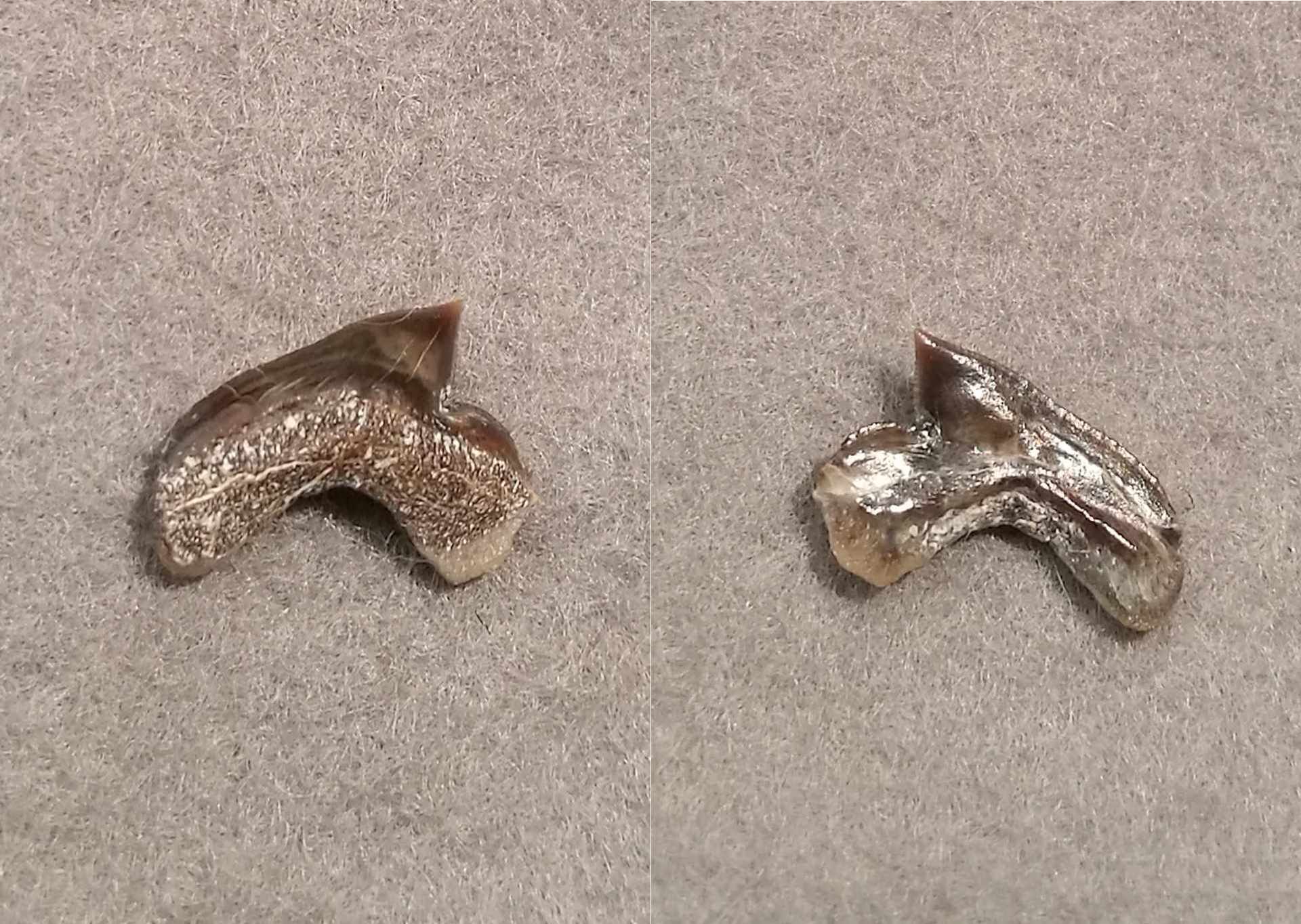 |
Squalicorax curvatus #SSC004 Niobrara formation. Upper Cretaceous, Coniacian, 88 million years old Gove county, Texas, USA Front and back on photo Size tooth: 0.28 inch/ 7 mm Price: |
 |
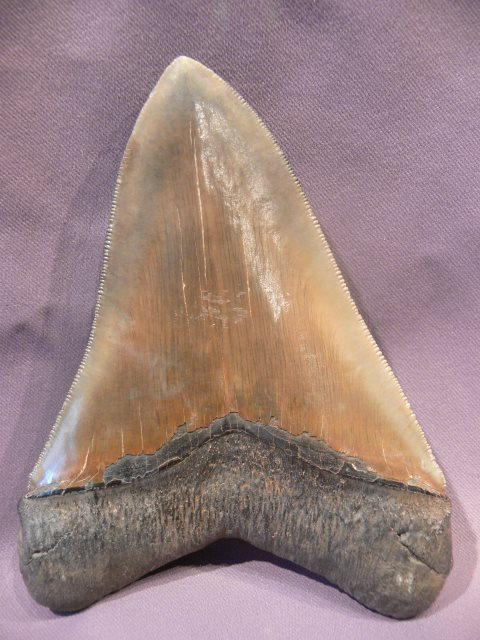 |
| Otodus megalodon #SMM9912 Mega - shark tooth; (Agassiz); Some? restoration Hawthorne formation Miocene, 10-15 milj. years old Savannah, Georgia, U.S.A. Size: 5.2 inch / 13 cm Price: |
|
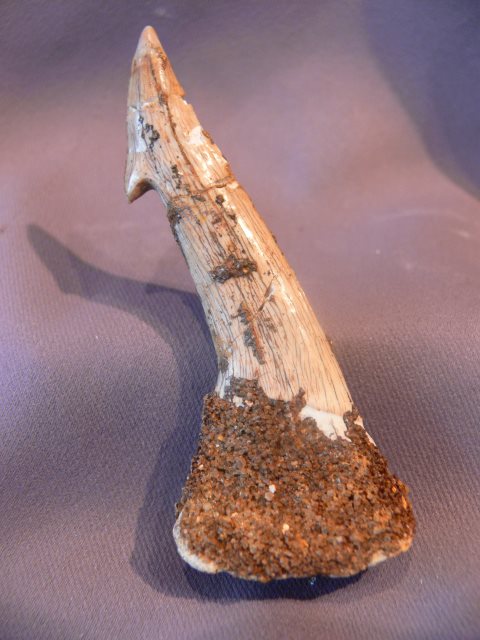 |
Onchopristis numidus #SON9787 Nice large complete Sawfish tooth, glued Tegana Formation (Cenomanian) Cretaceous 95 million years old Kem Kem Beds, Morocco Size: 3.32 inch / 8.3 cm Price: Euro |
 |
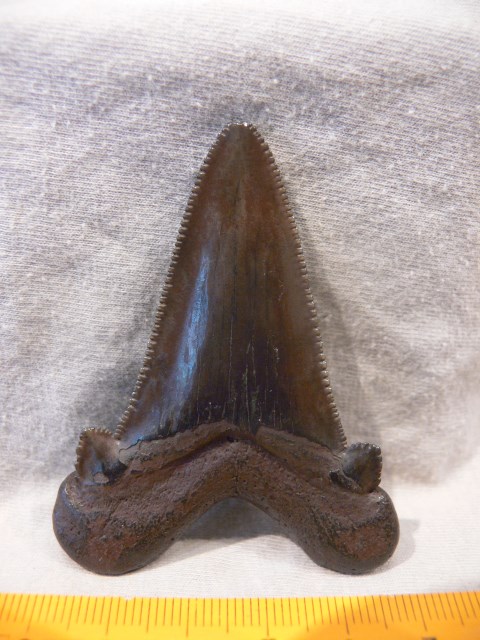 |
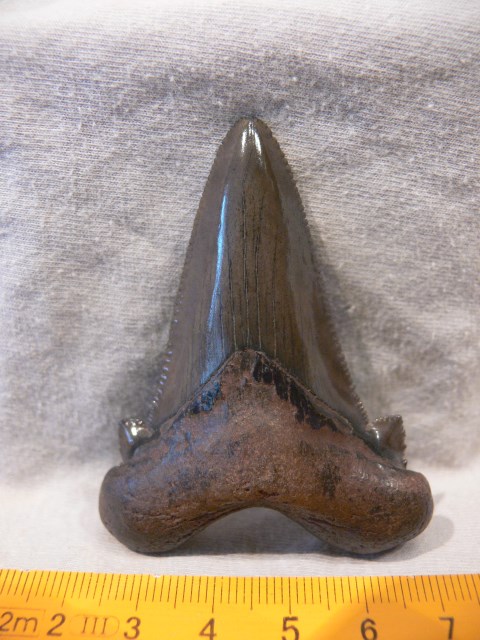
| Otodus auriculatus #SCA8249 Early Mega - shark tooth; (De Blainville); NO restoration! Ocala limestone, U. Eocene 37 milj. years old Suwannee river, Florida, U.S.A. Size: 2.6 inch / 6.5 cm Price: |
|
 |
 |
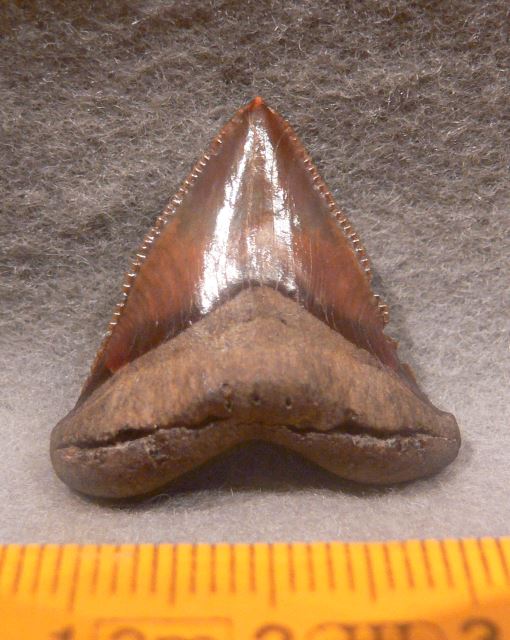
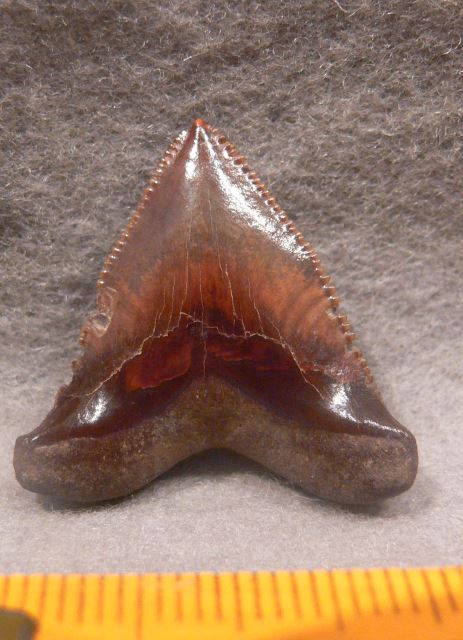
| Otodus megalodon #SMM8275 Juvenile Mega - shark tooth; (Agassiz); Redescription by Gordon Hubbell NO restoration! Hawthorne formation, Miocene, 10-15 milj. years old Broard river, N.Columbia, S.C., U.S.A. Size: 1 inch / 2.5 cm Price: |
|
 |
 |
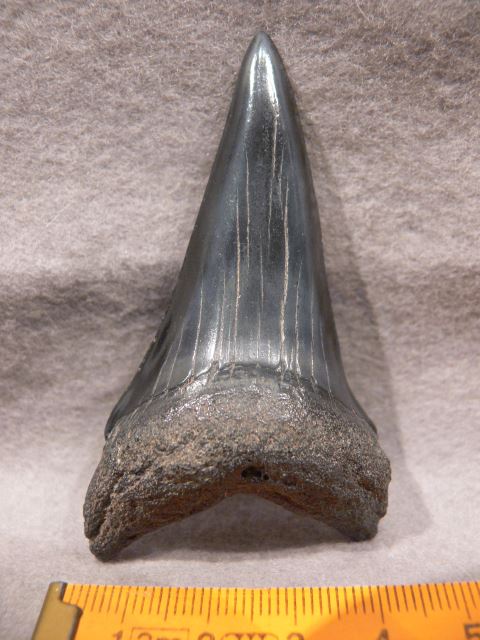
| Otodus megalodon #SMM8277 Juvenile Mega - shark tooth; (Agassiz); Redescription by Gordon Hubbell NO restoration! Hawthorne formation, Miocene, 10-15 milj. years old Broard river, N.Columbia, S.C., U.S.A. Size: 1 inch / 2.5 cm Price: |
|
 |
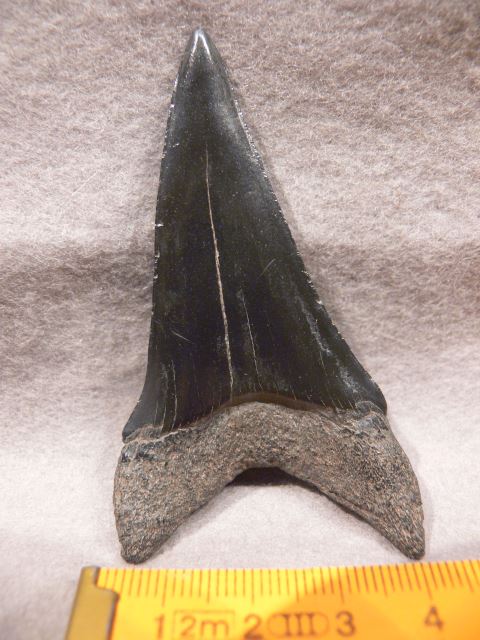 |
| Cosmopolitodus hastalis #SCH8282 Large - shark tooth; (Agassiz); NO restoration! Hawthorne formation Miocene, 10-15 milj. years old Savannah, Georgia, U.S.A. Size: 2.88 inch / 7.2 cm Price: |
|
 |
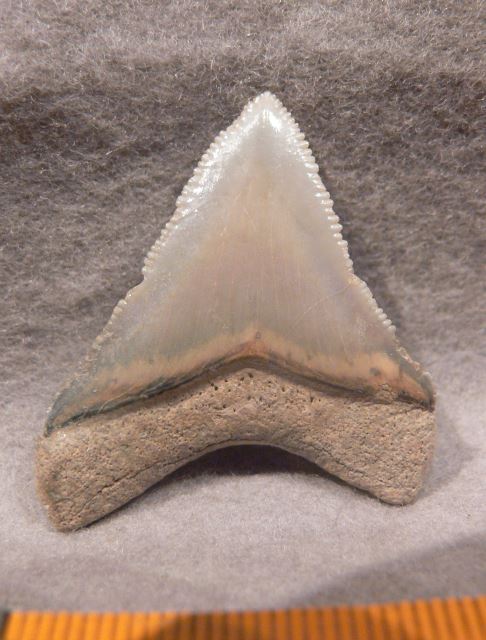 |
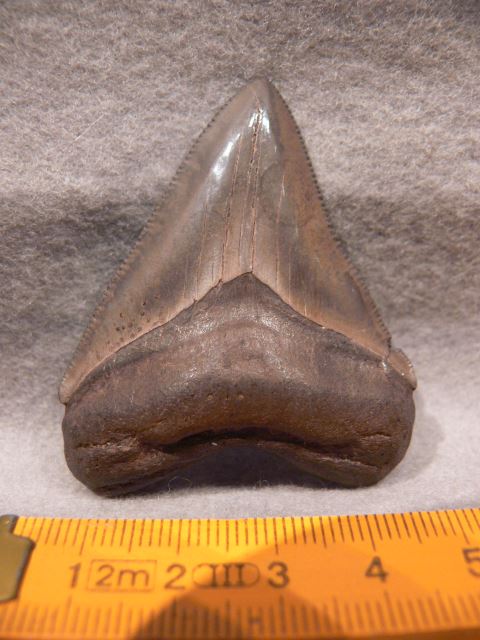
| Otodus megalodon #SMM8287 Mega - shark tooth; (Agassiz); juvenile; NO restoration! Yorktown formation Miocene, 10-15 milj. years old Aurora, N.C., U.S.A. Size: 1.88 inch / 4.7 cm Price: |
|
 |
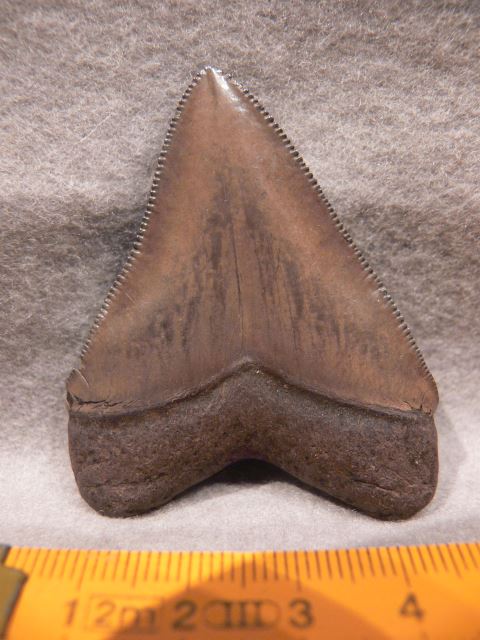 |
| Otodus megalodon #SMM8289 Mega - shark tooth; (Agassiz); juvenile; NO restoration! Hawthorne formation Miocene, 10-15 milj. years old May river, Savannah, Georgia, U.S.A. Size: 2.12 inch / 5.3 cm Price: |
|
 |
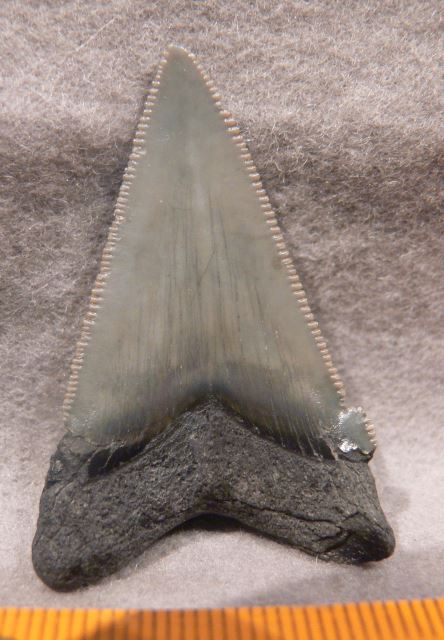 |
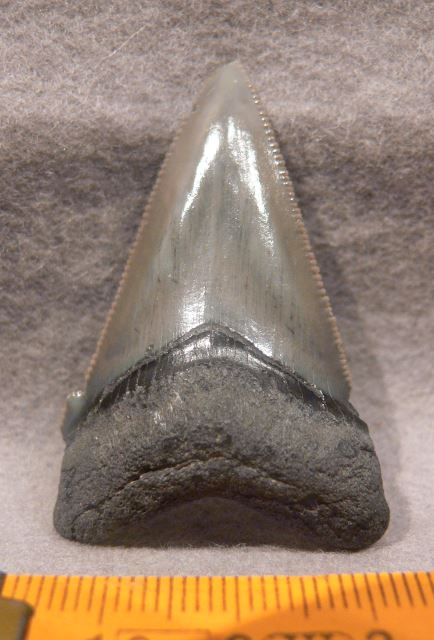
| Otodus angustidens #SCA8293 Early Mega - shark tooth; (Agassiz); NO restoration! L. Oligocene, 32 milj. years old Ashley Marl, Charleston County, S.C., U.S.A. Size: 1.88 inch / 4.7 cm Price: |
|
 |
Ptychodus mortoni #SPM8296 (Mantell) Niobrara formation U. Cretaceous, 80 milj. years old Coniac, Cove county, Kansas, U.S.A. Size: 0.6 inch / 1.5 cm Price: Euro |
 |
 |
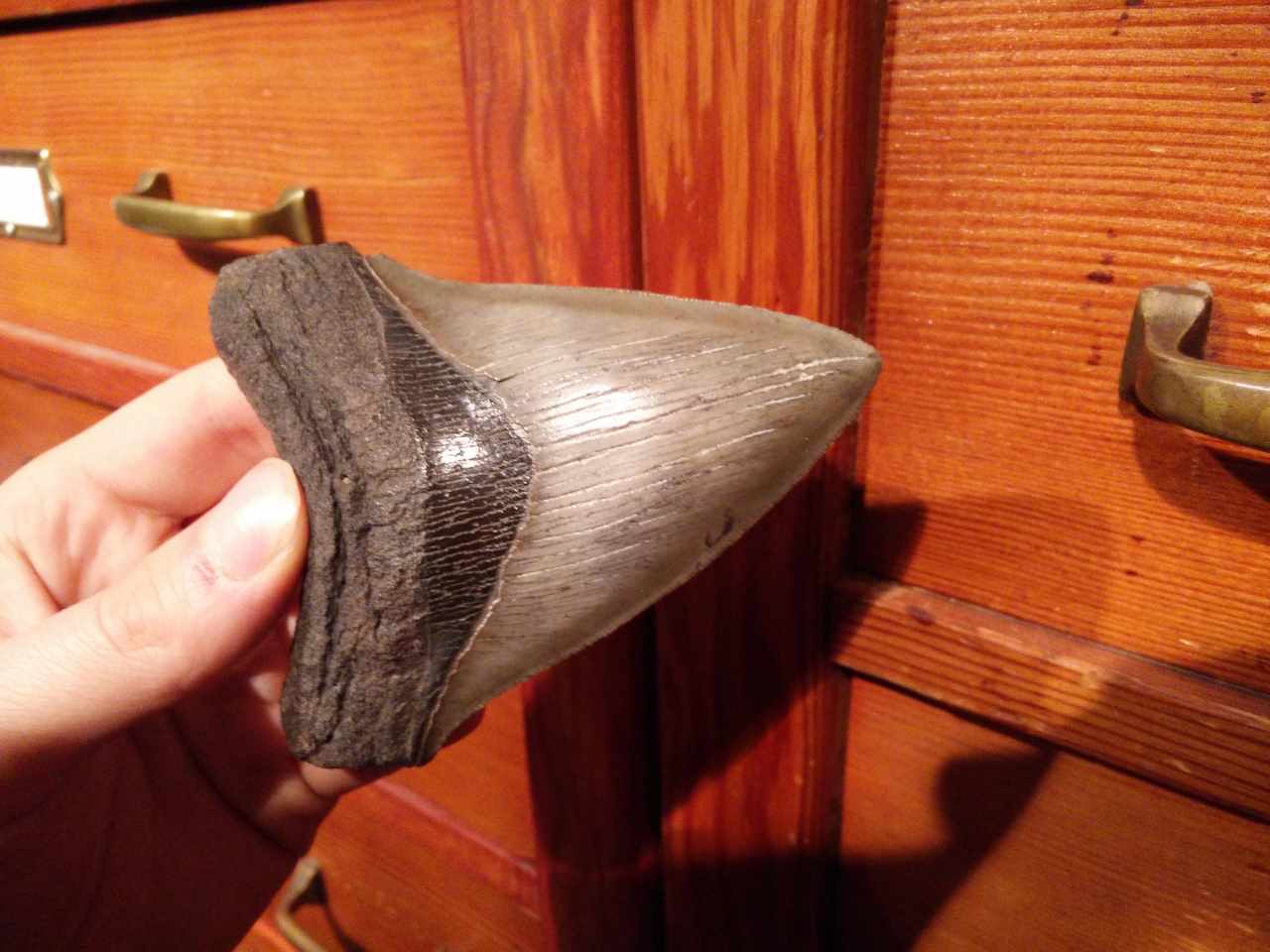 |
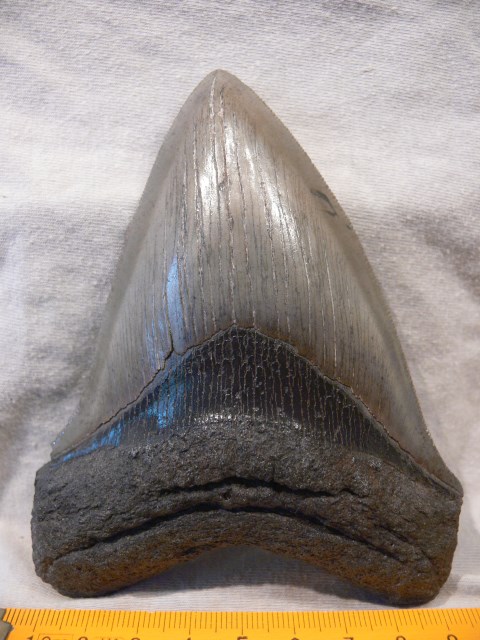
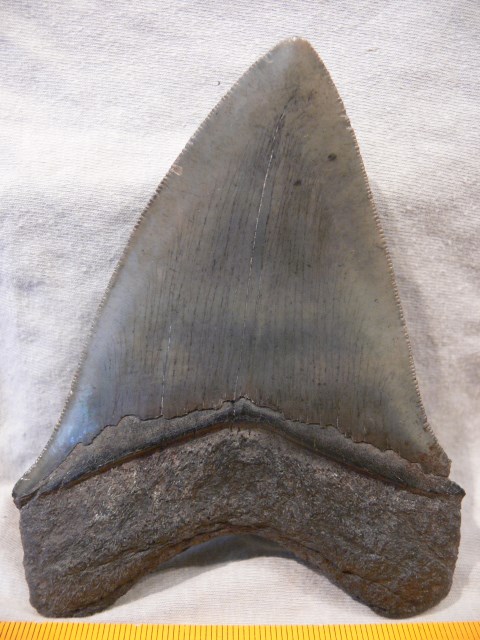
Otodus megalodon #SMM8222 Mega - shark tooth; (Agassiz); NO restoration! Hawthorne formation Miocene, 10-15 milj. years old Savannah, Georgia, U.S.A. Size: 4.6 inch / 11.5 cm Price: |
 |
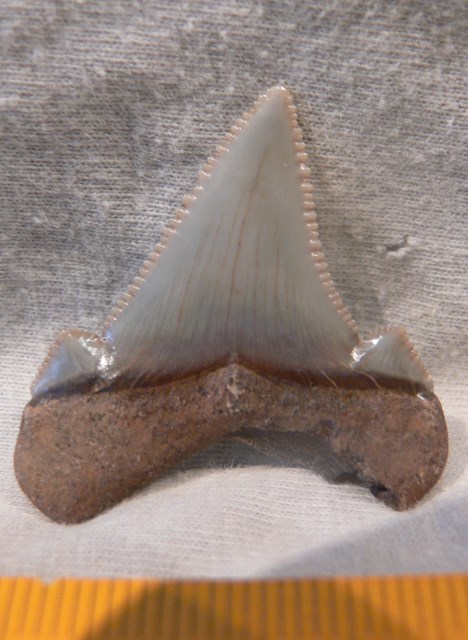 |
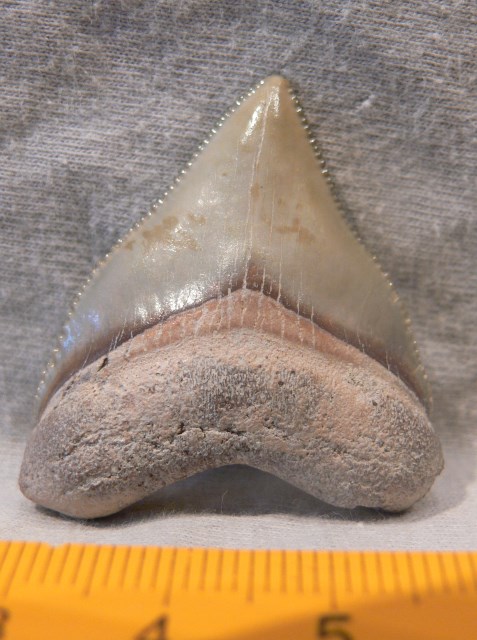
| Otodus angustidens #SCA8244 Early Mega - shark tooth; (Agassiz); NO restoration! Chandler bridge fmt., Oligocene, 28 milj. years old Wando river, E. Charleston, S.C., U.S.A. Size: 1.32 inch / 3.3 cm Price: |
|
 |
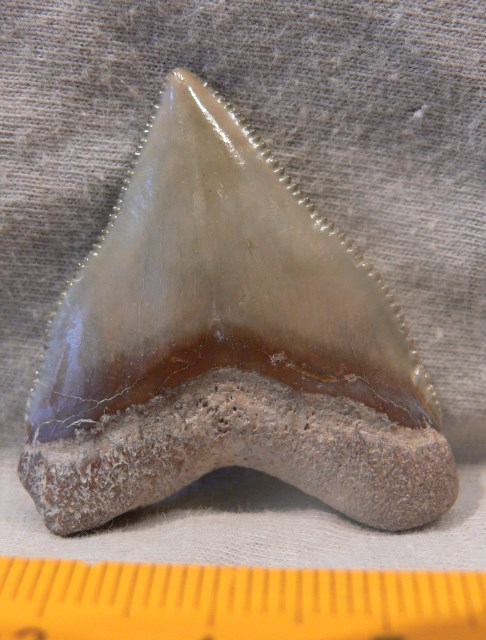 |
| Otodus megalodon #SMM8257 Juvenile Mega - shark tooth; (Agassiz); Redescription by Gordon Hubbell NO restoration! Bone valley formation Miocene, 10-15 milj. years old Polk County, Florida, U.S.A. Size: 1.56 inch / 3.9 cm Price: |
|
 |
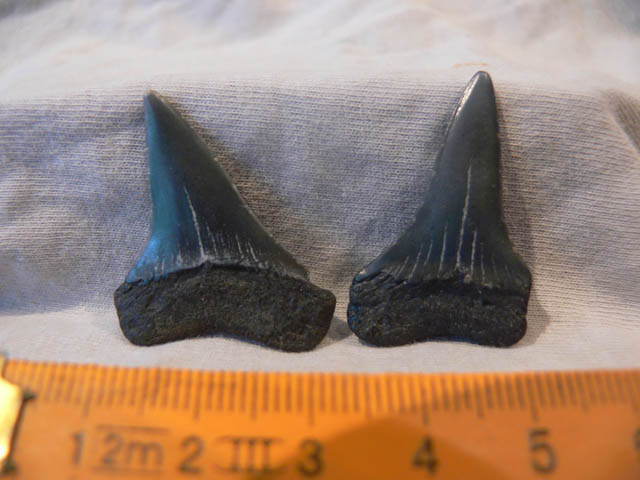 |
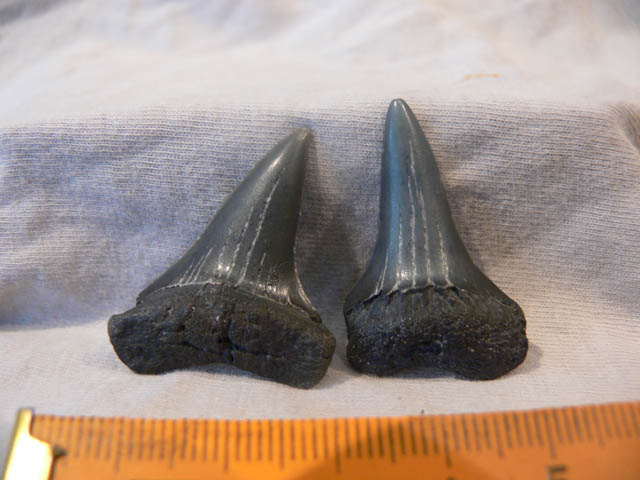
| Cosmopolitodus hastalis #SCH7721 NO restoration! Miocene, 7.5 milj. years old Big Bay, South Africa Size biggest: 1.36 inch / 3.4 cm Price: |
|
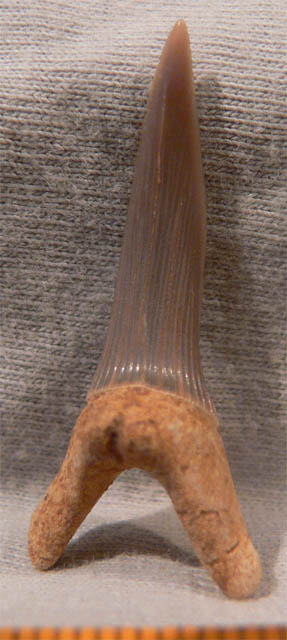 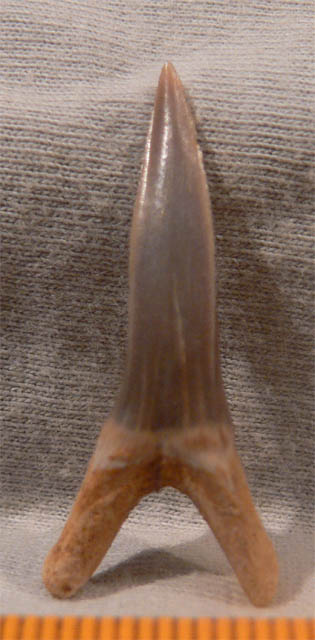 |
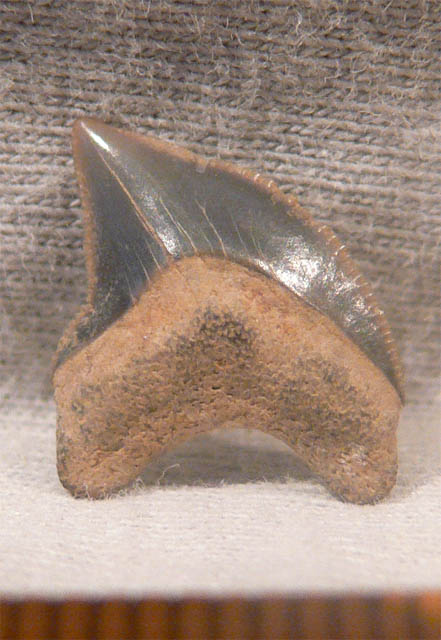
Scapanorhynchus texanus #SST7678 (Roemer) Tonmbigbee Sand, Sant-Camp boundary U. Cretaceous, 80 milj. years old Columbus, Mississippi, U.S.A. Size: 1.28 inch / 3.2 cm Price: |
 |
 |
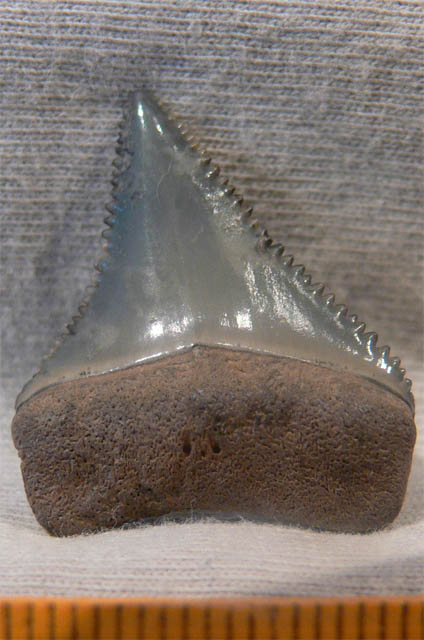
| Squalicorax lindstromi #SSL7686 (Davis) Tonmbigbee Sand, Sant-Camp boundary U. Cretaceous, 80 milj. years old Columbus, Mississippi, U.S.A. Size: 0.6 inch / 1.5 cm Price: |
|
 |
 |
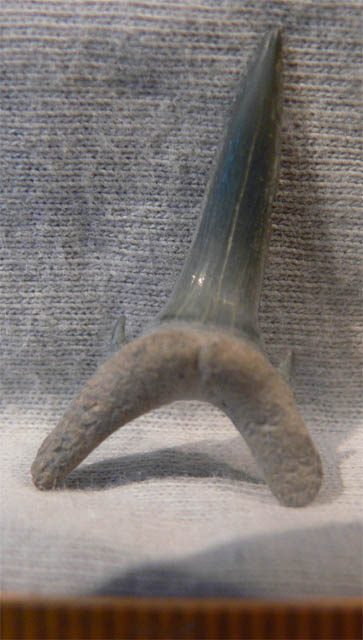
| Carcharodon carcharias #SCC7702 White - shark tooth; NO restoration! Miocene, 8 milj. years old Bone valley, U.S.A. Size: 1.04 inch / 2.6 cm Price: |
|
 |
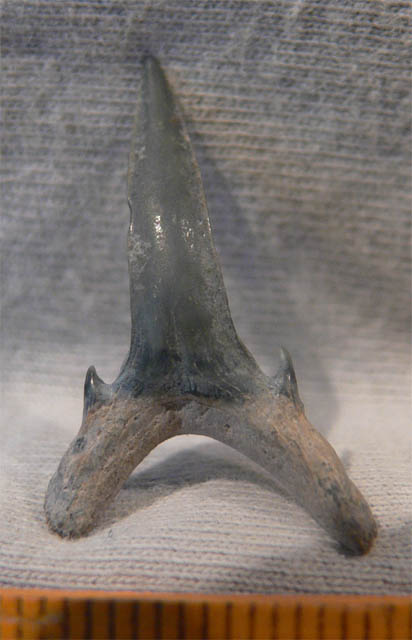 |
| Carcharias taurus #SCT7710 Shark tooth; NO restoration! Miocene, 15 milj. years old Venice Beach, Florida, U.S.A. Size: 1 inch / 2.5 cm Price: |
|
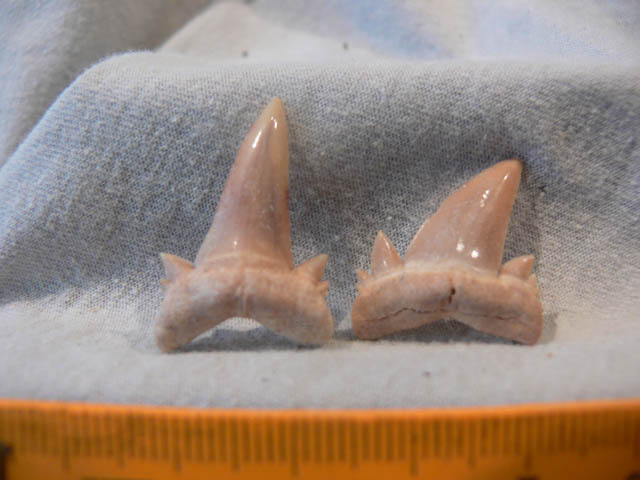
| Serratolamna ascheroni #SSA7637 Lower en Upper jaw tooth PalEocene, Phosphate beds 55 Million years old Khouribga Basin, Marocco Size biggest: 1.2 inch / 3 cm Price : Euro |
 |
 |
 |
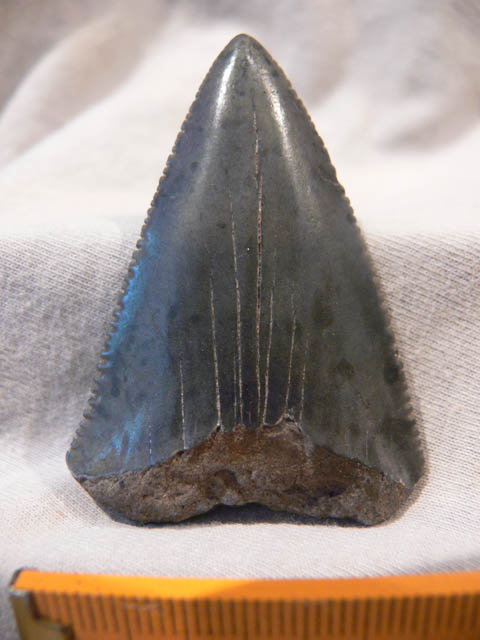
| Carcharodon carcharias #SCC7588 White - shark tooth; NO restoration! Miocene, 8 milj. years old Morgan River, S.C., U.S.A. Size: 2.08 inch / 5.2 cm Price: |
|
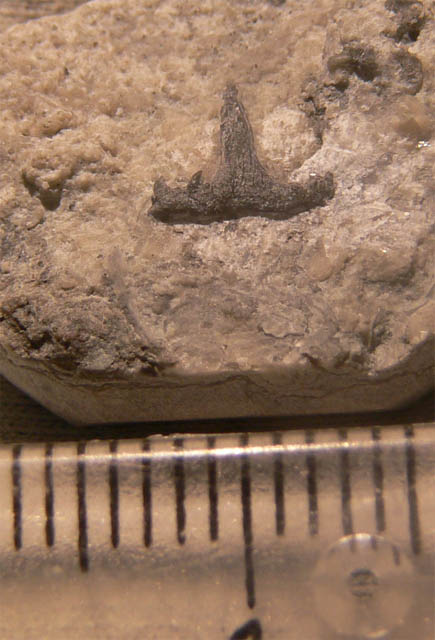 |
Symmorium spec. #SSS7462 NO restoration! In Matrix. Harrodsburg limestone L. Carboniferous, Mississippian , 340 milj. years old Washington county, Indiana, U.S.A. Size: 0.2 inch / 0.5 cm high Price: |
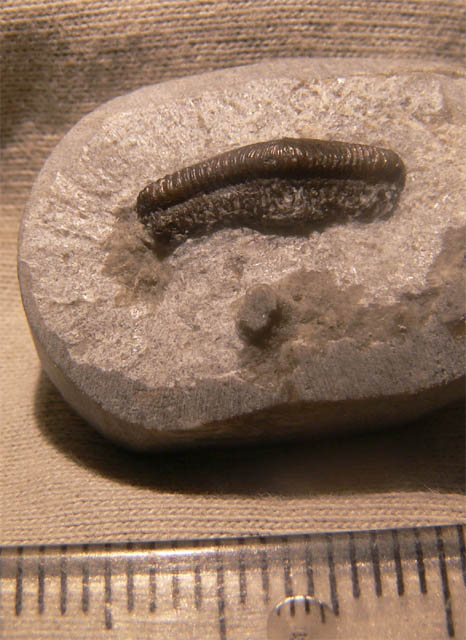
| Orodus catenatus #SOC7463 NO restoration! In Matrix. Harrodsburg limestone L. Carboniferous, Mississippian , 340 milj. years old Washington county, Indiana, U.S.A. Size: 0.48 inch / 1.2 cm wide Price: Euro |
 |
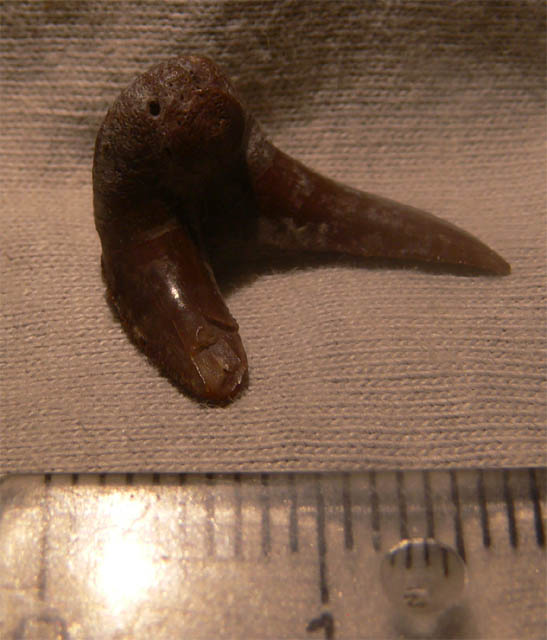
| Xenacanthus texensis #SXT7465 NO restoration! Ryan formation L. Permian , 290 milj. years old Jefferson county, Oklahoma, U.S.A. Size: 0.6 inch / 1.5 cm high Price: |
 |
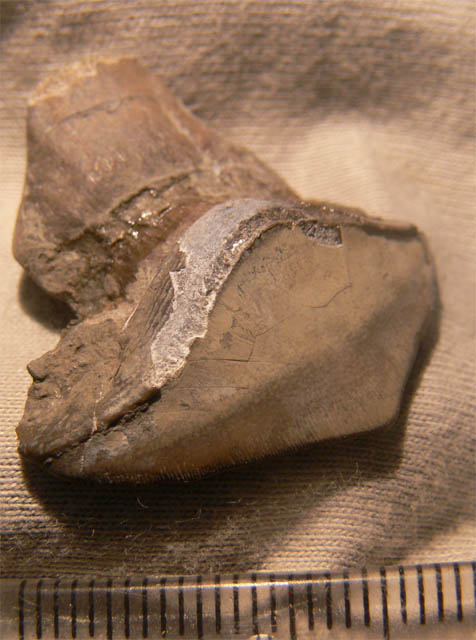
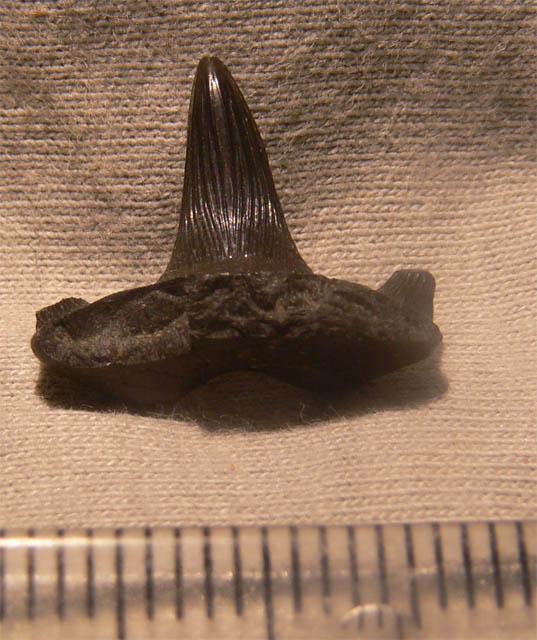
| Petalodus ohioensis #SPO7467 NO restoration! Raytown formation U. Carboniferous, Penssylvanian, 300 milj. years old Lenexa, Johnson county, Kansas, U.S.A. Size: 1.28 inch / 3.2 cm high Price: |
 |
 |
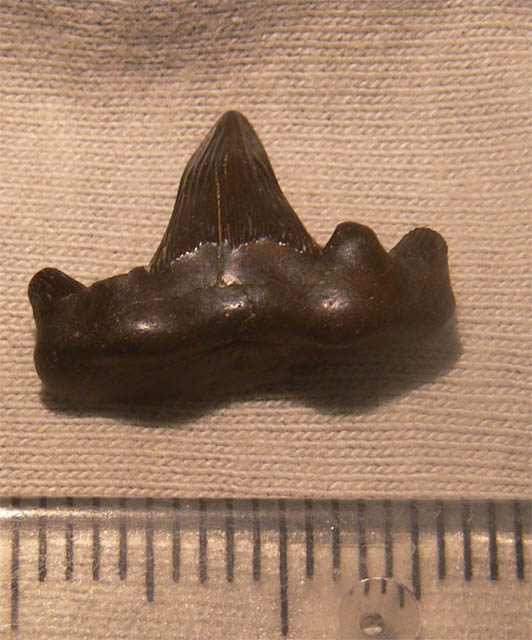 |
| Symmorium spec. #SCA7468 NO restoration! Pitkin limestone L. Carboniferous, Mississippian , 320 milj. years old Washington county, Arkansas, U.S.A. Size: 0.52 inch / 1.3 cm high Price: Euro |
|
 |
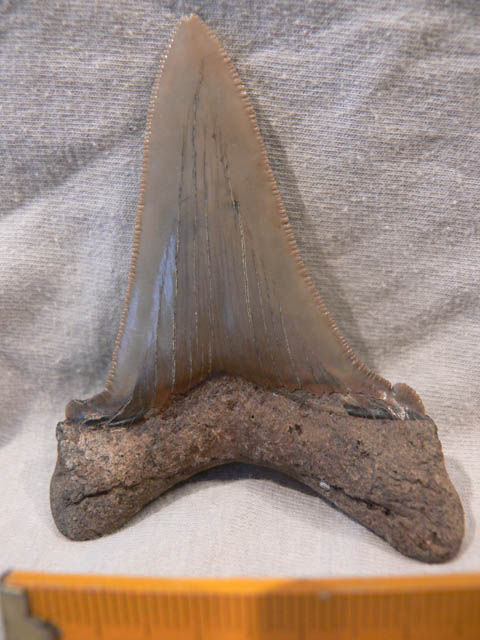 |
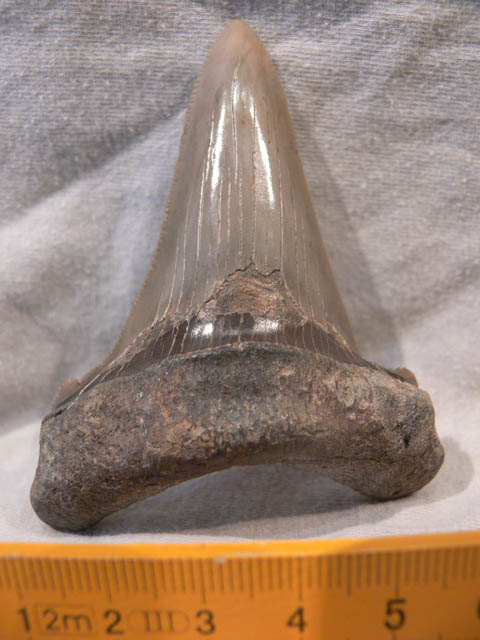
| Otodus angustidens #SCA7397 Shark tooth; NO restoration! Miocene, 15 milj. years old Morgan River, S.C., U.S.A. Size: 3.16 inch / 7.9 cm Price: |
|
 |
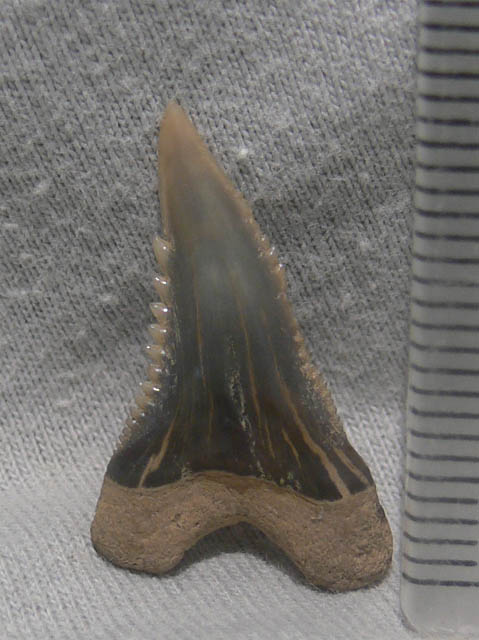 |
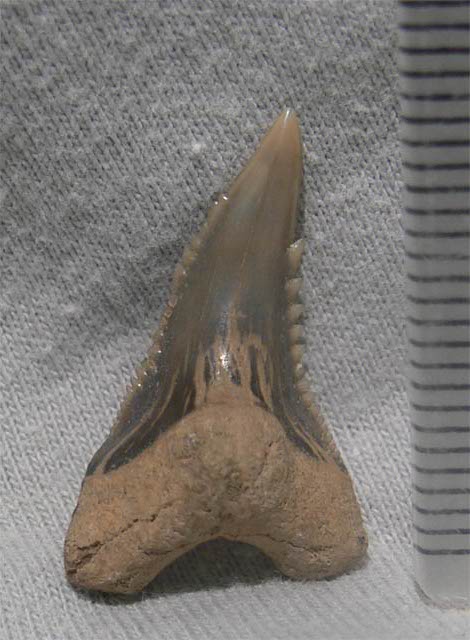
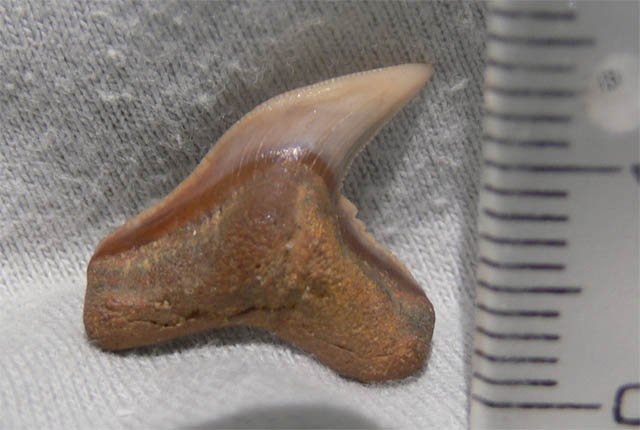
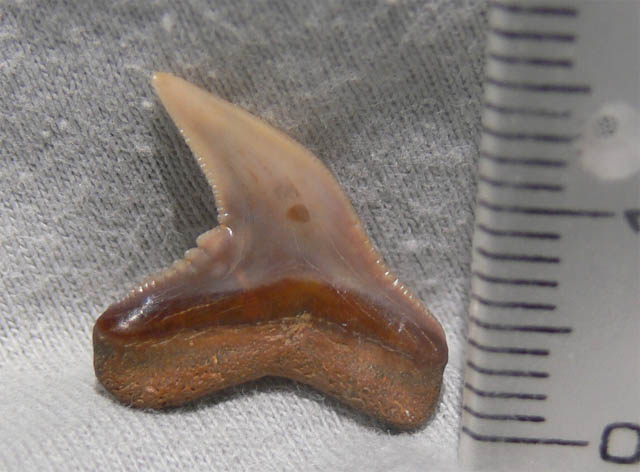
| Hemipristis serra #SHS7327 (Agassiz) Yorktown formation Pliocene, 4.5 milj. years old Aurora, North Carolina, U.S.A. Size: 1 inch / 2.5 cm Price: |
|
 |
 |
| Galeocerdo aduncus #SGA7331 (Agassiz) Miocene, 15 milj. years old Summerville, South Carolina, U.S.A. Size: 0.72 inch / 1.8 cm Price: |
|
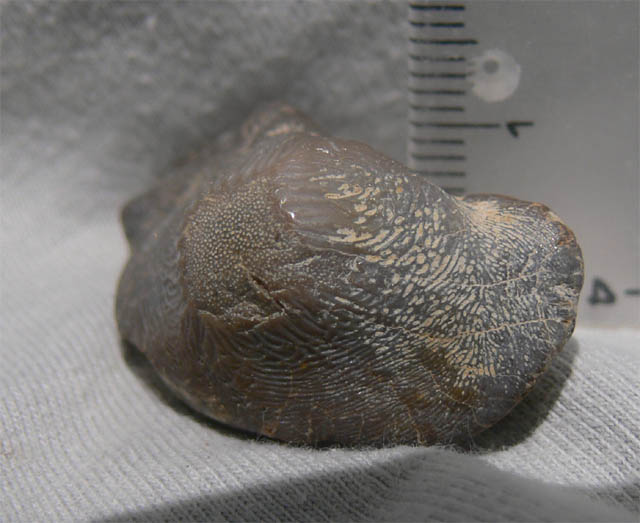
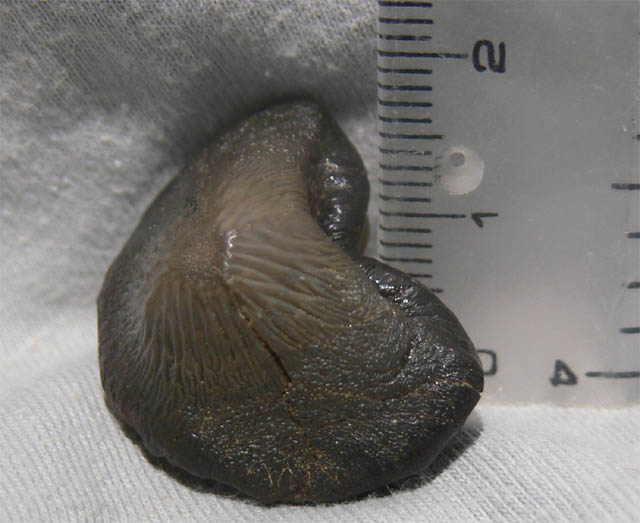
| Ptychodus mortoni #SPM7340 (Mantell) Tonmbigbee Sand, Sant-Camp boundary U. Cretaceous, 80 milj. years old Clinton, Alabama, U.S.A. Size: 1.28 inch / 3.2 cm (Big one) Price: |
 |
 |
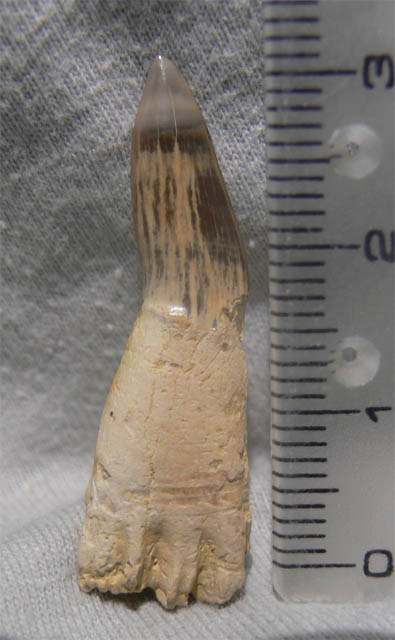
Ptychodus mortoni #SPM7341 (Mantell) Tonmbigbee Sand, Sant-Camp boundary U. Cretaceous, 80 milj. years old Columbus, Mississippi, U.S.A. Size: 1.04 inch / 2.6 cm (Big one) Price: Euro |
 |
 |
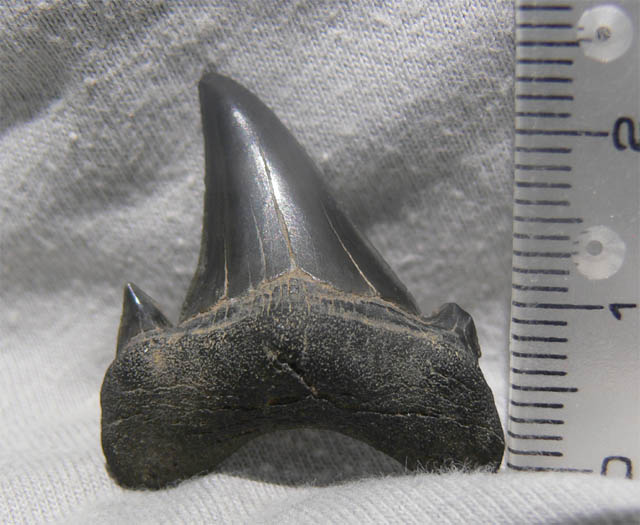
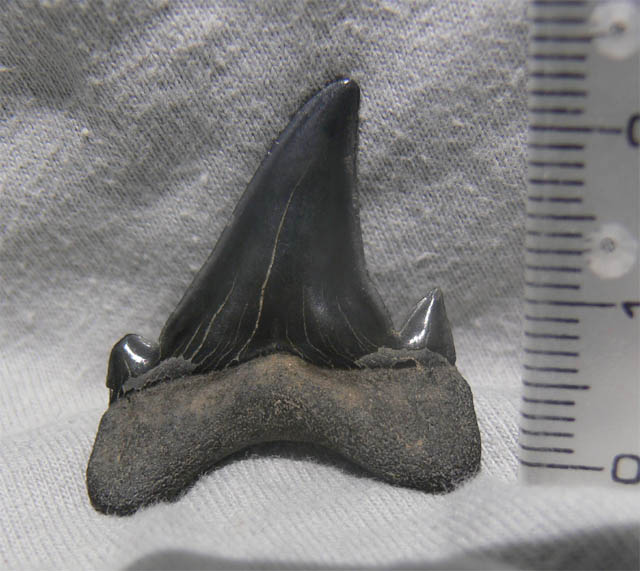
| Ischyriza mira #SIM7342 (Leidy) Tonmbigbee Sand, Sant-Camp boundary U. Cretaceous, 80 milj. years old West Point, Mississippi, U.S.A. Size: 1.44 inch / 3.6 cm Price: Euro |
|
 |
 |
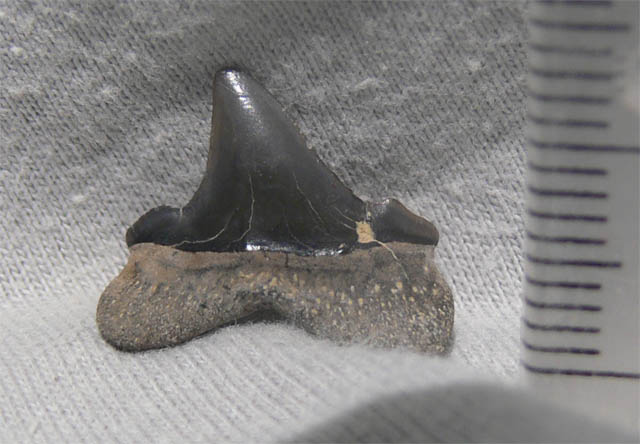
| Otodus obliquus #SPM7346 (Agassiz) Manasquan Formation Ypresian, Eocene, 55 milj. years old Howell, New Jersey, U.S.A. Size: 1.28 inch / 3.2 cm Price: |
|
 |
 |
| Cretalamna appendiculata #SCA7358 (Agassiz) Tonmbigbee Sand, Sant-Camp boundary U. Cretaceous, 80 milj. years old Columbus, Mississippi, U.S.A. Size: 0.6 inch / 1.5 cm Price: |
|
 |
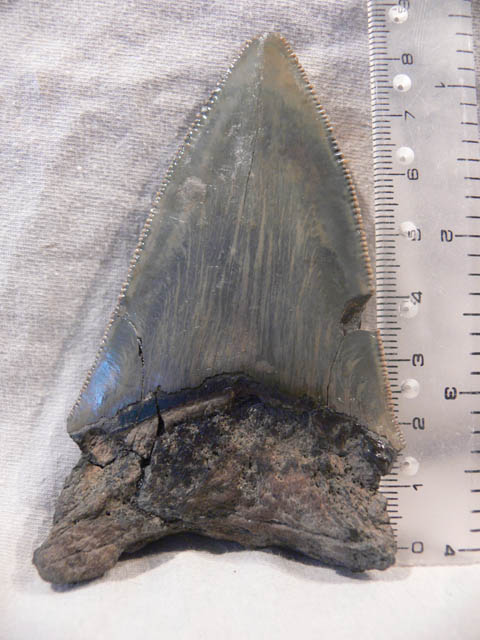 |
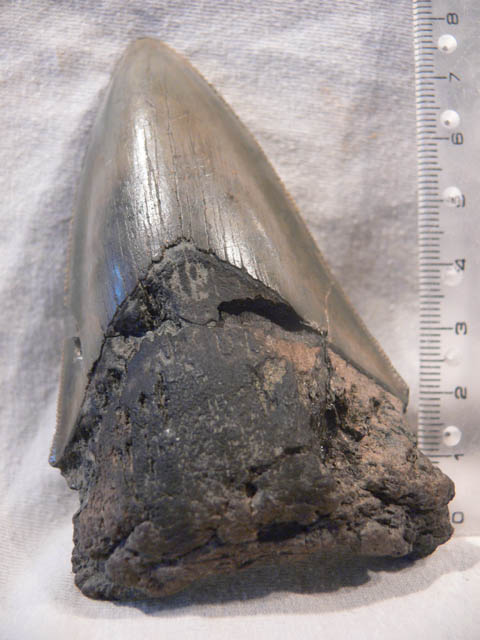
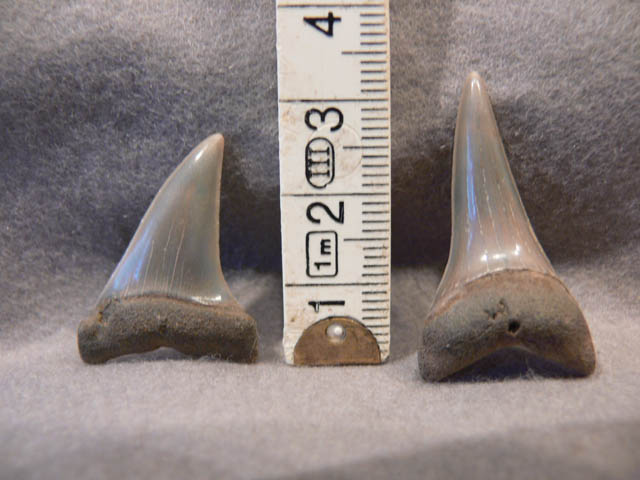
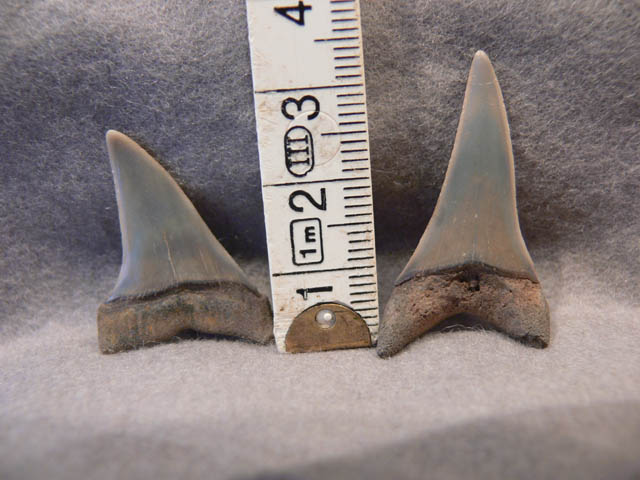
| Otodus megalodon #SMM7309 Mega Shark tooth of this rare location Miocene, 15 milj. years old Rumst, Belgium Size: 3.8 inch / 9.5 cm Price: |
|
 |
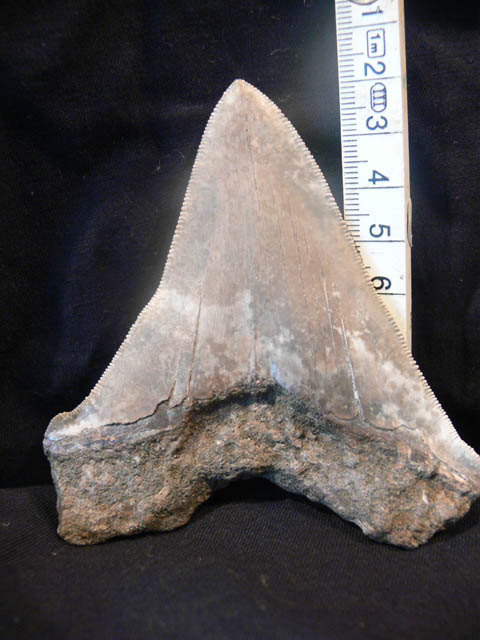 |
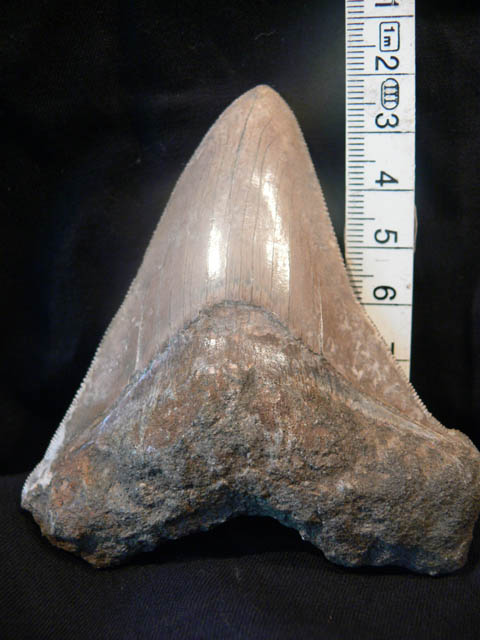
| Otodus megalodon #SMM7010 Mega Shark tooth of this rare location Miocene, 15 milj. years old Rumst, Belgium Size: 3.76 inch / 9.4 cm Price: |
|
 |
 |
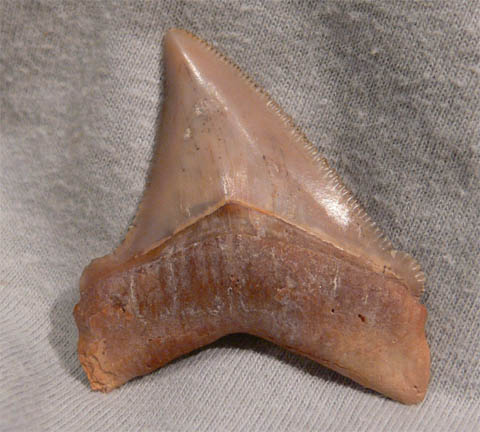
| Cosmopolitodus hastalis #SCH6965 2 Shark teeth Miocene, 8 milj. years old Mill, The Netherlands Size biggest: 1.48 inch / 3.7 cm Price: Euro |
|
 |
 |
| Otodus chubutensis #CC809 Peruvian shark tooth No restoration L.Miocene, 18 milj. years old Caballos Form, Sacaco, South of Ica Peru Size: 1.68 inch / 4.2 cm Price: |
|
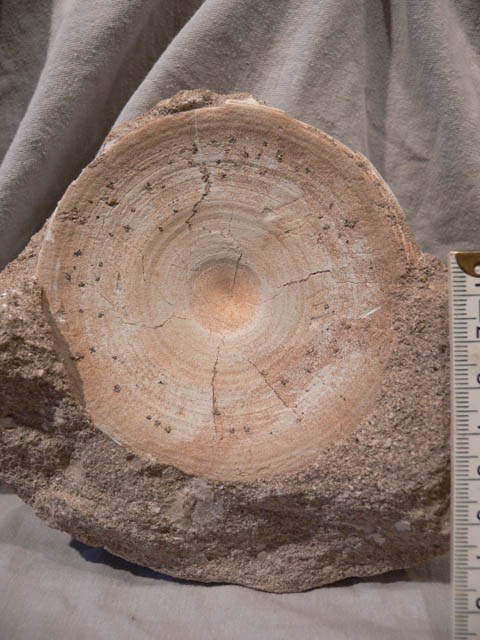 |
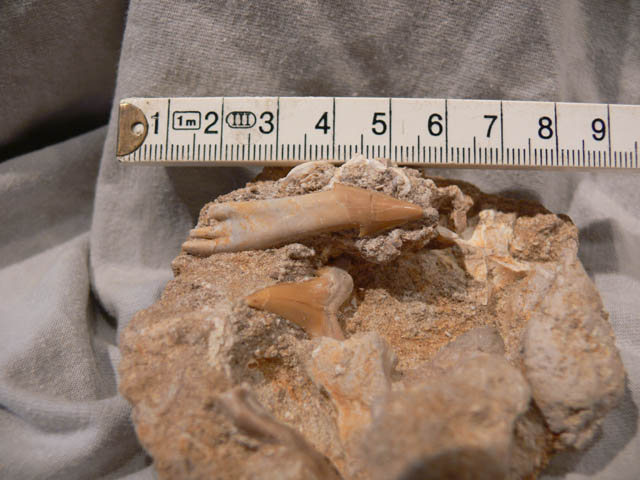
Otodus obliquus #SOO6468 Large Vertebra No restoration PalEocene, Phosphate beds 59 Million years old Khouribga Basin, Marocco Size: 3.8 inch / 9.5 cm in matrix block Price: |
| Dipazia stromeria #SSM6469 Rare tooth (top) No restoration PalEocene, Phosphate beds 59 Million years old Khouribga Basin, Marocco Size: 1.8 inch / 4.5 cm on matix block Price: |
 |
 |
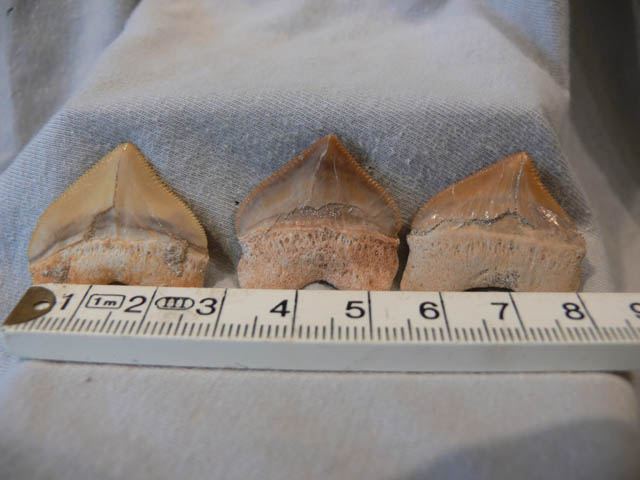 |
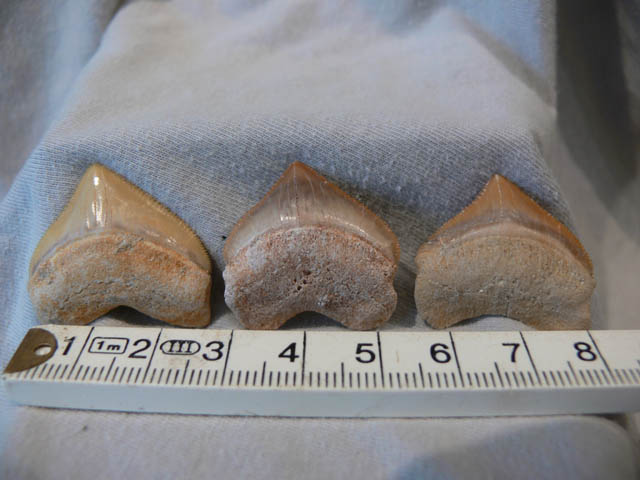
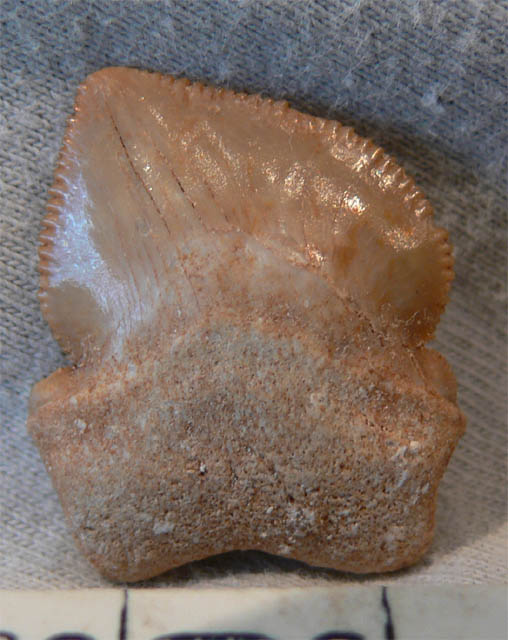
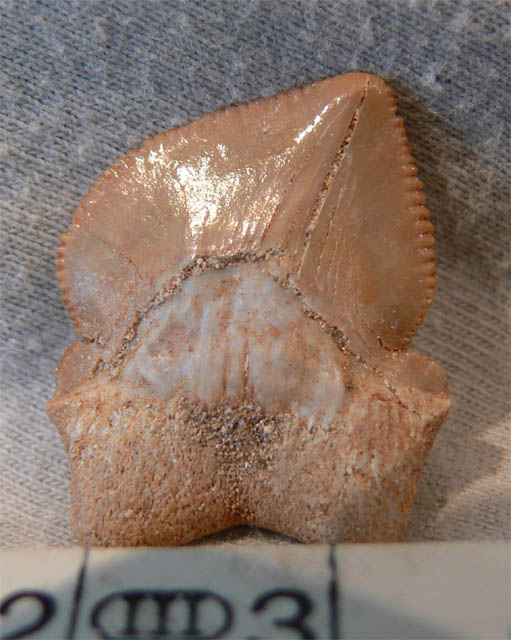
| Sqaulicorax pristodontus #SCP6299 3 Excellent teeth Maastrichtian, Phosphate beds 66 Million years old Khouribga Basin, Marocco Size bigges: 1.2 inch / 3 cm wide Price for 3: |
|
 |
 |
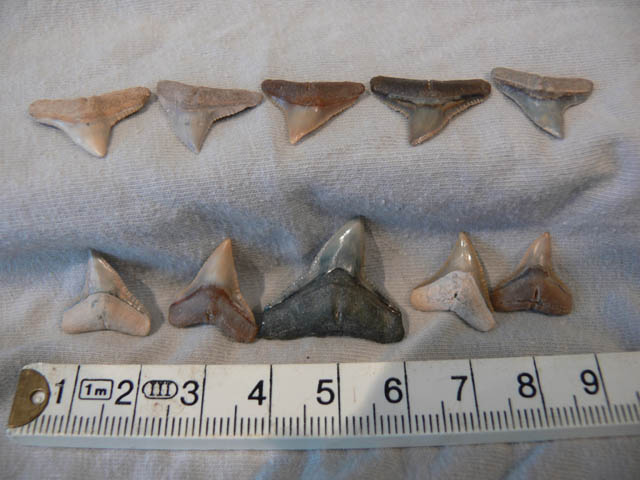
| Sqaulicorax bassani #SCB6303 Excellent tooth Maastrichtian, Phosphate beds 66 Million years old Khouribga Basin, Marocco Size bigges: 1 inch / 2.5 cm high Price : Euro |
|
 |
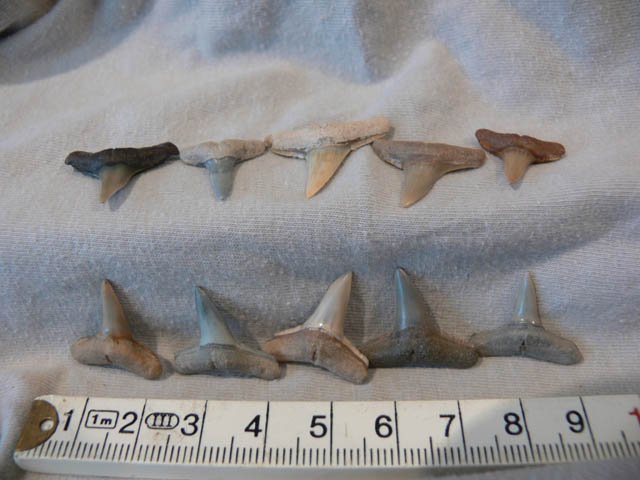
Carcharrhinus leucas #SBS6305 10 excellent Fossil Bull shark teeth Miocene, 10-15 milj. years old Gainesville, Florida Size largest: 0.92 inch / 2.3 cm wide Price for 10: Euro |
| Negaprion brevirotris #SLS6308 10 excellent Fossil Lemon shark teeth Miocene, 10-15 milj. years old Gainesville, Florida Size largest: 0.88 inch / 2.2 cm high Price for 10: Euro - |
 |
 |
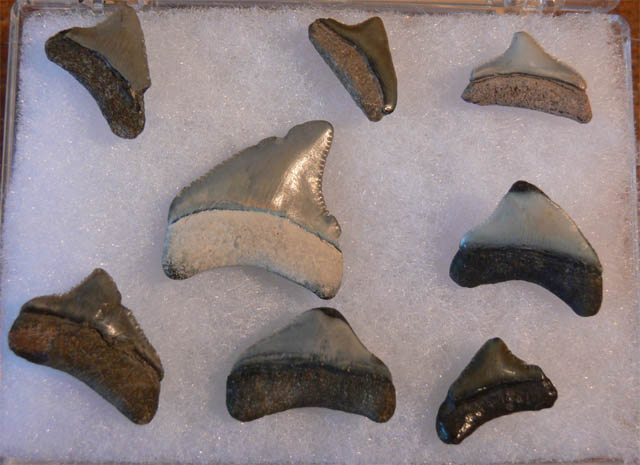 |
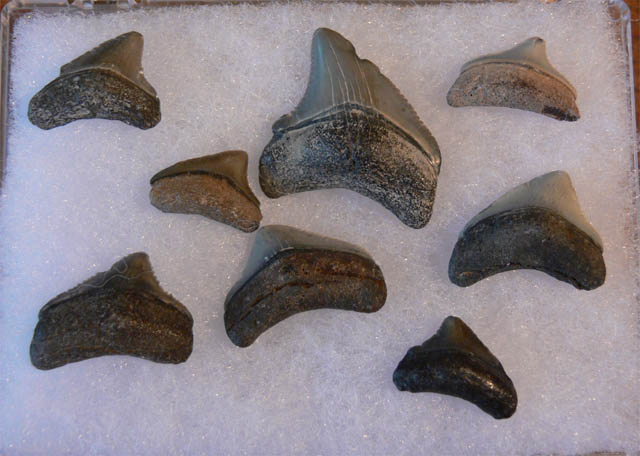
| Otodus megalodon #CM5275 Set of 8 posteriors Mega - shark tooth; NO restoration! Miocene, 10-15 milj. years old Venice Beach., U.S.A. Size biggest width: 1.04 inch / 2.6 cm Set Price: Euro 35.-- |
|
  |
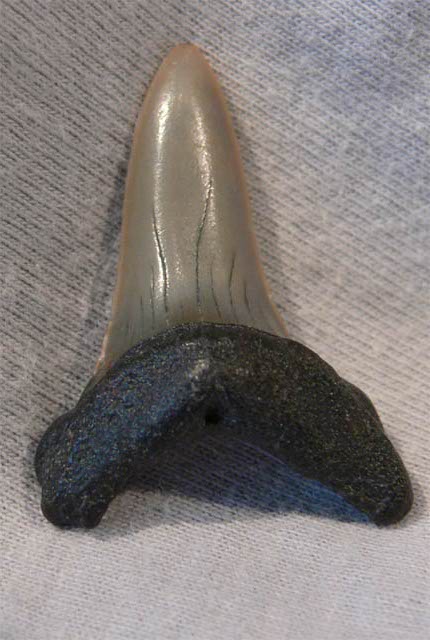 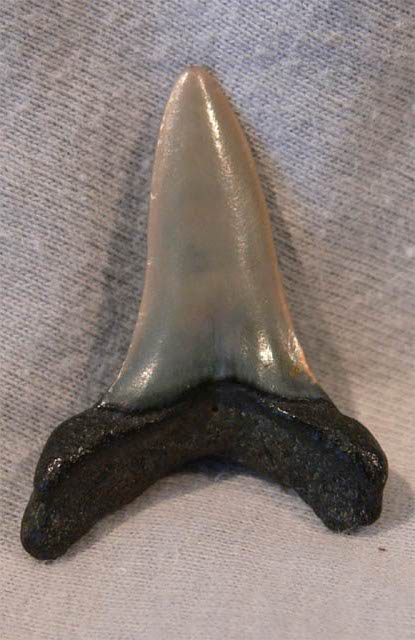 |
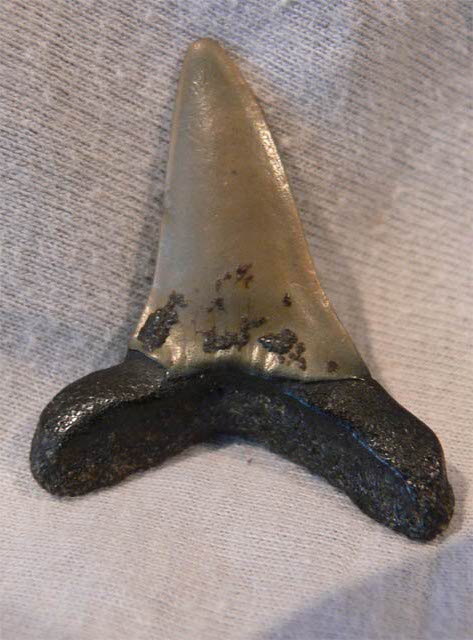
| Isurus retroflexus #IR0342+IR0344 2 Shark teeth U.Miocene, 8.8 milj. years old Nieuwvliet beach deposits / The Netherlands Size: 1.48+1.32 inch / 3.7+3.3 cm Price for both: Euro |
|
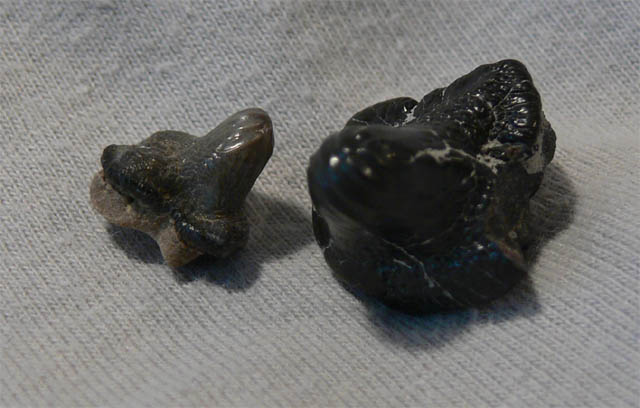 |
Ptychodus whipplei #PW0294 Bouldin Form., Cretaceous 90 Million years old Dallas, Cockrell Hill, Texas, U.S.A. Size: 0.68 inch / 1 to 1.8 cm Price for the 2 : Euro |
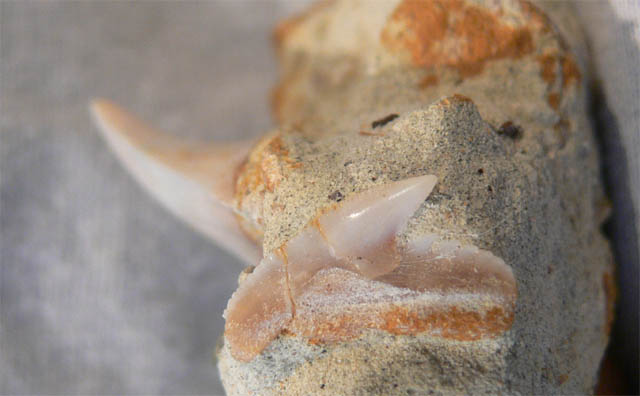 |
Galeocerdo aduncus Cosmopolitodus hastalis #CG0155 Shark teeth in Matrix No restoration M.Miocene, Temblor Formation 16 milj. years old Sharktoothhill, Bakersfield, California Size Galeocerdo: 0.56 inch / 1.4 cm Price: |
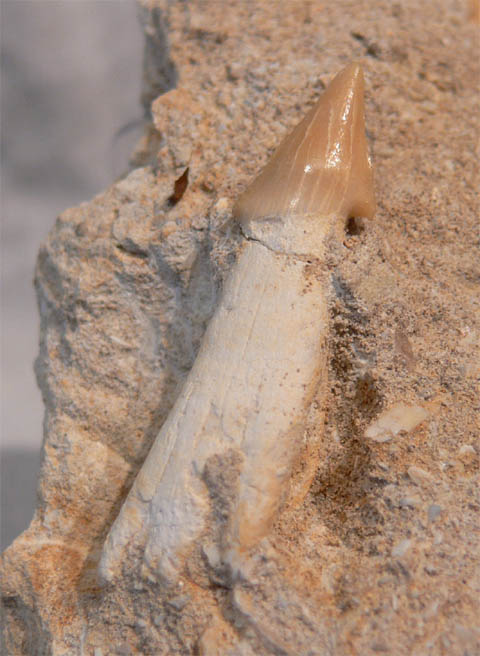 |
Dipazia stromeria #DS308 Rare tooth No restoration PalEocene, Phosphate beds 59 Million years old Khouribga Basin, Marocco Size: 1.48 inch / 3.7 cm Price: |