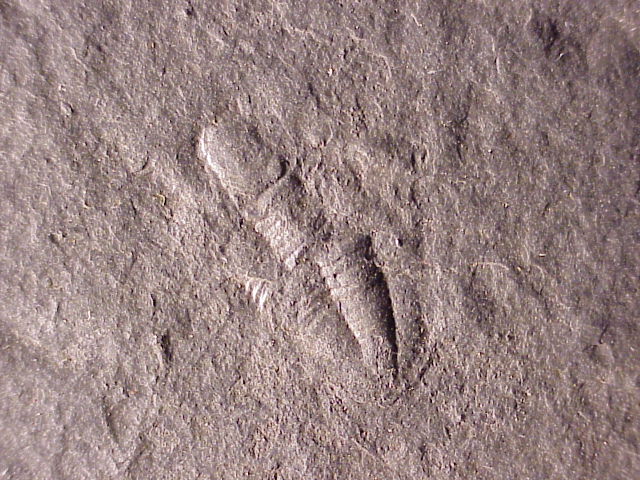
Trilobites:
Trilobites
were arthropods that mainly lived on or in the bottoms of the oceans,
althoughsome species probably swam around in the middle water layers.
They evolved in the Cambrianand became extinct in the Permian. More
than 15,000 different species are known, varyingin length from 1 mm
(0.04 in) to more than 60 cm (2 ft). They are called trilobitesbecause
their body, lengthwise, consists of three lobes. Widthwise we can also
clearlydistinguish three parts: the head (cephalon), the middle part
(thorax), and the tail(pygidium). Just like modern arthropods such as
crabs and lobsters, trilobites threw offtheir external chitin carapace
(the so-called exoskeleton) when it became too small, afterwhich they
grew a newer, bigger one. A lot of trilobite fossils that are found are
not theremains of the actual animal, but are the exoskeletons that,
because of their hardness,fossilized relatively easily. Trilobites had
compound eyes (just like modern insects), andwere able to roll
themselves up to protect their soft ventral side.
Bibliography:
Système
silurien du centre de la Bohême. Vol. I, Recherches paléontologiques
I:Trilobites, J. Barrande, 1852, Czech National Museum (Prague, Czech
Rep.)
Trilobites, R. Levi-Setti, 1984 (2nd ed.), University of Chicago Press(Chicago, US)
Bohemian trilobites, M. Snajdr, 1990, Czech National Museum (Prague, Czech Rep.)
Trilobites: Fossils Illustrated, vol. 2, H.B. Whittington, 1992, Boydell Press (Ipswich,UK)
Trilobite! Eyewitness to evolution, R. Fortey, 2001, Flamingo Publ. (London, UK)
Trilobites of New York, T.E. Whiteley, 2002, Cornell University Press (Ithaca, US)
 |  |
| Metacryphaeus venestus #TMV10601 Pos/Neg Trilobite L. Devonian / Belen form. / 405 Million years old La Paz, Bolivia Size: 4.2 cm / 1.65 inch Price: Euro 120.-- | Close up of eye above |
 | Metacryphaeus venestus #TMV10602 Pos/Neg Trilobite L. Devonian / Belen form. / 405 Million years old La Paz, Bolivia Size: 3.9 cm / 1.5 inch Price: Euro 120.-- |
| Metacryphaeus venestus #TMV10603 L. Devonian / Belen form. / 405 Million years old La Paz, Bolivia Size: 4 cm / 1.57 inch Price: Euro 90.-- |  |
 |  |
| Close up of eye above | Metacryphaeus venestus #TMV10604 L. Devonian / Belen form. / 405 Million years old La Paz, Bolivia Size: 4 cm / 1.57 inch Price: Euro 110.-- |
 | Metacryphaeus venestus #TMV10605 L. Devonian / Belen form. / 405 Million years old La Paz, Bolivia Size: 3.4 cm / 1.33 inch Price: Euro 80.-- |
| Metacryphaeus venestus #TMV10606 L. Devonian / Belen form. / 405 Million years old La Paz, Bolivia Size: 2.8 cm / 1.1 inch Price: Euro 80.-- |  |
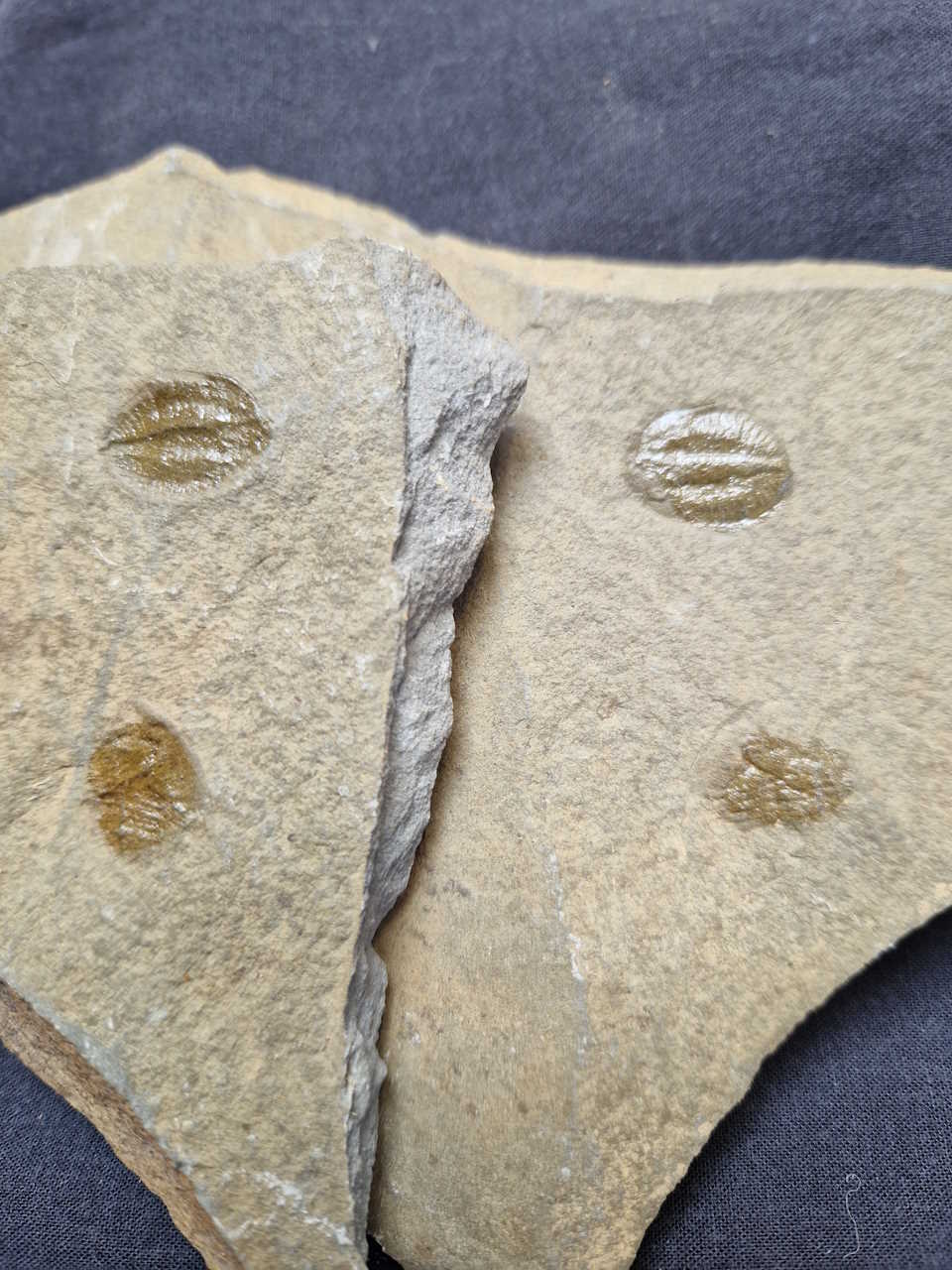
Ogyginus cordensis #TOC11003 NO restoration Pos/Neg Ordovician, 505 million years old Upper Gilwern, Wales, U.K. Size trilo. : 0.6 inch / 1.5 cm Price: 70.-- |
 |
 |
Elrathia kingii #TUU11004 NO restoration Cambrian, 505 million years old Wheeler shale, Utah, U.S. Size trilo. : 0.48 inch / 1.2 cm Price: 20.-- |
Elrathia kingii #TUU11005 NO restoration Cambrian, 505 million years old Wheeler shale, Utah, U.S. Size trilo. : 0.52 inch / 1.3 cm Price: 20.-- |
 |
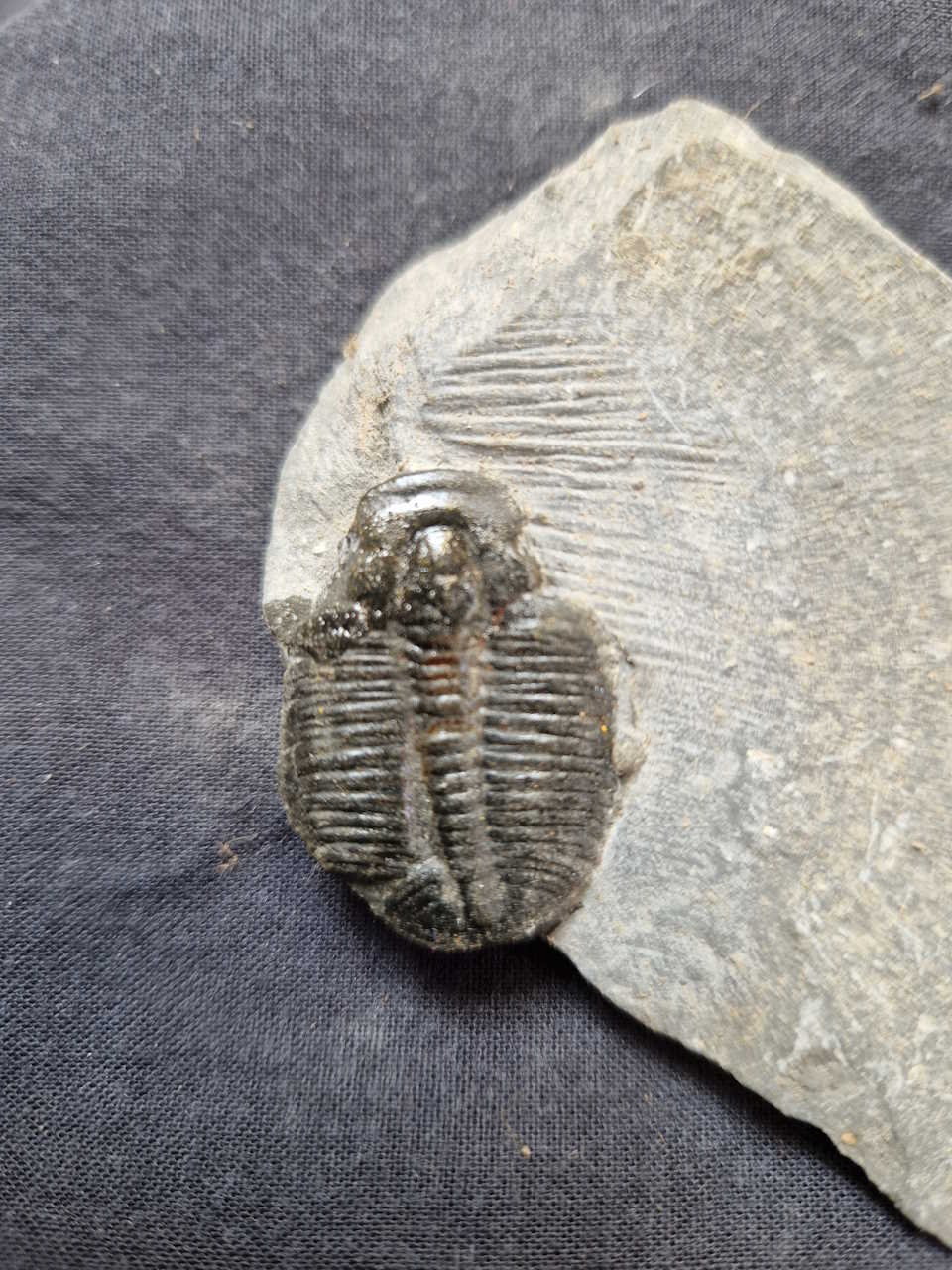 |
Elrathia kingii #TUU11006 NO restoration Cambrian, 505 million years old Wheeler shale, Utah, U.S. Size trilo. : 1.12 inch / 2.8 cm Price: 20.-- |
Phacops latifrons #TPL11007 NO restoration Devonian, 380 million years old Vireux, France Size trilo. : 0.88 inch / 2.2 cm Price: 30.-- |
 |
 |
Phacops latifrons #TPL11008 NO restoration Devonian, 380 million years old Vireux, France Size trilo. : 0.8 inch / 2 cm Price: 30.-- |
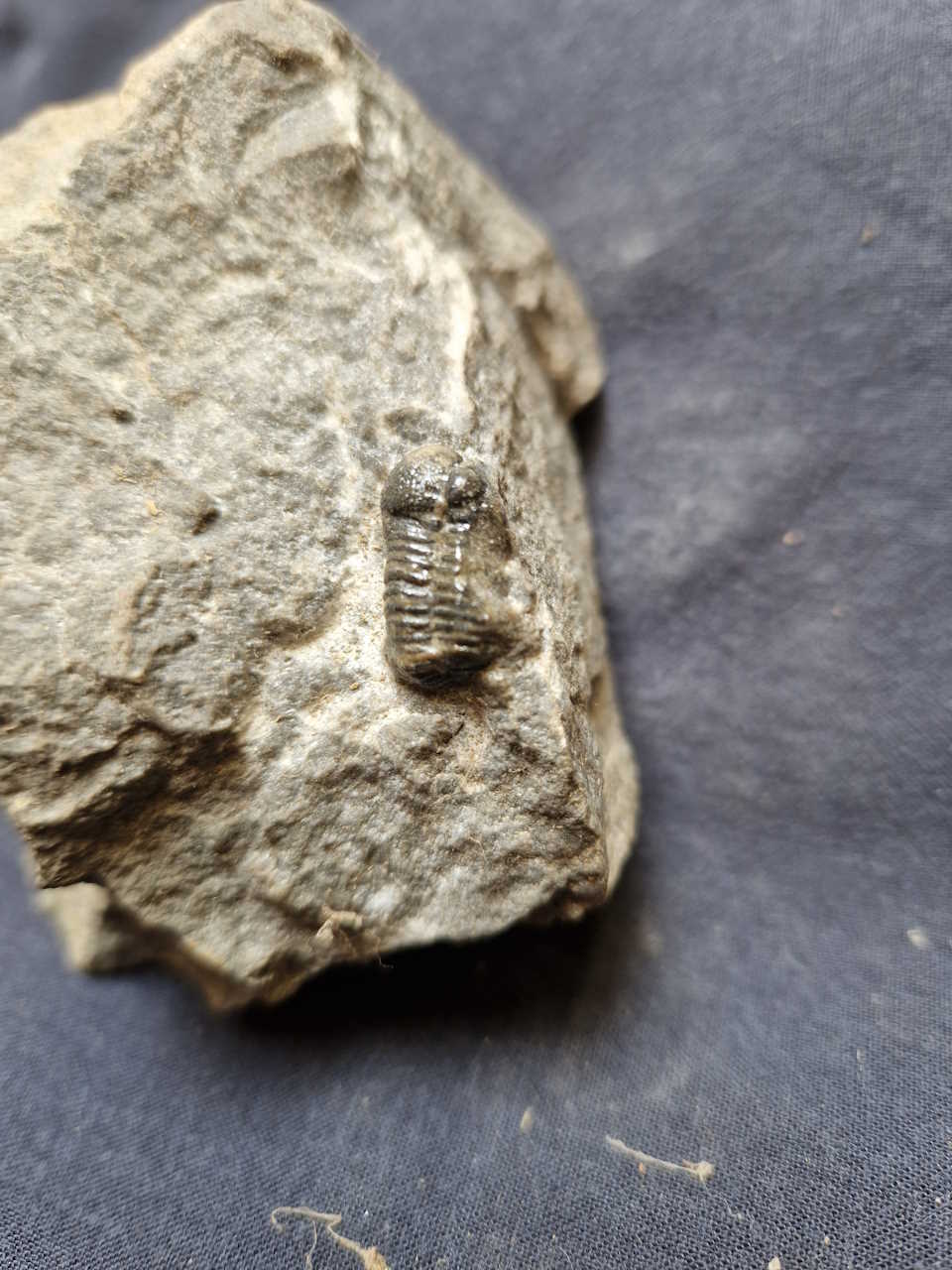
Phacops latifrons #TPL11009 NO restoration Devonian, 380 million years old Vireux, France Size trilo. : 0.64 inch / 1.6 cm Price: 30.-- |
 |
 |
Phacops latifrons #TPL11010 NO restoration Devonian, 380 million years old Vireux, France Size trilo. : 0.64 inch / 1.6 cm Price: 30.-- |
Phacops latifrons #TPL11011 NO restoration Devonian, 380 million years old Vireux, France Size trilo. : 0.6 inch / 1.5 cm Price: 30.-- |
 |
 |
 |
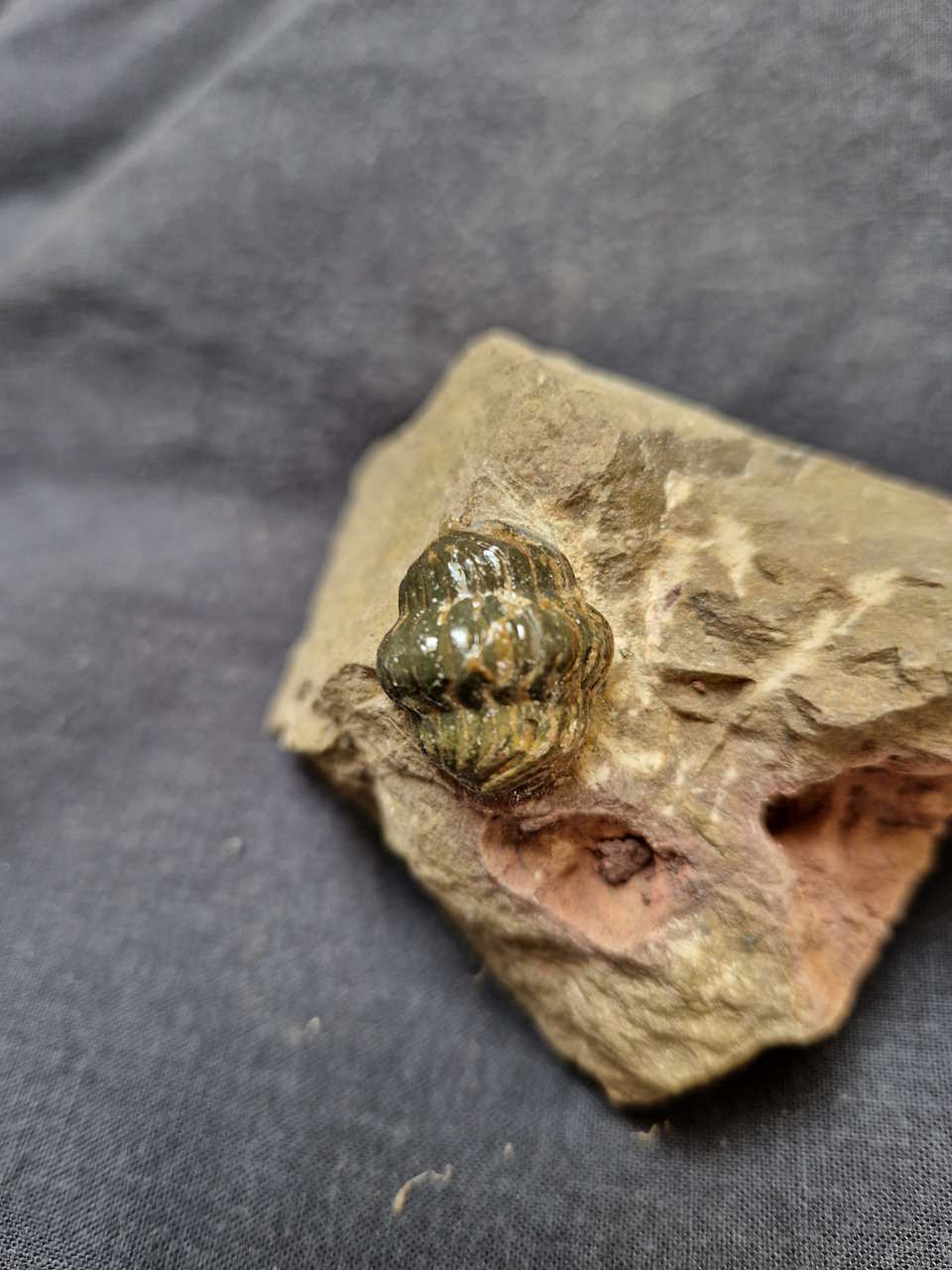
| Zilchovaspis rugosa #TMO11012 (Odontochili) NO restoration Devonian, 380 million years old Alnif, Morocco Size trilo. curved: 2.4 inch / 6 cm Price: 130.-- |
|
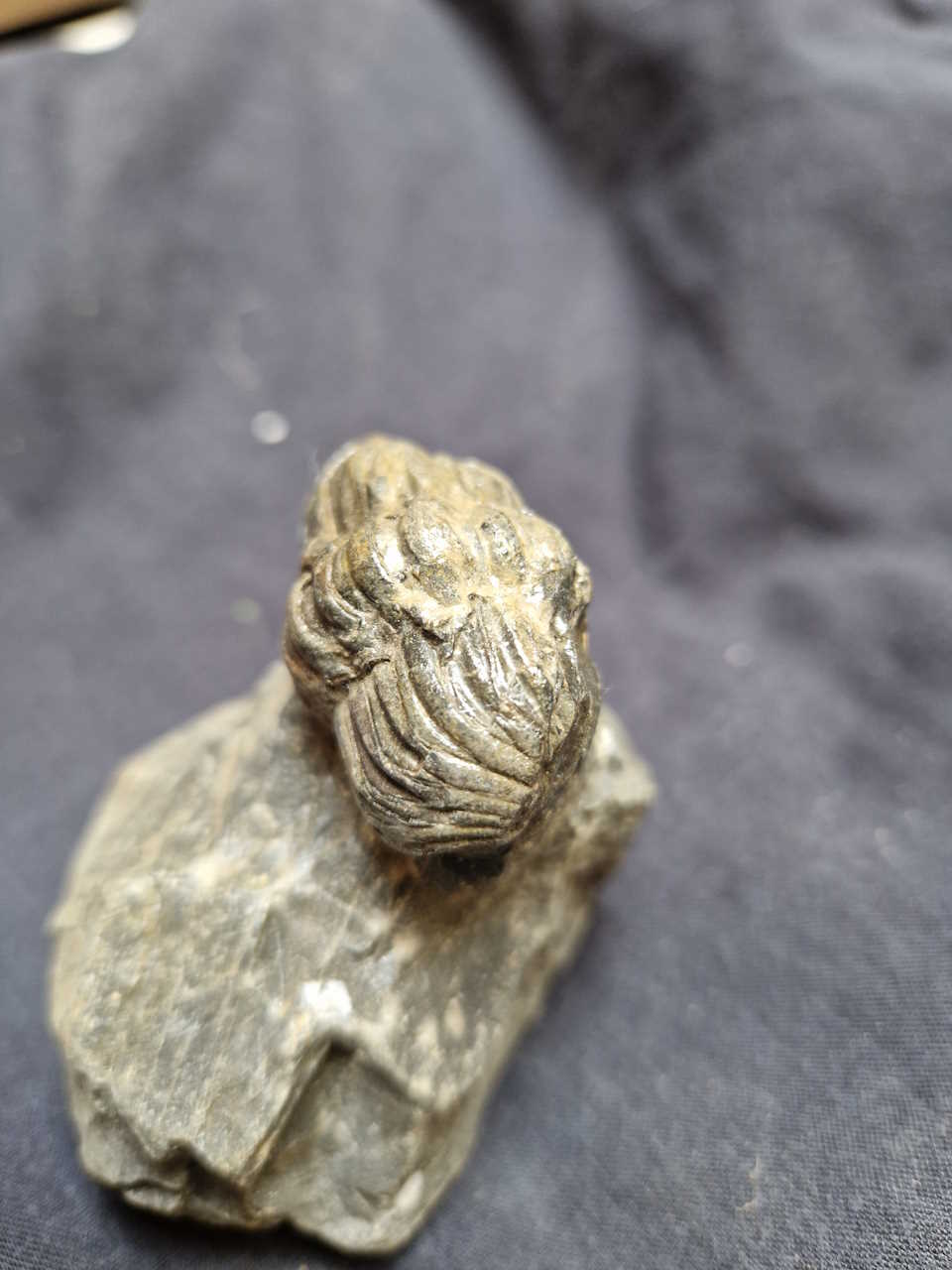
Phacops africanus #TMP11013 NO restoration Devonian, 380 million years old Alnif, Morocco Size trilo. wide: 1.4 inch / 3.5 cm Price: 30.-- |
 |
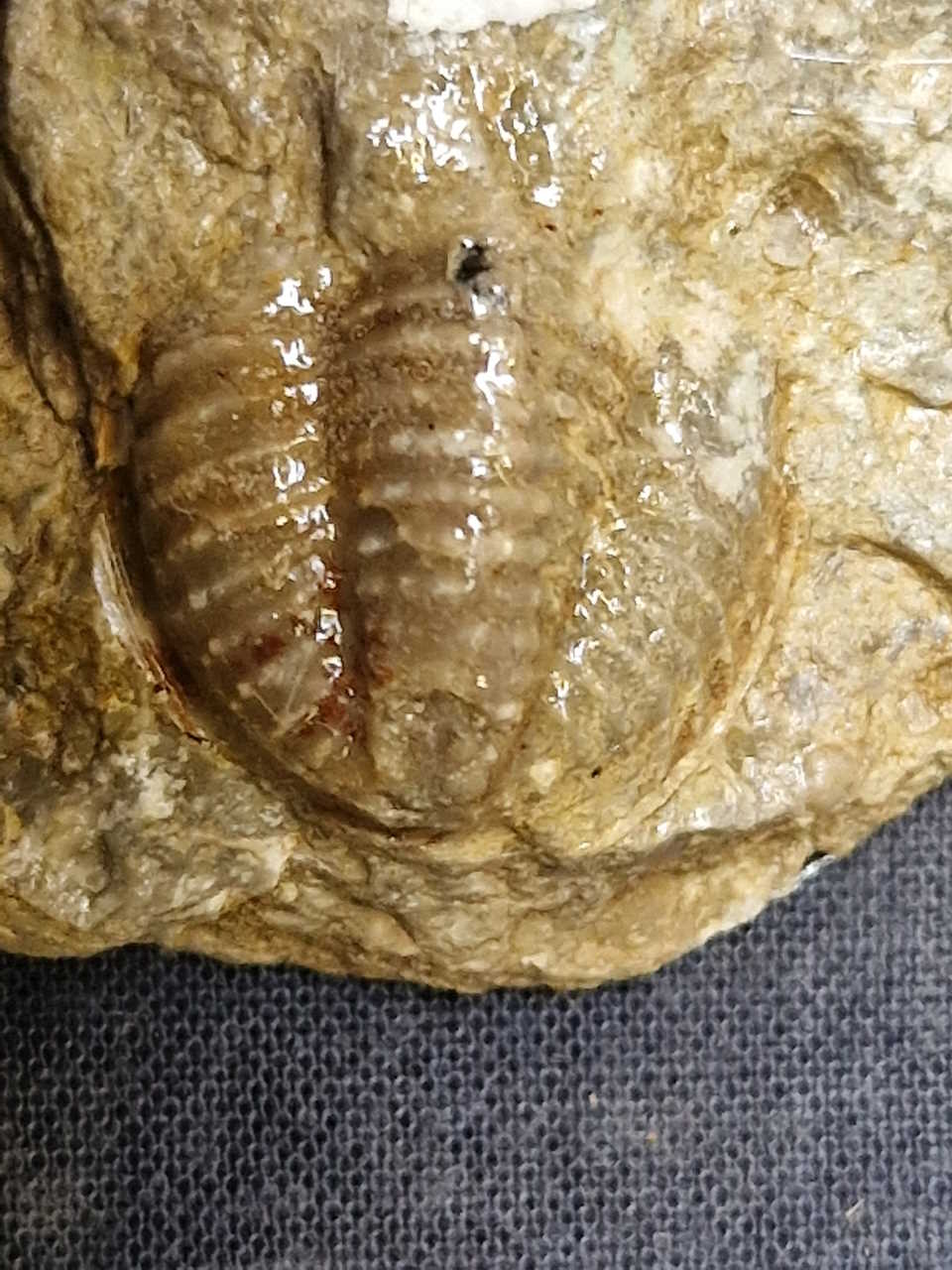 |
Griffithides sp. #TUC11002 Lower Carboniferous, Visean, 340 million years old Castleton Derbyshire, U.K. Size trilo.: 0.68 inch / 1.7 cm Price: Euro 55.-- |
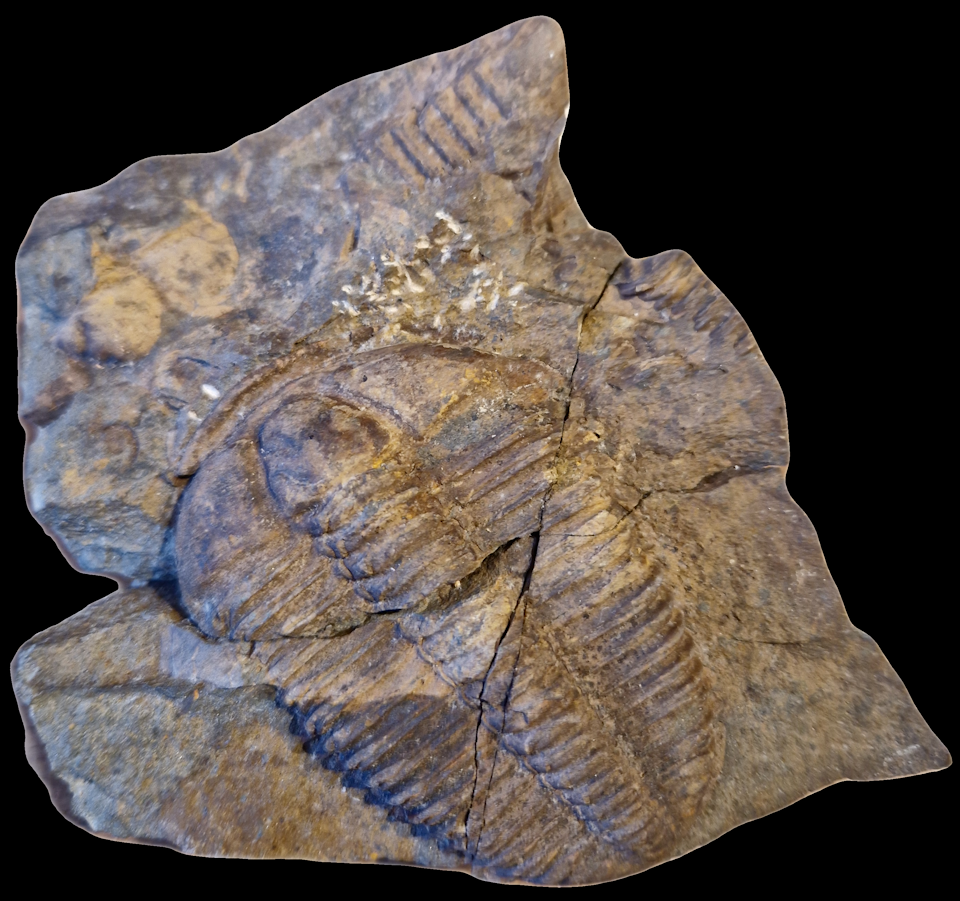 |
Conocoryphe sulzeri #TCS5500 Big specimen. Lower Cambrian, 530 million years old Jince, Czech Republic Size trilo.: 2.8 inch / 7 cm Price: Euro 75.-- |
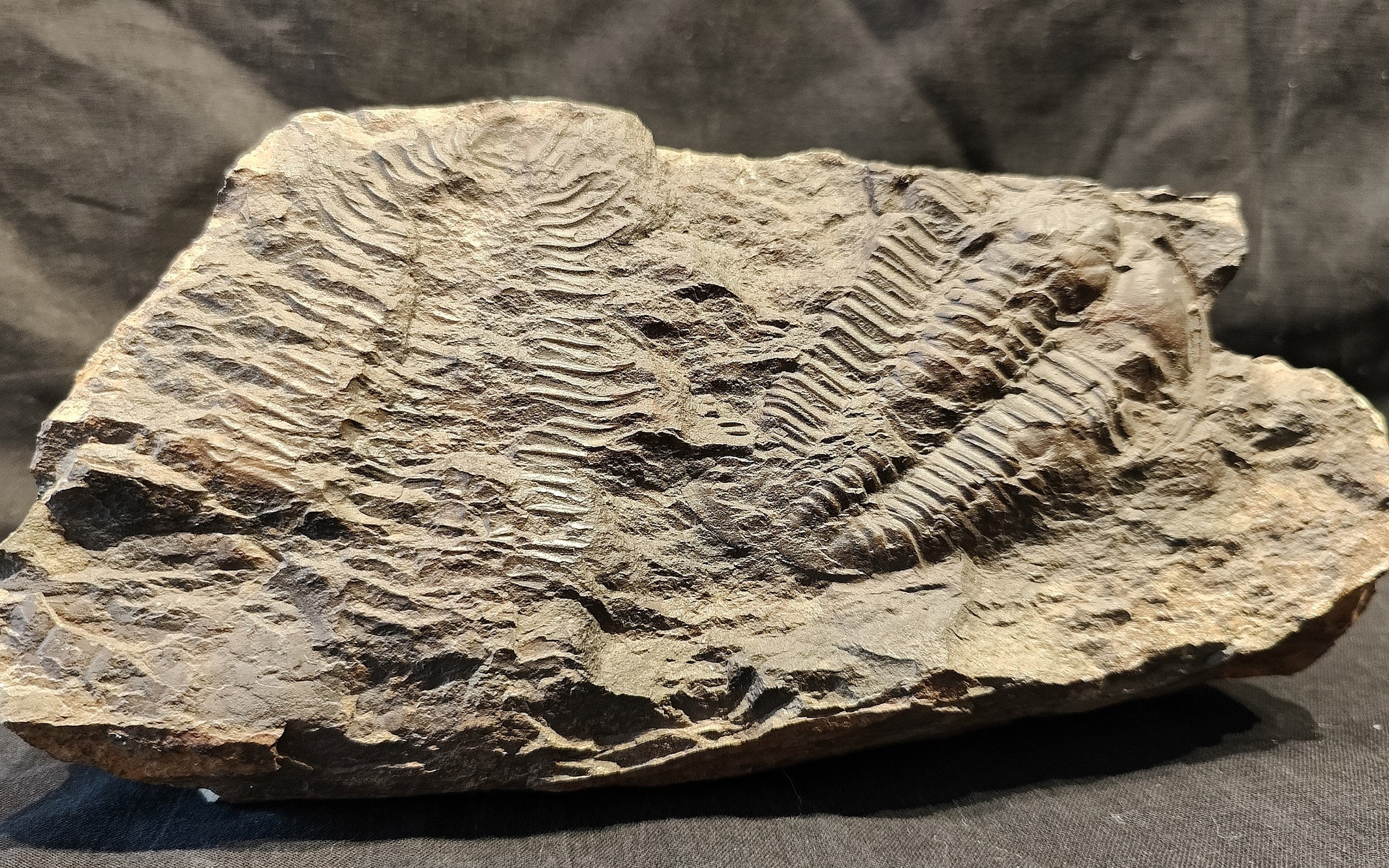 | Conocoryphe robusta #714 Ornamentaspis – Conocoryphe Zone like the Spanish Conocoryphe ovata Zone The most lower part of the Lower Cambrian, 545 million years old Jince, Czech Republic Size plate: 4 by 8.4 inch / 10 by 21 cm Size trilo.: 3.6 inch / 9 cm Price: Euro 95.-- |
Placoparia barrandei #TCR4664 Pos/Neg Ordovician, 465 million years old Vokovice, Czech Republic Size trilo.: 0.4 inch / 1 cm Price: Euro 30.-- |
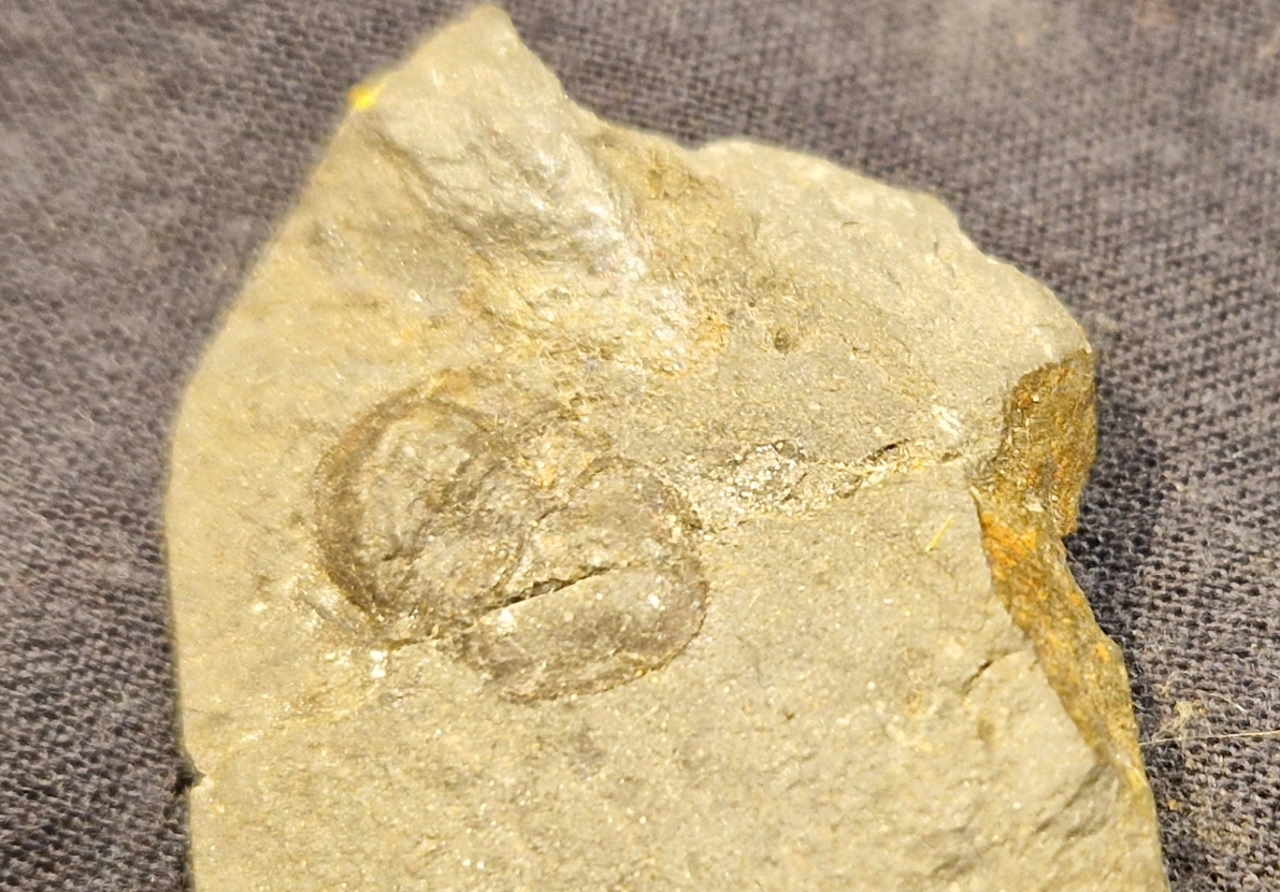 |
| Bergamia whitterdi #TBW10474 (Hughes) Llanvrin, Darriwilian/ M. Ordovician / 465 Million years old Pencerrig, Builth Inlier, Wales Size trilobite: 0.2 inch / 0.5 cm wide Price: Euro 20.-- | 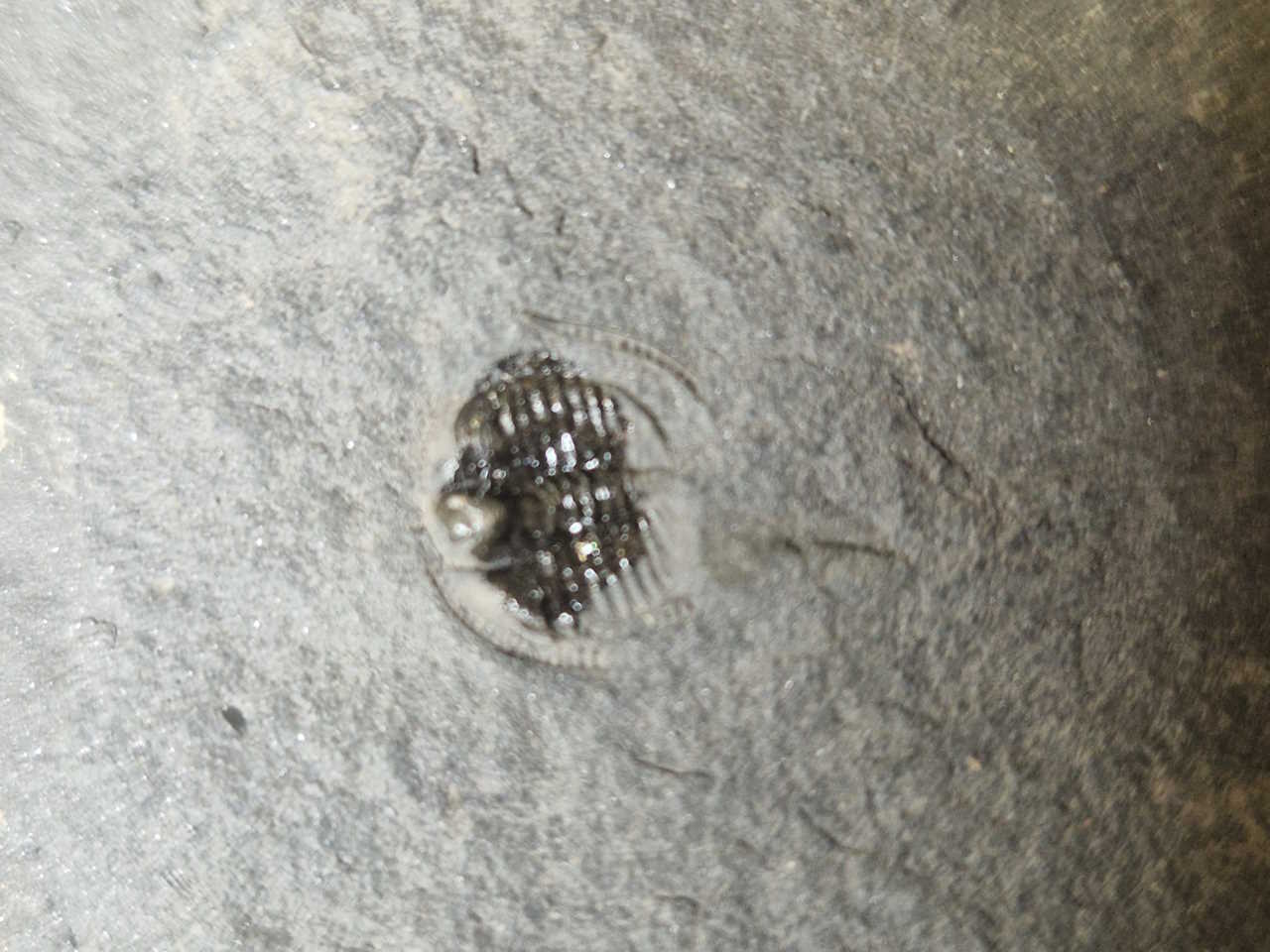 |
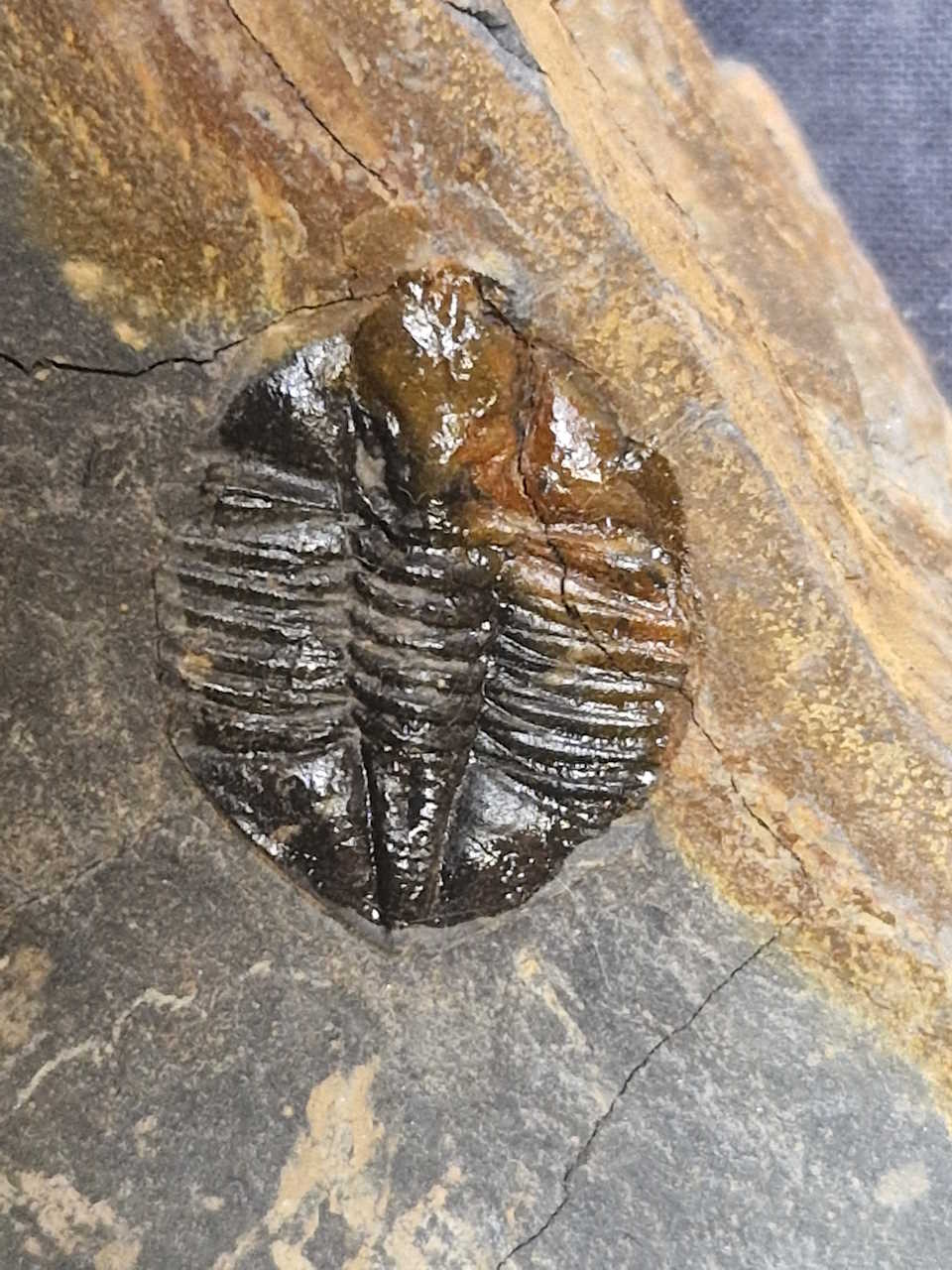 | Ampyx linleyensis#TAL10512 L. Llanvrin, Darriwilian/ M. Ordovician / 467 Million years old / Hope shales Munsterley, Shropshire, U.K. Size trilobite: 1.04 inch / 2.6 cm Price: Euro 50.-- |
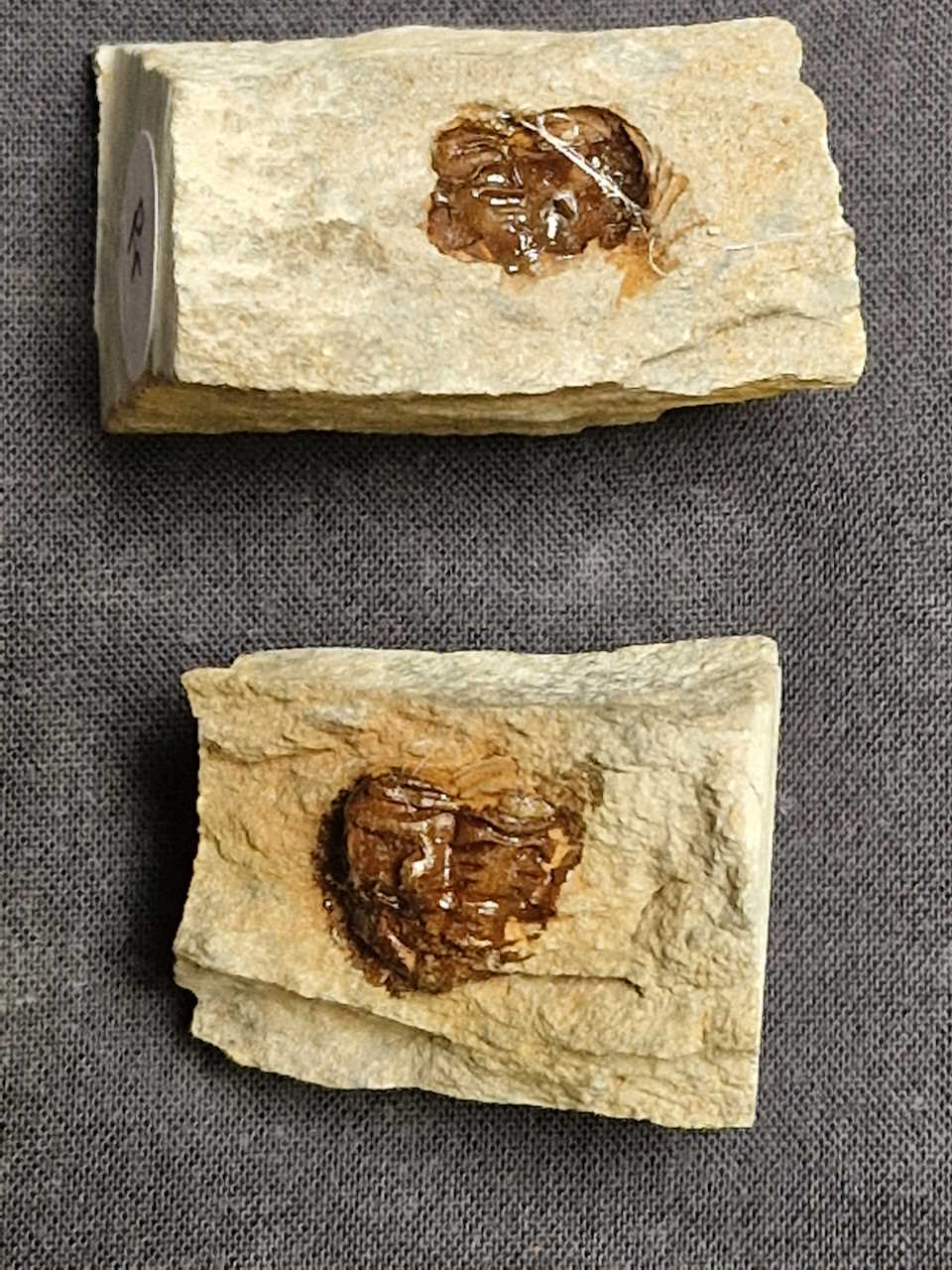 | Neseuretus parvifrons #TNP10448 (McCoy) Pos/Neg Arenig series/ L. Ordovician / 465 Million years old Henllan ash, Arennig Fawr, Gwynedd, N.Wales Size trilobite: 0.6 inch / 1.5 cm span Price: Euro 25.-- |
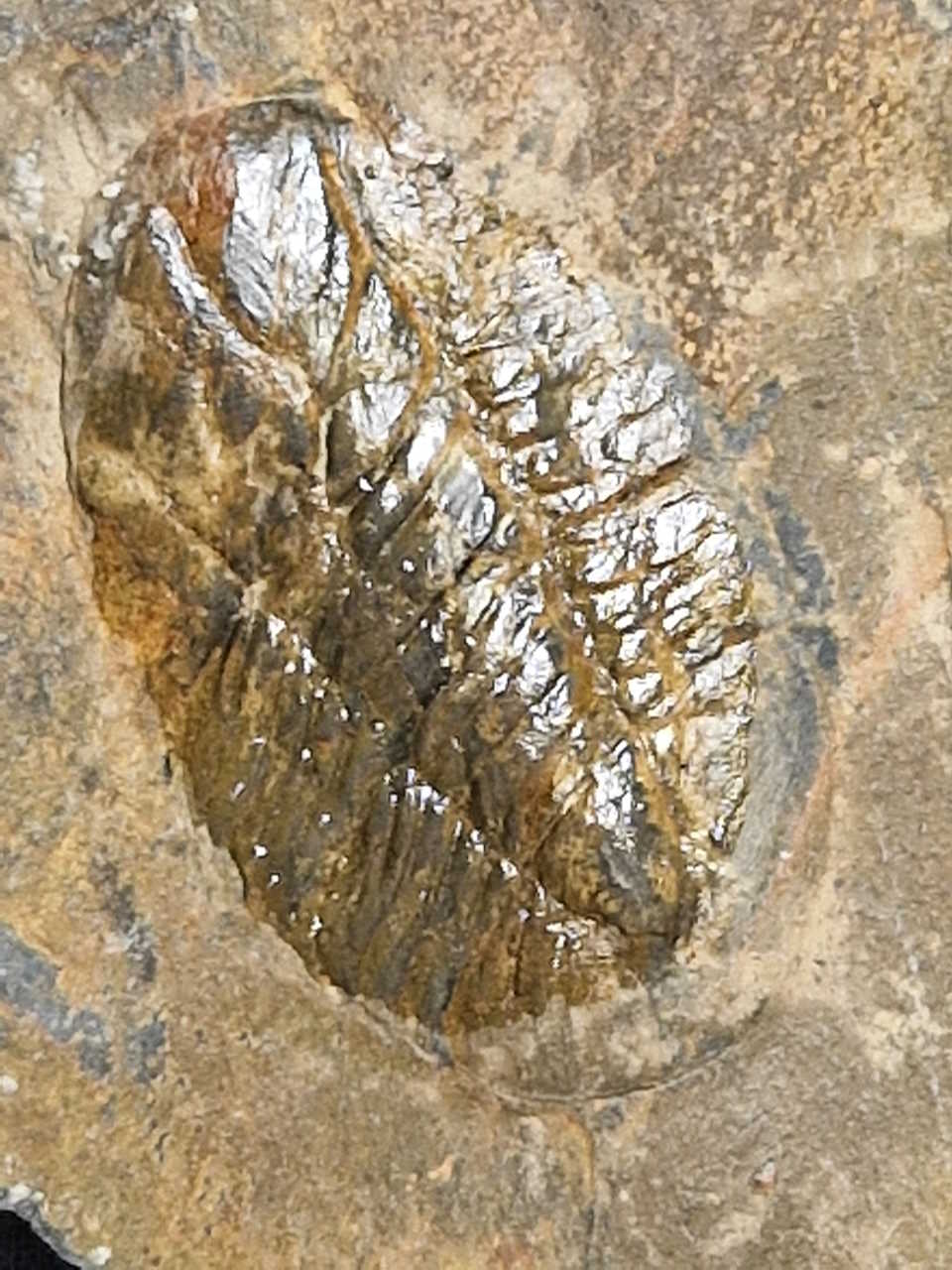 | Barrandia homfrayi#TBH10554 On Matrix 14 by 11 cm L. Llanvrin, Darriwilian/ M. Ordovician / 467 Million years old / Hope shales Shelve Inlier, Shropshire, U.K. Size trilobite: 1.4 inch / 3.5 cm Price: Euro 35.-- |
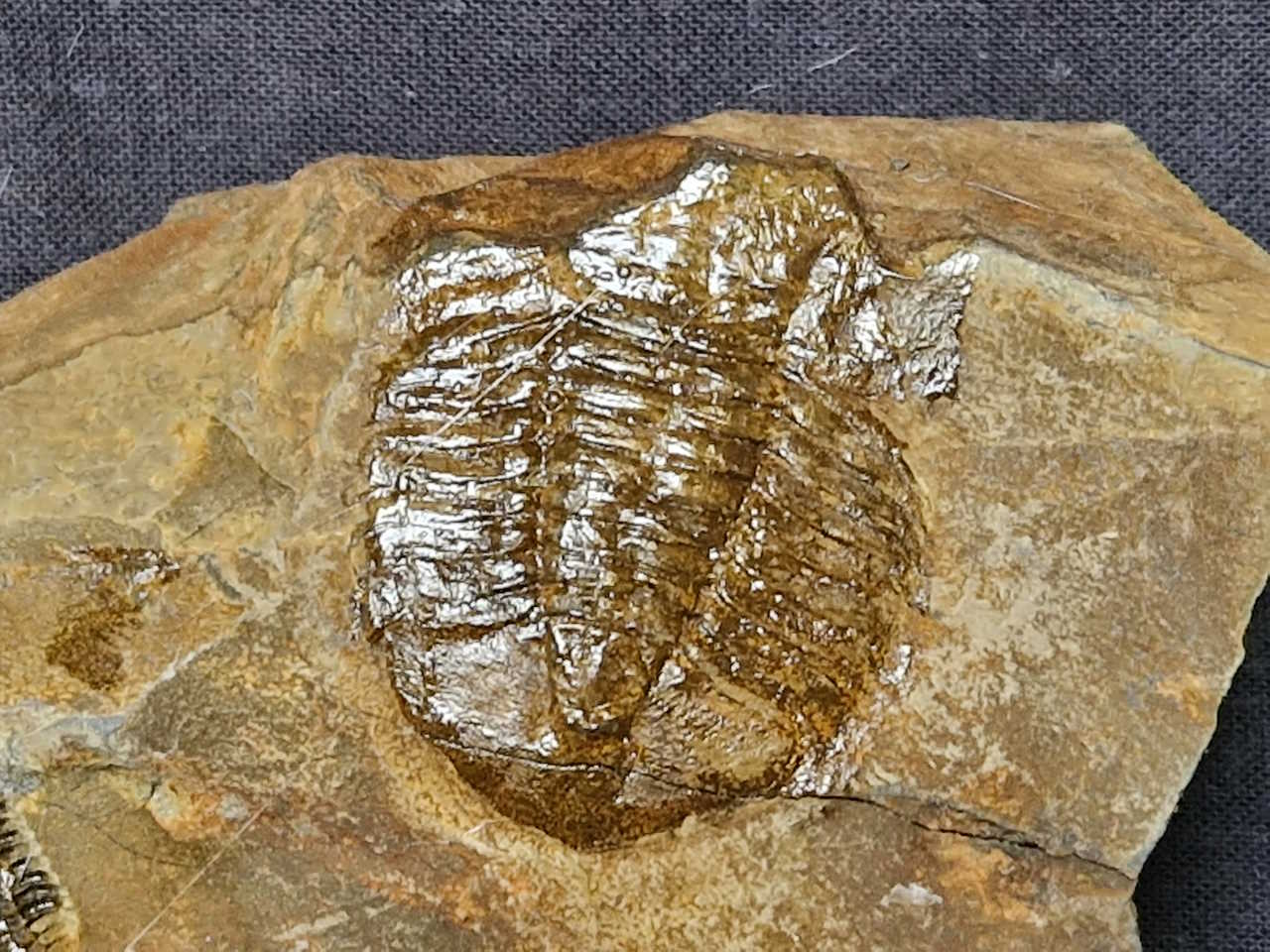 | Barrandia homfrayi#TBH10556 L. Llanvrin, Darriwilian/ M. Ordovician / 467 Million years old / Hope shales Shelve Inlier, Shropshire, U.K. Size trilobite: 1.28 inch / 3.2 cm Price: Euro 20.-- |
| Barrandia homfrayi#TBH10557 L. Llanvrin, Darriwilian/ M. Ordovician / 467 Million years old / Hope shales Shelve Inlier, Shropshire, U.K. Size trilobite: 1.32 inch / 3.3 cm Price: Euro 25.-- | 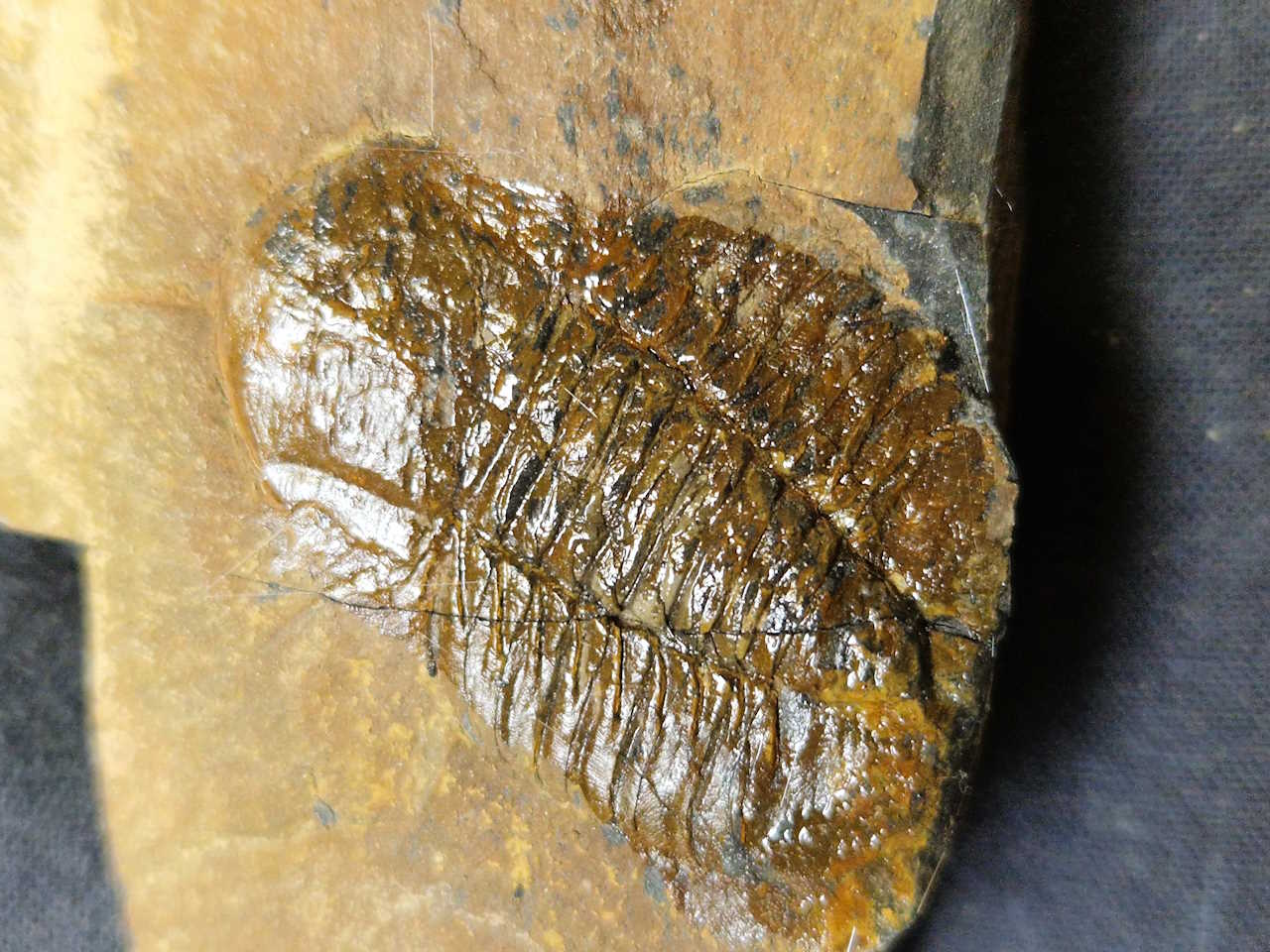 |
 | Barrandia homfrayi#TBH10558 On Matrix 16 by 7 cm L. Llanvrin, Darriwilian/ M. Ordovician / 467 Million years old / Hope shales Shelve Inlier, Shropshire, U.K. Size trilobite: 1.64 inch / 4.1 cm Price: Euro 35.-- |
| Barrandia homfrayi#TBH10559 L. Llanvrin, Darriwilian/ M. Ordovician / 467 Million years old / Hope shales Shelve Inlier, Shropshire, U.K. Size trilobite: 1.28 inch / 3.2 cm Price: Euro 25.-- | 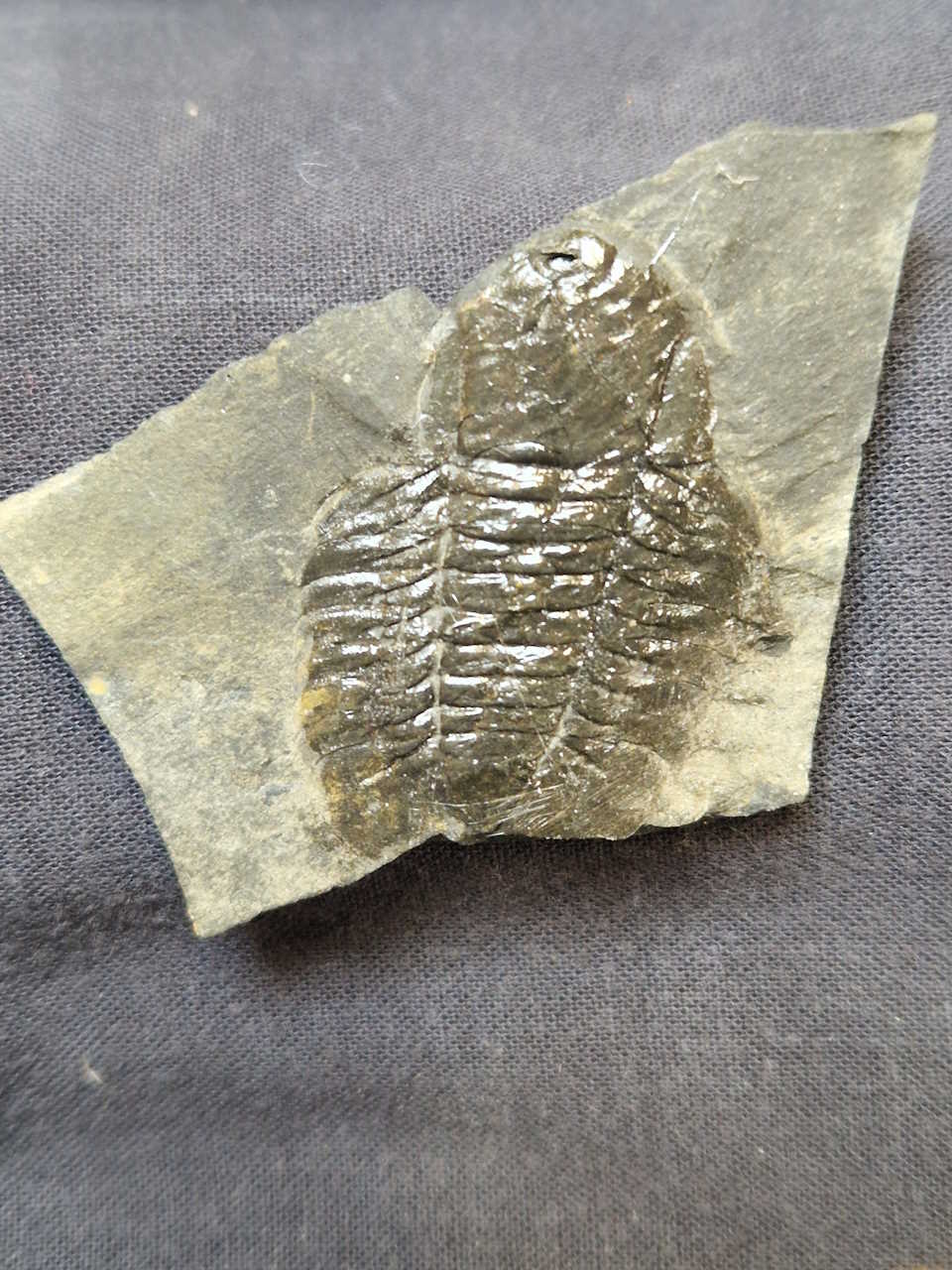 |
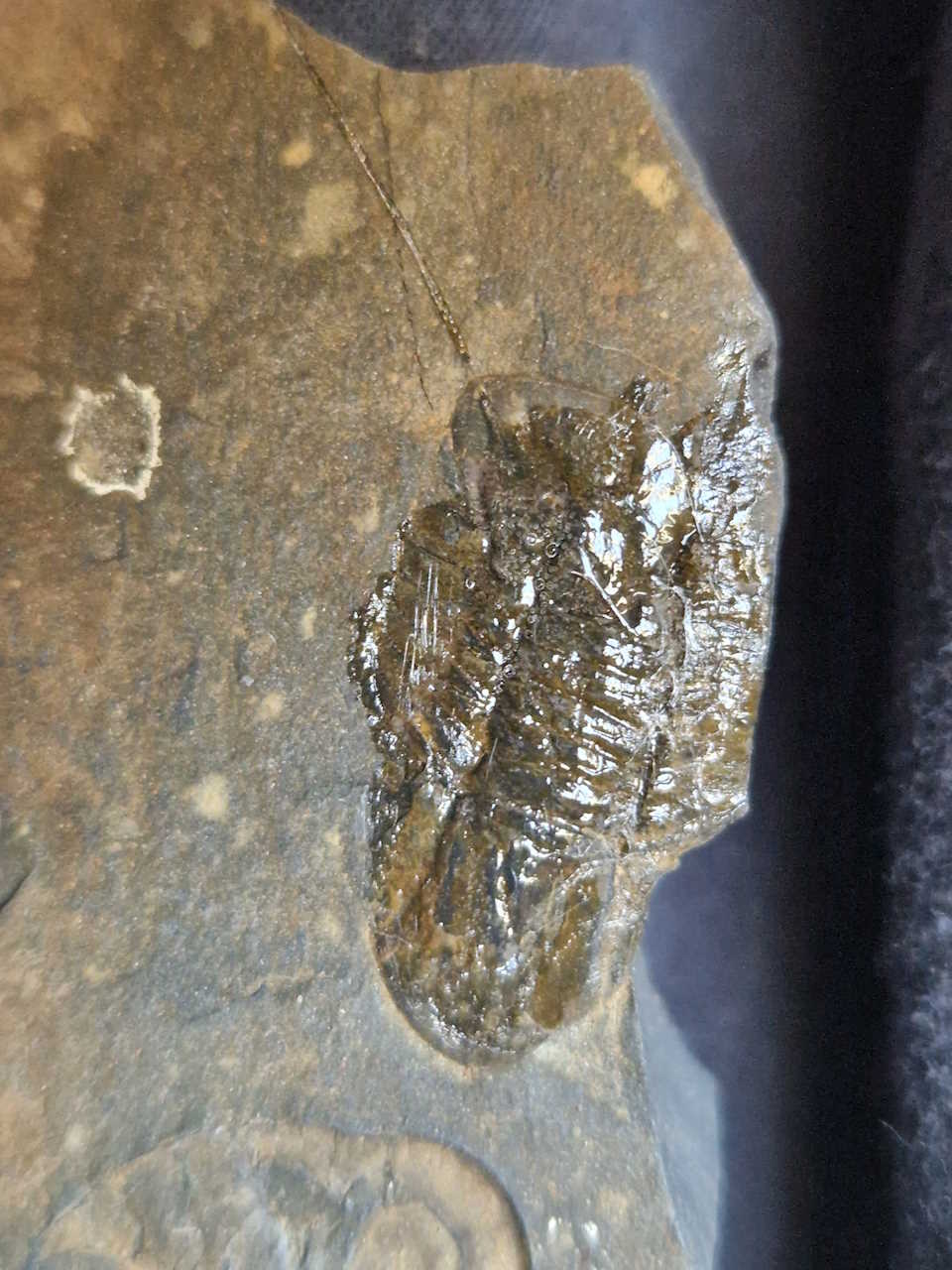 | Barrandia homfrayi#TBH10560 L. Llanvrin, Darriwilian/ M. Ordovician / 467 Million years old / Hope shales Shelve Inlier, Shropshire, U.K. Size trilobite: 1.04 inch / 2.6 cm Price: Euro 30.-- |
| Barrandia homfrayi#TBH10561 L. Llanvrin, Darriwilian/ M. Ordovician / 467 Million years old / Hope shales Shelve Inlier, Shropshire, U.K. Size trilobite: 1.32 inch / 3.3 cm Price: Euro 20.-- | 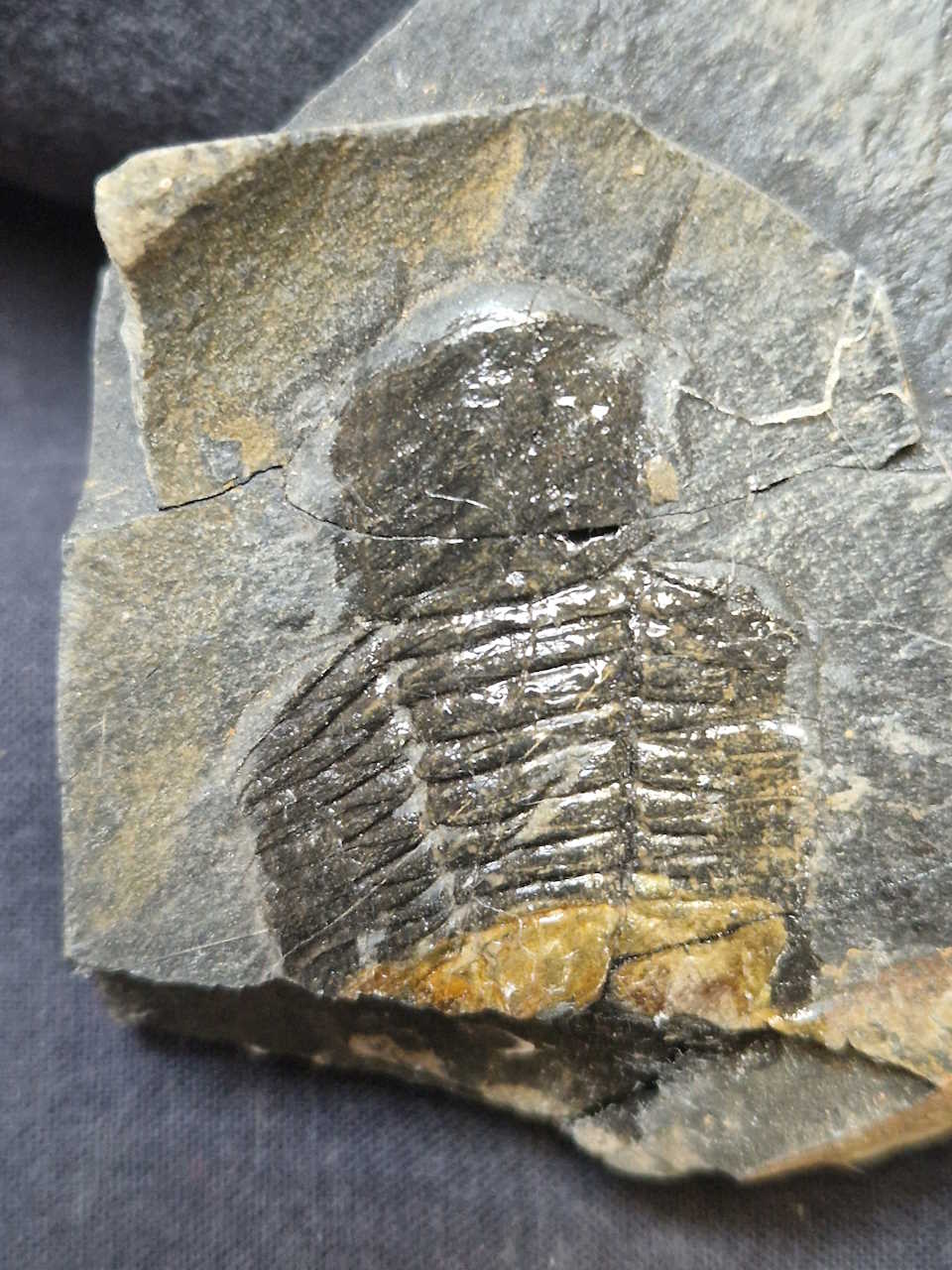 |
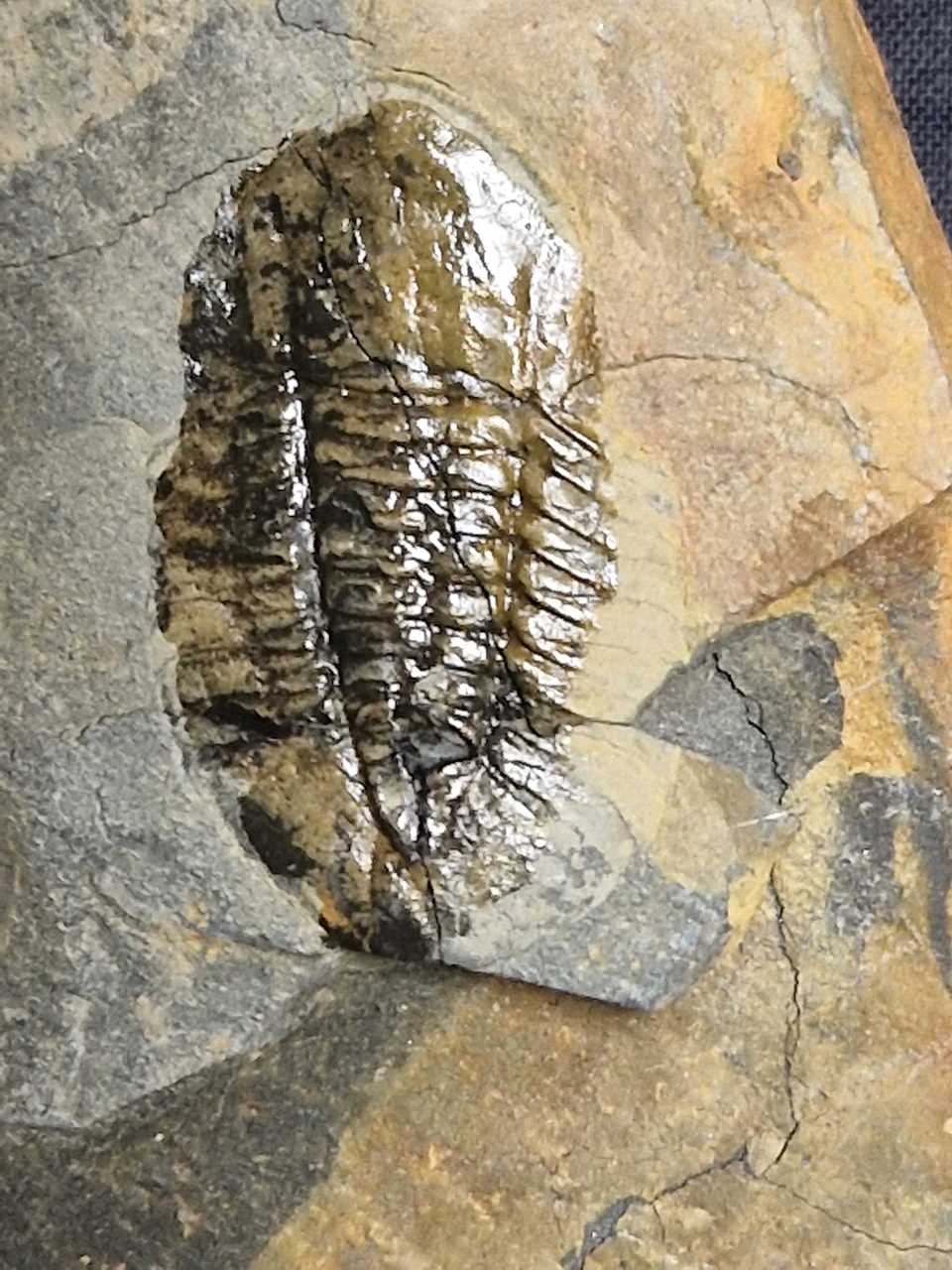 | Barrandia homfrayi#TBH10562 L. Llanvrin, Darriwilian/ M. Ordovician / 467 Million years old / Hope shales Shelve Inlier, Shropshire, U.K. Size trilobite: 1.24 inch / 3.1 cm Price: Euro 30.-- |
| Barrandia homfrayi#TBH10563 L. Llanvrin, Darriwilian/ M. Ordovician / 467 Million years old / Hope shales Shelve Inlier, Shropshire, U.K. Size trilobite: 1.32 inch / 3.3 cm Price: Euro 35.-- |  |
| Ampyx linleyensis#TAL10515 L. Llanvrin, Darriwilian/ M. Ordovician / 467 Million years old / Hope shales Munsterley, Shropshire, U.K. Size trilobite: 1.24 inch / 3.1 cm Price: Euro 45.-- | 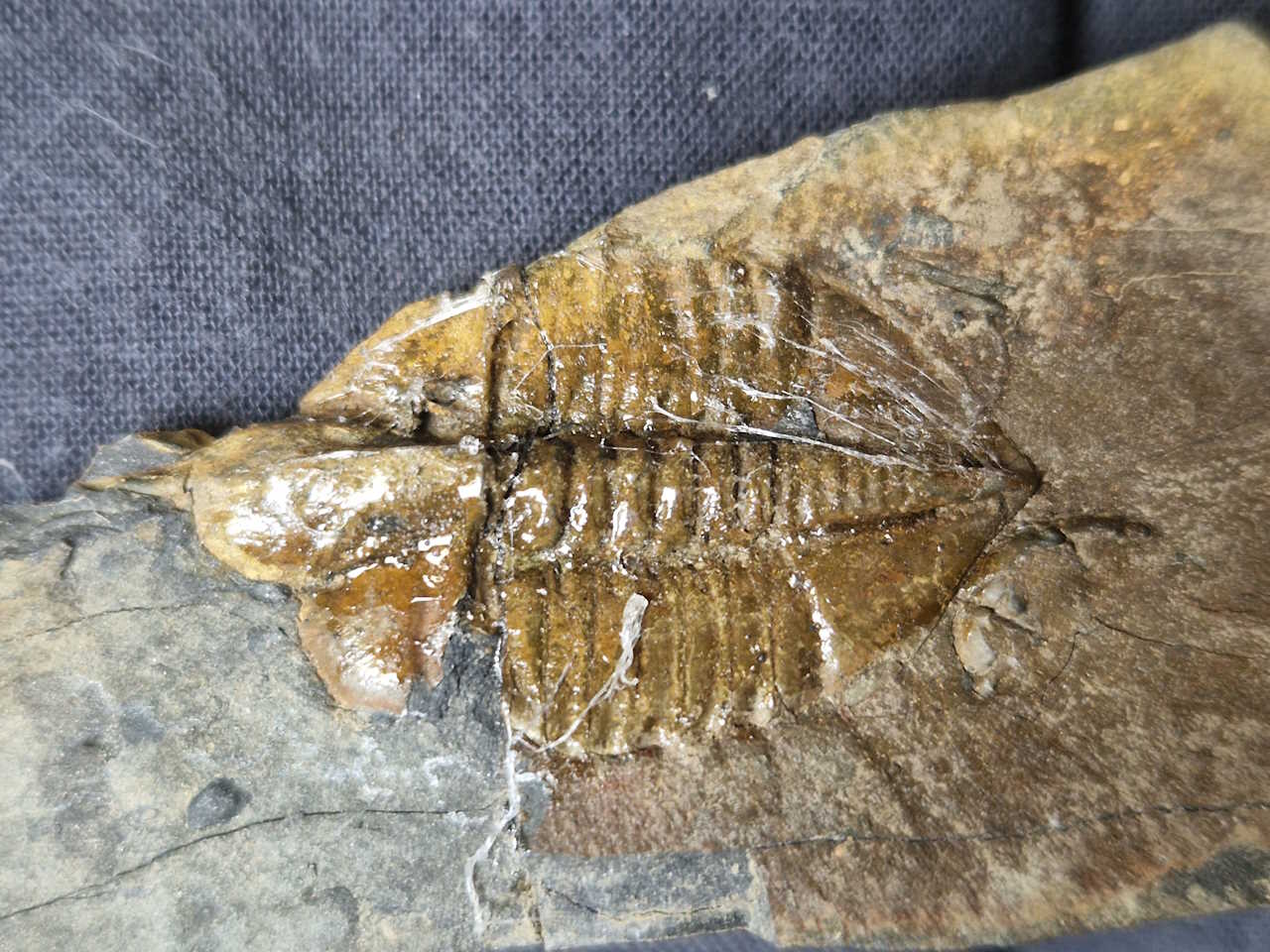 |
| Ampyx linleyensis#TAL10518 L. Llanvrin, Darriwilian/ M. Ordovician / 467 Million years old / Hope shales Shelve Inlier, Shropshire, U.K. Size trilobite: 0.8 inch / 2 cm Price: Euro 40.-- | 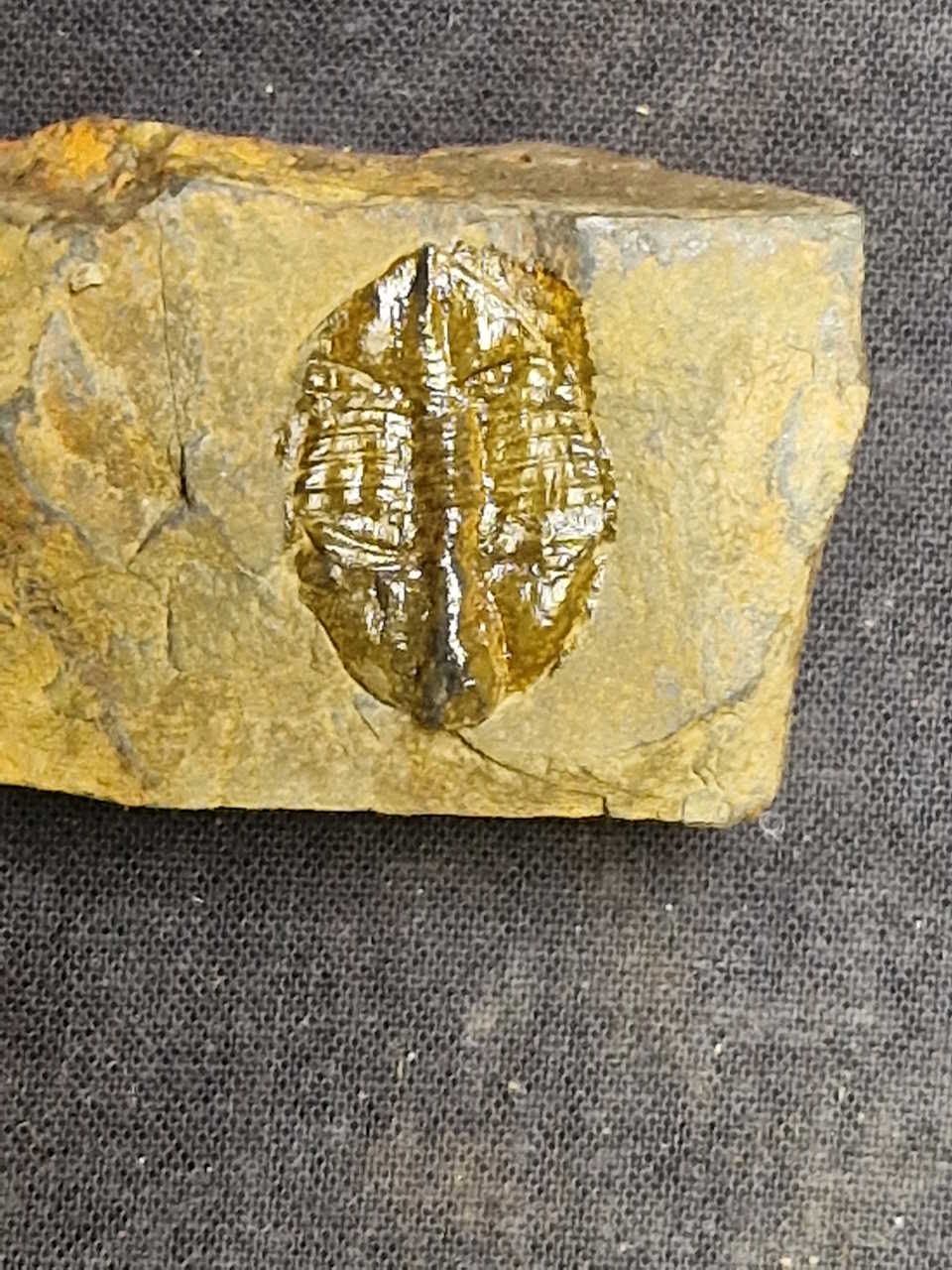 |
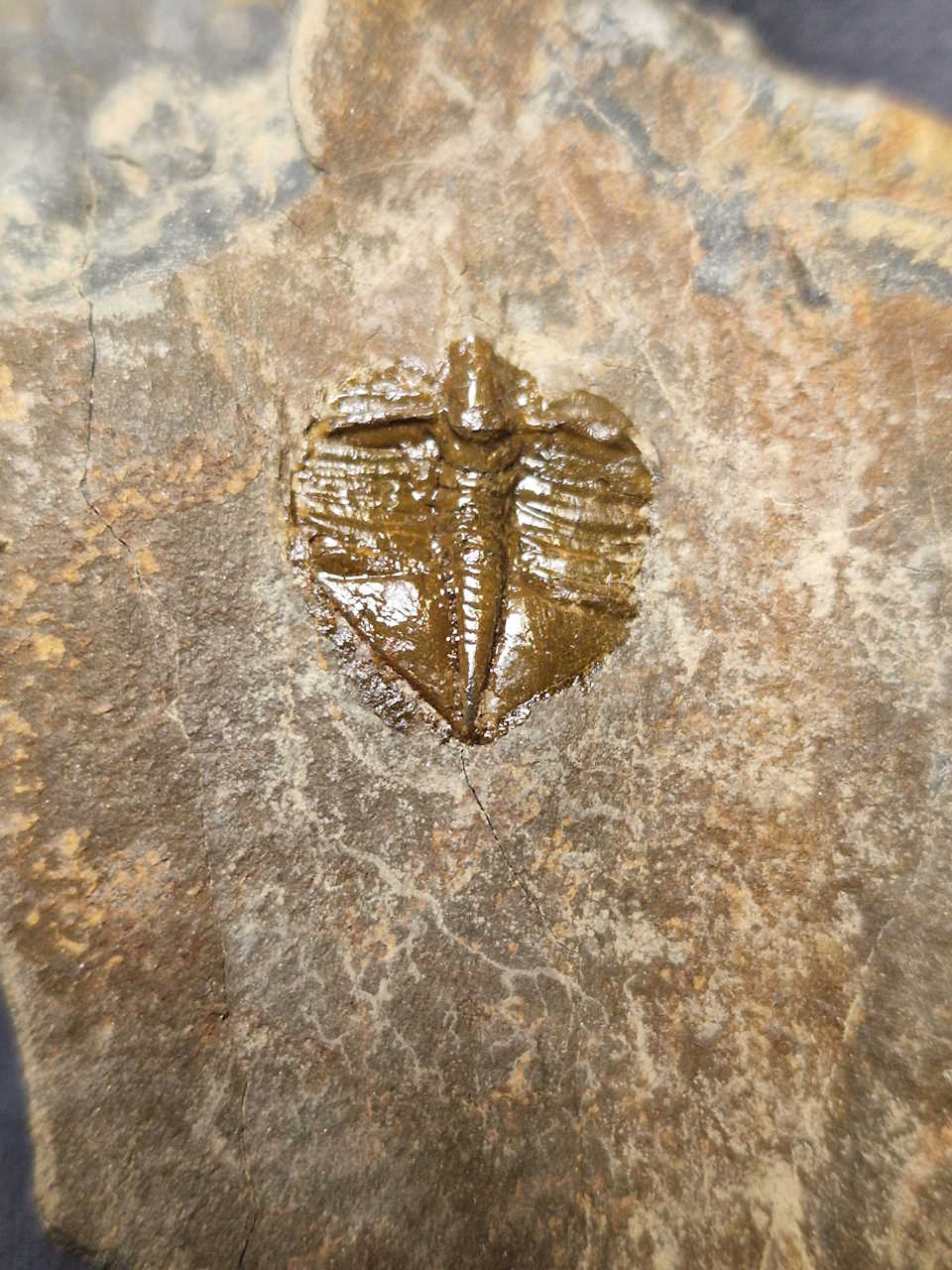 | Ampyx linleyensis#TAL10519 L. Llanvrin, Darriwilian/ M. Ordovician / 467 Million years old / Hope shales Shelve Inlier, Shropshire, U.K. Size trilobite: 0.68 inch / 1.7 cm Price: Euro 35.-- |
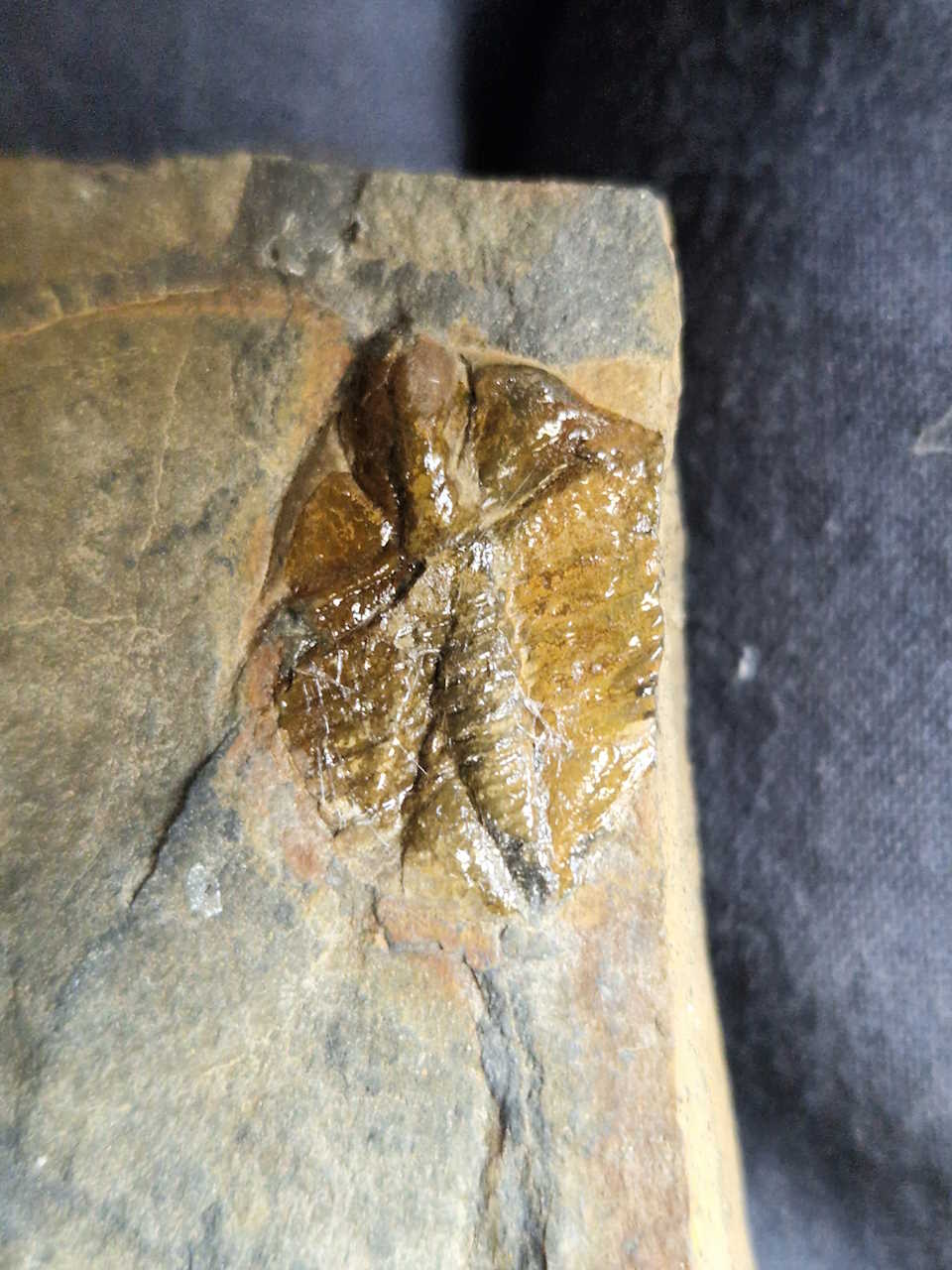 | Ampyx linleyensis#TAL10521 L. Llanvrin, Darriwilian/ M. Ordovician / 467 Million years old / Hope shales Shelve Inlier, Shropshire, U.K. Size trilobite: 0.8 inch / 2 cm Price: Euro 40.-- |
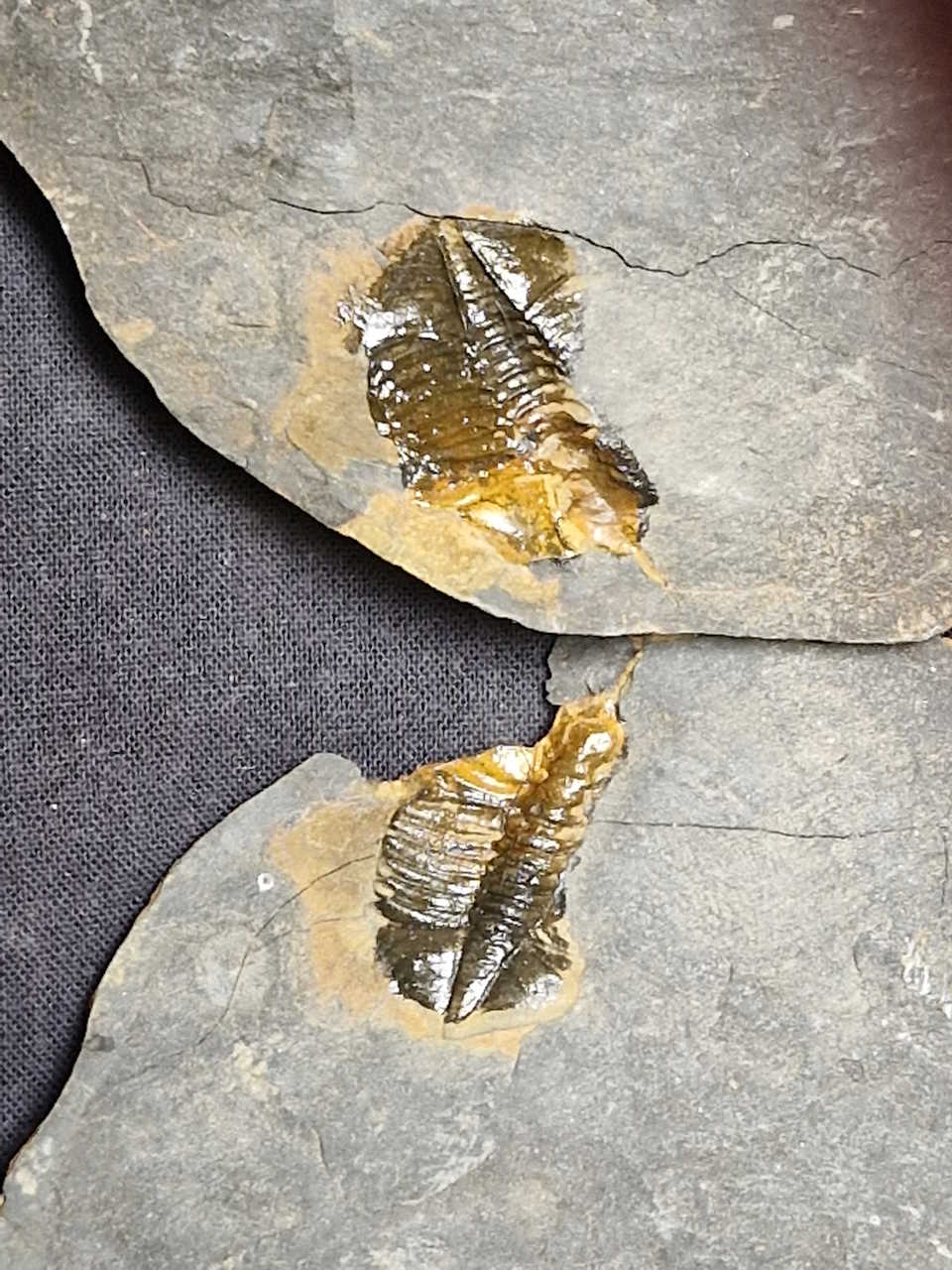 | Ampyx linleyensis#TAL10525 Pos/Neg L. Llanvrin, Darriwilian/ M. Ordovician / 467 Million years old / Hope shales Shelve Inlier, Shropshire, U.K. Size trilobite: 0.92 inch / 2.3 cm Price: Euro 35.-- |
| Ogygiocarella debuchi#TOD10527 (Brongniard) L. Llanvrin, Darriwilian/ M. Ordovician / 467 Million years old / Llandelian stage Builth Inlier, Wales Size trilobite: 2 inch / 5 cm Price: Euro 30.-- |  |
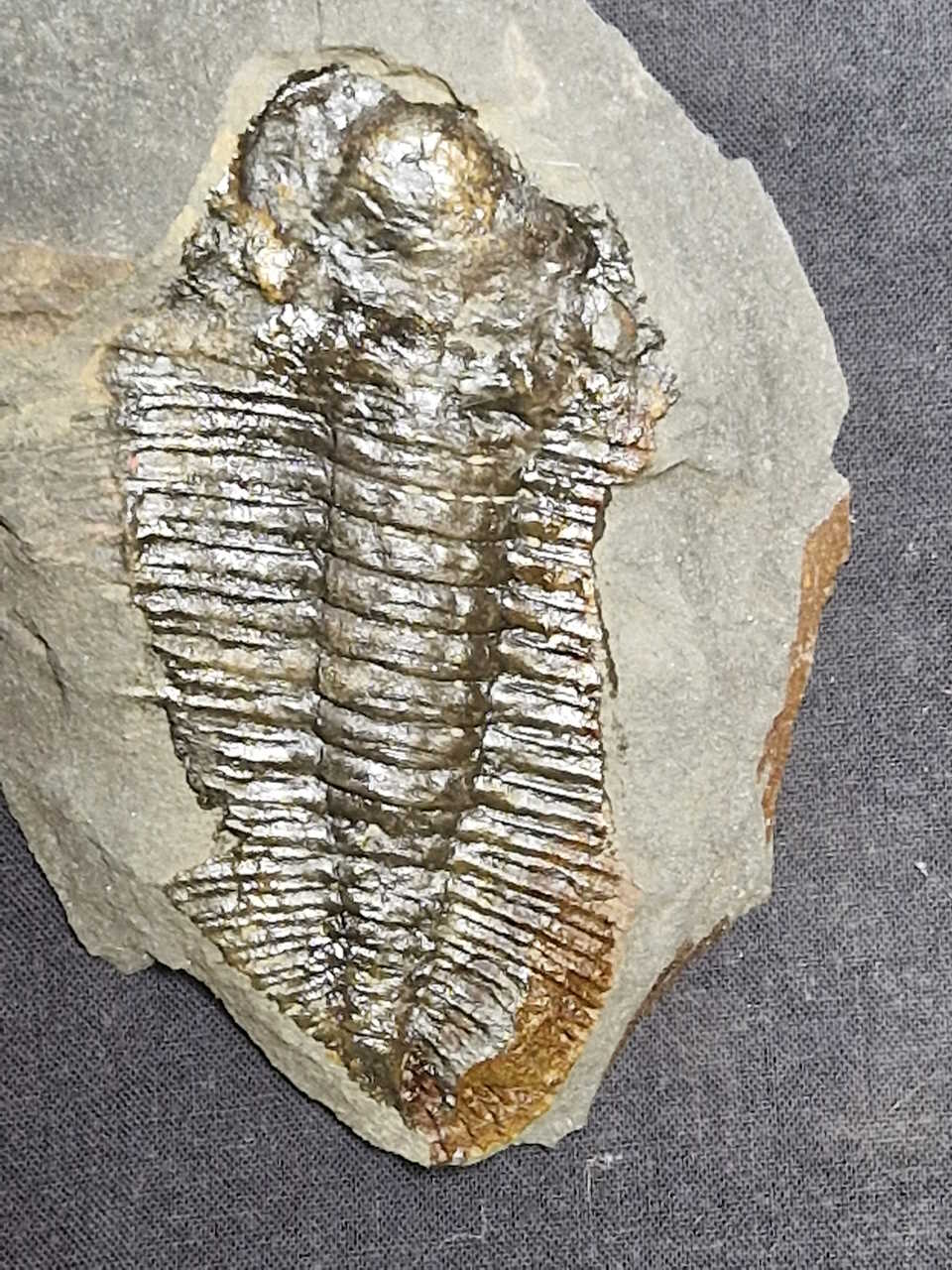 | Ogygiocarella debuchi#TOD10530 (Brongniard) L. Llanvrin, Darriwilian/ M. Ordovician / 467 Million years old / Llandelian stage Builth Inlier, Wales Size trilobite: 3.08 inch / 7.7 cm Price: Euro 50.-- |
| Stapeleyella inconstans#TSI10488 L. Llanvrin, Darriwilian/ M. Ordovician / 467 Million years old / Hope shales Shelve, U.K. Size trilobite: 0.44 inch / 1.1 cm Price: Euro 30.-- | 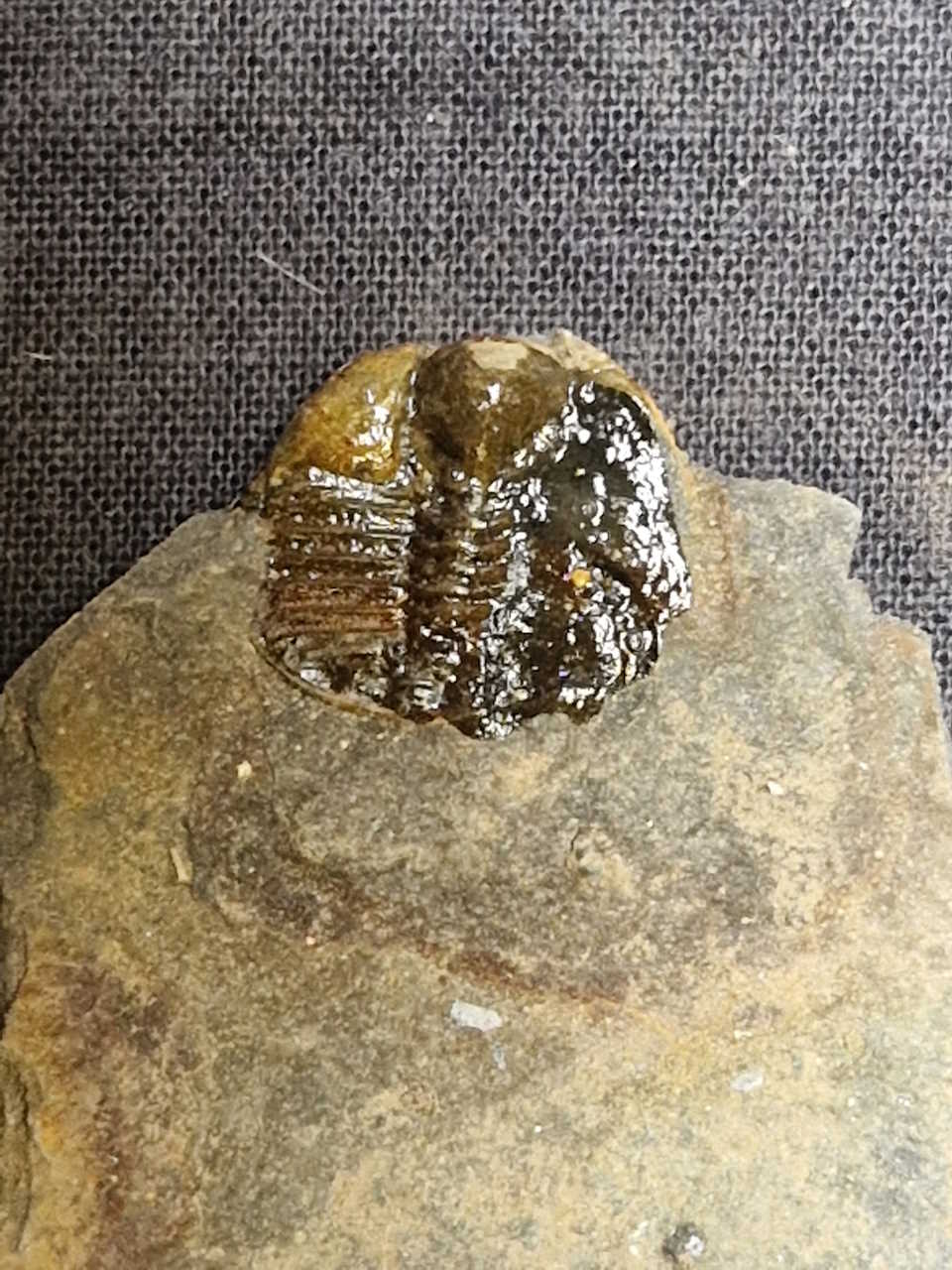 |
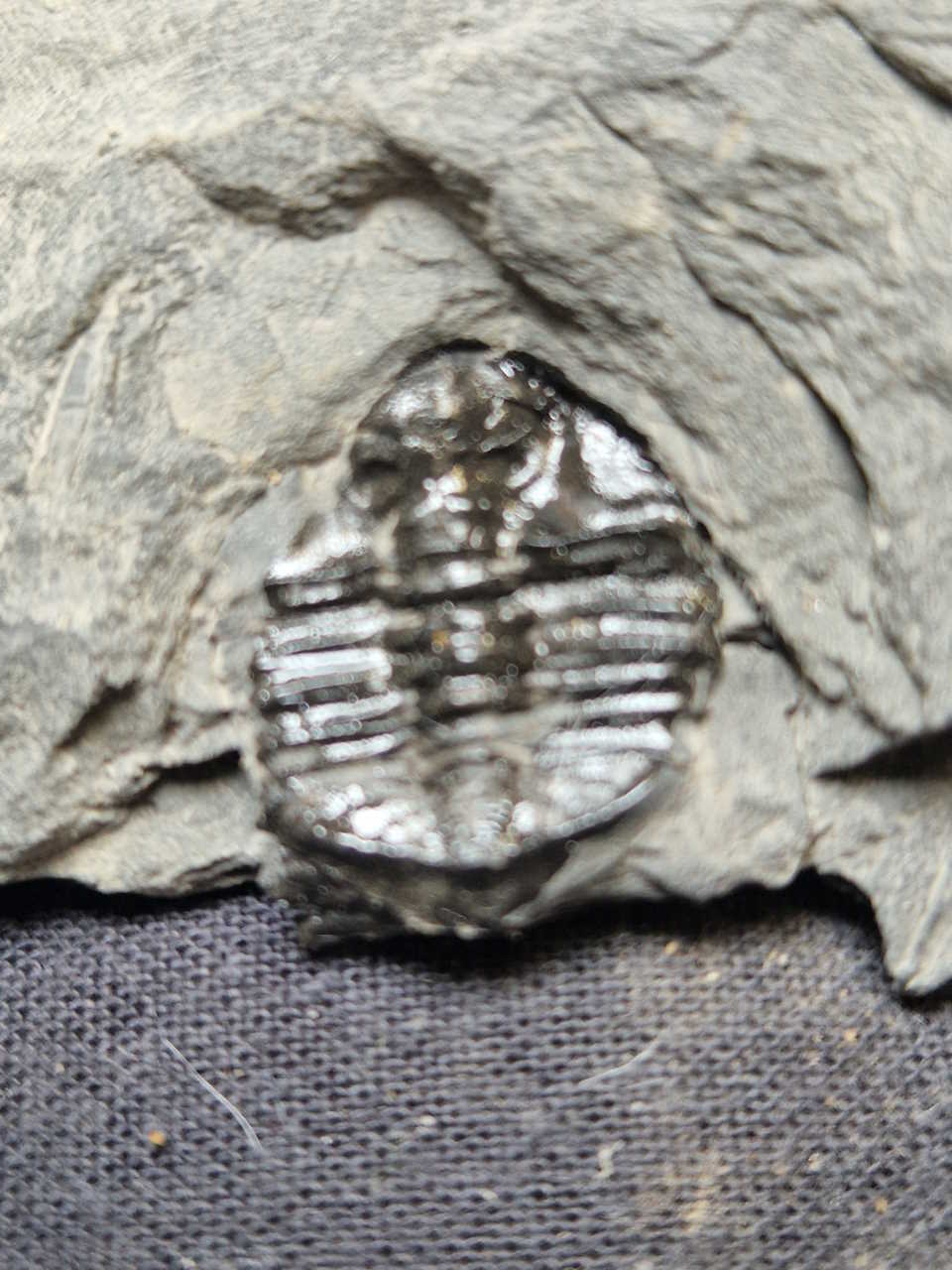 | Stapeleyella inconstans#TSI10491 L. Llanvrin, Darriwilian/ M. Ordovician / 467 Million years old / Hope shales Shelve, U.K. Size trilobite: 0.52 inch / 1.3 cm Price: Euro 35.-- |
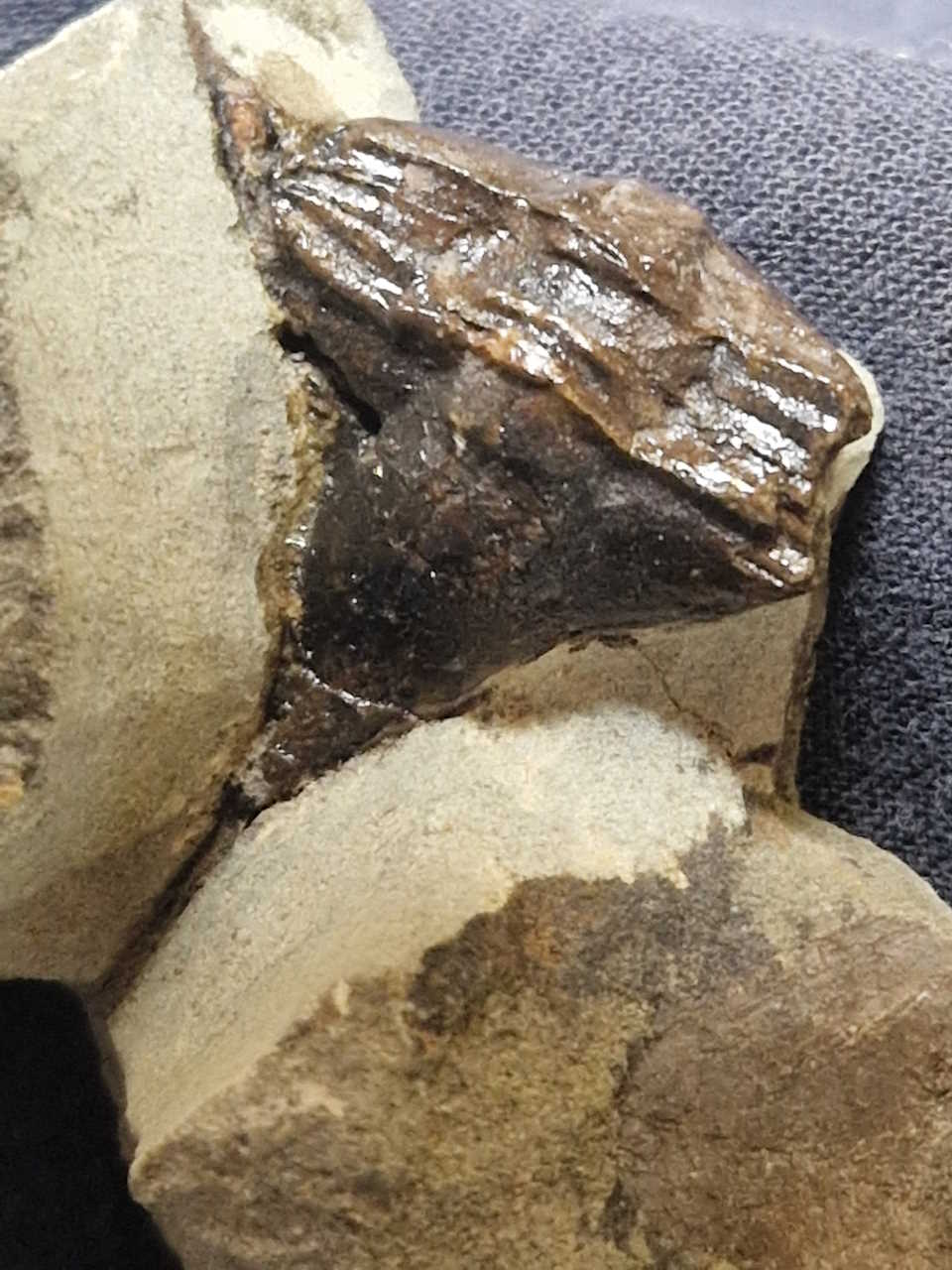 | Lonchodomas drummuckensis#TCD10494 (Reed) Very rare U. Ordovician / Himantian / Ashgill series 444 Million years old / Drummunc group Girvan, Ayrshire, Scotland Size trilobite: 1.2 inch / 3 cm Price: Euro 170.-- |
| Lonchodomas drummuckensis#TCD10495 (Reed) Very rare U. Ordovician / Himantian / Ashgill series 444 Million years old / Drummunc group Girvan, Ayrshire, Scotland Size trilobite: 1 inch / 2.5 cm Price: Euro 170.-- | 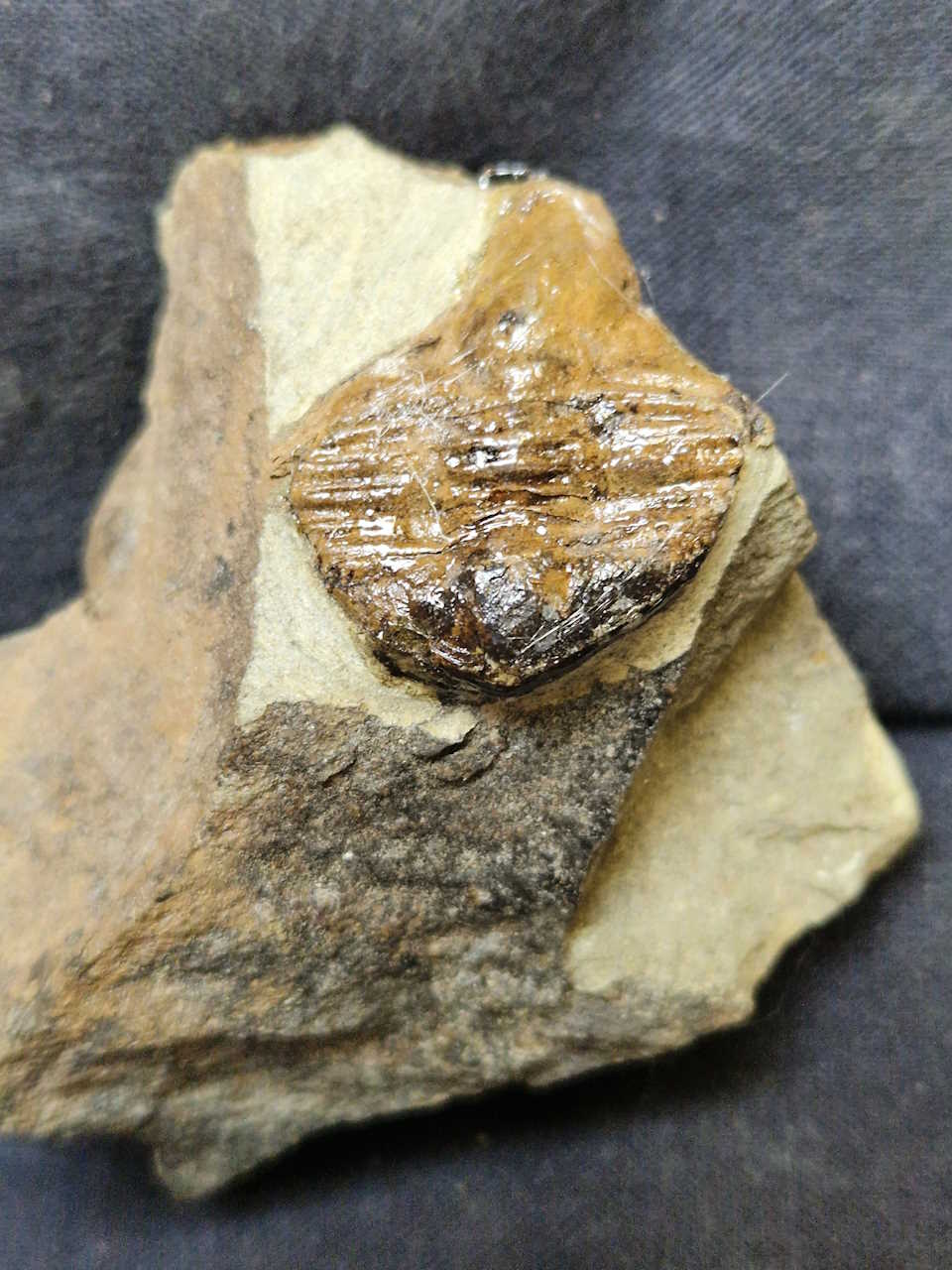 |
| Parabolina spinulosa #TPS10498 (Wahlenberg) Upper Cambrian / 490 Million years old / Dolgellan series Trans fynned, Wales Size trilobite: 0.8 inch / 2 cm span Price: Euro 35.-- | 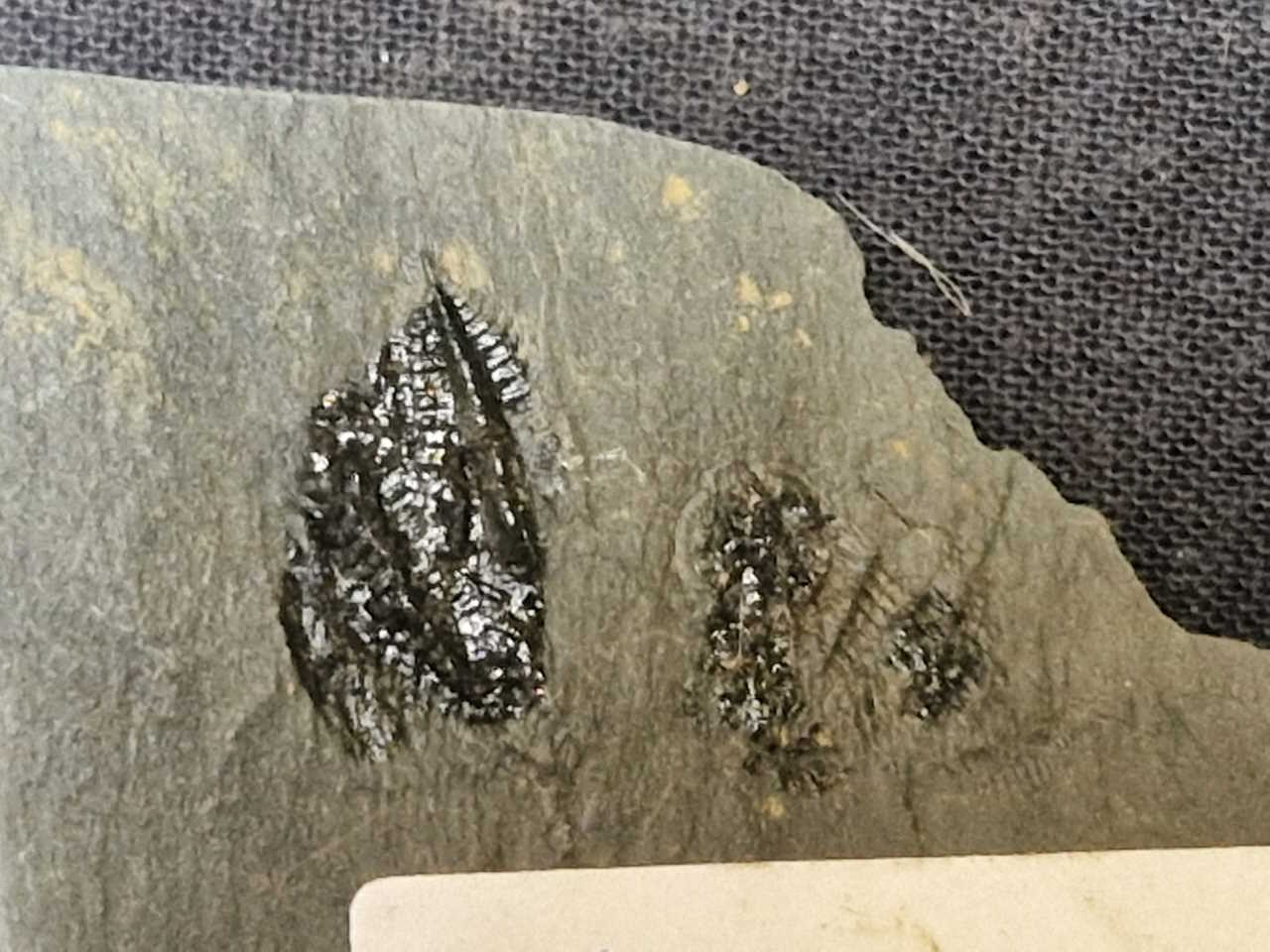 |
| Whittardolithus sp.#TWS10501 L. Llanvrin, Darriwilian/ M. Ordovician / 467 Million years old Shelve, Shropshire, U.K. Size trilobite: 0.44 inch / 1.1 cm Price: Euro 25.-- | 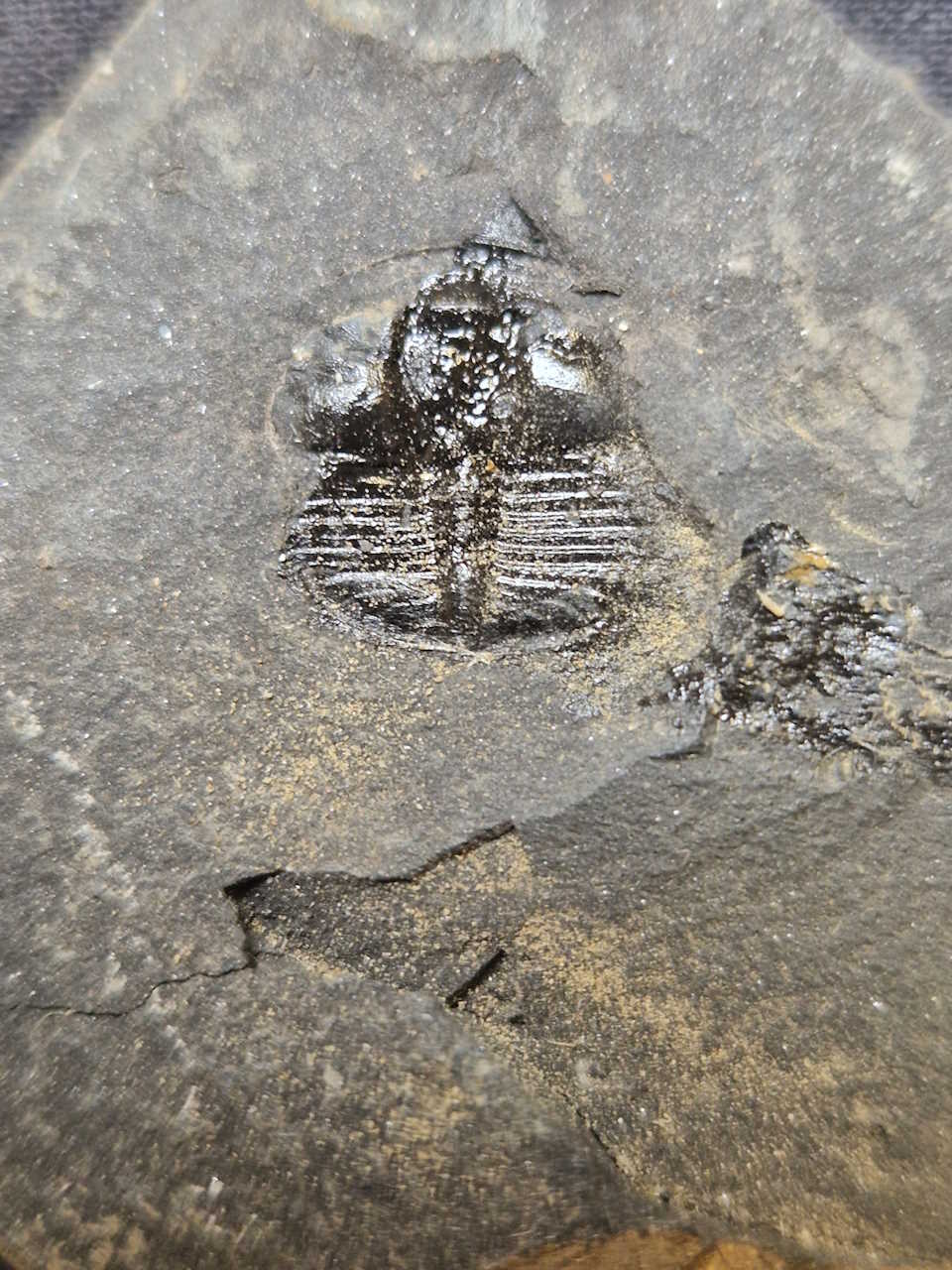 |
 | Whittardolithus sp.#TWS10502 L. Llanvrin, Darriwilian/ M. Ordovician / 467 Million years old Shelve, Shropshire, U.K. Size trilobite: 0.4 inch / 1 cm Price: Euro 25.-- |
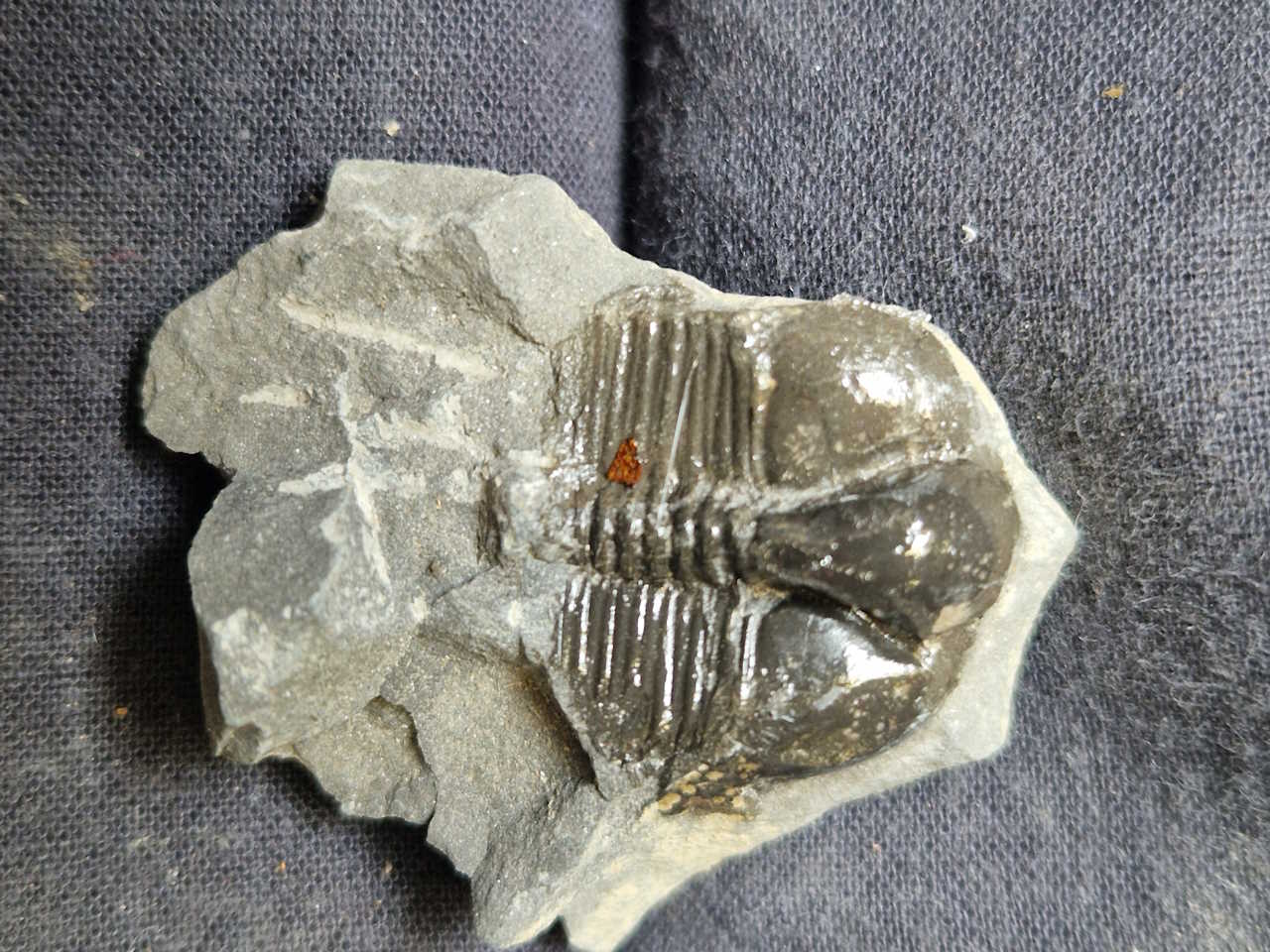 | Salterolithus caractasi #TSC10506 Llanvrin, Darriwilian/ M. Ordovician / 465 Million years old / Caradoc series Welshpool, Powys, Wales Size trilobite: 0.68 inch / 1.7 cm Price: Euro 20.-- |
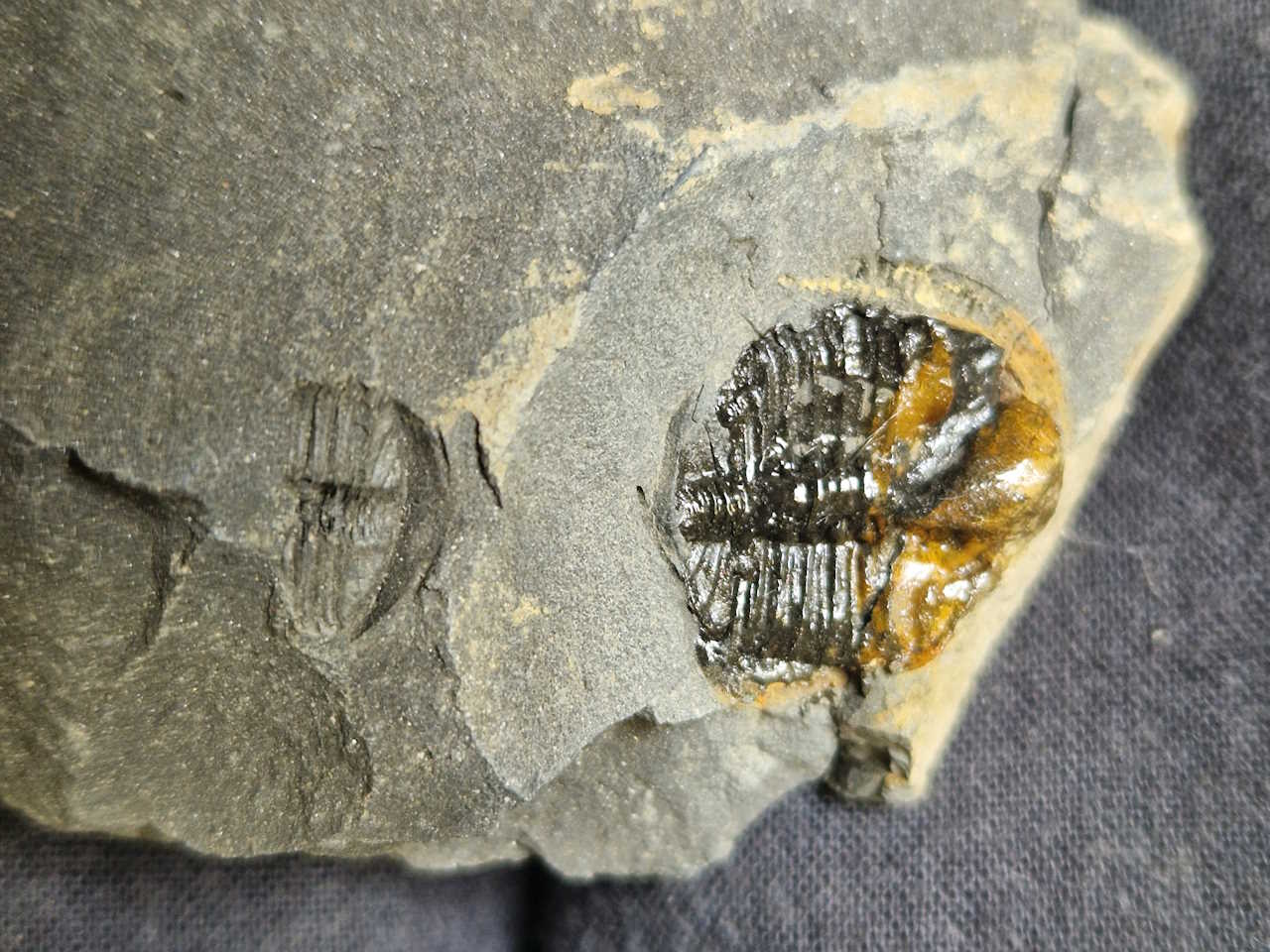 | Stapeleyella inconstans#TSI10510 L. Llanvrin, Darriwilian/ M. Ordovician / 467 Million years old / Hope shales Munsterly, Shropshire. U.K. Size trilobite: 0.6 inch / 1.5 cm Price: Euro 30.-- |
| Porterfieldia cf. punctata #TPP10467 Mondunian stage / Llanvrin, Darriwilian/ M. Ordovician / 465 Million years old / Arenig series Mathry. S. Wales Size trilobite: 1.2 inch / 3 cm Price: Euro 20.-- | 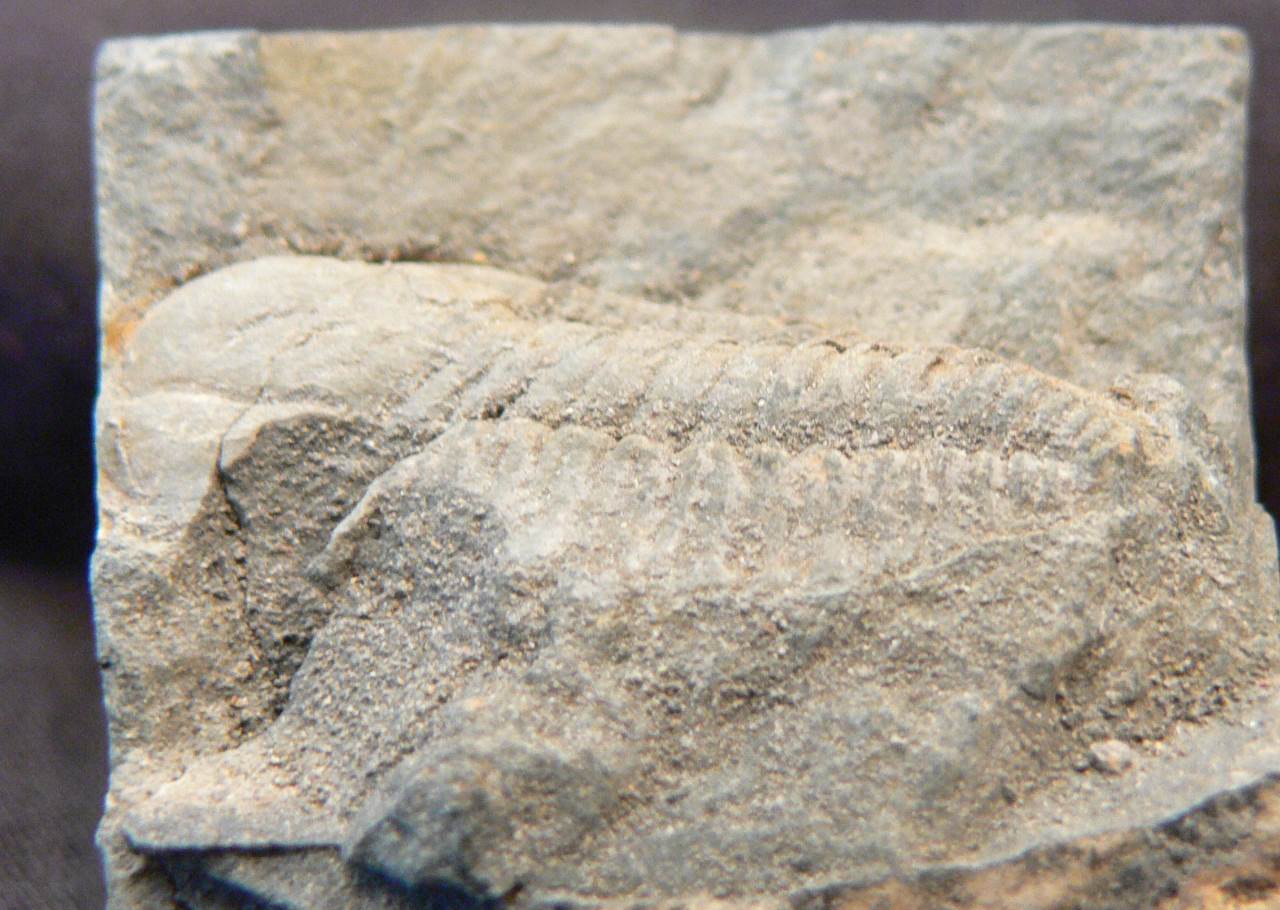 |
| Bergamia prima #TBP10471 Llanvrin, Darriwilian/ M. Ordovician / 465 Million years old Maes Gwynne, Builth Inlier, Wales Size trilobite: 0.44 inch / 1.1 cm wide Price: Euro 30.-- | 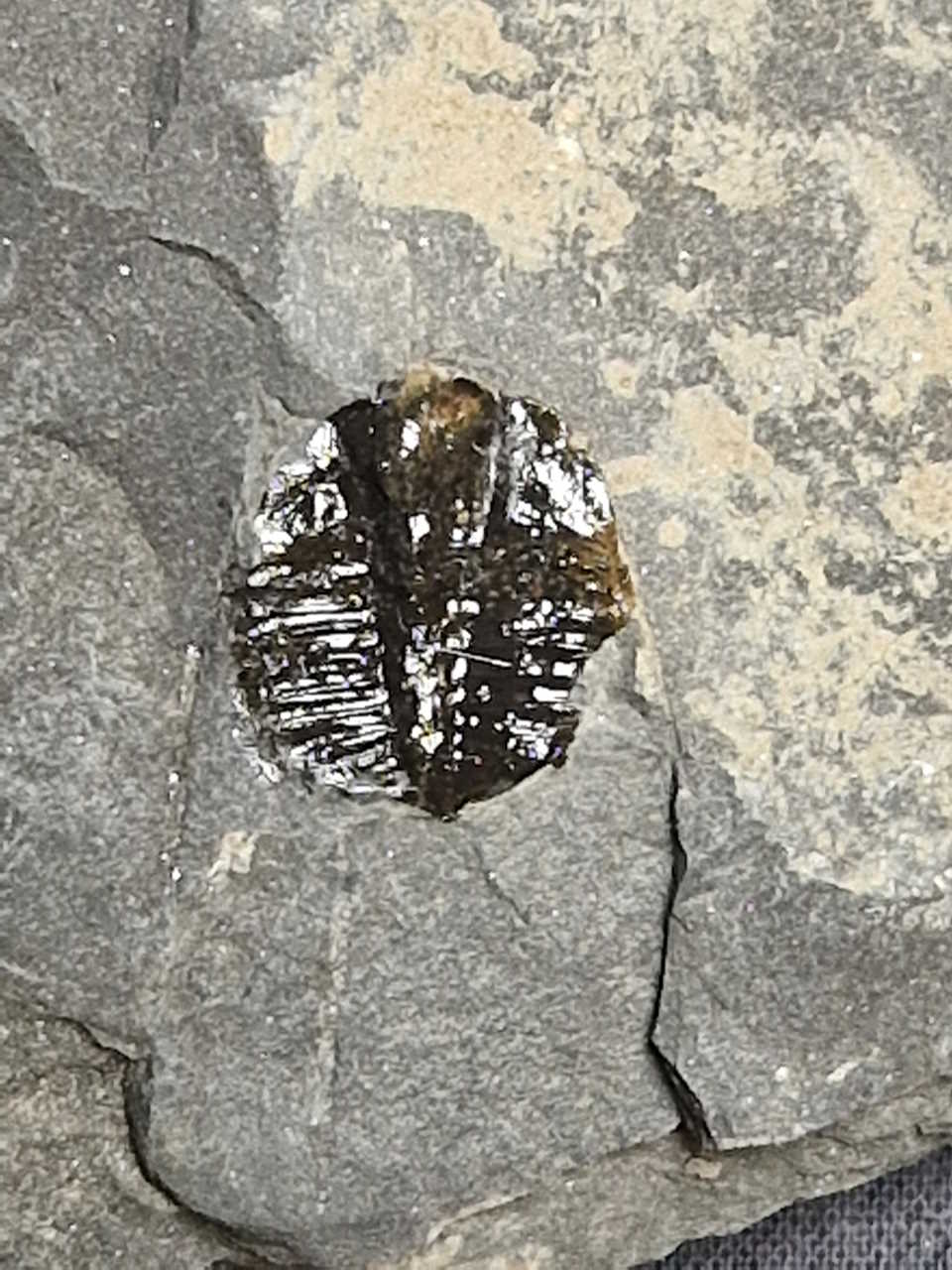 |
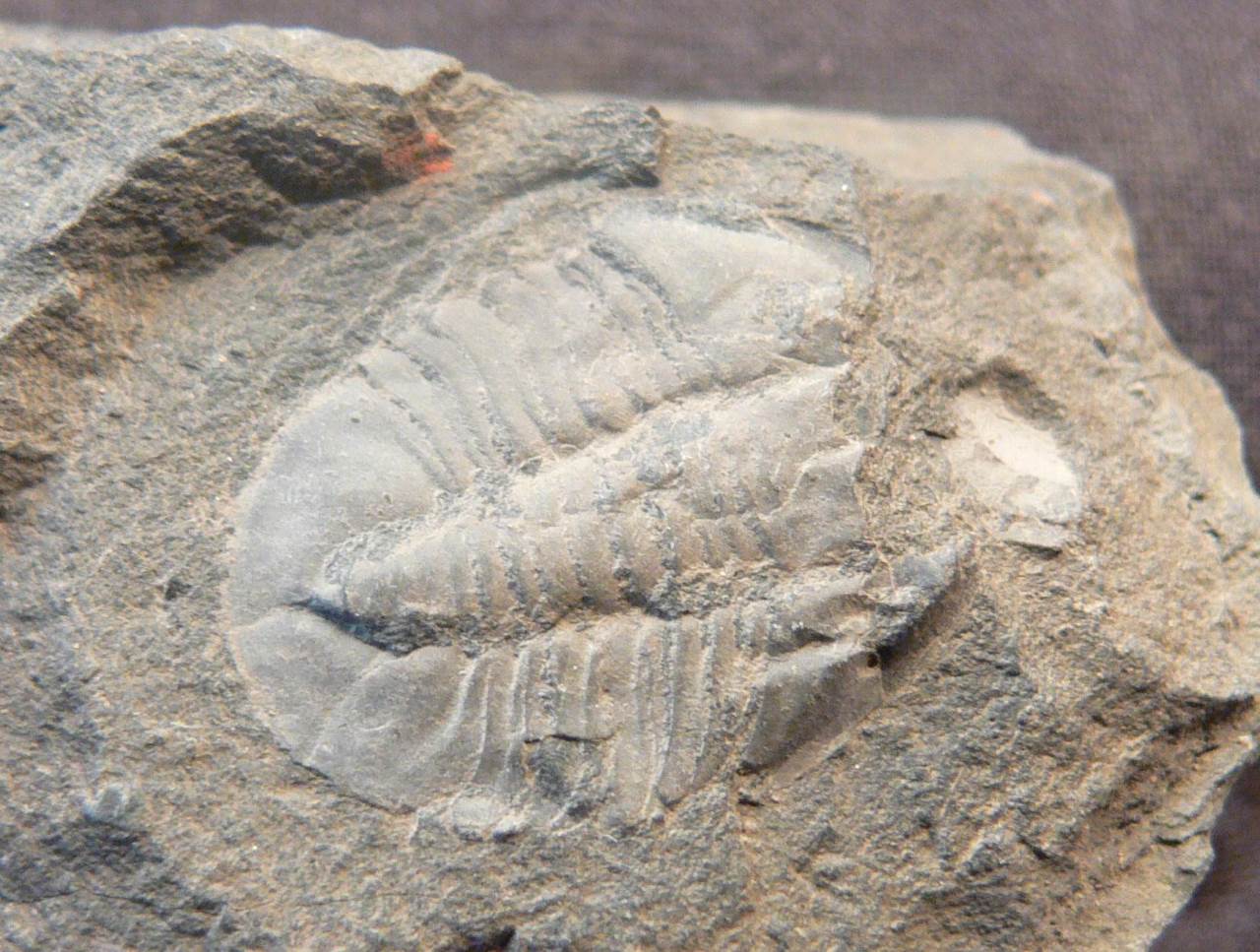 | Barrandia cordai #TBC10476 (McCoy) Llanvrin, Darriwilian/ M. Ordovician / 465 Million years old / Llandian stage Pencerrig, Builth Inlier, Wales Size trilobite: 0.72 inch / 1.8 cm wide Price: Euro 35.-- |
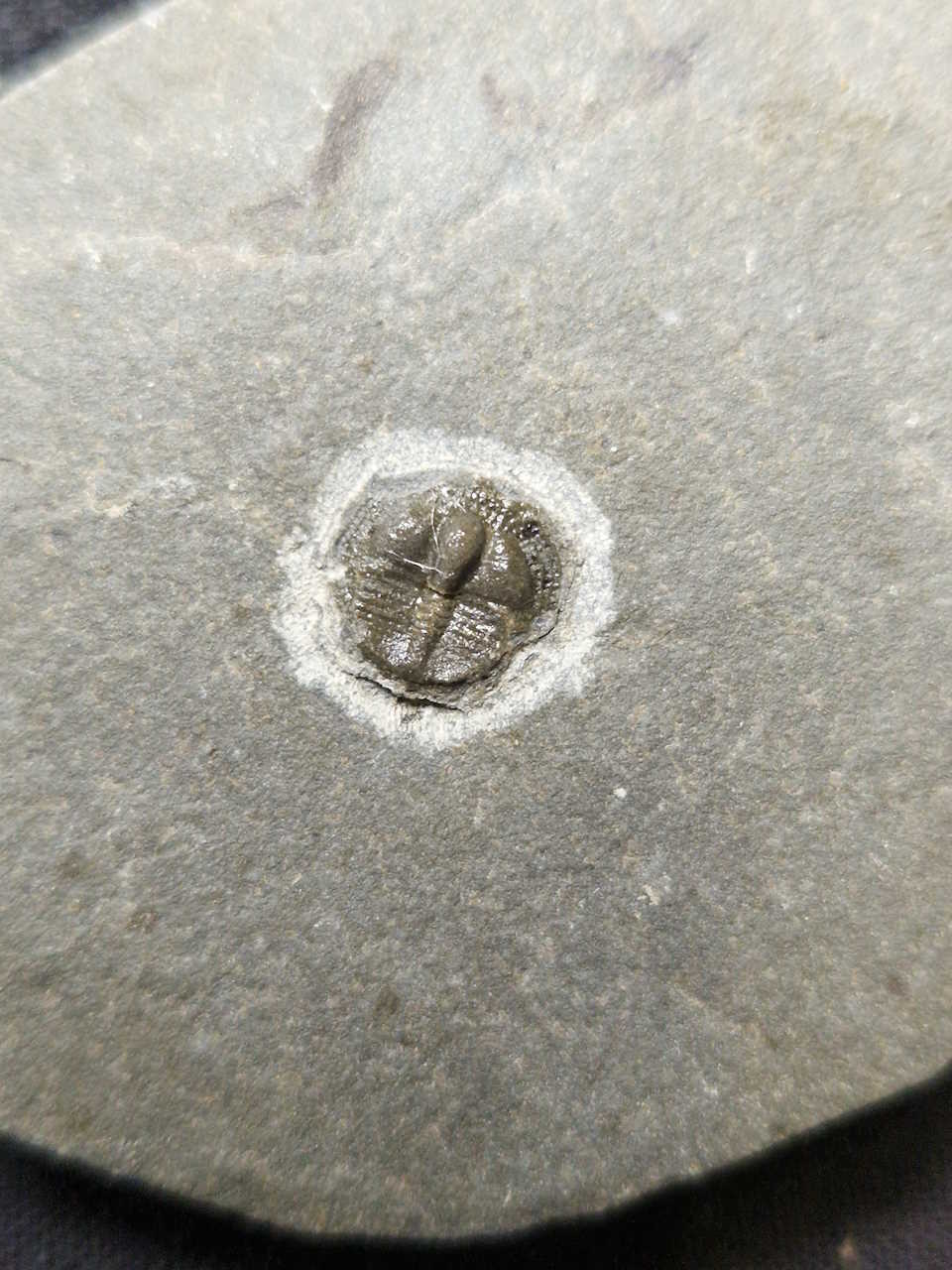 | Bettonolithus chamberlaini #TBC10480 Llanvrin, Darriwilian/ M. Ordovician / 465 Million years old / Llandian stage Guiliver, Builth, U.K. Size trilobite: 0.28 inch / 0.7 cm wide Price: Euro 30.-- |
| Olenus gibbosus #TOG10482 (Wahlenberg) Upper Cambrian / 490 Million years old / Outwoods shales Nineaton, Warwialshire, U.K. Size trilobite: 0.4 inch / 1 cm Price: Euro 35.-- | 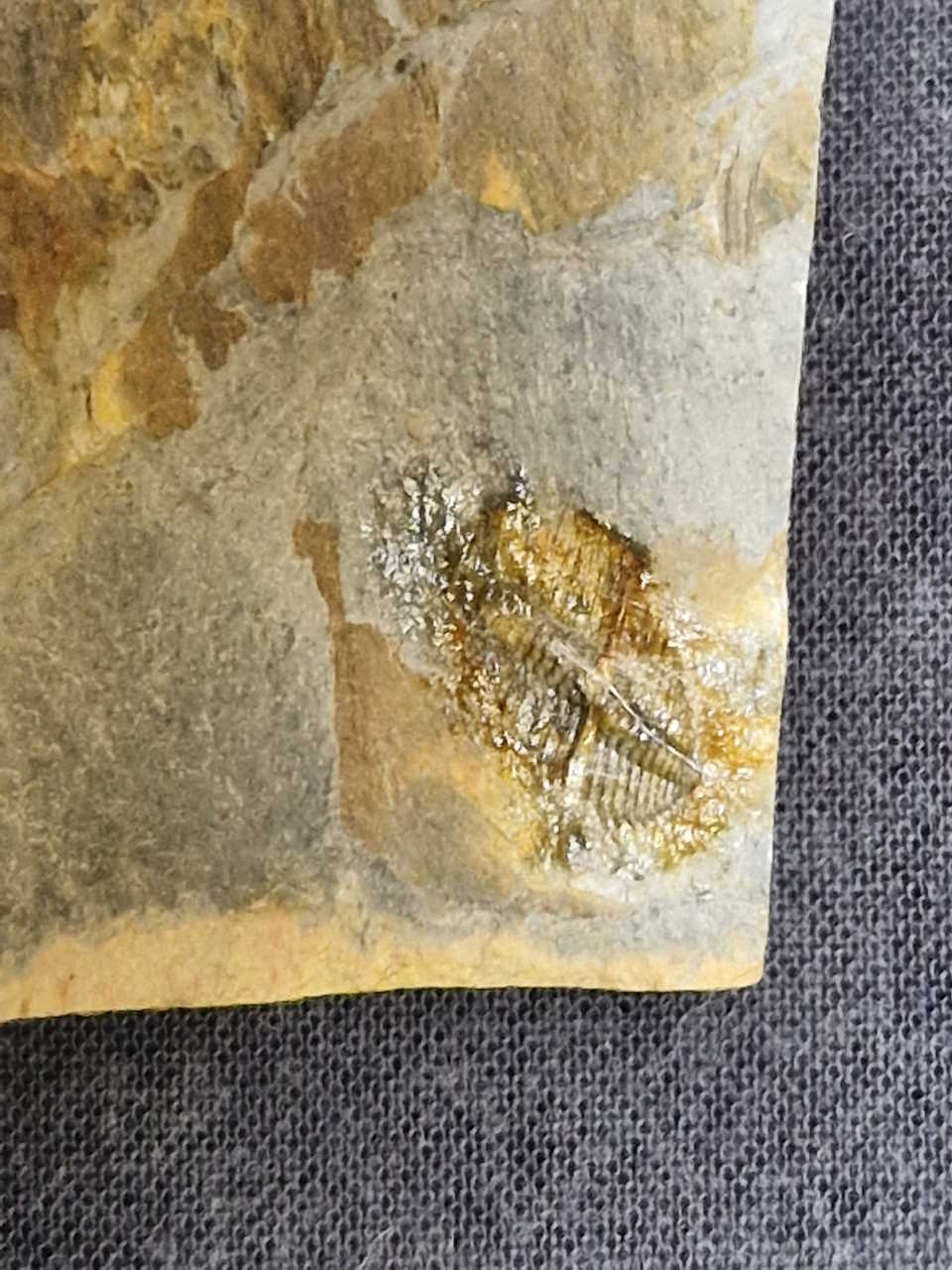 |
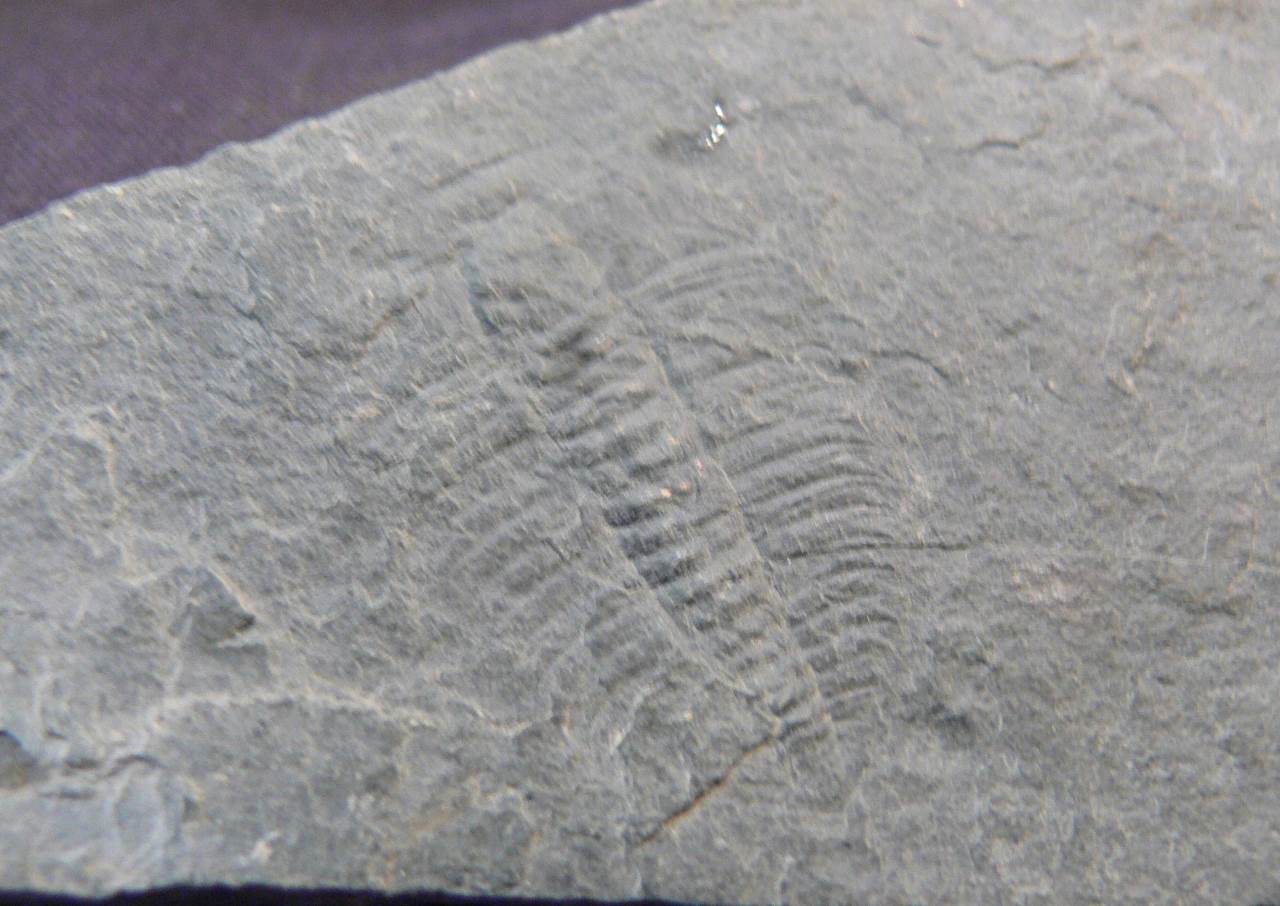 | Olenus gibbosus #TOG10483 (Wahlenberg) Upper Cambrian / 490 Million years old / Outwoods shales Nineaton, Warwiwalshire, U.K. Size trilobite: 0.8 inch / 2 cm Price: Euro 20.-- |
| Crenudopyge nuda #TCN10485 (Murchison) Llanvrin, Darriwilian/ M. Ordovician / 465 Million years old / Llandian stage Pencerrig, Builth Inlier, Wales Size top area: 0.72 inch / 7 cm wide Price: Euro 25.-- | 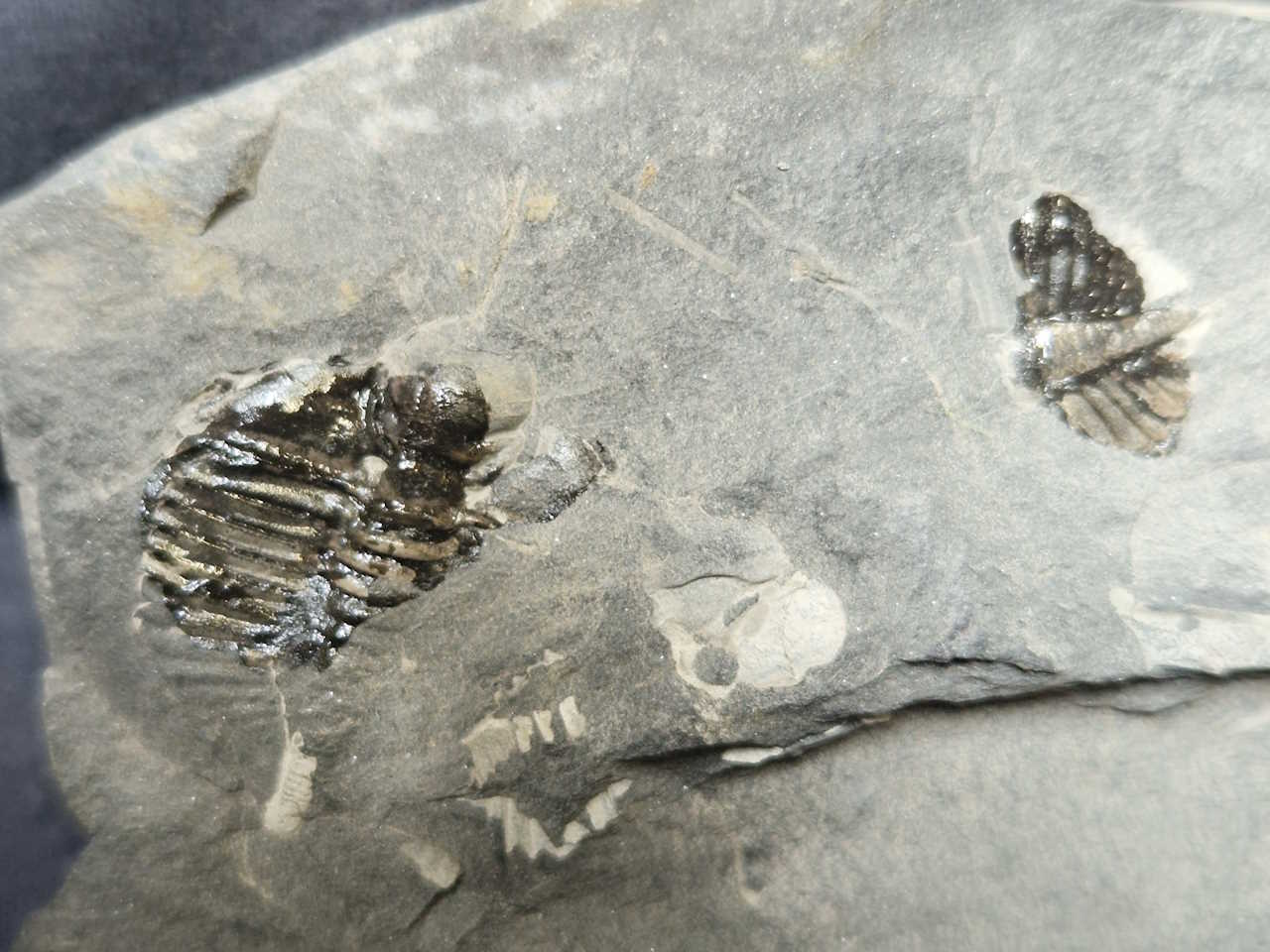 |
| Ogyginus condensis #TOC10446 (Murchiroi) Llanvrin, Darriwilian/ M. Ordovician / 465 Million years old / Pencevrig Builth Inlier, Wales Size trilobite: 0.6 inch / 1.5 cm Price: Euro 20.-- | 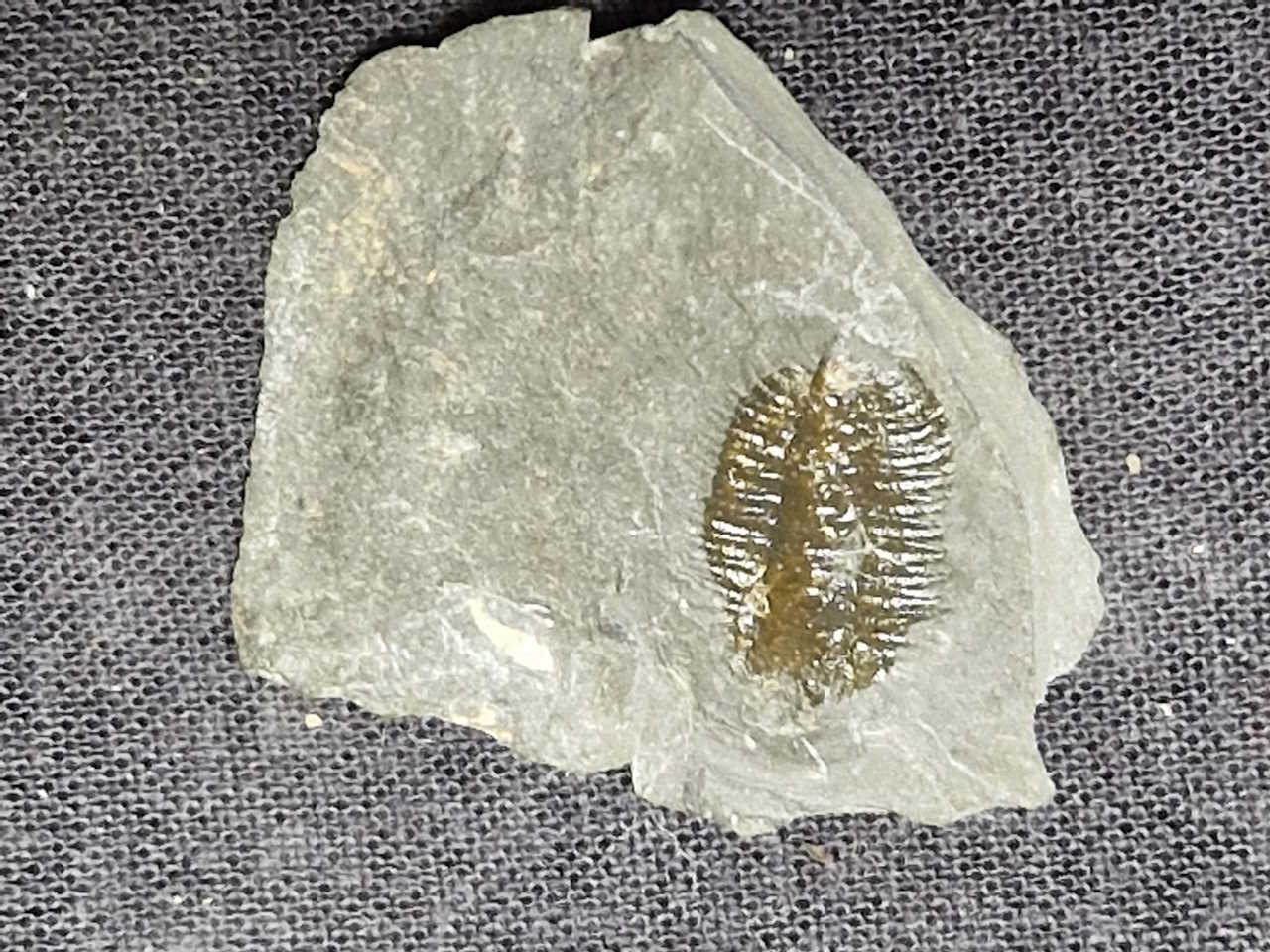 |
| Seleneceme acuticaudata#TSA10450 (Hicks) L. Llanvrin, Darriwilian/ M. Ordovician / 467 Million years old / Hope shales Hope, Shropshire, U.K. Size trilobite: 0.84 inch / 2.1 cm Price: Euro 45.-- | 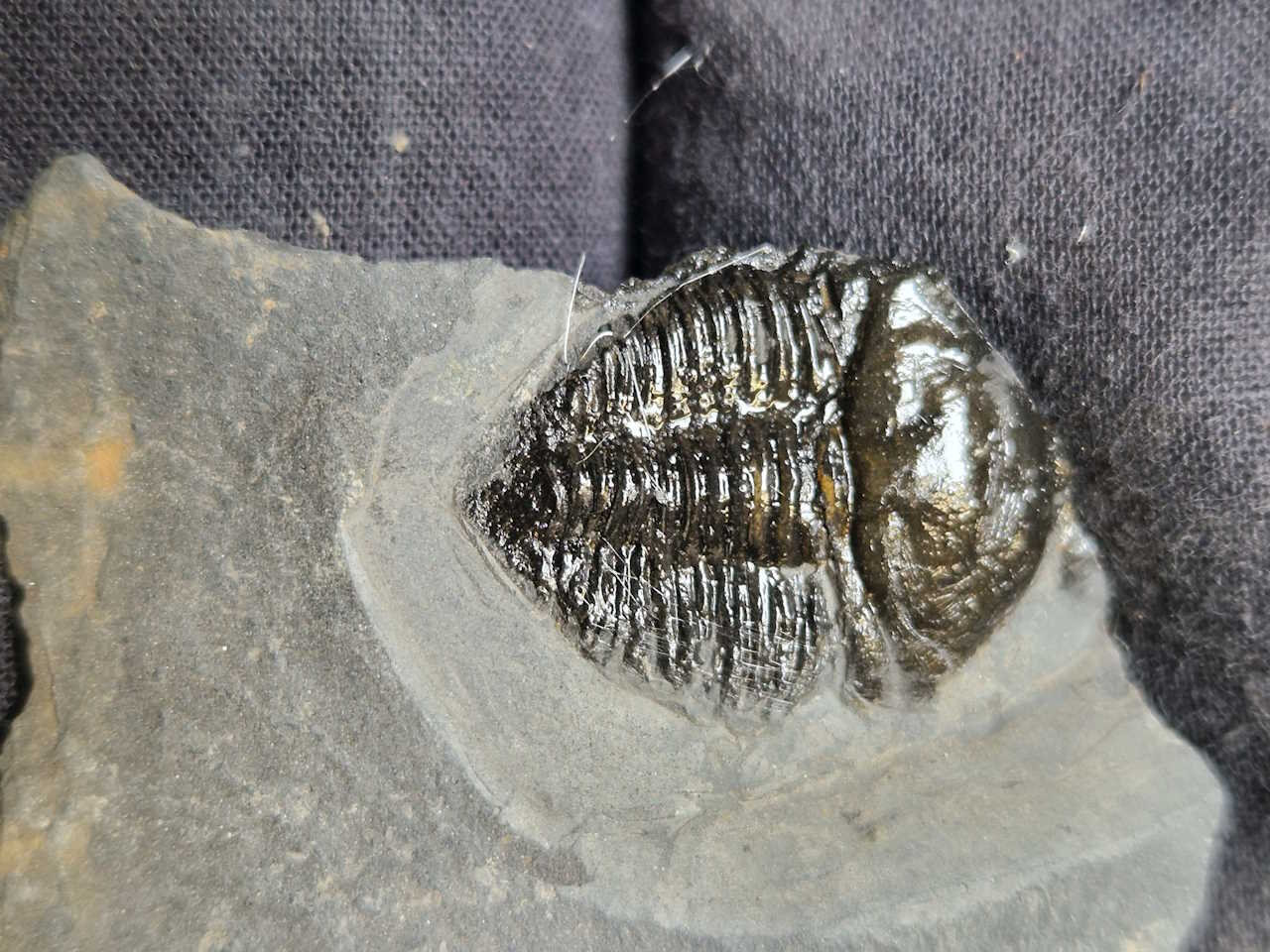 |
| Gittara gittariformis#TGG10452 Carboniferous/ Asbian /305 Million years old Hope, Slanbun, Lancashire, U.K. Size trilobite: 0.8 inch / 2 cm Price: Euro 30.-- | 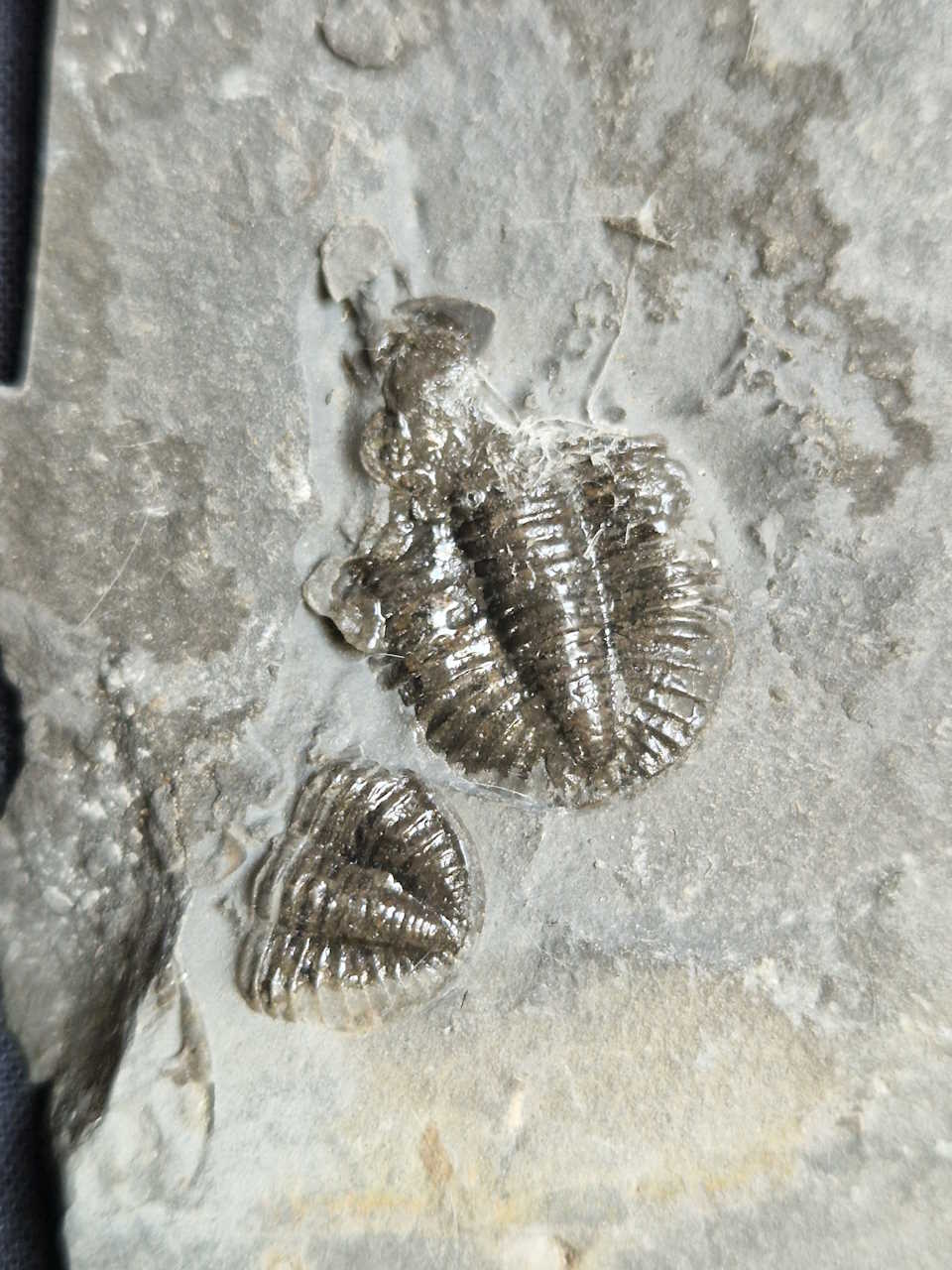 |
| Ogyginus condensis #TOC10454 (Murchiroi) 2 specimen Llanvrin, Darriwilian/ M. Ordovician / 465 Million years old / Giluvern hill Builth Inlier, Wales Size trilobites: 0.6 and 0.48 inch / 1.6 and 1.2 cm Price: Euro 35.-- | 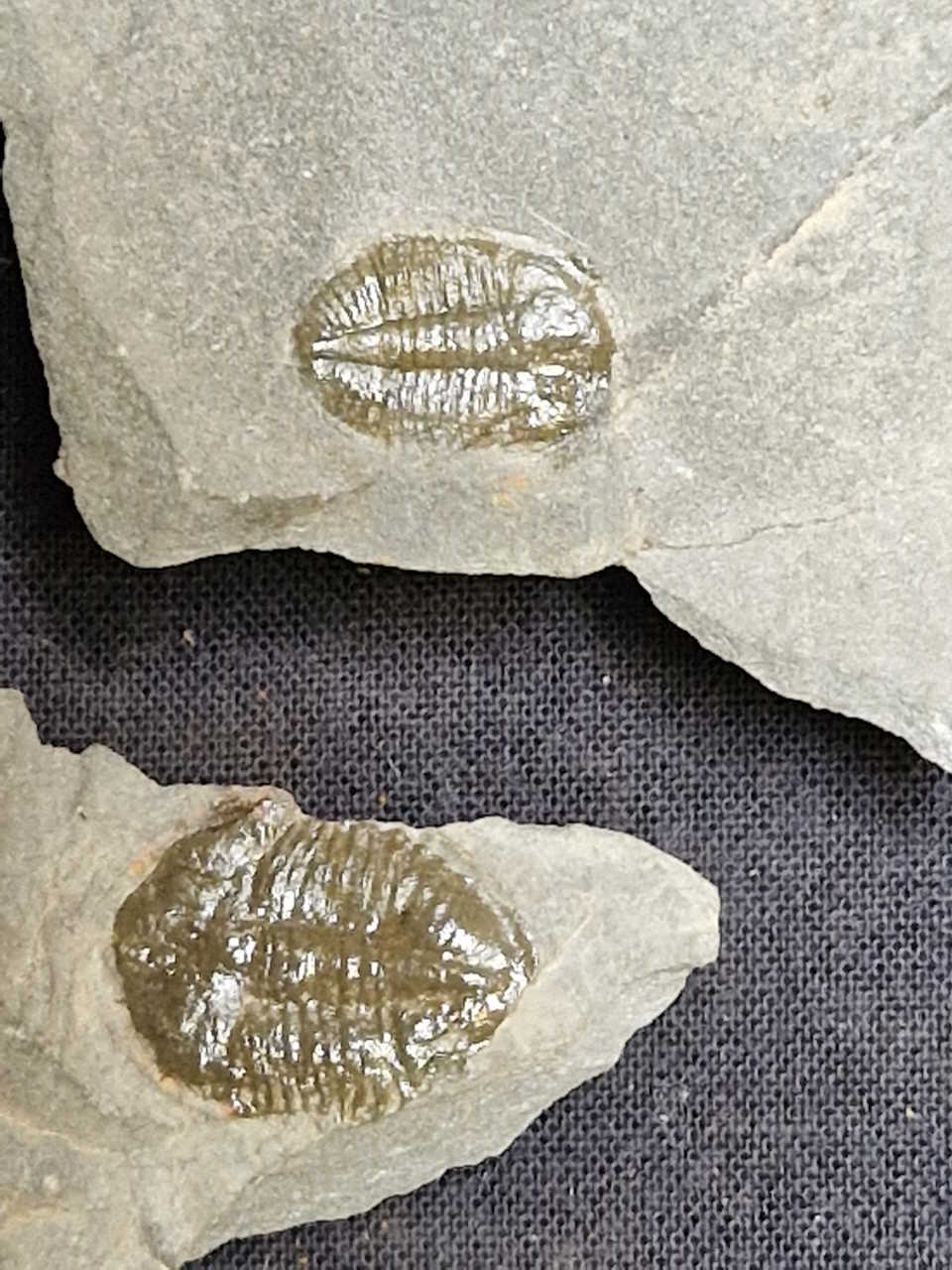 |
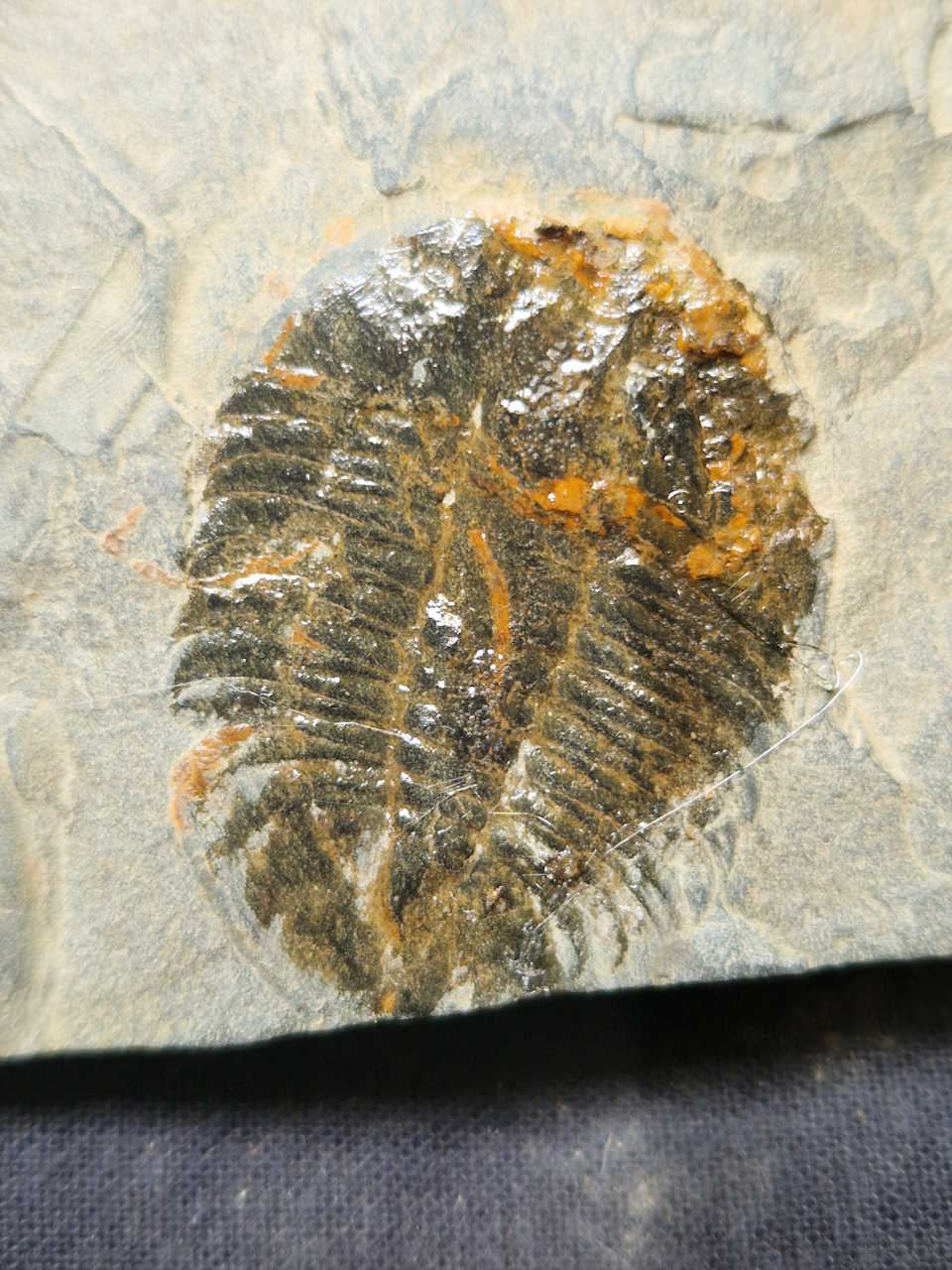 | Homalopteon radians #THR10457 (McCoy) Llanvrin, Darriwilian/ M. Ordovician / 465 Million years old / Pencevrig Builth Inlier, Wales Size trilobite: 1 inch / 2.5 cm Price: Euro 30.-- |
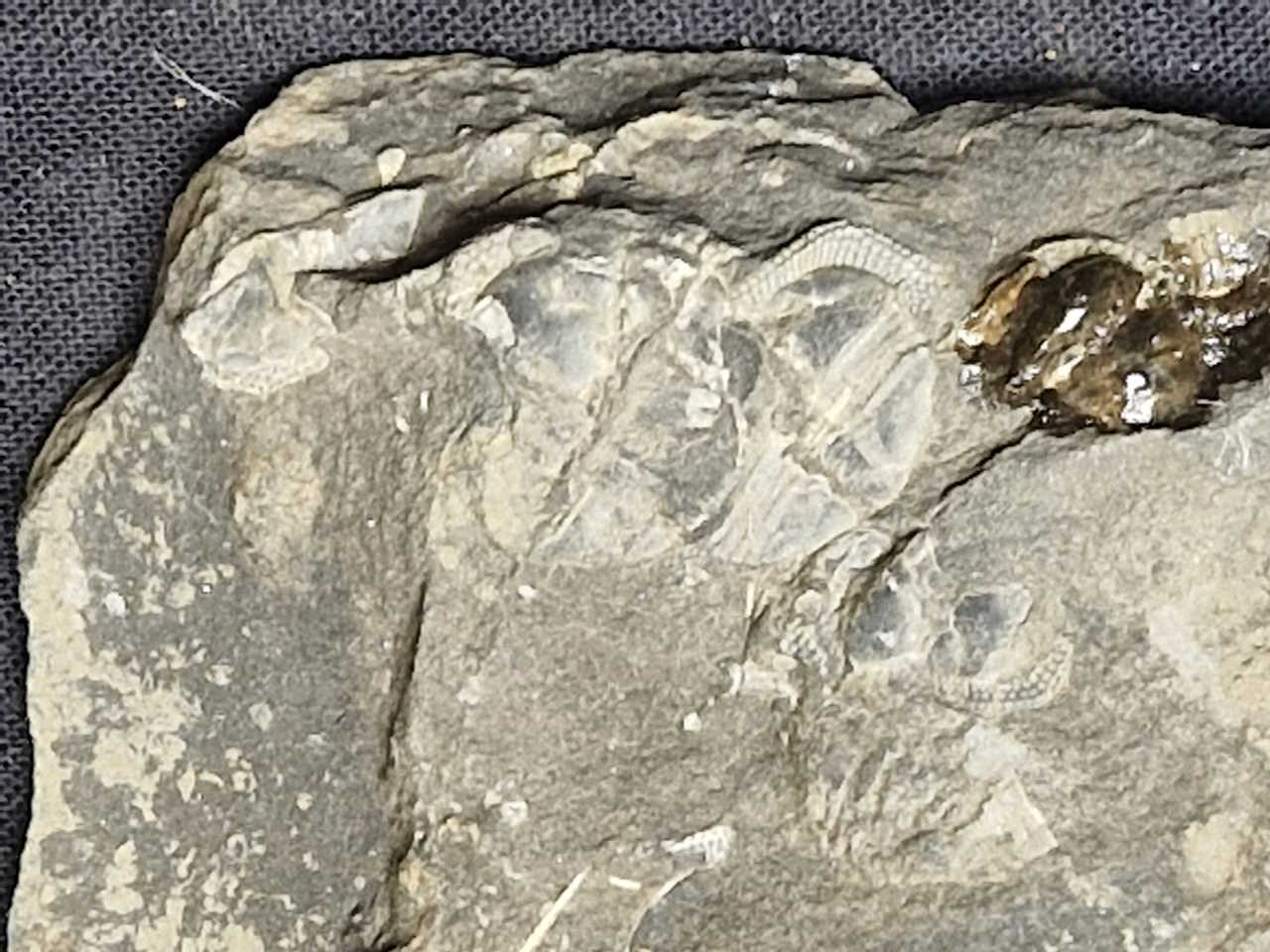 | Telaeomarrolithus intermedius #TTI10461 (Hughes) Llanvrin, Darriwilian/ M. Ordovician / 465 Million years old / Caradoc series Talar wen, Llandeilo S. Wales Size span upper part: 1.6 inch / 4 cm Price: Euro 30.-- |
| Placoparia cambriensis #TPC10463 (Hicks) Pos/Neg L. Llanvrin, Darriwilian/ M. Ordovician / 467 Million years old / Hope shales Minsterley, Shropshire, U.K. Size trilobite: 0.52 inch / 1.3 cm Price: Euro 35.-- | 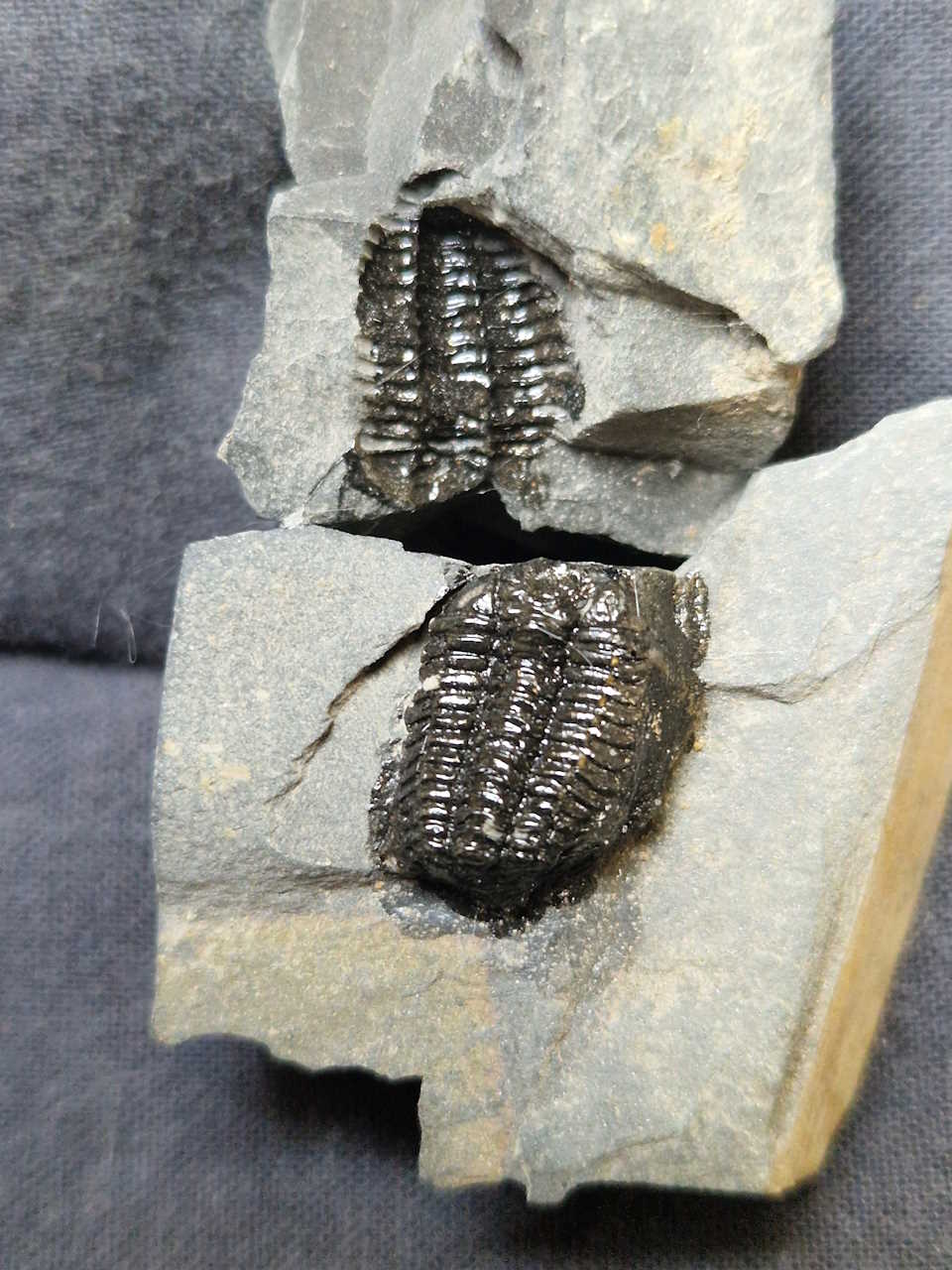 |
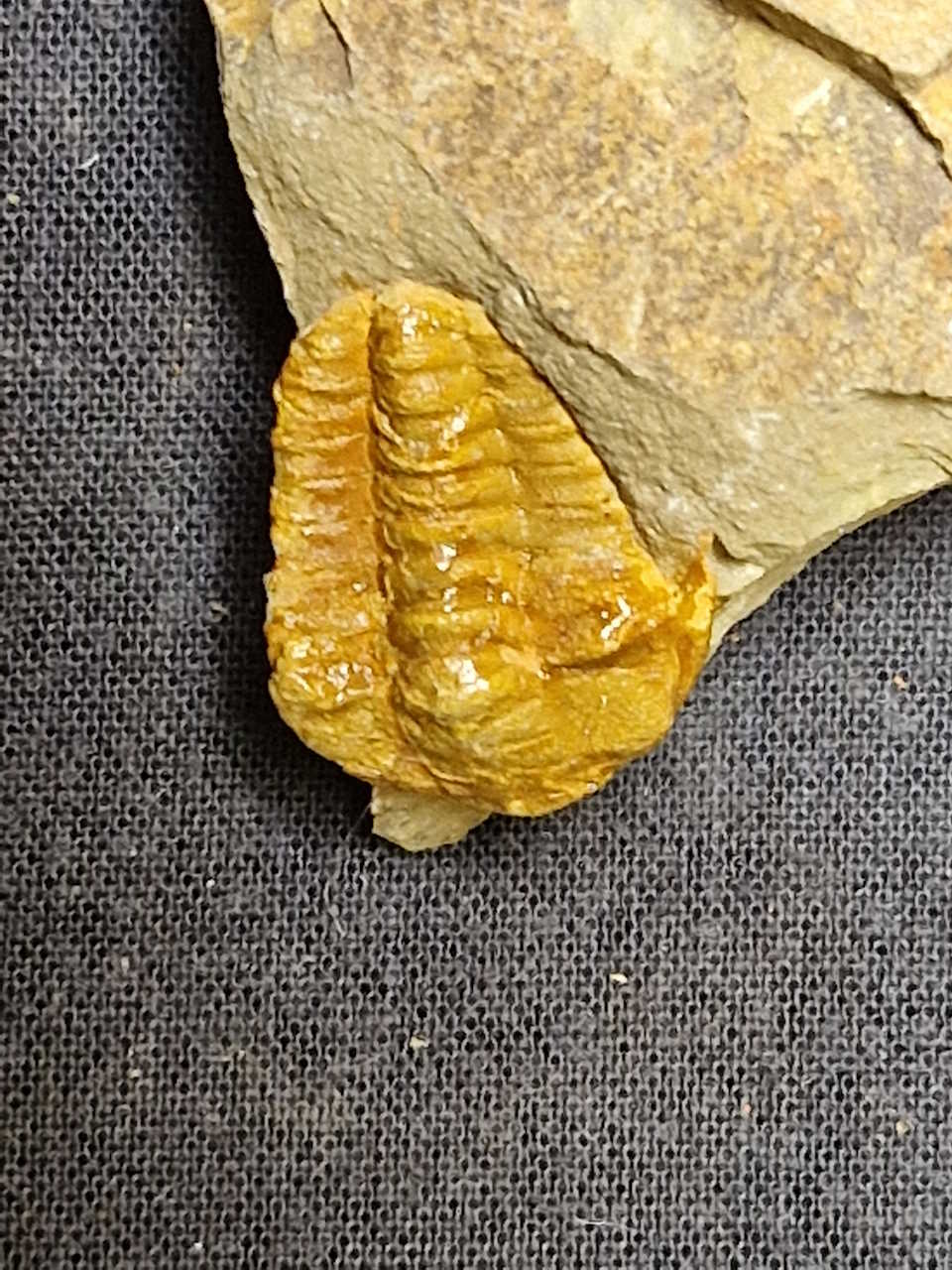 | Shrenuella sp. #TSS10405 Upper Lower Cambrian / 521 Million years old Sbel Ougnat, Anti Atlas, Morocco Size trilobite: 0.68 inch / 1.7 cm Price: Euro 30.-- |
| Kymataspis arenosa #TKK10411 (Geyer 1990) Upper Lower Cambrian / 521 Million years old Anti Atlas, Morocco Size trilobite: 0.92 inch / 2.3 cm Price: Euro 15.-- | 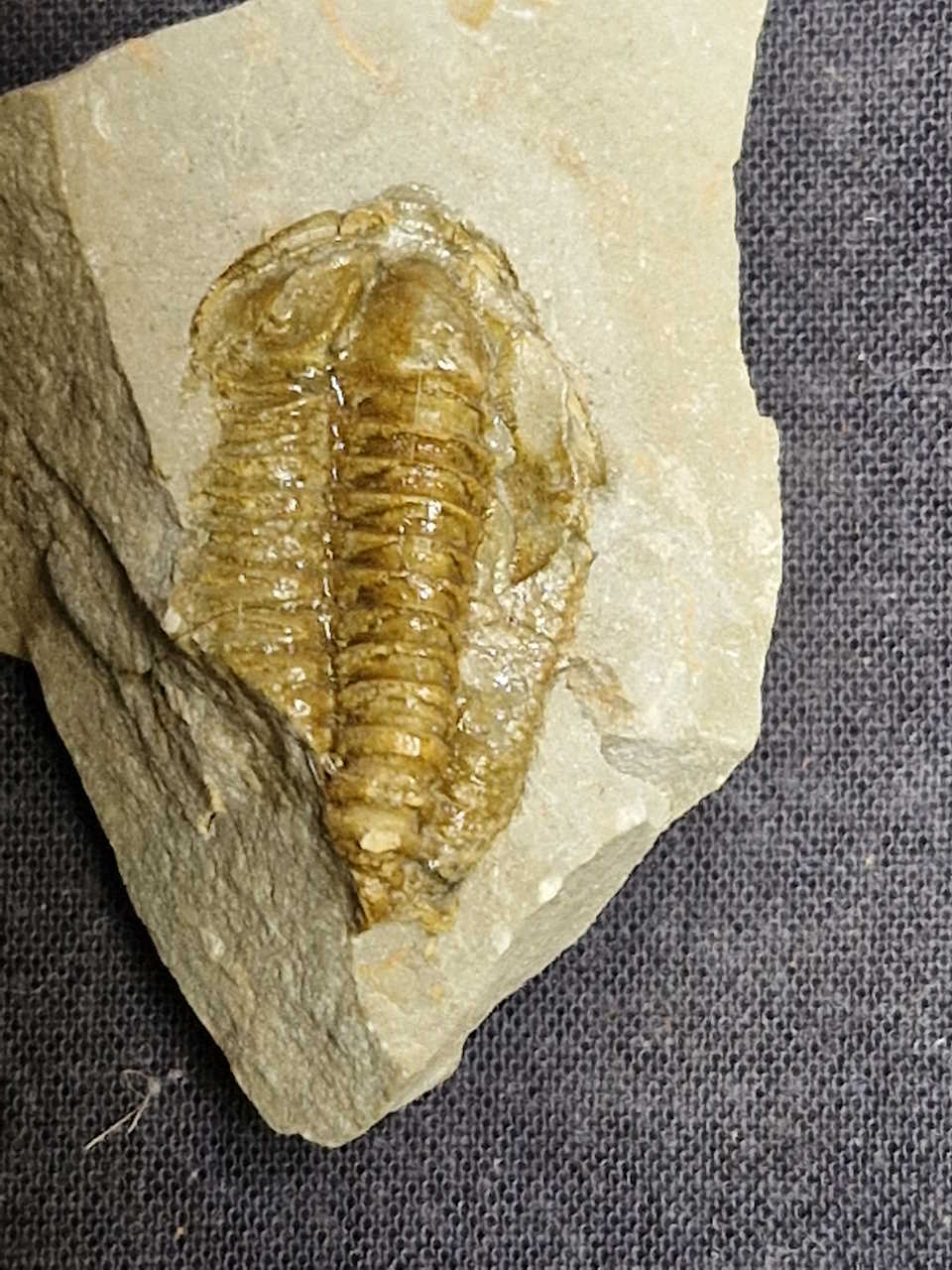 |
| Ectillaenus giganteus #TEG10366 (Bunneister) Llanvrin, Darriwilian/ M. Ordovician / 465 Million years old / Volungo formation St.Pedro de Cora, Volungo, Portugal Size trilobite: 2.6 by 2.8 inch / 6.5 by 7 cm Price: Euro 35.-- | 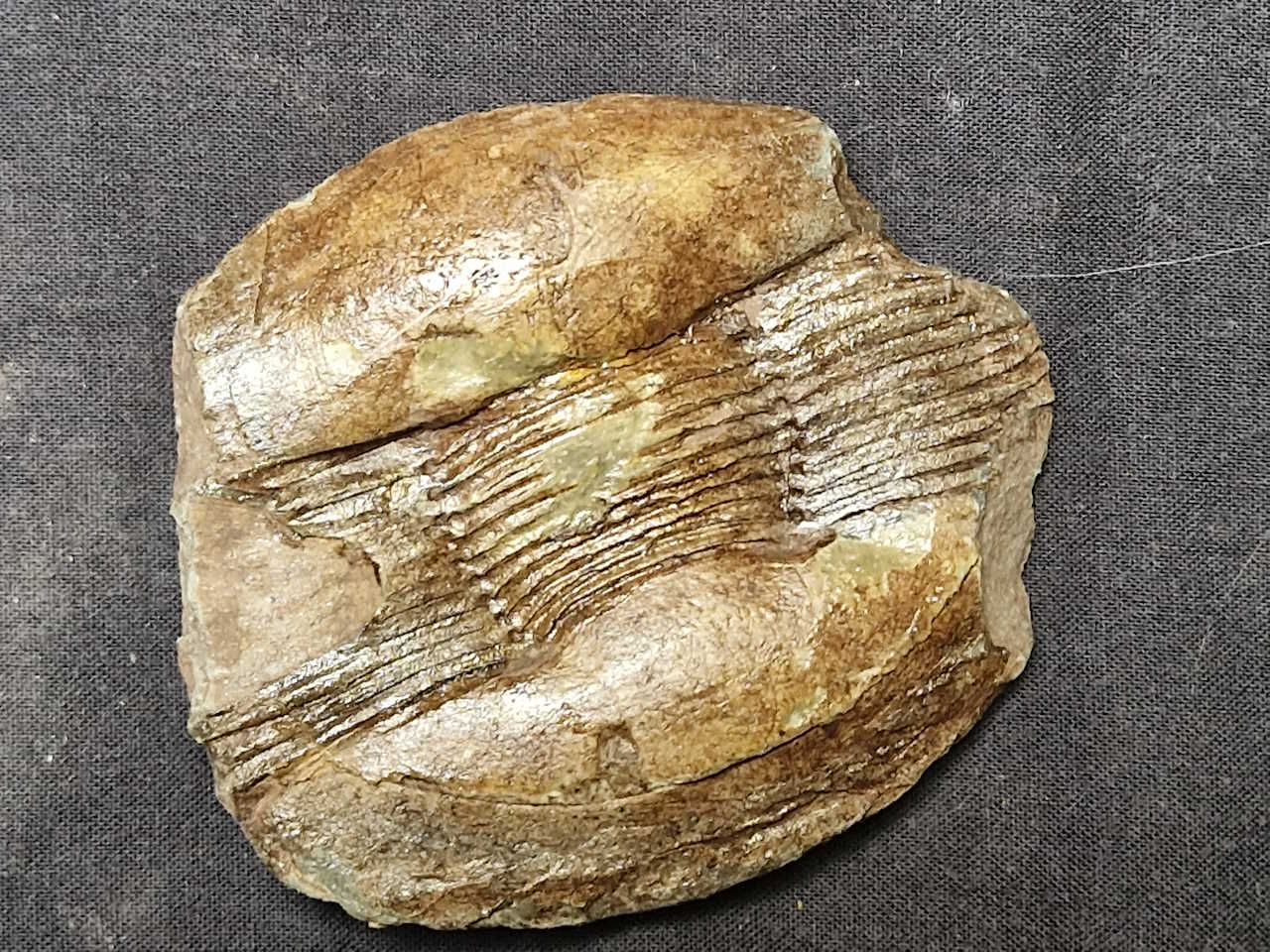 |
| Proetus laevigatus #TPL10372 (Goldfuss) M. Devonian / Courvinian / 390 Million years old Vireaux, France Size trilobite: 0.8 inch / 2 cm Price: Euro 25.-- | 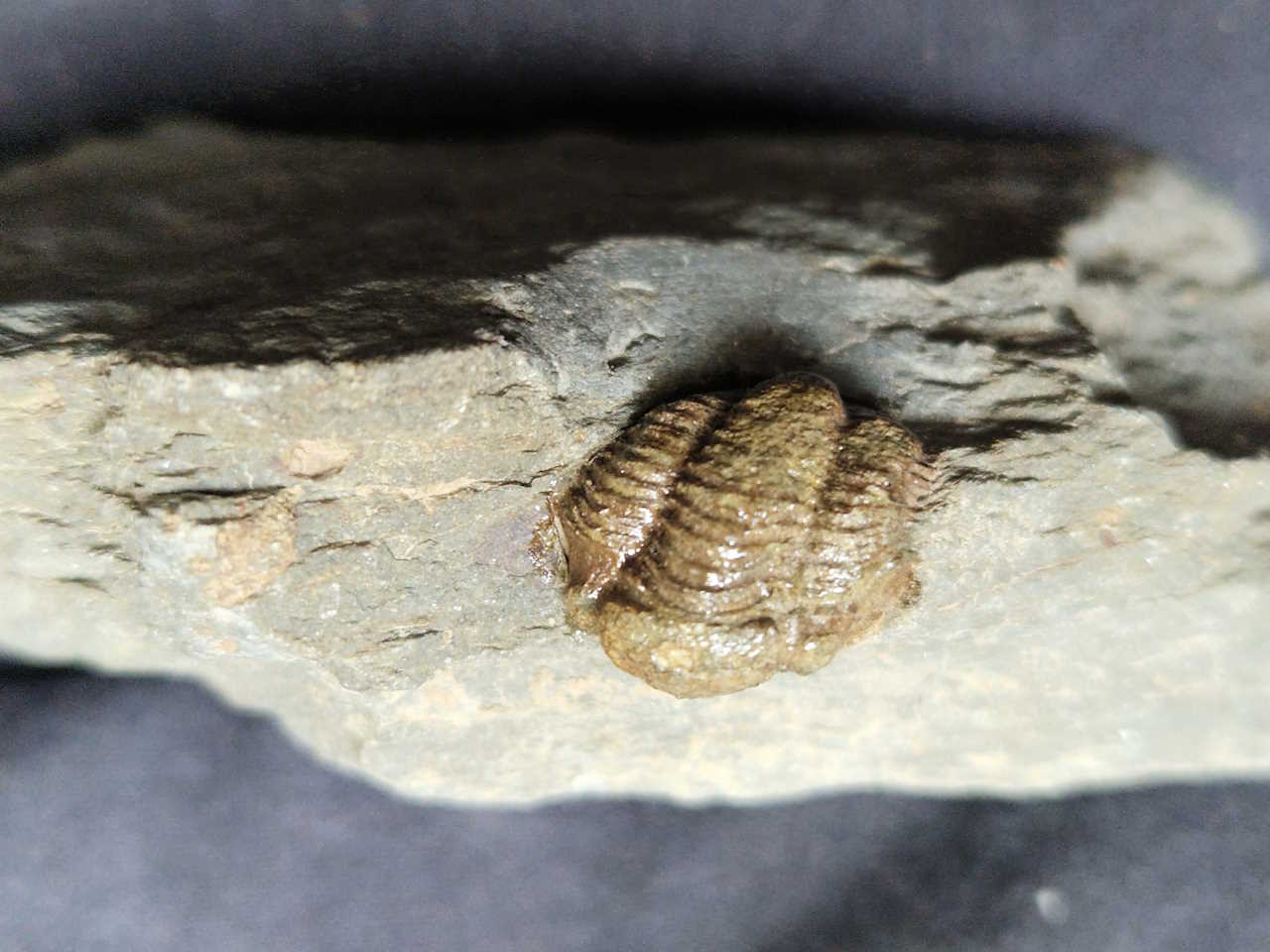 |
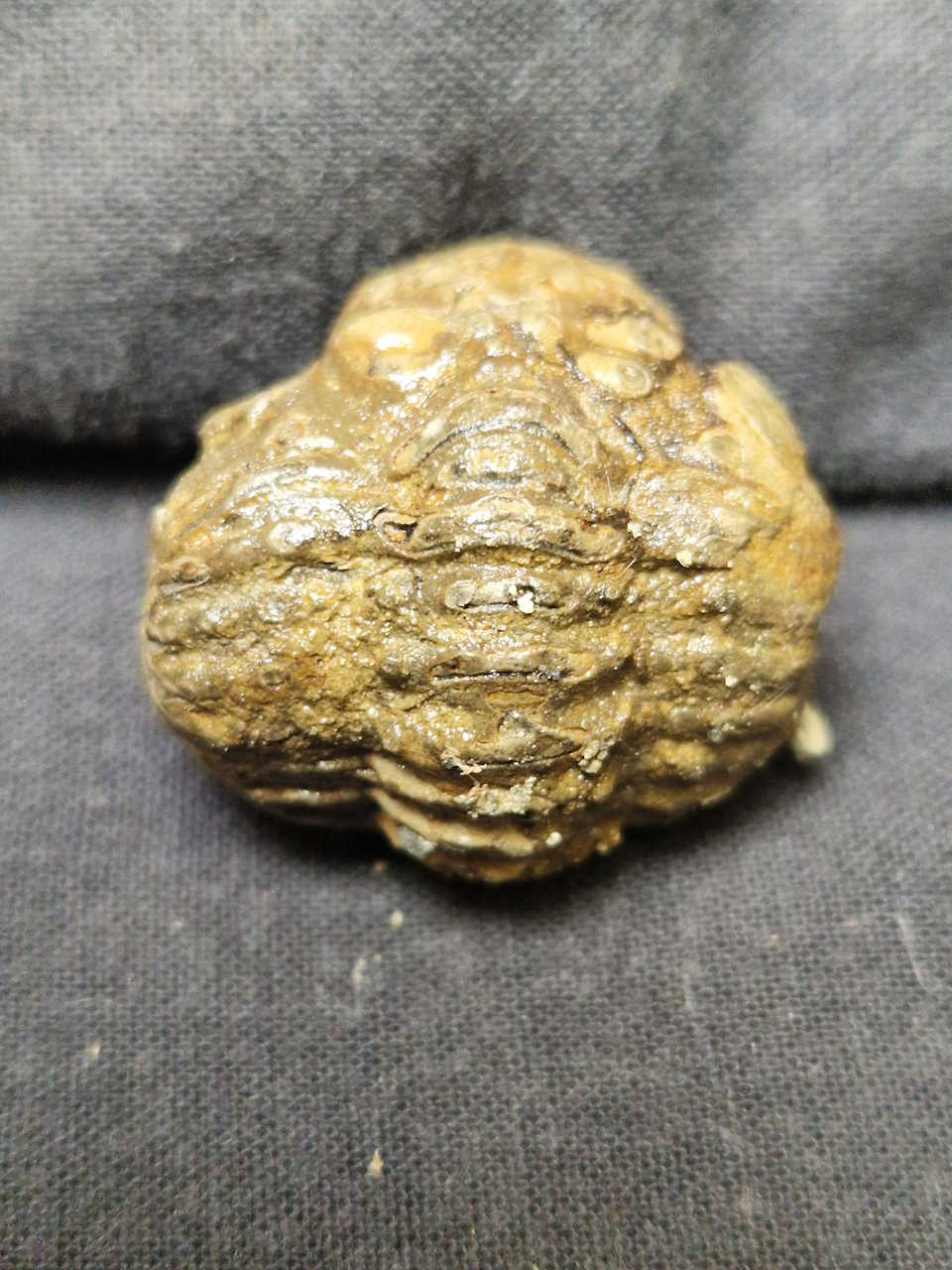 | Boulera dagnicorusti #TBD10381 (Koslowski) L. Devonian / Icla form. / 405 Million years old Padilla, Bolivia Size trilobite: 1.2 inch / 2.5 cm wide Price: Euro 30.-- |
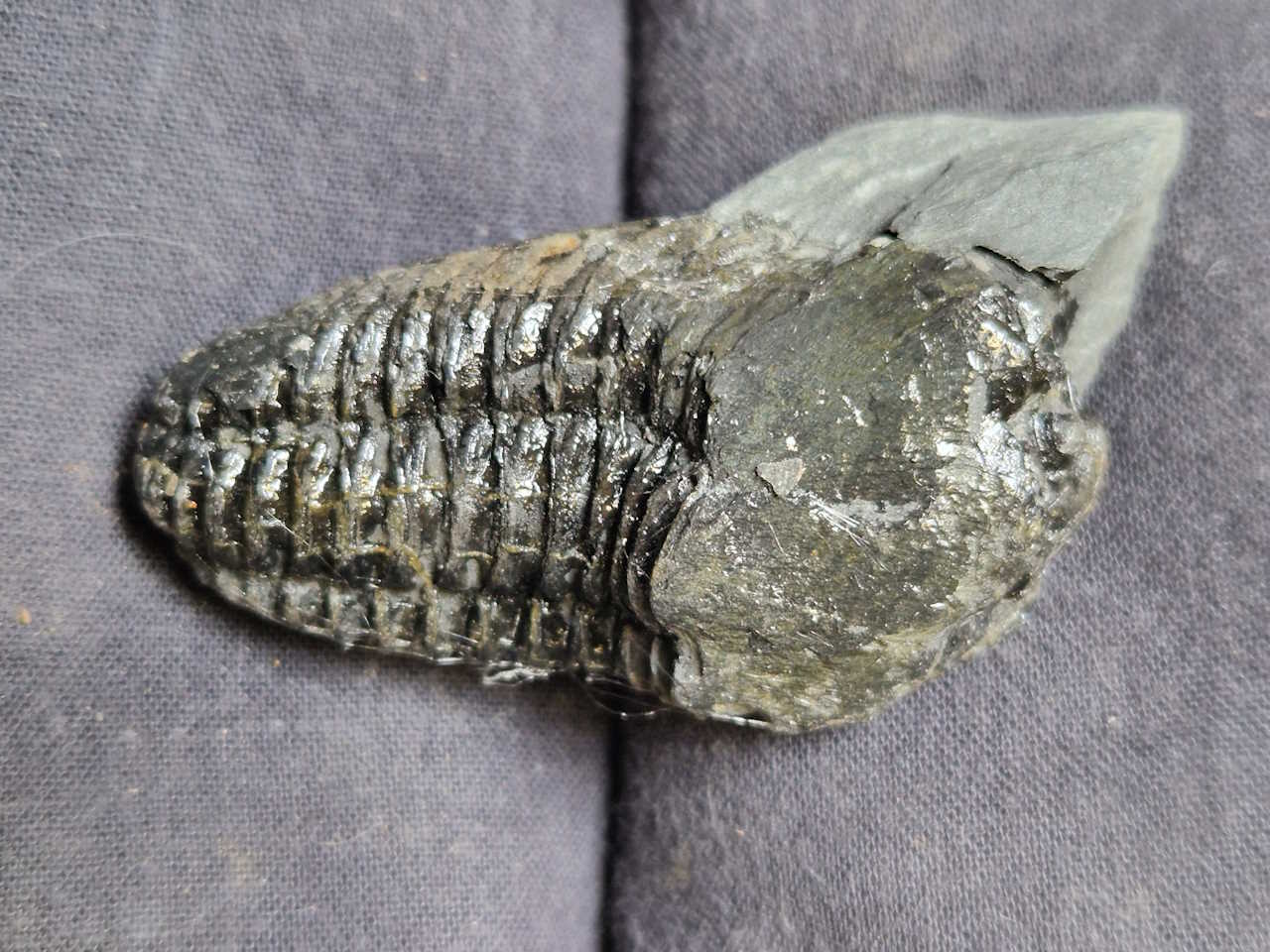 | Colpocoryphe roualti #TCR10389 (Henry & Rabano) Llanvrin, Darriwilian/ M. Ordovician / 465 Million years old / Travensot formation La Dominelais, Bretange, France Size trilobite: 2 inch / 5 cm Price: Euro 35.-- |
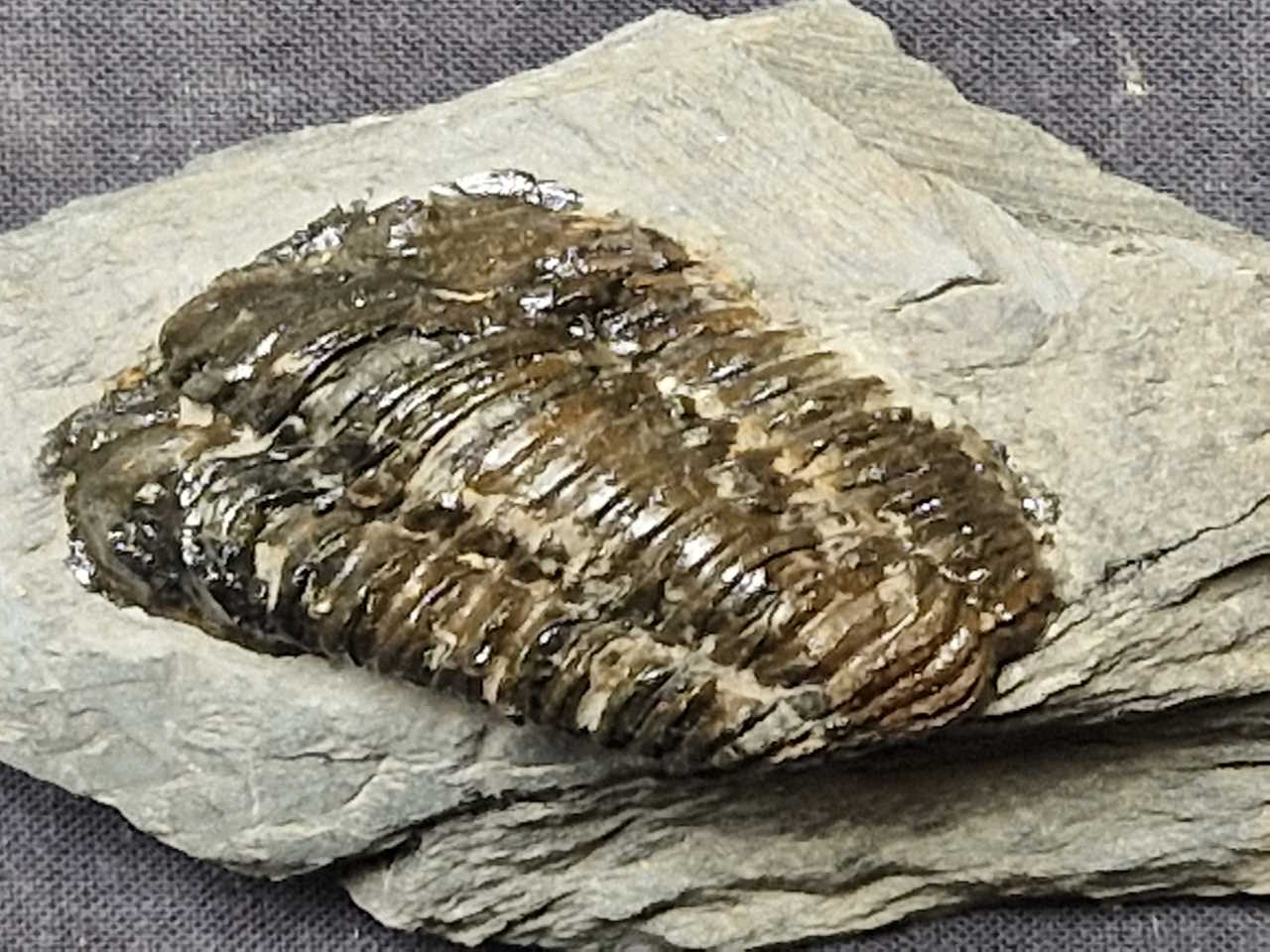 | Colpocoryphe roualti #TCR10393 (Henry & Rabano) Llanvrin, Darriwilian/ M. Ordovician / 465 Million years old / Travensot formation La Dominelais, Bretange, France Size trilobite: 1.6 inch / 4 cm Price: Euro 40.-- |
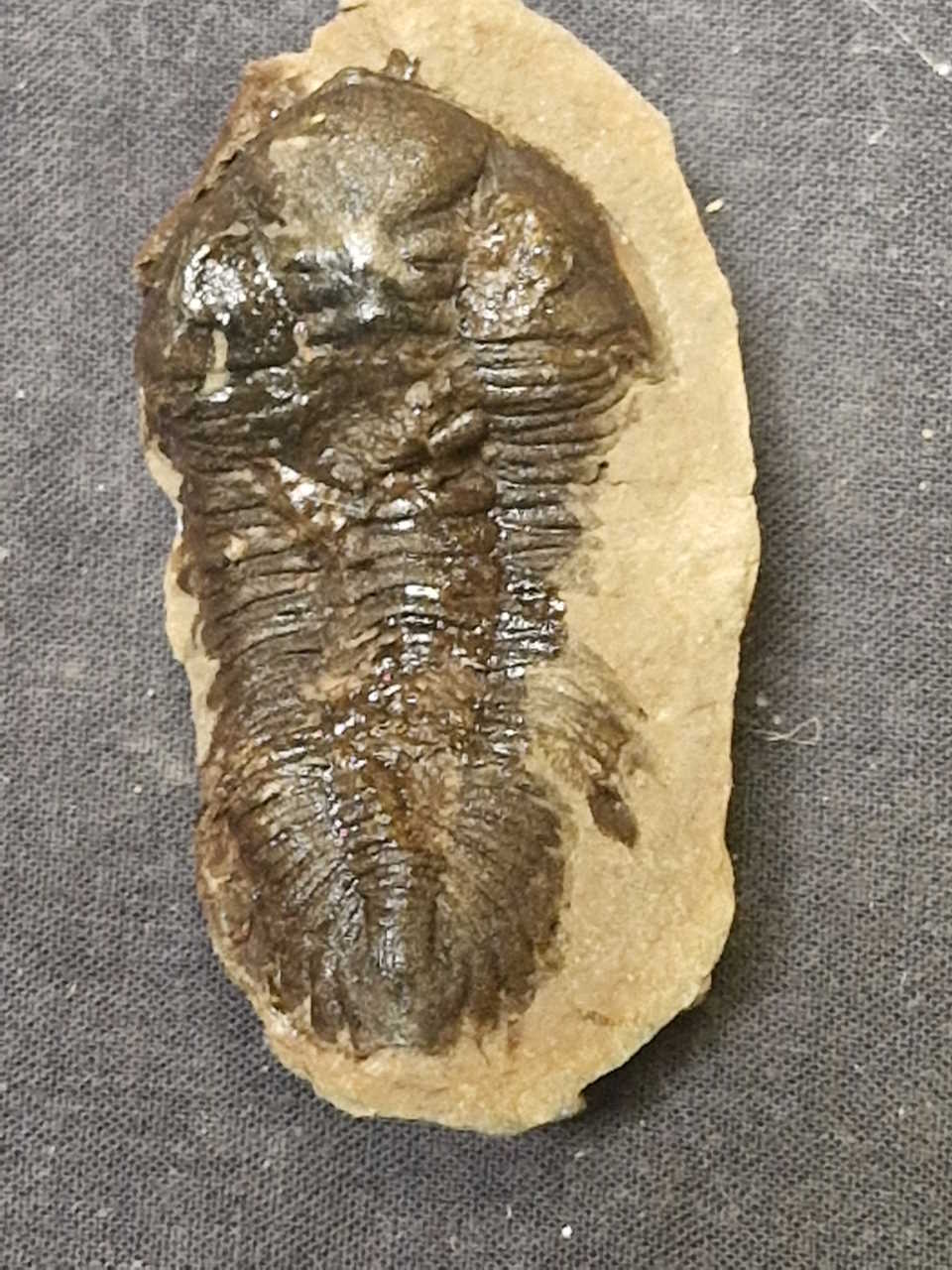 | Metacryphaeus giganteus #TMG10397 (Ulrich) L. Devonian / Belen form. / 405 Million years old La Paz, Bolivia Size trilobite: 2 inch / 5 cm Price: Euro 45.-- |
 | Redlichia mansiu #TRM10401 (Resser) Lower Cambrian / Wuling qing form. / 525 Million years old Kunming city, Yunnan province, China Size trilobite: 0.64 inch / 1.6 cm Price: Euro 30.-- |
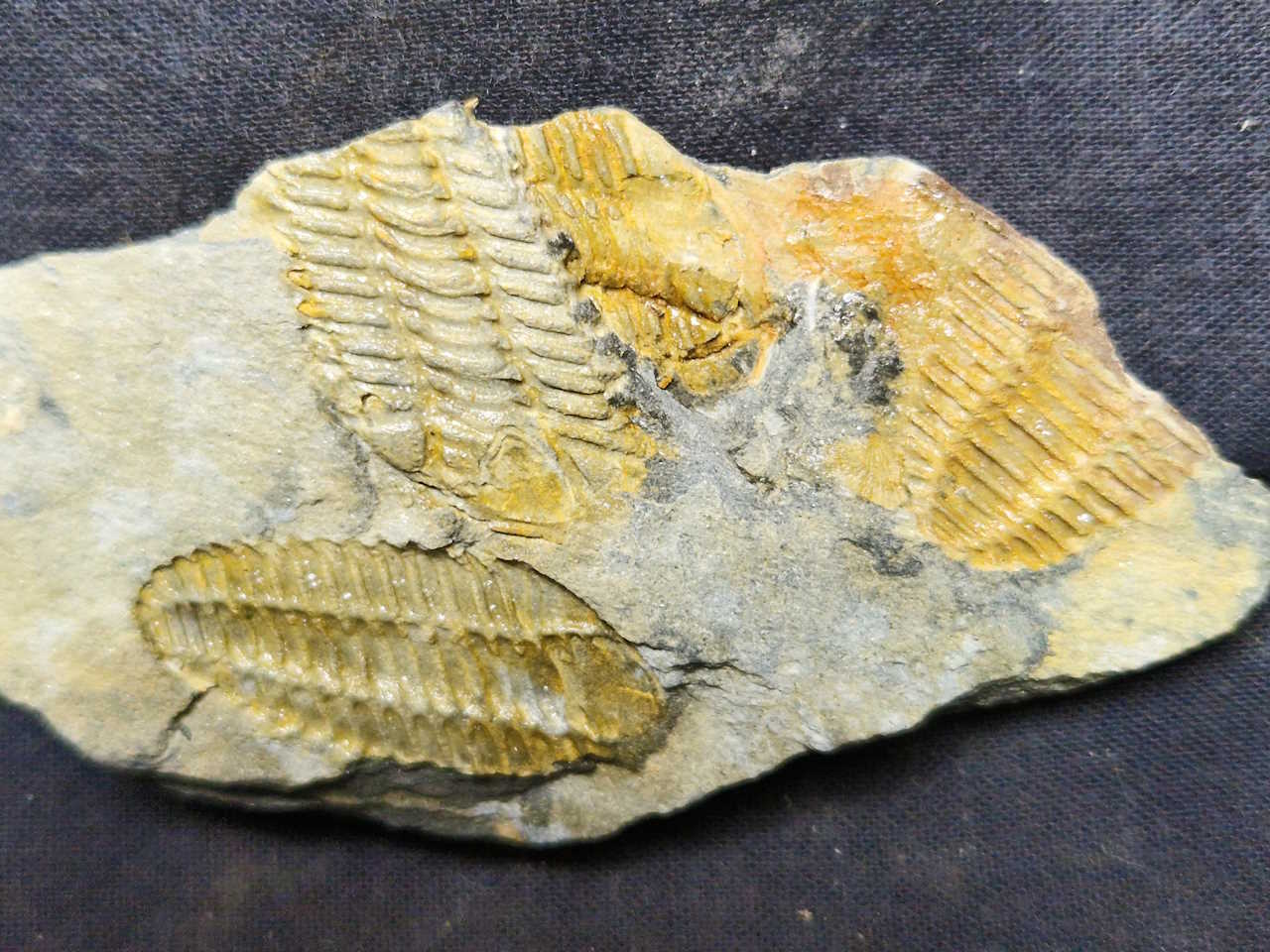 | Placoparia tournemini #TPP10332 (Rerialt) Llanvrin, Darriwilian/ M. Ordovician / 465 Million years old / Volungo formation Volunga & Camales, Portugal Size trilobite: 0.92 inch / 2.3 cm Price: Euro 20.-- |
| Placoparia tournemini #TPP10333 (Rerialt) Llanvrin, Darriwilian/ M. Ordovician / 465 Million years old / Volungo formation Volunga & Camales, Portugal Size trilobite: 1 inch / 2.5 cm Price: Euro 20.-- | 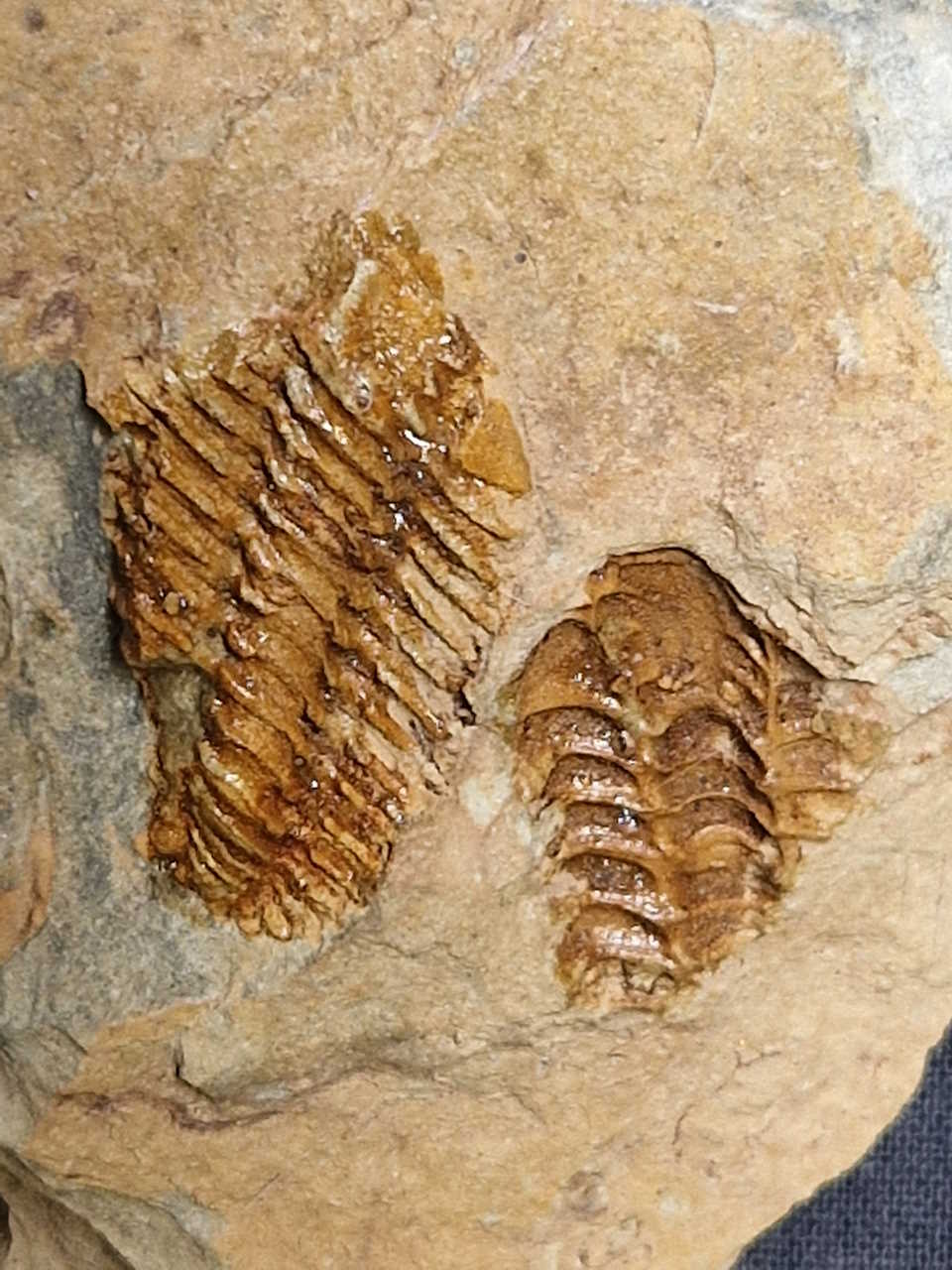 |
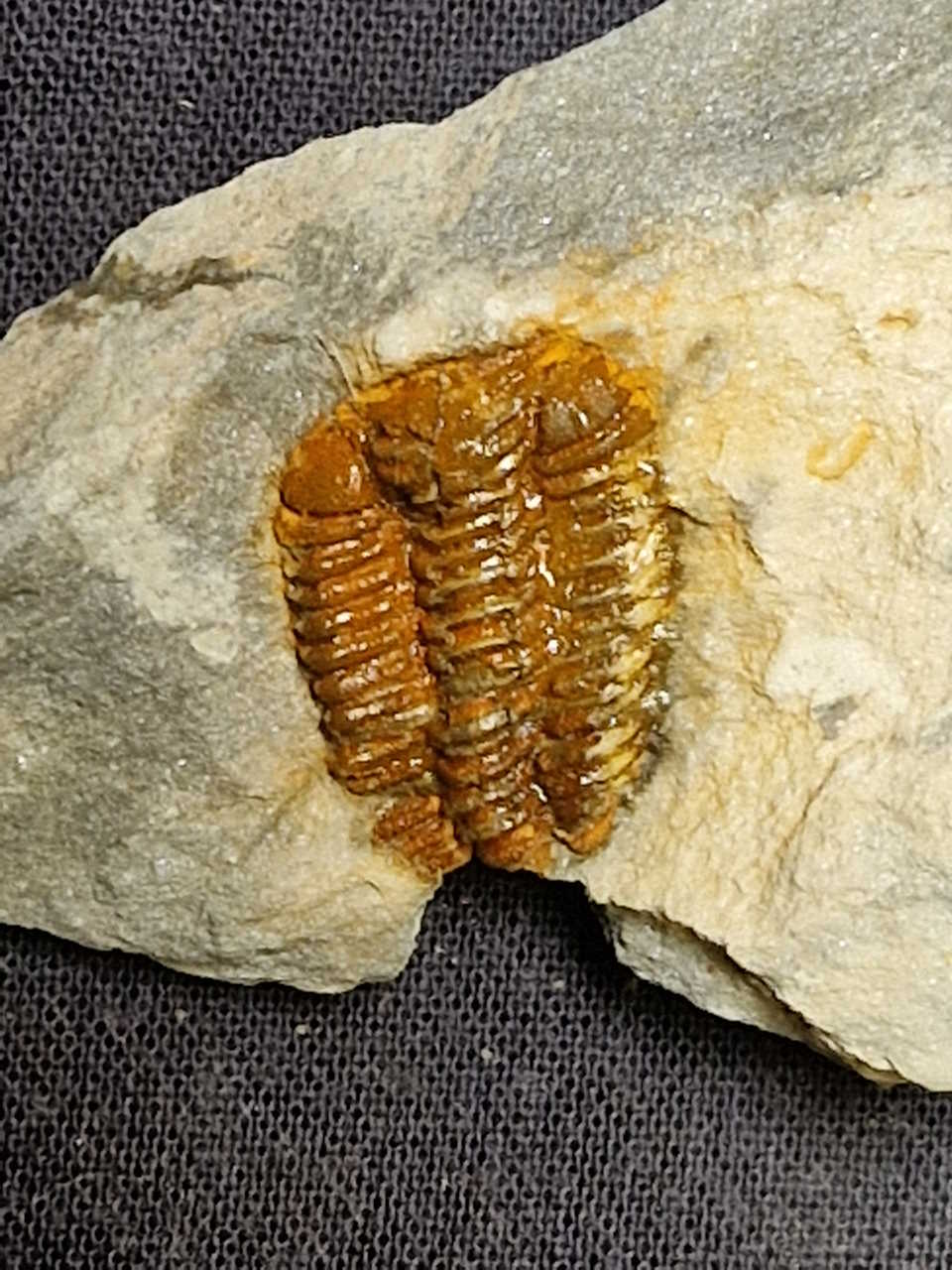 | Placoparia tournemini #TPP10334 (Rerialt) Llanvrin, Darriwilian/ M. Ordovician / 465 Million years old / Volungo formation Volunga & Camales, Portugal Size trilobite: 0.72 inch / 1.8 cm Price: Euro 30.-- |
| Placoparia tournemini #TPP10335 (Rerialt) Llanvrin, Darriwilian/ M. Ordovician / 465 Million years old / Volungo formation Volunga & Camales, Portugal Size trilobite: 0.92 inch / 2.3 cm Price: Euro 20.-- | 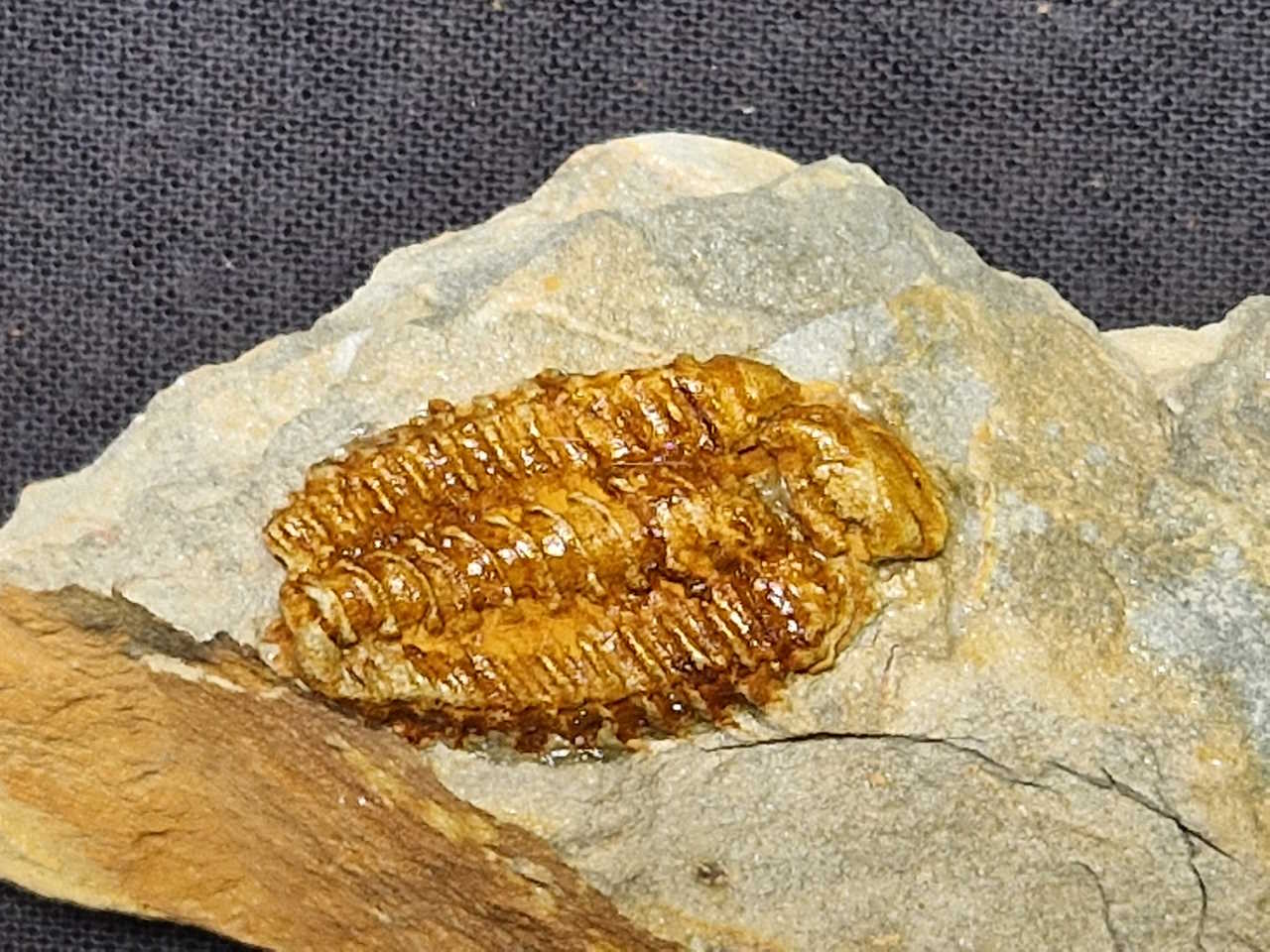 |
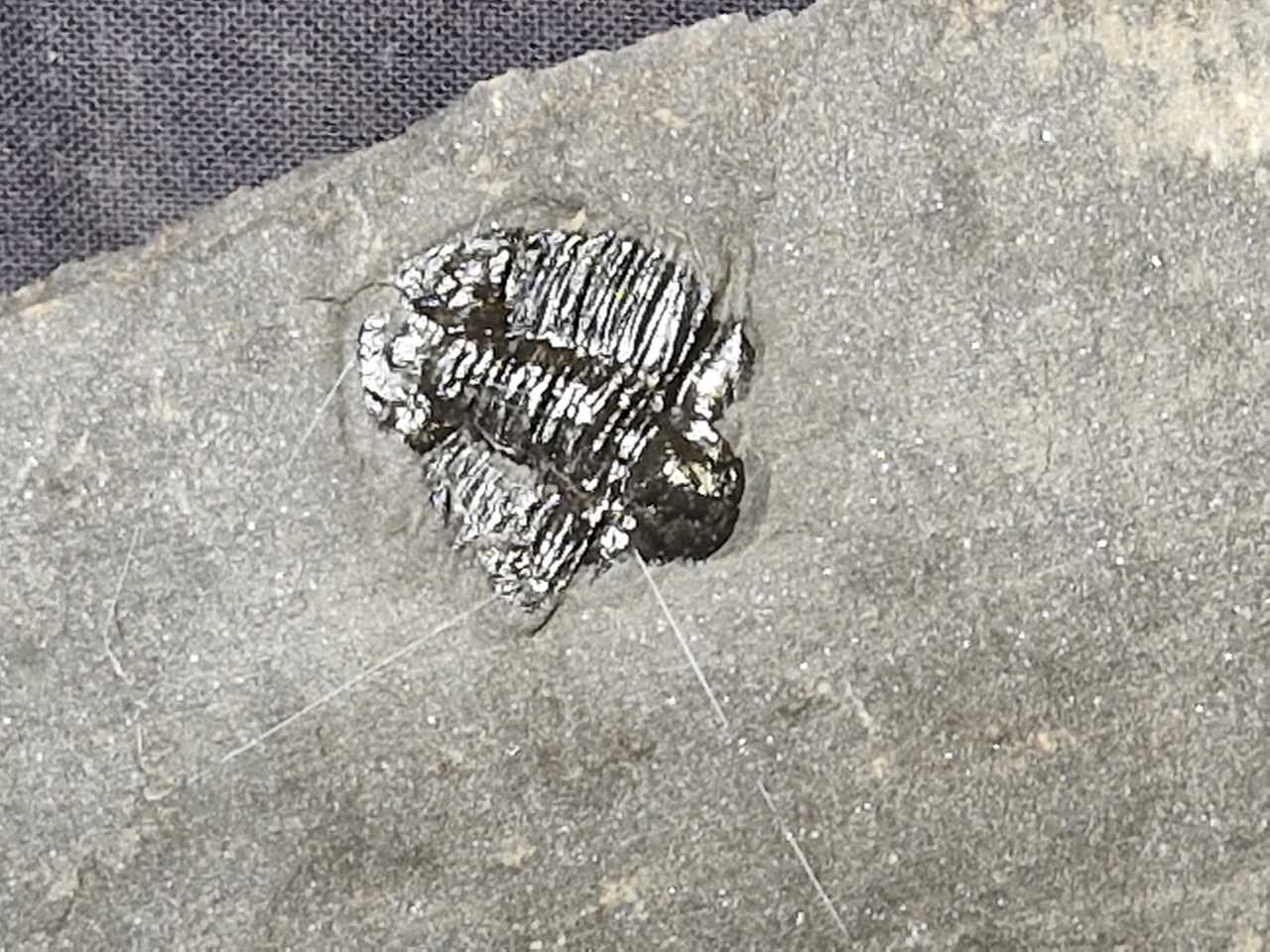 | Ampyx linleyensis#TAL10343 Trilobite on matrix 11 by 9 cm L. Llanvrin, Darriwilian/ M. Ordovician / 467 Million years old / Hope shales Shelve Linley, Shropshire, U.K. Size trilobite: 0.92 inch / 2.3 cm Price: Euro 30.-- |
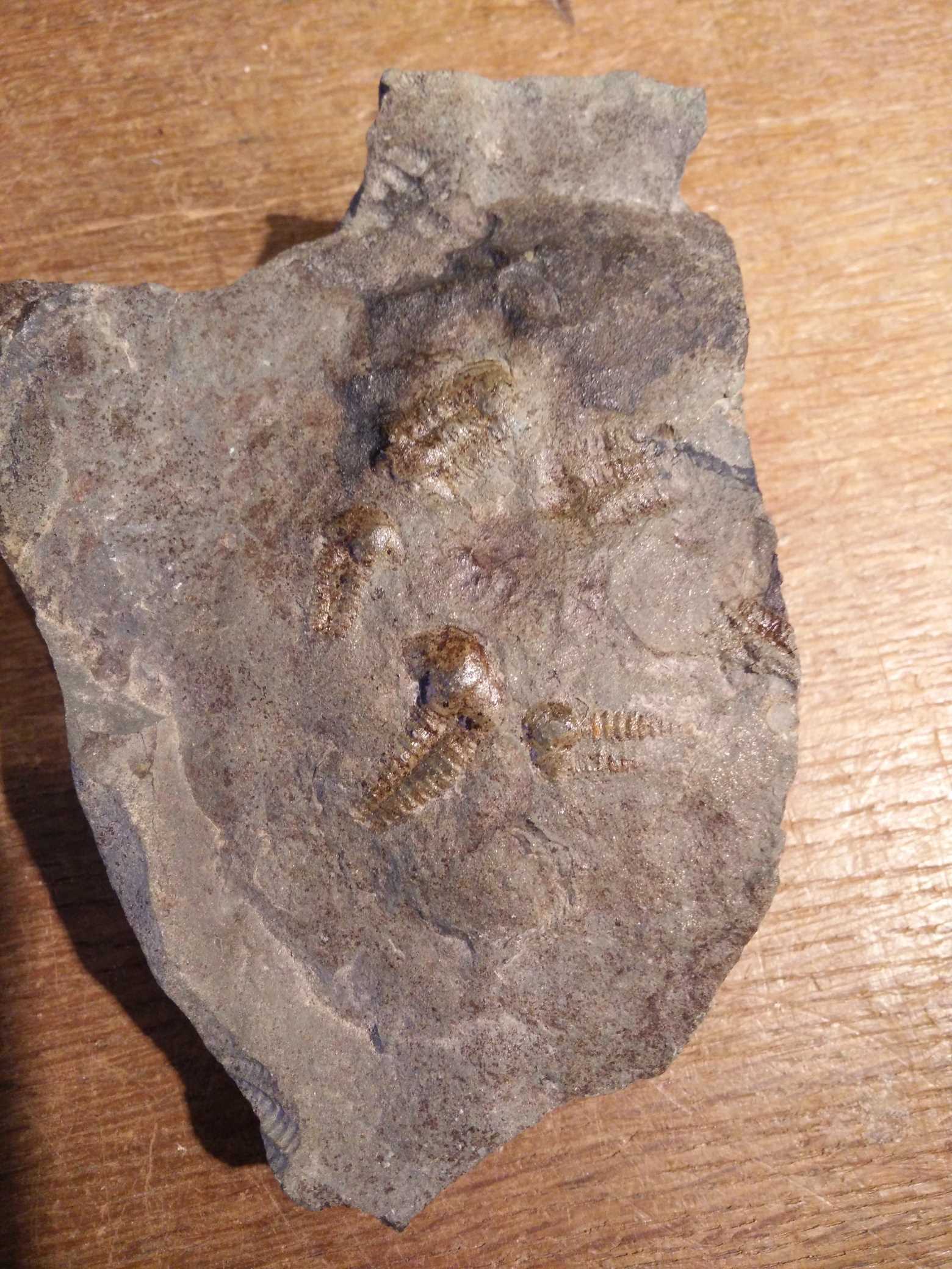 | Ellipsocephalus hoffi #TEH9961 Matrix 11 by 8 cm Lower Cambrian, 530 million years old Jince, Czech Republic Size largest hoffi: 0.96 inch / 2.4 cm Price: Euro 25.-- |
 | Hydrocephalus minor minor #THM9169 partial. Onymagnostus hybridus zone Lower Cambrian, 530 million years old Jince, Czech Republic Size: 5.2 inch / 13 cm Price: Euro 75.-- |
| Paradoxides gracilis #TPG9172 partial Rare. Paradoxides gracilis zone Lower Cambrian, 530 million years old Jince, Czech Republic Size trilo.: 4.4 inch / 11 cm Price: Euro 95.-- | 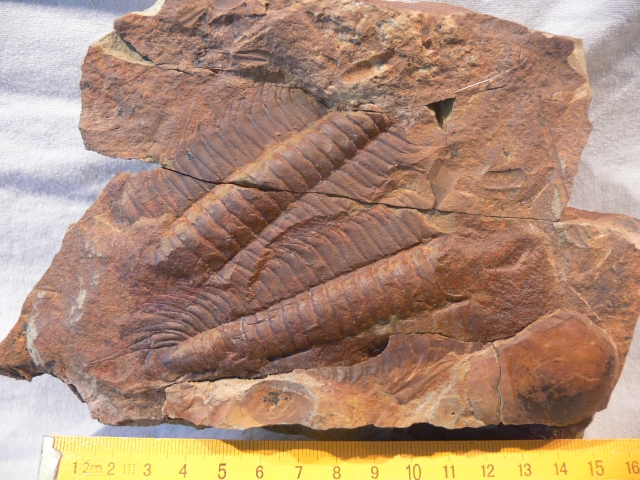 |
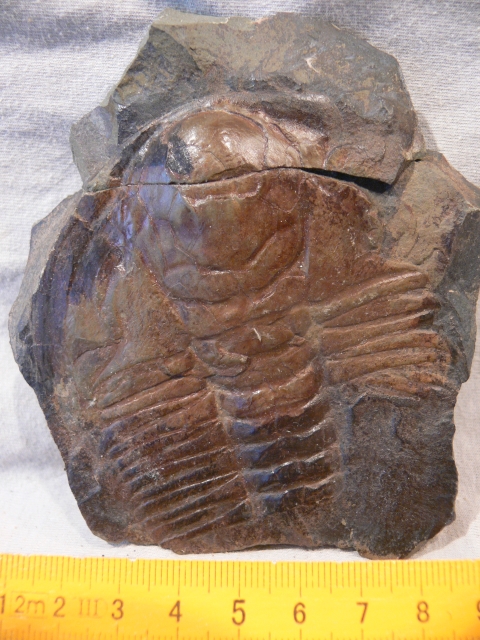 | Paradoxides gracilis #TPG9173 partial Rare. Paradoxides gracilis zone Lower Cambrian, 530 million years old Jince, Czech Republic Size trilo.: 2.8 inch / 7 cm Price: Euro 75.-- |
| Otariondiffractum #TOA7759 ( Zenker,1833) KopaninaFormation UpperSilurian, Ludlow, + 426 million years old Kosov,Czech Republic Size trilo.: 0.32 inch / 0.8 cm Price: Euro 10.-- | 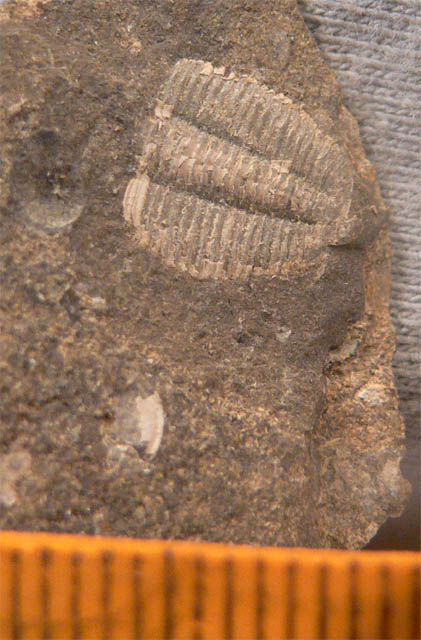 |
| Concocoryphe cirina #TCC7763 Lower Cambrian, 530 million years old Jince, Czech Republic Size left trilo.: 1.64 inch / 4.1 cm Price: Euro 50.-- |  |
 | Concocoryphe cirina #TCC7764 Lower Cambrian, 530 million years old Jince, Czech Republic Size left trilo.: 1.84 inch / 4.6 cm Price: Euro 50.-- |
| Concocoryphe cirina #TCC7767 Lower Cambrian, 530 million years old Jince, Czech Republic Size left trilo.: 1.8 inch / 4.5 cm Price: Euro 50.-- | 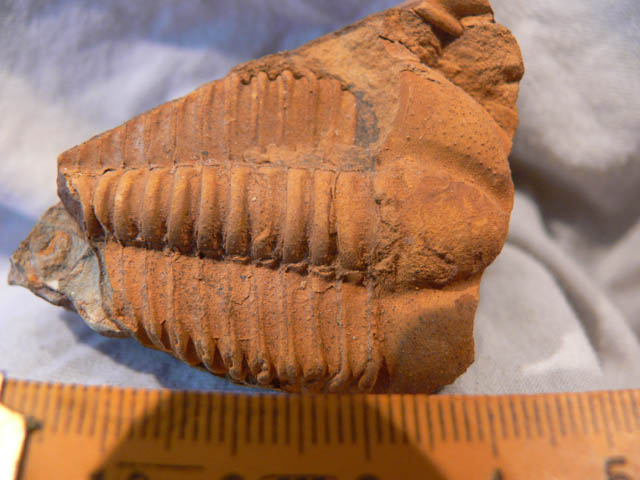 |
| Concocoryphe cirina #TCC7769 Lower Cambrian, 530 million years old Jince, Czech Republic Size left trilo.: 1.6 inch / 4 cm Price: Euro 50.-- | 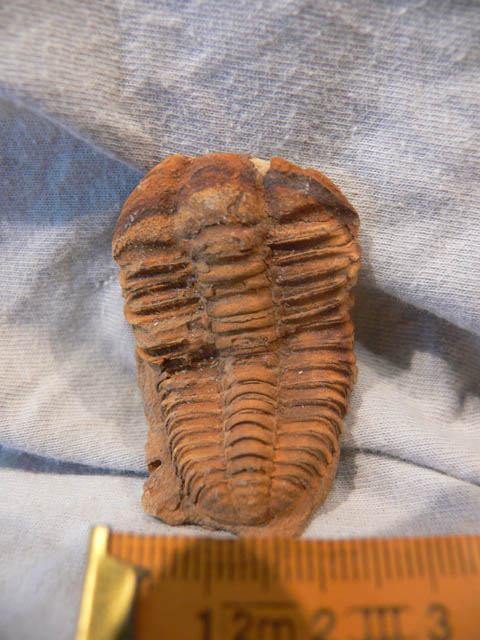 |
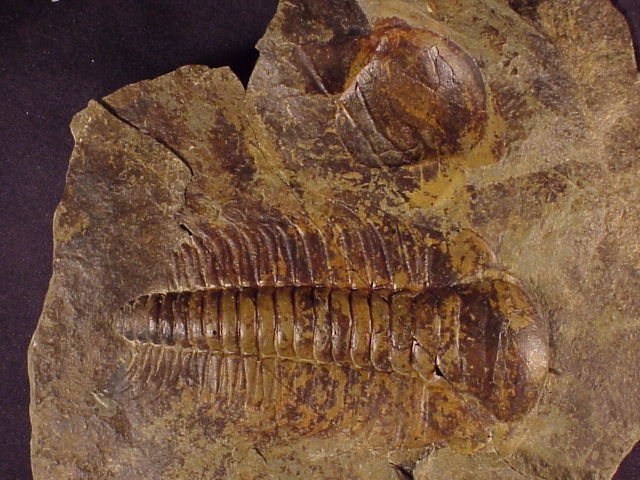 | Paradoxides gracilis #824 Rare. Paradoxides gracilis zone Lower Cambrian, 530 million years old Jince, Czech Republic Size plate: 4.4 by 5.2 inch / 11 by 13 cm Size trilo.: 3 inch / 7.5 cm Price: Euro 145.-- |
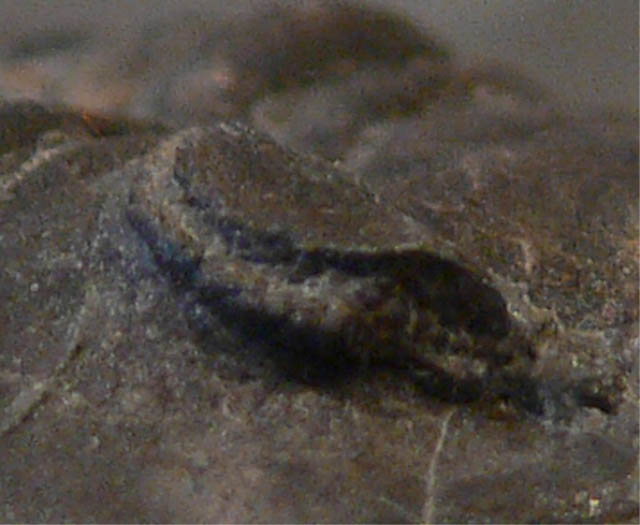 | 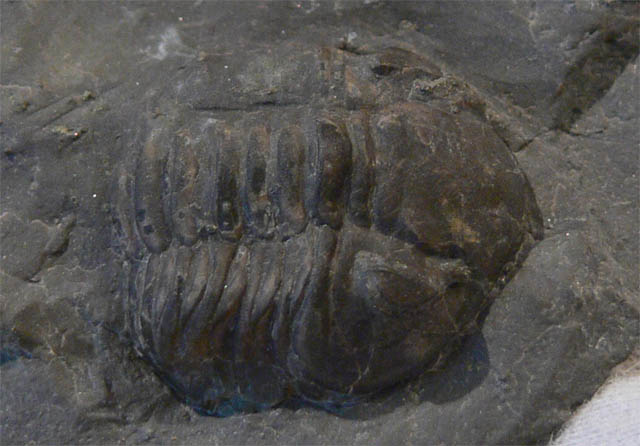 |
| Above nice eye | Klouseckia ruderalis #KR5914 Ancestor of the Phacops Upper Ordovician (Ashgill) , 450 million years old Formation Kraluv Dur Levin, Czech Republic Size : 0.68 inch / 1.7 cm Price: Euro 245.-- |
| Placoparia zippei #1097 Ordovician, 530 million years old Sarka, Prague, Czech Republic Size nodule.: 1 by 1.2 inch / 2.5 by 3 cm Price: Euro 35.-- | 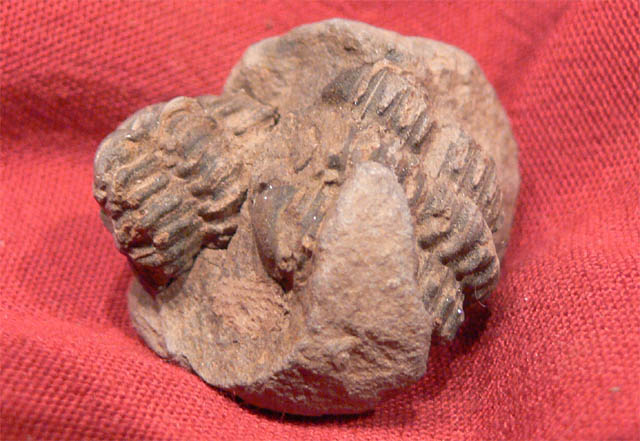 |
| Acanthalomina minuta #1217 6 Specimen Silurian, 420 million years old Kosov, Czech Republic Size biggest trilo.: 0.24 inch / 0.6 cm Price: Euro 55.-- | 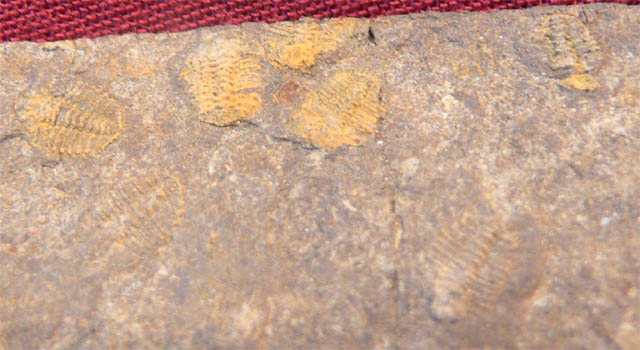 |
| Placoparia zippei #634 Sarka formation Llanvirn, Ordovician, 475 million years old Rokycany, Czech Republic Size trilo.: 1.2 inch / 3 cm Price: Euro 25.-- | 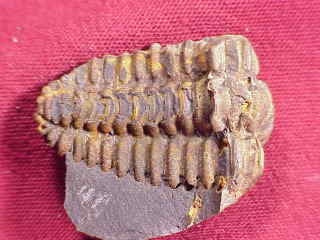 |
| Trinueleoides reussi #644 Rare Ordovician, 475 million years old Myto, Czech Republic Size trilo.: 0.64 inch / 1.6 cm Price: Euro 40.-- | 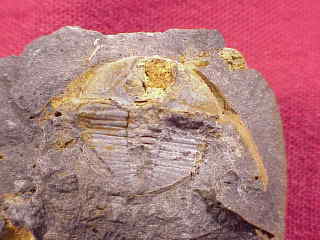 |
| Cyrtoproetus moravicus #781 Extreme Rare specimen Carboniferous (Kulm), 325 million years old Cermna, Moravia, Czech Republic Size trilo.: 0.76 inch / 1.9 cm Price: Euro 155.-- |
|
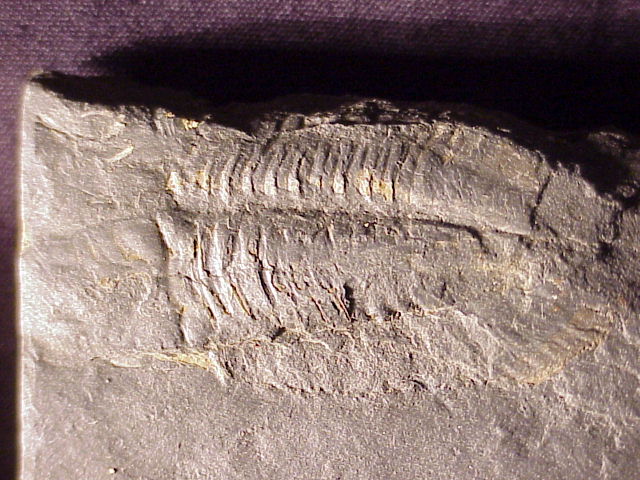 | Phillibole aequalis #782 Extreme Rare specimen Carboniferous (Kulm), 325 million years old Zaluzne, Czech Republic Size trilo.: 1.56 inch / 3.9 cm Price: Euro 175.-- |
 | Otariondiffractum ( Zenker,1833) nr. 747 KopaninaFormation UpperSilurian, Ludlow, + 426 million years old Kosov,Czech Republic Size trilo.: 0.36 inch / 0,9 cm Price: Euro 15.-- |
| SOLDS BELOW | SOLDS BELOW |
| Ampyx linleyensis#TAL10513 L. Llanvrin, Darriwilian/ M. Ordovician / 467 Million years old / Hope shales Munsterley, Shropshire, U.K. Size trilobite: 1 inch / 2.5 cm Price:  | 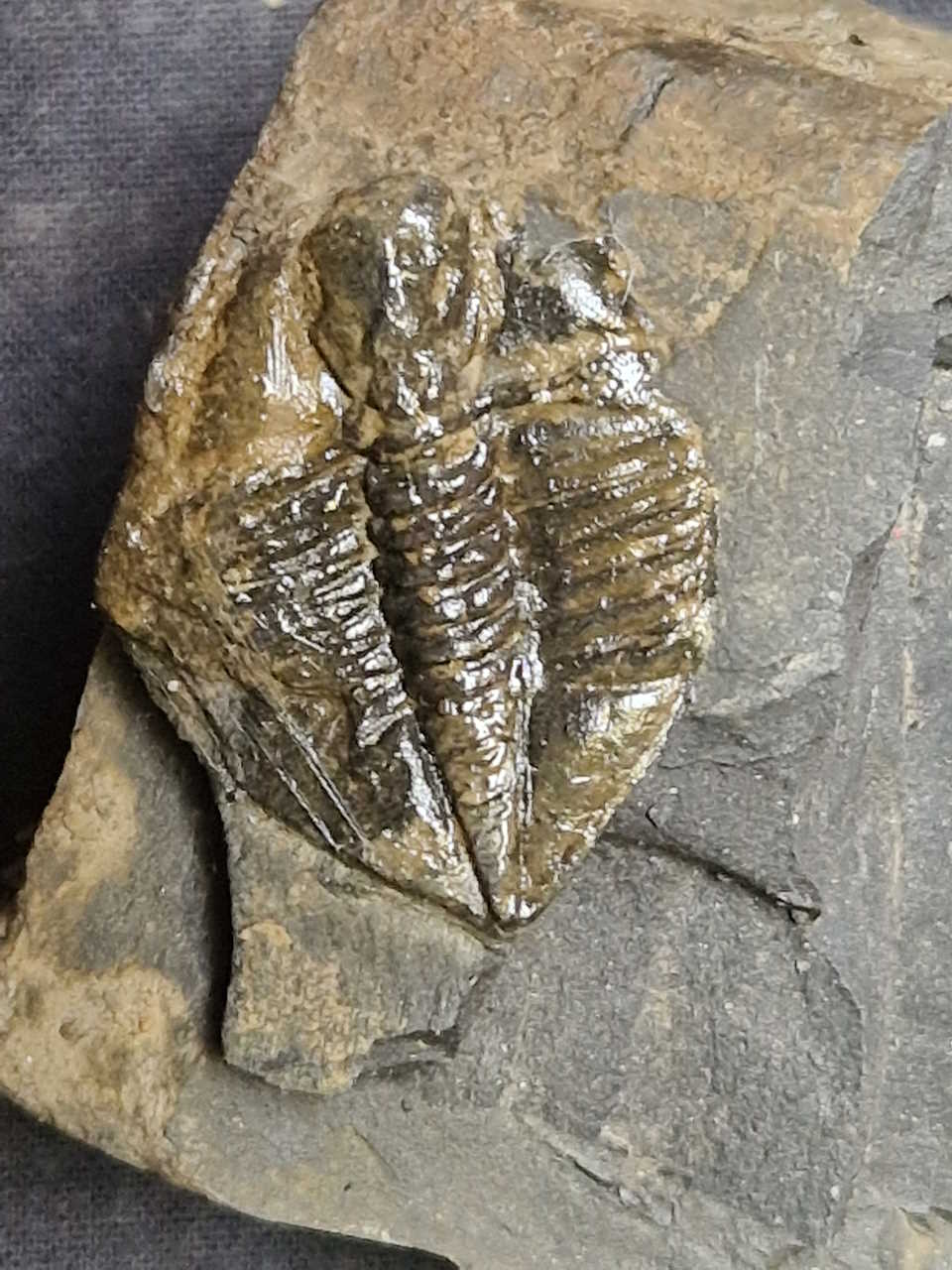 |
| Hydrocephalus minor minor #THM9168 partial. Onymagnostus hybridus zone Lower Cambrian, 530 million years old Jince, Czech Republic Size: 3.6 inch / 9 cm Price: | 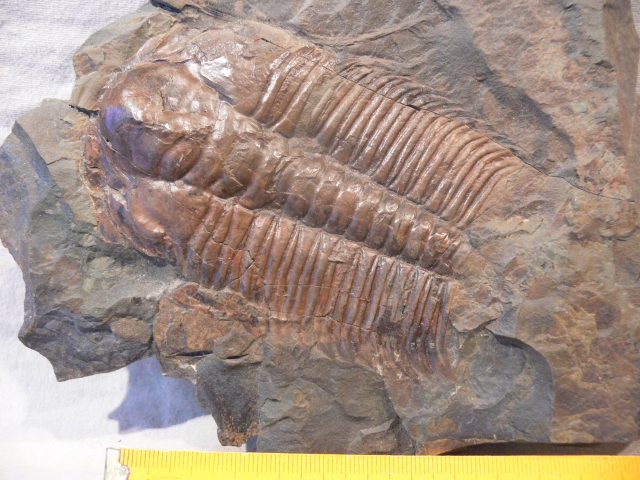 |
| Ampyx linleyensis#TAL10520 L. Llanvrin, Darriwilian/ M. Ordovician / 467 Million years old / Hope shales Shelve Inlier, Shropshire, U.K. Size trilobite: 0.8 inch / 2 cm Price: | 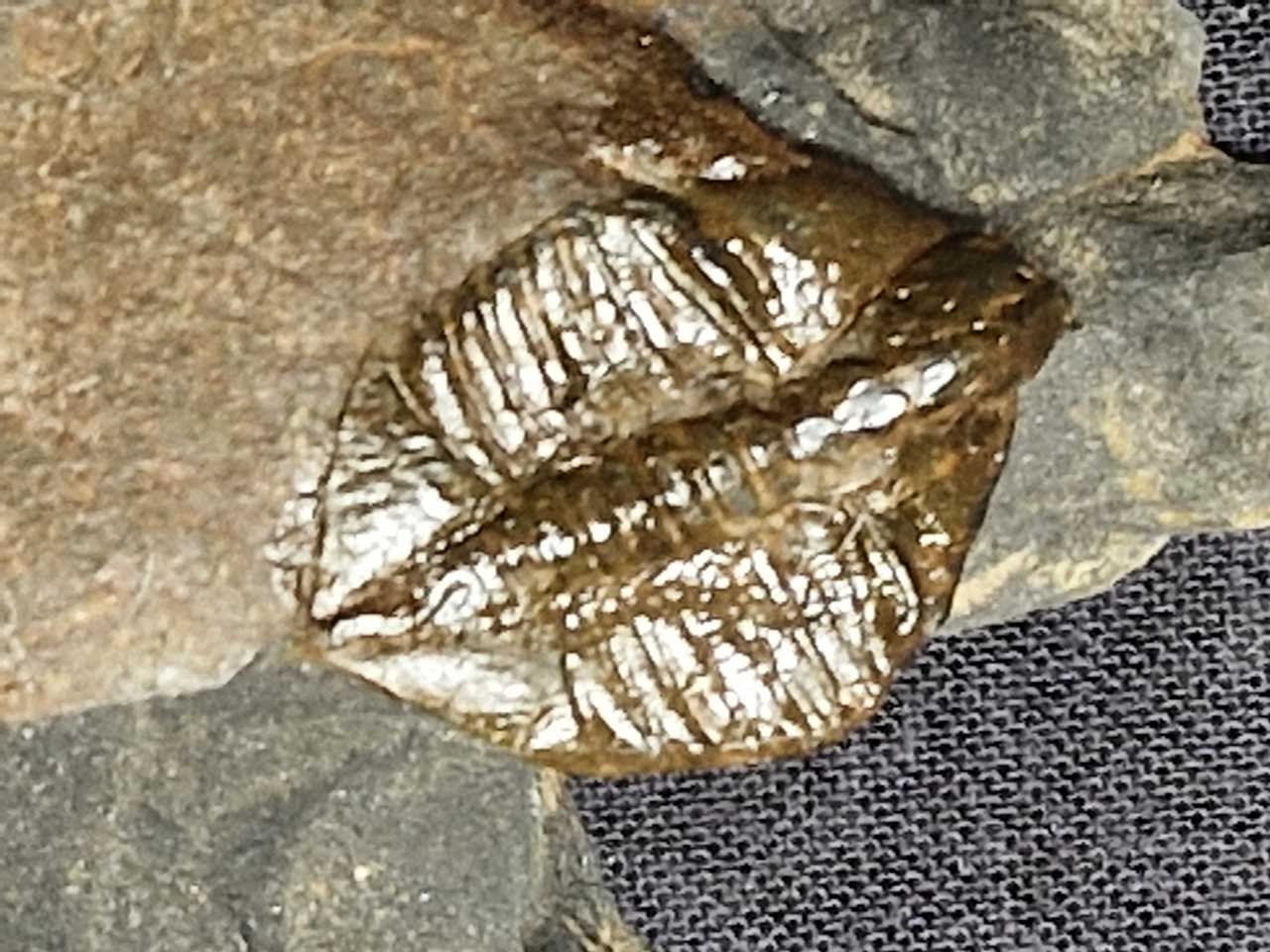 |
| Symphysurus palpebrosus #TSP10415 (Dalman) Llanvrin, Darriwilian/ M. Ordovician / 465 Million years old / Kennesculle quarry Vastergotland, Sweden Size trilobite: 1.28 inch / 3.2 cm wide Price: | 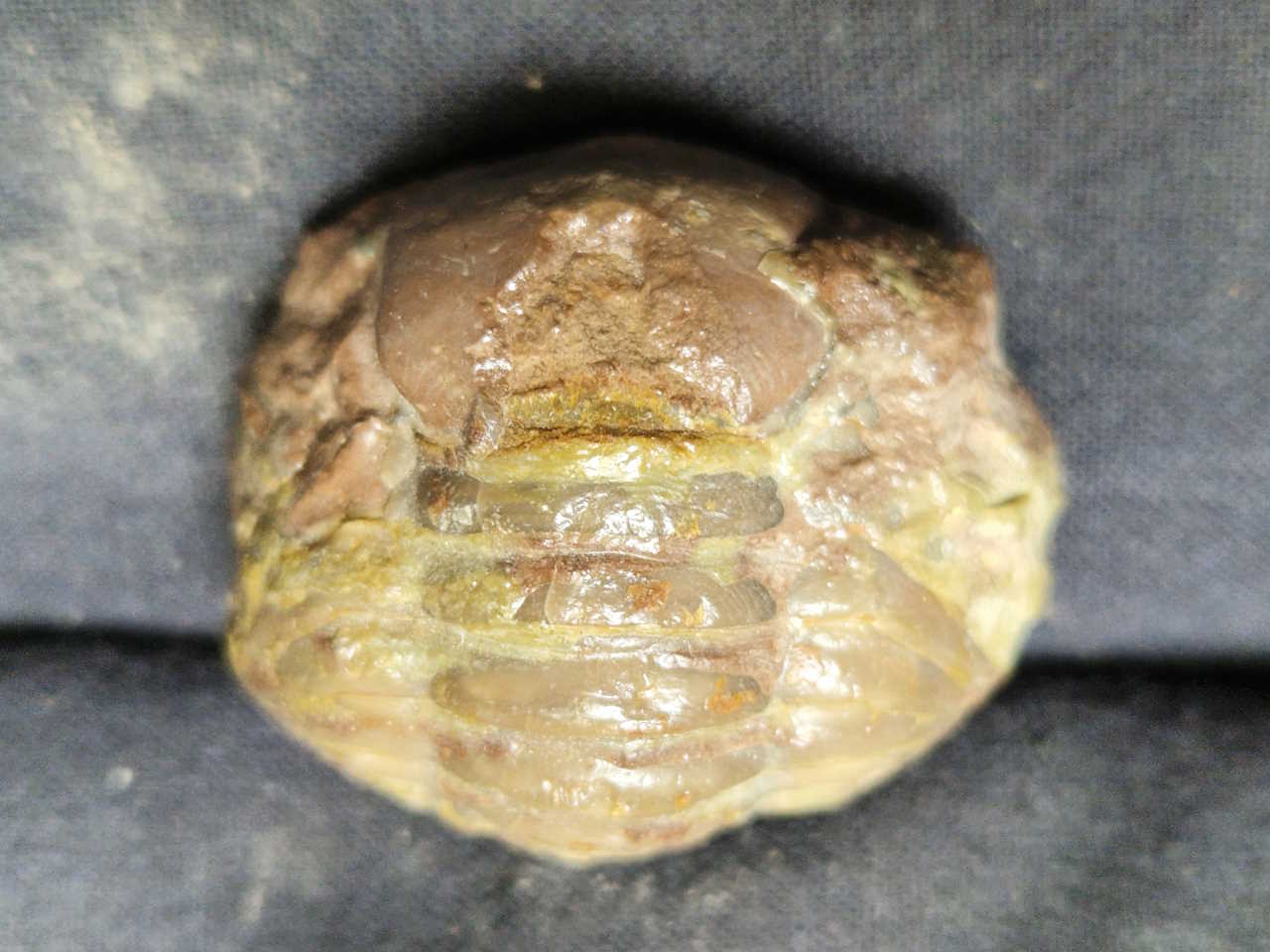 |
| Gravicalymene arcuata #TGA10459 (Price) Llanvrin, Darriwilian/ M. Ordovician / 465 Million years old Dohler beds, Curven, N. Wales Size trilobite: 0.68 inch / 1.7 cm Price: | 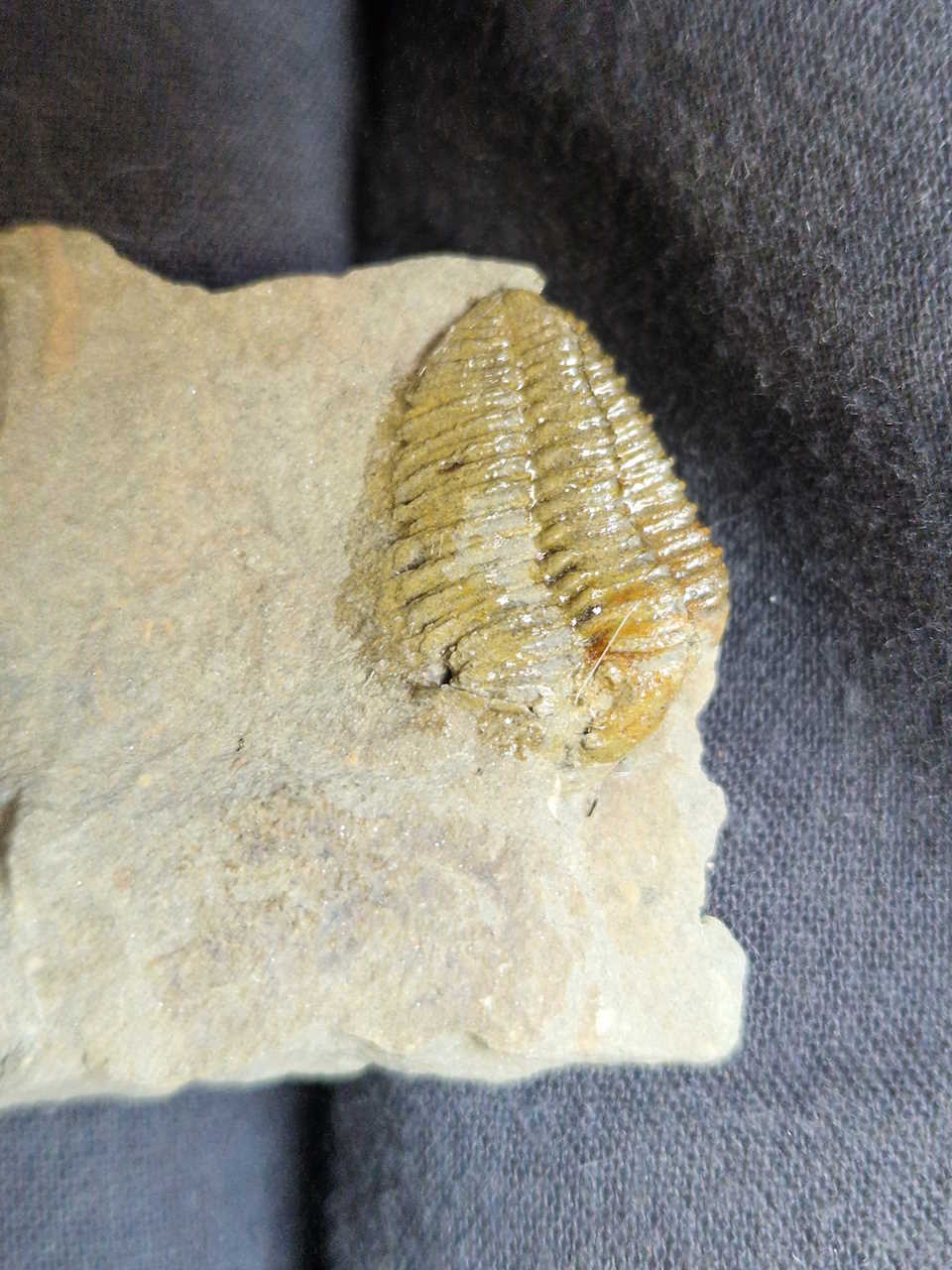 |
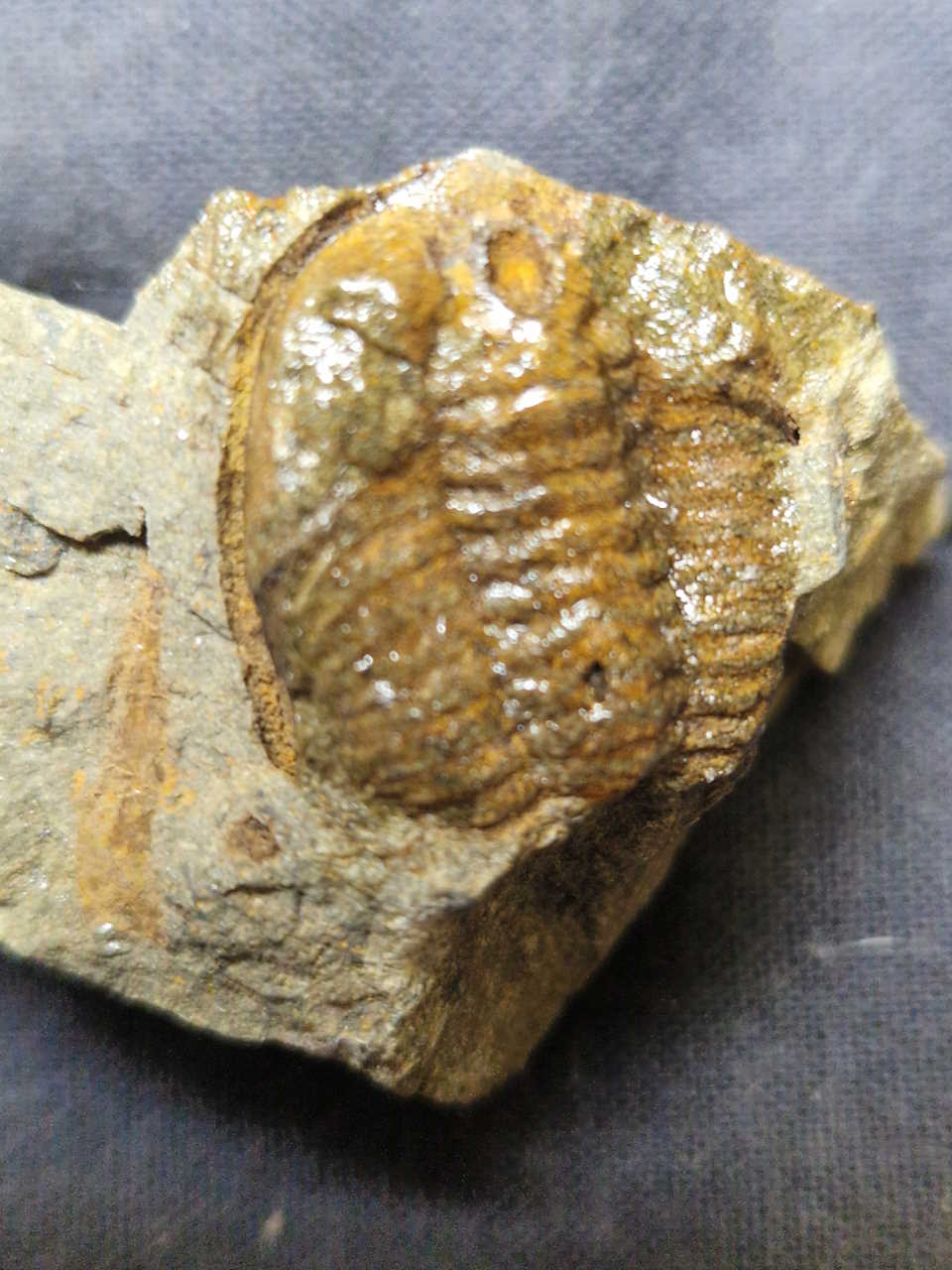 | Ctenocephalus sp. #TCS10413 Upper Ordovician / 450 Million years old Tazoud, Zagora, Morocco Size trilobite: 0.64 inch / 1.6 cm Price: |
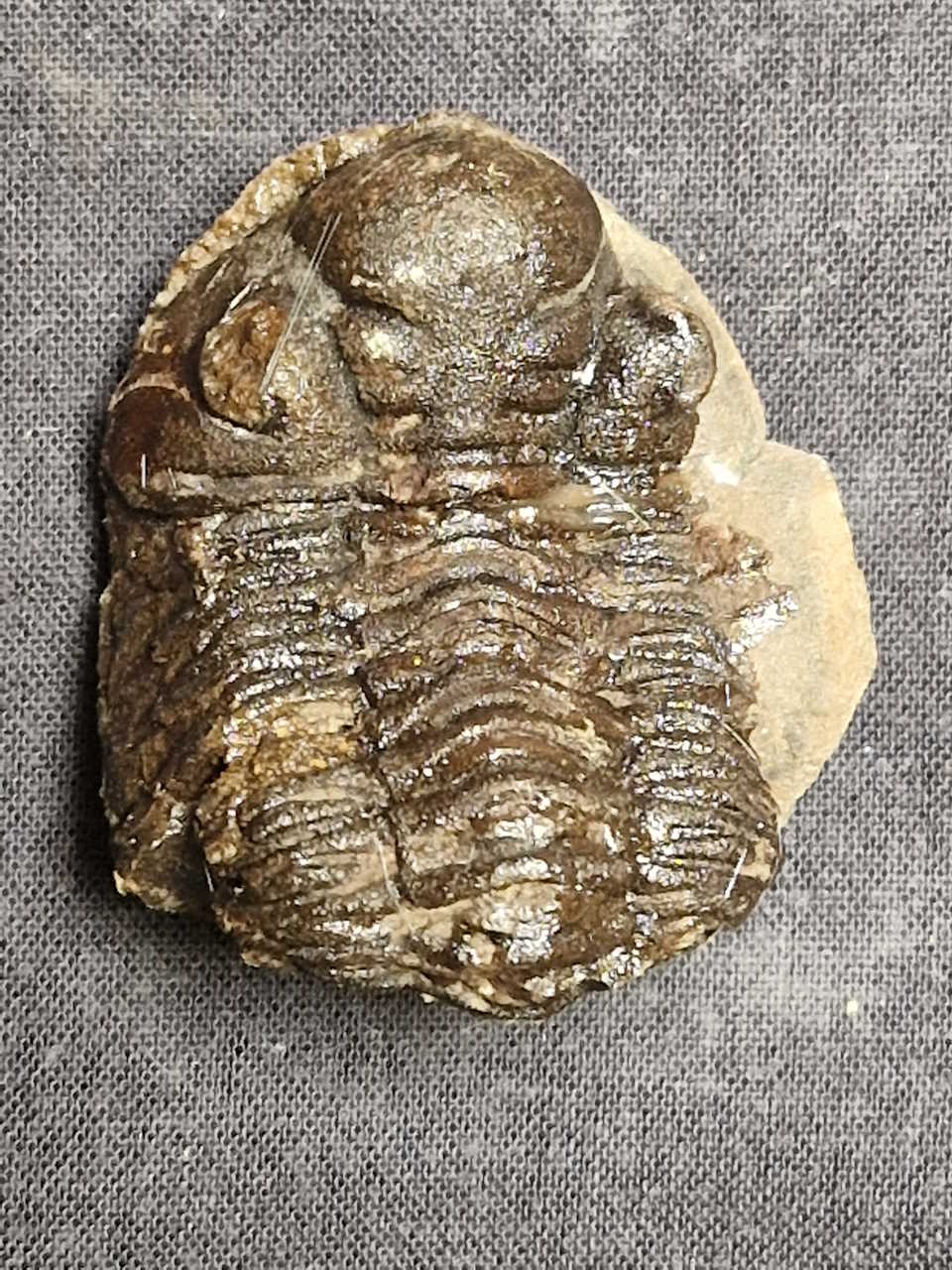 | Metacryphaeus giganteus #TMG10385 (Ulrich) L. Devonian / Belen form. / 405 Million years old La Paz, Bolivia Size trilobite: 1.48 inch / 3.7 cm Price: |
| Ellipsocephalus uniformis #TEU10395 Upper Lower Cambrian / 521 Million years old Sbel Ougnat, Anti Atlas, Morocco Size trilobite: 1 inch / 2.5 cm Price: | 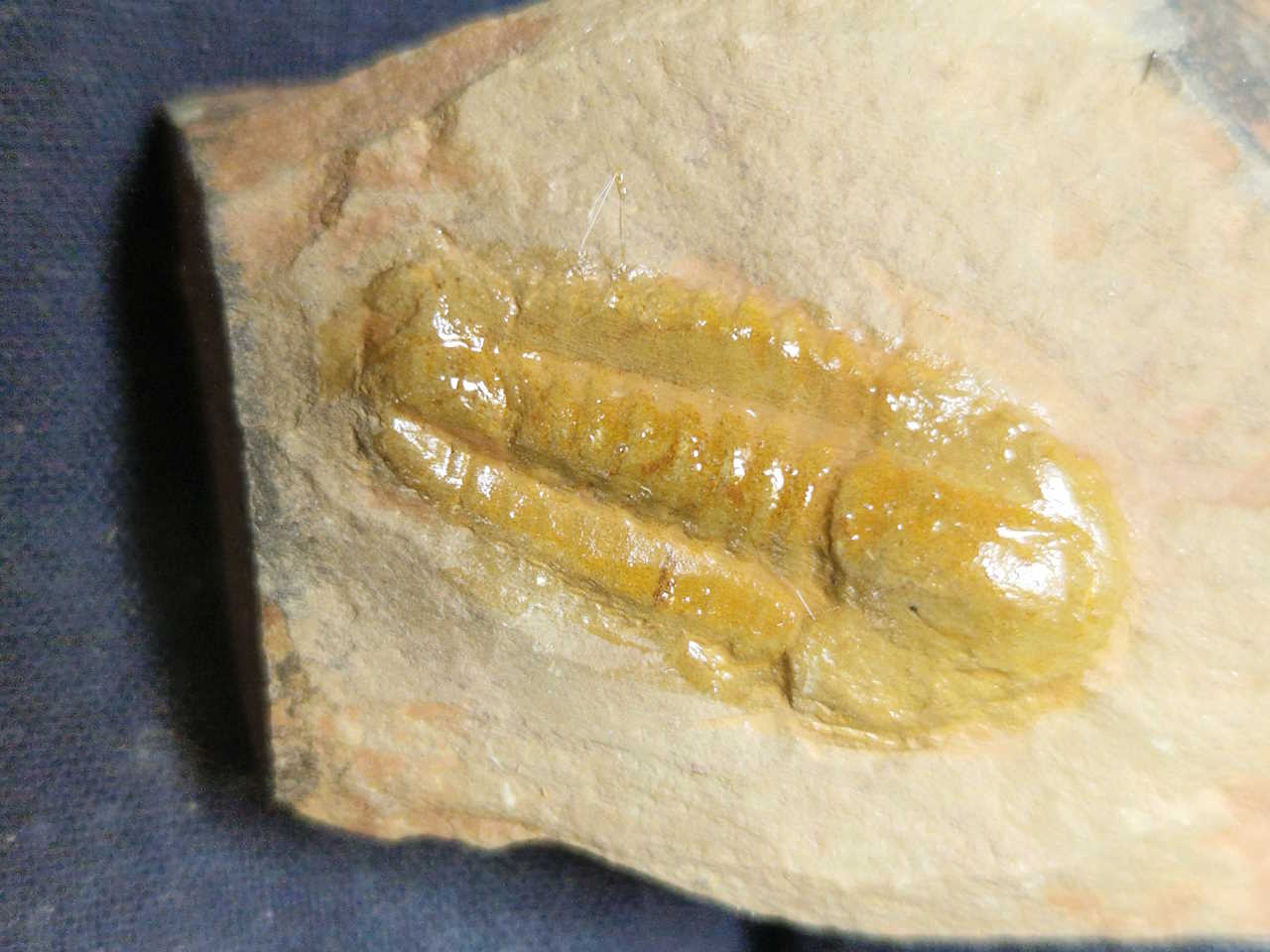 |
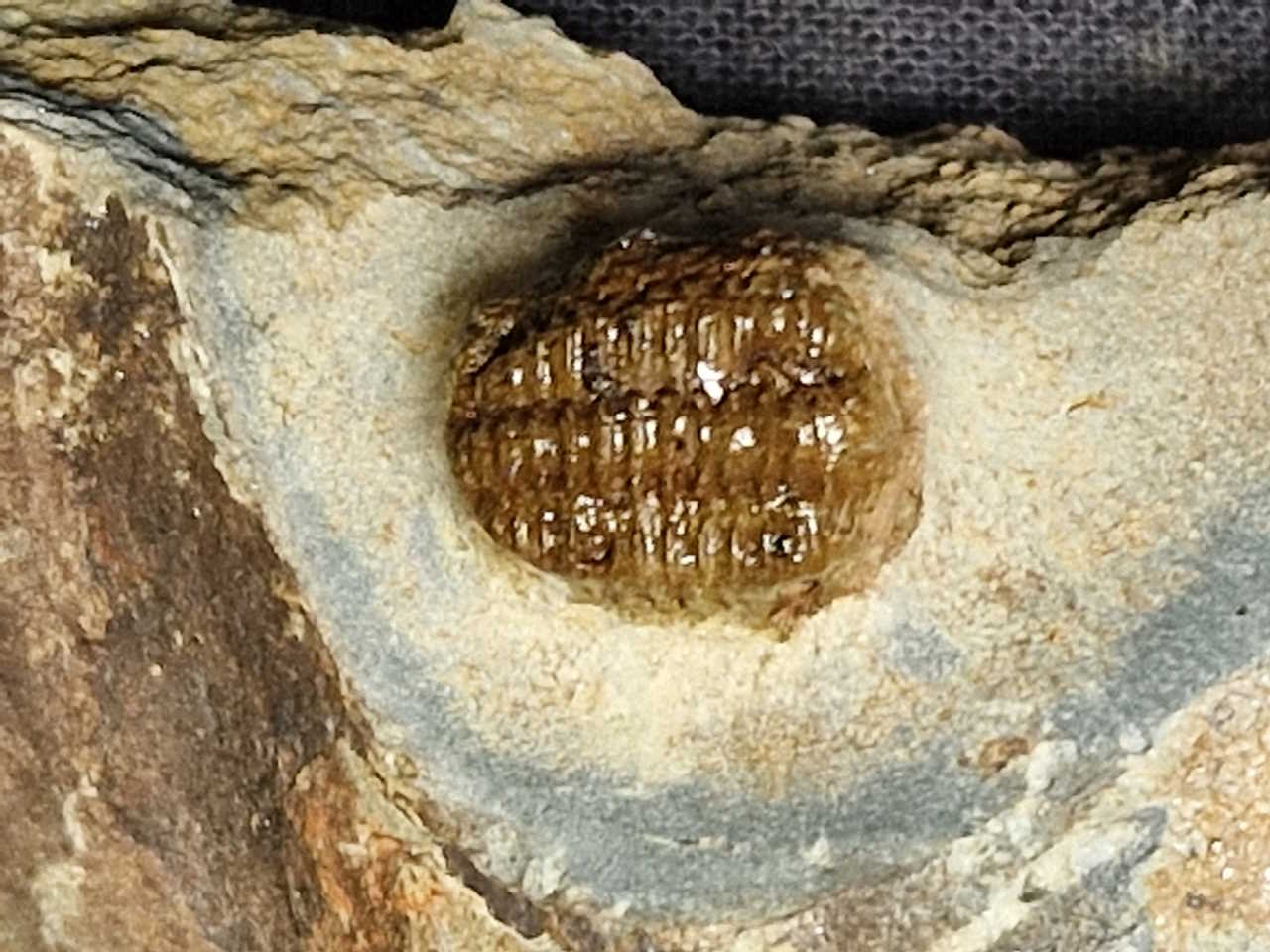 | Placoparia tournemini #TPP10339 (Rerialt) Llanvrin, Darriwilian/ M. Ordovician / 465 Million years old / Volungo formation Volunga & Camales, Portugal Size trilobite: 0.2 inch / 0.5 cm Price: |
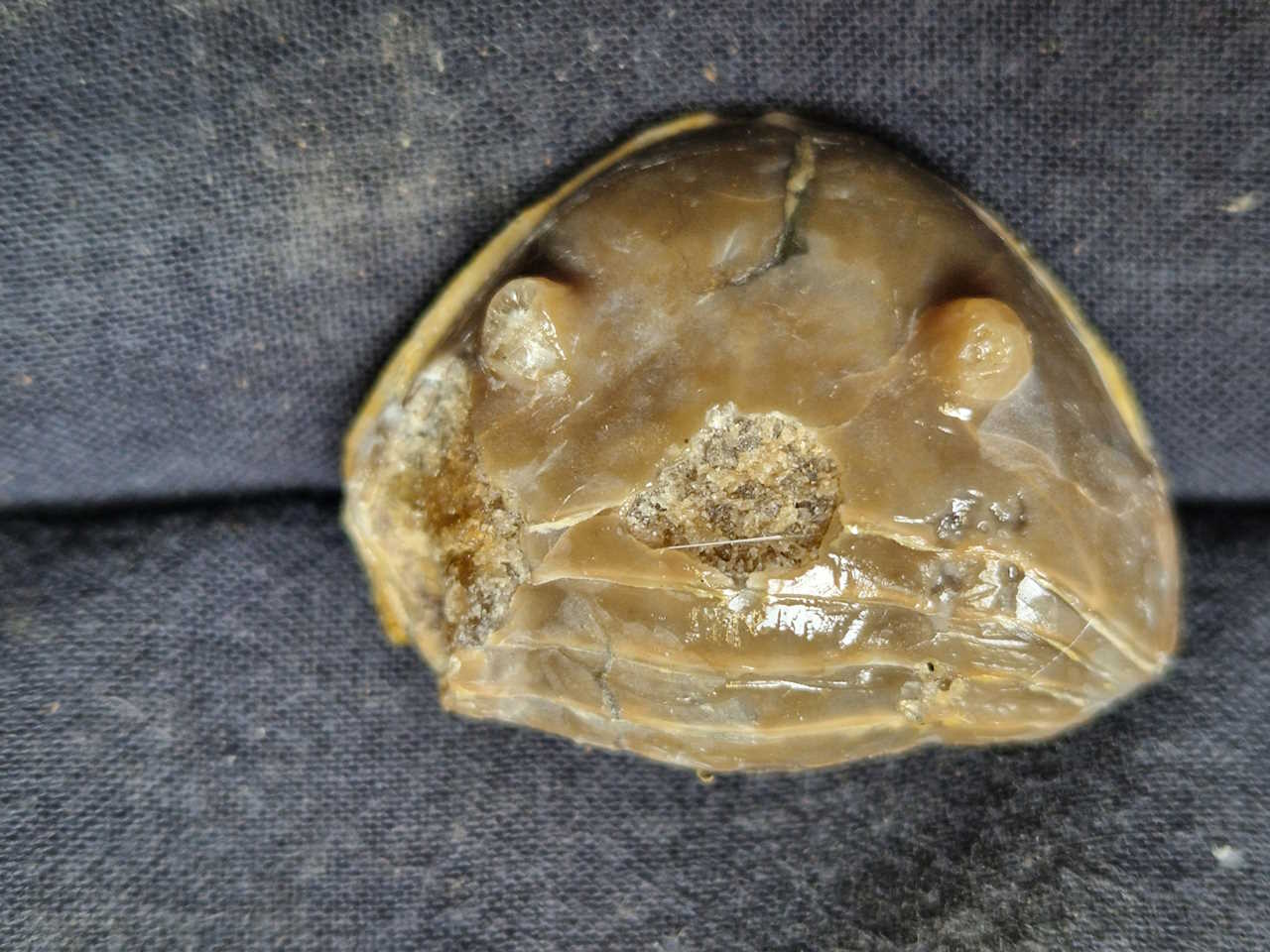 | Homotelus bromidensis #THB10409 (Esker) M. Ordovician, Bromide form., 460 million years old Carter county, Oklahoma, U.S.A. Size trilobite: 1.4 inch / 3.5 cm wide Price: |
| Acastoides sp. #TAS10419 L. Devonian / Sicasica form. / 405 Million years old La Paz, Bolivia Size biggest trilobite: 0.6 inch / 1.5 cm Price for the 2: | 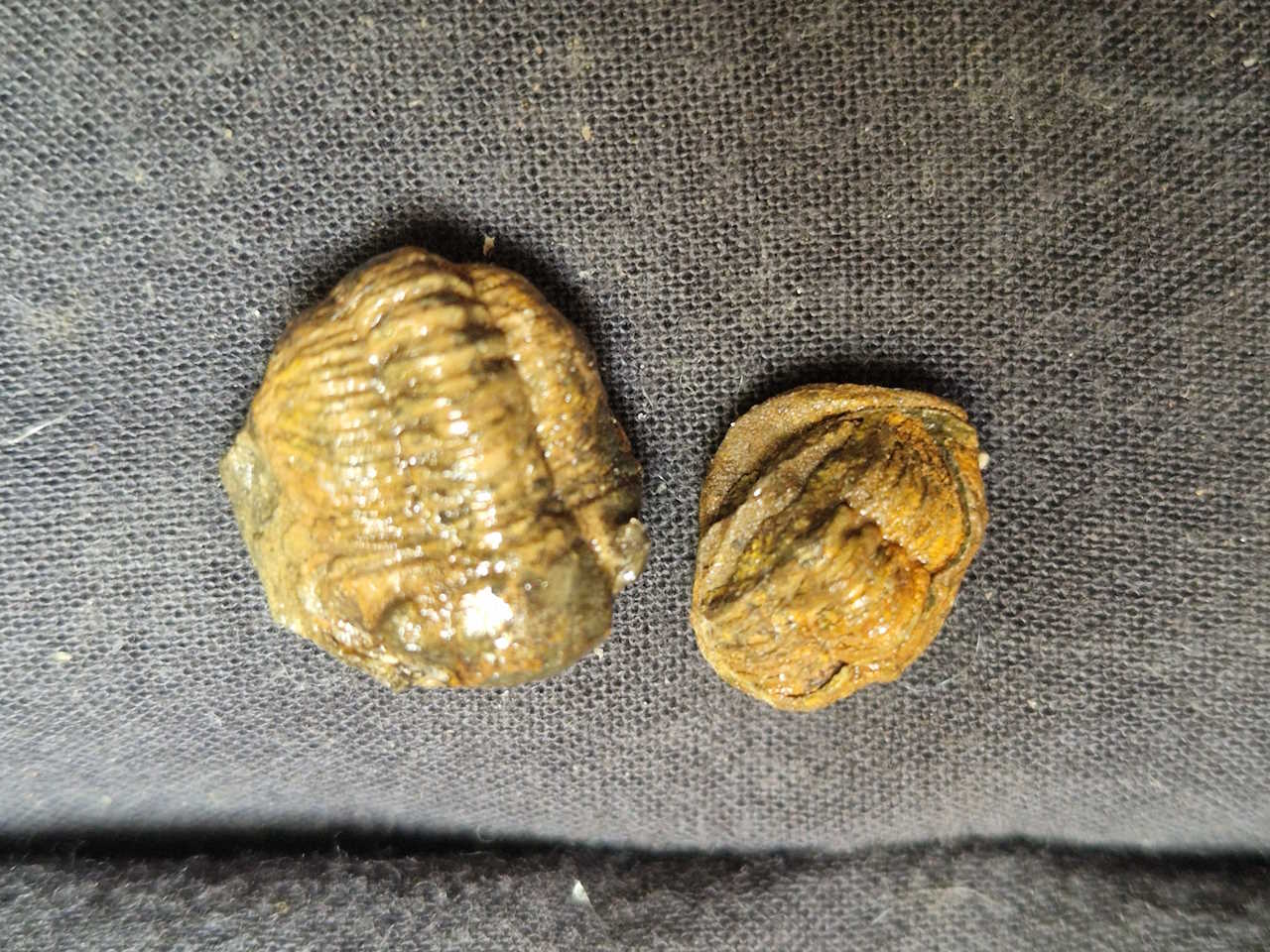 |
 | Concocoryphe cirina #TCC7762 Lower Cambrian, 530 million years old Jince, Czech Republic Size left trilo.: 2 inch / 5 cm Price: |
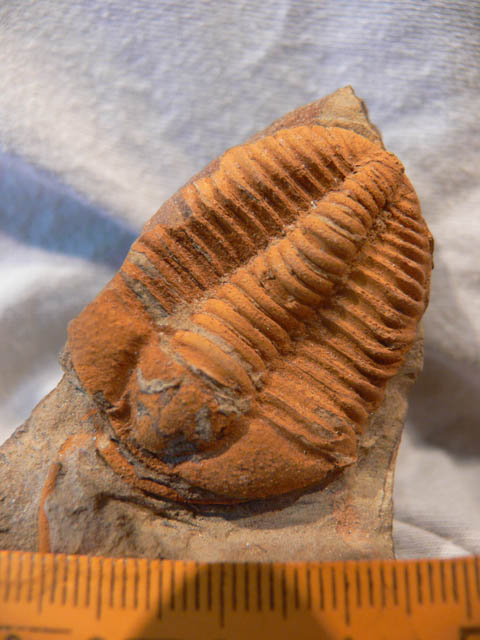 | Concocoryphe cirina #TCC7768 Lower Cambrian, 530 million years old Jince, Czech Republic Size left trilo.: 1.56 inch / 3.9 cm Price: |
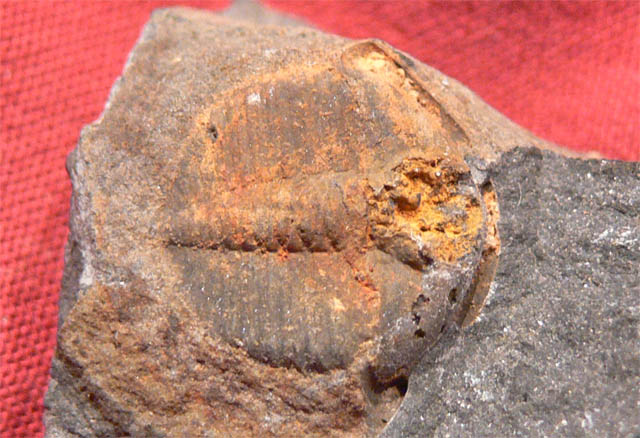 | Trinucleoides reussi #1096 Ordovician, 450 million years old Sarka, Prague, Czech Republic Size trilo.: 0.52 inch / 1.3 cm Price: |
| Ditomopyge decurtata #TDS10438 2 specimen U. Carboniferous/ 305 Million years old Mineral Inlier, Texas, U.S.A. Size biggest trilobite: 0.4 inch / 1 cm Price: | 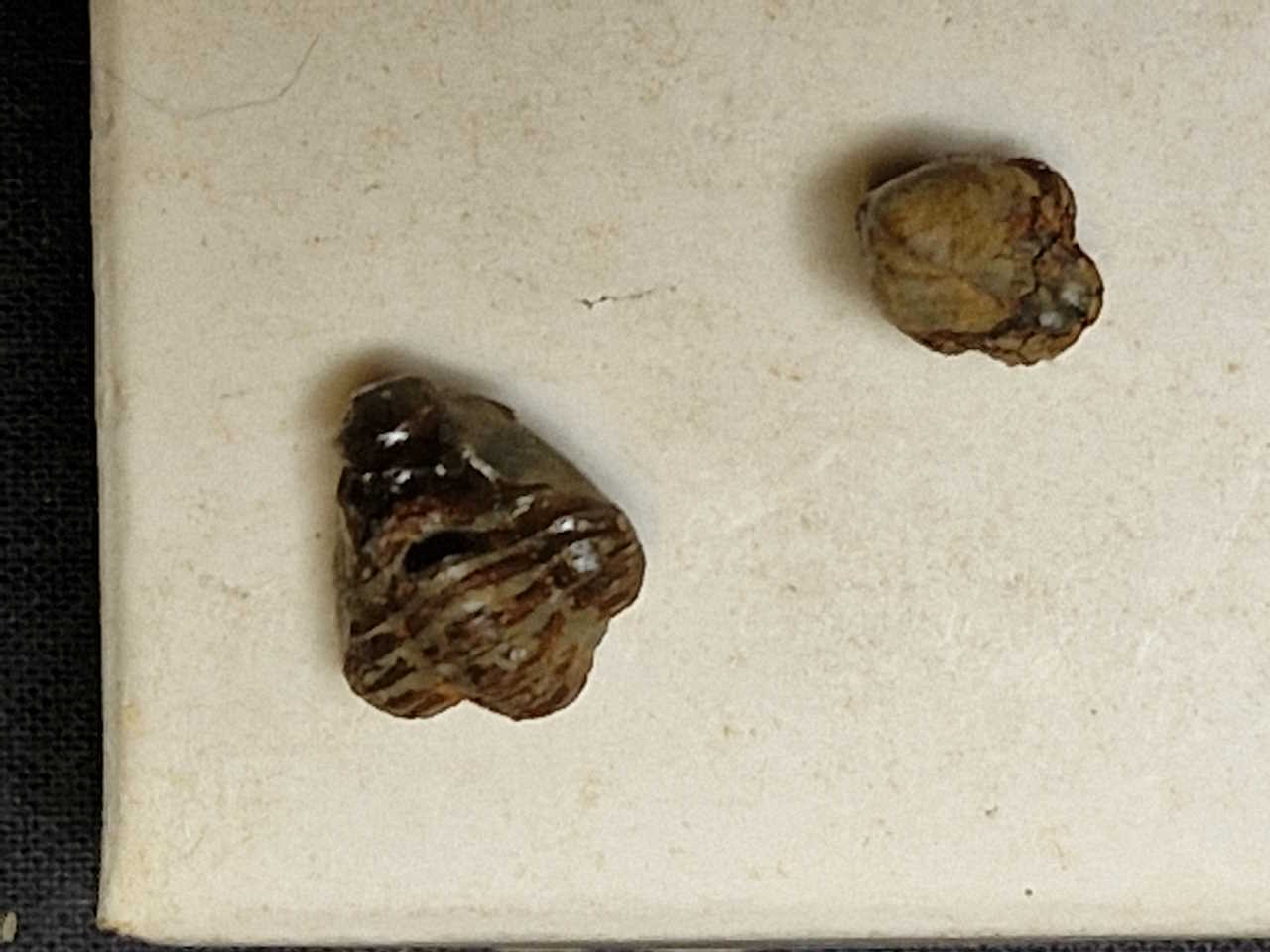 |
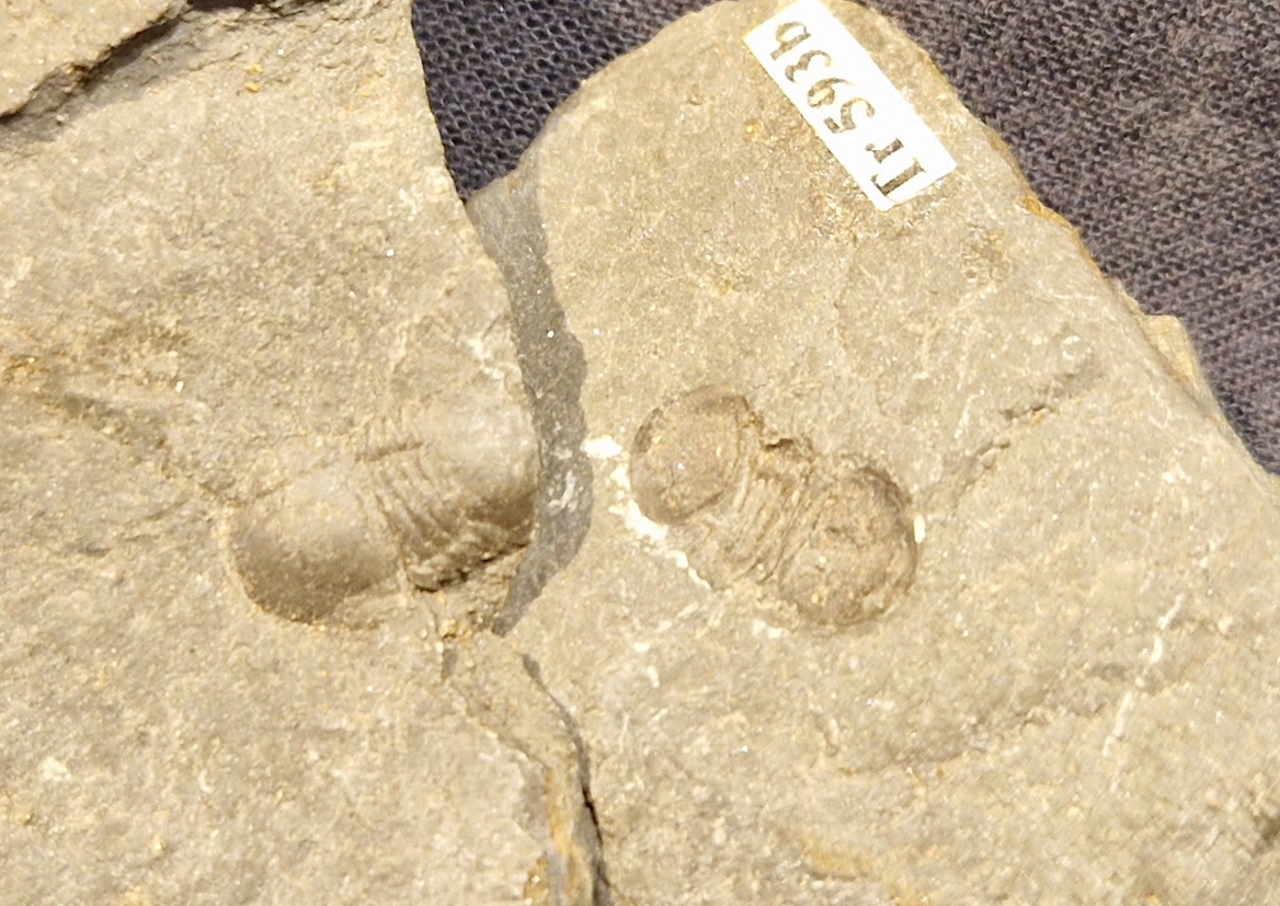 |
Placoparia barrandei #TCR4665 Pos/Neg Ordovician, 465 million years old Vokovice, Czech Republic Size trilo.: 0.36 inch / 0.9 cm Price: |
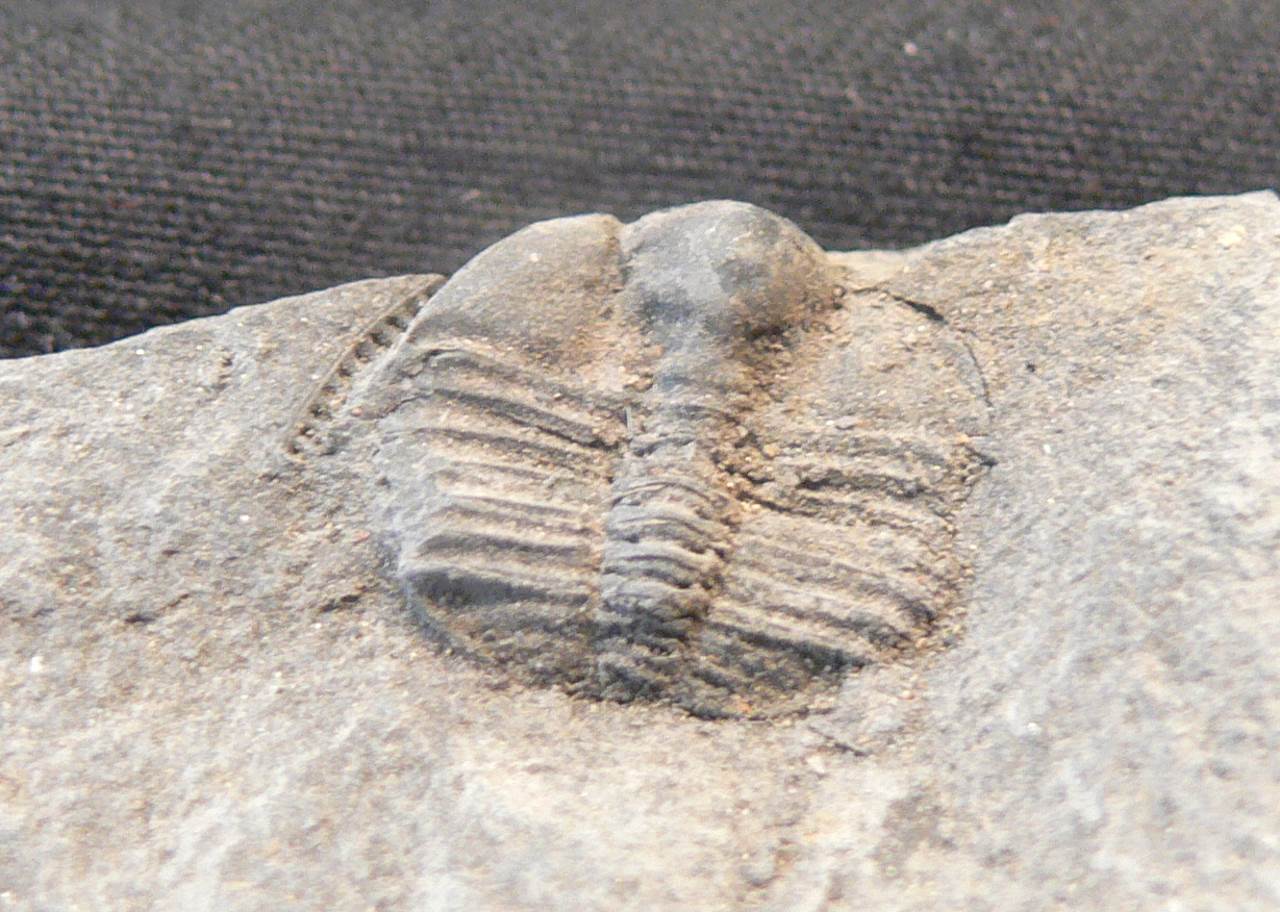 | Stapeleyella inconstans#TSI10489 L. Llanvrin, Darriwilian/ M. Ordovician / 467 Million years old / Hope shales Shelve, U.K. Size trilobite: 0.4 inch / 1 cm Price: |
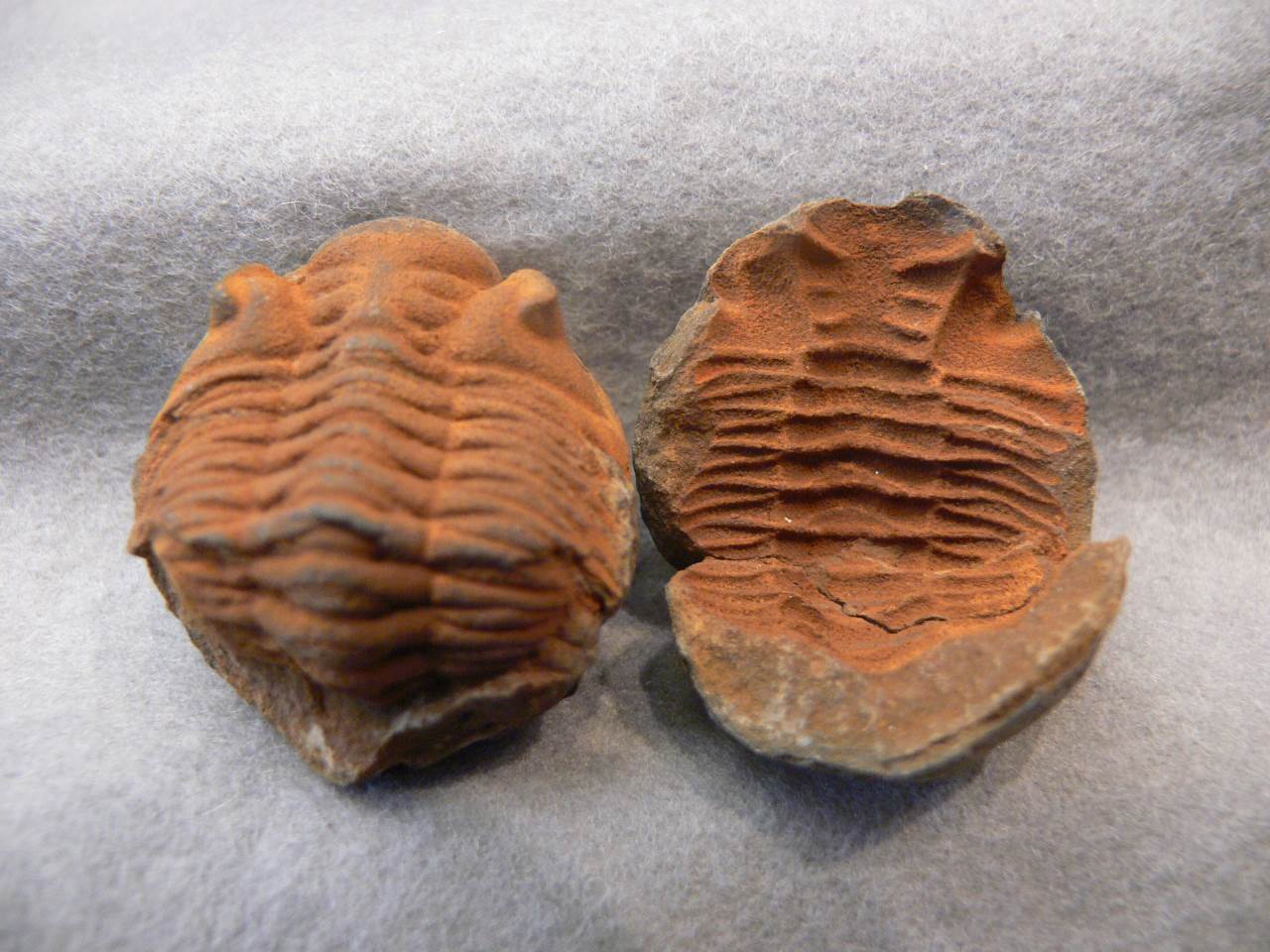 | Metacryphaeus venestus #TMV10370 Pos/Neg L. Devonian / Belen form. / 405 Million years old La Paz, Bolivia Size trilobite: 1.2 inch / 3 cm Price: |
| Barrandia homfrayi#TBH10555 On Matrix 8 by 9 cm L. Llanvrin, Darriwilian/ M. Ordovician / 467 Million years old / Hope shales Shelve Inlier, Shropshire, U.K. Size trilobite: 1.44 inch / 3.6 cm Price: | 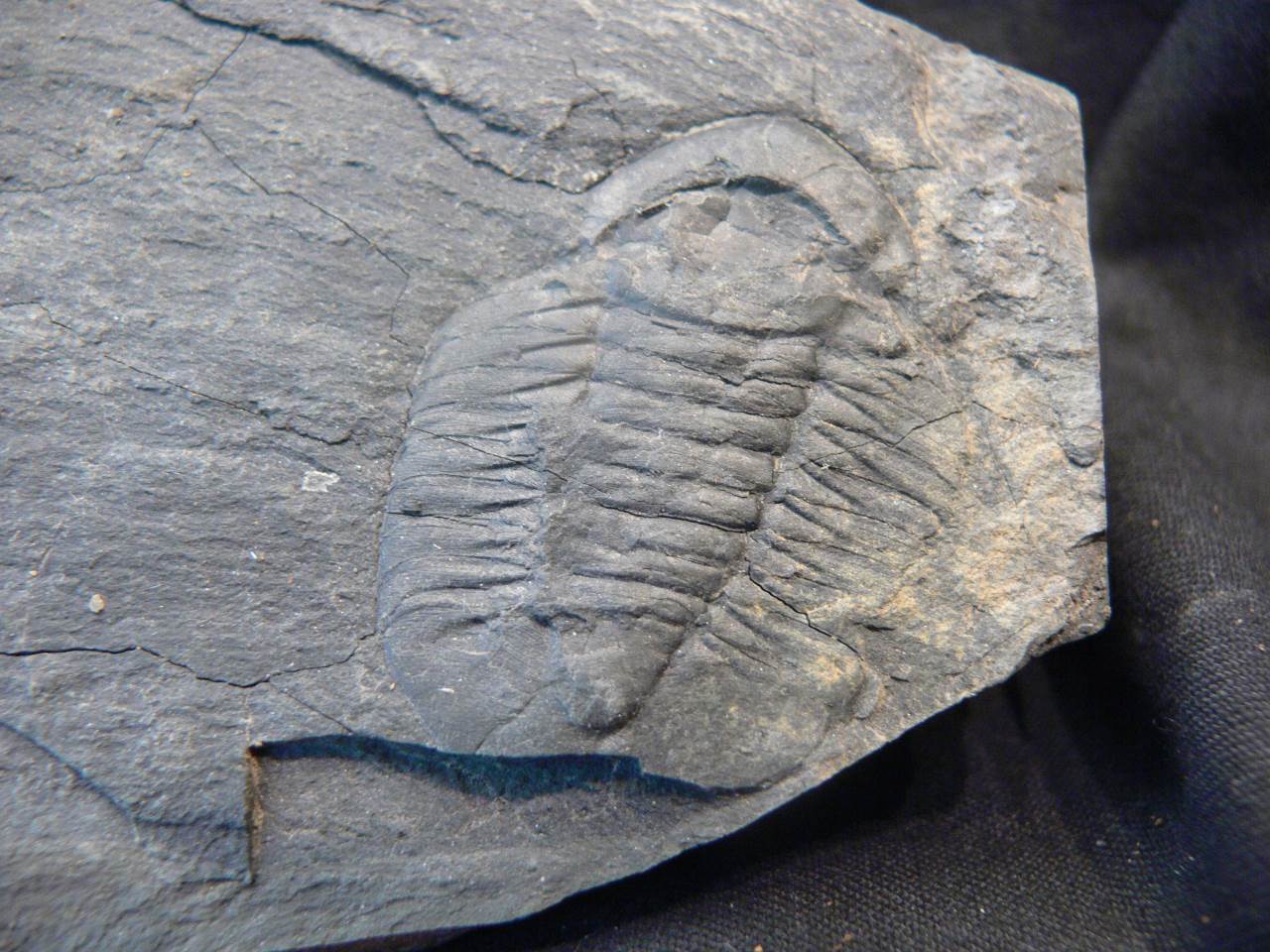 |
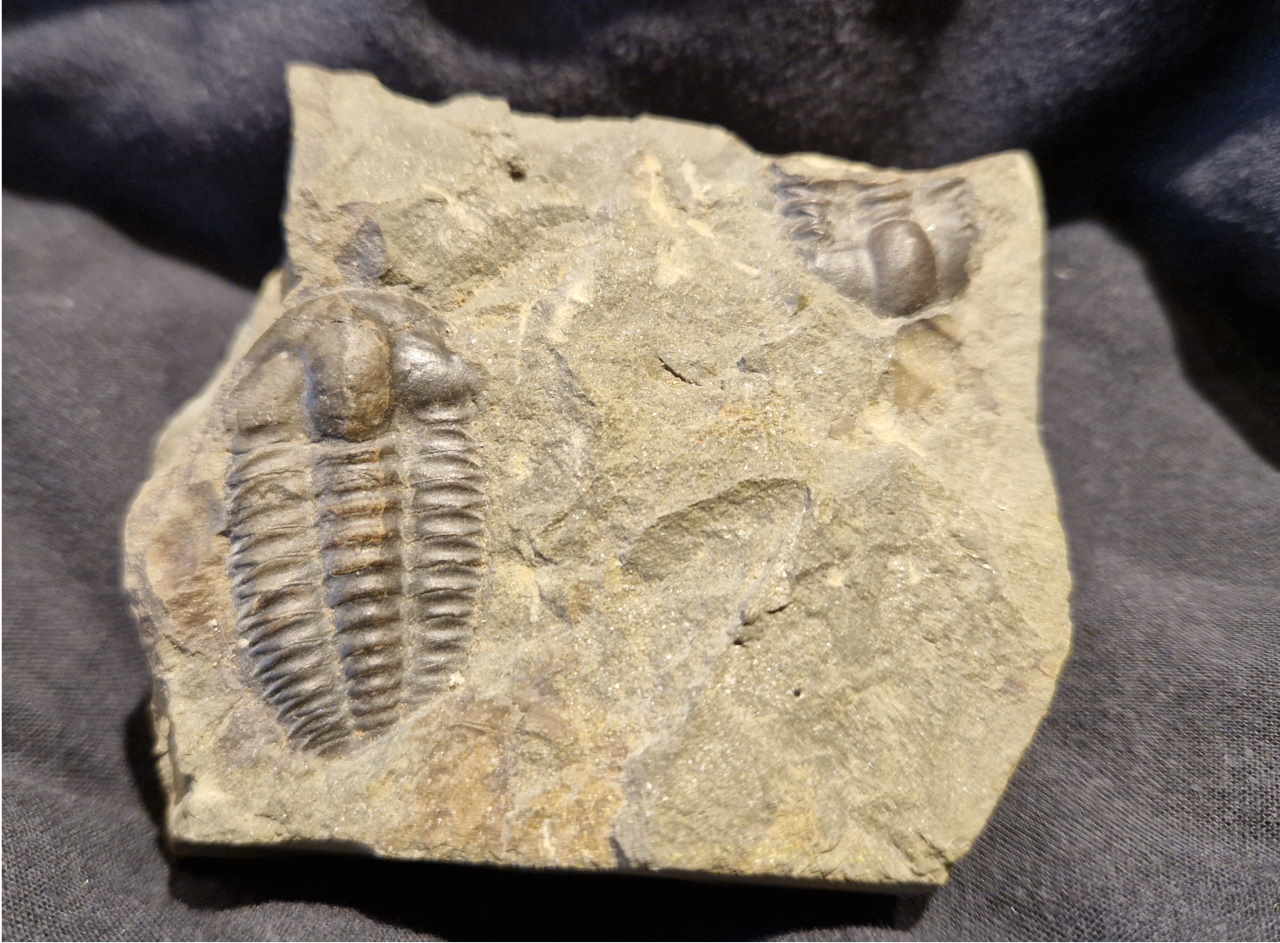 |
Ellipsocephalus hoffi #TCR4661 Lower Cambrian, 530 million years old Jince, Czech Republic Size Trilo: 1.4 inch / 3.5 cm Price: |
Ellipsocephalus hoffi #TCR4662 Lower Cambrian, 530 million years old Jince, Czech Republic Size Trilo: 1.04 inch / 2.6 cm Price: |
 |
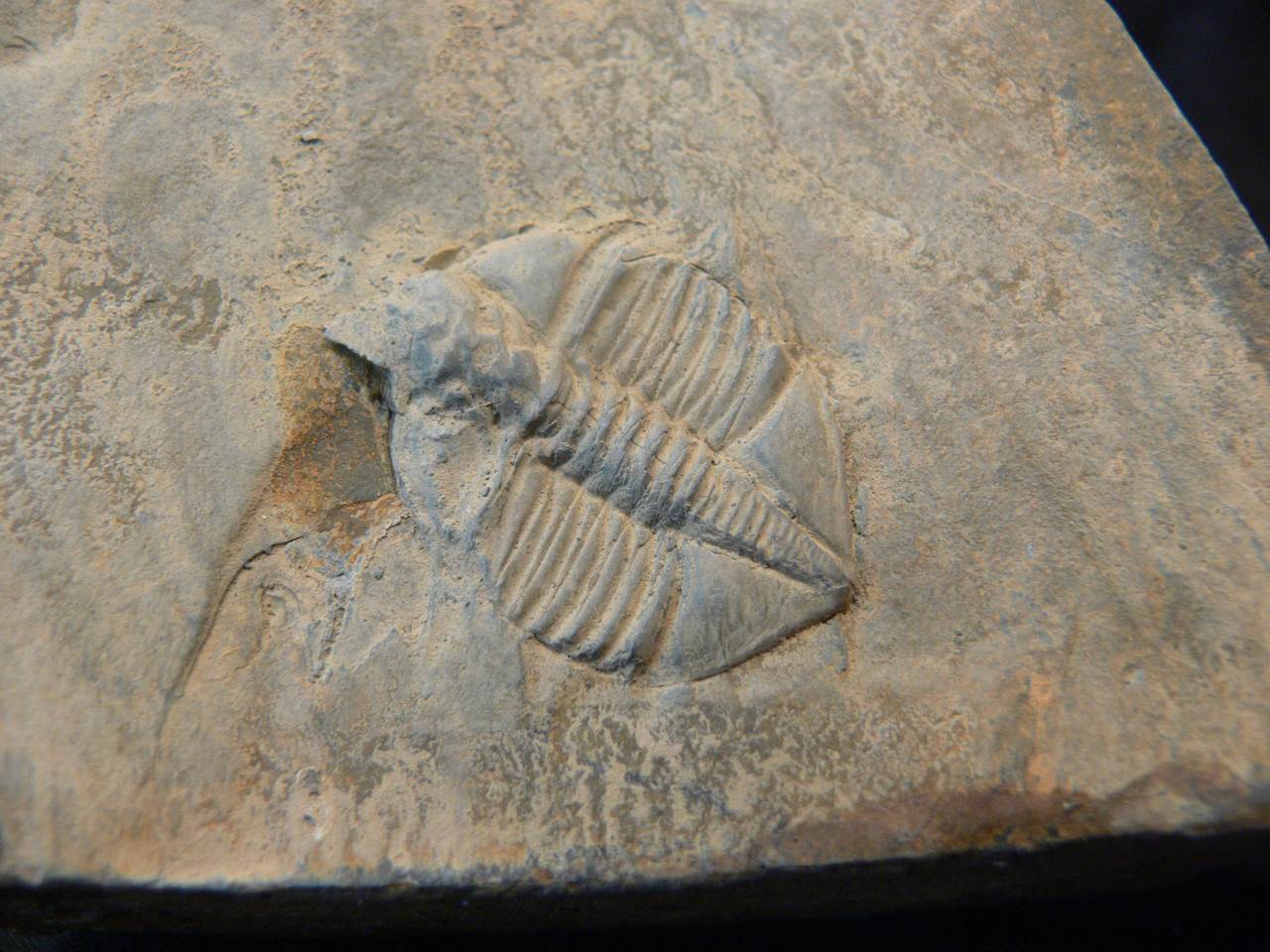 | Ampyx linleyensis#TAL10516 L. Llanvrin, Darriwilian/ M. Ordovician / 467 Million years old / Hope shales Munsterley, Shropshire, U.K. Size trilobite: 1.12 inch / 2.8 cm Price: |
| Ogygiocarella debuchi#TOD10529 (Brongniard) L. Llanvrin, Darriwilian/ M. Ordovician / 467 Million years old / Llandelian stage Builth Inlier, Wales Size trilobite: 2.6 inch / 6.5 cm Price: | 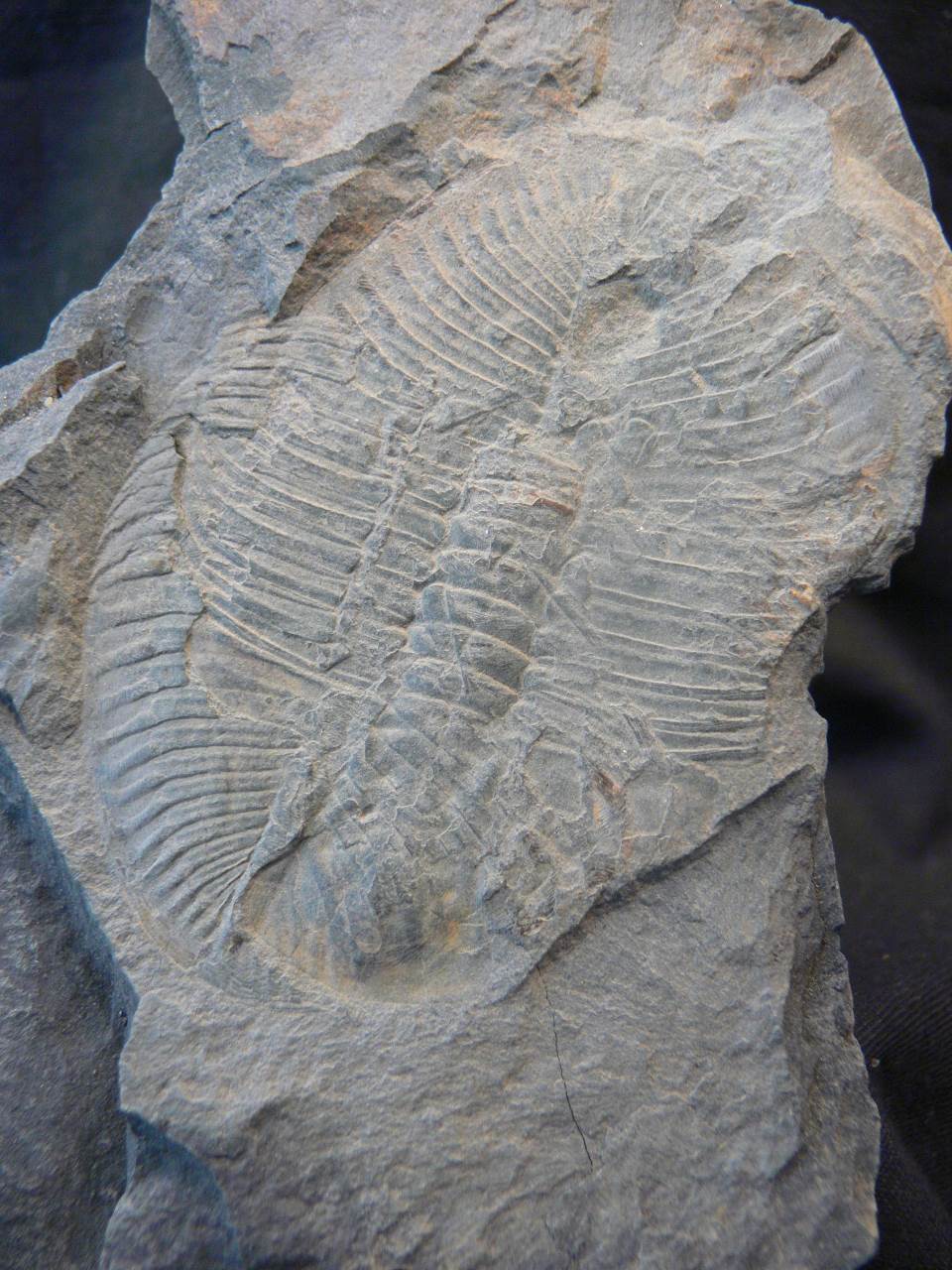 |
| Stapeleyella inconstans#TSI10490 L. Llanvrin, Darriwilian/ M. Ordovician / 467 Million years old / Hope shales Shelve, U.K. Size trilobite: 0.36 inch / 0.9 cm Price: | 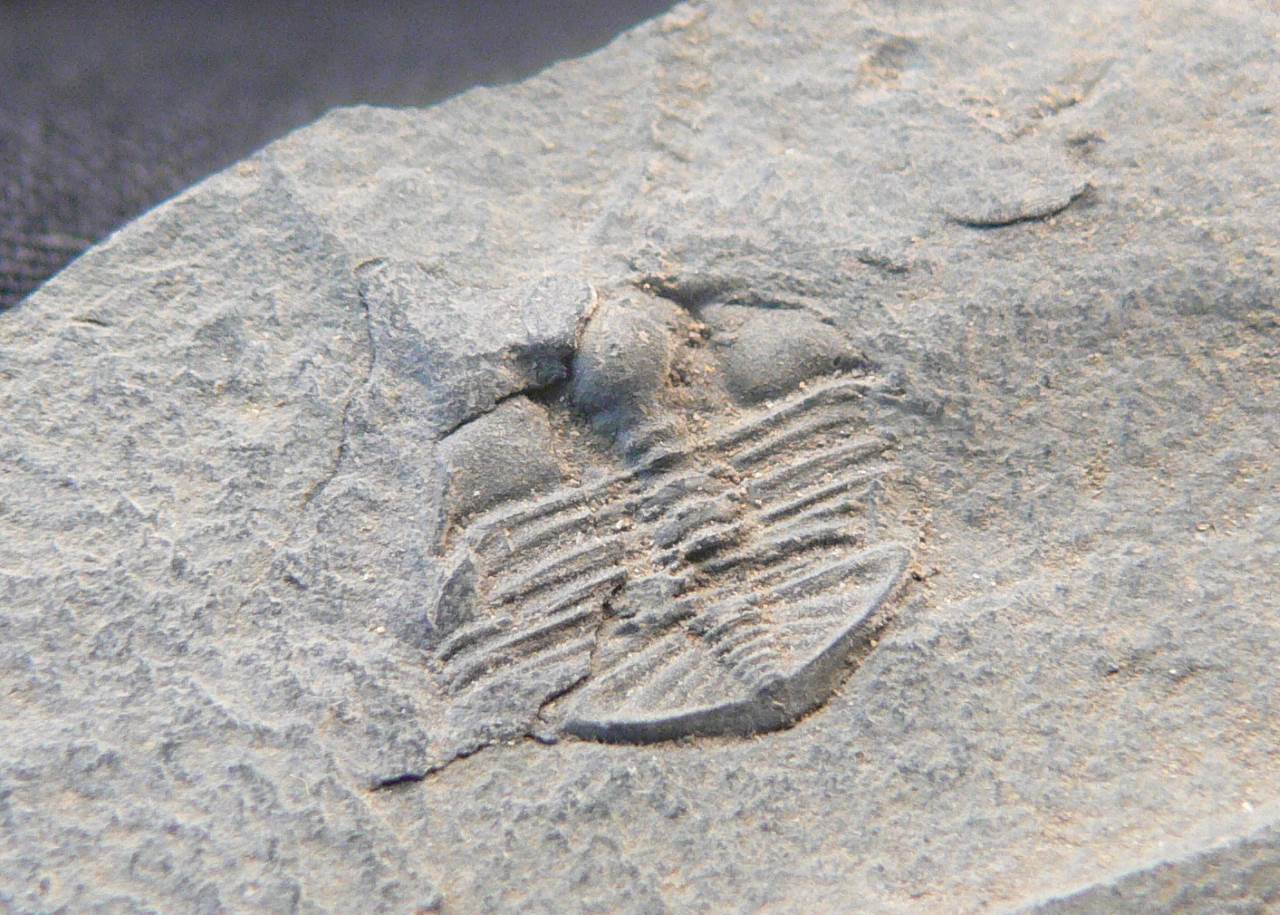 |
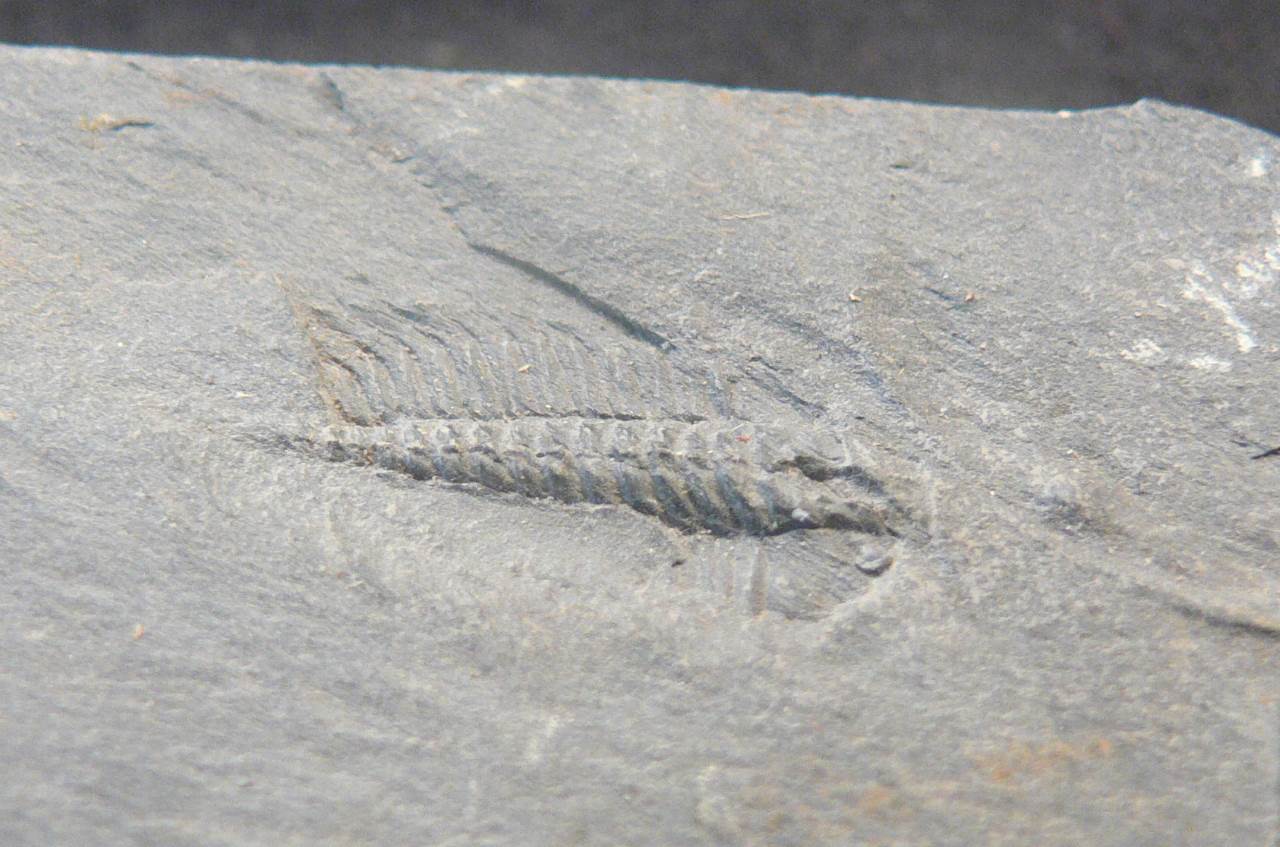 | Parabolina spinulosa #TPS10499 (Wahlenberg) Upper Cambrian / 490 Million years old / Dolgellan series Trans fynned, Wales Size trilobite: 0.52 inch / 1.3 cm Price: |
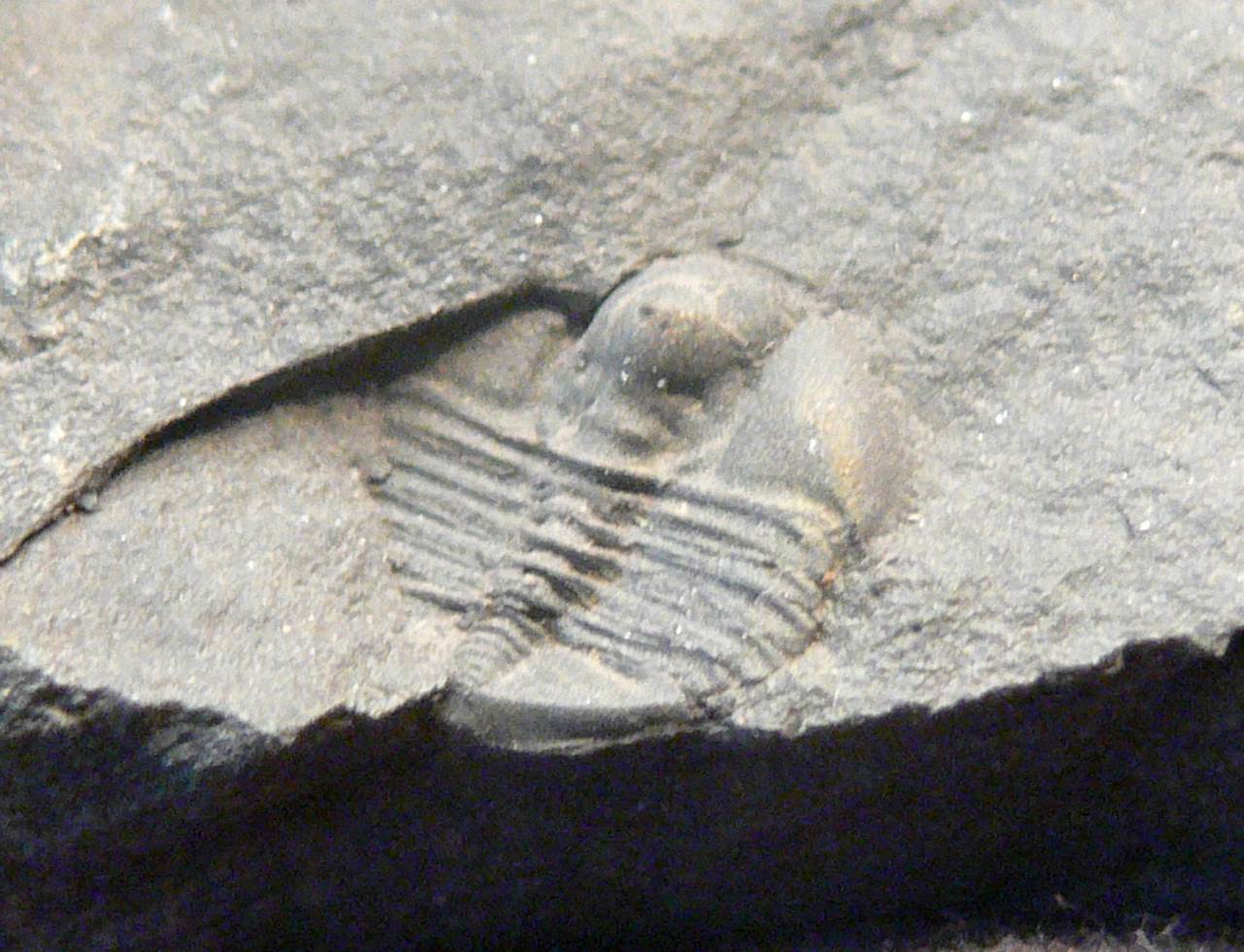 | Bergamia whitterdi #TBW10473 (Hughes) Llanvrin, Darriwilian/ M. Ordovician / 465 Million years old Pencerrig, Builth Inlier, Wales Size trilobite: 0.28 inch / 0.7 cm wide Price: |
| Placoparia cambriensis #TPC10478 (Hicks) L. Llanvrin, Darriwilian/ M. Ordovician / 467 Million years old / Hope shales / Artus zone Minsterley, Shropshire, U.K. Size trilobite: 0.76 inch / 1.9 cm Price: Euro | 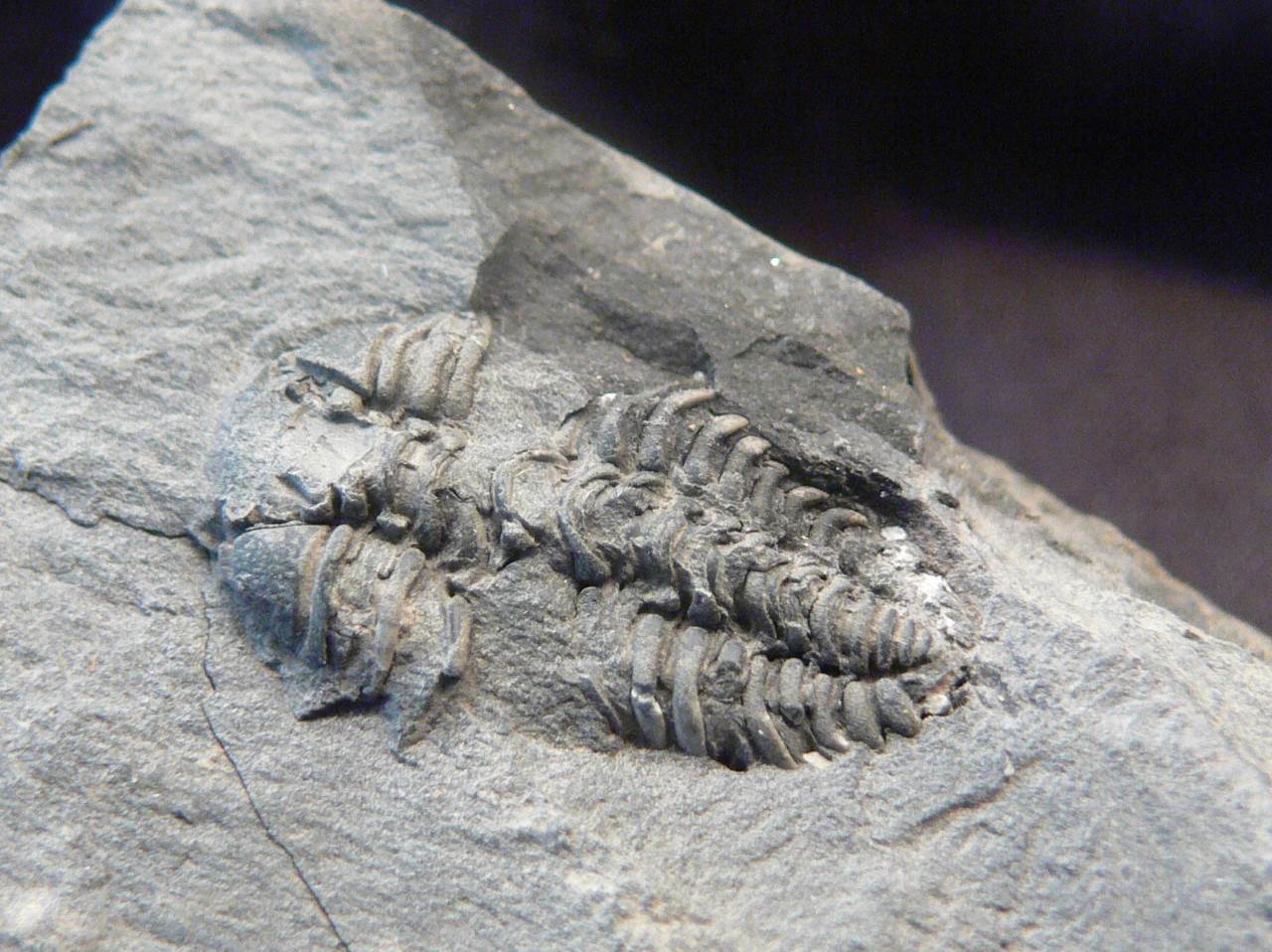 |
| Wujiajiana sutherlandi #TWS10431 Upper Cambrian / 490 Million years old McKay Fom., Tanglefoot creek, B.C., Canada Size trilobite: 0.36 inch / 0.9 cm Price: | 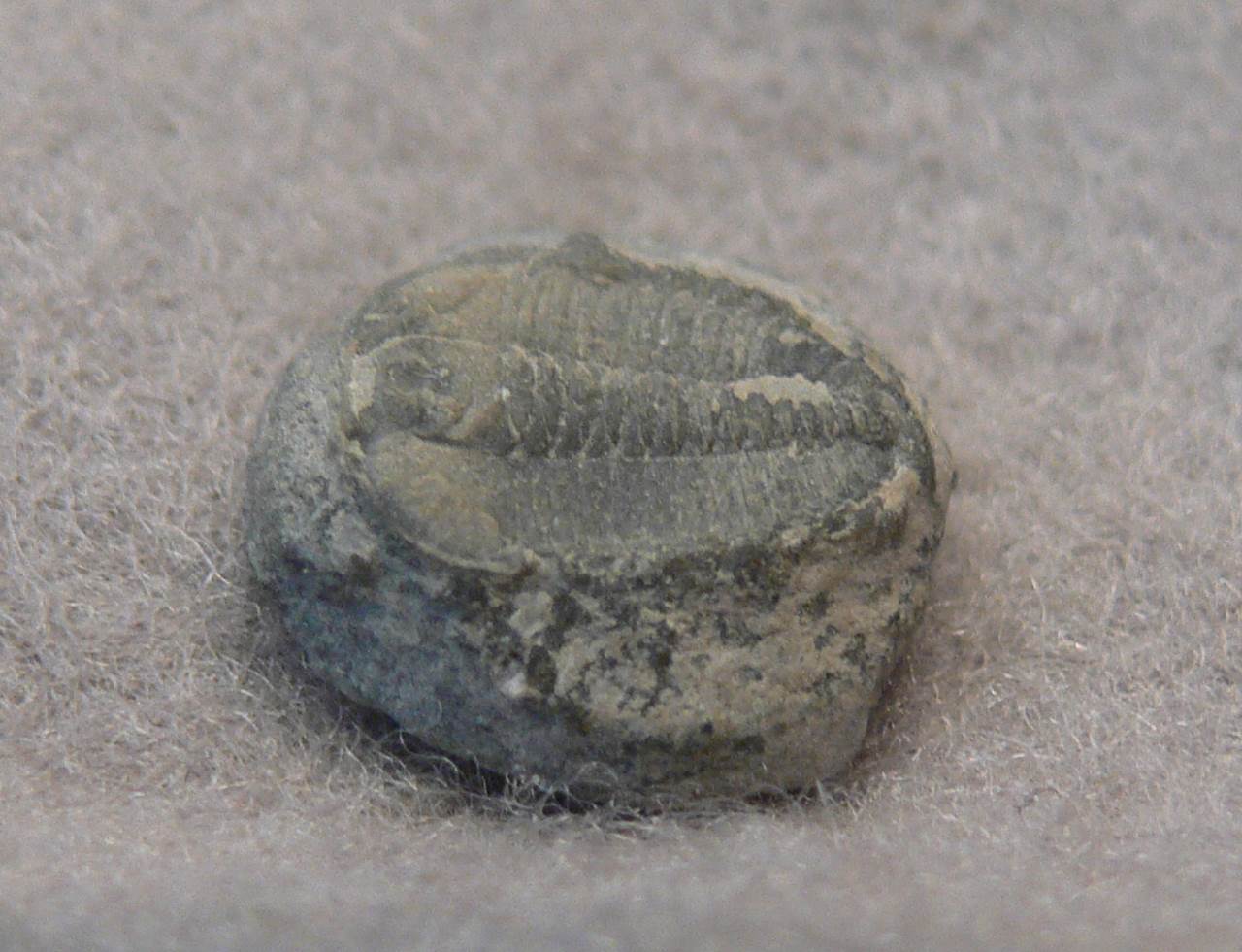 |
| Brachyaspidion microps #TBM10376 Lower Cambrian, 530 million years old Wheeler shale form. Millard County, Utah, U.S.A. Size: 0.56 inch / 1.4 cm Price: | 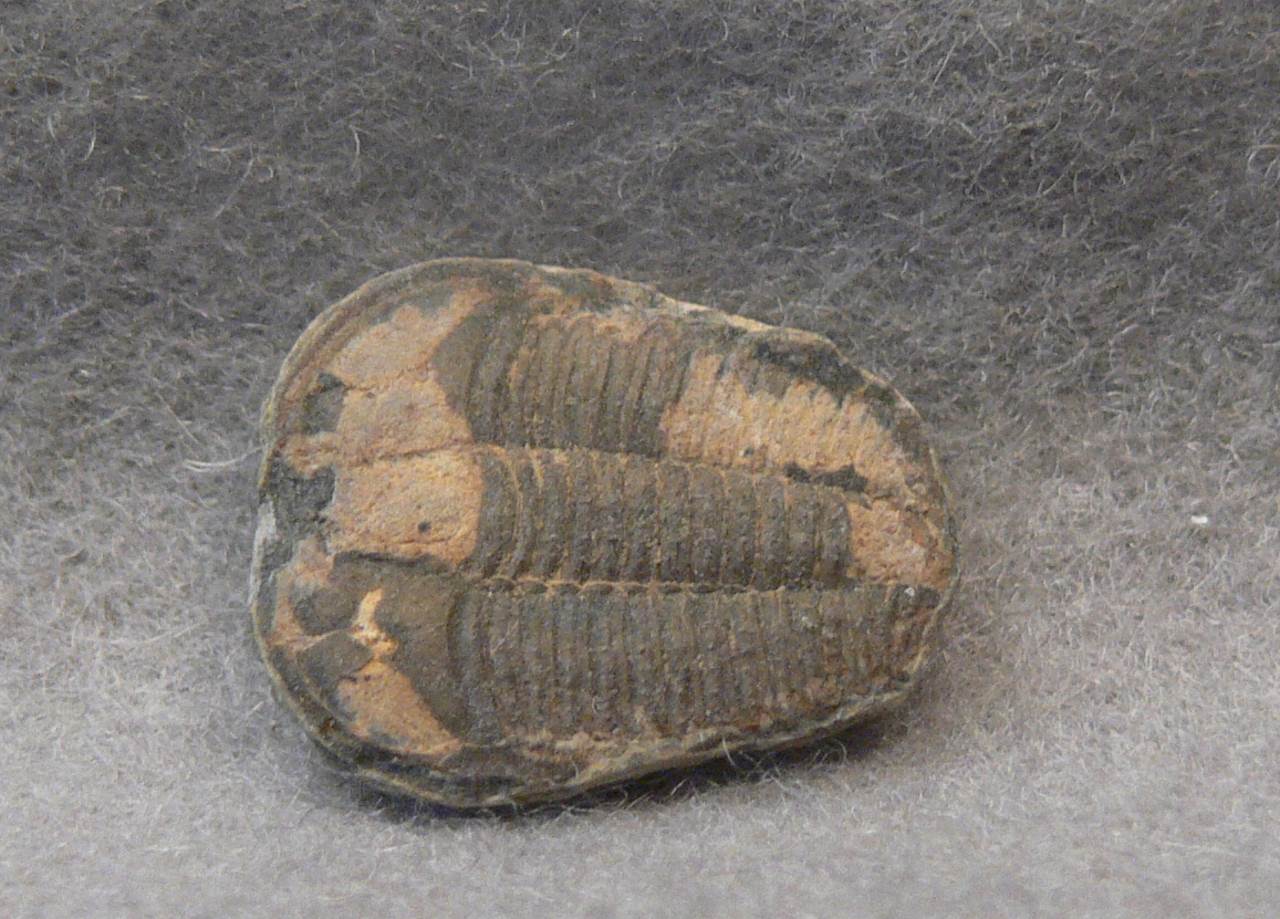 |
| Micmacca sp. #TMS10391 Upper Lower Cambrian / 521 Million years old Sbel Ougnat, Anti Atlas, Morocco Size trilobite: 0.44 inch / 1.1 cm Price: | 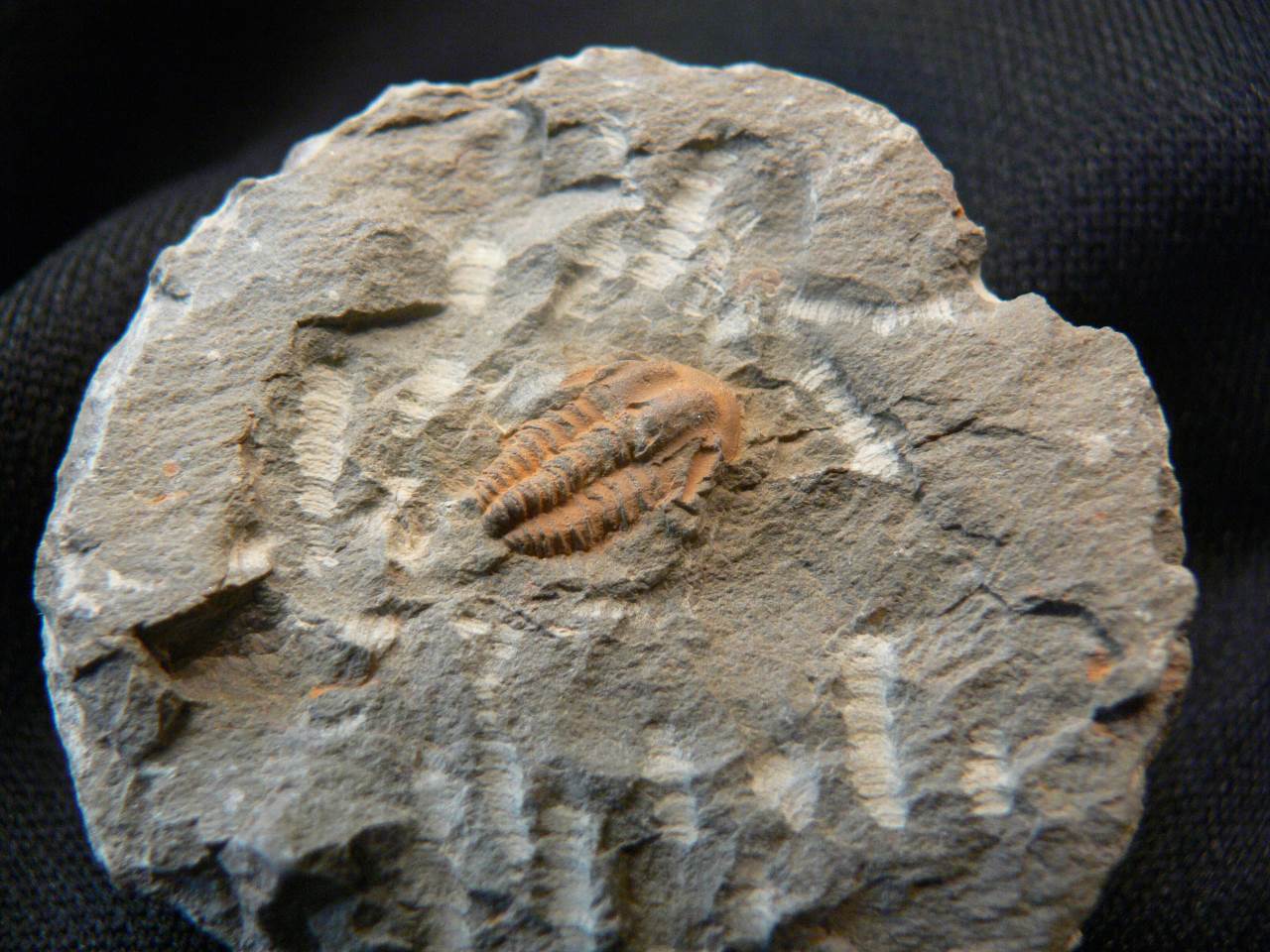 |
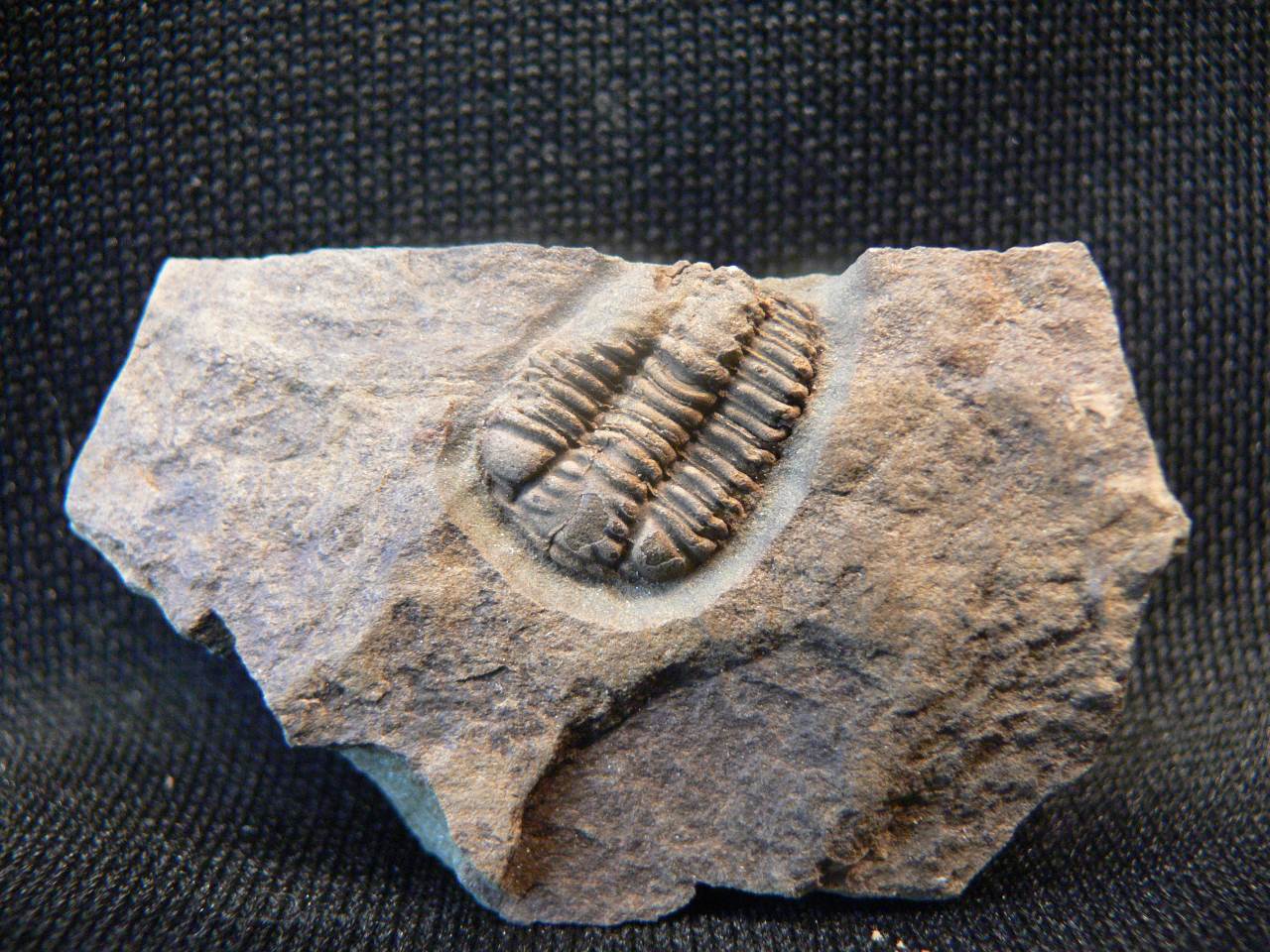 | Placoparia tournemini #TPP10337 (Rerialt) Llanvrin, Darriwilian/ M. Ordovician / 465 Million years old / Volungo formation Volunga & Camales, Portugal Size trilobite: 0.64 inch / 1.6 cm Price: |
| Hydrocephalus minor minor #THM9162 partial. Onymagnostus hybridus zone Lower Cambrian, 530 million years old Jince, Czech Republic Size: 2.8 inch / 7 cm Price: Euro | 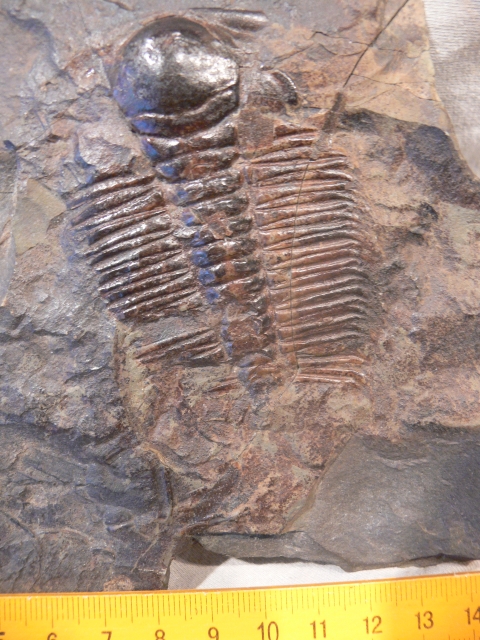 |
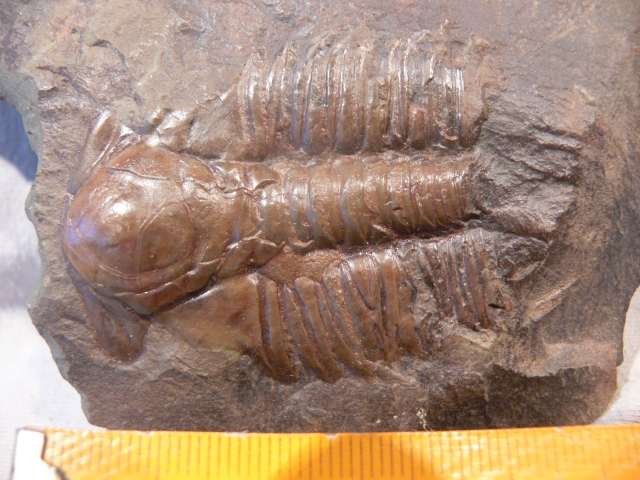 | Hydrocephalus minor minor #THM9167 partial. Onymagnostus hybridus zone Lower Cambrian, 530 million years old Jince, Czech Republic Size: 2 inch / 5 cm Price: Euro |
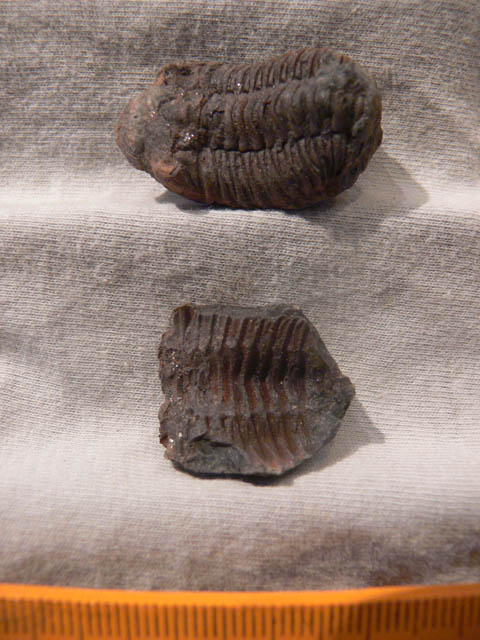 | Metacrypaheus (Eldredgeia) cf. venustus #TMR7555 (Wolfart) Pos/Neg Nodule Trilobite, Sicasica formation M. Devonian, Givetian, 388 million years old Tikani, Estacion de Bombeo, Dep. Laz Paz, Bolivia Size: 1.4 inch / 3 cm Price: Euro |
| Ectillaenus sarkaensis #1205 Ordovician, 450 million years old Sarka, Prague, Czech Republic Size trilo.: 1 inch / 2.5 cm Price: Euro | 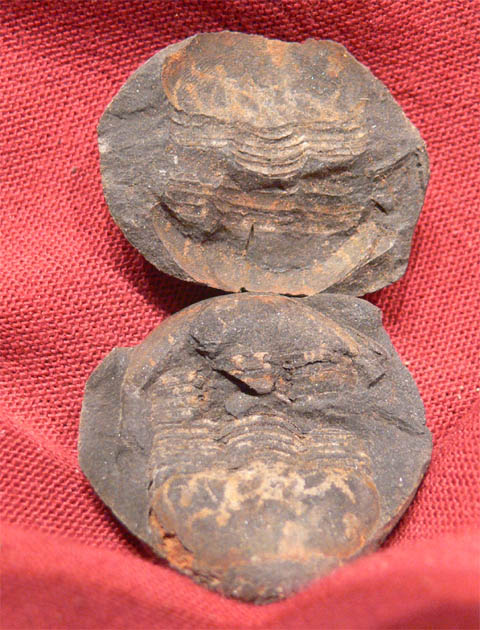 |
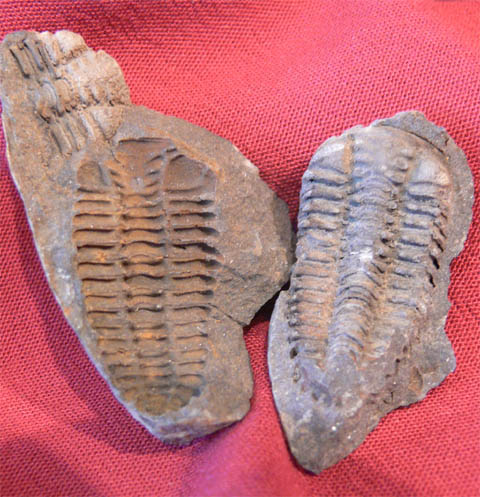 | Placoparia zippei #1224 Pos/Neg Ordovician, 450 million years old Sarka, Prague, Czech Republic Size trilo.: 1.28 inch / 3.2 cm Price: Euro |
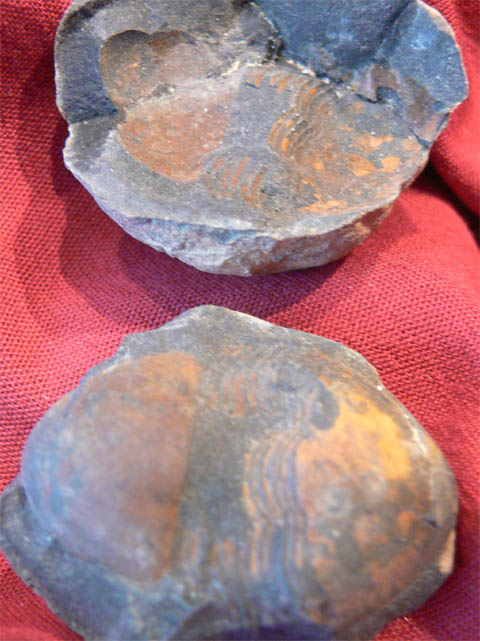 | Ectillaenus katzeri #1241 Pos/Neg Ordovician, 450 million years old Osek, Czech Republic Size trilo.: 1.4 inch / 3.5 cm Price: Euro |
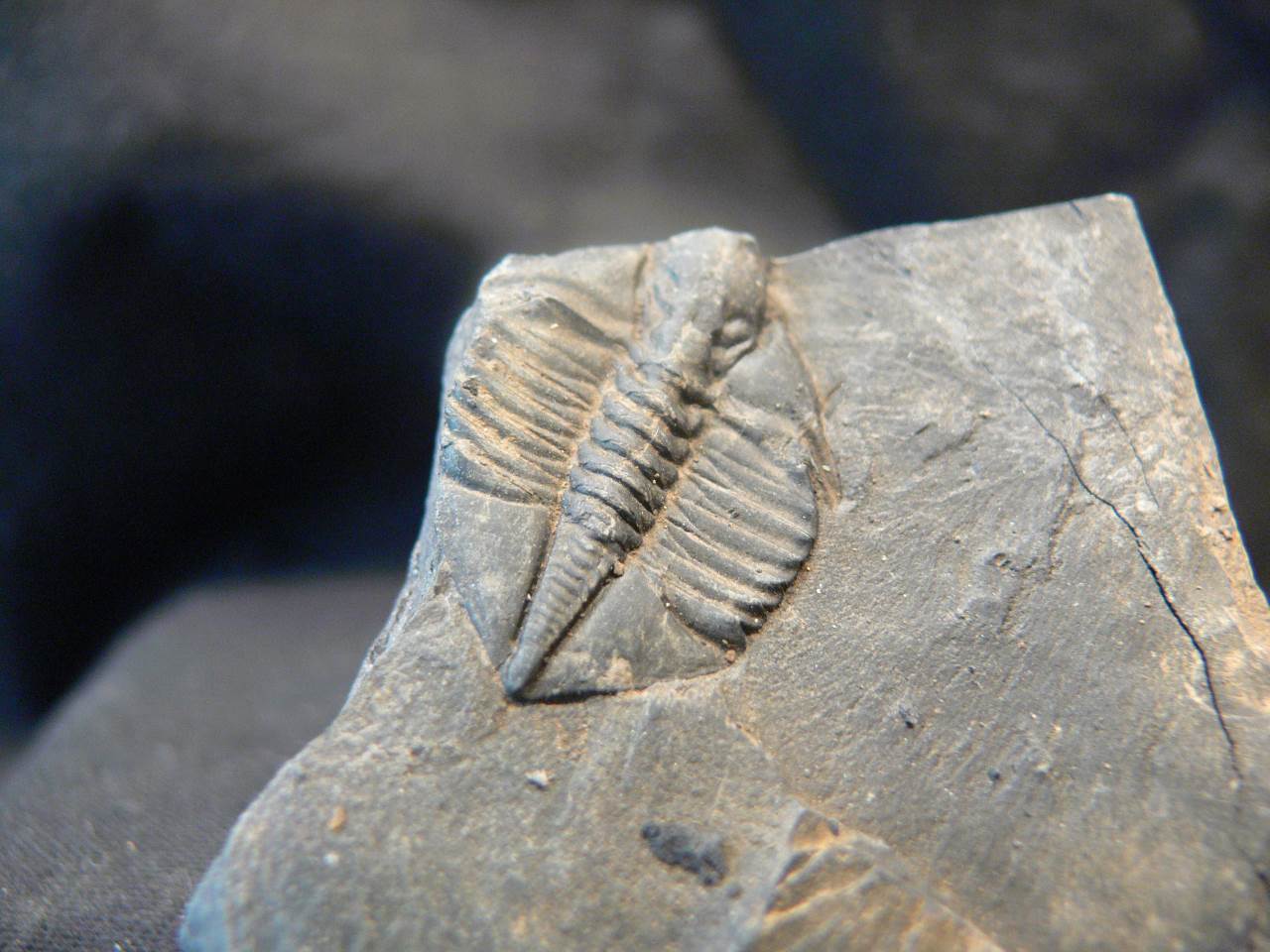 | Ampyx linleyensis#TAL10514 L. Llanvrin, Darriwilian/ M. Ordovician / 467 Million years old / Hope shales Munsterley, Shropshire, U.K. Size trilobite: 0.96 inch / 2.4 cm Price: |
| Paradoxides gracilis #TPG9170 partial Rare. Paradoxides gracilis zone Lower Cambrian, 530 million years old Jince, Czech Republic Size trilo.: 3.6 inch / 9 cm Price: | 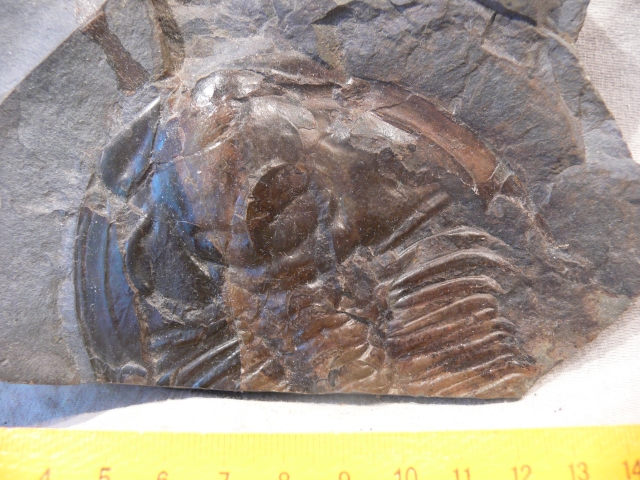 |
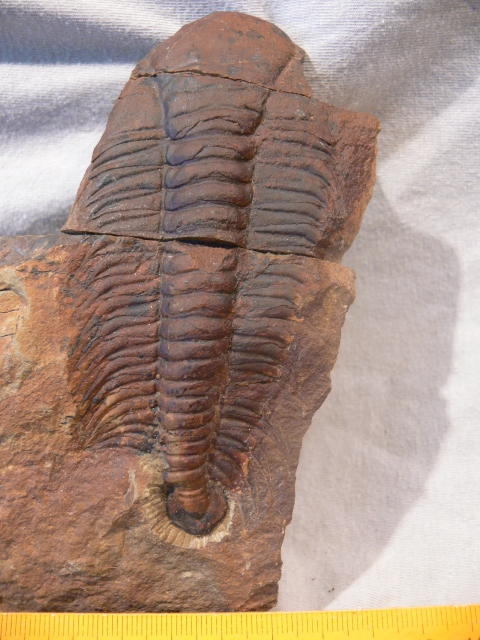 | Paradoxides gracilis #TPG9171 partial Rare. Paradoxides gracilis zone Lower Cambrian, 530 million years old Jince, Czech Republic Size trilo.: 4.4 inch / 11 cm Price: |
| Hydrocephalus minor minor #THM8013 partial Pos/Neg. Onymagnostus hybridus zone Lower Cambrian, 530 million years old Jince, Czech Republic Size: 4.8 inch / 12 cm Price: |  |
| Hydrocephalus minor minor #TPG7843 1% repair on cracks Rare. Onymagnostus hybridus zone Lower Cambrian, 530 million years old Jince, Czech Republic Size trilo.: 4 inch / 12.5 cm Price: |  |
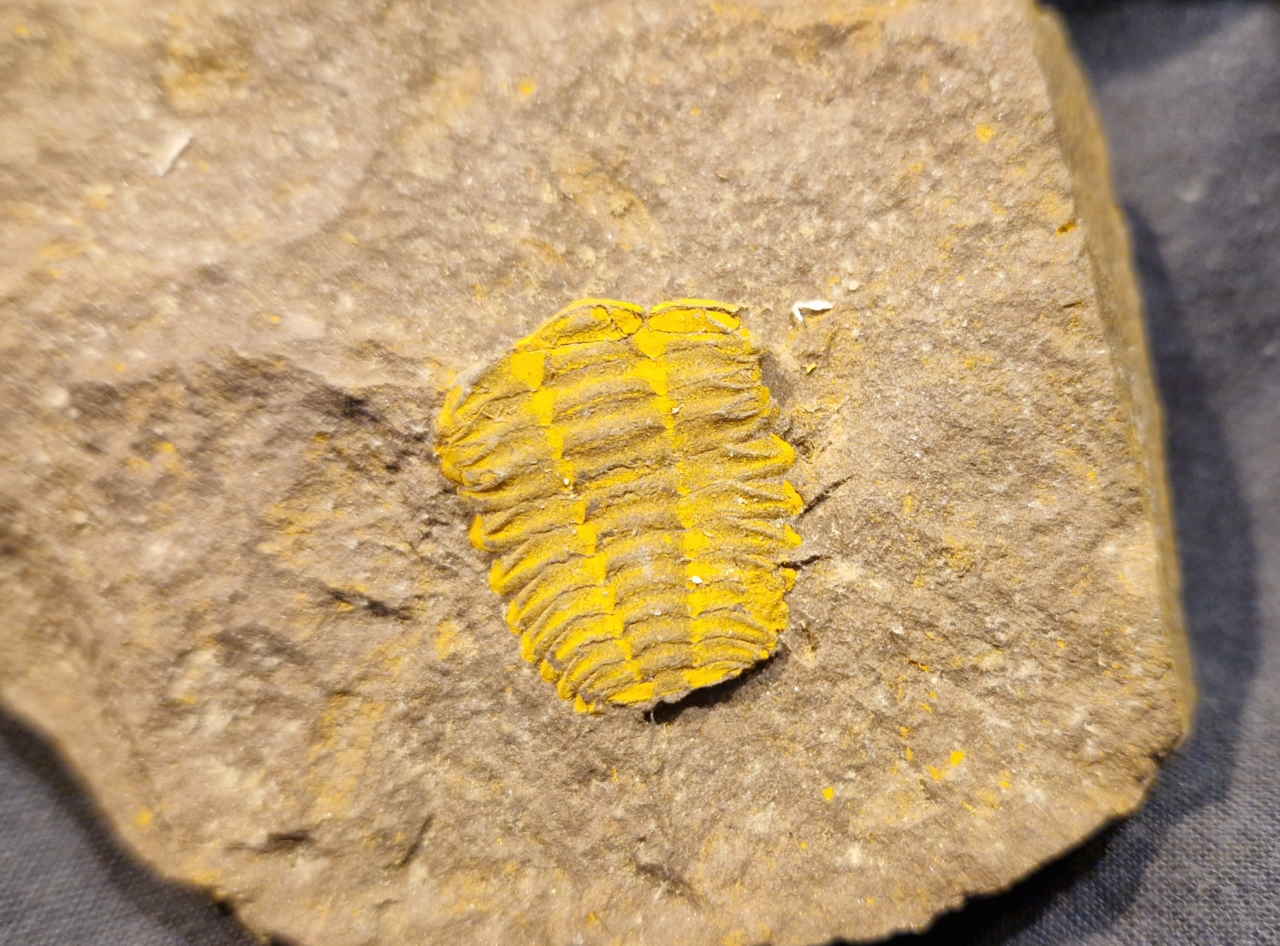 |
Ellipsocephalus vetustus #TCR4663 Jince formation Lower Cambrian, 530 million years old Rejkovice, Czech Republic Size trilo.: 0.84 inch / 2.1 cm Price: |
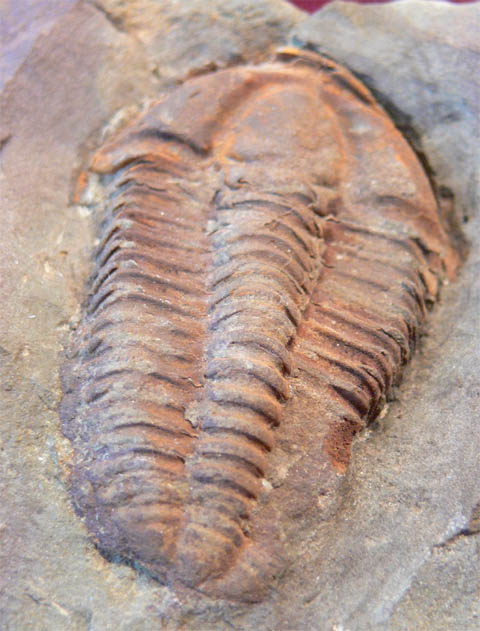 | Conocoryphe cirina #1231 Lower Cambrian, 530 million years old Jince, Czech Republic Size trilo.: 1.72 inch / 4.3 cm Price: |
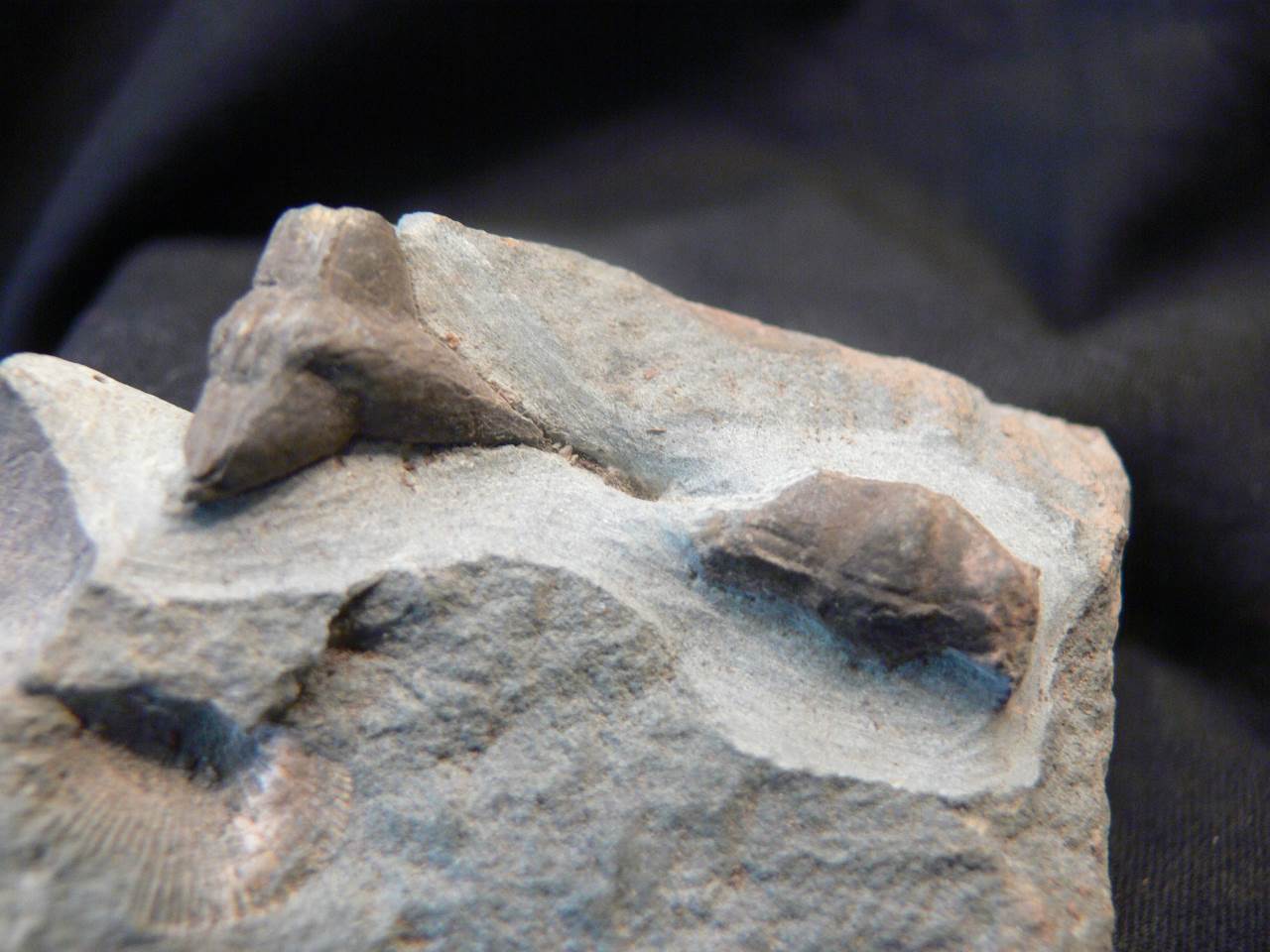 | 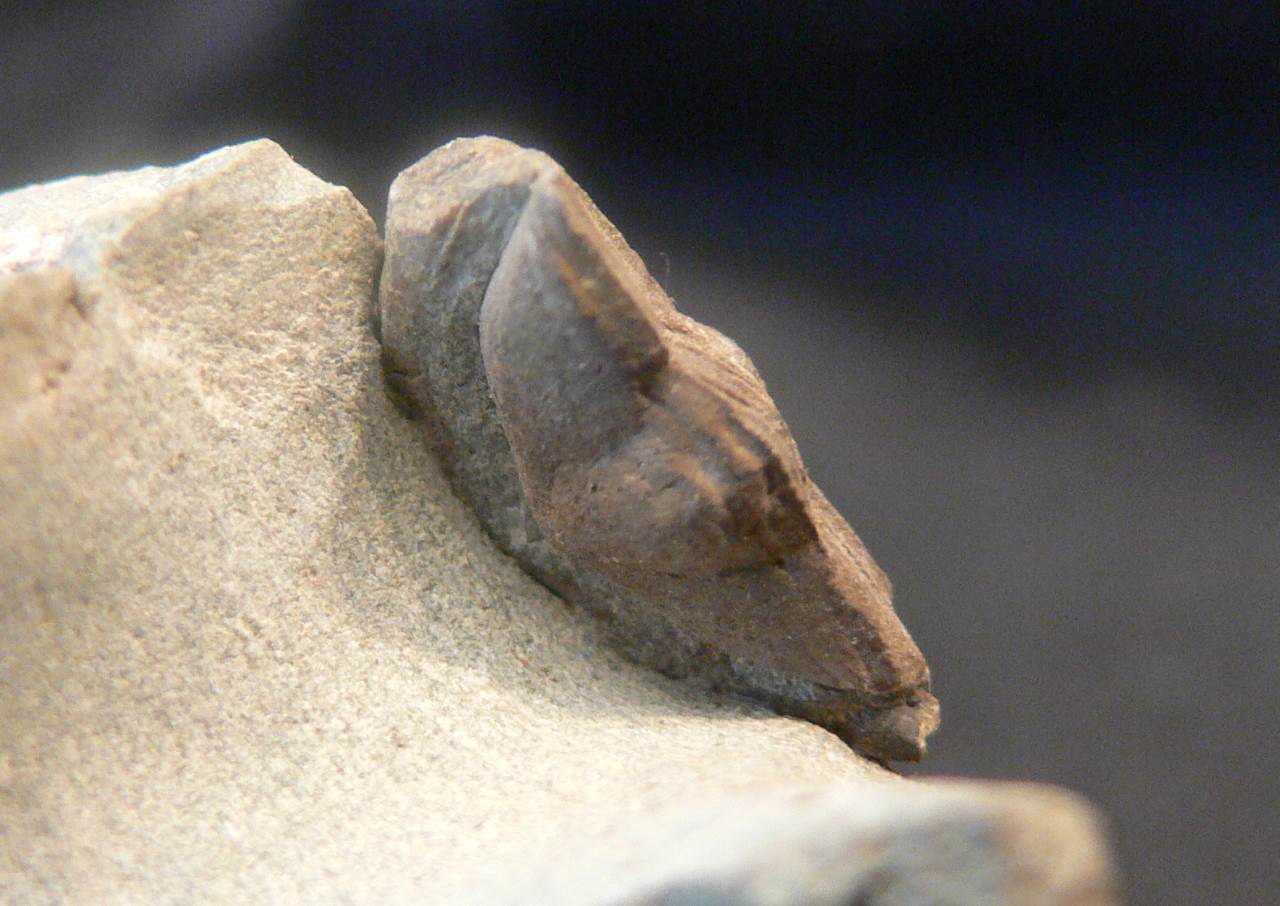 |
| Above left front sideand right back side | Lonchodomas drummuckensis#TCD10496 (Reed) Very rare U. Ordovician / Himantian / Ashgill series 444 Million years old / Drummunc group Girvan, Ayrshire, Scotland Size 2 trilobite span: 1.6 inch / 4 cm Price: |
| Ampyx linleyensis#TAL10524 L. Llanvrin, Darriwilian/ M. Ordovician / 467 Million years old / Hope shales Shelve Inlier, Shropshire, U.K. Size trilobite: 0.88 inch / 2.2 cm Price: |  |
| Parabolina spinulosa #TPS10442 (Wahlenberg) Upper Cambrian / 490 Million years old Dolgellai series, Foel Gron, North Wales Size trilobite: 0.56 inch / 1.2 cm Price: | 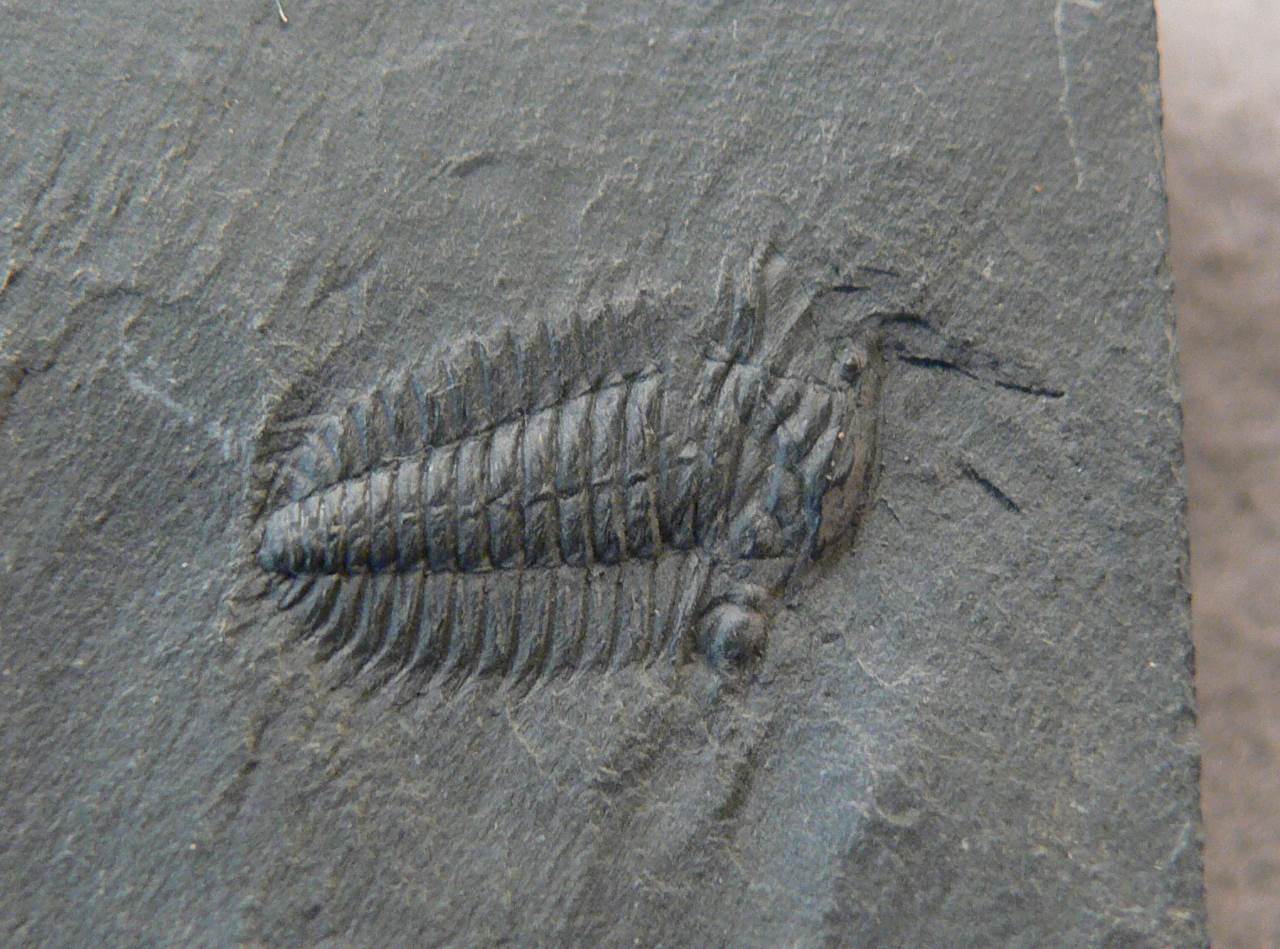 |
| Ellipsocephalus hoffi #TEH9964 Pos/Neg. Matrix 11 by 18 cm Lower Cambrian, 530 million years old Jince, Czech Republic Size: 0.72 inch / 1.8 cm Price: | 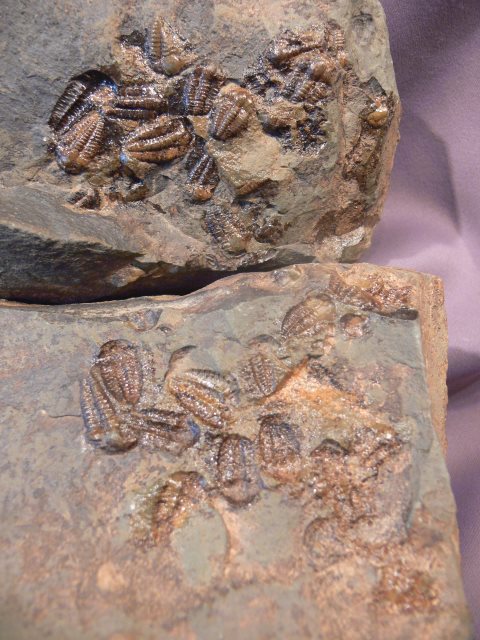 |
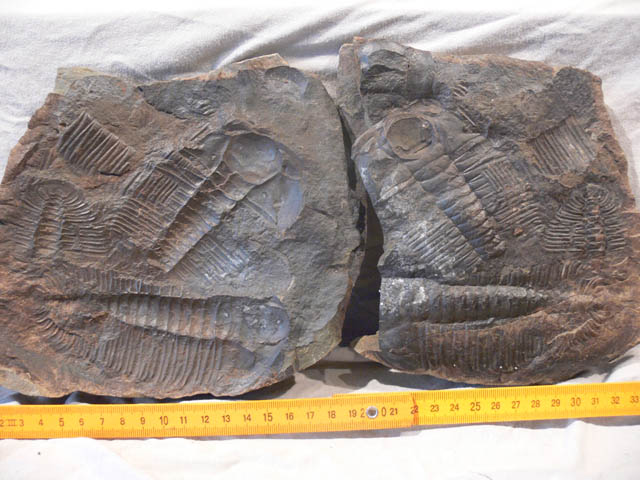 | Hydrocephalus minor minor #TPG7842 Rare pos/neg. Onymagnostus hybridus zone Lower Cambrian, 530 million years old Jince, Czech Republic Size matrix: 7.6 by 6.8 inch / 19 by 17 cm Price: |
| Conocoryphe sulzeri #1221 Lower Cambrian, 530 million years old Jince, Czech Republic Size trilo.: 1.6 inch / 4 cm Price: | 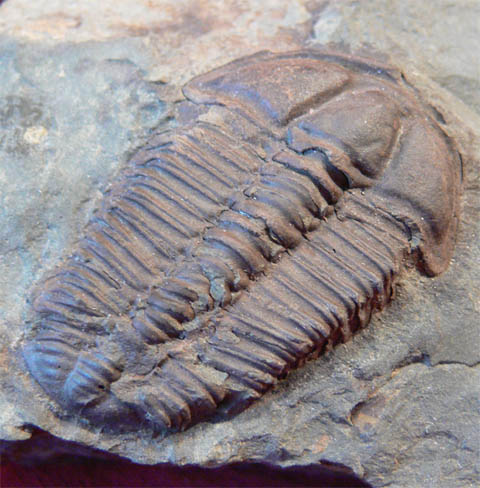 |
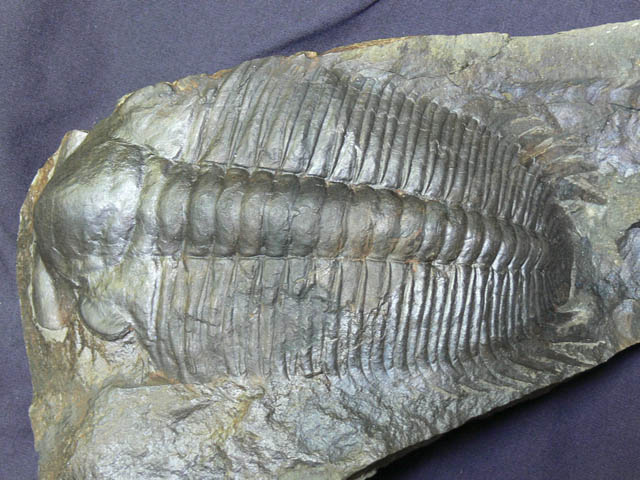 | Hydrocephalus minor minor #924 Rare. Onymagnostus hybridus zone Lower Cambrian, 530 million years old Jince, Czech Republic Size plate: 7.2 by 3.6 inch / 18 by 9 cm Size trilo.: 4.8 inch / 12 cm Price: |
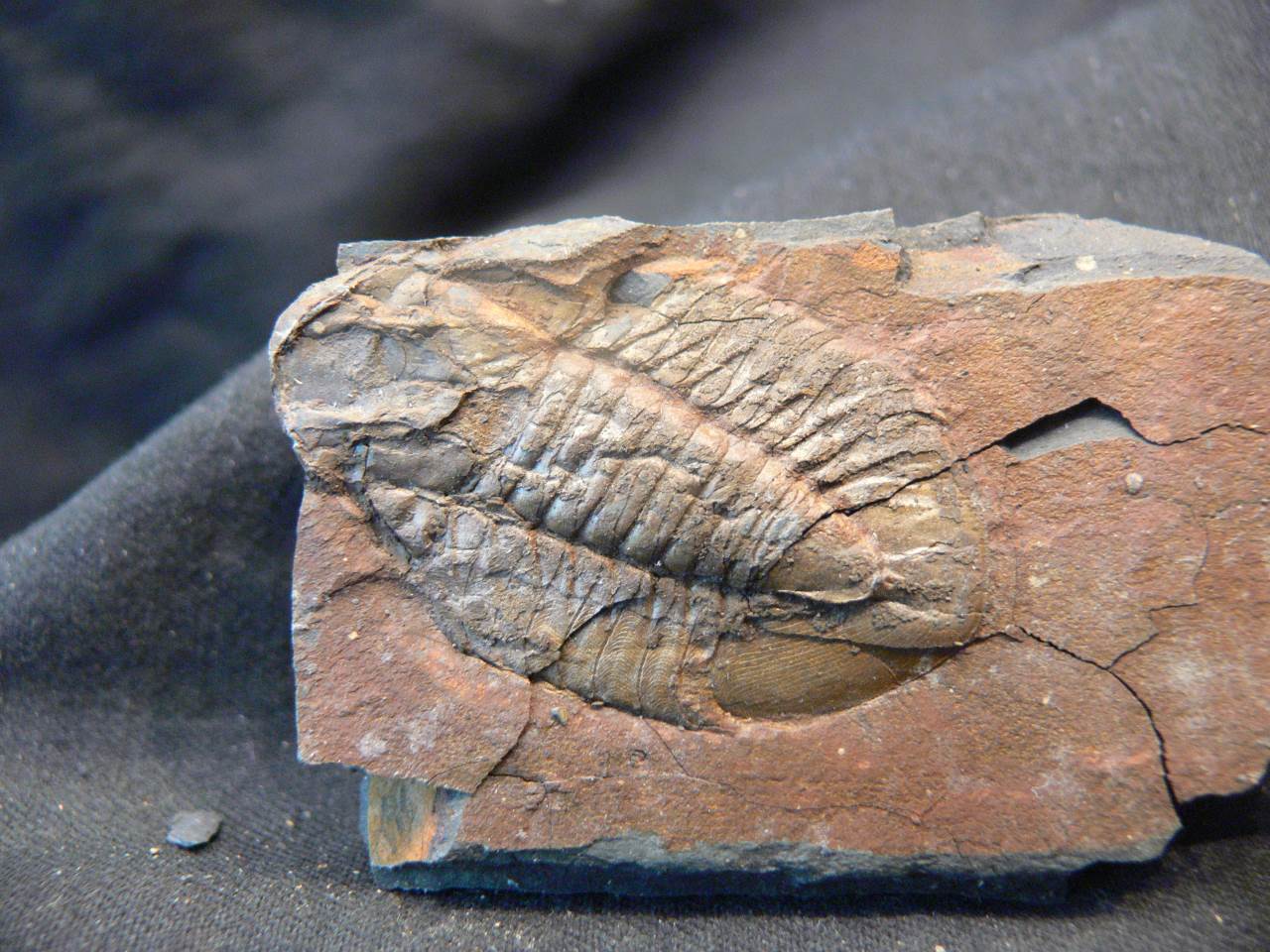 | Barrandia homfrayi#TBH10564 L. Llanvrin, Darriwilian/ M. Ordovician / 467 Million years old / Hope shales Shelve Inlier, Shropshire, U.K. Size trilobite: 1.64 inch / 4.1 cm Price: |
| Barrandia homfrayi#TBH10565 L. Llanvrin, Darriwilian/ M. Ordovician / 467 Million years old / Hope shales Shelve Inlier, Shropshire, U.K. Size trilobite: 1.2 inch / 3 cm Price: | 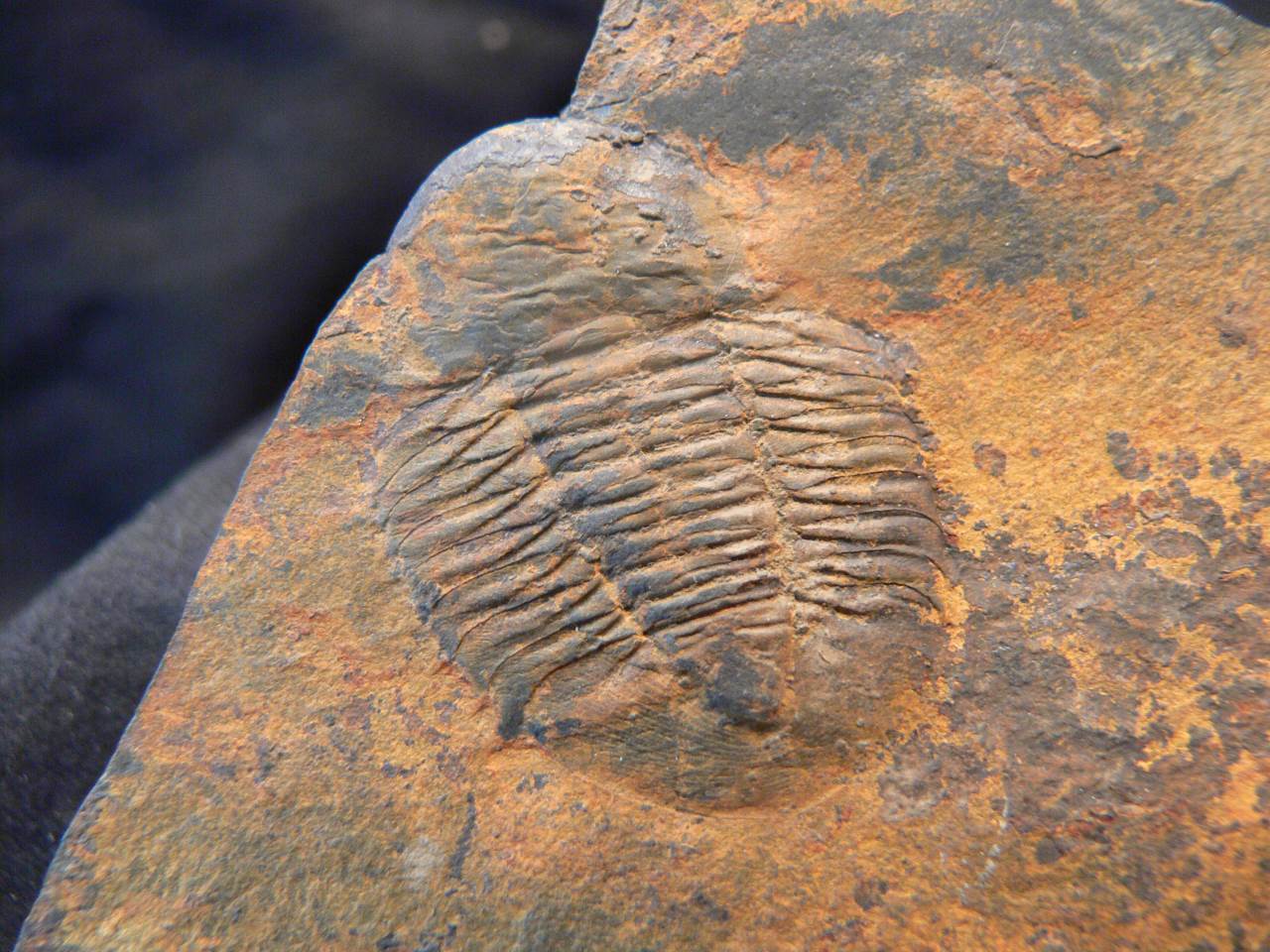 |
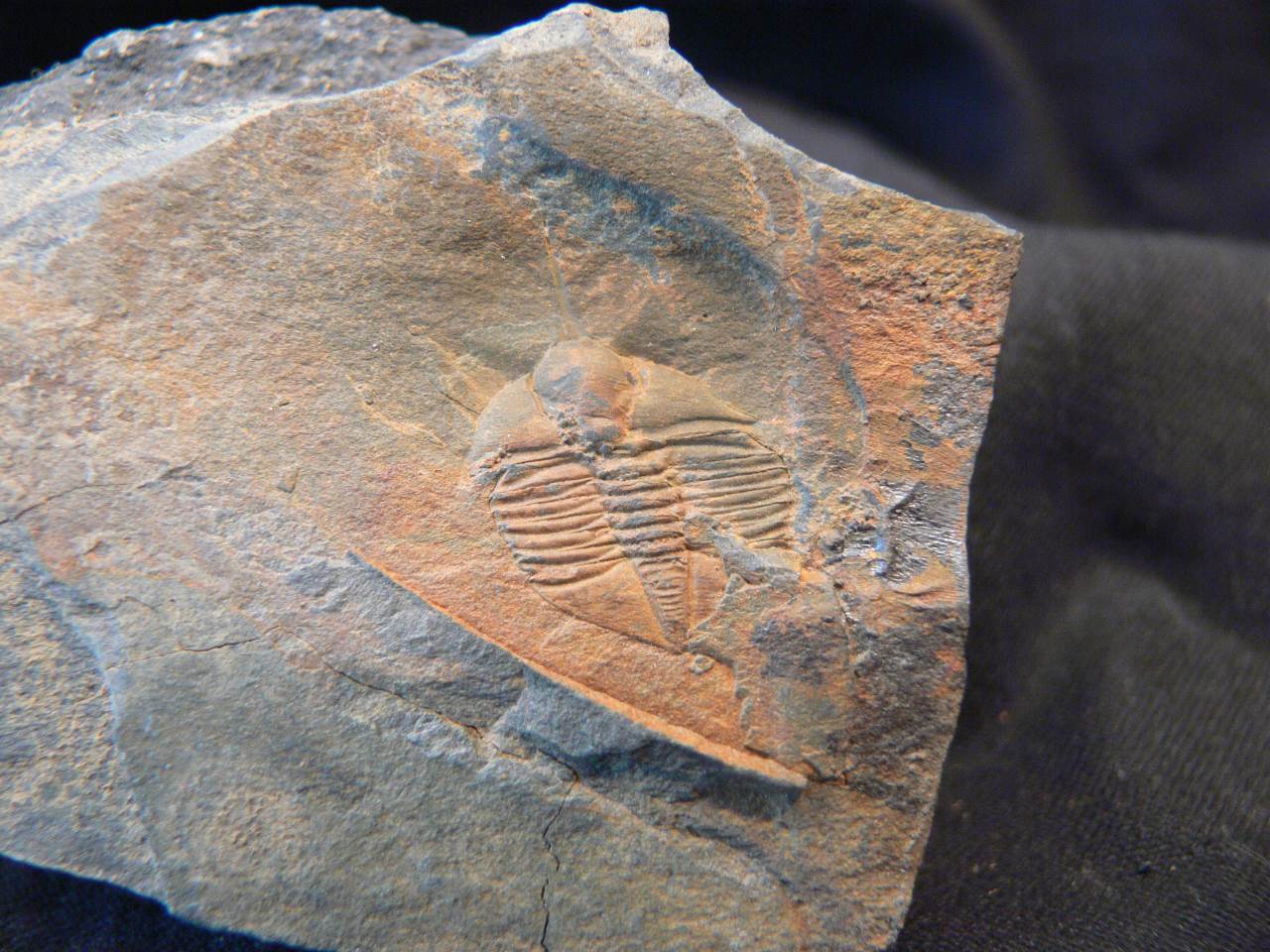 | Ampyx linleyensis#TAL10523 L. Llanvrin, Darriwilian/ M. Ordovician / 467 Million years old / Hope shales Shelve Inlier, Shropshire, U.K. Size trilobite: 0.56 inch / 1.4 cm Price: |
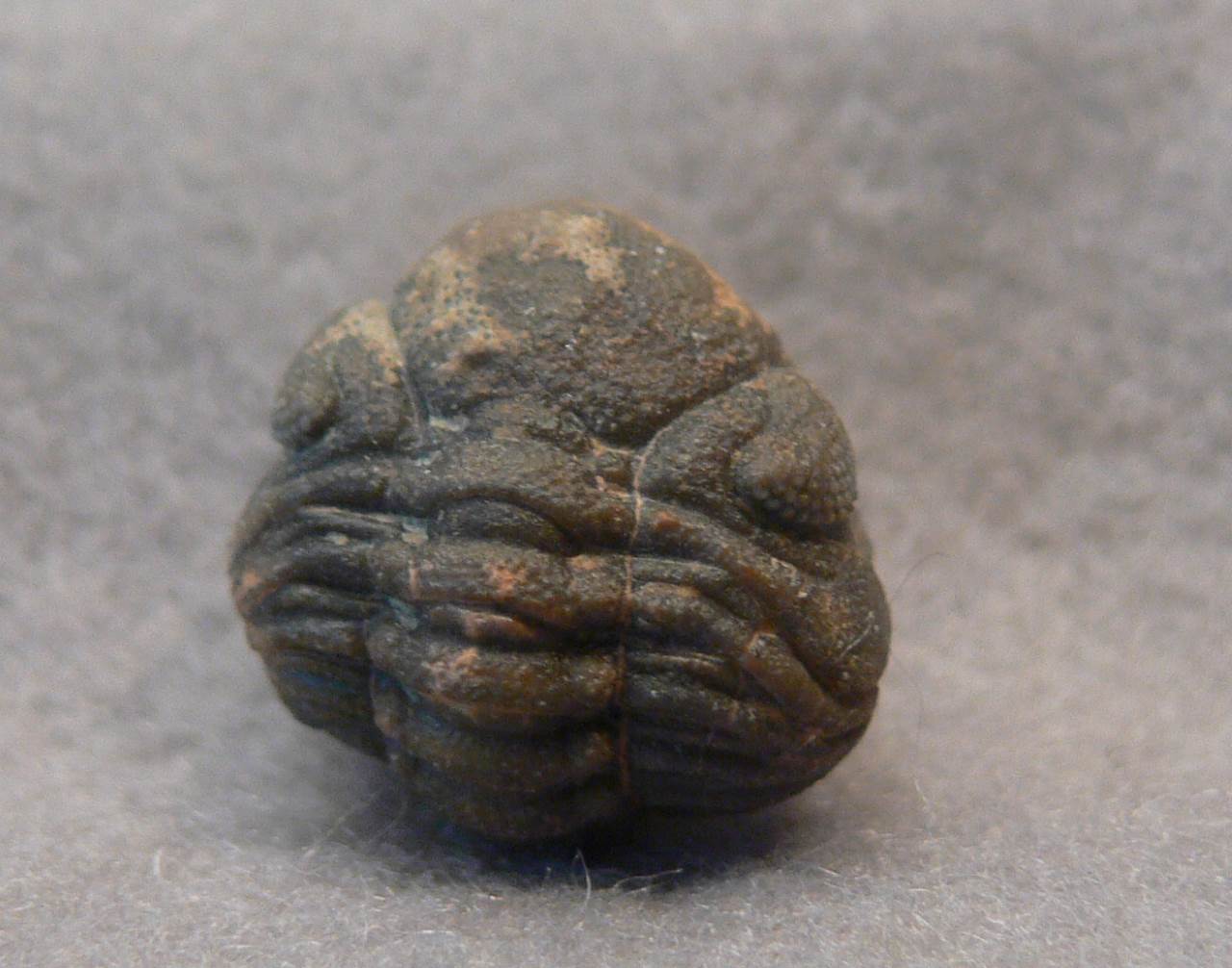 | Pedinopariops sp. #TRS10436 U. Devonian / 360 Million years old Mauritanian plateau, S. Spanish Sahara Size trilobite: 0.48 inch / 1.3 cm wide Price: |
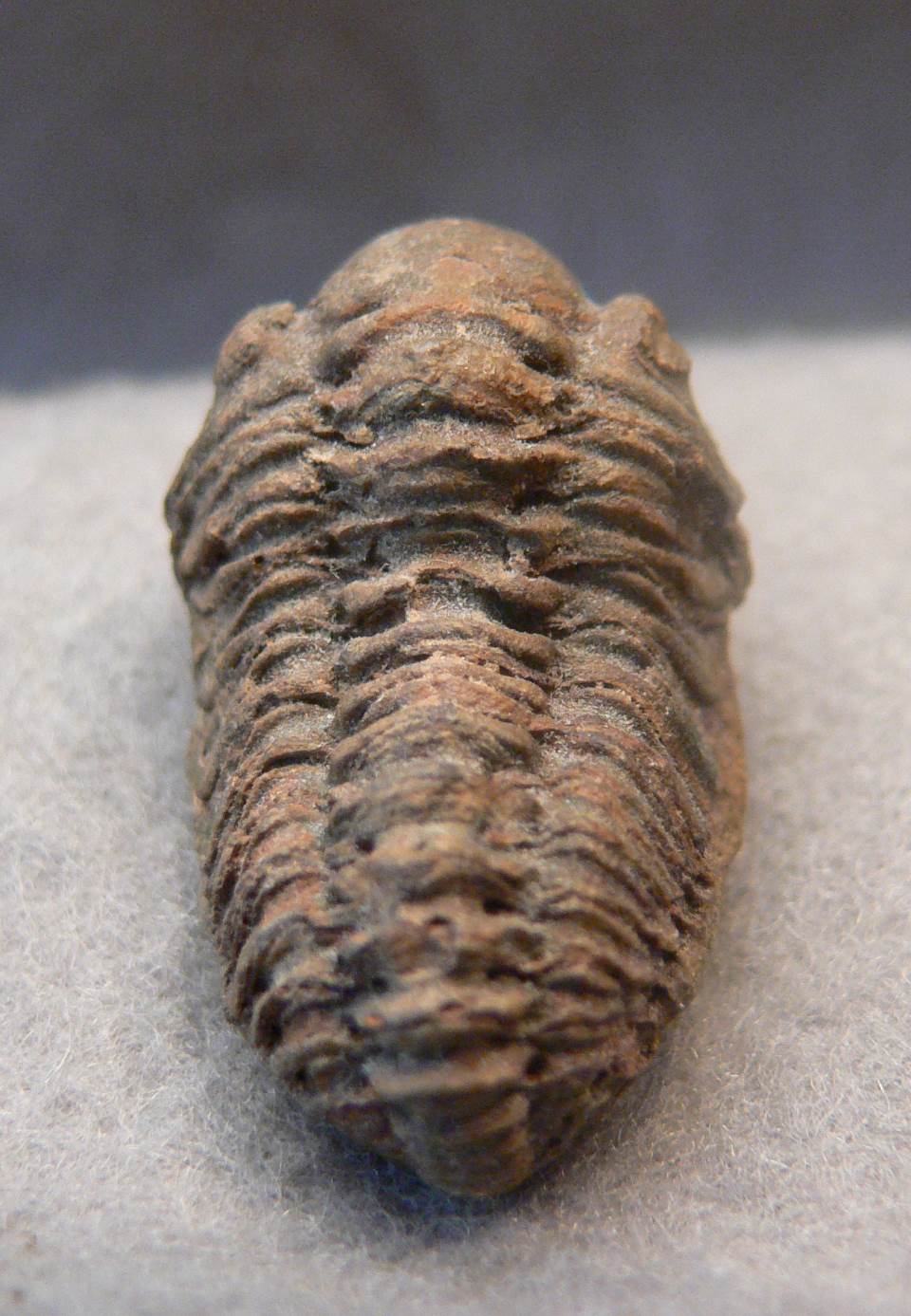 | Pennia venuelli #TPV10440 (d' Orbigny) L. Devonian / 405 Million years old Belen form. Patacamaga, Bolivia Size trilobite: 1 inch / 2.5 cm Price: |
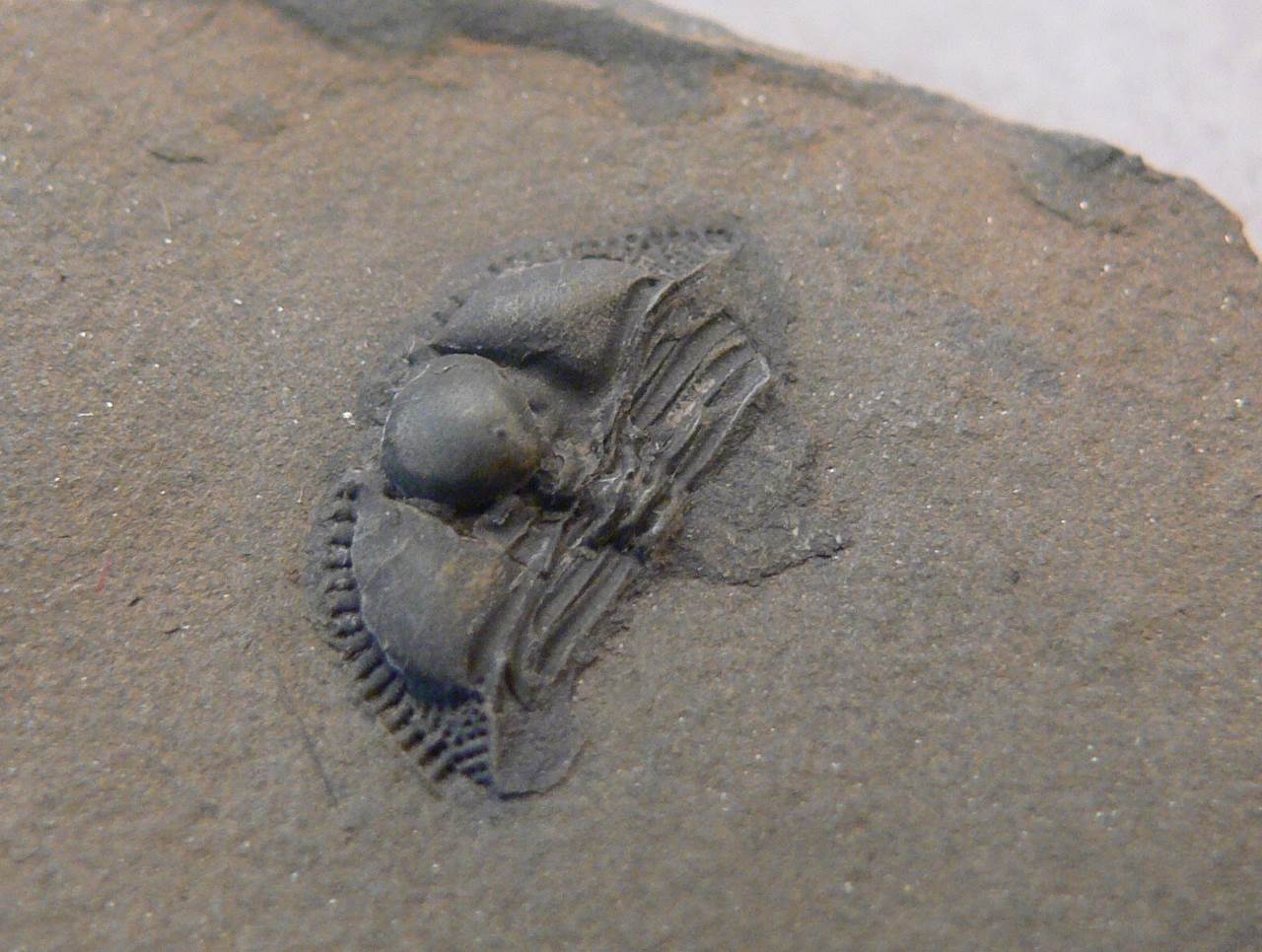 | Bergamia prima #TBP10444 Llanvrin, Darriwilian/ M. Ordovician / 465 Million years old Builth Inlier, Wales Size trilobite: 0.6 inch / 1.5 cm wide Price: |
| Pennia venuelli #TPT10407 (d' Orbigny) L. Devonian / 405 Million years old Chacoma, Bolivia Size trilobite: 1 inch / 2.5 cm Price: |  |
 | Malvinella buddeae #TMB10364 (Lieberman) L. Devonian / Sicasica form. / 405 Million years old La Paz, Bolivia Size trilobite: 0.8 inch / 2 cm Price: |
| Metacryphaeus venestus #TMV10369 L. Devonian / Belen form. / 405 Million years old La Paz, Bolivia Size trilobite: 1.6 inch / 4 cm wide Price: | 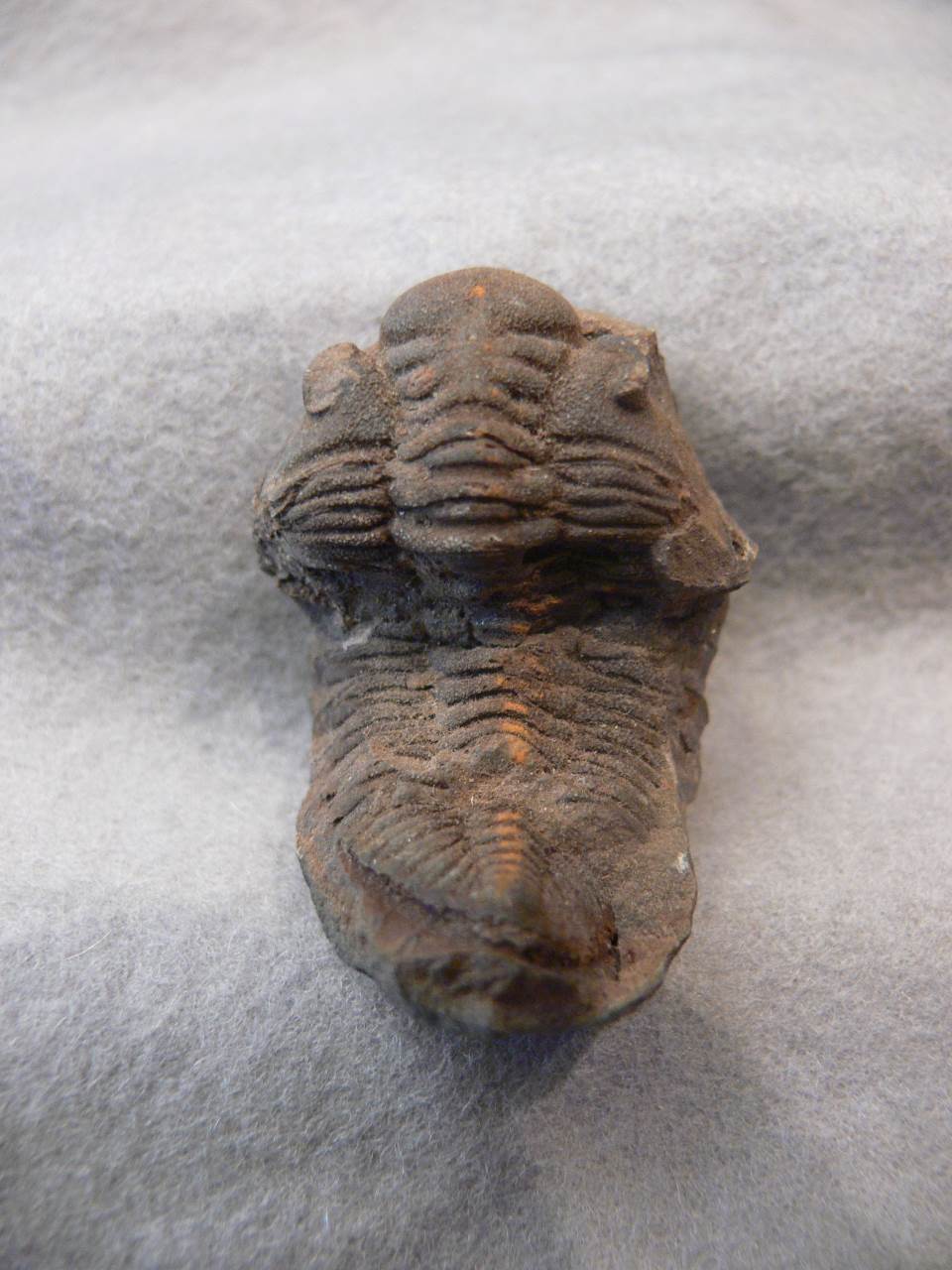 |
| Bumastus loxus #TBL10379 Wenlock, M. Silurian, 430 million years old Lockport, New York, U.S.A. Size: 0.8 inch / 2 cm Price: | 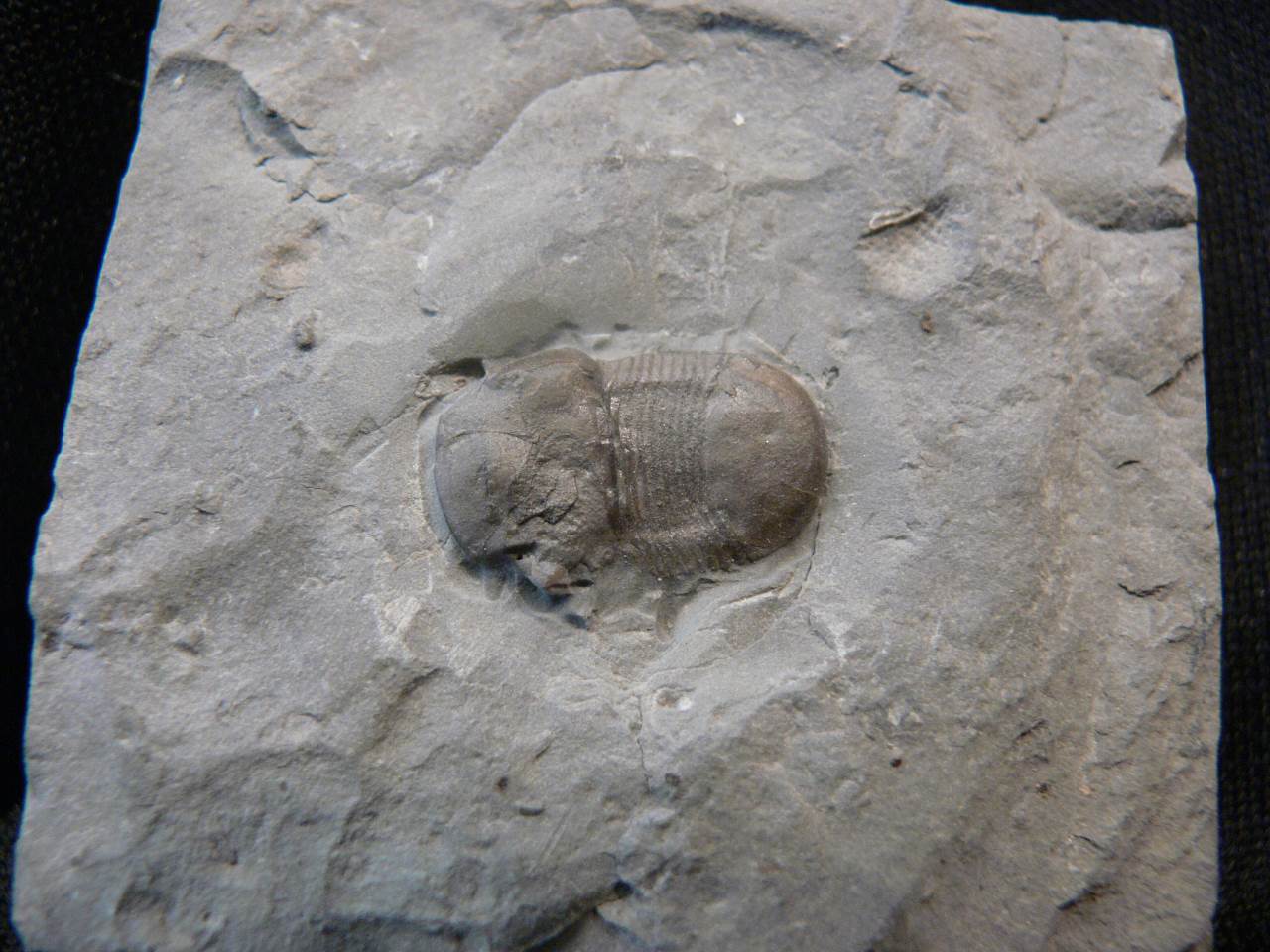 |
| Leonaspis sieberti #TLS10383 (Bane 2004) Emsian, L. Devonian / 400 Million years old Rupbach Slate, Heckelmann Muhle, Germany Size trilobite: 0.84 inch / 2.1 cm Price: | 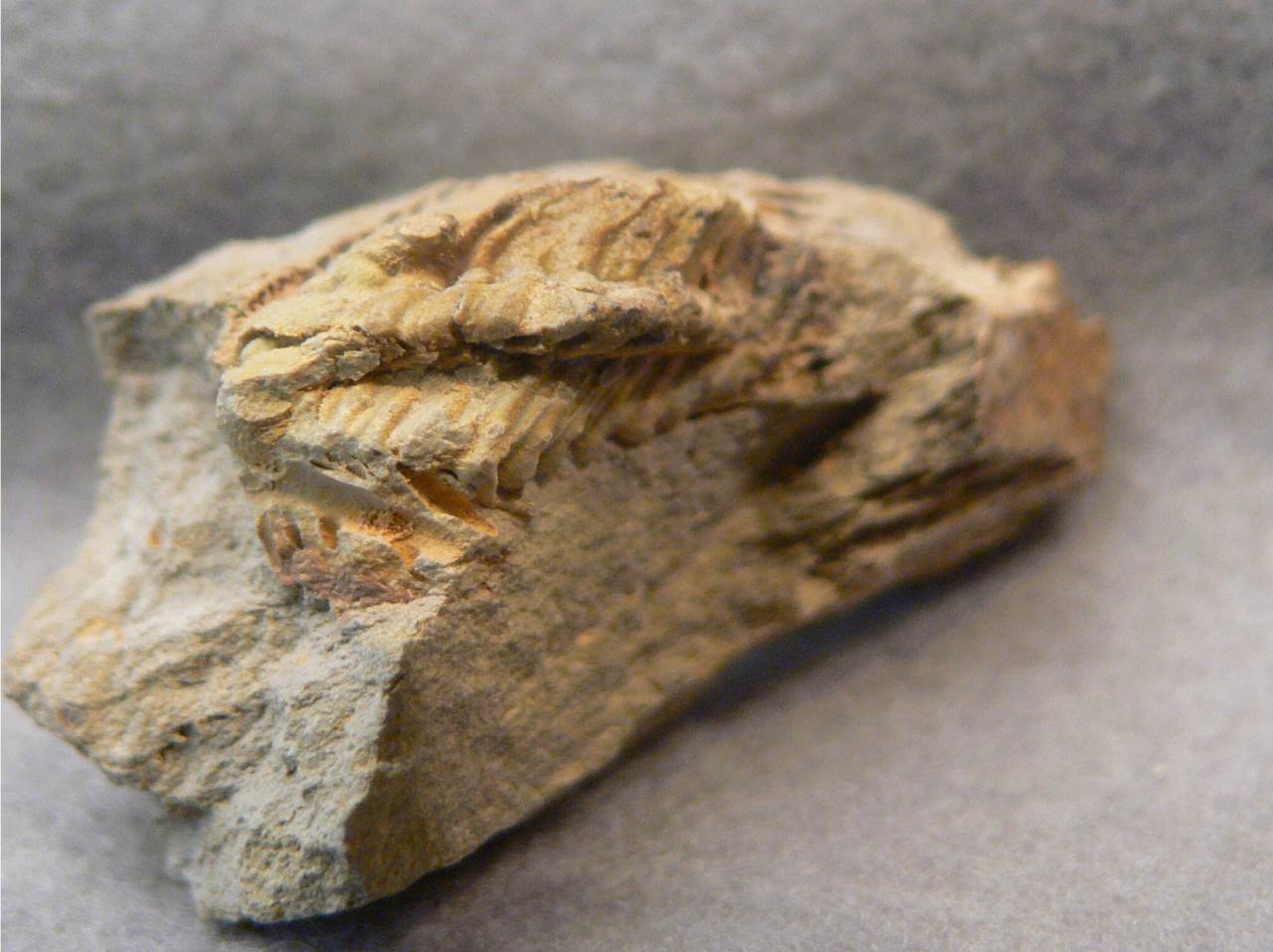 |
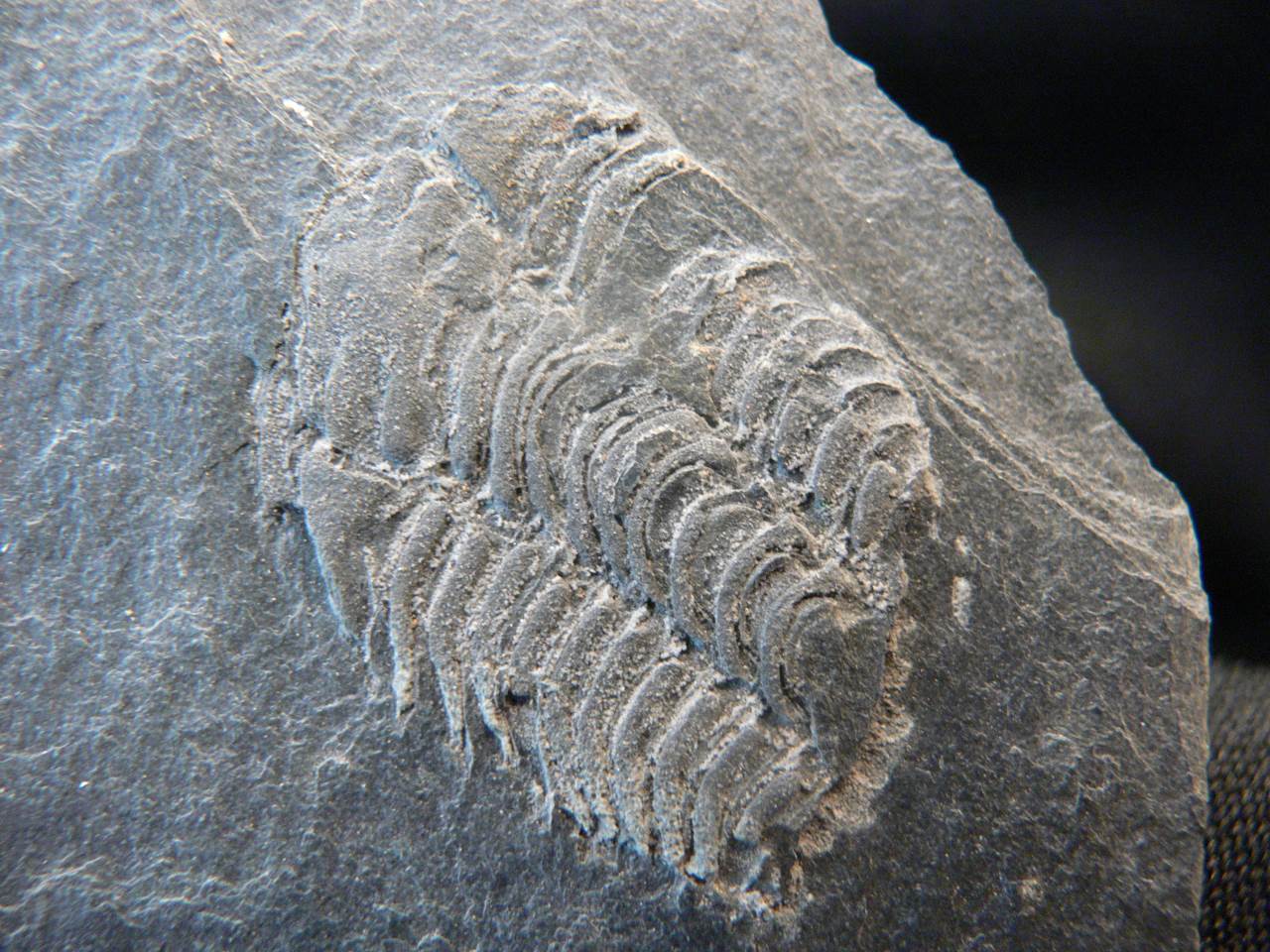 | Placoparia cambriensis #TPP10330 (Canelas 2009) Llanvrin, Darriwilian/ M. Ordovician / 465 Million years old / Volungo formation Volunga & Camales, Portugal Size trilobite: 1.4 inch / 3.5 cm Price: |
| Placoparia tournemini #TPP10338 (Rerialt) Llanvrin, Darriwilian/ M. Ordovician / 465 Million years old / Volungo formation Volunga & Camales, Portugal Size trilobite: 1.28 inch / 3.2 cm Price: | 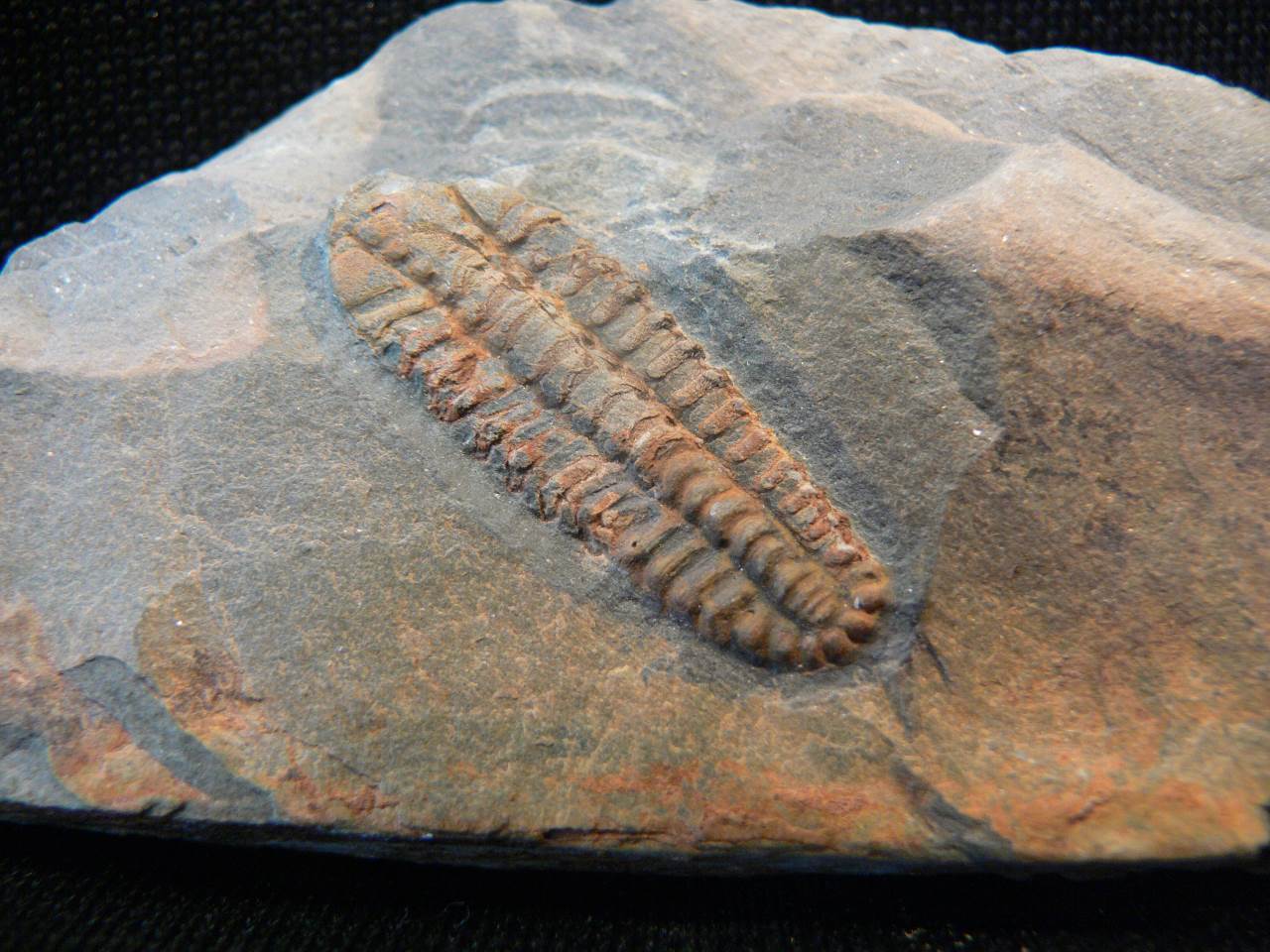 |
| Paradoxides gracilis #TEH9962 Pos/Neg. Rare Matrix 14 by 4 cm Paradoxides gracilis zone Lower Cambrian, 530 million years old Jince, Czech Republic Size: 0.88 inch / 2.2 cm Price: | 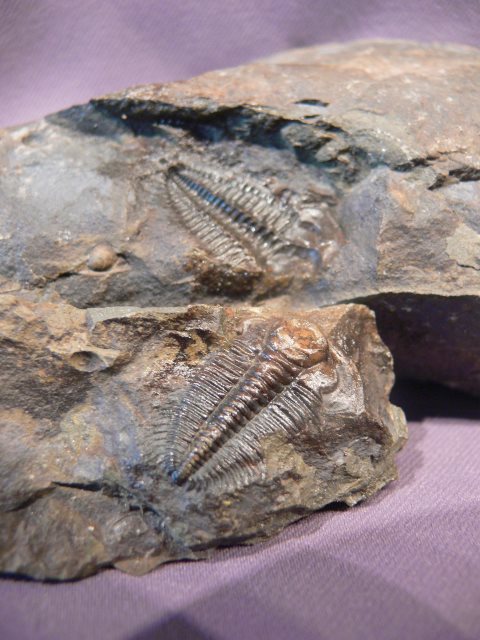 |
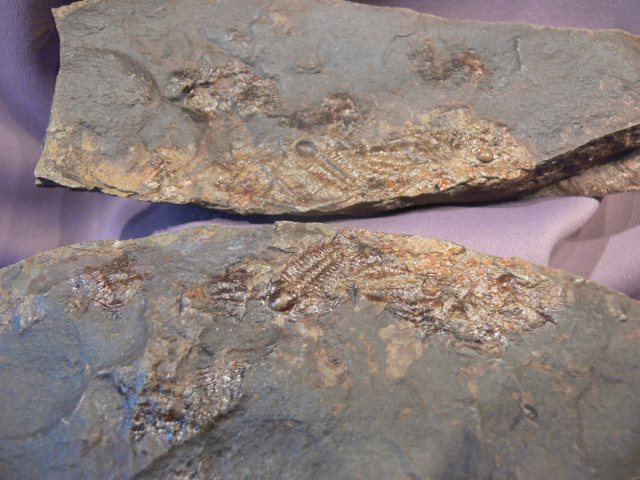 | Ellipsocephalus hoffi #TEH9963 Pos/Neg. Matrix 15 by 6 cm Lower Cambrian, 530 million years old Jince, Czech Republic Size: 0.72 inch / 1.8 cm Price: |
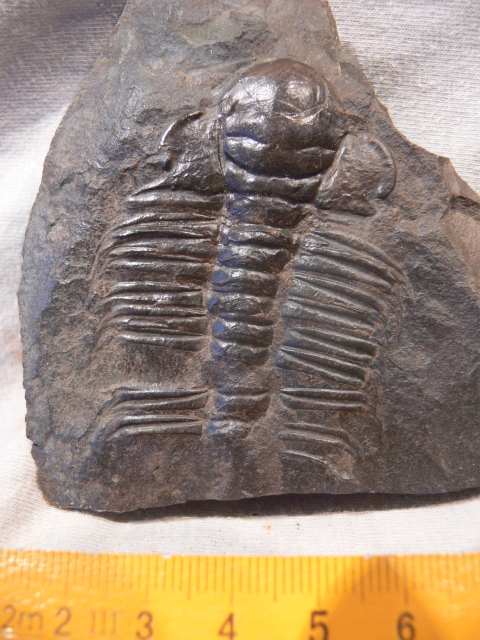 | Hydrocephalus minor minor #THM9165 partial Onymagnostus hybridus zone Lower Cambrian, 530 million years old Jince, Czech Republic Size: 2.2 inch / 5.5 cm Price: |
| Hydrocephalus minor minor #THM9166 partial. Onymagnostus hybridus zone Lower Cambrian, 530 million years old Jince, Czech Republic Size: 2.8 inch / 7 cm Price: | 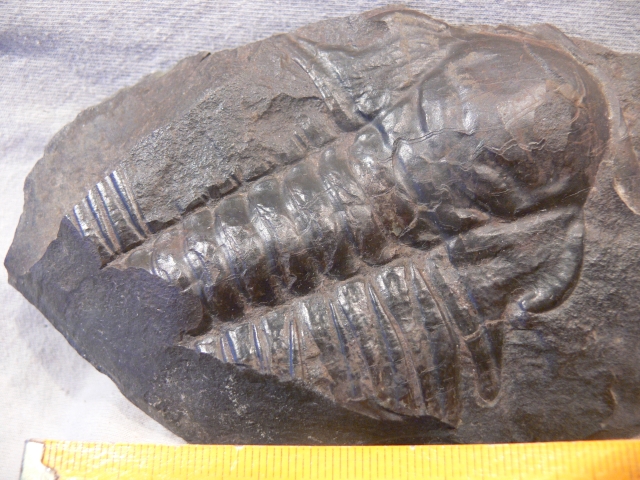 |
| Concocoryphe cirina #TCC7765 Lower Cambrian, 530 million years old Jince, Czech Republic Size left trilo.: 1.68 inch / 4.2 cm Price: Euro | 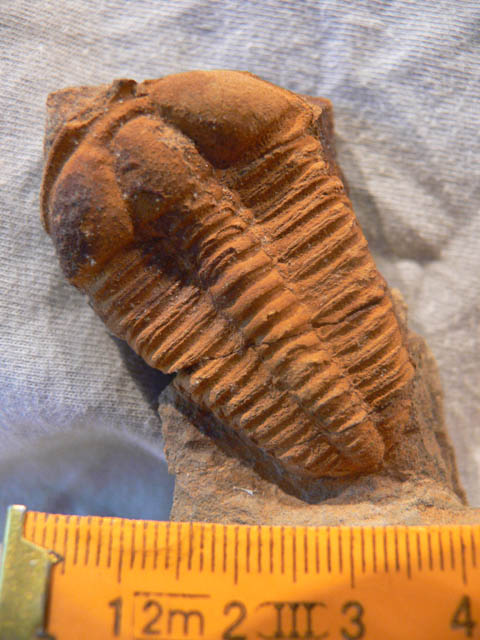 |
| Ptychoparia striata #TPS7752 Paradoxides gracilis zone Lower Cambrian, 530 million years old Jince, Czech Republic Size trilo.: 2.04 inch / 5.1 cm Price: | 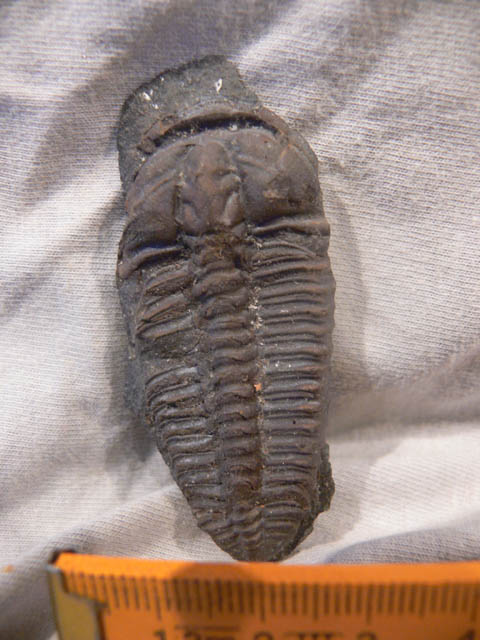 |
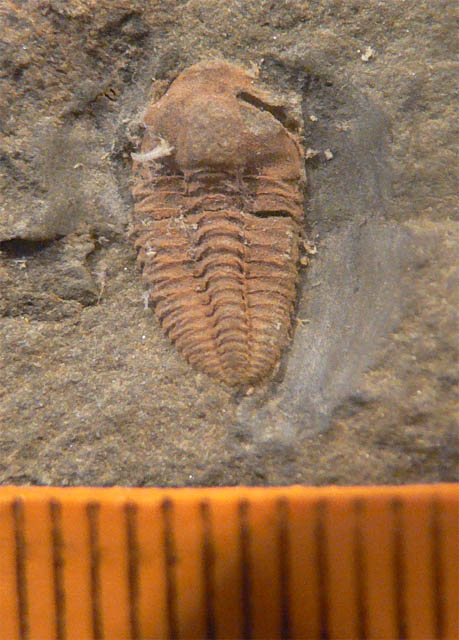 | Litavkaspis rejckoviciensis #TLR7755 Lower Cambrian, 530 million years old Potucek, Czech Republic Size trilo.: 0.36 inch / 0.9 cm Price: |
 | Aulacopleura konincki #TAK7758 Wenlock, Silurian, 426 million years old Lodenice, Czech Republic Size trilo.: 0.52 inch / 1.3 cm Price: |
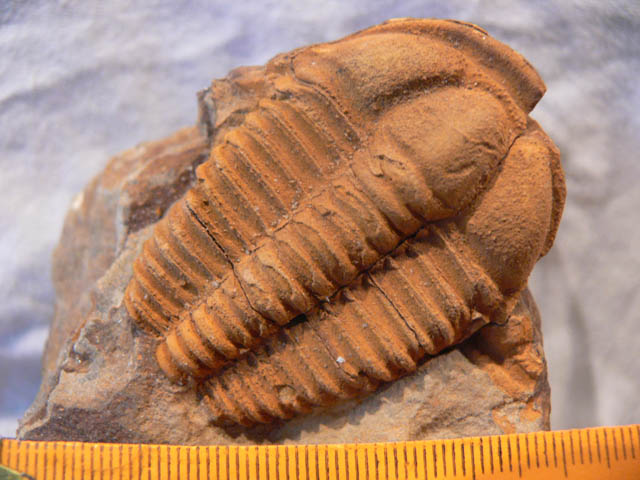 | Concocoryphe cirina #TCC7766 Lower Cambrian, 530 million years old Jince, Czech Republic Size left trilo.: 2 inch / 5 cm Price: |
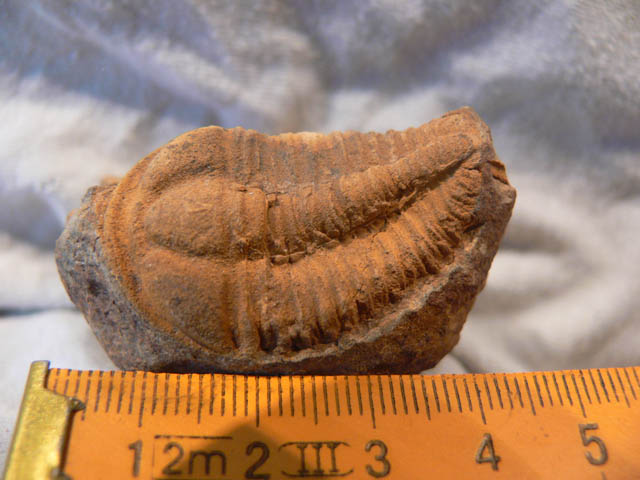 | Concocoryphe cirina #TCC7770 Lower Cambrian, 530 million years old Jince, Czech Republic Size left trilo.: 1.36 inch / 3.4 cm Price: |
| Concoryphe sulzeri #TCS7773 Paradoxides gracilis zone Lower Cambrian, 530 million years old Jince, Czech Republic Size trilo.: 1.52 inch / 3.8 cm Price: | 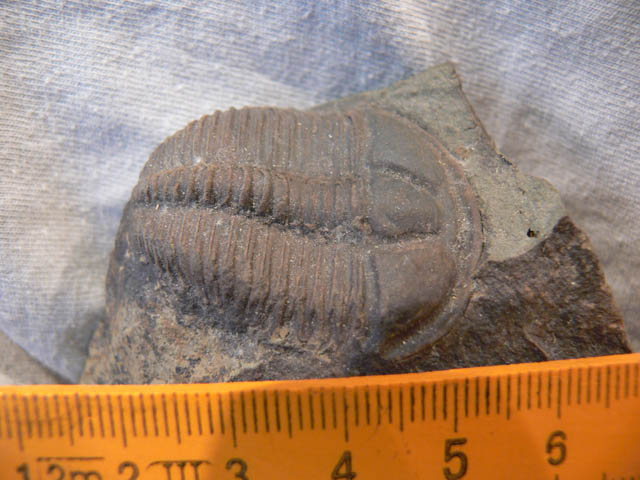 |
| Conocoryphe sulzeri #80 Lower Cambrian. 530 million years old Jince, Czech Republic. Size trilo.: 1.8 inch / 4.5 cm Price: |
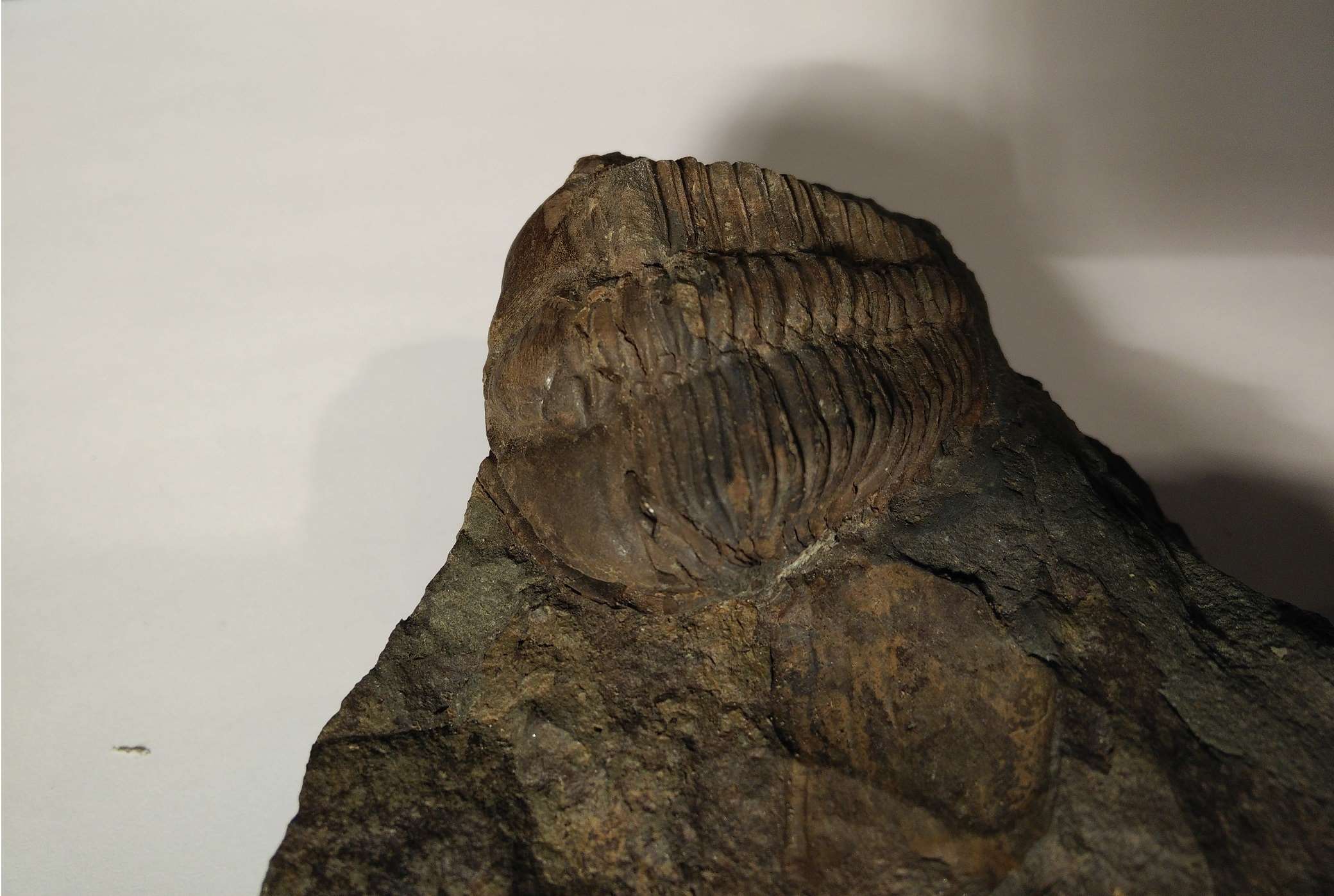 |
| Geesops sparsinodosus gallicus #TVT7302 M. Devonian, 390 million years old Vireux, France (Old Collection) Size: 0.8 inch / 2 cm Price: | 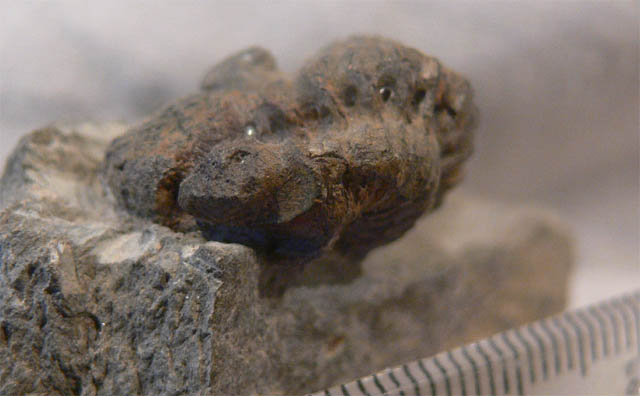 |
| Colpocoryphe bohemica #789 Rare Ordovician, Sarka form, 460 million years old Osek, Czech Republic Size trilo.: 1.72 inch / 4.3 cm Price: | 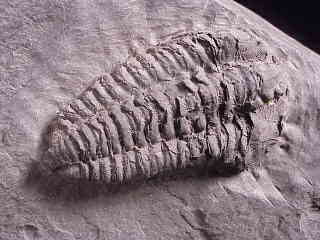 |
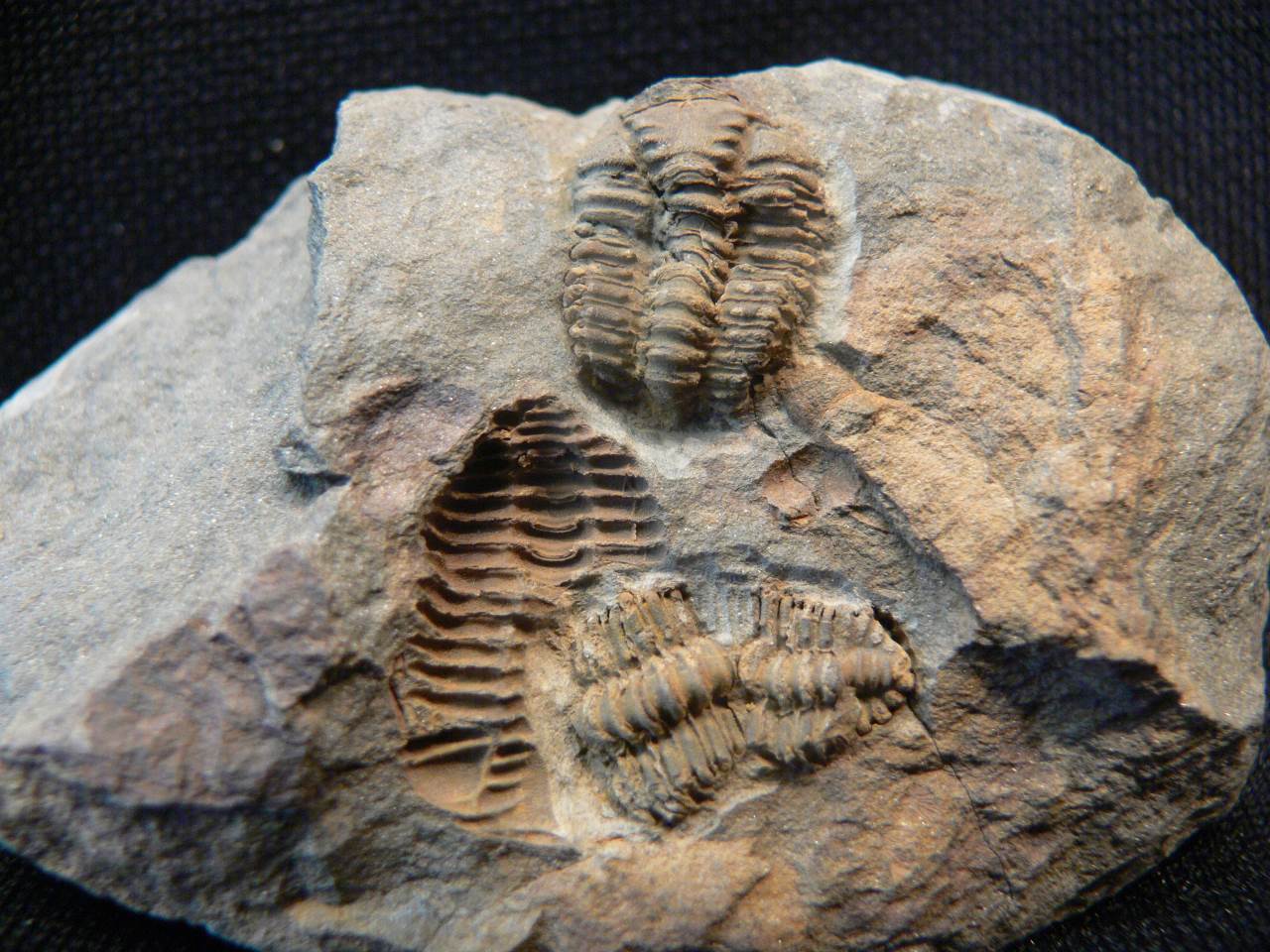 | 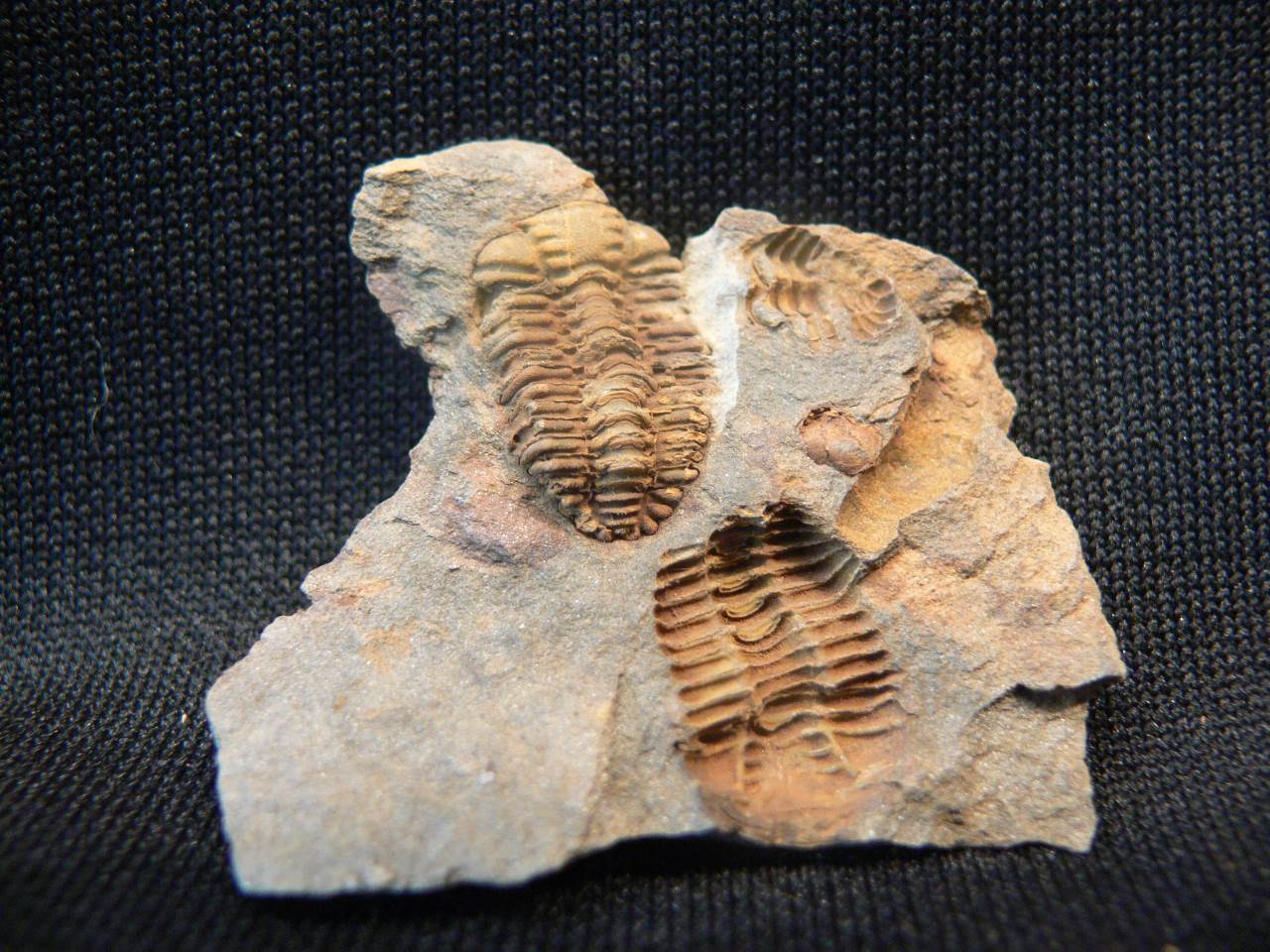 |
| Placoparia tournemini #TPP10331 (Rerialt) Pos / Neg Llanvrin, Darriwilian/ M. Ordovician / 465 Million years old / Volungo formation Volunga & Camales, Portugal Size trilobites: 0.64 and 0.8 inch / 1.6 and 2 cm Price: | |
| Ampyx linleyensis#TAL10344 Pos / Neg Trilobite on matrix 15 by 5 cm L. Llanvrin, Darriwilian/ M. Ordovician / 467 Million years old / Hope shales Shelve Linley, Shropshire, U.K. Size trilobite: 0.88 inch / 2.2 cm Price: | 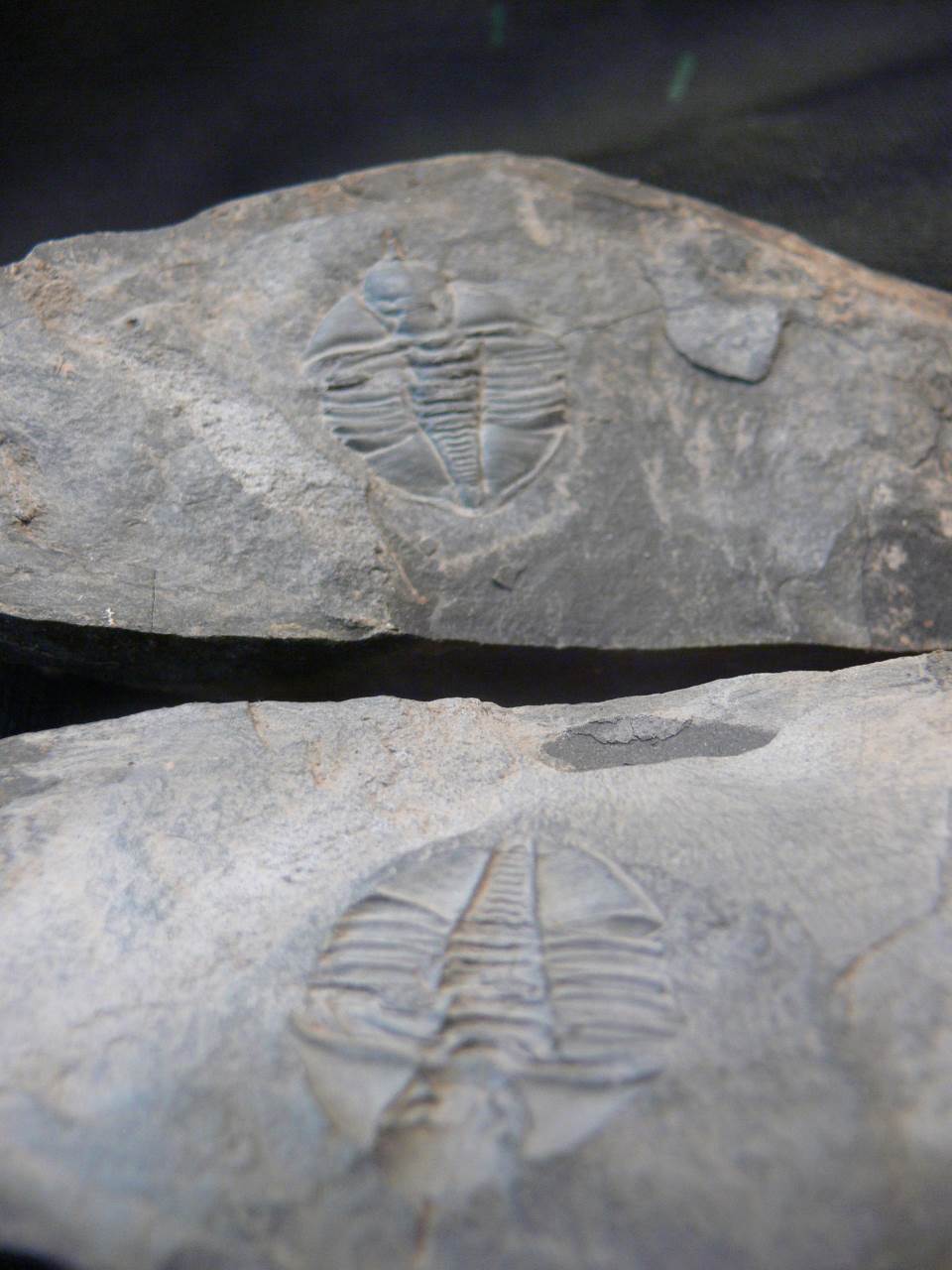 |
| Marrolithus cf. ornatus #TMO10399 Rare Pos/Neg trilobite Llanvrin, Darriwilian/ M. Ordovician / 465 Million years old / Bohdalecice Beds Visocany, Prague, Czech republic Size trilobite: 0.6 inch / 1.5 cm wide Price: | 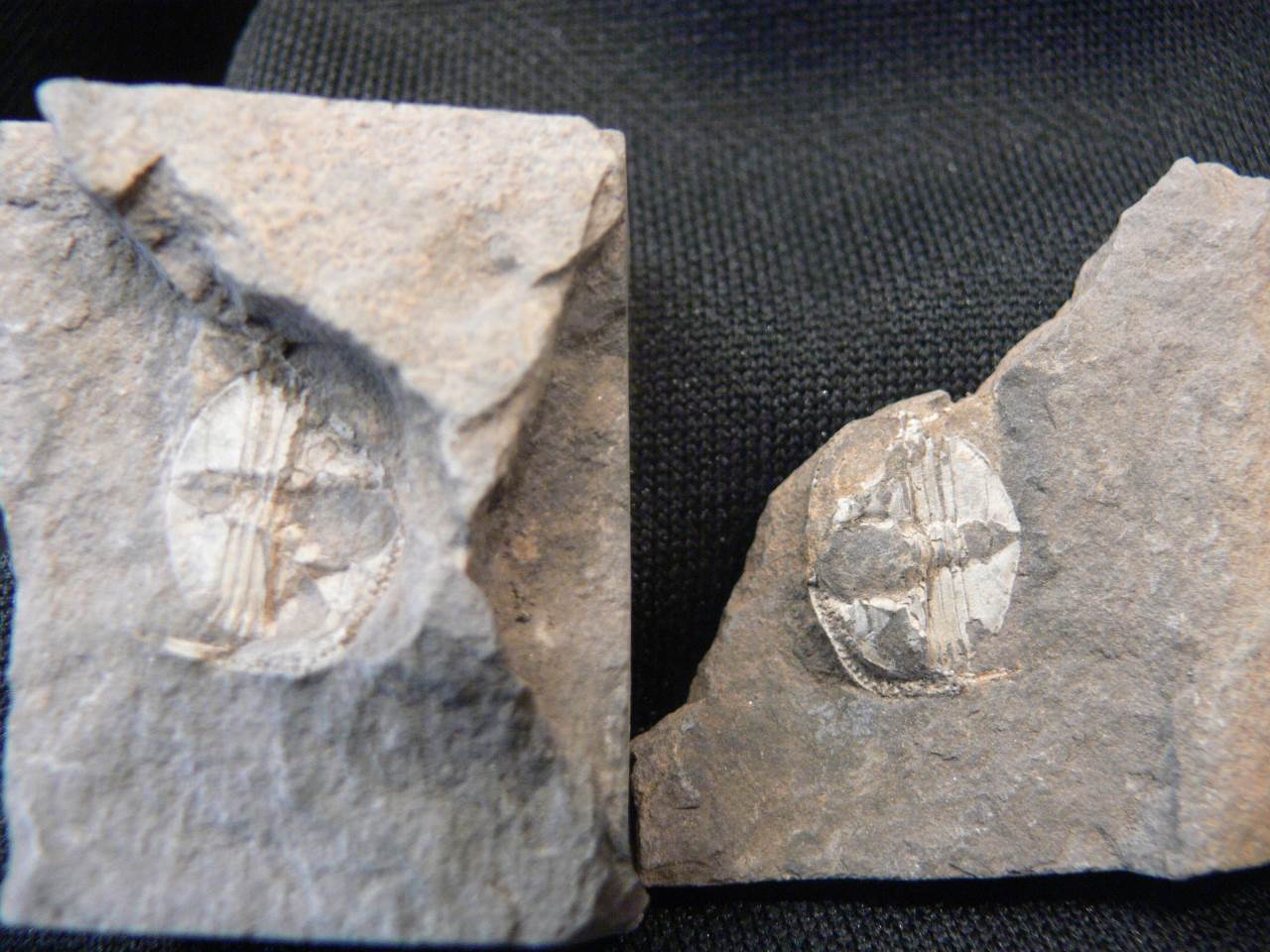 |
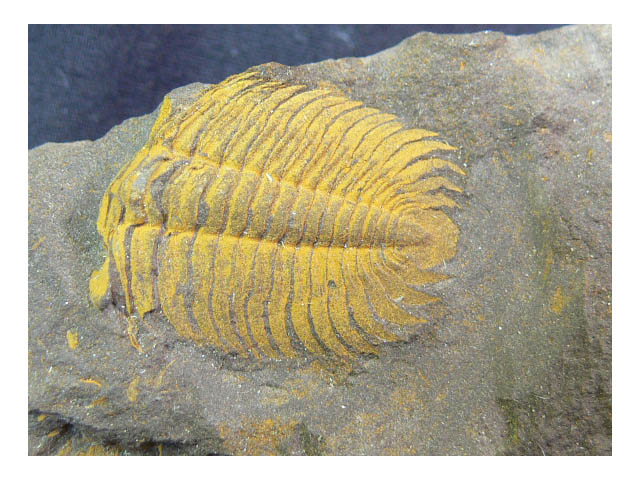 | Eccaparadoxides puslius #938 Lower Cambrian, 530 million years old Potucek, Czech Republic Size trilo.: 1 inch / 2.5 cm Price: |
 | Ogygiocarella debuchi#TOD10528 (Brongniard) L. Llanvrin, Darriwilian/ M. Ordovician / 467 Million years old / Llandelian stage Builth Inlier, Wales Size trilobite: 3 inch / 7.5 cm Price: Euro |
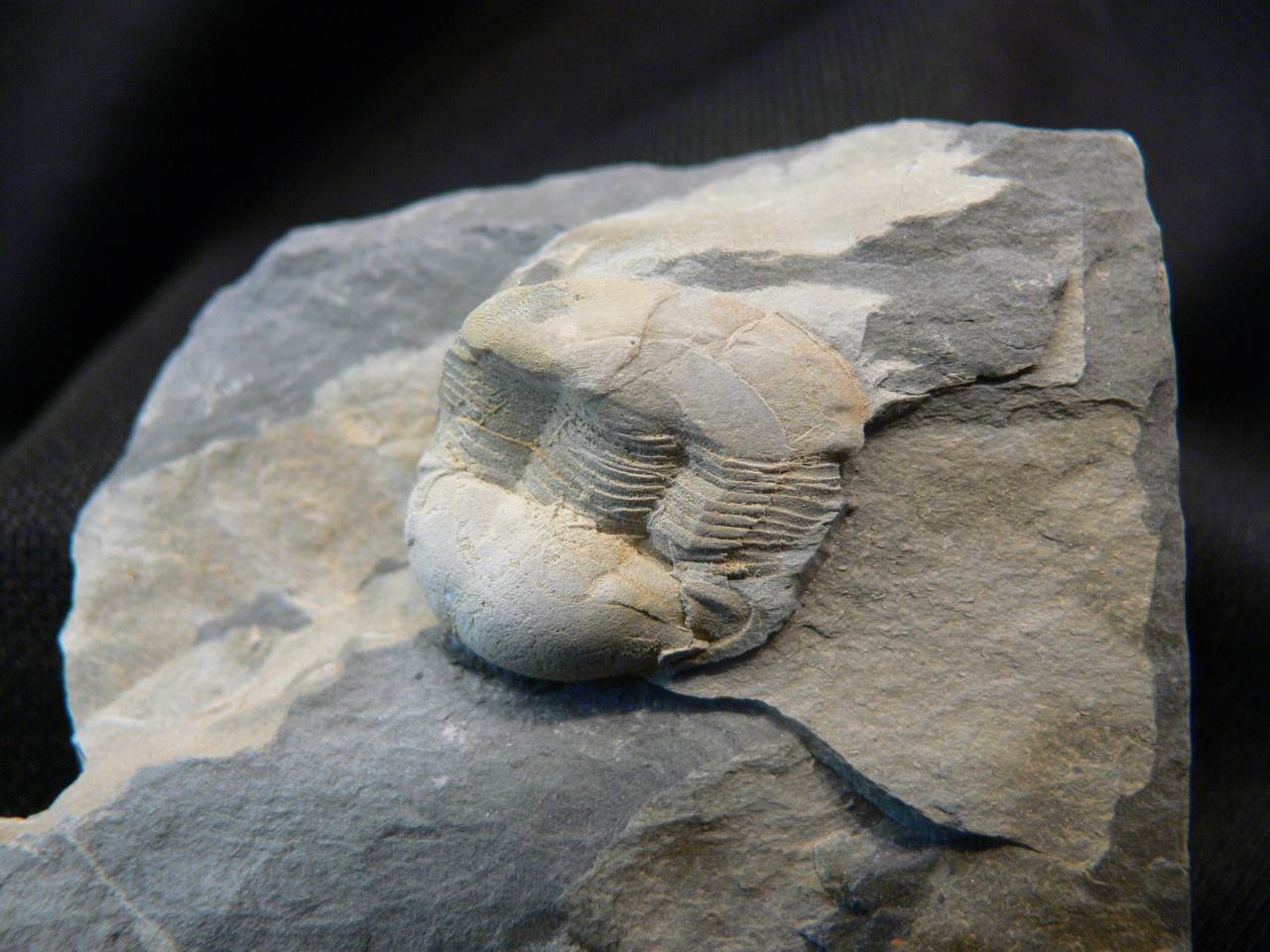 | Ectillaenus giganteus #TEG10367 (Bunneister) Llanvrin, Darriwilian/ M. Ordovician / 465 Million years old / Volungo formation St.Pedro de Cora, Volungo, Portugal Size trilobite: 1 inch / 2.5 cm Price: Euro |
| Barrandia homfrayi#TBH10553 On Matrix 20 by 9 cm L. Llanvrin, Darriwilian/ M. Ordovician / 467 Million years old / Hope shales Shelve Inlier, Shropshire, U.K. Size trilobite: 1.88 inch / 4.7 cm Price: Euro | 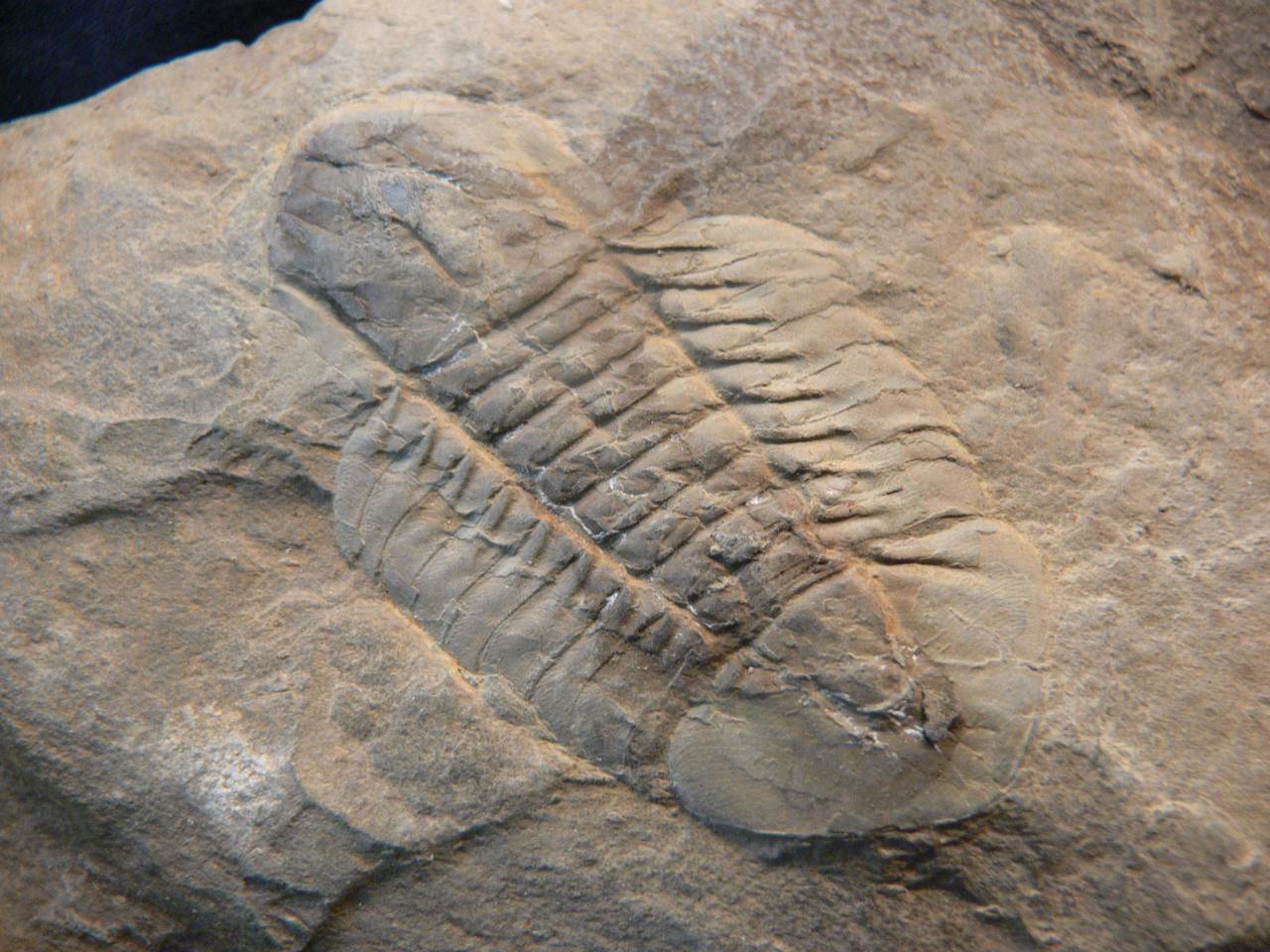 |
| Ampyx linleyensis#TAL10522 L. Llanvrin, Darriwilian/ M. Ordovician / 467 Million years old / Hope shales Shelve Inlier, Shropshire, U.K. Size trilobite: 0.8 inch / 2 cm Price: Euro | 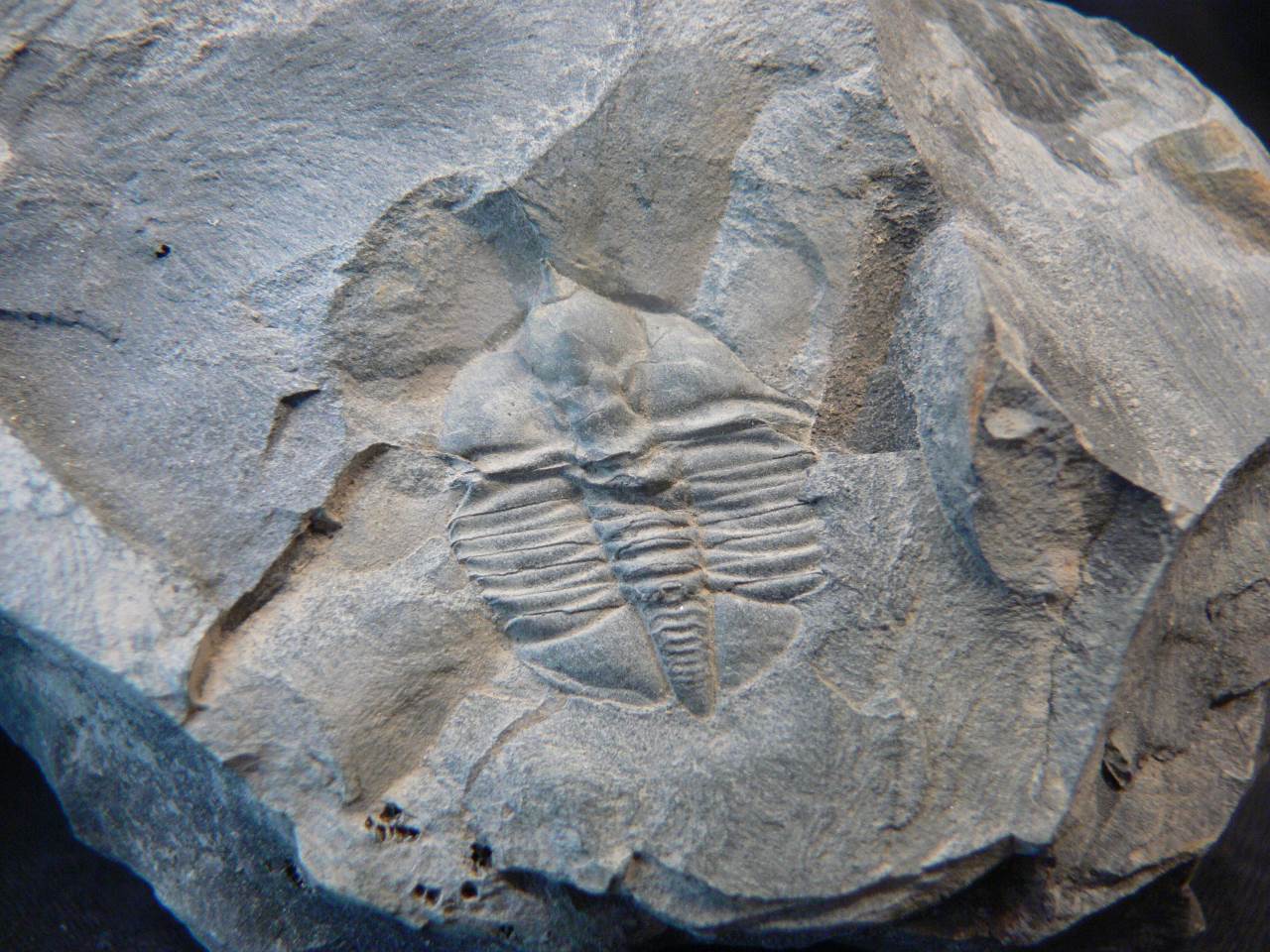 |
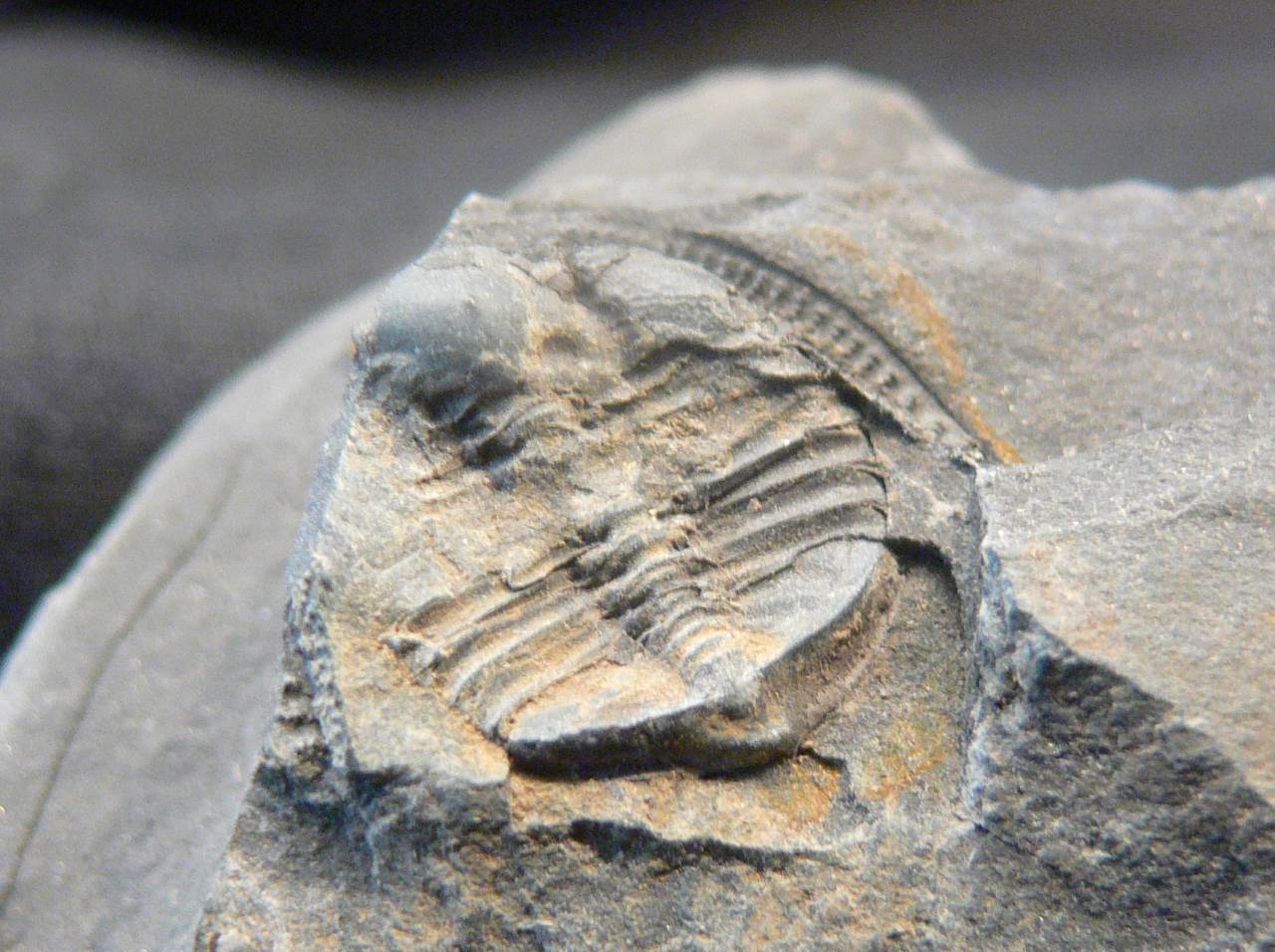 | Stapeleyella inconstans#TSI10487 L. Llanvrin, Darriwilian/ M. Ordovician / 467 Million years old / Hope shales Shelve, U.K. Size trilobite: 0.48 inch / 1.2 cm Price: |
| Lonchodomas drummuckensis#TCD10493 (Reed) Very rare U. Ordovician / Himantian / Ashgill series 444 Million years old / Drummunc group Girvan, Ayrshire, Scotland Size trilobite: 1.24 inch / 3.1 cm Price: Euro | 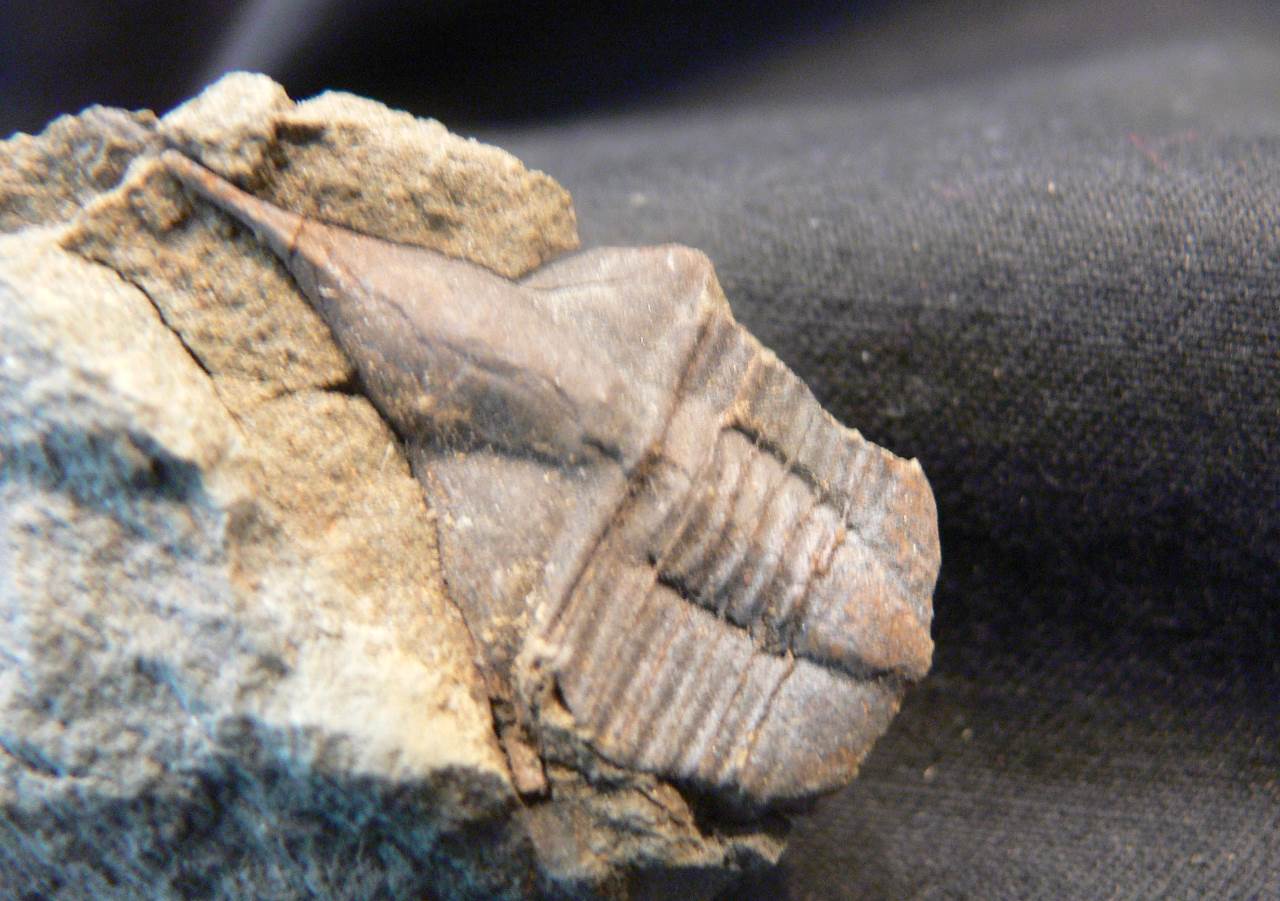 |
| Malvinella buddeae #TMB10363 (Lieberman) L. Devonian / Sicasica form. / 405 Million years old La Paz, Bolivia Size trilobite: 1 inch / 2.5 cm Price: | 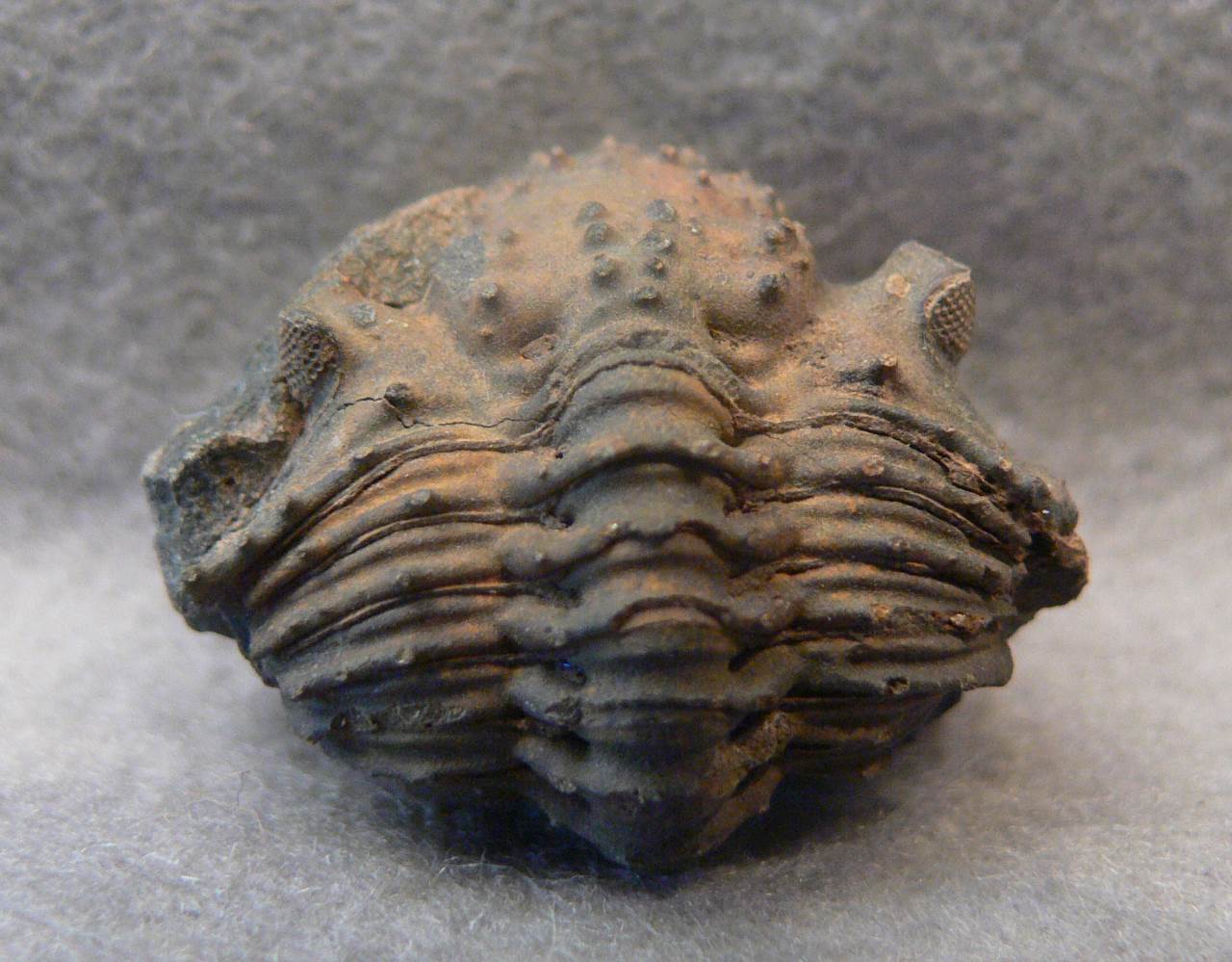 |
 | Eodalmantina destombesi #TED10374 (Brongmoit) Llanvrin, Darriwilian/ M. Ordovician / 465 Million years old / Volungo formation Volungo, Portugal Size trilobite: 1.04 inch / 2.6 cm Price: Euro |
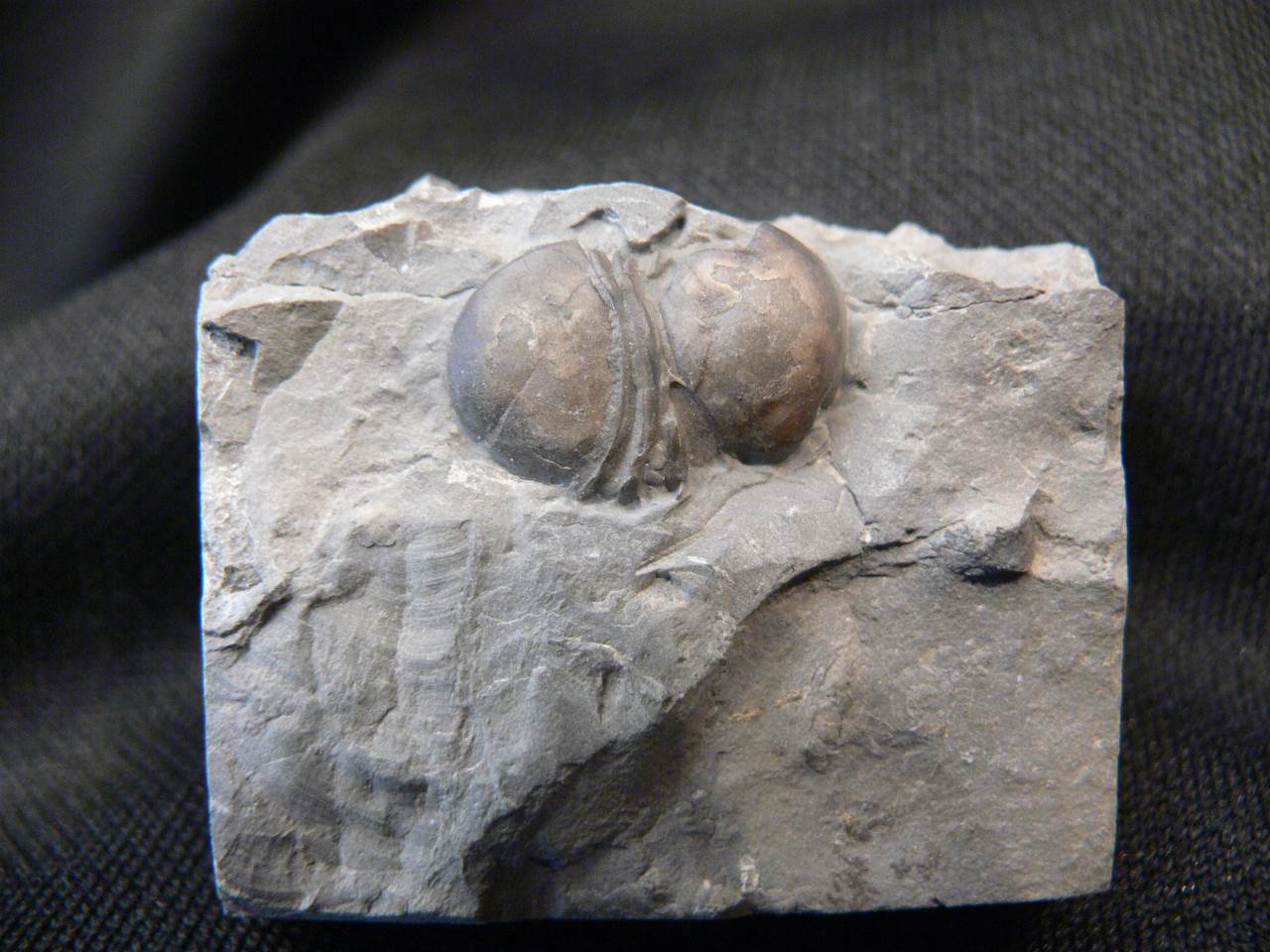 | Bumastus loxus #TBL10378 Wenlock, M. Silurian, 430 million years old Lockport, New York, U.S.A. Size: 0.8 inch / 2 cm Price: |
| Reedops sp. #TRS10387 M. Devonian / 385 Million years old Meseta est de Casablanca, Morocco Size trilobite: 1.52 inch / 3.8 cm wide Price: Euro | 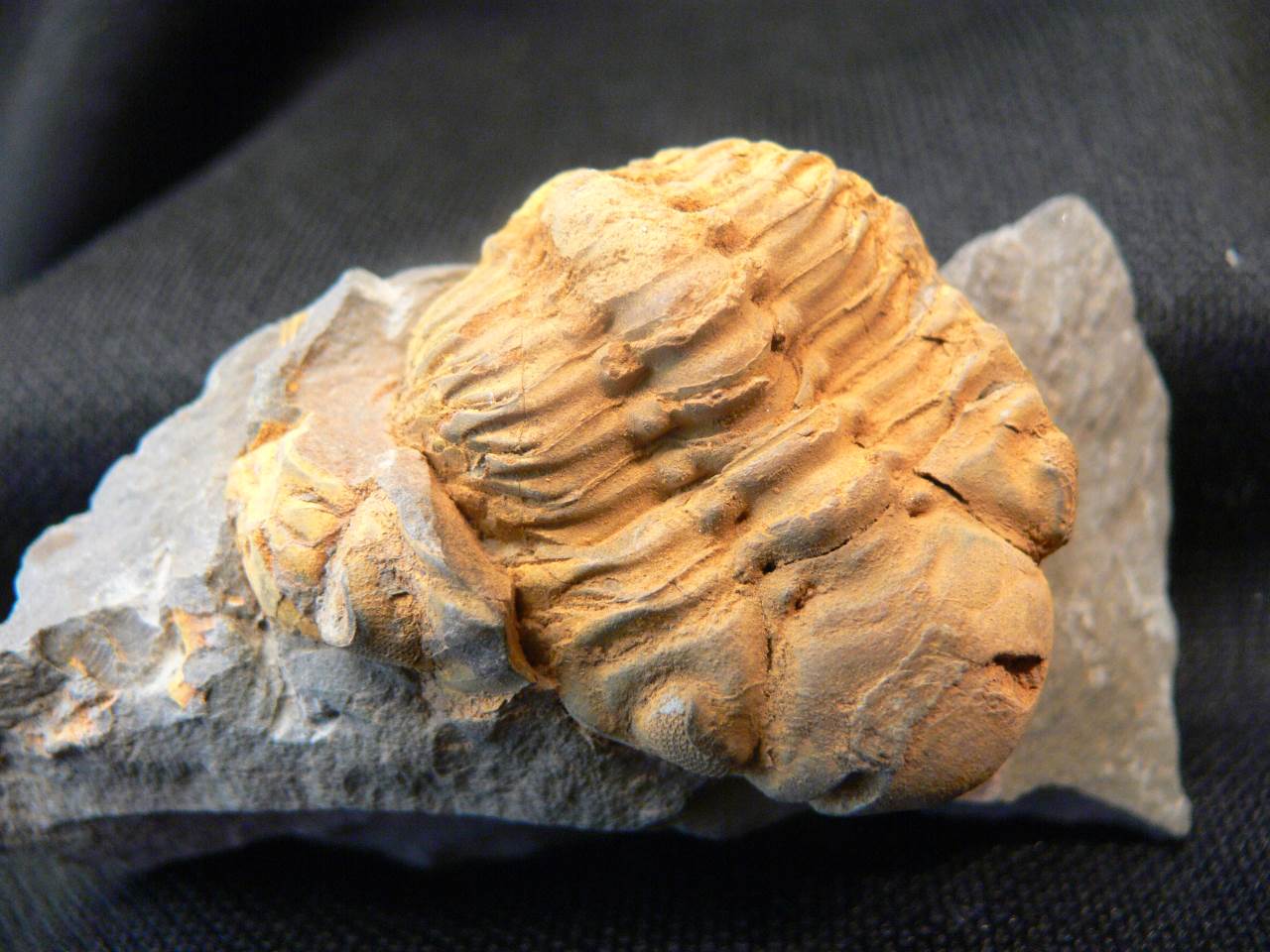 |
| Placoparia cambriensis #TPP10329 (Canelas 2009) Llanvrin, Darriwilian/ M. Ordovician / 465 Million years old / Volungo formation Volunga & Camales, Portugal Size trilobite: 1.8 inch / 4.5 cm Price: | 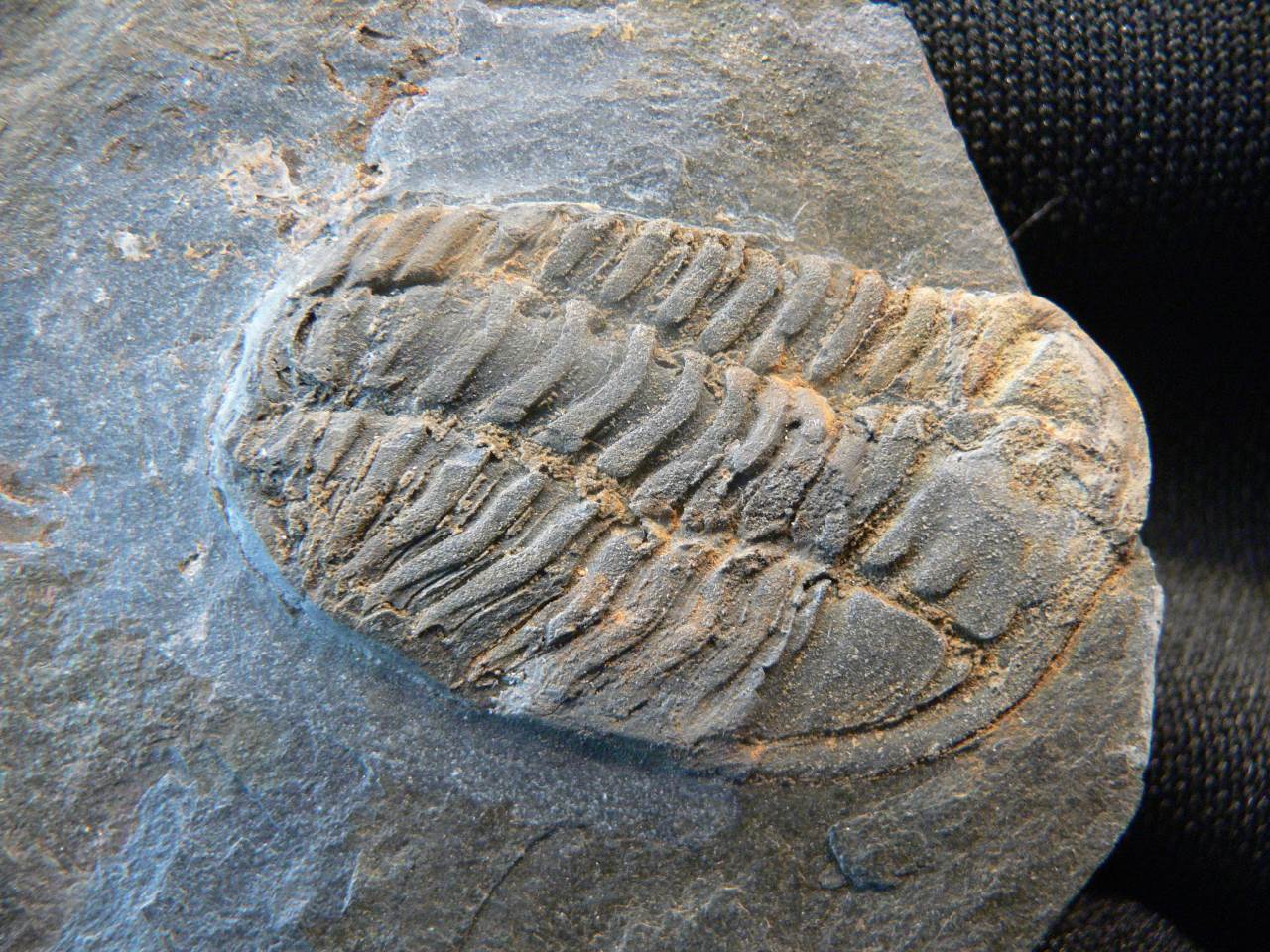 |
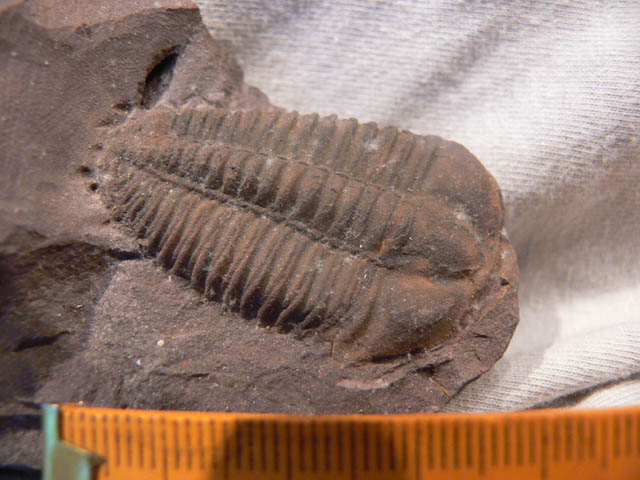 | Concocoryphe cirina #TCC7753 Lower Cambrian, 530 million years old Jince, Czech Republic Size left trilo.: 1.64 inch / 4.1 cm Price: |
| Gymnostomyx sp.#TGS10504 L. Llanvrin, Darriwilian/ M. Ordovician / 467 Million years old / Murchisoni Zone Abereiddy, S. Wales Size trilobite: 0.6 inch / 1.5 cm body Price: Euro | 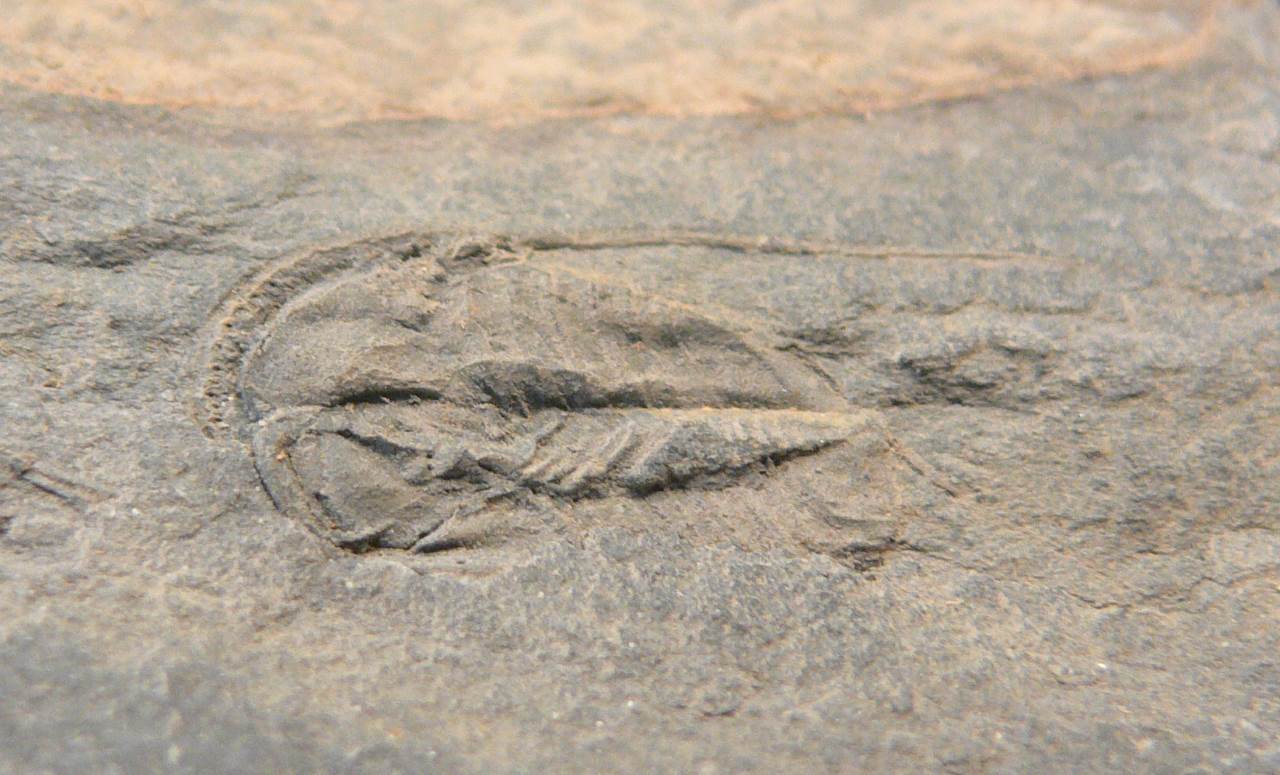 |
| Telaeomanolithus radiatus #TTR10508 Llanvrin, Darriwilian/ M. Ordovician / 465 Million years old Bethlehem, Wales Size trilobite: 0.92 inch / 2.3 cm span Price: Euro | 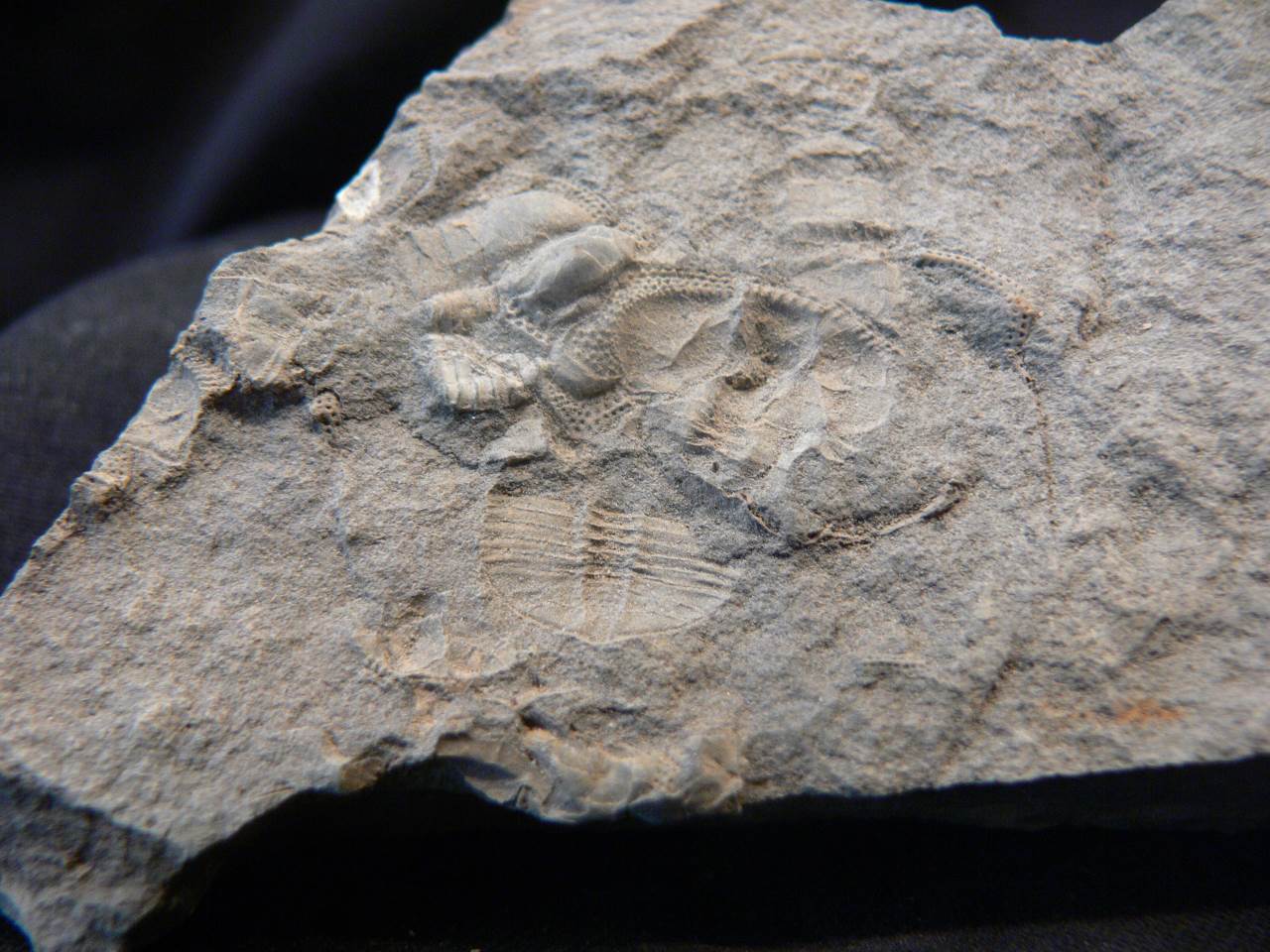 |
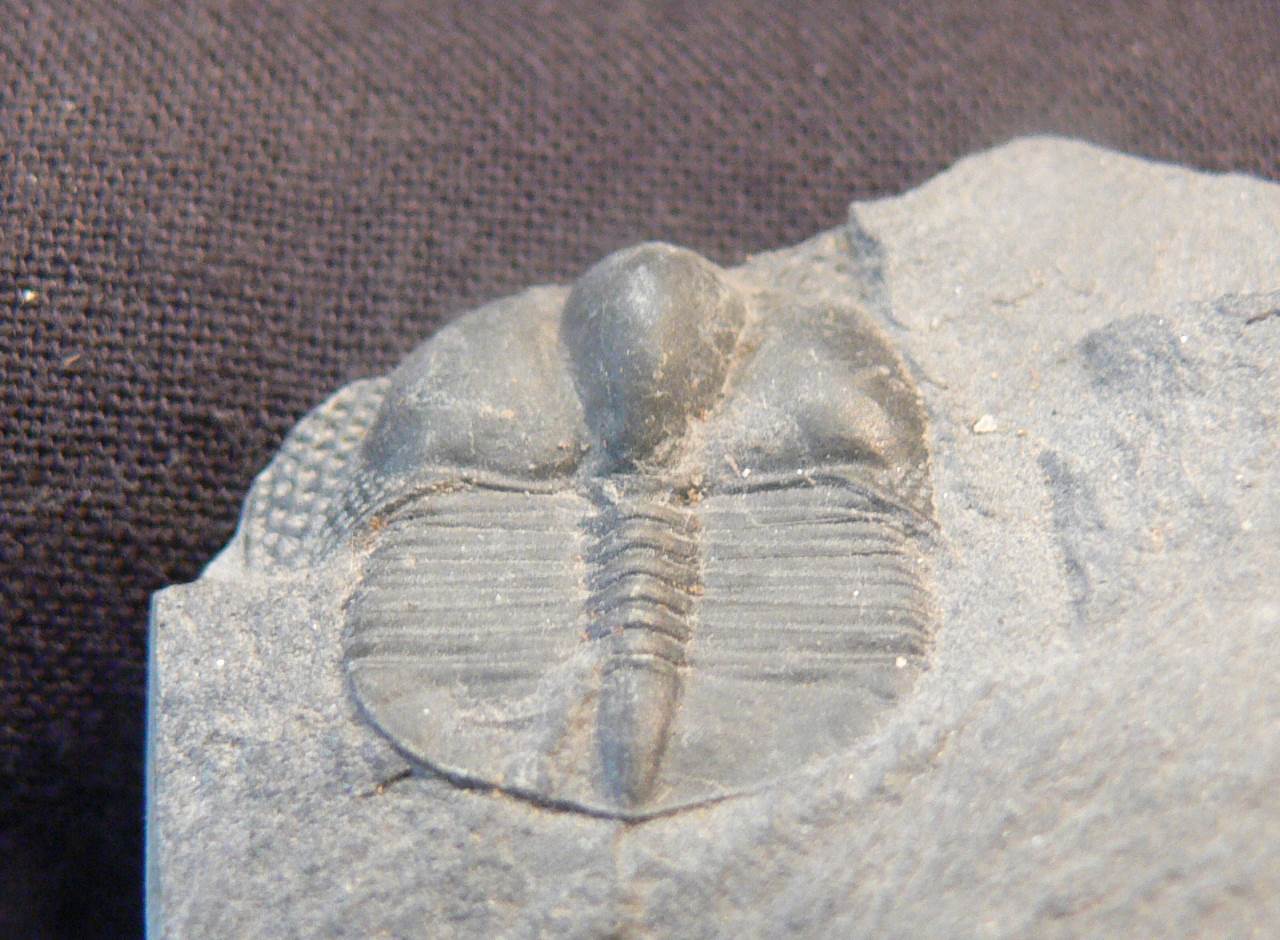 | Salterolithus hamagensis #TSH10469 Llanvrin, Darriwilian/ M. Ordovician / 465 Million years old / Caradoc series Guilsfuld, Powys, Wales Size trilobite: 0.52 inch / 1.3 cm Price: Euro |
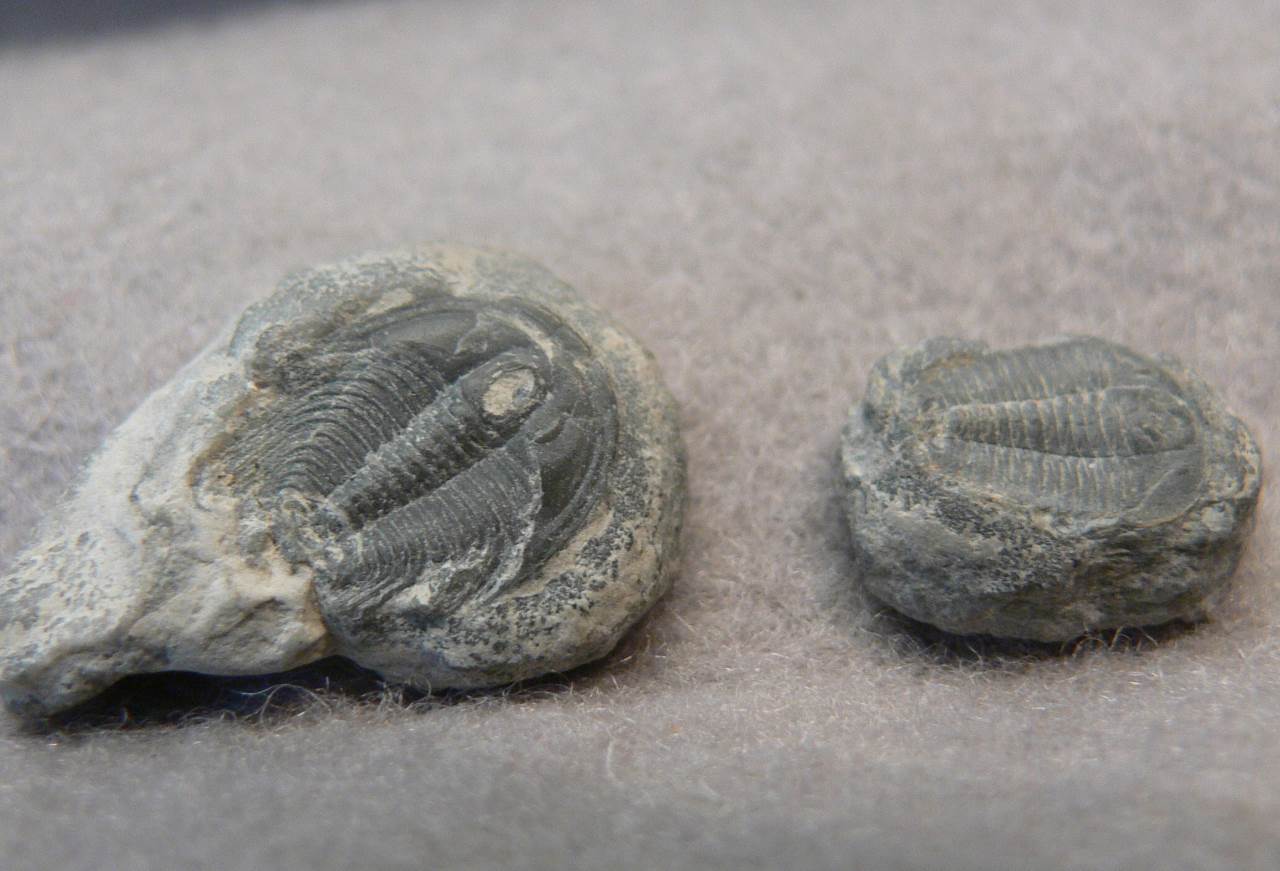 | Wujiajiana sutherlandi #TWS10429 2 specimen Upper Cambrian / 490 Million years old McKay Fom., Tanglefoot creek, B.C., Canada Size biggest trilobite: 0.4 inch / 1 cm Price: Euro |
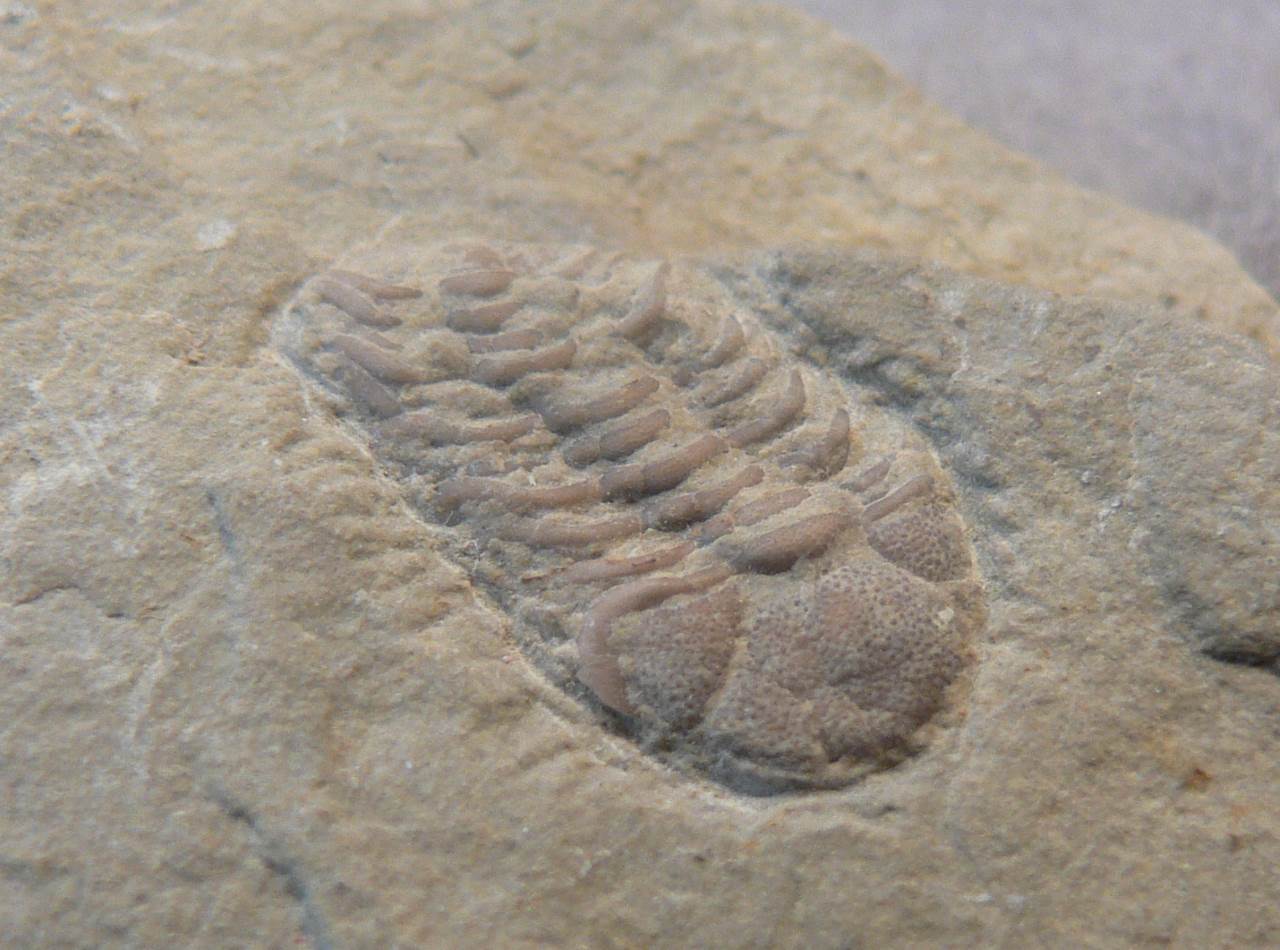 | Trimerocephalus mastophthalmus #TTM10433 (Richter) U. Devonian / Famennian / 360 Million years old Kowala, Kielce, Poland Size trilobite: 0.56 inch / 1.4 cm Price: |
| Trimerocephalus mastophthalmus #TTM10434 (Richter) U. Devonian / Famennian / 360 Million years old Kowala, Kielce, Poland Size trilobite: 0.48 inch / 1.2 cm Price: Euro |  |
| Ampyxina bellatula #TAM10403 (Ulrich 1922) Maquoketa formation U. Ordovician, 450 million years old Peno Creek, Elsberry, Pike County, Missouri, U.S.A. Size trilobite: 0.4 inch / 1 cm Price: | 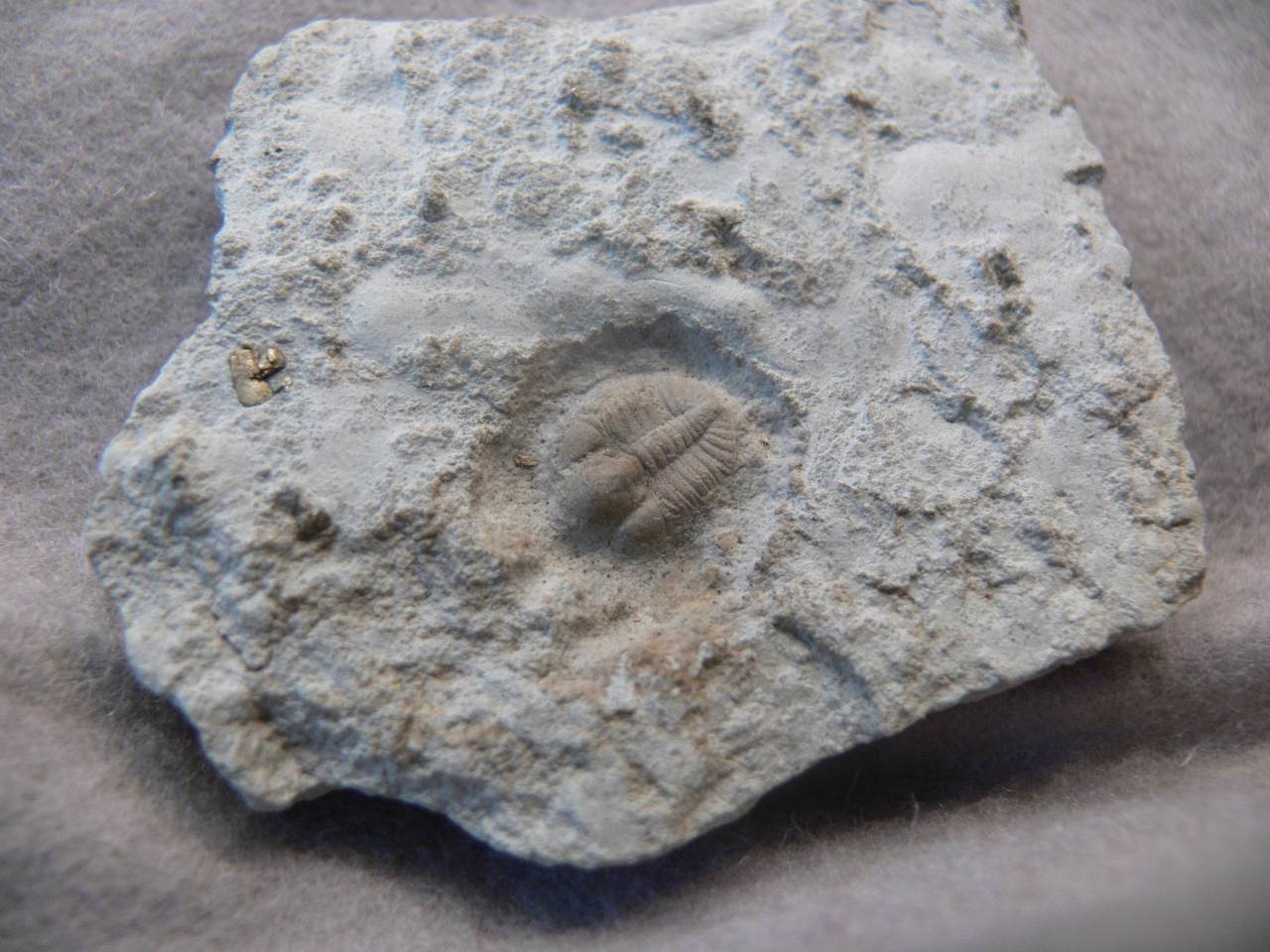 |
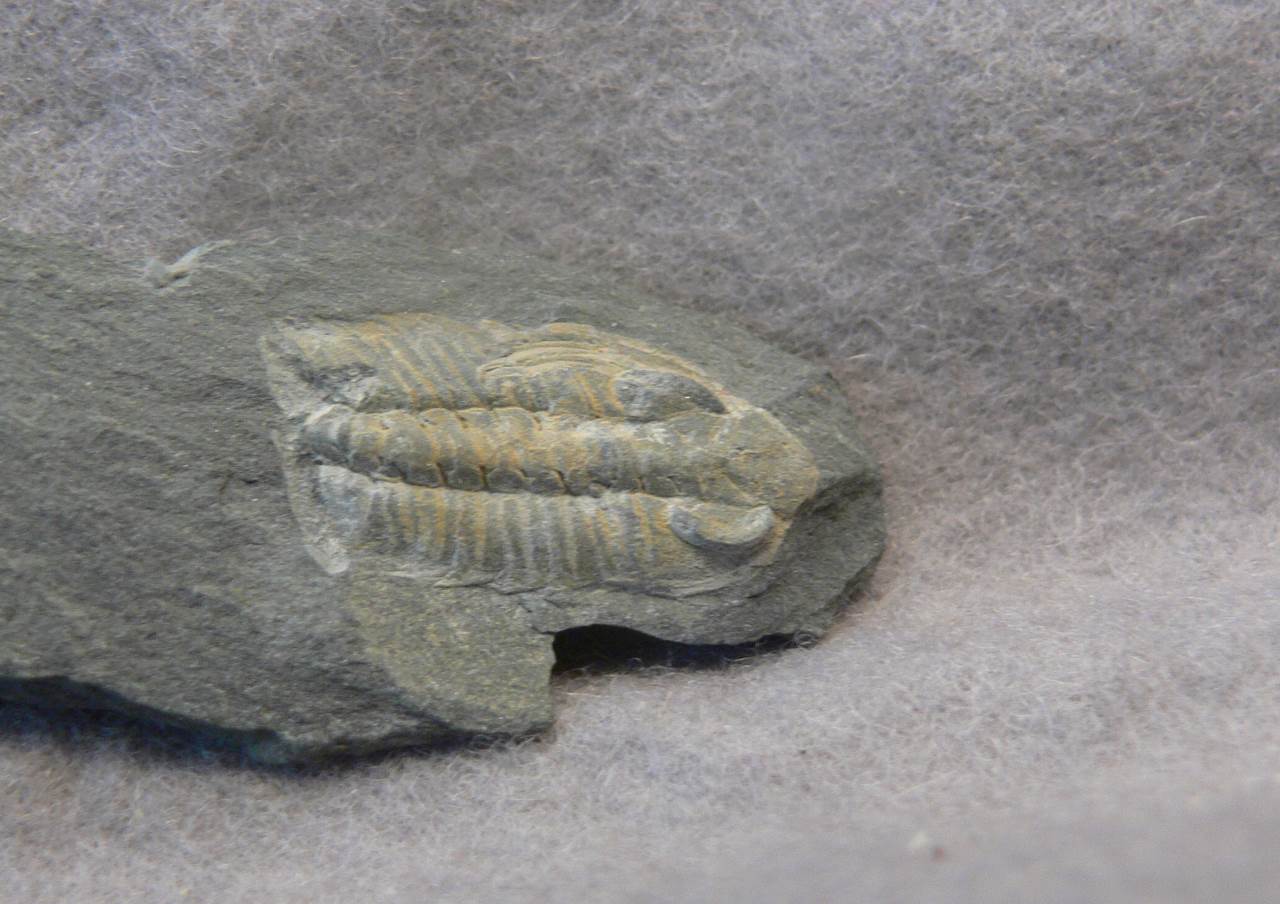 | Zeliskella sp. #TZS10417 Llanvrin, Darriwilian/ M. Ordovician / 465 Million years old / Volungo formation Volungo, Portugal Size trilobite: 0.8 inch / 2 cm Price: Euro |
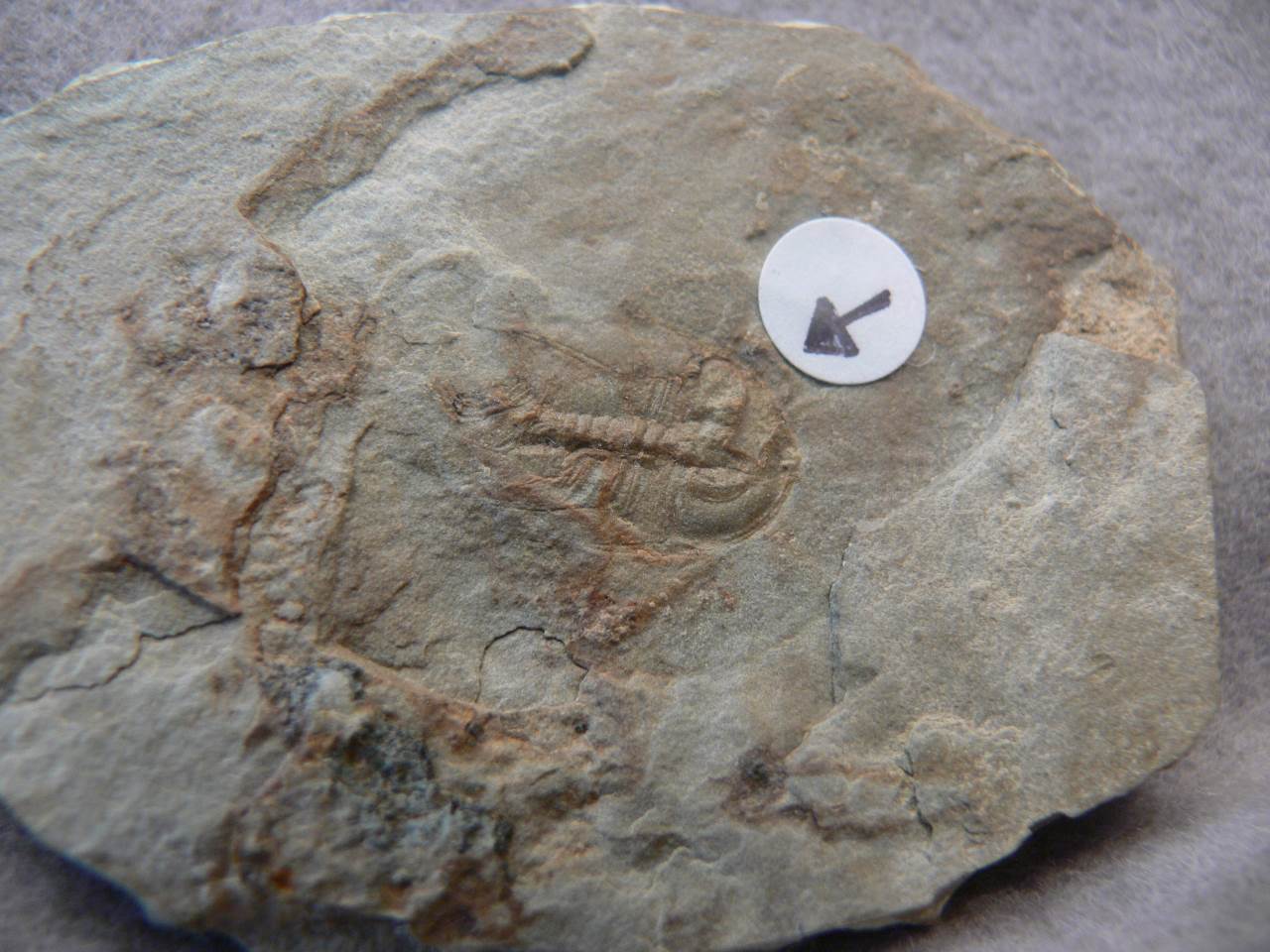 | Olenellus gilberti #TOG10421 (Meir) L. Cambrian, Pioche shales, 525 million years old Lincoln county, Nevada, U.S.A. Size trilobite: 0.48 inch / 1.2 cm Price: |
| Cedaria minor #TCM10423 (Walcott) M. Cambrian, Weeks form., 510 million years old Hous range, Millard county, Utah, U.S.A. Size trilobite: 0.4 inch / 1 cm Price: | 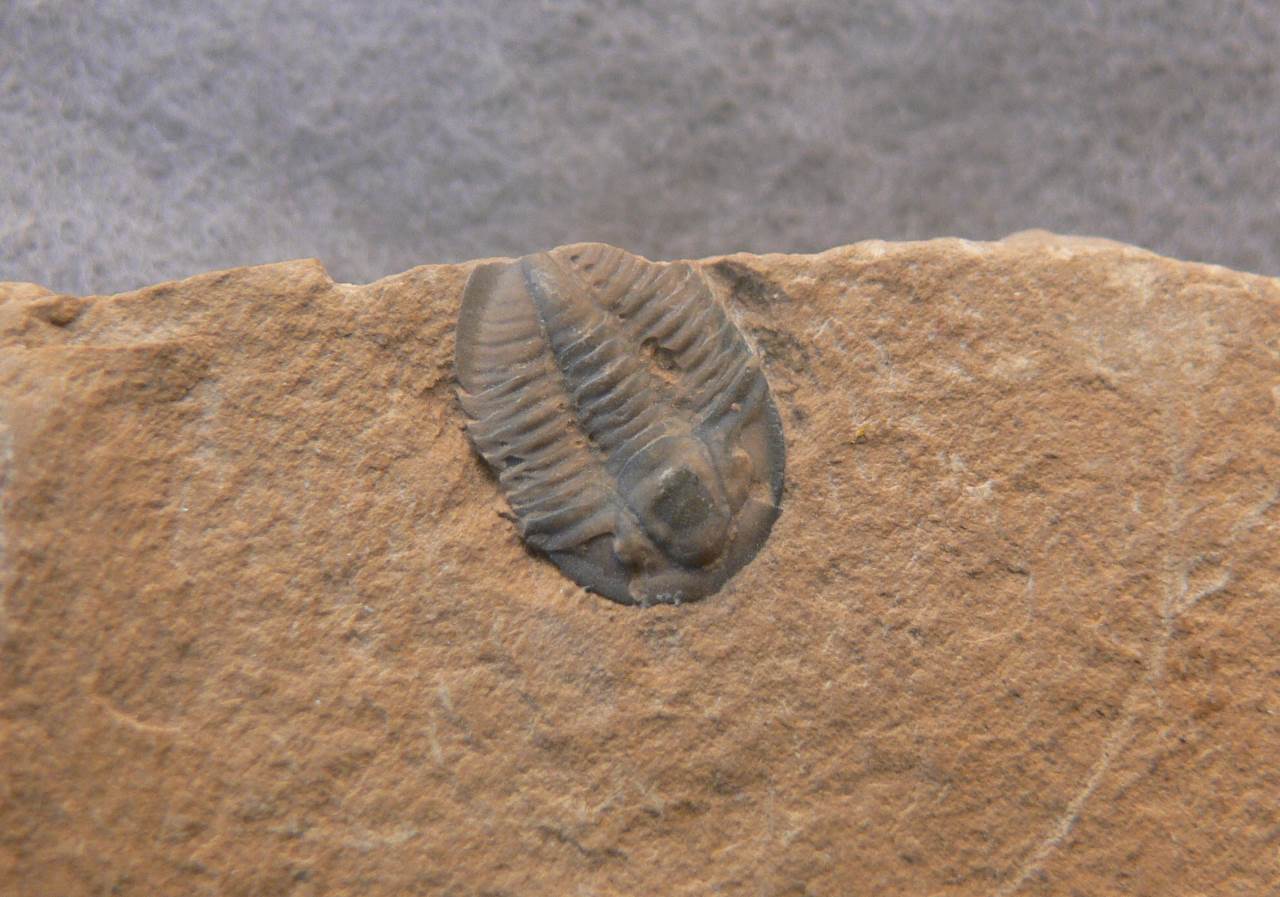 |
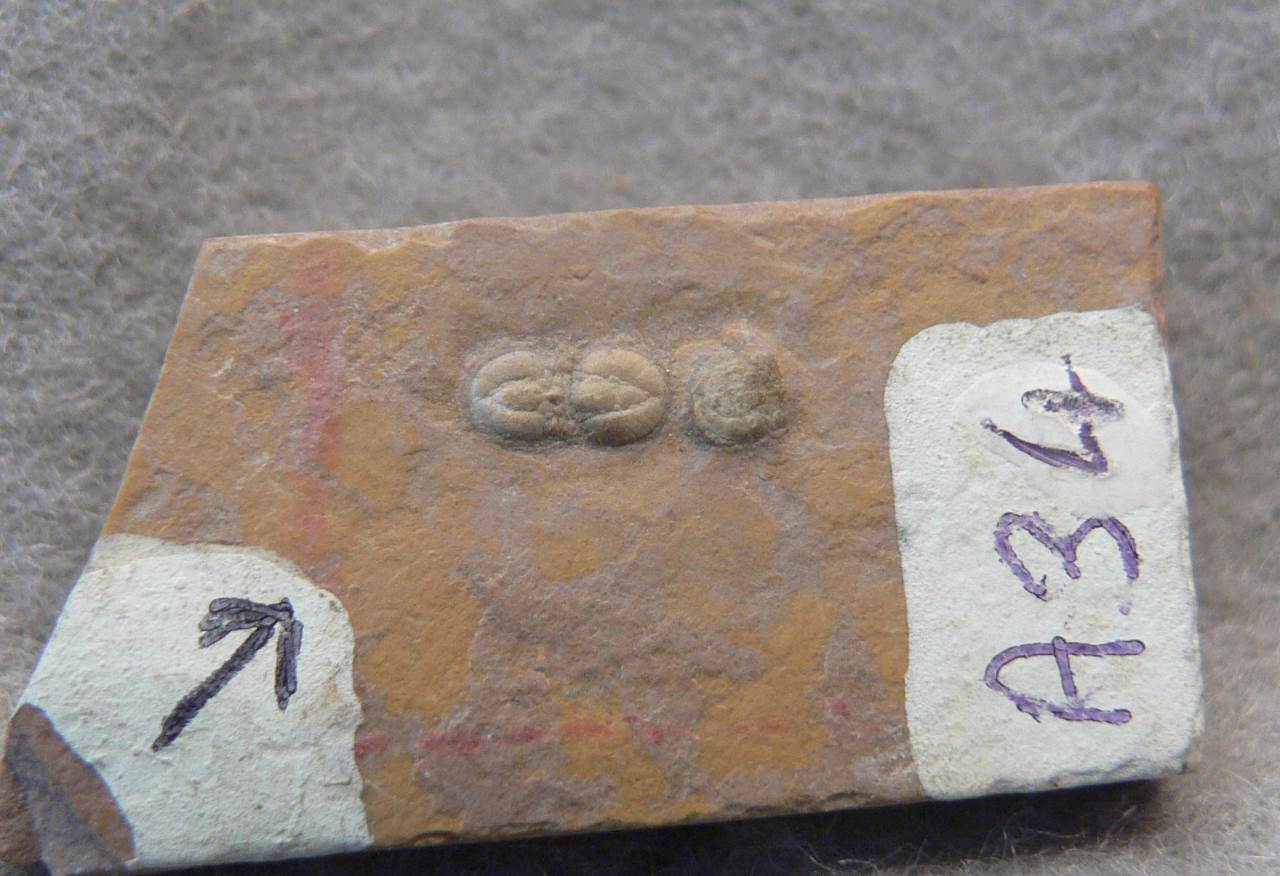 | Ptychagnostus atavis #TPO10425 (Walcott) M. Cambrian, L. Wheeler shale, 510 million years old Hous range, Millard county, Utah, U.S.A. Size trilobite: 0.2 inch / 0.5 cm Price: |
| Ampyx linleyensis#TAL10342 Trilobite on matrix 10 by 4.5 cm L. Llanvrin, Darriwilian/ M. Ordovician / 467 Million years old / Hope shales Shelve Linley, Shropshire, U.K. Size trilobite: 1 inch / 2.5 cm Price: Euro | 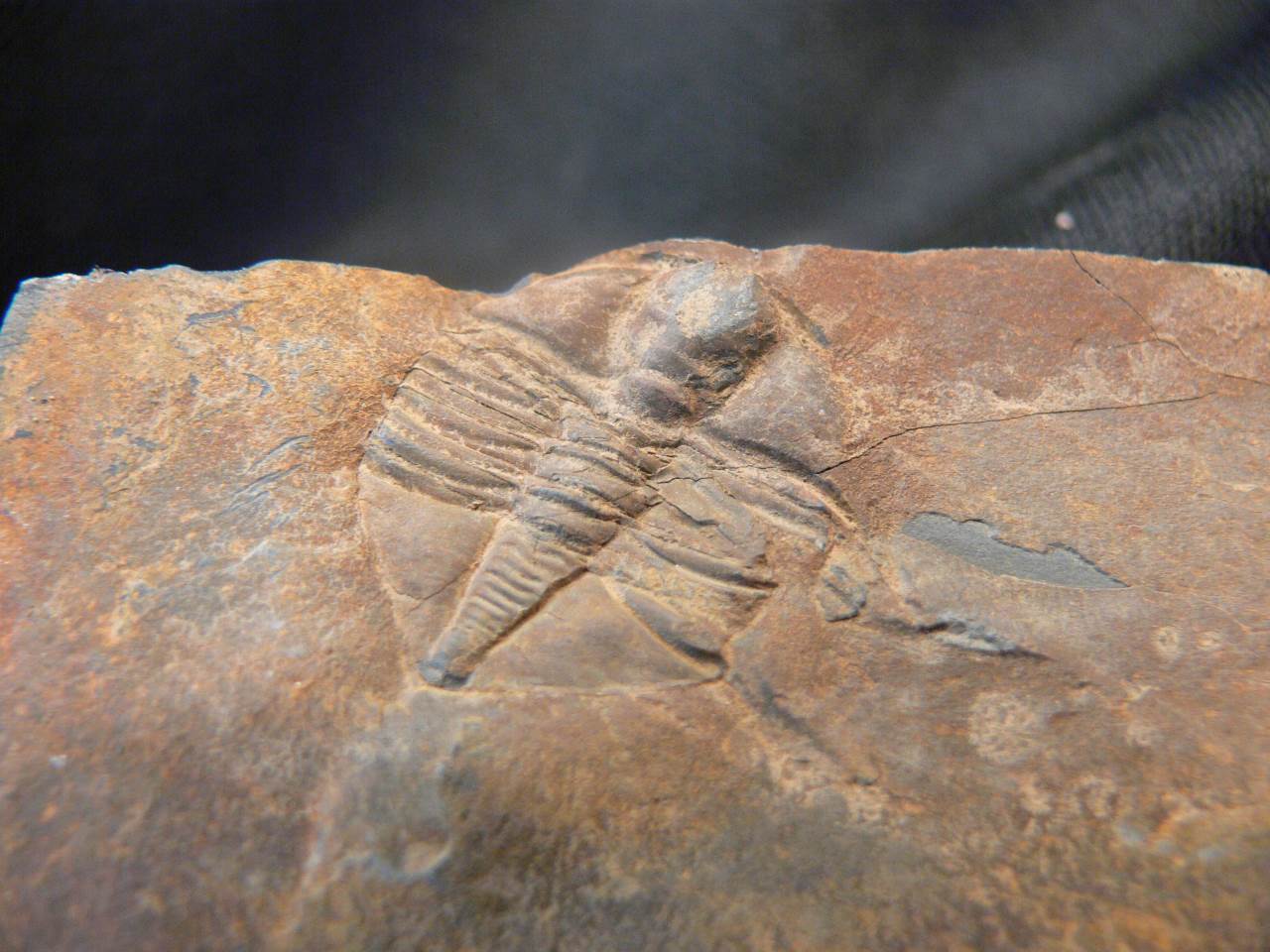 |
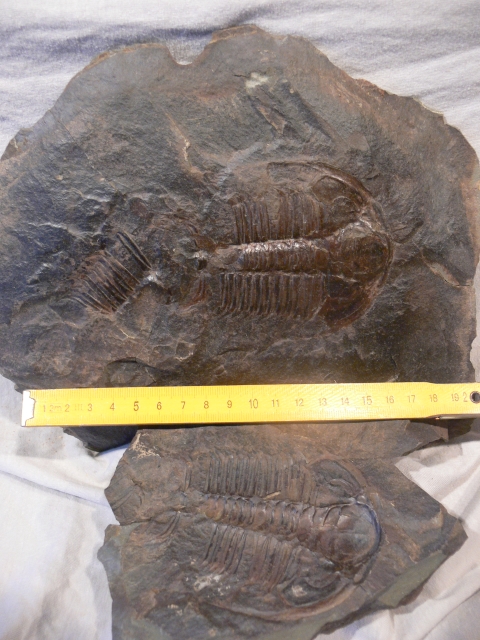 | Hydrocephalus minor minor #THM9161 partial Pos/Neg. Onymagnostus hybridus zone Lower Cambrian, 530 million years old Jince, Czech Republic Size: 3.4 inch / 8.5 cm Price: |
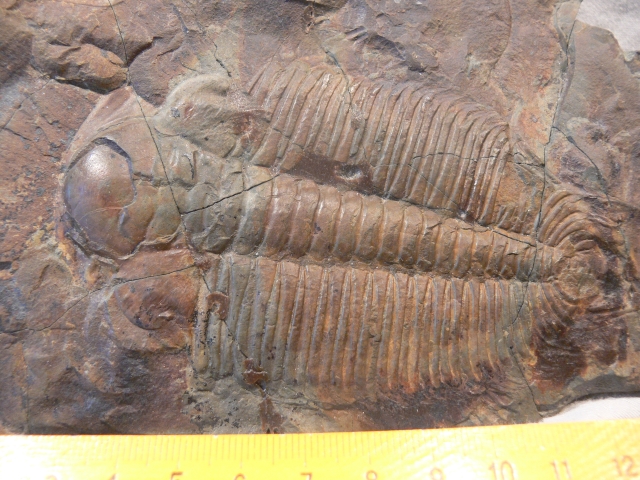 | Hydrocephalus minor minor #THM9163 partial . Onymagnostus hybridus zone Lower Cambrian, 530 million years old Jince, Czech Republic Size: 4 inch / 10 cm Price: |
| Hydrocephalus minor minor #THM9164 partial. Onymagnostus hybridus zone Lower Cambrian, 530 million years old Jince, Czech Republic Size: 4.2 inch / 10.5 cm Price: | 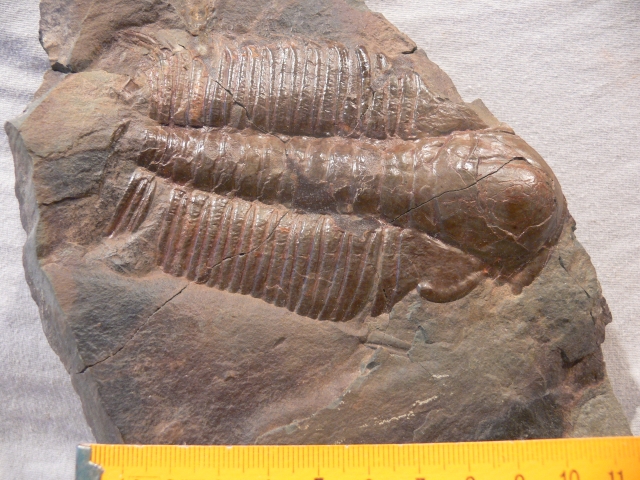 |
| Phacops africanus #TPR9063 NO restoration Devonian, 380 million years old Alnif, Morocco Size trilo.: 5.2 inch / 13 cm Price: | 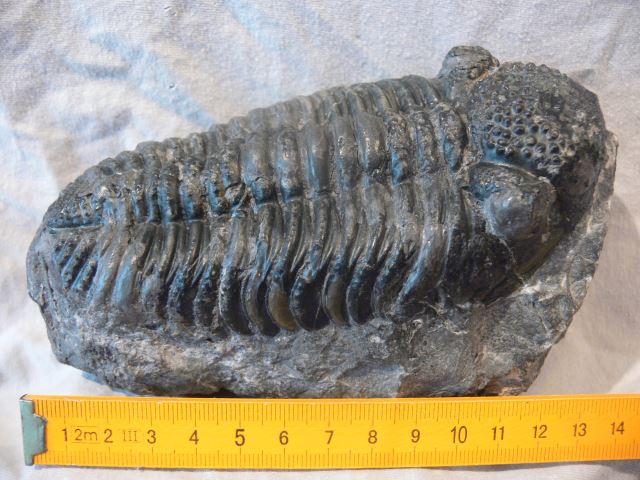 |
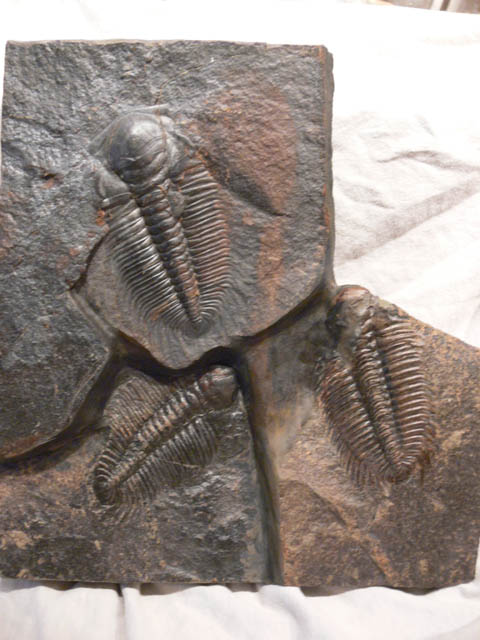 | Hydrocephalus minor minor #705 3 big Hydrocephalus specimen on 1 plate RARE Onymagnostus hybridus Zone M.Cambrian, 530 million years old Jince, Czech Republic Size trilos: 4 + 3.6 + 3.6 inch / 10 + 9 + 9 cm Size plate: 9.2 by 8.4 inch / 23 by 21 cm Price: |
| Paradoxides gracilis #TPG7841 1 - 2% repair on cracks Rare. Paradoxides gracilis zone Lower Cambrian, 530 million years old Jince, Czech Republic Size trilo.: 4.8 inch / 12 cm Price: | 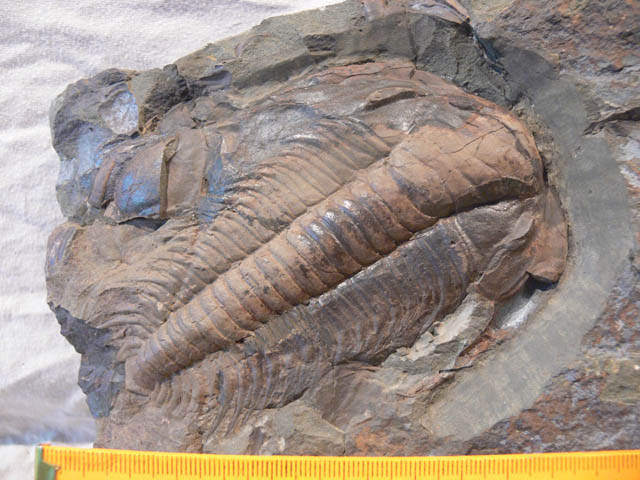 |
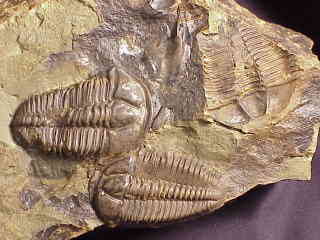 | Concoryphe sulzeri #788 Paradoxides gracilis zone, 2 specimen Lower Cambrian, 530 million years old Jince, Czech Republic Size plate: 7 by 3 inch / 17.5 by 7.5 cm Size trilo.: 1.8 inch / 4.5 cm Price: |
| Hydrocephalus minor minor #THM8015 Onymagnostus hybridus zone Lower Cambrian, 530 million years old Jince, Czech Republic Size: 3.2 inch / 8 cm Price: | 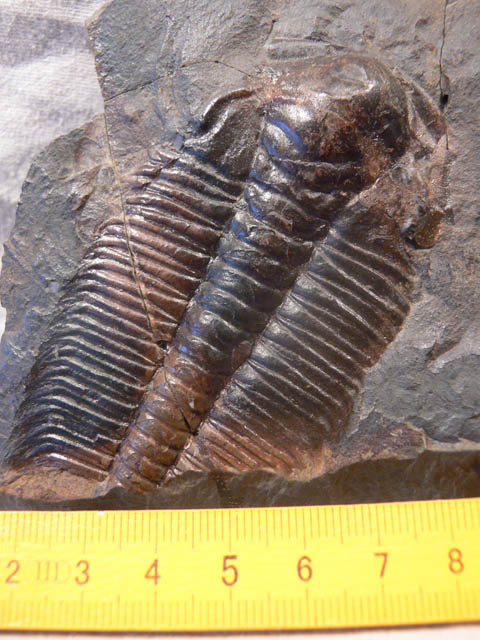 |
| Paradoxides gracilis #TPG7837 Rare. Paradoxides gracilis zone 1% repair on cracks Lower Cambrian, 530 million years old Jince, Czech Republic Size trilo.: 5.4 inch / 13.5 cm (on a 34cm wide matrix) Price: | 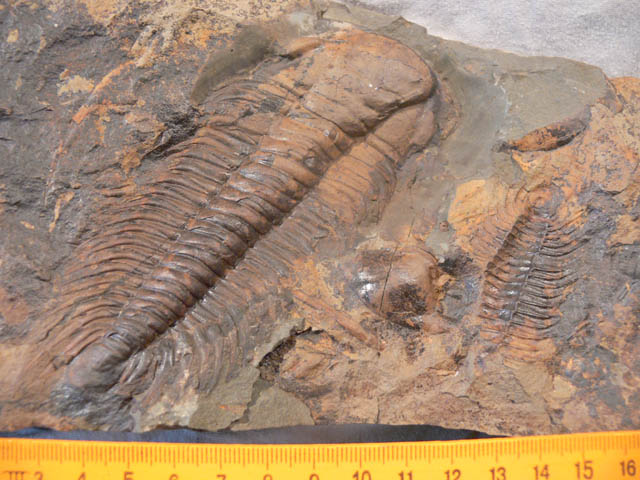 |
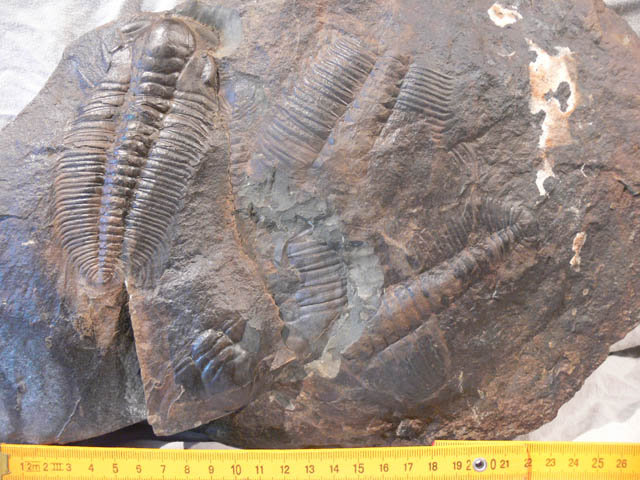 | Paradoxides gracilis #TPG7838 Rare. Paradoxides gracilis zone 1% repair on cracks Lower Cambrian, 530 million years old Jince, Czech Republic Size biggest.: 4.4 inch / 11 cm (on a 30cm wide matrix) Price: |
| Aulacopleura konincki #TAK7754 Wenlock, Silurian, 426 million years old Lodenice, Czech Republic Size trilo.: 0.48 inch / 1.2 cm Price: |  |
| Conocoryphe robusta #TDS7756 Head Ornamentaspis – Conocoryphe Zone like the Spanish Conocoryphe ovata Zone Most lower part of M.Cambrian, 530 million years old Jince, Czech Republic Size trilo.: 1.2 inch / 3 cm Price: | 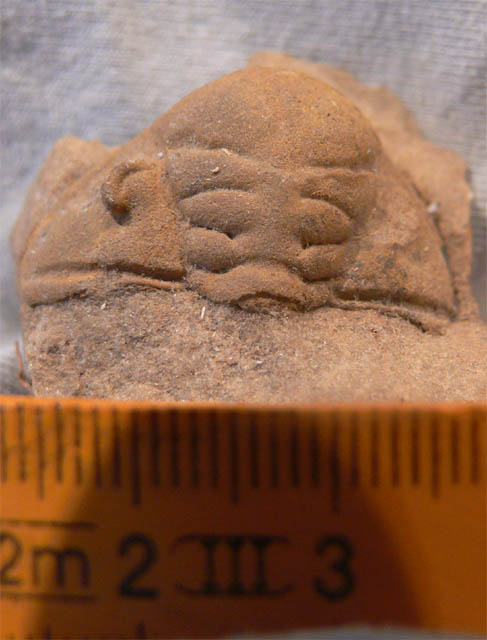 |
| Placoparia zippei #TPZ7761 Ordovician, 450 million years old Sarka, Prague, Czech Republic Size trilo.: 0.6 inch / 1.5 cm Price: | 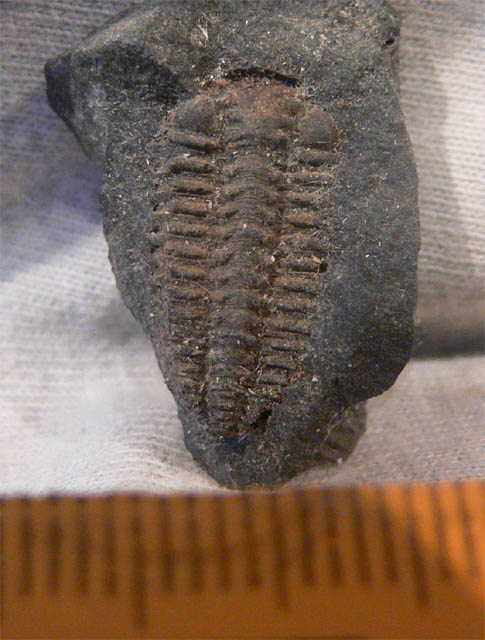 |
| Metacrypaheus (Eldredgeia) cf. venustus #TMR7556 (Wolfart) Pos/Neg Nodule Trilobite, Sicasica formation M. Devonian, Givetian, 388 million years old Tikani, Estacion de Bombeo, Dep. Laz Paz, Bolivia Size: 1.04 inch / 2.6 cm Price: | 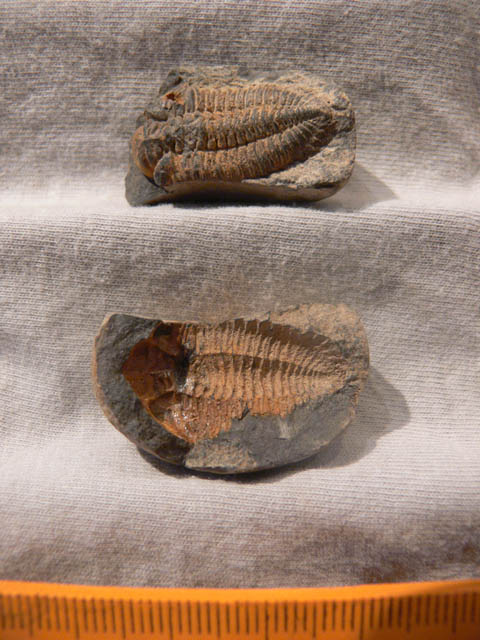 |
 | Selenopeltis inermis inermis #SI5911 Very rare Trilobite in excellent condition Upper Ordovician (Caradocian), 455 million years old Trubin, Czech Republic Size body: 1.4 inch / 3.5 cm Price: Euro |
| Miraspis mira #MM5915 Extreme beauty very rare, with a Leonaspis roemeri as well (not shown on photo) Monograptus flexilus zone Wenlock, Silurian, 426 million years old Liten form., Lodenice, Czech Republic Size body: 0.76 inch / 1.9 cm Price: | 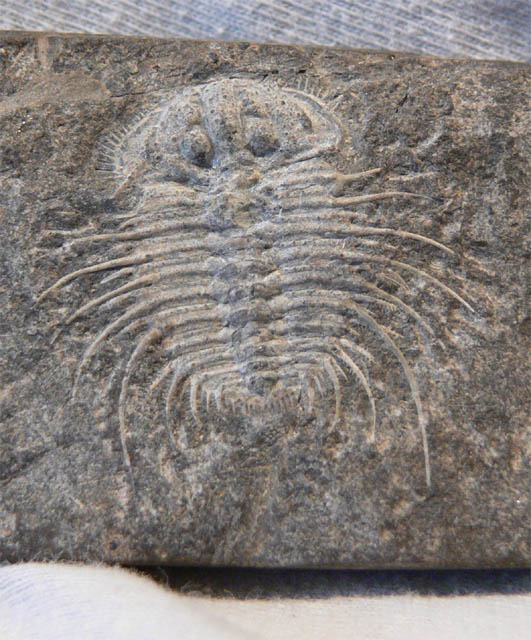 |
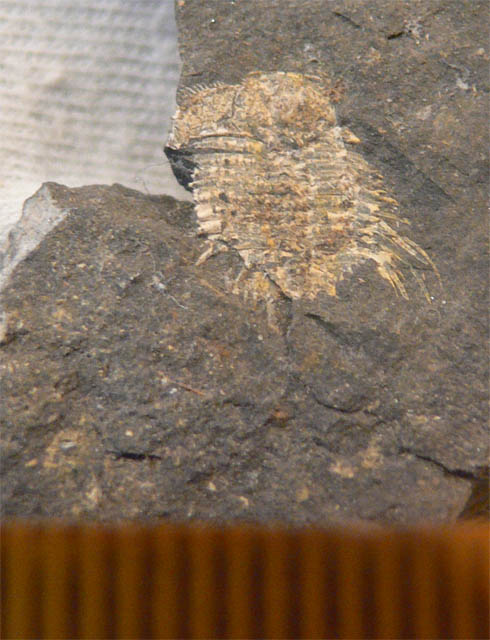 | Odontopleura ovata #647 Wenlock, Silurian, 426 million years old Lodenice, Czech Republic Size trilo.: 0.32 inch / 0.9 cm Price: |
| Aulacopleura konincki #601 Wenlock, Silurian, 426 million years old Lodenice, Czech Republic Size trilo.: 0.72 inch / 1.8 cm Price: | 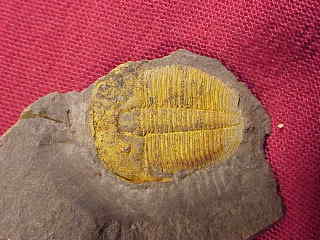 |